

How Many Carbs in Avocado? Smart Low-Carb Eating Guide
How many carbs in avocado? A medium avocado contains about 12 to 17 grams of total carbs and only 2 to 4 grams of net carbs because it is high in fiber. This makes avocado a popular choice for low-carb and keto diets.
This guide explains avocado carbs, calories, healthy fats, nutrition facts, and smart ways to eat avocado in a balanced diet.
How Many Carbs in Avocado?

How many carbs in avocado depends on serving size, but net carbs stay low because avocado contains large amounts of fiber. This fruit also provides healthy fat, potassium, vitamins, and nutrition benefits for low-carb diets.
Total Carbs vs. Net Carbs in Avocado
A medium avocado usually contains about 12 to 17 grams of total carbohydrate, while net carbs stay much lower because of the high fiber content. Half an avocado commonly provides about 2 to 3 grams of net carbs, depending on size.
-
Total Carbs: Around 12 to 17 grams per medium avocado.
-
Net Carbs: About 2 to 4 grams after fiber subtraction.
-
Fiber Content: Roughly 10 to 14 grams in one fruit.
-
Sugar Level: Naturally low compared with other fruits.
-
Serving Size: Half an avocado lowers carb and calories intake further.
Full Nutrition Breakdown of a Medium Avocado
Avocados contain healthy dietary fats, fiber, vitamins, and potassium while staying lower in sugar than sweet fruit options. The fat inside avocado mainly comes from monounsaturated fat and oleic acid, which also appear in olive oil.
-
Calories: A medium avocado usually contains around 240 to 325 calories depending on variety and serving size.
-
Fat Content: Most avocado fat comes from heart-friendly monounsaturated fat instead of high saturated fat levels.
-
Protein: One medium avocado provides roughly 2 to 4 grams of plant-based protein per serving.
-
Potassium: Avocados are a good source of potassium, but potassium content depends on serving size and fruit comparison.
-
Vitamin E: This fruit provides vitamin E and plant chemicals that support overall nutrition and skin health.
Can I Eat a Whole Avocado on a Low Carb Diet?
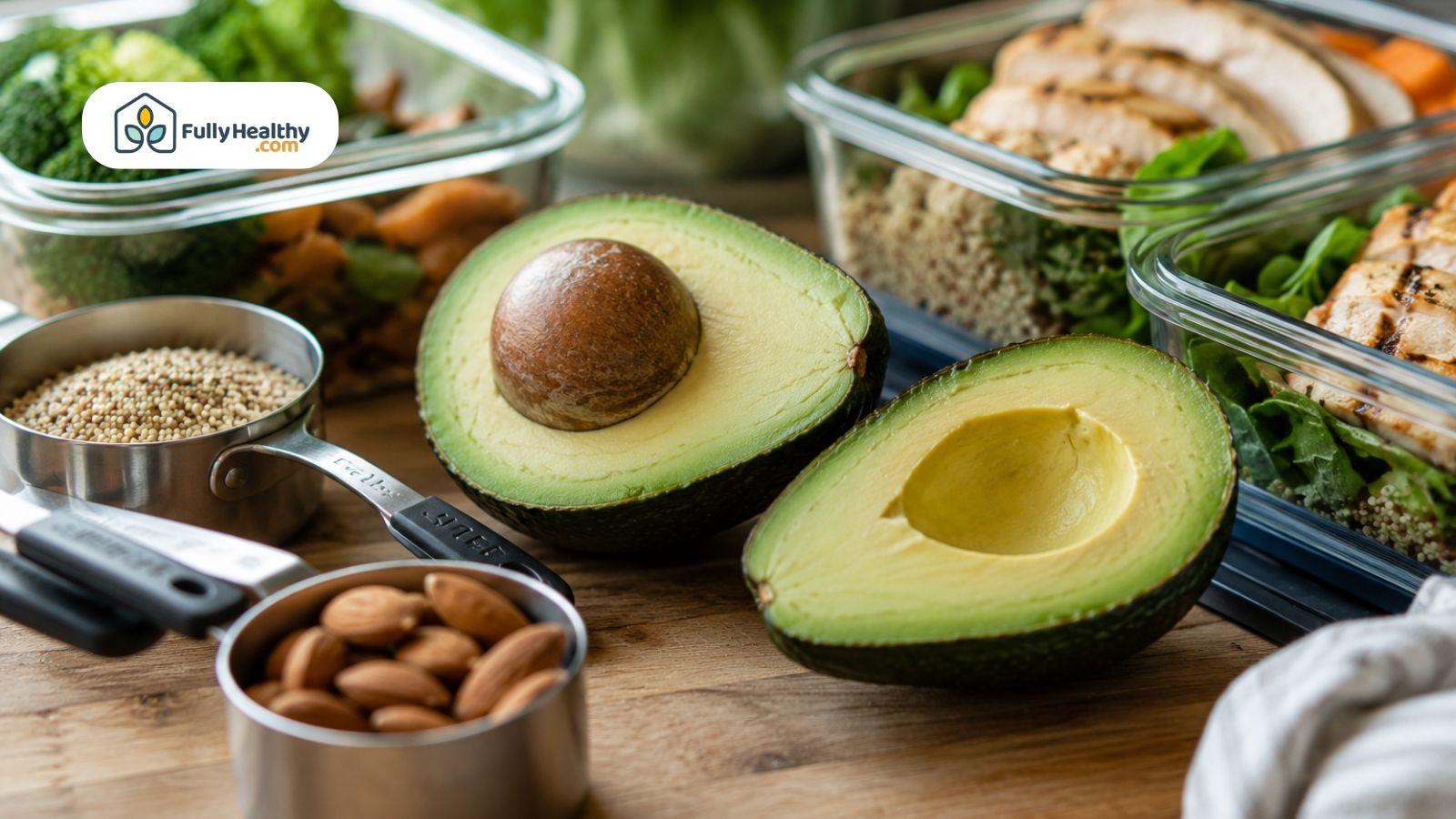
A whole avocado can fit low-carb and keto eating plans because most carbohydrates come from fiber instead of digestible sugar. Avocado intake may also support fullness, stable blood glucose, and reduced cravings during weight loss routines.
Why Avocados Work Well for Keto and Low-Carb Diets
Avocados work well in keto meal plans because they contain low net carbohydrate levels and high amounts of healthy fat. Fiber also slows digestion, helping blood sugar stay steadier after meals.
-
Healthy Fats: Avocados contain monounsaturated fat and polyunsaturated dietary fats that may support heart disease prevention goals.
-
Low Sugar: This fruit stays naturally low in sugar compared with sweet fruits and processed baked goods.
-
Fiber Support: Fiber can slow digestion and may help moderate post-meal blood glucose response.
-
Keto Friendly: A medium avocado fits keto diet plans because net carbohydrate levels stay relatively low.
-
Satiety Benefits: Healthy fat and fiber may help reduce cravings between meals and support healthy weight routines.
Smart Ways To Eat a Whole Avocado Without Raising Carbs
Avocado pairs well with protein-rich foods and low-carb vegetables while adding creamy texture without extra sugar. Fresh avocado also works in savory meals better than sweet processed foods.
-
Breakfast Meals: Add mashed avocado beside eggs, cheese, and black pepper for a filling low-carb breakfast.
-
Salads: Slice ripe avocado into salads with nuts, vegetables, olive oil, and lemon juice for extra nutrition.
-
Smoothies: Blend half an avocado with yogurt, lemon, and protein for a creamy low-carb smoothie.
-
Soups: Fresh avocado works well in chilled soups and guacamole without adding refined carbohydrate.
-
Cooking Oils: Avocado oil has a high smoke point for roasting vegetables and preparing keto meals.
Which is Healthier, Banana or Avocado?

Banana and avocado both provide nutrition benefits, but their carbohydrate, fiber, and sugar levels differ significantly. Avocado usually fits lower-carb diets better, while bananas provide faster energy for active lifestyles.
Comparing Carbs, Fiber, and Sugar Between Bananas and Avocados
A banana contains more sugar and digestible carbohydrate than avocado, while avocado contains more fiber and healthy fat. Blood sugar response also differs because avocado digests more slowly.
-
Carbohydrate Levels: Bananas contain far more digestible carbohydrate than a medium avocado.
-
Fiber Content: Avocado contains higher fiber levels that support fullness and digestion.
-
Sugar Levels: Bananas naturally contain more sugar than avocado and other low-carb foods.
-
Healthy Fat: Avocado provides monounsaturated fat, while bananas contain almost no fat.
-
Blood Sugar: Avocado is low in sugar and high in fiber and fat, which may support a steadier post-meal blood glucose response.
When Avocados Are Better Than Bananas for Certain Diets
Avocados fit low-carb and keto eating patterns better because of lower net carbs and higher dietary fats. Bananas may work better before exercise because they provide faster fuel and natural sugar.
-
Keto Diets: Avocado supports keto meal planning because carbohydrate levels remain relatively low.
-
Weight Loss: Fiber and healthy fat may help reduce hunger between meals and snacks.
-
Heart Health: Oleic acid and potassium may support lower risk factors tied to LDL cholesterol.
-
Meal Flexibility: Avocado works well in salads, guacamole, soups, and savory recipes.
-
Sports Nutrition: Bananas provide quick energy for endurance activity because they digest faster.
What is the Number One Carb To Avoid?

Highly refined carbohydrates and sugary processed foods are often considered the least beneficial carb sources in low-carb eating plans. These foods digest quickly and may raise blood sugar levels rapidly.
Refined Carbs and Sugary Foods That Spike Blood Sugar Fast
Refined carbohydrate foods usually contain added sugar, lower fiber levels, and fewer vitamins than whole foods. White bread, pastries, sweet drinks, and packaged snacks are common examples linked with blood sugar spikes.
-
Sugary Drinks: Soda, sweet coffee drinks, and energy drinks can rapidly increase blood glucose and calorie intake.
-
White Bread: Refined grains digest quickly because most fiber has been removed during processing.
-
Baked Goods: Cookies, pastries, donuts, and cakes often contain sugar, butter, and refined flour together.
-
Processed Snacks: Potato chips, crackers, and packaged snack foods may increase cravings because they digest very quickly.
-
Candy and Sweets: Candy bars and sugary desserts provide large sugar amounts with very little fiber or nutrition.
Why Avocados Are Different From Processed Carbs
Fiber-rich foods digest more slowly than refined carbohydrate products because they contain natural nutrients and plant chemicals. Avocados also provide healthy fat and vitamins without large sugar amounts.
-
Slow Digestion: Fiber helps food digest more gradually than refined grains and sweet snacks.
-
Fullness Support: Avocado may help people feel full longer because of fat and fiber content.
-
Nutrition Density: Avocados contain potassium, vitamin E, and other nutrients missing from processed foods.
-
Lower Sugar: This fruit contains minimal natural sugar compared with sweet packaged products.
-
Whole Food Benefits: Whole grains, vegetables, nuts, seeds, and avocado support balanced nutrition patterns.
About FullyHealthy and Avocado-Based Products
FullyHealthy offers specialty foods for people following gluten-free, paleo, keto, and allergen-conscious diets. The site includes avocado oil products, snacks, and pantry foods designed for lower-carb lifestyles.
What FullyHealthy Offers
FullyHealthy focuses on specialty foods made for people managing dietary restrictions or wellness goals. The website includes products supporting keto, AIP, gluten-free, and lower sugar eating plans.
-
Specialty Foods: Products support gluten-free, paleo, and low-carb diet routines.
-
Pantry Staples: Shoppers can buy oils, snacks, sauces, and wellness foods in one browser session.
-
Lower Sugar Options: Several products avoid excess sugar and heavily processed ingredients.
-
Allergen Friendly: FullyHealthy includes foods designed for sensitive diets and ingredient awareness.
-
Meal Support: Products can simplify low-carb meal preparation and recipes at home.
Avocado Oil Products and Low-Carb Snacks Worth Trying
Avocado oil products provide healthy fat and flexible cooking options because of their mild flavor and high smoke point. Several snacks and pantry foods on FullyHealthy also fit lower-carb eating styles.
-
Chosen Foods 100% Avocado Oil Based Traditional Mayo: This avocado oil mayo may replace traditional spreads made with heavily processed oils and added ingredients.
-
Primal Kitchen Avocado Oil: Avocado oil works well for roasting vegetables, preparing eggs, and cooking high-heat meals because of its high smoke point.
-
Jackson’s Avocado Oil Sweet Potato Chips: These sweet potato chips use avocado oil instead of highly refined frying oils for a crisp snack option.
-
Cacao Clouds: Cacao-based snacks may help satisfy sweet cravings while fitting balanced low-carb snack routines in smaller portions.
Final Thoughts
Avocado stays low in net carbs while providing fiber, monounsaturated fat, potassium, vitamin E, and beneficial plant chemicals. Lime juice, mashed avocado, and pressed avocados used for avocado oil can support balanced low-carb meals without excess sugar.
Avocado may also support blood sugar balance, heart health, and reduced risk factors linked with LDL cholesterol. Use a cutting board and avoid holding avocado in your hand while slicing to reduce the risk of avocado hand., and enjoy it with other foods in balanced portions daily.
FAQs
Is Avocado Good for Macular Degeneration?
Yes, avocado is considered highly beneficial for preventing and managing age-related macular degeneration.
Is Avocado Good to Eat for Diabetes?
Avocado may help support blood sugar and diabetes management because fiber and monounsaturated fat slow digestion and reduce rapid blood glucose spikes.
What Health Benefits Does Avocado Provide?
Avocado health benefits include fiber, potassium, healthy dietary fats, heart disease support, lower LDL cholesterol levels, and better fullness after meals.
How Many Calories Are in One Third of a Medium Avocado?
One third of a medium avocado usually contains around 80 to 110 calories depending on size and total fat content.
Do Plant Chemicals in Avocado Support Better Nutrition?
Plant chemicals found in avocado, olive oil, vegetables, nuts, and other foods may support heart health, lower risk markers, and balanced nutrition.
Leave a comment