

How Many Cups In A Pound Of Sugar For Baking And Cooking
How many cups in a pound of sugar? When measured level, one pound of granulated sugar is about 2.25 cups. This article talks about why that number can change with different kinds of sugar, how to get the right results by measuring correctly, and how to avoid common baking mistakes so that recipes stay accurate and consistent.
🍁 Sweeten Naturally – Enjoy the Rich, Caramel Notes of Maple Sugar!
How Many Cups Is 1 Pound of Sugar?
Granulated Sugar Cups Per Pound
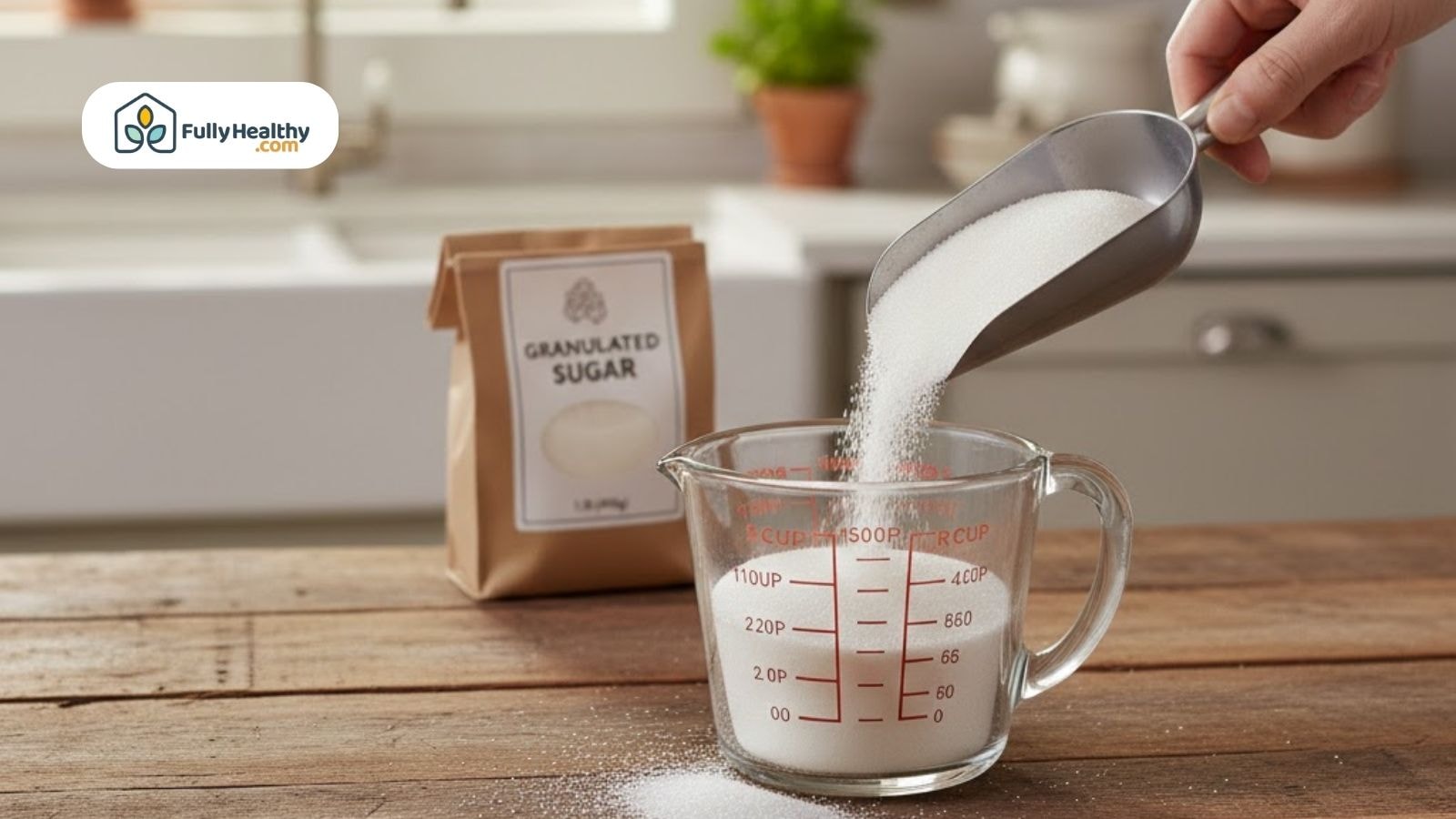
Granulated sugar is the most popular kind of sugar used in baking. This is how many cups are in a pound of sugar. A pound of granulated sugar is about 2.25 cups. This is because measuring by volume depends on density as well as weight.
-
Standard Conversion: One pound of granulated sugar equals about 2 cups plus 4 tablespoons.
-
Why Volume Varies: Granulated sugar density changes based on how the sugar settles in a measuring cup.
-
Best Practice: Use a straight edge or knife to level the sugar for accurate measurement.
-
Baking Accuracy: Precise measurements support consistent results in baked goods.
Why Sugar Type Changes Cup Measurements
Different sugar types measure differently because air, moisture, and texture affect volume, even when the weight stays equal. Powdered sugar, brown sugar, and raw cane sugar all occupy different space in a measuring cup.
-
Powdered Sugar: Lighter texture creates many cups per pound due to trapped air.
-
Brown Sugar: Moisture content means packed brown sugar takes less volume when firmly packed.
-
Raw Cane Sugar: Coarser crystals affect cup measurements compared to white sugar.
-
Key Reminder: Always match the type of sugar listed in the recipe.
Is It Cheaper To Make Or Buy Brown Sugar?
Cost Breakdown Of Homemade Brown Sugar
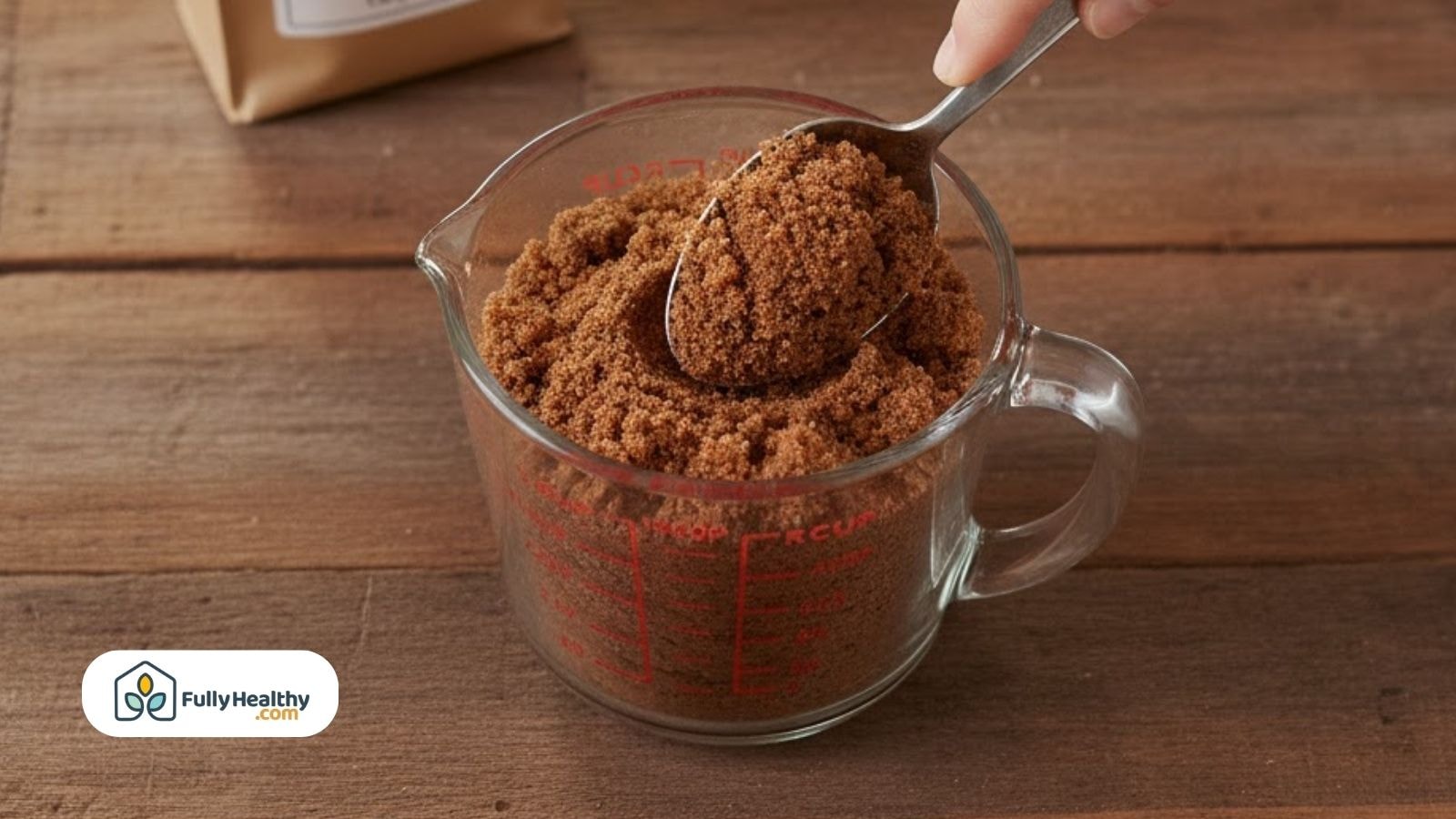
Mixing white granulated sugar with molasses is usually a cheaper and easier way to make brown sugar at home. This method cuts down on waste for most recipes commonly baked at home, stops you from having to buy extra bags, and lets you control the amount of light or dark brown sugar you use.
-
Ingredient Cost: Granulated sugar plus molasses may cost slightly less per pound.
-
Real Savings: Small batches reduce financial benefit for most home cooks.
-
Time Factor: Mixing and storing adds effort compared to opening a bag.
-
Budget Cooking: Savings increase when baking in large quantities.
When Homemade Brown Sugar Makes Sense
Making brown sugar at home works well when being able to change the recipe and having fresh ingredients are more important than cost. It's also useful when you don't have brown sugar on hand and a recipe calls for it.
-
Emergency Substitute: Useful when brown sugar runs out mid-recipe.
-
Texture Control: Adjust molasses for light or dark brown sugar.
-
Moisture Balance: Freshly mixed sugar avoids hardened lumps.
-
Convenience Tradeoff: Store-bought remains easier for frequent use.
What’s The Best Way To Store Sugar?
Best Storage For Granulated Sugar
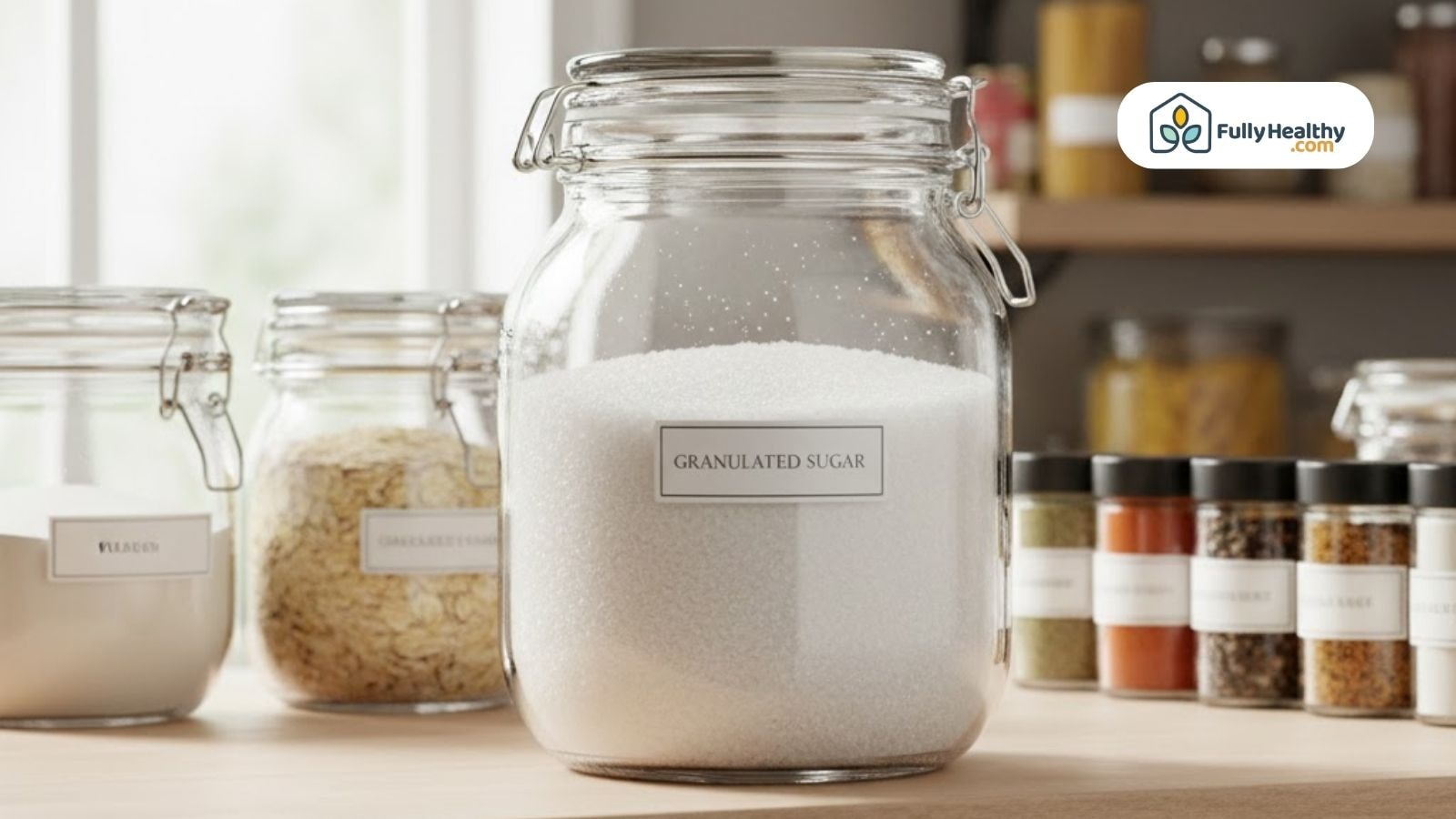
Granulated sugar lasts longer when it is kept in a dry, airtight container at room temperature. Refrigeration adds moisture, which can make things clump together and change how much space they take up. Proper storage keeps the sugar's texture and cup measurements the same across batches.
-
Container Choice: Use sealed containers or heavy-duty bags.
-
Moisture Control: Keep away from liquid, steam, and humidity.
-
Shelf Location: Store near flour and other dry ingredients.
-
Measurement Consistency: Dry sugar fills measuring cups evenly.
How To Store Brown And Powdered Sugar Properly
Brown sugar and powdered sugar need different storage approaches because moisture and odor affect them in opposite ways. When brown sugar dries out, it hardens. On the other hand, powdered sugar clumps together and absorbs smells when it comes into contact with air.
-
Brown Sugar Storage: Store in an airtight container to retain moisture and prevent hardening.
-
Packed Measurement: Firmly packed cup measurements stay accurate when brown sugar remains soft.
-
Powdered Sugar Care: Keep sealed and away from strong odors like spices or coffee.
-
Texture Protection: Proper storage prevents clumping and uneven volume measurements.
What Is The Shelf Life Of Sugar?
Does Sugar Ever Expire?
Sugar does not spoil in the traditional sense because it does not support microbial growth when kept dry. It stays safe indefinitely, but for best quality in cooking and baking, it is recommended to use sugar within two years.
-
Shelf Stability: Sugar stays safe when stored dry and sealed.
-
Quality Recommendation: Use sugar within two years for best texture and performance.
-
Dry Storage: Moisture is the main cause of quality loss.
-
Food Safety: Sugar does not grow bacteria or mold without liquid.
Quality Changes Over Time
Sugar is still safe, but its texture and consistency can change when it absorbs or loses moisture. Brown sugar gets hard, powdered sugar clumps together, and granulated sugar may pack down in the container. These changes don't affect weight, but they do affect volume measurements. That's why weighing is the most accurate way to get results.
-
Hardening: Brown sugar becomes solid as moisture escapes.
-
Clumping: Powdered sugar forms lumps due to humidity.
-
Volume Shift: Cup measurements change when texture changes.
-
Usability: Sugar remains usable after breaking up clumps.
FullyHealthy And Thoughtful Ingredient Selection
About FullyHealthy
FullyHealthy is a specialty food market that focuses on clean ingredients, dietary honesty, and making sure customers know why they are eating what they are eating. The store helps home cooks find options other than refined sugar without changing how they bake and cook.
-
Ingredient Transparency: Clear labeling supports informed decisions.
-
Food Education: Measurement and usage guidance helps accuracy.
-
Dietary Focus: Products suit specialty and alternative diets.
-
Trusted Resource: Emphasis on clarity and ingredient integrity.
FullyHealthy Sugar Products
FullyHealthy offers sugar alternatives that behave differently in volume and density compared to traditional sugar types. These include maple sugar, coconut sugar, and date sugar, each affecting cup measurements and texture in recipes.
-
Coombs Family Farms Organic Maple Sugar: Has a granulated texture similar to white sugar, making it easier to substitute in baking.
-
Big Tree Farms Organic Golden Coconut Sugar: Is slightly heavier with a deeper flavor, which can affect volume measurements.
-
Date Lady Date Sugar: Is made from ground whole dates, giving it a different moisture behavior and texture in recipes.
-
Bob’s Red Mill Organic Coconut Sugar: Provides another granulated alternative with similar measuring considerations.
Final Thoughts
When you know how many cups are in a pound of sugar, you can bake and cook without guessing. When you know how the type, density, and moisture of sugar affect volume, it is easier to follow and scale recipes. Using the right measuring tools and a kitchen scale when possible will help the texture and flavor stay the same more often.
With these basics down, people who cook at home can measure sugar correctly, change recipes with certainty, and get reliable results every time.
FAQs
Does 4 cups equal 1 pound?
No, 4 cups do not usually equal 1 pound because most sugar types reach one lb closer to 2 to 2.25 cups, not one cup multiplied four times.
How many cups equal 1 pound?
How many cups equal 1 pound depends on the unit and sugar type, but granulated sugar converts pounds to about 2.25 cups per lb using a kitchen scale for accuracy.
How many cups of sugar are in 4 lb?
To calculate this, multiply the cups per pound by four, so 4 lb of granulated sugar equals about 9 cups, ensuring enough sugar for large batches.
Is 4 cups of powdered sugar 1 pound?
No, powdered sugar or confectioners sugar measures differently, and 4 cups of powdered sugar can approach one pound depending on how it is packed.
How many cups is a 5lb bag of sugar?
A 5lb bag of sugar contains roughly 11 to 12 cups, though results vary by sugar type, moisture, and how the spoon levels each scoop, unlike honey which behaves as a liquid.
Leave a comment