

How Many Oz in Canned Tuna? Your Guide to Tuna Can Sizes
 Photo Credit: Canva Pro
A lot of people keep tuna in a can, but how many ounces are in a can? There are different sizes for bigger or smaller portions, but the most common ones are 3 oz, 5 oz, 7 oz, and 12 oz.
These sizes will help you pick the right can for your recipe, whether you're making a quick meal or getting ready for a big family dinner. Let's break it down so that you can buy tuna more easily next time.
Featured Pantry Pick
Wild Planet // Wild Albacore Tuna - 5 oz
Loading...
How Many Oz in Canned Tuna?
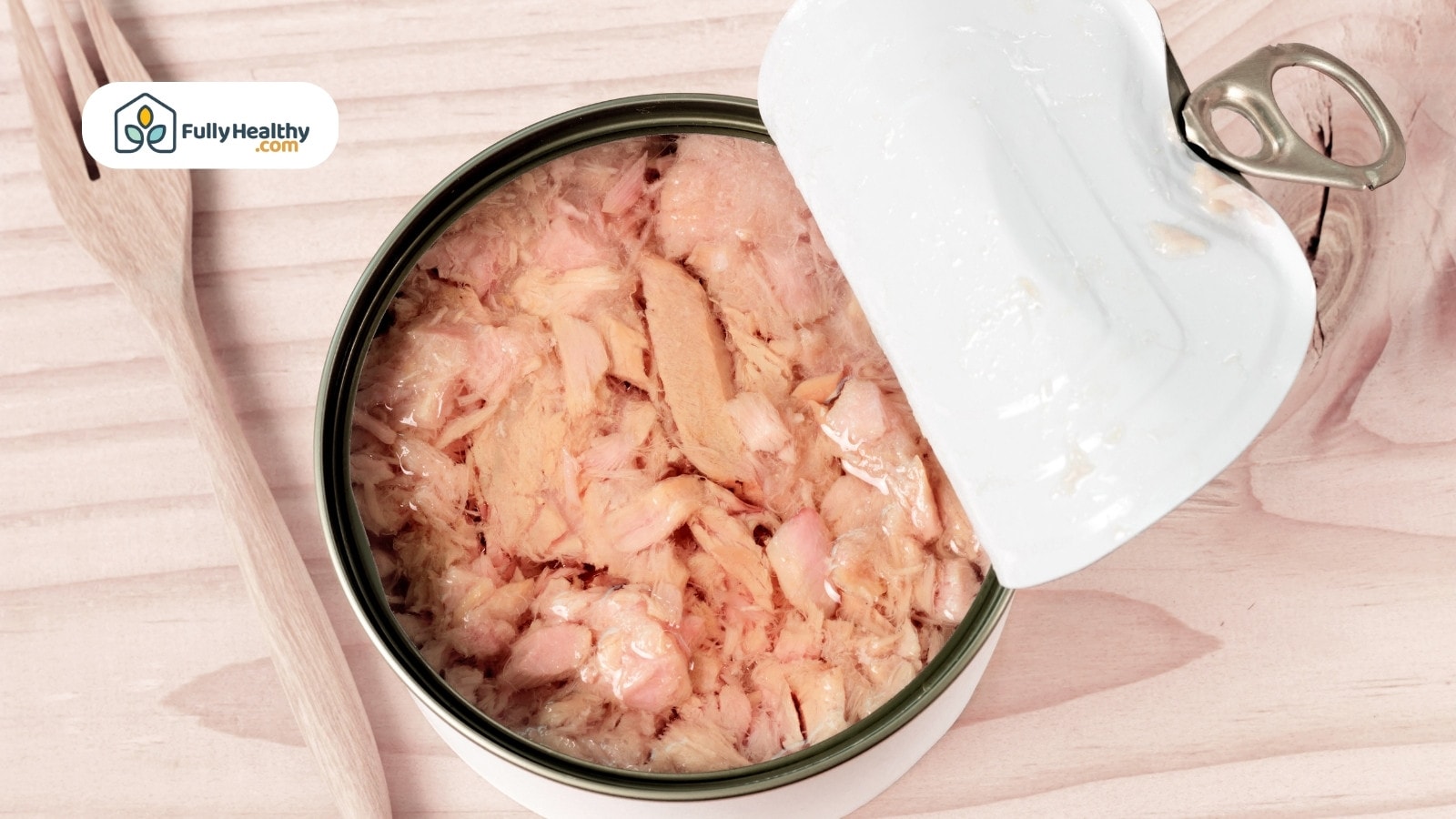 Photo Credit: Canva Pro
There are different sizes of tuna in a can, so it's easy to find the right amount for your meal. 66.5 oz cans are rarely found in standard consumer stores but are used in commercial or bulk settings. If you know these sizes, you can pick the right amount of tuna for your recipe or to serve.
Common Canned Chunk Light Tuna Sizes
It comes in different sizes so you can use it for different meals. Here is a list of common sizes:
-
3 oz cans: Perfect for single servings or light meals, often used in cool tuna salads.
-
5 oz cans: The most popular size, great for a single portion or adding to sandwiches.
-
12 oz cans: Ideal for family meals or large recipes, such as hot casseroles.
-
Larger Cans (66.5 oz): Used in commercial kitchens or for large gatherings. Great for bulk cooking.
Why Canned Tuna Varies in Size
To find the right size tuna can for your meal, measure how much you need. You can avoid buying too much or too little if you know the right size.
-
Serving Needs: Smaller cans (3 oz, 5 oz) are ideal for personal meals.
-
Meal Size: Larger cans (12 oz) are perfect for family meals or batch cooking.
-
Recipe Flexibility: Choosing the right can size helps adjust recipes for different portion sizes.
How Many Cans of Tuna is 4 Ounces?
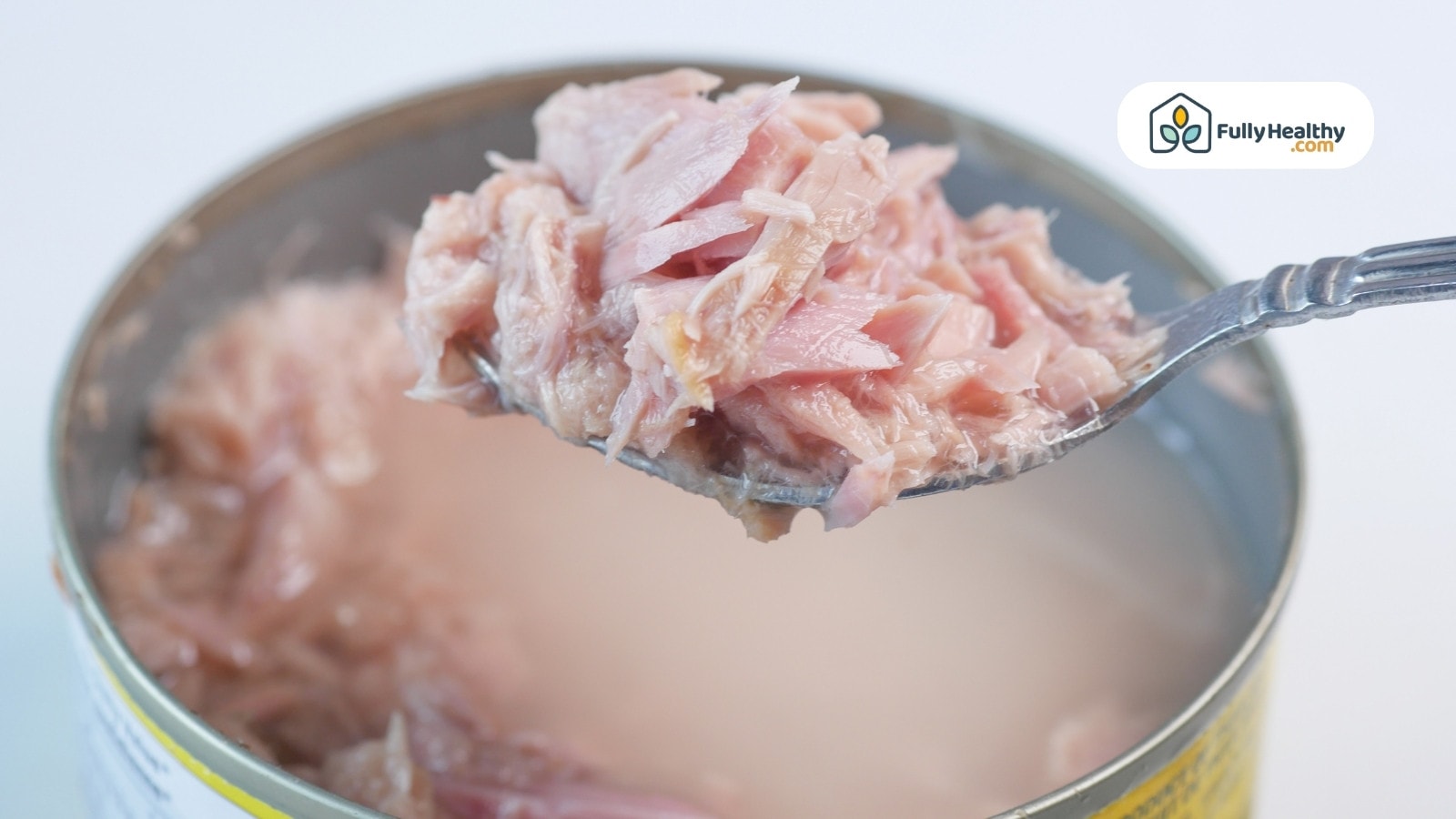 Photo Credit: Canva Pro
To make 4 ounces of tuna, all you have to do is mix a 3 ounce can with a small amount of a 5 ounce can. When working with seafood or other seafood-based foods, this helps you get the right amount for your meal.
How Much Tuna is Needed for 4 Oz?
If you need 4 ounces of tuna for a recipe, you can get the right amount by combining a 3 ounce can with part of a 5 ounce can.
-
3 oz + 1 oz: Simply combine a 3 oz can and part of a 5 oz can to meet the 4 oz requirement.
-
Recipe Accuracy: This helps ensure that you’re adding the right amount of tuna for dishes like cool tuna salads.
-
Portion Control: Mixing different sizes is a great way to manage portions and control ingredients in recipes.
Portion Sizes and Flexibility
Recipes will turn out right if you know how much tuna to use for each serving, and your body will how much a nutrient it needs.
-
Single Serving Adjustments: A 3 oz can is often the perfect serving size for most people. It’s great for meals where you want a quick serving of tuna with its naturally mild flavor people.
-
Easy Portion Control: Combining different sizes lets you adjust your recipes without waste. It’s perfect for managing portions and ensuring you’re not over-consuming, just like you would when preparing meals with chicken.
-
Practical for Meal Prep: This method helps when planning meals ahead, especially for larger dishes like hot casseroles or snacks, ensuring the right amount of seafood is included.
How Many Ounces is a Can of Starkist Tuna?
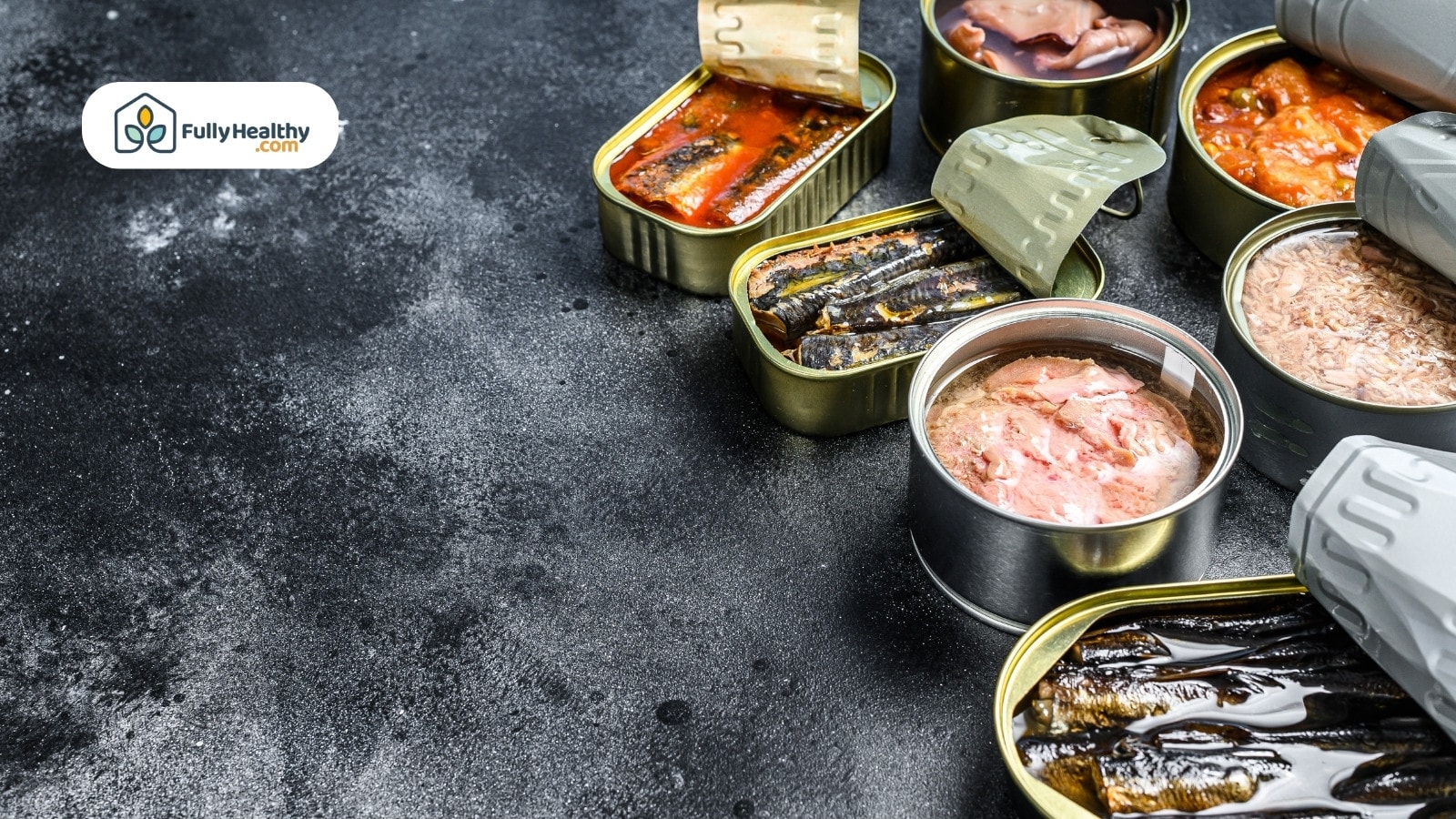 Photo Credit: Canva Pro
Starkist has different sizes of tuna in a can, such as chunk light tuna, solid white albacore tuna, and others. These are easy to pick out for your meals because they come in 3 oz, 5 oz, and 12 oz cans.
Tuna Sizes from Starkist
There are different sizes of canned tuna from Starkist, so you can choose the right one for your needs.
-
3 oz Can: Contains about 90 calories, perfect for a single serving or quick snack.
-
5 oz Can: Contains around 150 calories, suitable for a balanced meal portion.
-
12 oz Can: Offers 350-450 calories, ideal for larger meals like casseroles or family recipes.
-
Chunk Light and Solid White Albacore Tuna: Available in both light tuna in water and tuna in oil, providing options for different tastes and dietary needs.
The Health Benefits of Starkist Tuna
Starkist's tuna is caught in the wild and is good for you because it is high in protein and low in fat.
-
Naturally Lower in Fat: Starkist offers tuna that is naturally lower in fat, especially in light tuna.
-
Packed with Protein: A 5 oz can of tuna contains approximately 30 grams of protein, which is beneficial for muscle repair and overall health.
-
Nutritional Value: Starkist tuna is rich in omega-3 fatty acids, making it a healthy choice for anyone looking to boost their nutrition.
What Are the Sizes of Tuna Cans?
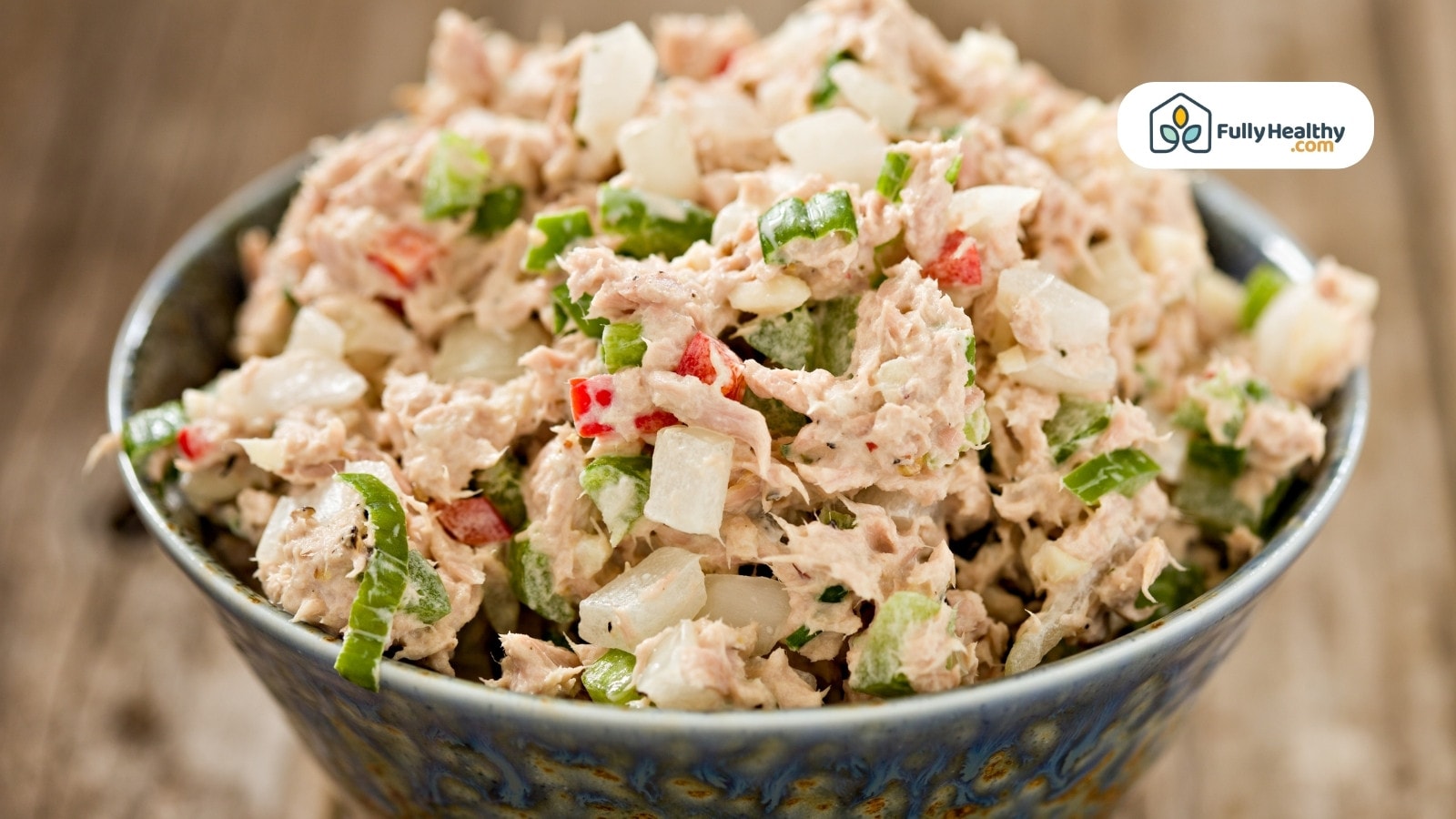 Photo Credit: Canva Pro
Tuna cans come in different sizes to suit different needs, from small ones for one person to big ones for a whole family. You can choose the right amount of tuna for your meals whether you're making a quick snack or a full meal by knowing the different sizes. The most common sizes are 3 oz, 5 oz, and 12 oz, but you can also get even bigger sizes for cooking in bulk.
Common Tuna Can Sizes
There are different sizes of tuna cans, which gives you options for making meals.
-
3 oz Can: Ideal for individual servings or small meals, great for light snacks or salads.
-
5 oz Can: This is the most popular size, suitable for one person or small recipes like sandwiches and cool tuna salads.
-
12 oz Can: Perfect for family-sized portions, ideal for larger dishes like hot casseroles.
-
Larger Cans (66.5 oz): Typically used for bulk cooking in food contributes such as for large gatherings or commercial kitchens.
Special Packaging Types
If you have specific needs, some tuna brands offer different ways to package their food.
-
Skipjack and Albacore Tuna: Available in cylindrical or rectangular cans, offering convenience for storage and serving.
-
Flaked Tuna: Perfect for mixing into dishes like salads or pasta.
-
Dolphin Safe: Many tuna brands ensure dolphin-safe fishing practices, providing peace of mind that no dolphins are harmed during the catch.
Is 1 Tin of Tuna a Day Okay?
Tuna is a great food to add to your diet because it is full of healthy nutrients like protein, omega-3 fatty acids, and vitamins. But because of worries about mercury levels, some people may not be sure if it's safe to eat every day. Tuna can be part of a healthy diet, but only in small amounts so you don't get too much mercury.
Mercury Levels and Safety
Mercury levels in tuna can be different depending on the type, but fresh tuna usually has higher mercury levels than canned tuna.
-
Mercury in Canned Tuna: Canned tuna, especially chunk light tuna and skipjack, contains lower mercury levels, making it safer for regular consumption.
-
Health Recommendations: It’s recommended to eat tuna in moderation, with 2-3 servings per week being a safe amount for most people.
-
The General Guideline: Pregnant women and young children should limit their intake due to their sensitivity to mercury.
Benefits and Nutrients
There are a lot of vitamins and minerals in tuna, which makes it a very healthy food.
-
Wild Caught Tuna: This type of tuna is an excellent source of omega-3 fatty acids, which support heart health and brain function.
-
Naturally Mild Flavor: The mild flavor of tuna makes it versatile for various dishes, from Mediterranean meals to simple meals like tuna in olive oil with vegetable broth.
-
Nutrition Facts: A 5 oz can of tuna in water is a good source of protein, vitamin D, and vitamin B12, all of which are important for a healthy daily diet.
FullyHealthy: A Great Source for Special Diets
The online store FullyHealthy specializes in selling high-quality foods that are safe for people on special diets like the Autoimmune Protocol (AIP), gluten-free, and allergen-free diets. If you want clean, healthy options without having to check the ingredients, FullyHealthy is the best place to go. Because they make it easy to find food that fits your needs, you can shop with confidence.
Top FullyHealthy Tuna Products
FullyHealthy offers some great tuna options for those looking for wild-caught, nutrient-dense products.
-
Wild Planet Wild Albacore Tuna (3 oz): Perfect for a quick, single-serving meal, this tuna is wild-caught and packed in water, offering a naturally mild flavor.
-
Wild Planet Skipjack Wild Tuna (No Salt, 5 oz): This 5 oz can of skipjack tuna has no added salt, making it an ideal choice for those watching their sodium intake.
-
Wild Planet Wild Albacore Tuna (5 oz): Another healthy option, this 5 oz can of albacore tuna is a great choice for a balanced meal with high-quality protein.
Why Choose FullyHealthy?
If you go with FullyHealthy, you can get high-quality products that are carefully chosen to meet your dietary needs.
-
Transparent Labeling: All products come with clear labeling, so you can be sure they fit your specific dietary plan.
-
Trusted Brands: FullyHealthy partners with small brands known for their commitment to quality and transparency.
-
Convenience: Enjoy the ease of shopping without needing to search for specialty items across multiple stores.
Final Thoughts
Due to its mild flavor, tuna in a can is still a popular and healthy food choice for many. It gives you protein, omega-3s, and vitamins like B12 and D, which are all good for you. It tastes great with any meal, whether you eat it as a snack or add it to foods like cool tuna salads, hot casseroles, or Mediterranean dishes.
Always look at the nutrition label to see how much sodium and sugar are in a food. For people on special diets like Weight Watchers or who are watching how much sodium they eat, it is very important to know how much salt is in canned tuna.
As the FDA says, you should only eat a small amount of tuna at a time to avoid getting too much sodium or mercury. For single meals, the 5-ounce can is often used, but remember to drain the brine or water to keep the sodium levels low and get the most health benefits.
FAQs
How much sodium is in a 5-ounce can of white tuna?
The 5-ounce container of white tuna typically has sodium levels that vary based on the type. It’s best to check the nutrition label for how much sodium and salt is included, especially if you’re following general nutrition advice or a low-sodium diet.
Can I consume canned tuna every day?
While canned tuna is an excellent source of protein and omega-3 fatty acids, it’s important to consume it in moderation. Always read the label to ensure it fits within your daily value for sodium and nutrients, and remember that excessive salt can lead to health issues.
Does tuna contribute to Weight Watchers’ daily points?
Yes, tuna contributes to Weight Watchers’ daily points, and its low fat content can be beneficial for consumers watching their weight. However, always check the container’s nutrition facts for any added sugars or high sodium levels that might affect your total points.
How much mercury is in a drained can of tuna?
Tuna can contain low levels of mercury, particularly chunk light tuna. Draining the can helps reduce the amount of sodium and brine, but to minimize mercury intake, it’s best to consume it in moderation, as per FDA guidelines.
What should I know before buying tuna?
Before buying tuna, check the label for details on sodium, added sugars, and drained weight. This helps consumers make an informed decision about their food choices, ensuring they get the intended nutrition without exceeding their daily value for sodium.
Leave a comment