

How Much Fiber Do I Need? Easy Ways to Reach Your Daily Goal
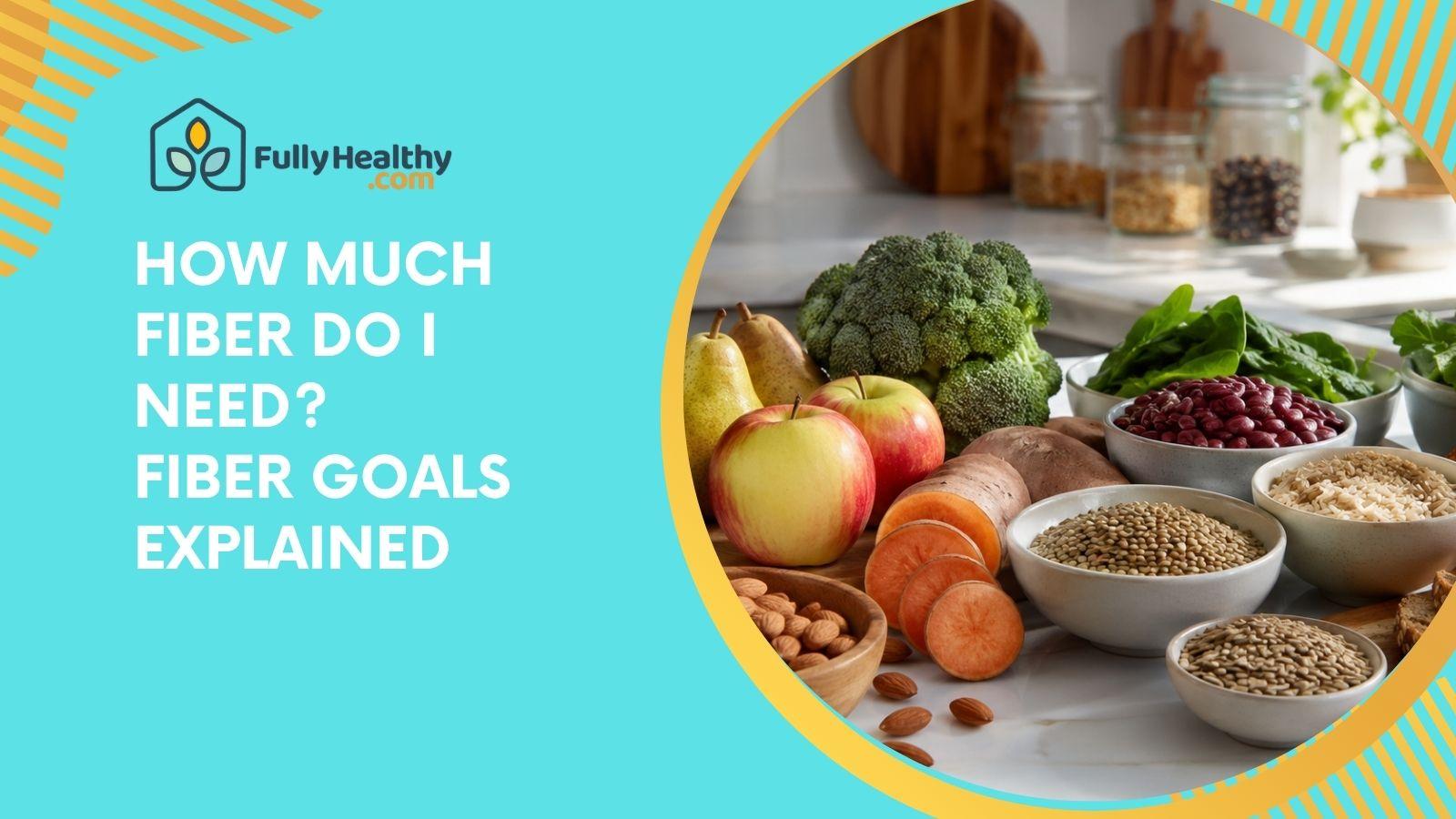
Fiber helps digestion, supports heart health, and keeps bowel movements regular. Adults ages 19–50 generally need about 25 grams per day for women and 38 grams for men. For adults over 50, the adequate intake decreases to about 21 grams for women and 30 grams for men; pregnancy and lactation have separate targets.
It depends on your age, diet, and health what you need. Slowly add more fiber to your diet, make sure you drink enough water, and eat foods like nuts, seeds, fruit, beans, and oats. This blog talks about daily goals, constipation, fiber calculations, and good bowel habits in simple, everyday language.
How Much Fiber Do I Need?
Finding out how much fiber you need can help your digestion and keep your bowel movements regular. Needs for fiber change based on health, age, and sex. Eating a lot of whole plant foods gives you different amounts of dietary fiber.
How Much Fiber Do I Need Each Day?
Women need about 25 grams of fiber daily, while most men need about 38. A registered dietitian can set a daily fiber goal when health needs change.
-
Daily target: Use the recommended daily amount as your starting point.
-
Best approach: Choose fiber-rich foods before fiber supplements.
-
Simple habit: Eat fruits and vegetables, beans, lentils, whole grains, nuts, and seeds daily.
What Types of Fiber Does Your Body Need?
Dietary fiber is often described as soluble or insoluble, but viscosity and fermentability are also important because fibers within the same solubility category can have different physiological effects.
Some soluble, viscous fibers form gels and can modestly reduce post-meal blood glucose responses and LDL cholesterol; these effects do not apply equally to all soluble fibers. Insoluble fiber adds bulk and helps food move through the digestive tract and large intestine. Both support gut health.
-
Soluble sources: Oats, kidney beans, apples, chia seeds, and fiber-rich fruits.
-
Insoluble sources: Whole wheat bread, leafy greens, Brussels sprouts, sweet potatoes, and sunflower seeds.
-
Smart swaps: Choose brown rice and whole-grain bread instead of white rice or white flour foods.
How Many Grams of Fiber Do You Need to Poop Regularly?
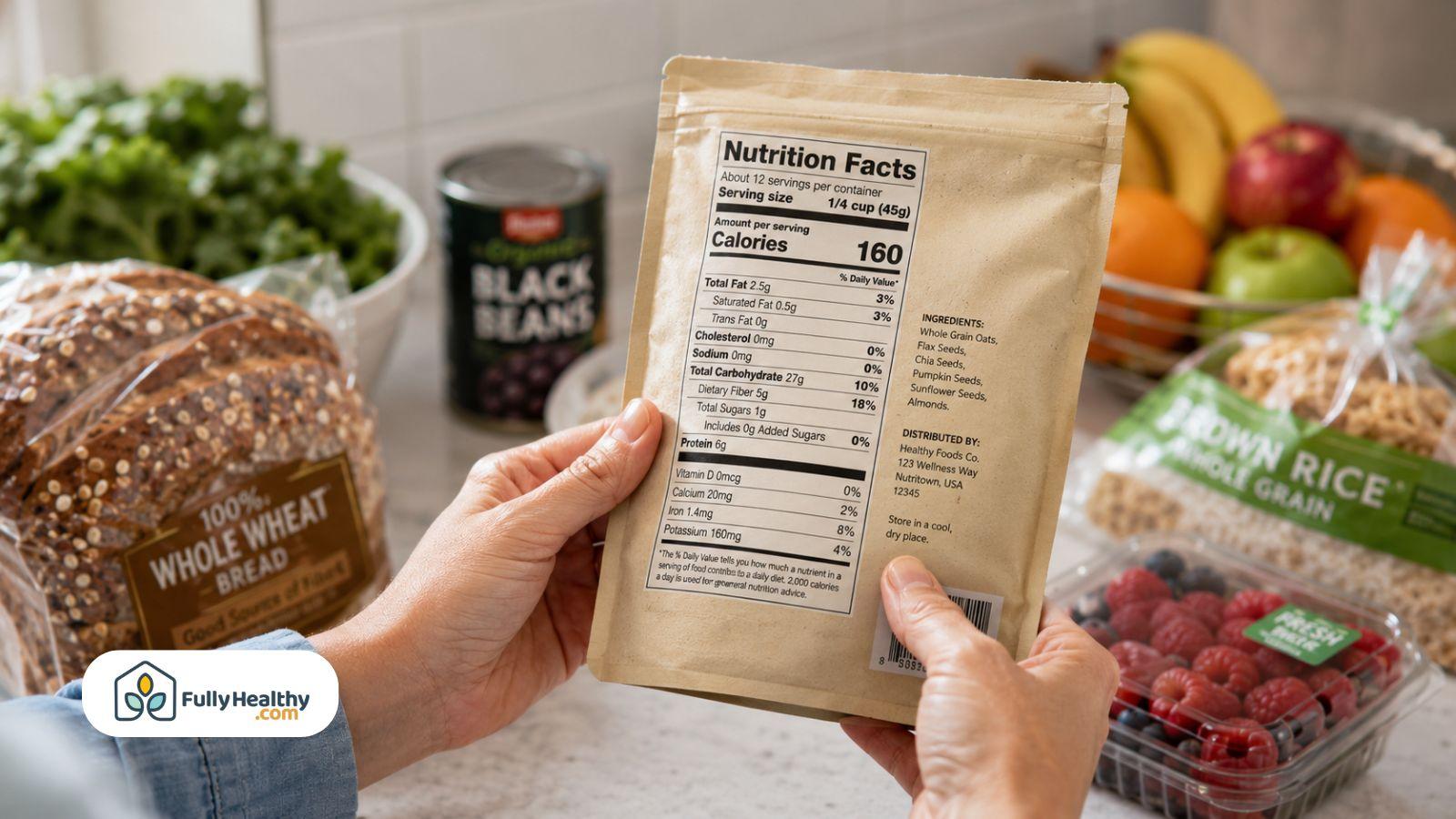
No single amount guarantees regular bowel movements. How much fiber you need also depends on hydration, activity, medicines, and health. Enough fiber can keep bowel movements regular.
Higher dietary-fiber intake is associated with lower risks of cardiovascular disease, type 2 diabetes, colorectal cancer, and all-cause mortality; evidence for weight loss is more modest and depends on fiber type, total diet, and energy intake.
How Many Grams of Fiber Can Support Regular Bowel Movements?
Most people should aim for their daily fiber target, not a special constipation dose. Fiber works best through high-fiber foods such as beans, fruits, vegetables, grains, and nuts.
-
Consistency matters: Reach your total fiber goal most days.
-
Helpful serving: One 1 cup portion of beans or lentils adds useful fiber.
-
Food quality: Pick fiber-rich foods with vitamins and minerals.
How Should You Increase Fiber Without Making Constipation Worse?
Increasing fiber rapidly can cause gas, bloating, and abdominal discomfort. In some people, especially those with slow-transit constipation, pelvic-floor dysfunction, inadequate fluid intake, or intestinal narrowing, additional fiber may worsen symptoms. Start slow, increase fiber gradually, and drink plenty of fluids. This helps your digestive system adjust.
-
Start slow: Add a small amount of high fiber food every few days.
-
Drink enough: Adequate fluid intake helps prevent dehydration and is important when increasing fiber, but drinking extra water beyond normal needs has not consistently been shown to relieve constipation unless a person is dehydrated.
-
Watch symptoms: Too much fiber at once may cause discomfort.
How Do I Calculate How Much Fiber I Need?
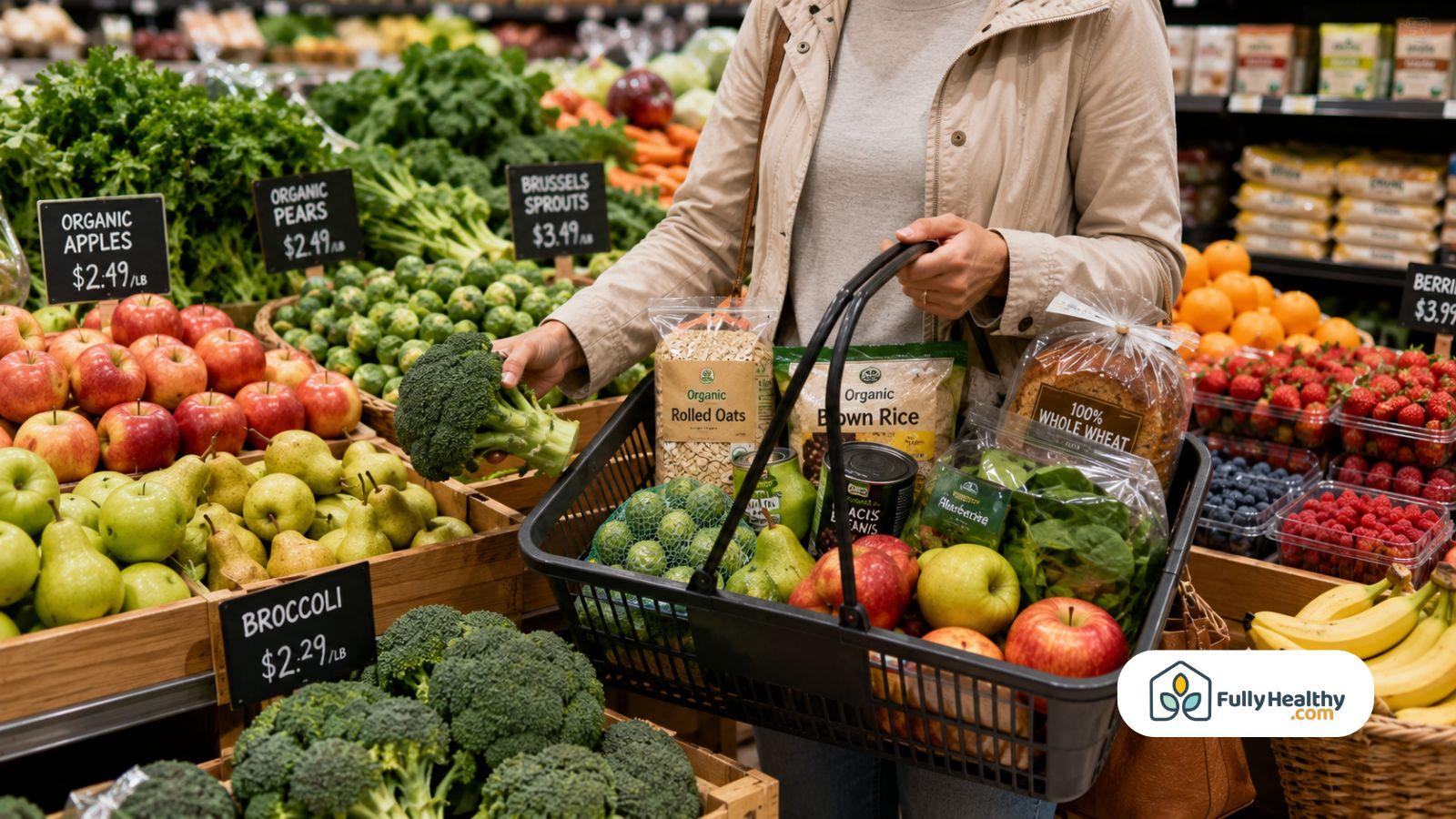
You can figure out how much fiber you eat by reading the labels. Add up how many servings were eaten and the grams of fiber per serving. When buying fresh foods, use a nutrition guide. Unprocessed animal foods naturally contain no dietary fiber. Some processed foods containing animal ingredients may include added plant-derived fiber.
How Can You Estimate Your Personal Daily Fiber Target?
Use age and sex recommendations or estimate 14 grams of fiber per 1,000 calories. This is only an estimate. Ask a registered dietitian for help with special nutrition needs.
-
Use a guide: Compare your fiber intake with the recommended daily amount.
-
Check your diet: See whether you eat enough fiber-rich foods.
-
Focus on quality: Build a diet rich in fruits, vegetables, beans, whole grains, nuts, and seeds.
How Can You Count the Fiber You Eat Each Day?
Look at the Nutrition Facts label and write down how much fiber is in each serving. Assuming that each serving has 4 grams, eating two of them gives you 8 grams. Tracking meals can show where you're missing meals.
-
Read labels: Check serving size before buying packaged foods.
-
Choose grains: Select grain bread, wheat bread, brown rice, and other grain products.
-
Build gradually: Small changes support digestive health, blood sugar, high cholesterol management, and long-term health.
What Is the 3-to-3 Poop Rule?
Stool frequency commonly ranges from about three bowel movements per day to three per week in healthy populations, but frequency alone does not determine whether bowel function is normal; stool consistency, straining, pain, incomplete evacuation, and changes from a person’s usual pattern also matter.
If you are asking how much fiber I need, remember that dietary fiber is only one part of digestion. Fiber intake, hydration, activity, stress, and food choices affect bowel habits.
What Does the 3-to-3 Poop Rule Mean?
Both patterns may fall within a normal population range when stools are comfortable, and the pattern is usual for that person; persistent symptoms or a substantial change in frequency should be assessed. Beans, fruits, vegetables, whole grains, and brown rice can all help your body digest food.
-
Healthy range: Passing stool from three times daily to three times weekly can be normal.
-
Personal pattern: Watch for changes from your usual routine instead of comparing yourself with others.
-
Fiber balance: Fiber effects depend on viscosity, fermentability, particle size, and water-holding capacity. Gel-forming fibers such as psyllium can soften hard stools, while coarse, poorly fermented insoluble fibers such as wheat bran may increase stool bulk.
-
Daily habits: Regular meals, enough fluids, and movement can support healthy bowel habits.
When Should You Talk to a Healthcare Professional?
You should not ignore a change in your bowel habits that lasts a long time or hurts. Talk to a doctor if you have blood in your stool, severe pain, black stools, vomiting, fever, or weight loss that you can't explain. Fiber in food can help digestion, but it can't fix all digestive problems.
-
Warning signs: Ongoing pain, bleeding, or major stool changes need professional attention.
-
Avoid guessing: Persistent constipation or diarrhea may require proper testing.
-
Safe approach: Increase fiber intake gradually and contact a clinician if symptoms worsen.
How Can Fully Healthy Support Your Specialty-Diet Shopping?
There is an online store called Fully Healthy for people who have special dietary needs. It has products that are AIP-friendly, gluten-free, and watch out for allergens all in one place. Specialty items on the site are clearly put into groups. But shoppers should still read labels because some specialty diet foods don't have a lot of fiber.
How Can Fully Healthy Make Specialty-Diet Shopping Easier?
Fully Healthy organizes products by dietary preference and category. This helps shoppers compare choices faster. If you are asking how much fiber I need, check the Nutrition Facts panel. Fiber content can differ greatly among similar foods.
-
Easy filters: Browse by AIP stage, gluten-free needs, allergens, and product type.
-
Label review: Check ingredients, serving size, and fiber content before buying.
-
Meal planning: Pair specialty items with beans, vegetables, fruit, nuts, whole grains, or brown rice.
-
Balanced choice: Use packaged foods as part of a varied diet, not as your only fiber source.
Which Verified Fully Healthy Products Can You Explore?
Products reportedly listed at the time of publication include [products]. Confirm current availability, ingredients, allergen information, and Nutrition Facts directly on the retailer and manufacturer websites before publication.
Verified listings include Big Tree Farms Organic Brown Coconut Sugar, Bob’s Red Mill Organic Coconut Sugar, Coombs Family Farms Organic Maple Sugar, Coombs Family Farms Organic Maple Syrup, Date Lady Date Sugar, and EAT G.A.N.G.S.T.E.R. baking mixes. Fiber content and availability can change.
-
Verified options: Choose products currently listed on FullyHealthy.
-
Nutrition check: Do not assume a specialty product is high in fiber.
-
Smart pairing: Combine these products with whole foods containing soluble fiber and insoluble fiber.
-
Health focus: Build most of your fiber intake around minimally processed plant foods.
Final Thoughts
Knowing how much fiber I need can help you build healthier eating habits and support better digestion. Aim to get most of your dietary fiber from fruits, vegetables, beans, nuts, seeds, and whole grains instead of relying on supplements.
Increase your fiber intake slowly, drink enough water, and choose a variety of foods to keep your digestive system healthy. If you have ongoing digestive problems or questions about your fiber needs, speak with a healthcare professional or a registered dietitian.
FAQs
How Can I Get 30 Grams of Fiber a Day?
You can reach about 30 grams by eating fiber-rich foods throughout the day, such as oatmeal, beans, lentils, fruits, vegetables, nuts, seeds, and whole grains instead of relying only on fiber supplements.
Is One Apple a Day Enough Fiber?
No. One medium apple provides about 4–5 grams of dietary fiber, so you will still need other fiber-rich foods to meet your daily fiber intake goal.
Which Food Is Highest in Fiber?
Some of the highest-fiber foods include chia seeds, lentils, kidney beans, black beans, split peas, raspberries, artichokes, and bran cereals. Eating a variety of these foods helps support digestive health.
What Does 30 Grams of Fiber Look Like in a Day?
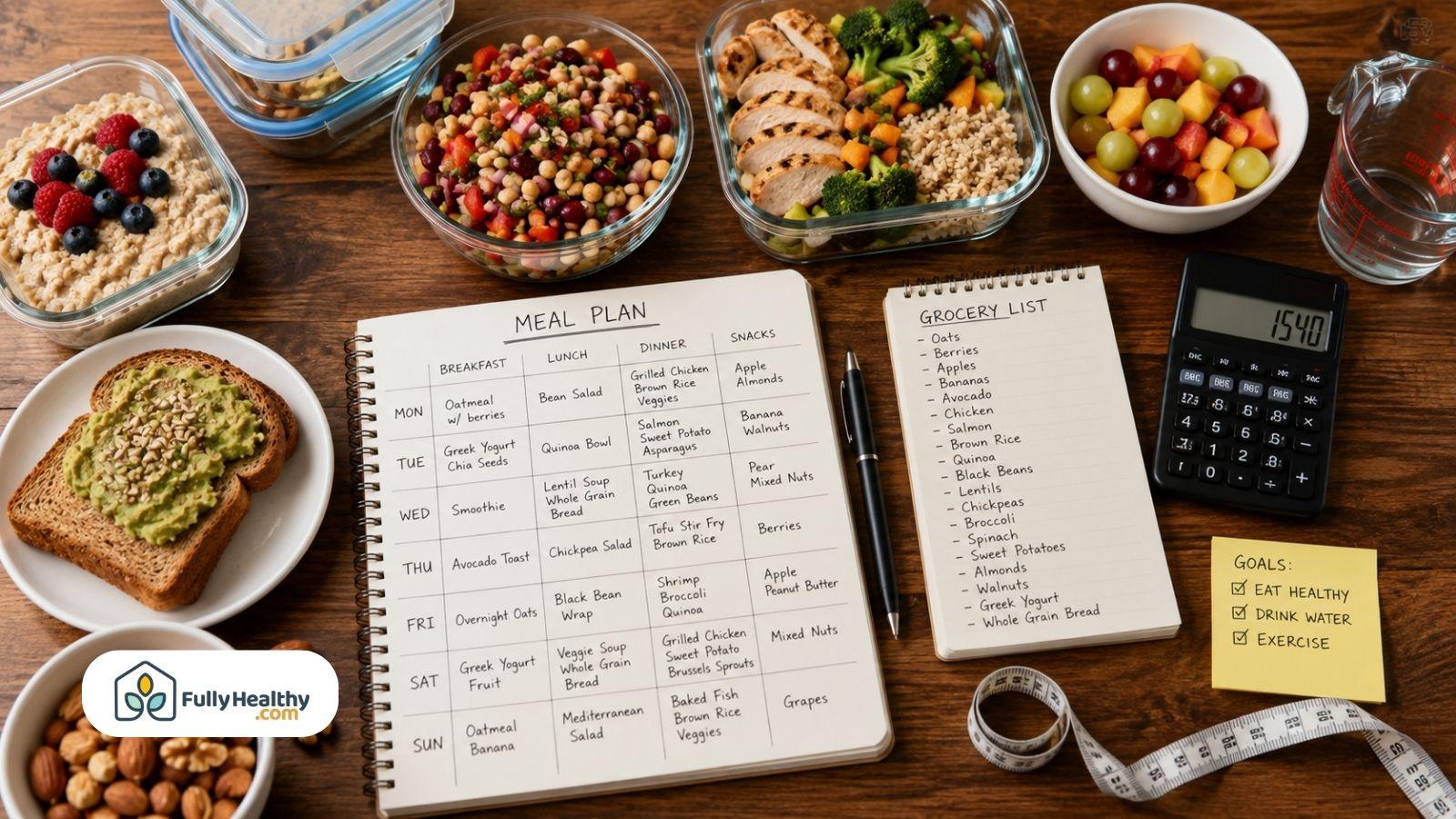
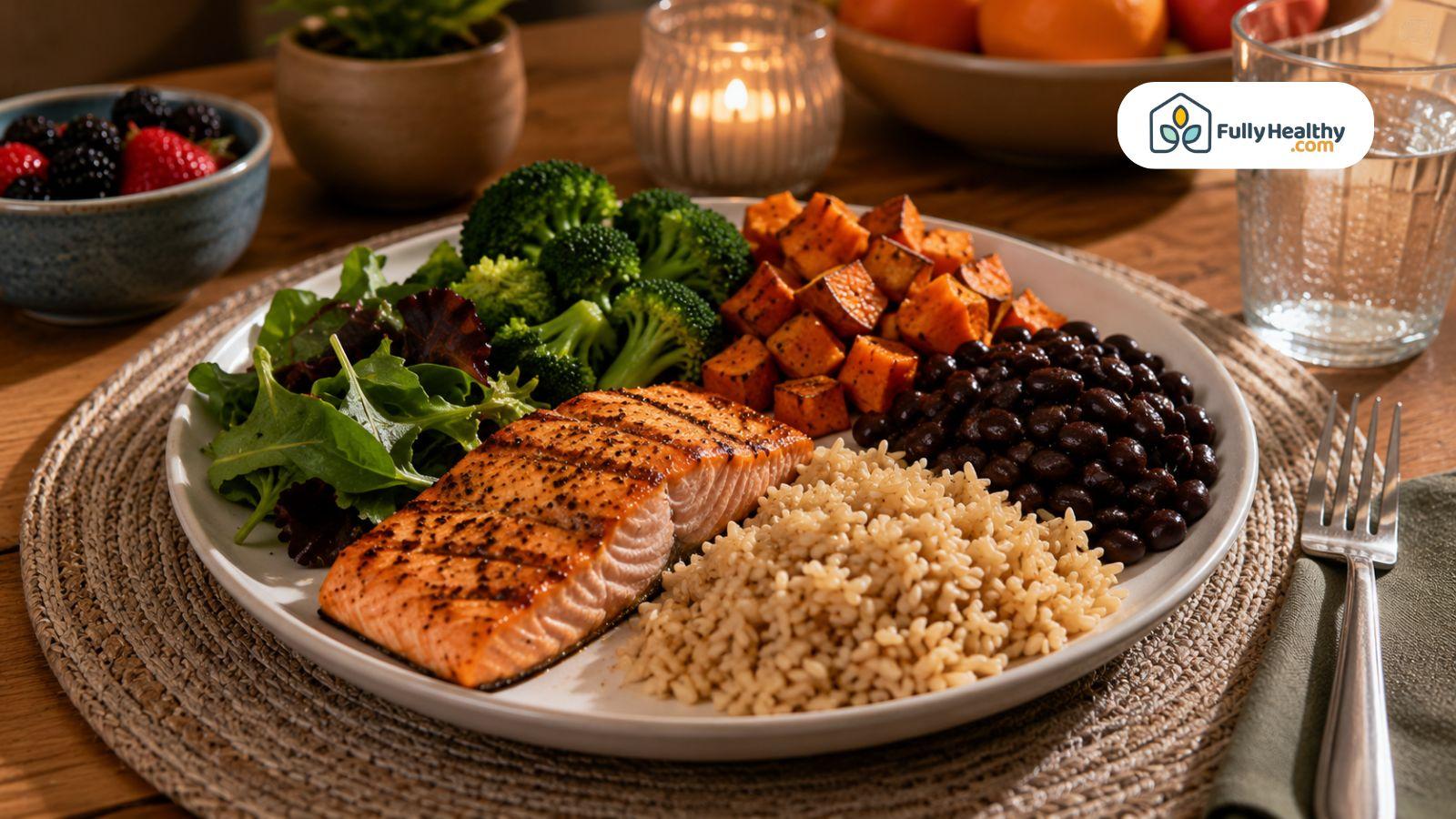
A day with 30 grams of fiber could include oatmeal with berries for breakfast, a bean salad for lunch, an apple with almonds for a snack, and grilled chicken with brown rice, broccoli, and sweet potatoes for dinner.
What Is the Unhealthiest Poop?
Black, tarry stool or substantial blood in stool can indicate gastrointestinal bleeding and may require urgent medical evaluation. Persistent pale stool, watery diarrhea, severe pain, fever, vomiting, or unexplained weight loss also warrants prompt clinical assessment.
Leave a comment