

How Much Minced Garlic Equals 1 Clove? Quick Kitchen Math
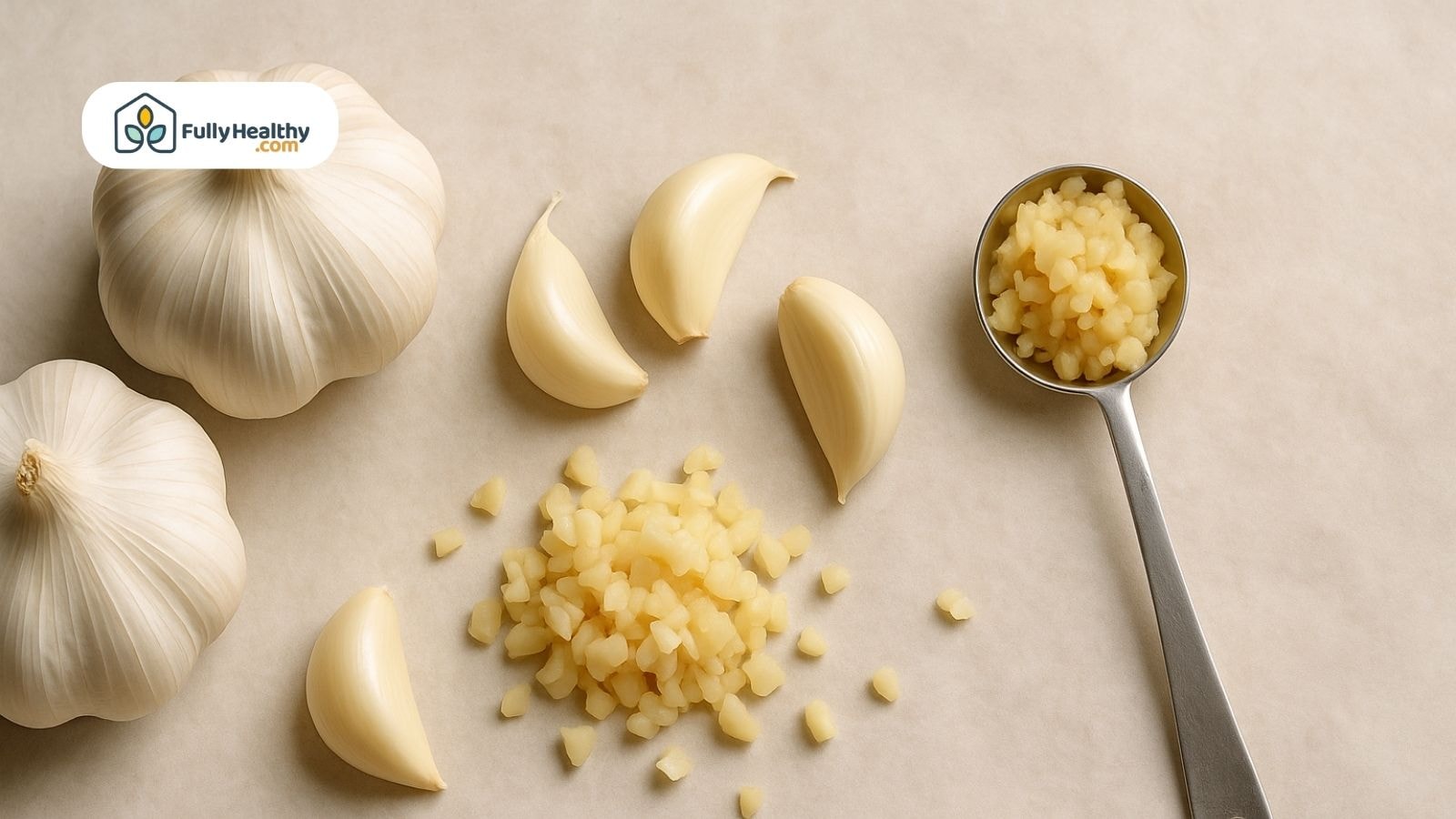
Need to use minced garlic instead of fresh? The answer is easy: It typically takes about ½ teaspoon of minced garlic to substitute for one medium-sized garlic clove, though this can vary depending on clove size and how finely it's minced.
This short article tells you exactly how much minced garlic you need, whether you buy it in a jar or chop it yourself. We'll also talk about how to store it, when to use something else, and some easy ways to make sure your food tastes great every time.
🍠 Craving Crunch with a Kick? Try Sweetpotato Fries Infused with Dill & Garlic!
How Much Minced Garlic Equals 1 Clove?
How much minced garlic equals 1 clove? When recipes call for cloves instead of teaspoons, it can be hard to figure out how much to use.
If you know how much minced garlic is equal to 1 clove, your food will taste like it has the right amount of garlic, whether you use fresh garlic, minced garlic from a jar, or something else, like garlic powder. We'll break it all down below to make it clear and honest.
Garlic Clove to Minced Garlic Conversion Explained
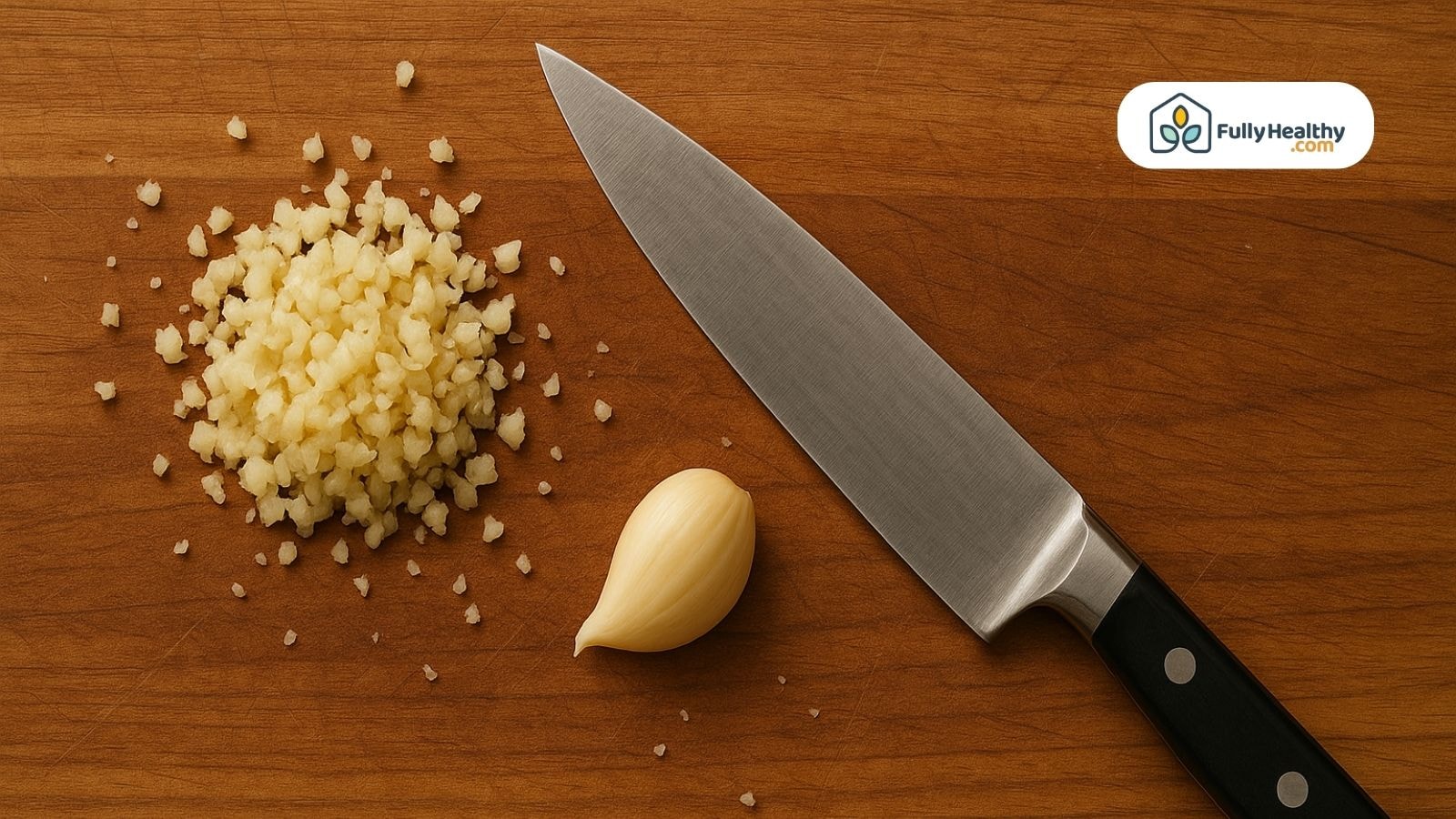
About ½ teaspoon of minced garlic yields from one medium-sized clove of garlic. If the clove is big, you can expect a little more. The amount can also change based on how little is chopped or minced.
-
Standard Conversion: One clove of garlic is equal to half a teaspoon of minced garlic.
-
Large Clove: A large garlic clove usually yields about ¾ teaspoon of minced garlic, but individual results may vary based on clove density and cutting method.
-
3 Cloves: Equals 1½ teaspoons minced.
-
6 Cloves: Equals 1 tablespoon minced garlic.
-
12 Cloves: Equals ¼ cup fresh minced garlic.
Why the Conversion Varies by Garlic Size and Cut
Garlic cloves are not all the same size. The amount changes, too, depending on whether you chop, dice, or mince. When you finely mince garlic, you get more in each spoonful.
-
Small Clove: Makes less than ½ teaspoon of minced.
-
Medium Clove: About ½ teaspoon.
-
Large Clove: Almost a teaspoon.
-
Cut Type Matters: Since chopped garlic has more empty space, it has a little more volume.
Don't count cloves when you want to be exact; use teaspoons instead.
How Much Are 2 Cloves of Garlic Already Minced?
To follow a recipe that calls for "2 cloves," or if you start with garlic that has already been minced, it helps to know the exact teaspoon amount. This keeps the garlic flavor even and makes sure you don't add too much garlic or too little garlic.
Converting 2 Cloves Into Teaspoons or Tablespoons
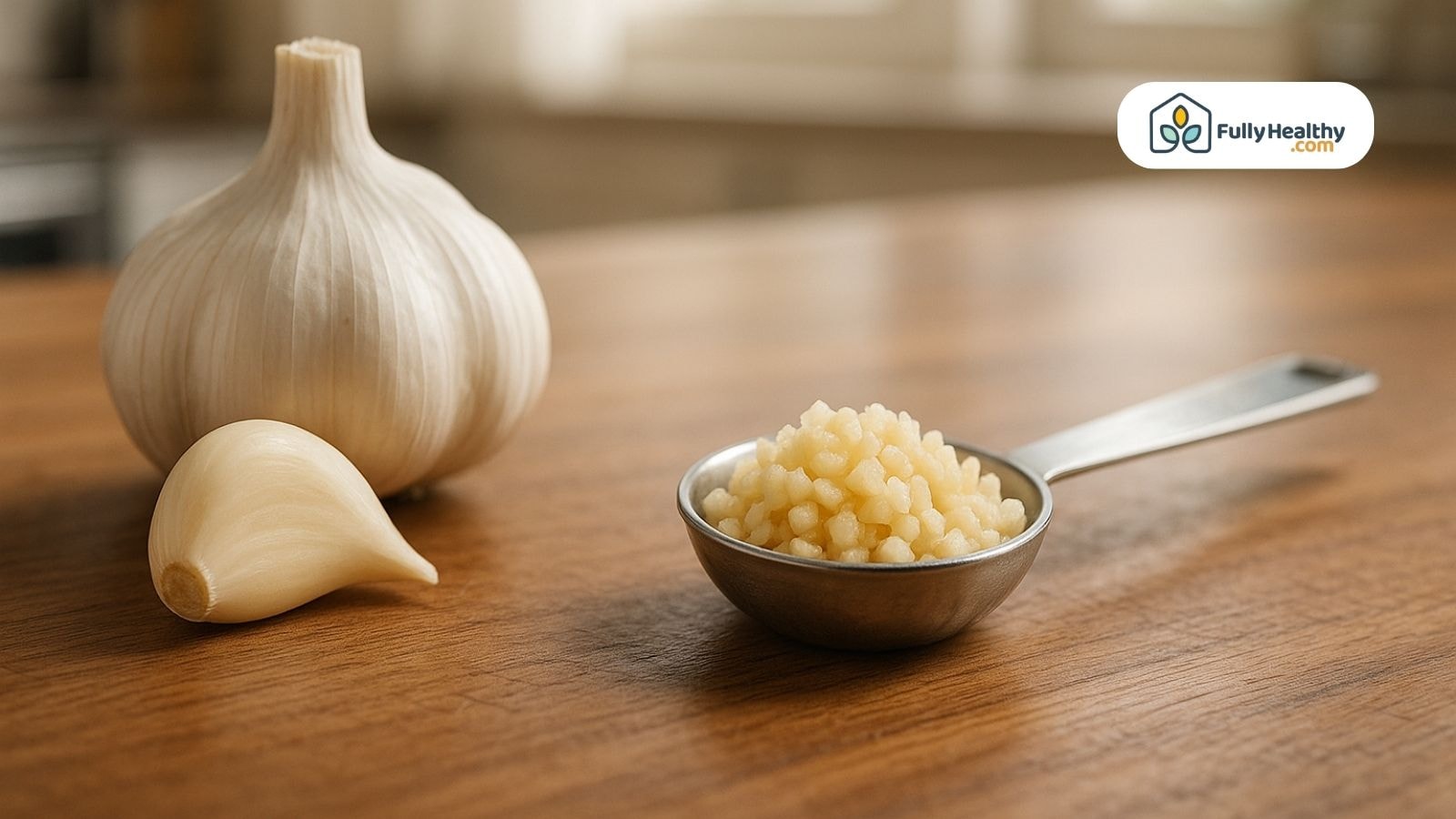
One teaspoon of minced garlic is equal to two cloves of garlic. This is based on the idea that the cloves at your local grocery store are about average size.
-
1 Clove: ½ tsp minced.
-
2 Cloves: 1 tsp minced.
-
3 Cloves: 1 tbsp chopped garlic.
-
¼ Cup: ¼ cup of minced garlic typically equals about 12 medium-sized cloves, though this conversion can differ based on clove size.
Using Pre-Minced Garlic as an Equal Substitute
You can easily use minced garlic from a jar instead of fresh garlic, but keep in mind that it tastes different. Most brands have citric acid or preservatives in them, which change the taste a little.
-
Jarred Equivalent: ½ teaspoon of minced garlic from a jar is the same as one garlic clove.
-
Watch the Ingredients: Some jars have oil or garlic juice in them.
-
Flavor Note: Jarred minced garlic has a milder flavor than freshly minced garlic due to processing and preservatives.
Can I Use Minced Garlic Instead of Cloves?
You can, of course. Many recipes are flexible, and minced garlic equals a quick and easy substitute for fresh cloves of garlic. However, the key to keeping the garlic flavor is to know when and how to use it.
Substitution Ratio for Minced Garlic in Recipes
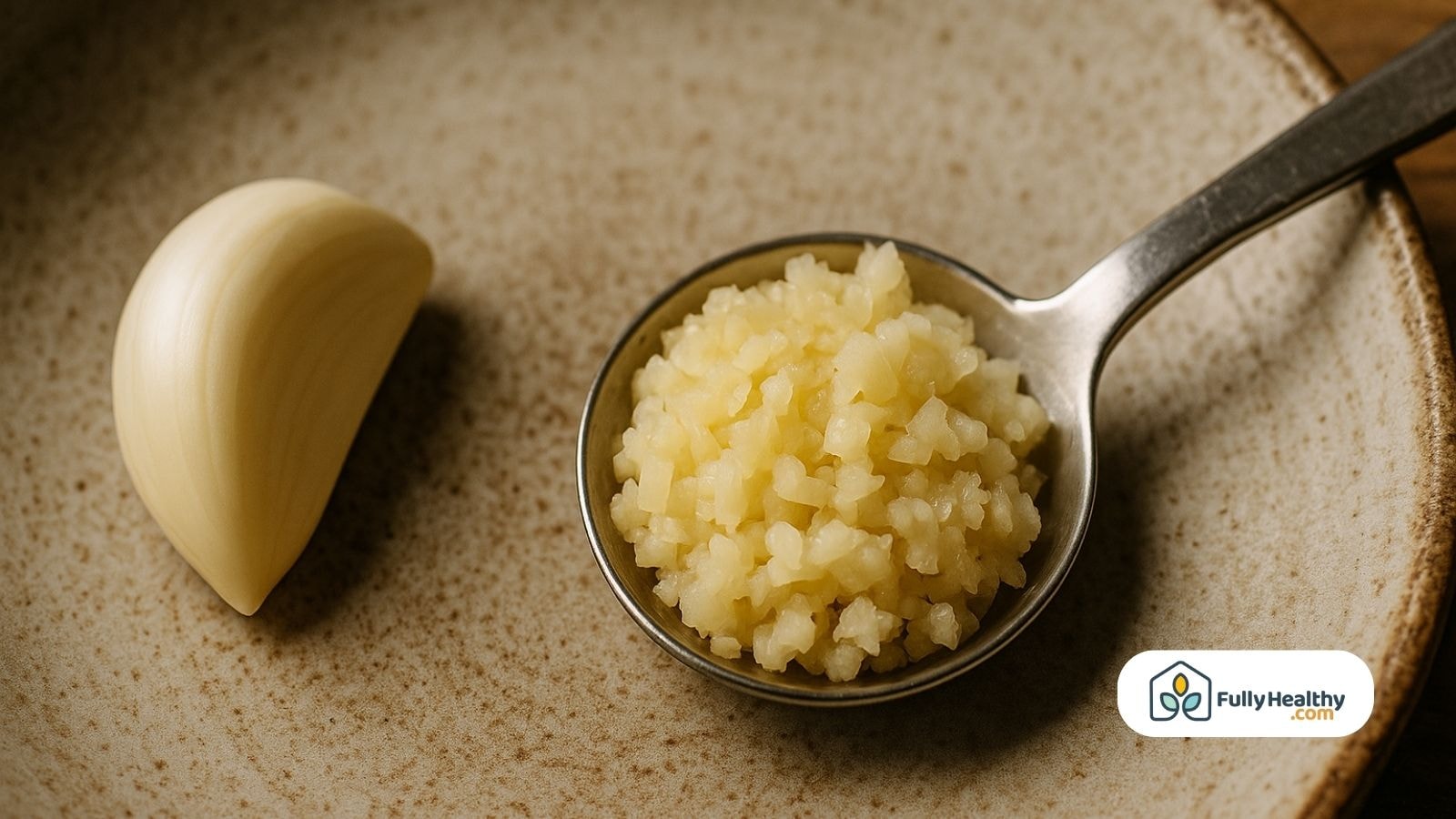
Use this rule: ½ teaspoon of minced garlic equals a clove. A teaspoon is often thought to mean a large clove. Make sure you use teaspoons instead of cloves when you measure.
-
1 Clove: ½ teaspoon minced.
-
3 Cloves: 1½ teaspoons.
-
6 Cloves: 1 tablespoon.
When You Shouldn’t Substitute Minced for Fresh Garlic
Not every dish works well with substitutions. Use fresh garlic cloves for things that need to be left raw or garlic oil. If you need a strong, pungent flavor, don't use garlic from a jar.
-
Avoid in: Garlic bread, dips, or dressings that need a new taste.
-
Use Fresh Garlic: When you roast or sauté.
-
Preservatives: Can make garlic pieces less potent.
Do You Refrigerate Minced Garlic After Opening?
When you use minced garlic from a jar, knowing how to store it properly keeps your food safe and tasting great. If you don't store garlic properly, it can go bad, lose its flavor, or even become unsafe to eat. Minced garlic should always be kept in the right way, whether it was made at home or bought in a store.
How to Properly Store Jarred Minced Garlic
Most brands say to put minced garlic in the fridge after opening it. It won't go bad if you store it cool, whether it's in garlic juice, water, or oil. Leaving it at room temperature causes the quantity and the flavor to drop, and it could be harmful to your health if it gets contaminated.
-
Store Immediately: Put away after the first use.
-
Jar Type Matters: Keep in the original jar with the lid on tight.
-
Watch for Additives: To keep the food fresh, things like citric acid and salt are added.
Shelf Life and Spoilage Signs of Minced Garlic
Even when refrigerated, jarred garlic doesn't last indefinitely. It may spoil, showing signs like odor changes, discoloration, or mold. Garlic stored in oil, especially homemade, can carry a risk of botulism if not handled properly. Always check before using it in a recipe.
-
Fridge Life: Within two to three months of opening.
-
Spoilage Signs: Bad smell, slimy feel, or green spots.
-
Use Clean Utensils: Use a clean spoon instead of your fingers or a dirty knife to avoid getting bacteria.
-
Freezing Option: Freeze in small cubes to keep for longer.
Also, homemade garlic in oil without preservatives must be refrigerated and consumed within one week to prevent the risk of botulism, a potentially fatal illness caused by Clostridium botulinum. Don't leave it out on the cutting board or put it in a brown paper bag.
What Garlic Options Can I Find on FullyHealthy.com?
People with special dietary needs can shop at FullyHealthy.com, an online store. It doesn't make garlic products but does have alternatives that are good for people who don't want to eat certain ingredients or need foods that are low-FODMAP or AIP-friendly.
AIP-Friendly Garlic Alternatives and Spice Blends
People who are allergic to garlic cloves, onions, or other high-FODMAP foods can try chives or shallots instead. You can buy seasoning blends from FullyHealthy that don't have fresh garlic cloves but still add a lot of flavor.
-
No Garlic Options: Special diets can use blends that don't have any dried garlic or granulated garlic in them.
-
AIP Safe: Spices made for autoimmune protocols that don't hide garlic or onion.
-
Great Substitutes: You can get options that taste like garlic without actually eating garlic.
Why FullyHealthy Is Ideal for Dietary-Specific Cooking
You don't have to read many labels to stay away from allergens in this market. Products are sorted by diet stage, such as AIP Elimination or Reintroduction, and by ingredient restrictions, such as those that don't allow garlic bulbs or garlic powder.
-
User-Friendly Filters: You can search by type of product, diet, or ingredients.
-
Reliable Shopping: No subscriptions needed.
-
Perfect for Swaps: Use to find other things that can be used instead of garlic cloves or minced garlic.
If you’re wondering how much garlic powder equals a teaspoon of minced garlic, the rule is: ⅛ teaspoon of garlic powder equals a clove. FullyHealthy doesn’t sell garlic powder, but its clean ingredients help you build the same garlic results safely. There's always this section if the produce section fails you.
Final Thoughts
You now know exactly how much minced garlic is in 1 garlic clove—½ teaspoon in most cases. Correct swaps give the best garlic flavor, whether you use minced garlic from a jar, chopped garlic, or garlic paste. Watch how much garlic salt, garlic flakes, granulated garlic, or garlic powder you use in a recipe. Never buy garlic without first checking how much minced or dried garlic one clove of garlic equals.
It is better not to waste food if you know how many cloves, how much garlic, or even how many teaspoons are in one clove. Every dish tastes better when you get the right amount of garlic from bulbs, whether they are fresh or dehydrated garlic. This is true whether you are peeling garlic or substituting garlic powder.
FAQs
How many tsp is 1 whole clove?
1 clove of garlic typically yields about ½ teaspoon of minced garlic, though very large cloves may yield closer to ¾ teaspoon.
Is there a quick way to mince garlic?
Yes, after peeling garlic and removing the papery skin from one garlic clove, use a knife or garlic press to make chopped garlic or garlic paste fast.
Is jarred minced garlic as good as fresh?
Jarred minced garlic in a jar gives less garlic flavor than fresh garlic cloves and often includes salt or citric acid, but it works for cooking if you're in a hurry.
What can I substitute for minced garlic?
Substitute options include garlic powder, garlic flakes, garlic salt, garlic paste, or even a clove of garlic from a head of garlic if your recipe calls for much minced garlic.
Why do chefs not like pre-minced garlic?
Chefs say jarred garlic or jarred minced garlic loses flavor fast and can't replace the strong taste of a fresh garlic clove or freshly chopped garlic in a dish.
Leave a comment