

How Much Sun Does Basil Need? Easy Care for Healthy Basil Plants
 Photo Credit: Canva Pro
Wondering how much sun does basil need to grow strong and full of flavor? Basil appreciates warmth and light, and does best in sunny spots that get 6 to 8 hours of direct sunlight every day. This article tells you how to grow basil plants successfully so you can enjoy their lush, fragrant leaves in pesto, salads, and other dishes.
Featured Pantry Pick
Simply Organic // Basil - .54 oz
Loading...
How Much Sun Does Basil Need?
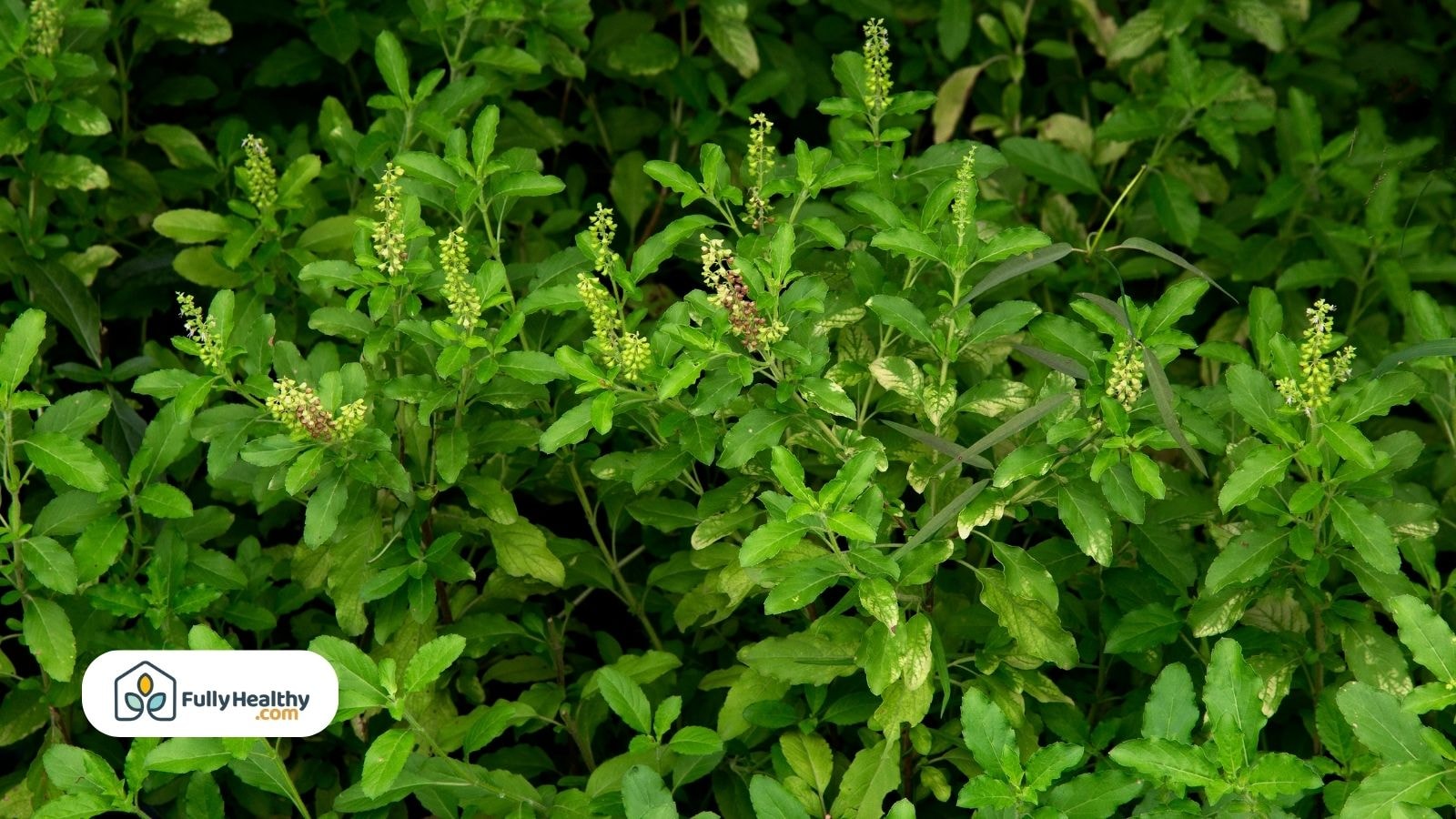 Photo Credit: Canva Pro
Ideal Sunlight and Temperature Range
The herb basil comes from southern Asia and the South Pacific. It likes warm and sunny location to grow. No matter if it's sweet basil or lemon basil, every plant should get 6 to 8 hours of direct sunlight every day in a sunny spot with good air flow.
Temperatures between 70 and 85 °F (21–29 °C) keep it a vigorous grower. When it gets cooler, it grows more slowly and the flavor gets dull.
-
Full Sun Exposure: Basil plants prefer full sun for the best flavor and leaf color. Less sun produces thinner, paler basil leaves.
-
Warm Conditions: Keep plants above 55 °F to prevent wilting. A sheltered location helps if nights are cool.
-
Seed Start Timing: Start basil indoors four to six weeks before the last frost for earlier harvests.
-
Container Care: Place pots near a sunny windowsill or patio that receives strong morning light.
-
Varieties: Sweet basil, Thai basil, and Lemon basil.
Managing Light Stress and Soil Conditions
Soil that doesn't get enough light or heat can dry out quickly, while stems that don't get enough light grow long and weak. If you want to nurture basil, you should use organic matter and compost-rich soil that is moist but not soaked. Fertilizers work best when the pH of the soil is between 6 and 7.
-
Water Deeply: Every once or twice a week, soak the soil so the roots can grow down instead of staying near the surface.
-
Rich Soil: Mix aged compost into ground or containers to support strong new growth.
-
Avoid Drought: To keep the moisture in, add mulch.
-
Prevent Fungal Diseases: Good drainage and spacing stop mildew from spreading on lower leaves.
-
Liquid Fertilizer: Apply a weak liquid fertilizer every few weeks to sustain healthy green foliage.
Can Basil Grow Without Sunlight?
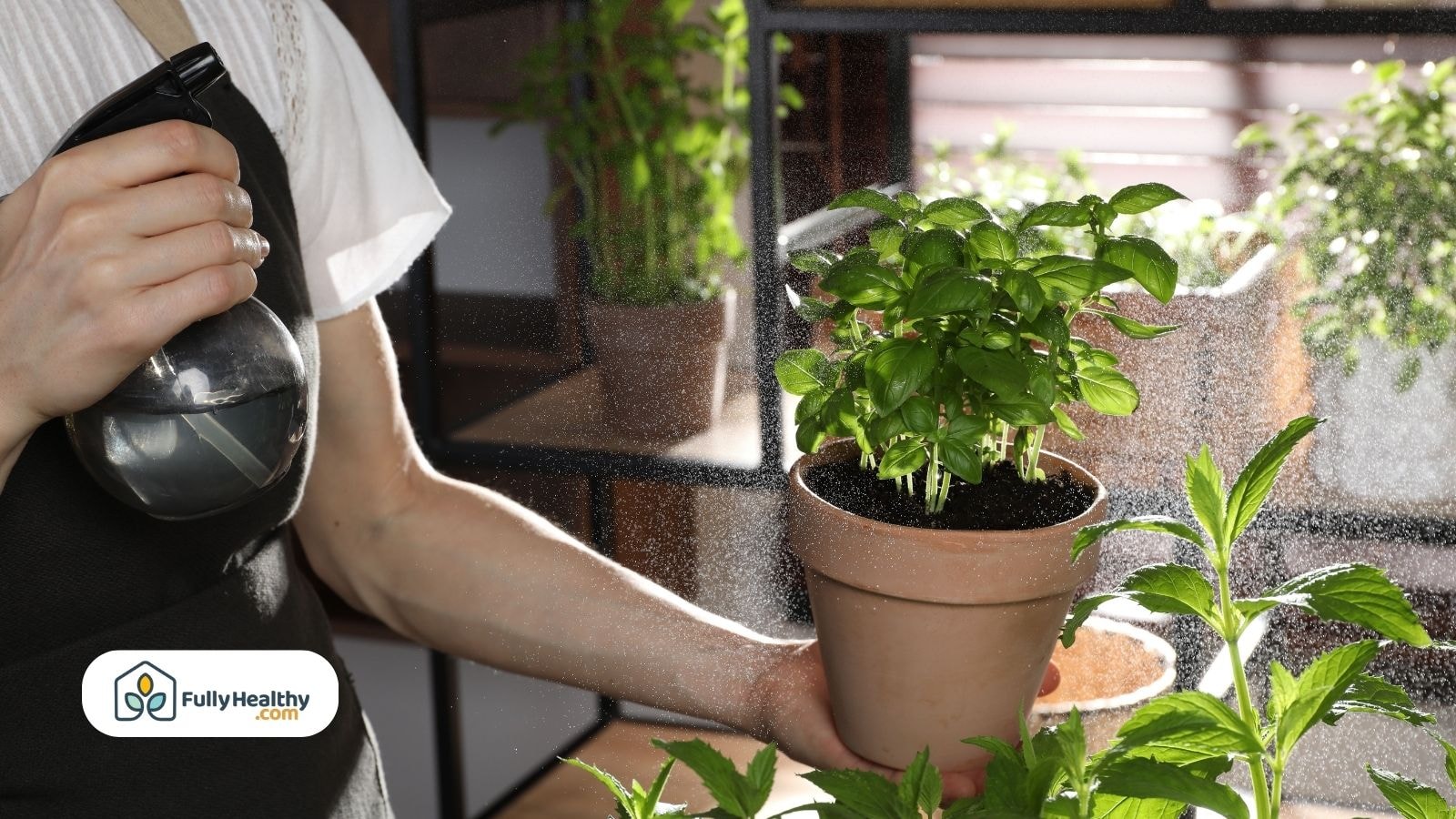 Photo Credit: Canva Pro
Understanding Shade Tolerance
Basil can handle brief partial sun but not total shade. Partial sun means 3–6 hours of direct light daily, while full shade is less than 1 hour. If basil seedlings are in full shade, they grow tall with small, pale leaves that don't taste as good. To get steady growth, at least morning light or dappled sun is needed when growing basil.
-
Partial Sun Growth: Works only in hot climates where intense summer rays might scorch plants.
-
Shade Impact: Less sun means fewer oils that create basil’s signature aroma.
-
Sweet Basil Reaction: Produces thinner leaves and fewer flowers in dark corners.
-
Life Cycle Impact: In low light, basil's tender annual cycle shortens because the plant has a harder time to photosynthesize.
-
Garden Companions: Plant basil beside tomatoes or oregano where it can share filtered light yet stay warm.
Tips for Limited-Light Gardens
If your garden or balcony doesn't get enough sun, don't give up. Just move things around. You may arrange the containers around during the day or use surfaces that reflect light to get more sun. Basil can also be grown indoors next to a sunny window sill to keep it warm and bright.
-
Mobile Containers: Lightweight pots or containers make it easy to chase sunlight.
-
Reflective Boost: Use mirrors or white walls to redirect light onto the plants.
-
Morning Sun Advantage: Early light is gentle but strong enough for healthy photosynthesis.
-
Moisture Check: In low light, water less often since soil dries slowly.
-
Harvesting Basil: Pick fresh leaves often to encourage more basil and keep the plant compact.
Can Basil Survive With Artificial Light?
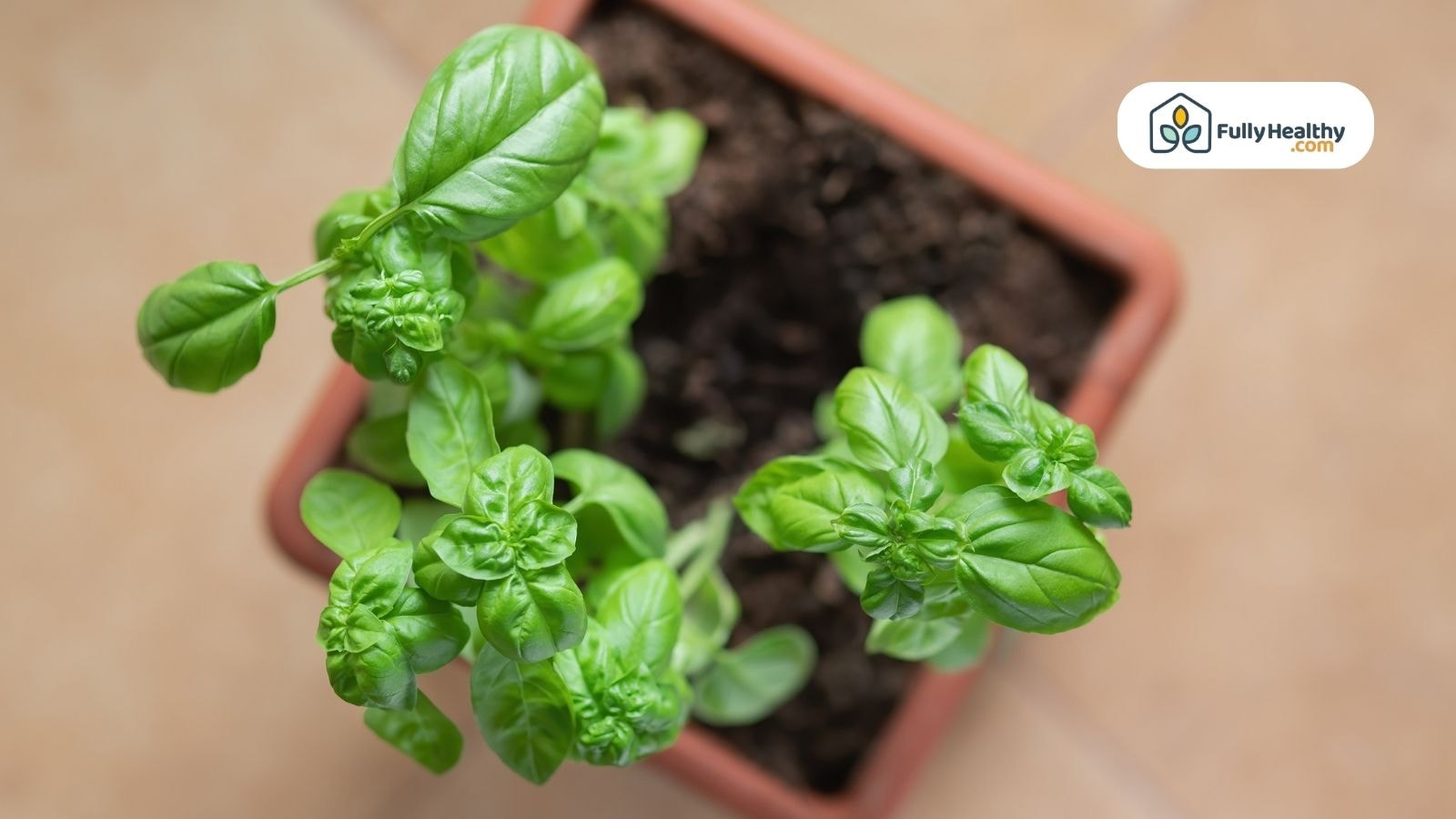 Photo Credit: Canva Pro
Choosing Effective Grow Lights
Basil can grow indoors with artificial lighting as long as the intensity and length of the light are the same as sunlight. Set up full-spectrum LED or fluorescent grow lights 6 to 12 inches above the basil seedlings.
These lights should be on for 14 to 16 hours a day. During the growing season, this setup keeps the plants green and stops the stems from getting weak.
-
Light Strength: Daily Light Integral (DLI) of 12–18 mol·m²/day.
-
Spectrum Quality: Full-spectrum bulbs replicate sunlight better than cool-white bulbs.
-
Warm Location: Keep the room near 75 °F for consistent growth.
-
New Plants: Start basil from basil seeds or cuttings under lights until true leaves form.
-
Seedlings to Plants: Once basil seedlings reach 4–6 inches, transplant to larger pots for stronger roots.
Balancing Heat, Distance, and Humidity
If there is enough airflow and humidity, lamps won't burn the leaves. Make sure the day and night cycles are regular with a timer, and keep the air moving around the leaves. Artificial light systems can grow as much fresh basil as a sunny garden if they are taken care of properly.
-
Timer Routine: Provide a consistent 16-hour light schedule followed by darkness for rest.
-
Avoid Overheating: Raise lights if upper leaves feel hot to touch.
-
Humidity Control: Moderate humidity keeps basil leaves supple without promoting fungal diseases.
-
Air Movement: A small fan prevents stagnant air around pots and reduces disease risk.
-
Indoor Harvest: Once mature, harvest basil leaves often and freeze pesto made with olive oil in an ice cube tray for later use.
Is Basil Hard to Grow?
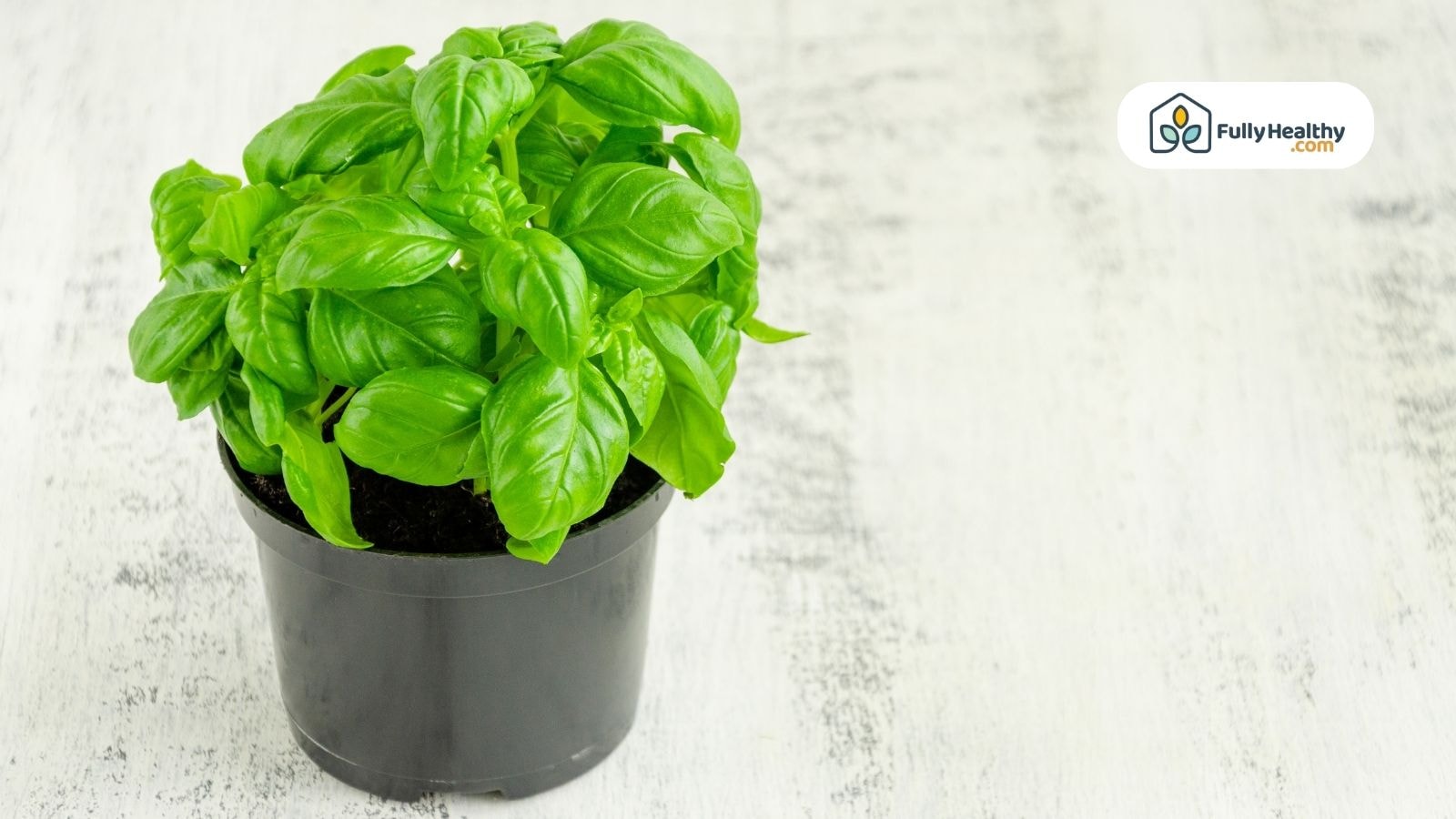 Photo Credit: Canva Pro
Common Mistakes and Easy Fixes
Basil is a simple herb that even a beginner can grow. The plant does best when the soil stays evenly moist, it's warm, and the flowers are taken off quickly. If the leaves turn yellow or the stems droop, fix the amount of water and light instead of fertilizing too much.
-
Water Routine: Check the top inch of soil and water deeply only when dry.
-
Pinch Flowers: Remove flower buds early to keep flavor in the aromatic leaves.
-
Pests: Watch for aphids, slugs, and beetles that chew new growth.
-
Frost Alert: Basil dies quickly after frost, so harvest entire plants before cold nights.
-
Soil Problems: Poor drainage suffocates roots; add sand or compost to fix it.
Proven Tips for Lush Growth
Pinch the tips of the basil leaves often to make them bushy and flavorful. You can use fresh or frozen leaves. With each cut, the plant grows a new branch and more basil. Regular harvesting also makes the plant live longer, so you can enjoy fresh leaves all summer long.
-
Pinch Above Leaf Pairs: Cut stems above two large leaves to promote side shoots.
-
Feed Lightly: A gentle liquid fertilizer every few weeks keeps basil productive without harming flavor.
-
Morning Harvest: Harvest basil early in the day for best oil content.
-
Storage Tip: Keep harvested basil in an airtight container or freeze pesto cubes for later tomato dishes.
-
Companion Planting: Grow basil near tomatoes or oregano to improve flavor and repel insects naturally.
FullyHealthy: Your Source for Natural Basil Goodness
Our Commitment to Natural Goodness
People who care about clean ingredients and sustainable living can buy natural and organic foods at FullyHealthy. The online store offers favorite herbs, sauces, and health-related items made from top-notch plants and organic matter. Their goal is to make it simple and enjoyable for home cooks who love fresh herbs like basil to eat well.
-
Focus Areas: Organic products, raw sauerkrauts, herbal seasonings, and wholesome snacks.
-
Values: Transparency, sustainability, and real-food nutrition.
-
Community: Encourages cooking with herbs and vegetables for everyday wellness.
Featured Basil-Inspired Products
FullyHealthy features tasty products made with basil that highlight the fresh flavor of the herb. Every option is made with healthy ingredients that go well with a lot of different foods, from soups to salads.
-
Simply Organic Basil (0.54 oz): Dried sweet basil perfect for sauces, soups, and salads.
-
Basil Garlic Raw Sauerkraut (16 oz): Fermented blend with basil and garlic for gut health.
-
Basil Garlic Shots Sauerkraut: A tangy organic option rich in probiotics.
-
Wild Zora Tomato Basil Soup (0.5 oz): Instant soup combining tomato, basil, chickpeas, and olive oil for a satisfying meal.
-
Storage Tip: Keep all items in a cool, dry place away from direct sunlight.
Final Thoughts
It's easy to grow basil if you know how much sun it needs. This aromatic herb from the mint family smells great and grows best in full sun, rich soil, and steady warmth in the spring and summer. Basil plants need about 6 to 8 hours of sunlight and a lot of water to make strong flavors for Asian and tomato dishes.
Take care of your basil, cut it back, and enjoy the taste of fresh basil every season!
FAQs
How much sun does basil need for basil plants and basil plant growth?
Basil plants and any basil plant need about 6 to 8 hours of direct sunlight each day in full sun with warm soil rich in organic matter.
Can lemon basil grow from basil seeds in spring?
Yes, lemon basil grows easily from basil seeds in spring with good moisture, warm location, and light soil for new growth.
Are basil leaves from the mint family used in asian cuisine?
Yes, basil leaves from the mint family like thai basil are used in asian cuisine for salads, sauces, and many dishes with strong flavor.
Can I start basil indoors from basil seeds to grow basil and harvest basil leaves later?
You can start basil indoors using basil seeds in small pots, keep them in a sunny windowsill, and harvest basil leaves when true leaves appear.
What are the best tips for harvesting basil and storing fresh basil leaves?
Harvesting basil often helps new plants grow; store fresh basil leaves with olive oil in an airtight container or freeze pesto for later use.
Leave a comment