

How to Chop Thyme the Right Way for Perfect Dishes
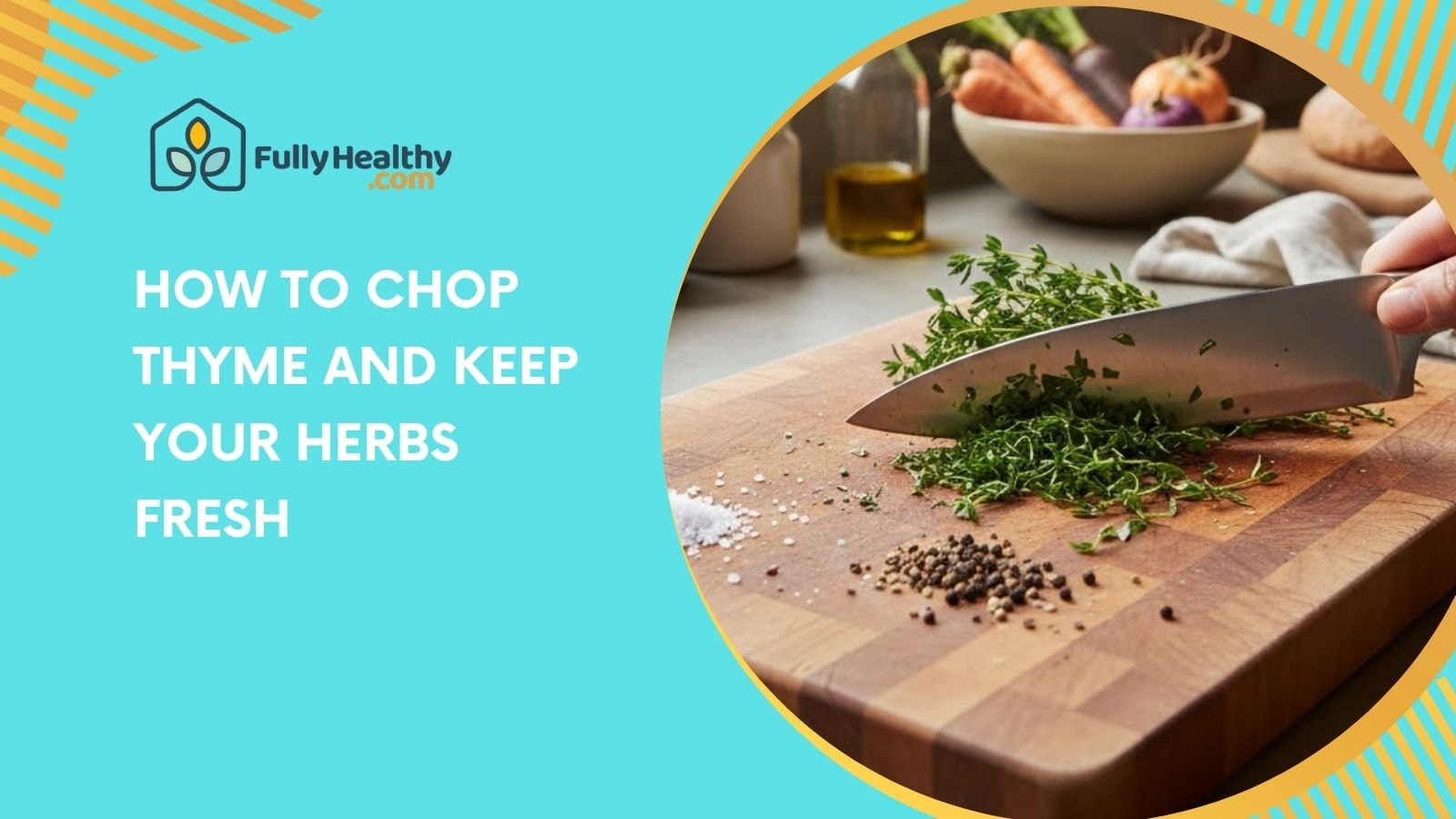
How to chop thyme means cutting the tiny leaves from the stem so you can use them in cooking. This easy step keeps your food tasting and smelling fresh. Chopping thyme the right way helps you use the herb correctly in chicken, soup, or roasted vegetables. It's about taking off the woody stems, keeping the soft leaves, and making every dish taste better.
Featured Pantry Pick
Simply Organic // Thyme - .78 oz
Loading...
How To Chop Thyme?
The Easiest Way to Prepare Fresh Thyme
One of the easiest ways to make food taste better in your kitchen is learning to chop thyme. This mint-related plant has little leaves full of natural oils that make any food taste better. Fresh thyme leaves can add a clean, earthy smell to chicken, seafood, or roasted vegetables if they are used correctly.
-
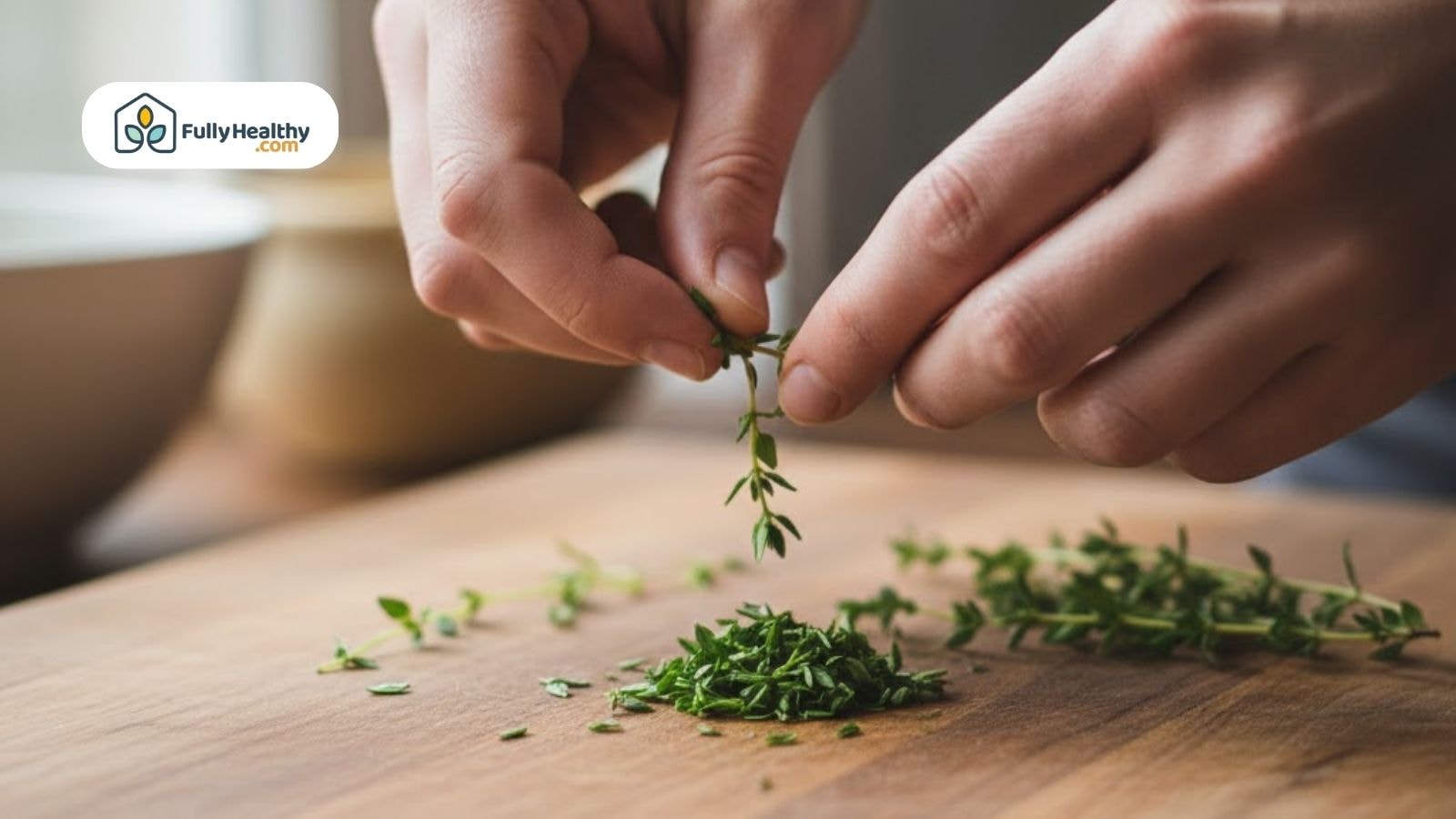
Hold and Strip: Use one hand to pinch the tip of the thyme stem and pull the leaves downward with your fingers toward the base. This motion makes the little leaves fall easily.
-
Separate Stems: Keep tender stems for chopping because they are soft and edible, but discard woody stems or use them for soup stock.
-
Gather Leaves: Collect the fresh herbs in a small bowl before chopping to keep them organized.
-
Surface Prep: Use a dry cutting board and a sharp knife or kitchen shears to avoid bruising the leaf surface.
-
Timing: Always prepare and chop right before you cook to save time and keep flavor strong.
Chopping Techniques for Even Flavor
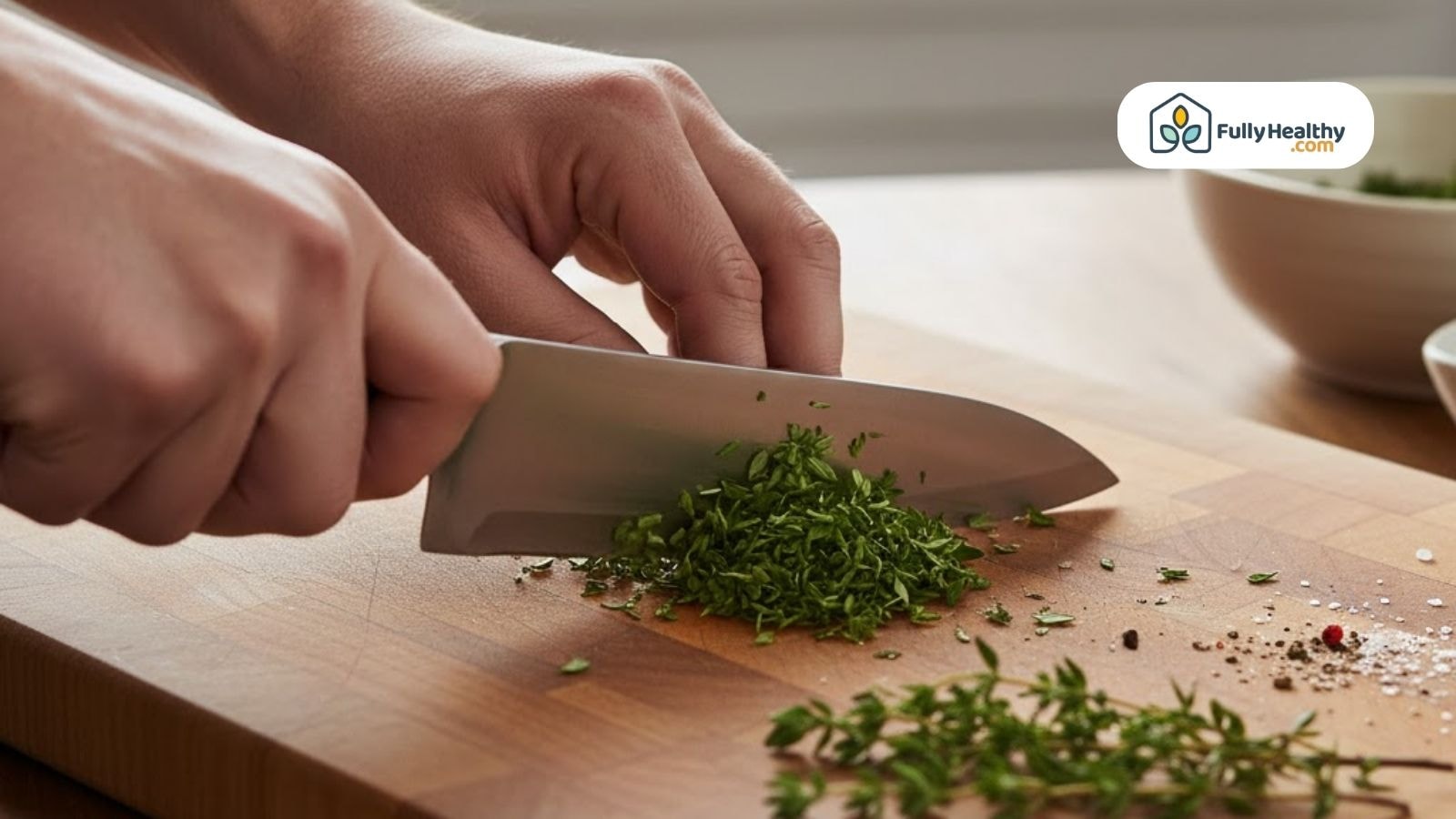
When the leaves are ready, cutting them the right way makes sure that all of the flavor gets into the whole dish. If you rock a sharp knife back and forth, the blade will move smoothly over the herbs without smashing them. Keep your leaves in a small pile so every cut is clean.
-
Rocking Motion: Keep the knife tip on the board and move it in a forward-back rhythm to chop instead of pressing down. This keeps the delicate texture and aroma intact.
-
Coarse vs. Fine Chop: Use coarse cuts for roasted vegetables or lamb and fine chops for sauces, marinades, or salad dressings.
-
Knife Choice: A chef’s knife gives smooth control, while herb scissors or a herb stripper can handle larger harvests easily.
-
Avoid Bruising: Dull blades crush leaves and reduce flavor; keep your knife sharp.
-
Tip: When the recipe calls for whole sprigs, tie them into a bouquet garni for stews or soup so you can remove the stem before serving.
Can I Grind Up Thyme Stems?
Drying and Grinding Thyme for Later Use
For year-round flavor, grinding thyme is helpful. Dried thyme has a stronger flavor than fresh thyme, so use about a third of what the recipe says. Make sure the herbs are completely dry before grinding them so mold doesn't grow.
-
Drying Methods: Air-dry bunches hung upside down in a cool dark place for two to four weeks, or use an oven at 140–160°F or a dehydrator at 95–115°F.
-
Grinding Tools: Use a mortar and pestle for a fine grind, a spice grinder for medium texture, or a clean coffee grinder for larger harvests.
-
Storage Tip: Keep dried herbs in airtight jars away from heat and light to preserve flavor.
-
Grinding Rule: Wait until herbs feel crisp before grinding to protect aroma and natural oils.
-
Use Case: Ground thyme adds depth to marinades, sauces, or roasted potatoes and pairs beautifully with rosemary and capers.
When to Use or Discard Stems
Not every thyme stem needs to be thrown away. Soft green stems from lemon thyme or tender new growth can be minced with the leaves. Older woody stems are better simmered whole in a pot of stew, chicken broth, or pork marinade, then discarded before serving.
-
Soft vs. Woody: Soft stems add subtle flavor, while woody stems can make a dish bitter or stringy.
-
Flavor Use: Add whole sprigs to soup, stew, or fish marinades, then remove when the leaves fall off during cooking.
-
Texture Control: Mince tender stems finely if using raw in sauces or dressings.
-
Save or Discard: Keep woody stems for stock, discard if they feel dry and brown.
-
Efficiency: Using tender stems reduces waste and lets you cook faster with less prep.
How Do You Use Fresh Thyme in Cooking?
Everyday Recipes That Showcase Thyme
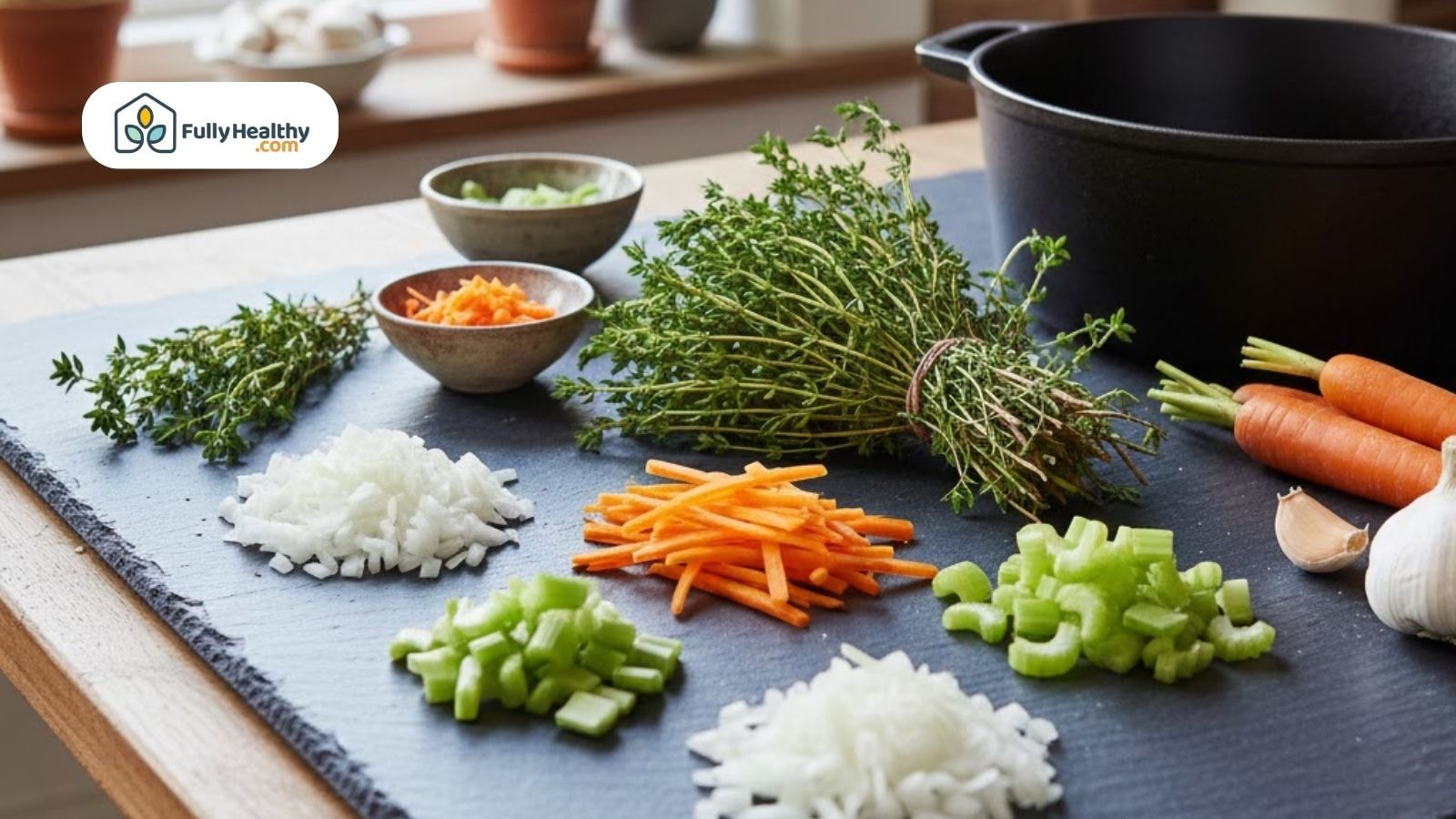
Fresh thyme is a mild herb that goes well with meats and vegetables. It has a taste that goes with anything from lemon chicken to creamy mushroom sauce or potatoes that have been roasted after being mixed with olive oil. Before you add the leaves, chop them so the natural oils stay smelly.
-
Roasted Vegetables: Mix chopped thyme with olive oil, salt, and pepper before tossing potatoes, carrots, or onions in the pan.
-
Lemon-Thyme Chicken: Combine lemon juice, garlic, and a tablespoon of chopped fresh thyme leaves for bright flavor.
-
Creamy Sauces: Add a teaspoon of thyme leaves to a mushroom or seafood sauce to layer earthy notes.
-
Grilling: Use chopped herbs in a marinade for pork or lamb to give depth to the dish.
-
Finish: Sprinkle a handful of fresh sprigs over the dish just before serving for color and aroma.
Flavor Pairings and Cooking Tips
Thyme has a fresh and savory taste, which makes it go well with many other herbs and foods. It goes well with basil, rosemary, and cilantro and makes meats, soups, and sauces taste better. The most important thing is the timing and the amount of dried and fresh herbs.
-
Pairing: Combine thyme with lemon, garlic, or capers to enhance chicken or fish.
-
Cooking Time: Add fresh thyme near the end of cooking, but add dried thyme early so it can release flavor gradually.
-
Measurement: Use 1 teaspoon of dried thyme for every 1 tablespoon of fresh thyme.
-
Layering Flavors: Mix chopped thyme with other herbs to build depth in stew or marinades.
-
Storage Tip: Keep leftover thyme in a cool dark place or refrigerate wrapped in a damp paper towel for freshness.
How to Correctly Harvest Thyme?
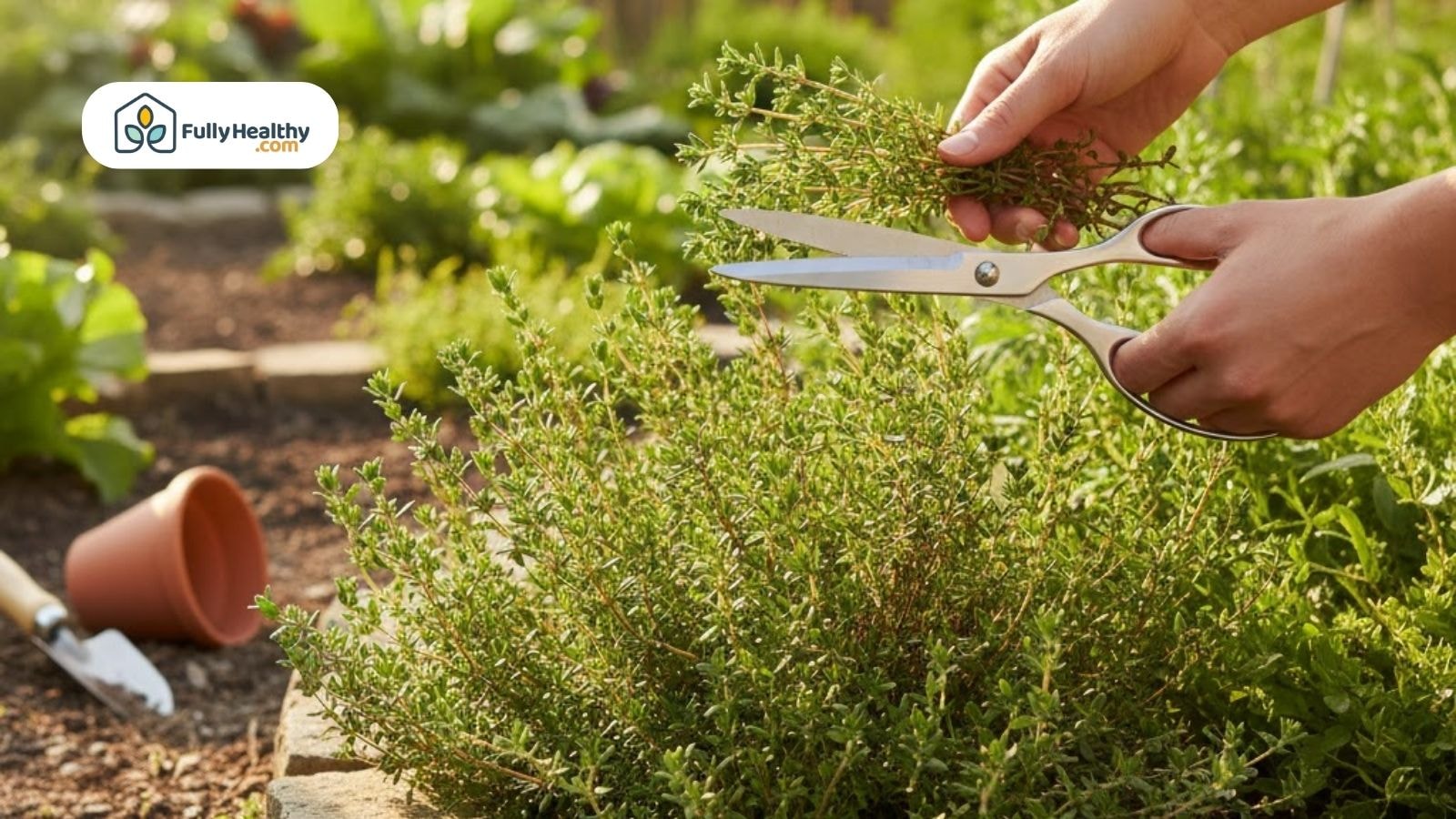
Best Time and Tools for Harvesting
The flavor of thyme stays rich and aromatic if it is harvested at the right time. The best time to cut is in the early morning, after the dew has dried but before the sun gets strong. Before it flowers, the thyme plant's tiny leaves and soft stems hold the most natural oils.
-
Timing: Harvest just before blooms appear in the growing season to get stronger aroma.
-
Tools: Use kitchen shears or small pruners for a clean cut that protects new growth.
-
Cutting Method: Snip sprigs about one inch above a growth node so the plant continues to produce.
-
Condition: Choose healthy, green leaves instead of brown or woody stems.
-
Work Area: Lay the sprigs in a cool place while preparing to strip or chop them for cooking.
Storing and Preserving Harvested Thyme
Thyme should be stored properly after being picked so that it keeps its flavor. If you take care of fresh sprigs the right way, they can last up to two weeks. Dried thyme, on the other hand, lasts for months if you store it properly.
-
Short-Term Storage: Wrap fresh thyme in a damp paper towel, place it in a sealed bag, and refrigerate.
-
Freezing Method: Freeze chopped thyme with olive oil or butter in ice cube trays for easy use in soups and sauces.
-
Drying: Hang small bundles upside down in a cool dark place until the leaves feel crisp.
-
Storage for Dried Herbs: Keep dried thyme in airtight jars away from moisture.
-
Shelf Life: Fresh thyme lasts about two weeks, while dried herbs stay flavorful for six months in proper storage.
About Our Site – FullyHealthy
Who We Are
FullyHealthy uses simple ingredients and useful methods to help people cook healthy meals with confidence. We want to make it easier for every kitchen to cook with fresh herbs, from taking the leaves off of thyme to safely using a sharp knife. Fresh, clean flavors that make normal meals feel special are the start of healthy eating.
-
Mission: Provide reliable guides for using herbs, spices, and natural foods in your daily recipes.
-
Support: Offer tips on sustainable cooking practices and how to prepare garden-fresh produce.
-
Focus: Help cooks learn safe chopping, drying, and storage habits for herbs like thyme and rosemary.
-
Trust: Information sourced from culinary experts ensures consistent results in every dish.
-
Community: Encourage readers to share home-cooked creations featuring fresh thyme and other herbs.
Our Organic Thyme Products
FullyHealthy offers a range of organic items for cooks who want clean, trustworthy foods. The 0.78-ounce jar of Simply Organic Thyme that we offer contains only pure, dried thyme with a rich flavor and deep smell that makes it perfect for adding to marinades or vegetables that are roasted.
-
Quality: Certified organic and carefully dried to maintain natural oils and true flavor.
-
Versatility: Works perfectly in sauces, marinades, and stews, or mixed with other herbs like basil and cilantro.
-
Storage: Keep in a cool dark place with the lid tightly sealed to retain strength.
-
Usage: Replace 1 tablespoon of fresh thyme leaves with 1 teaspoon of dried thyme when cooking.
-
Encouragement: Try pairing it with rosemary or lemon for fresh, balanced flavors in your next recipe.
Final Thoughts
Learning to chop thyme adds flavor and aroma to all the food you make, and it helps tie the dishes together. This mint family herb makes chicken, lamb, fish, and vegetables more lively, even when the stems are tough or soft. Fresh and dried thyme both add different flavors to sauces, soups, marinades, and potatoes. Store thyme somewhere cool and dark.
Cut it with a sharp knife and allow the herbs' natural oils to make your kitchen smell good. Give it a try today, the recipe you make next will be better!
FAQs
What is a sprig of thyme used for?
A sprig of thyme means a small piece of stem with little leaves used in a pot of soup, stew, or bouquet garni when a recipe calls for whole sprigs of herbs to cook chicken, pork, or lamb.
Are you supposed to trim thyme?
Yes, trim the plant using kitchen shears to remove brown woody stems, prepare tender stems, and keep the thyme garden healthy for larger harvests of fresh thyme leaves and fresh sprigs.
How do you store thyme?
Store fresh thyme and dried herbs in a cool dark place or refrigerator wrapped in a damp towel so the natural oils and aroma of the leaves stay fresh for sauces, potatoes, seafood, and any recipe.
How do you use fresh herbs like thyme?
Use fresh herbs such as lemon thyme, basil, rosemary, and cilantro to cook fish or toss roasted vegetables; chop them with a sharp blade or strip the leaf gently with one hand for a delicate flavor.
How strong is dried thyme compared to fresh thyme?
Dried thyme is more concentrated in flavor, so use one teaspoon instead of one tablespoon of fresh thyme when cooking in a pan or pot with capers, marinades, or sauces for a balanced dish.
Leave a comment