

How To Get Rid Of Squash Bugs Before They Wreck Your Garden?
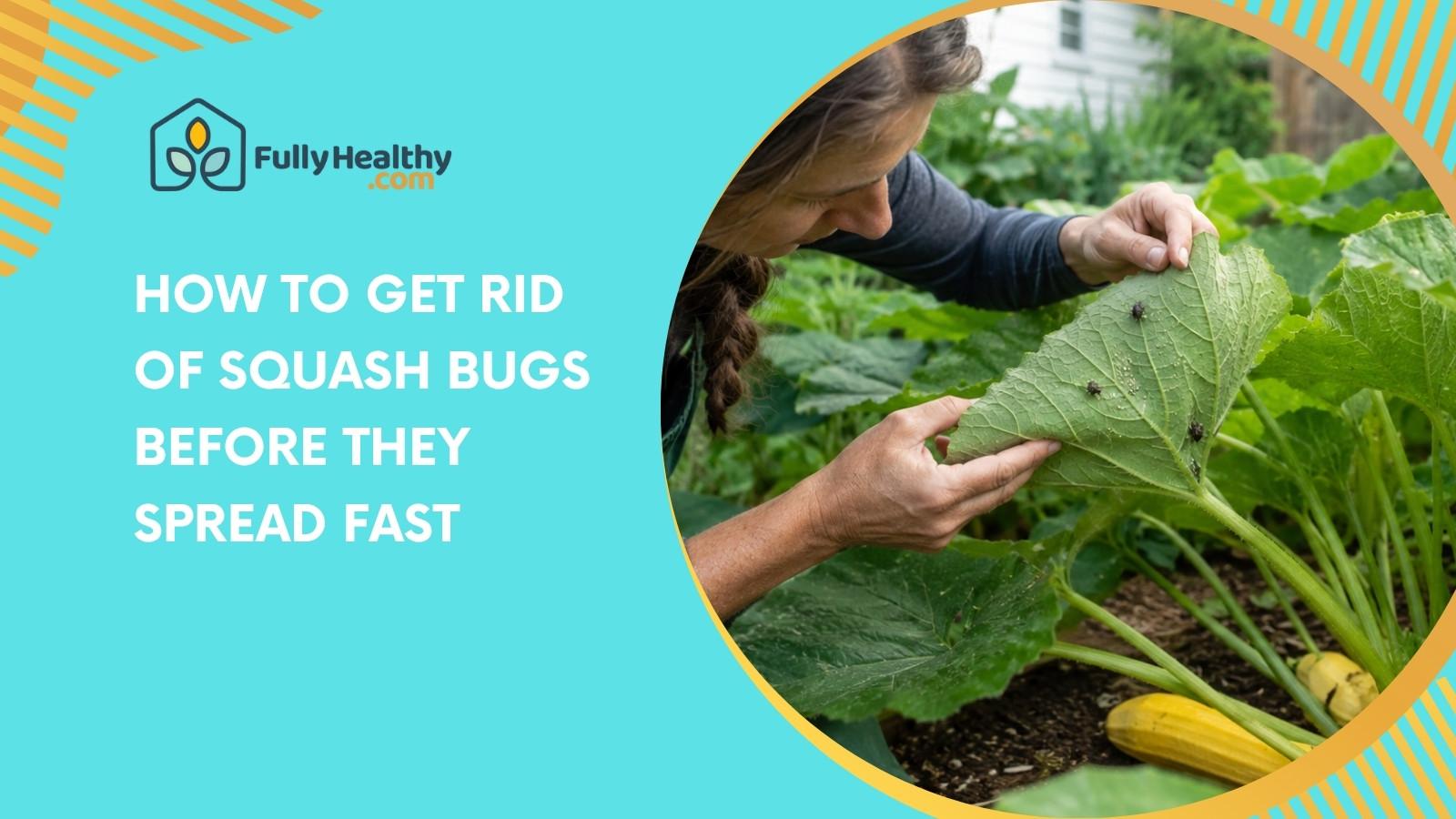
Learning how to get rid of squash bugs starts with quick action. Check the undersides of leaves, remove bronze egg clusters, and drop adults or nymphs into soapy water. These pests feed on squash, pumpkin, zucchini, and other cucurbits, causing wilting and weak growth.
Clean garden debris, rotate crops, and support helpful insects to lower future infestations. With steady checks and simple control steps, you can protect your plants before squash bugs take over your garden.
Featured Pantry Pick
Farmer's Market Organic Butternut Squash - 15 oz
Loading...
How To Get Rid Of Squash Bugs?
Learning how to get rid of squash bugs starts with early checks and fast removal. These common pests attack squash plants, winter squash, zucchini, pumpkin, and other cucurbit plants.
They cause squash bug damage, spread yellow vine decline, and weaken the whole plant when squash bug populations grow. Acting early helps prevent squash bugs before new eggs hatch and before nymphs mature into harder-to-remove adults.
What Kills Squash Bugs Fastest In The Garden?
The fastest way to control squash bugs is to remove them before they spread. Look under leaves for squash bug eggs, egg masses, squash bug nymphs, and any adult squash bug near the stems. A natural gardener can eliminate squash bugs with steady hand removal and safe spray support.
-
Inspection: Check the undersides of leaves often, especially when vines start spreading.
-
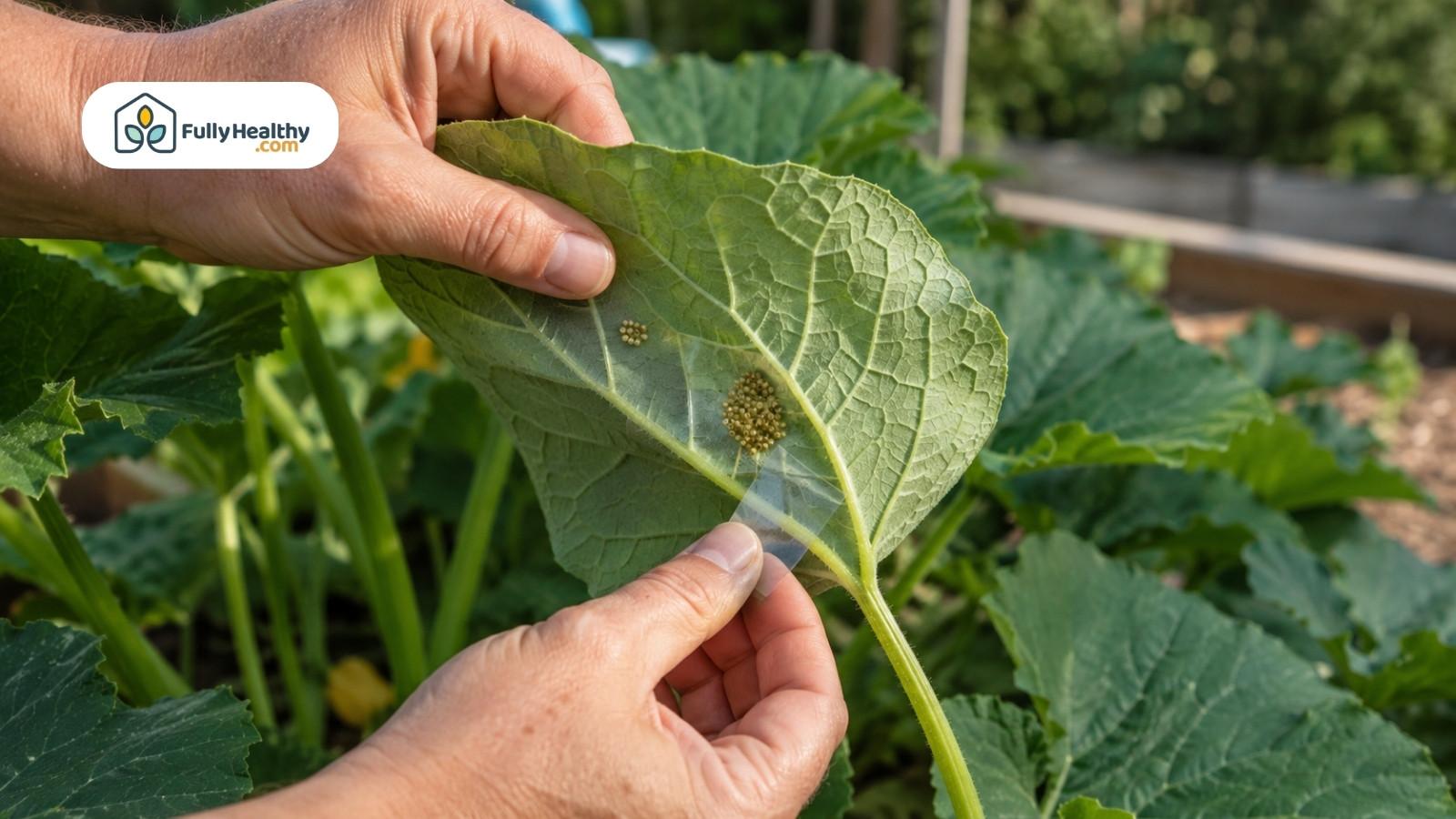
Egg Removal: Crush squash bug eggs or lift them off with tape before they hatch.
-
Spray Support: Use neem oil on young nymphs only, and always follow pre harvest intervals.
How To Spot Eggs, Nymphs, And Adult Squash Bugs?
To identify squash bugs, you need to know the squash bug life cycle. Eggs are bronze or dark brown and appear in clusters. Young nymphs have a light green abdomen, then turn light gray as they pass through stages called instars. Adults look similar to stink bugs, but they are longer and flatter.
-
Egg Stage: Bronze egg masses often sit along leaf veins or under leaves.
-
Nymph Stage: Nymphs start pale, then nymphs mature and become darker.
-
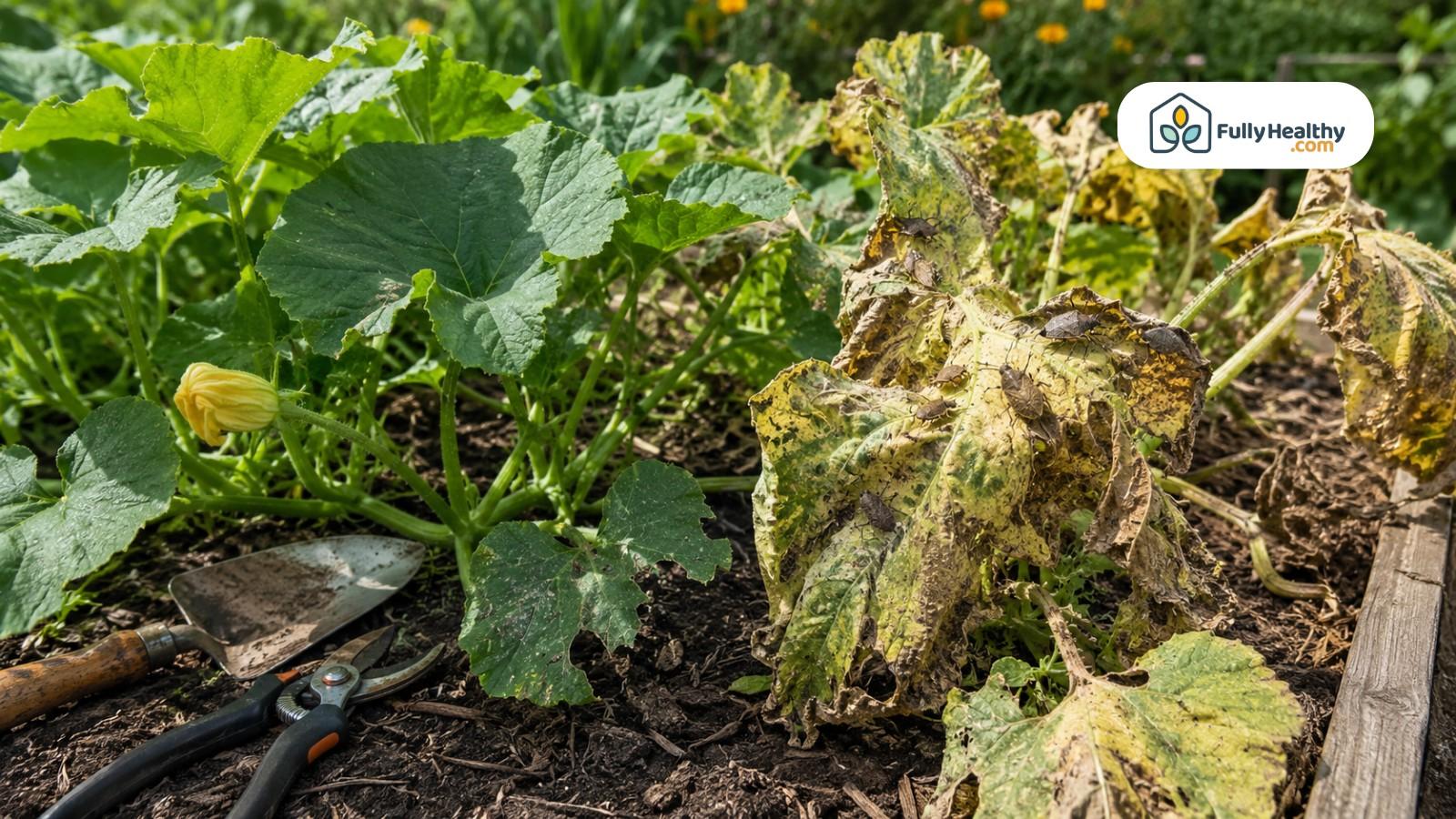
Damage Signs: Leaves may wilt, eventually turn brown, and the whole plant may collapse.
Will Coffee Grounds Get Rid Of Squash Bugs?
Coffee grounds may help repel some insects, but they will not eliminate squash bugs by themselves. Use them as light support, not the main solution. Keep checking your plants, removing eggs, cleaning garden beds, and acting before squash bug damage spreads.
Can Coffee Grounds Repel Squash Bugs?
Coffee grounds have a strong smell and rough texture that some insects may avoid. Still, there is not enough strong proof that coffee alone can control squash bugs. It is better to use it with hand-picking, cleanup, and other safe pest-control steps.
-
Use Lightly: Sprinkle a small amount around the plant base, but do not pile it up.
-
Keep Scouting: Coffee grounds will not remove hidden egg masses under leaves.
-
Pair Methods: Combine coffee grounds with hand-picking, neem oil, and garden cleanup.
How To Use Coffee Grounds Safely Around Squash Plants?
Use coffee grounds carefully around young squash plants. Too much can make the soil too dense or wet. Avoid covering stems, and stop using it if leaves show stress. For better garden support, plant flowers nearby to attract beneficial insects and improve companion planting.
-
Test First: Try coffee grounds on a small area before using them across the bed.
-
Add Habitat: Flowers can bring helpful insects that feed on common pests.
-
Stay Consistent: Keep checking plants until squash bug populations go down.
How Do I Get Rid Of Squash Bugs In My Soil?

Squash bugs do not usually live deep in soil. Instead, squash bugs hide in plant debris, old vines, mulch, boards, weeds, and other sheltered spots. Cleaning the soil surface after harvest helps prevent squash bugs from surviving winter and returning next season.
Clean Up Garden Debris Where Squash Bugs Overwinter?
After harvest, remove old cucurbit leaves, dead vines, and infected plants. This removes hiding places for adult pests. Do not leave plant piles beside the bed because squash bugs may move back when new plants grow.
-
Remove Debris: Bag old vines, damaged leaves, and rotten fruit after harvest.
-
Clear Shelter: Lift boards, thick mulch clumps, and weeds where bugs may hide.
-
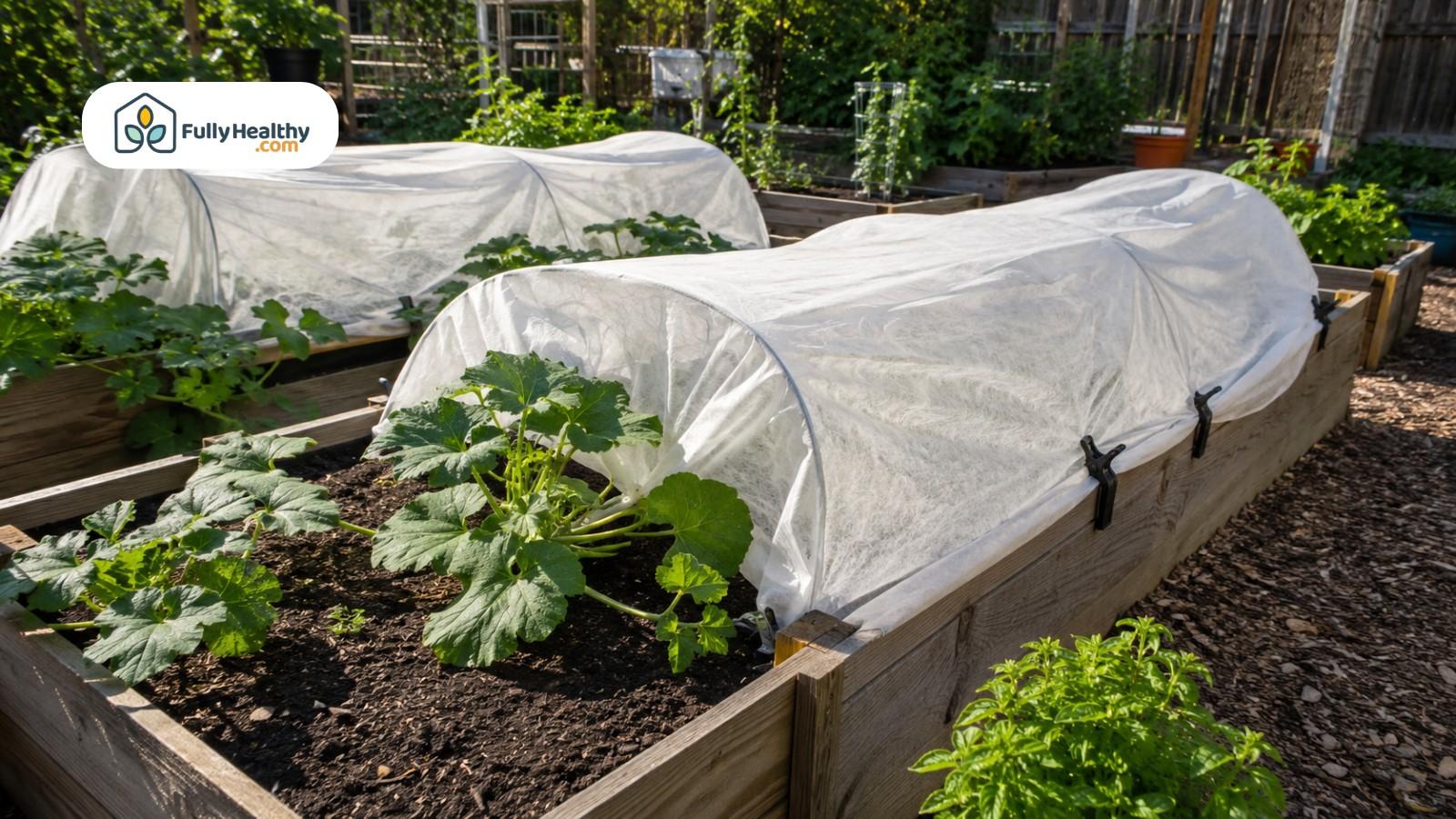
Protect Beds: Use row cover early next season to block adult bugs from laying eggs.
Rotate Squash, Pumpkin, Cucumber, And Melon Crops?
Crop rotation helps because adults often return to the same cucurbit area. Move squash, pumpkin, cucumber, and melon to a fresh spot when possible. You can also use a trap crop like blue hubbard squash to draw pests away from your main crop.
-
Rotate Crops: Avoid planting cucurbit plants in the same bed every year.
-
Use Trap Crops: Plant blue hubbard squash early to attract squash bugs away.
-
Plan Ahead: Clean beds, plant flowers, and protect young plants with row cover.
What Is The Natural Enemy Of The Squash Bug?
Natural enemies can help lower squash bug numbers, but they work best with regular checks and clean garden beds. These helpful insects attack eggs, young bugs, or adults during the growing season. They can protect butternut, pumpkin, zucchini, and other cucurbit crops.
Which Beneficial Insects Eat Squash Bugs?
Some beneficial insects feed on squash bug eggs and young bugs. Others attack adults or weaken them over time. Check your plants in the early morning, when pests move slowly and are easier to catch on leaves, stems, and other plants.
-
Ground Beetles: These insects may eat squash bug eggs near the soil surface.
-
Damsel Bugs: These helpful insects feed on small pests and young squash bugs.
-
Garden Habitat: Plant flowers nearby to give helpful insects nectar and shelter.
How Tachinid Flies Help Control Squash Bugs?
Tachinid flies are natural parasitoids. This means their young develop inside a pest insect. A tachinid fly may lay an egg on a squash bug, often near its body, black legs, or reddish brown edges.
-
How They Work: The larva enters the squash bug and slowly weakens it.
-
Best Support: Avoid broad sprays that can kill helpful insects in the garden.
-
Extra Tip: Check leaves for yellow spots, eggs, and young bugs through their five stages.
How FullyHealthy Can Help With Squash-Friendly Pantry Staples
FullyHealthy can help when garden harvests are small or pests damage plants in summer. The site carries pantry items you can use for simple meals, including organic butternut squash, organic pumpkin, and raw sauerkraut. These are helpful when fresh squash is limited.
What FullyHealthy Can Do For You?
FullyHealthy makes it easier to shop for specialty diet foods in one place. This can help readers who want simple pantry options while they control pests, try resistant varieties, or rest garden beds after one generation of squash bugs.
-
Easy Shopping: Find pantry foods without sorting through too many unrelated items.
-
Diet Filters: Browse by AIP, Paleo, gluten-free, keto, vegan, or Low-FODMAP.
-
Garden Support: Use pantry staples while your cucurbit crops recover.
FullyHealthy Products To Mention In This Section?
Mention only real items from FullyHealthy. Duct tape, sometimes misspelled as duck tape, can help remove squash bug eggs in the garden. The products below are for meals, not pest control.
-
Organic Butternut Squash: Farmer’s Market Organic Butternut Squash 15 oz.
-
Organic Pumpkin: Farmer’s Market Organic Pumpkin 15 oz.
-
Raw Sauerkraut: Pickled Planet Veda Kraut Raw Sauerkraut 16 oz.
-
Simple Use: Add squash or pumpkin to soup, then serve sauerkraut on the side.
Final Thoughts
Squash bugs are easier to manage when you act early and stay consistent. Check squash plants, butternut, winter squash, and other cucurbit crops in the early morning, when pests are slower.
Look for squash bug eggs, egg masses, squash bug nymphs, yellow spots, reddish brown adults with black legs, and leaves that eventually turn brown. Use duct tape, or duck tape if that is what you have, to lift eggs before eggs hatch.
Remove plant debris, protect plants with row cover, and rotate crops each growing season. Plant flowers for beneficial insects, try resistant varieties, and use neem oil. With these steps, you can control squash bugs, reduce squash bug populations, and prevent squash bugs from ruining the whole plant.
FAQs
What Is The Fastest Way To Catch Squash Bugs?
The fastest way is to check in the early morning, catch the adult squash bug by hand, and remove squash bug eggs before eggs hatch.
Why Do My Squash Leaves Have Yellow Spots?
Yellow spots can be early squash bug damage, and infected plants may wilt, weaken, or eventually turn brown if pests keep feeding.
Do Squash Bugs Attack Other Plants?
Yes, they mainly attack cucurbit plants, including squash, pumpkin, zucchini, butternut, winter squash, and other plants in the same family.
What Happens During The Squash Bug Life Cycle?
The squash bug life cycle includes eggs, squash bug nymphs, five stages called instars, and adults that may produce one generation each summer.
Can Companion Planting Help Prevent Squash Bugs?
Yes, companion planting, a trap crop like blue hubbard squash, plant flowers, beneficial insects, and clean plant debris can help prevent squash bugs.
Leave a comment