

How to Keep Apple Slices From Turning Brown Naturally?
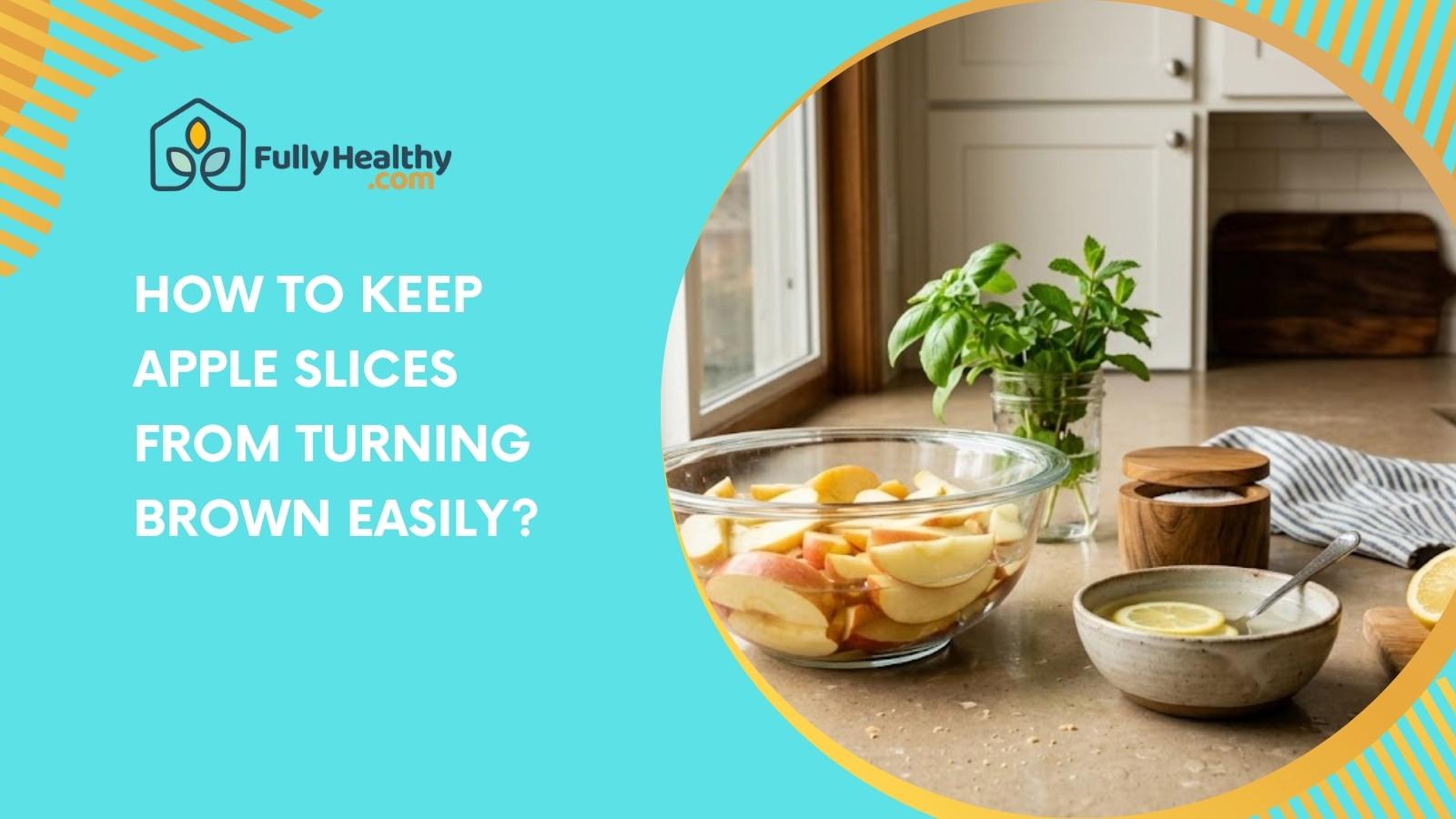
Apple slices turn brown when cut flesh meets air. The best answer for how to keep apple slices from turning brown is simple: slow oxidation. Soak slices in lemon water, pineapple juice, salt water, or another acidic solution, then store them cold in an airtight bag or container.
Remove as much air as possible. These steps help apples stay fresher, brighter, and more appealing for lunches, parties, snacks, or meal prep.
Featured Snack Pick
Bare Fruit // Crunchy Organic Fuji Reds Apple Chips - 3 oz
Loading...
How To Keep Apple Slices From Turning Brown?
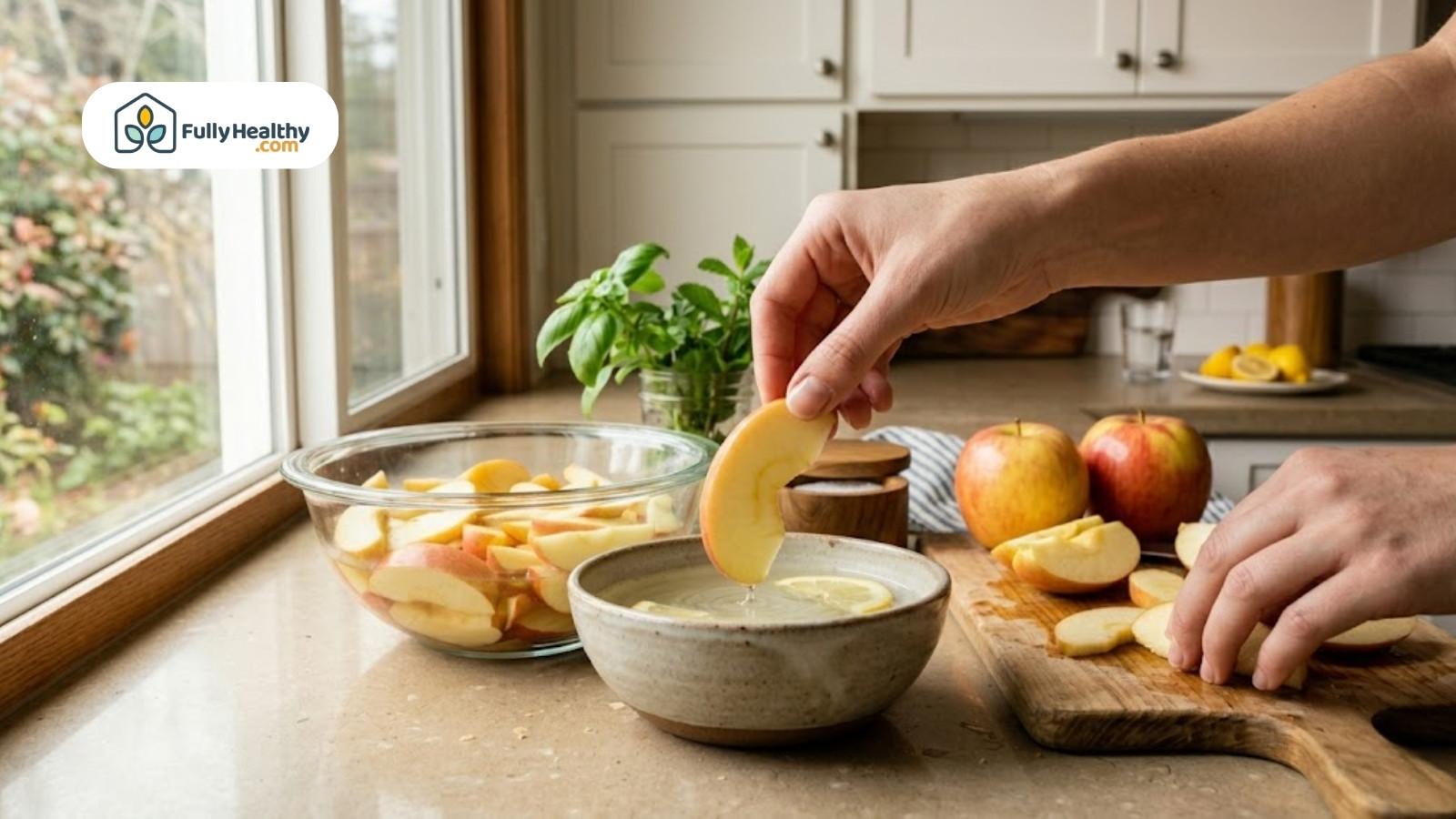
If you want sliced apples fresh for snacks or school lunches, you need to slow the oxidation process. When cut apples are exposed to air, they start to apples brown because enzymes react with oxygen. The easiest way to keep apples from browning is by using acidic liquids and cold storage. A particular method may work better depending on flavor, storage time, and how you plan to serve the apples.
Use Acidic Ingredients To Slow Oxidation
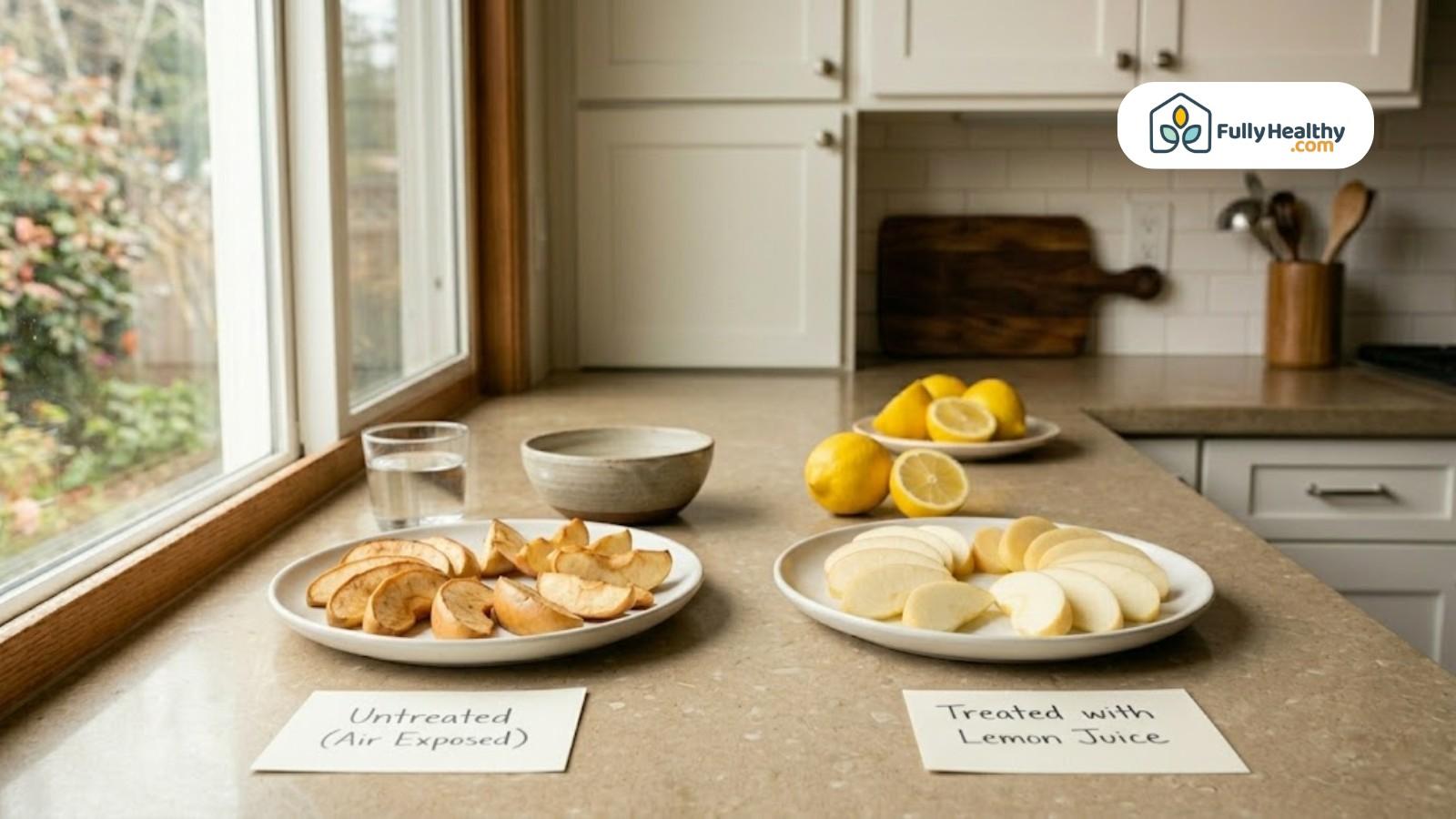
Acidic liquids help prevent apples from browning because citric acid and ascorbic acid slow down enzyme activity. Lemon juice is the most popular option.
Pineapple and orange juice may help; apple juice and lemon-lime soda are generally less reliable than lemon juice, ascorbic acid, citric acid, or salt-water treatments. Some people prefer the salt water method because it keeps the natural apple flavor without changing the apple shape too much.
-
Lemon juice: Mix a small amount with water to create a mild citrus juice coating that helps protect the surface of cut apples.
-
Fruit Fresh: This powder contains citric acid and works well for keeping sliced apples fresh during meal prep or packing lunches.
-
Salt water soak: A quick soak in light salt water can reduce browning. After soaking, pat dry the apples before storing them.
-
Lemon lime soda: This option may help because it contains acid, but many brands also contain high fructose corn syrup, which can add extra sweetness.
Store Apple Slices Properly After Cutting
Storage is just as important as the soaking step. Even treated apples can brown quickly if they are left in warm air for too long. Always refrigerate apples after slicing to help them stay crisp and fresh looking. Using the right container also helps reduce moisture loss and air exposure.
-
Airtight container: Helps reduce oxygen exposure and keeps sliced apples fresh longer.
-
Plastic bags: Press out as much air as possible before sealing the bag.
-
Ziplock bag: A simple option for school lunches, travel snacks, or packing apple slices ahead of time.
-
Apple slicer: Creates even slices that are easier to store neatly and serve later.
Can You Slice Apples Ahead Of Time?
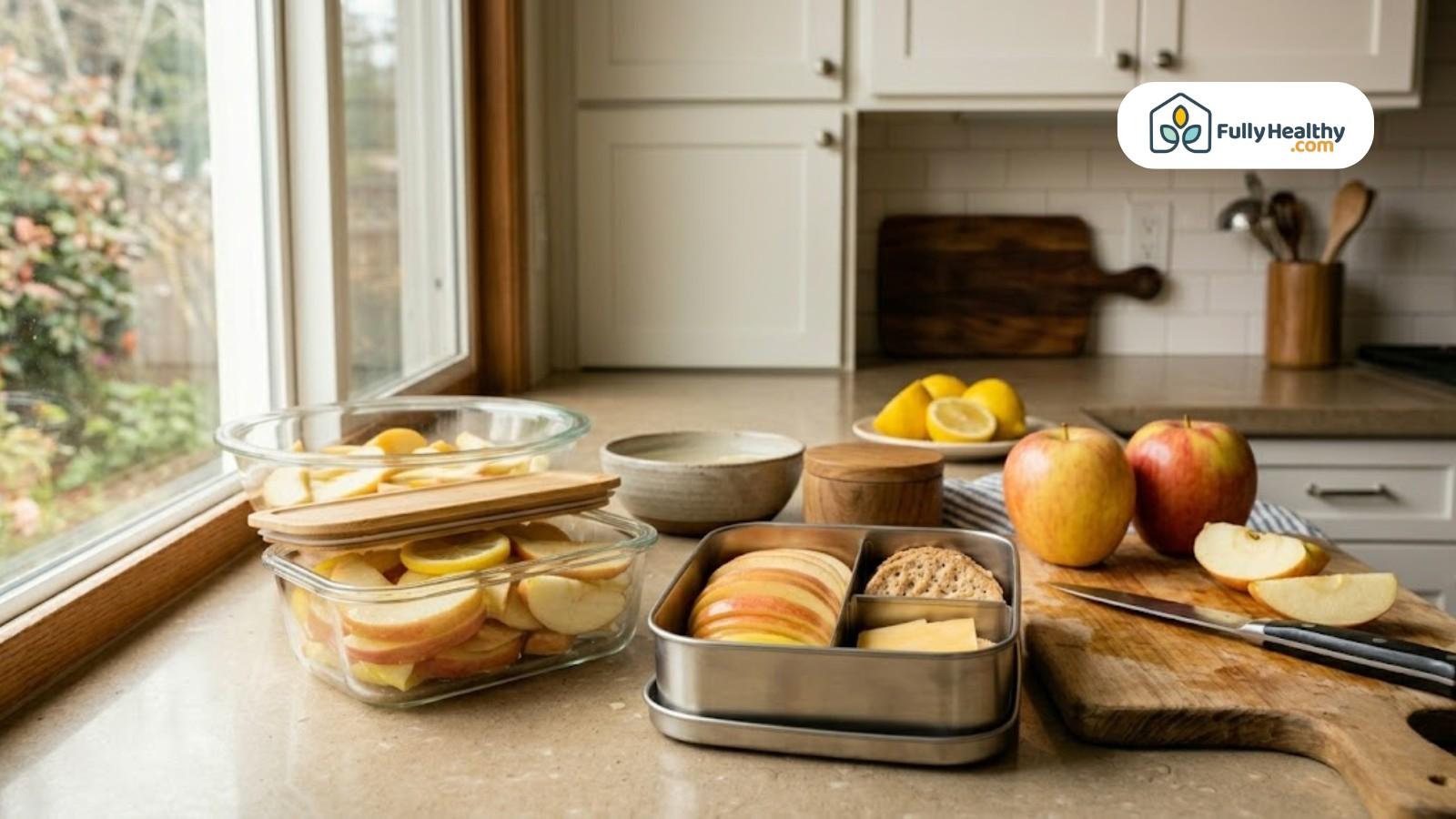
Yes, you can prepare apples ahead of time if you use the right storage method. Many parents slice apples the night before school lunches or busy mornings when everyone feels half asleep. Proper preparation can help sliced apples stay acceptable for about 1–3 days under refrigeration, depending on variety, treatment, and storage.
How Far In Advance Can You Cut Apples?
Most cut apples can stay fresh for one to three days when refrigerated properly. Acidic treatments slow discoloration, while cold temperatures help maintain texture. This is useful for meal prep, party trays, or even ingredients for apple cake recipes.
-
Sliced apples fresh: Apples usually look and taste best within the first 24 hours after cutting.
-
Treated apples: Apples soaked in acidic liquids often keep their color longer than untreated slices.
-
Fresh fruit trays: Firmer apple varieties work best because they stay crisp longer.
-
Review recipe timing: Some recipes need firmer apples, so avoid storing slices too long before baking or serving.
Best Make-Ahead Methods For Lunches And Parties
The best make-ahead method combines acidic soaking with cold storage. This great idea works well for packing lunches, road trips, picnics, and family gatherings. Keeping apples chilled until serving time helps preserve flavor and texture.
-
Salt water method: Helps slow browning without adding a strong flavor to the apples.
-
Citrus juice: Lemon or orange juice can help protect color while adding a fresh taste.
-
Packing apple slices: Store apples in single layers when possible to avoid bruising.
-
Healthy snack: Pair apples with cheese, yogurt, or nut butter for a more filling option.
How Do Restaurants Keep Apples From Turning Brown?
Restaurants use quick and reliable methods to keep apples looking fresh throughout the day. Since customers expect bright and appealing fresh fruit, kitchens often rely on acids, refrigeration, and careful prep techniques. Many restaurants prepare large amounts of cut fruit every morning for salads, desserts, and snack packs.
Commercial Kitchens Use Acid-Based Treatments
Most restaurants use citric acid powders or diluted juice because they work quickly and help maintain texture. Commercial kitchens usually avoid overly sweet liquids like lemon lime soda because they can affect flavor and leave residue on the fruit.
-
Fruit Fresh: A common choice for large batches of apples because it protects color without changing flavor too much.
-
Ascorbic acid: Often used in food service because it slows browning effectively.
-
Orange juice: Can help reduce browning, although it may slightly change the apple flavor.
-
Natural preservative: Acid-based ingredients naturally help reduce oxidation and protect appearance.
Why Some Apple Varieties Brown More Slowly?
Some apples naturally resist browning better than others. Apple browning varies by cultivar and depends on acidity, phenolic content, and polyphenol oxidase activity. Firmer apples also hold their texture longer after slicing and storage.
-
Whole apple varieties: Pink Lady and Granny Smith apples are popular because they brown more slowly.
-
Apples from browning: Naturally acidic apples often stay lighter in color for longer periods.
-
Eat apples quickly: Even with treatment, texture can slowly soften over time.
-
Cut fruit storage: Refrigeration remains one of the best ways to maintain freshness and crispness.
Will Sliced Apples Turn Brown In A Ziploc Bag?
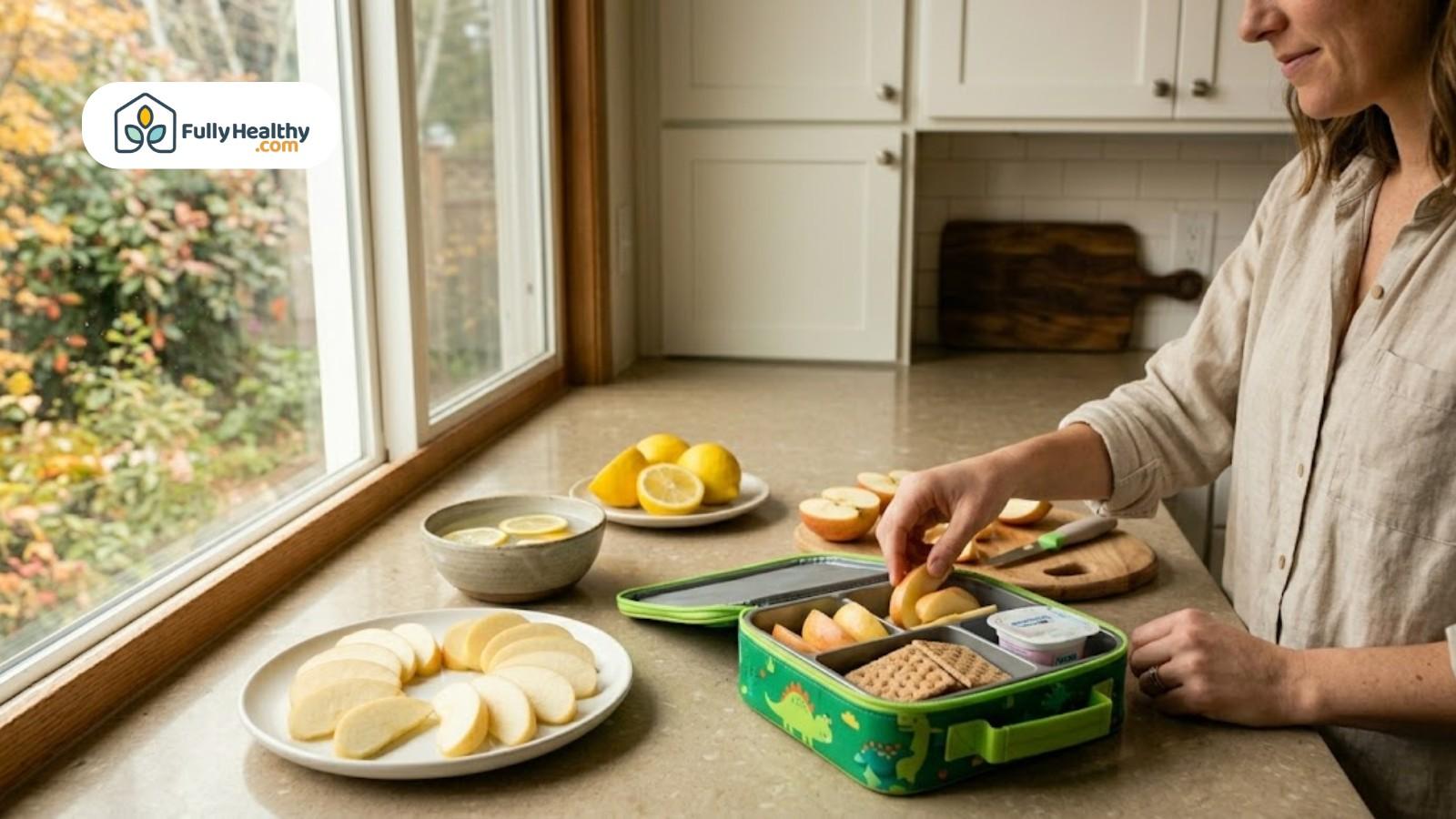
A Ziploc bag can slow browning, but it will not fully stop it. Apples brown when oxygen touches the cut surface. That is why less air means better color. Many home cooks use this method for kids, snacks, and meal prep because it is simple and practical.
Airtight Storage Helps Slow Browning
Sealed storage helps prevent browning by limiting air around the apple slices. For fresh looking apples, treat them first, then store them in the fridge. A quick rinse can also remove extra flavor after a dip.
-
Zip-top storage: Press out as much air as possible before sealing.
-
Quick rinse: Rinse after salt, citrus, or honey dips if the taste is too strong.
-
Bowl storage: Apples left uncovered in a bowl usually brown faster.
-
Fridge use: Cold storage helps apples stay crisp for several hours.
Easy Tricks That Help Apples Stay Fresh Longer
Some popular methods work better than others. A great tip is to combine a quick dip with airtight storage. This method works well for school snacks, lunchboxes, and related recipes.
-
Honey dip: Mix honey with water to slow browning in a mild way.
-
Cup measurement: Use about 1 tablespoon honey in 1 cup water.
-
Rubber band trick: Put the apple back together and secure it with a rubber band.
-
Kids snacks: Store small apple packs in the fridge for easy grab-and-go food.
Healthy Apple Products To Try From FullyHealthy
FullyHealthy offers apple-based snacks and pantry staples for people with special diet needs. The site focuses on AIP, gluten-free, and allergen-friendly foods. These products are helpful when fresh apples are not available or when you want quick options.
Convenient Apple Snacks For Specialized Diets
Apple snacks are useful for travel, busy days, and lunchboxes. FullyHealthy sells Bare Food Organic Cinnamon Apple Chips, made with organic apples and cinnamon.
-
Apple chips: A crunchy option when fresh fruit is not practical.
-
Simple ingredients: Organic apples and cinnamon make the label easy to understand.
-
Healthy snack: A good choice for kids and adults who want something quick.
-
No prep needed: Helpful when you do not have time to slice apples.
Apple Pantry Staples For Everyday Use
Apple-based pantry items can add flavor to meals and snacks. FullyHealthy also carries Eden Foods Organic Apple Butter Spread and Bragg Organic Apple Cider Vinegar.
-
Apple butter spread: Use on toast, oatmeal, or in baking.
-
Apple cider vinegar: Use in dressings, marinades, and sauces.
-
Sugar note: Apple butter has natural sweetness from apples and apple juice concentrate.
-
Related recipes: Great for dips, sauces, and simple homemade treats.
Final Thoughts
Learning how to keep apple slices from turning brown is simple when you combine acid and cold storage. Lemon juice, citrus juice, fruit fresh, and even a salt water soak can help prevent browning and keep sliced apples fresh longer. Store cut apples in an airtight container, plastic bags, or a ziplock bag inside the fridge for the best results.
These methods are helpful for packing lunches, school lunches, fresh fruit trays, and quick snacks for kids. Whether you use a dip made with honey, orange juice, apple juice, or lemon lime soda, the goal is to slow the oxidation process. Fresh looking apples make a healthy snack, work well in related recipes, and are easy to prepare with an apple slicer.
FAQs
Can Lemon Juice Keep Apples Fresh Longer?
Yes, lemon juice contains citric acid and ascorbic acid that help prevent browning in cut fruit.
Does A Salt Water Soak Really Work?
Yes, the salt water method is a popular method many home cooks use for packing apple slices and keeping treated apples fresh for several hours.
Should I Store Apples In A Bowl Or Fridge?
A bowl leaves apples exposed to air, while the fridge and an airtight container help slow the oxidation process.
Can Kids Eat Apples Prepared The Night Before?
Yes, sliced apples fresh from the fridge are great for kids, school lunches, packing lunches, and a healthy snack when prepared with a particular method.
What Is The Best Quick Dip For Cut Apples?
A quick dip using citrus juice, honey, apple juice, orange juice, or lemon lime soda can help keep apples from browning and maintain fresh looking apples.
Leave a comment