

How to Make Sourdough Starter the Smart and Simple Way
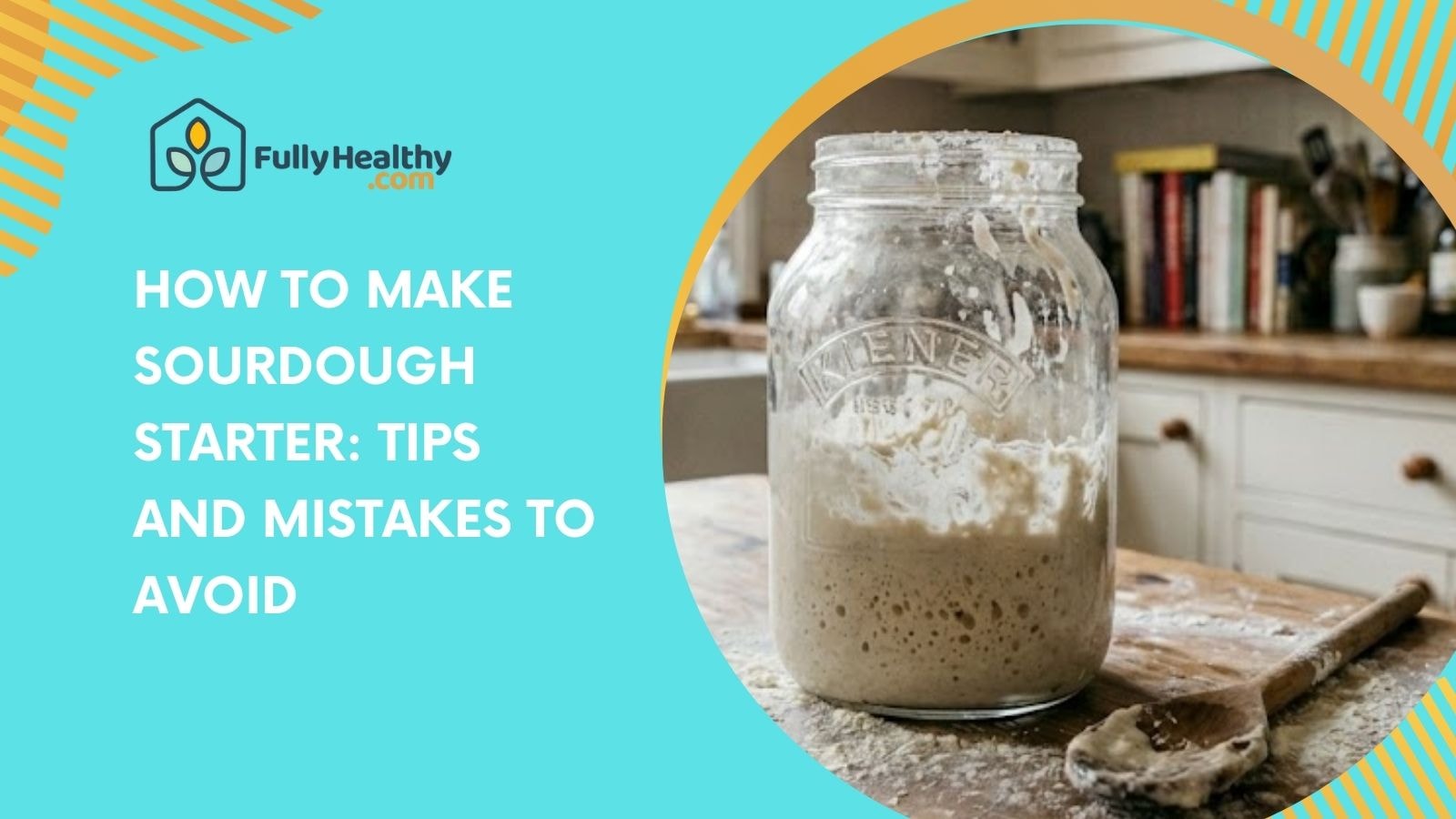
Learning how to make sourdough starter is simpler than it sounds. You only need flour and water, plus time and a steady feeding routine. This guide explains the exact steps, the best flour to use, common mistakes to avoid, and how to store your starter long term. The article will explain how a healthy sourdough starter works and how to make sourdough bread at home.
Featured Bakery Pick
Base Culture // Gluten Free Sourdough Bread - 16 oz
Loading...
How To Make A Sourdough Starter For Beginners?
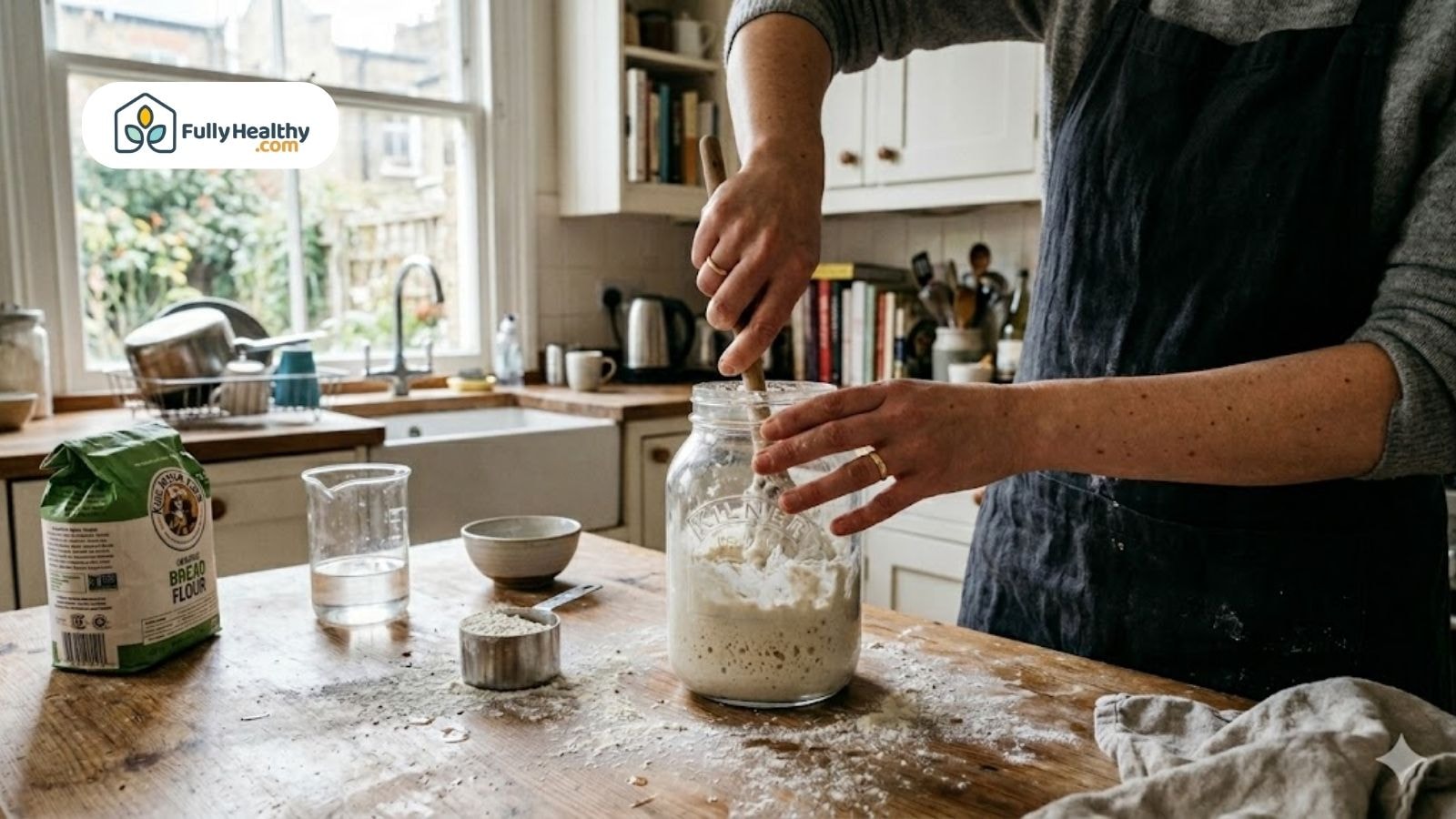
Making sourdough starter is the first step in baking sourdough bread, and it's extremely tasty. This guide shows you how to use a simple starter recipe and the right feeding schedule to make sourdough starter from scratch.
Ingredients, Ratios, And Ideal Conditions
A sourdough starter is flour and water left to ferment so wild yeast can grow. Wild yeast is natural yeast found in grain flour and in the air, and it feeds on sugars in the flour to start the fermentation process.
-
Simple Base: Combine just flour and water in a clean jar to begin making sourdough starter.
-
Equal Ratio: Use equal weights of fresh flour and water, usually 50 to 100 grams each.
-
Water Choice: If tap water smells strongly of chlorine, use bottled water to protect your healthy starter.
-
Ideal Temperature: Maintain the starter at approximately 68–82°F (20–28°C), as temperature influences microbial activity and acid production.
Day-By-Day Feeding Timeline And Readiness Signals
Your new starter will bubble, rise, and fall for the first week as it gets stronger. You can make a strong sourdough starter that is ready to bake bread by feeding it at regular times.
-
Day One: Mix flour and water, cover loosely with plastic wrap, and let the mixture rest for 24 hours.
-
Day Two And Three: You may see the starter rises quickly, then falls, which is normal in a new starter.
-
Discarding And Feeding Process: Discard half of the remaining starter each day, then add fresh flour and water in a 1:1:1 ratio of fed starter, flour, and water.
-
Signs Of Growth: A strong starter doubles in size within 4 to 8 hours after you feed sourdough starter.
-
Starter Is Ready: Do a float test and check that the starter smells mildly sour before using it in a sourdough bread recipe.
What Is The Best Flour For Sourdough Starter?
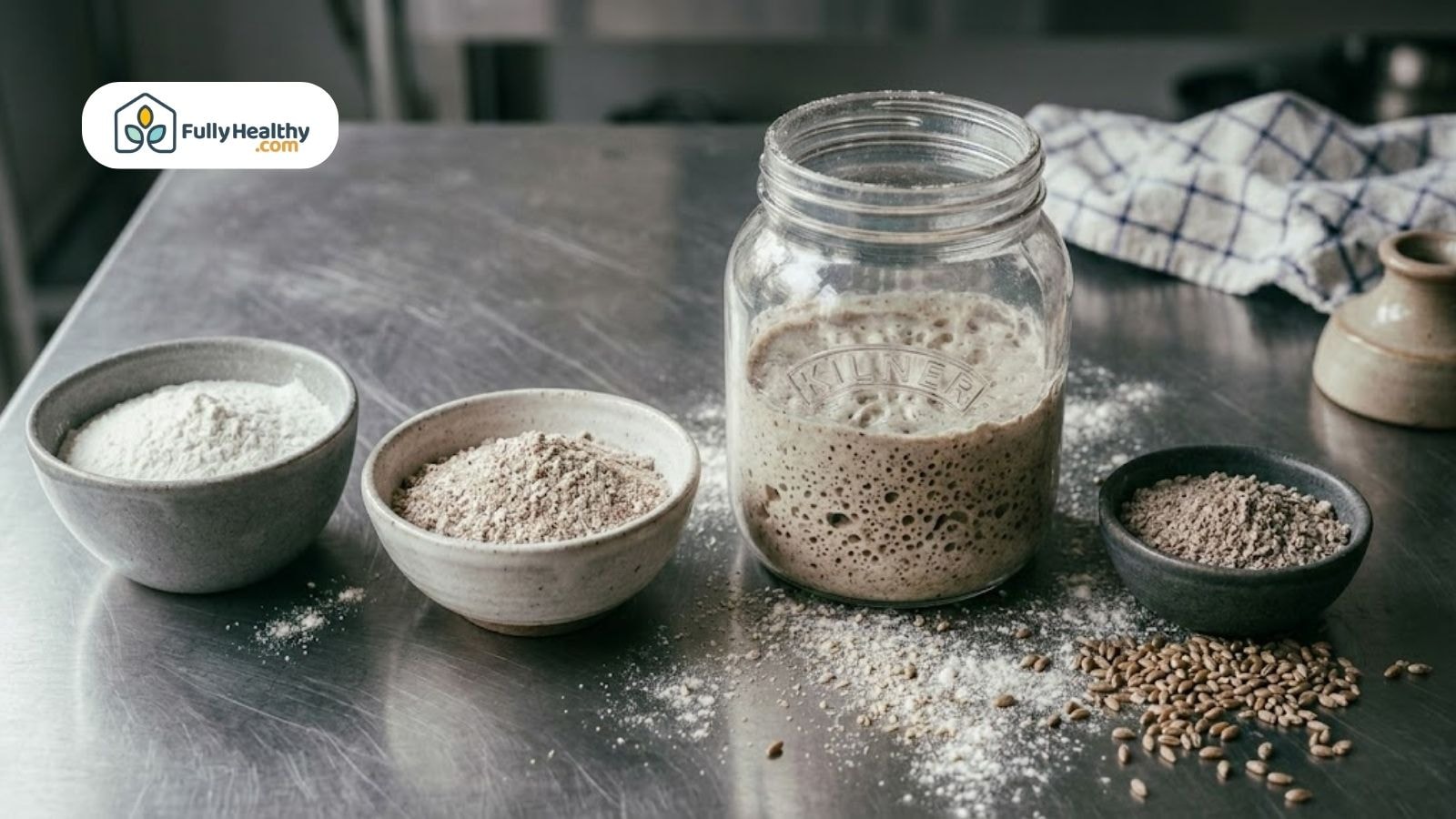
What kind of flour you use will determine how strong and active your starter is. When you use the right grain flour, you can make a healthy starter that makes better bread dough.
Why Whole Rye And Whole Wheat Jumpstart Fermentation
Whole wheat and rye flours typically accelerate fermentation due to higher microbial loads, greater mineral content, increased enzymatic activity, and improved buffering capacity. The outer layer of whole grain flour helps the sourdough starter stay healthy and quickly ferments the dough.
-
High Nutrients: Whole wheat flour and whole grain flour contain minerals that help yeast grow.
-
Rye Strength: Rye flour or a rye starter made with grain rye flour encourages strong early activity.
-
Balanced Blend: A 50 50 mix of rye flour and bread flour builds structure and flavor.
-
Protein Support: Bread flour and king arthur bread flour strengthen bread dough.
-
Better Dough Rise: Strong flour improves dough rise in sourdough baking.
Flours To Avoid And Why They Slow Growth
Building a healthy sourdough starter is harder with some flours. Coloring and flavorings can stop natural fermentation from happening.
-
Bleached White Flour: Chemicals used in white flour reduce natural yeast activity.
-
Self Rising Flour: Added leavening agents disrupt the fermentation process.
-
Cake Flour: Low protein levels weaken bread baking structure.
-
Better Choice: Use unbleached bread flour, ap flour, or purpose flour labeled unbleached.
-
Fresh Flour Matters: Always add fresh flour regularly to keep your starter healthy.
What Is The Biggest Mistake You Can Make With Your Sourdough Starter?
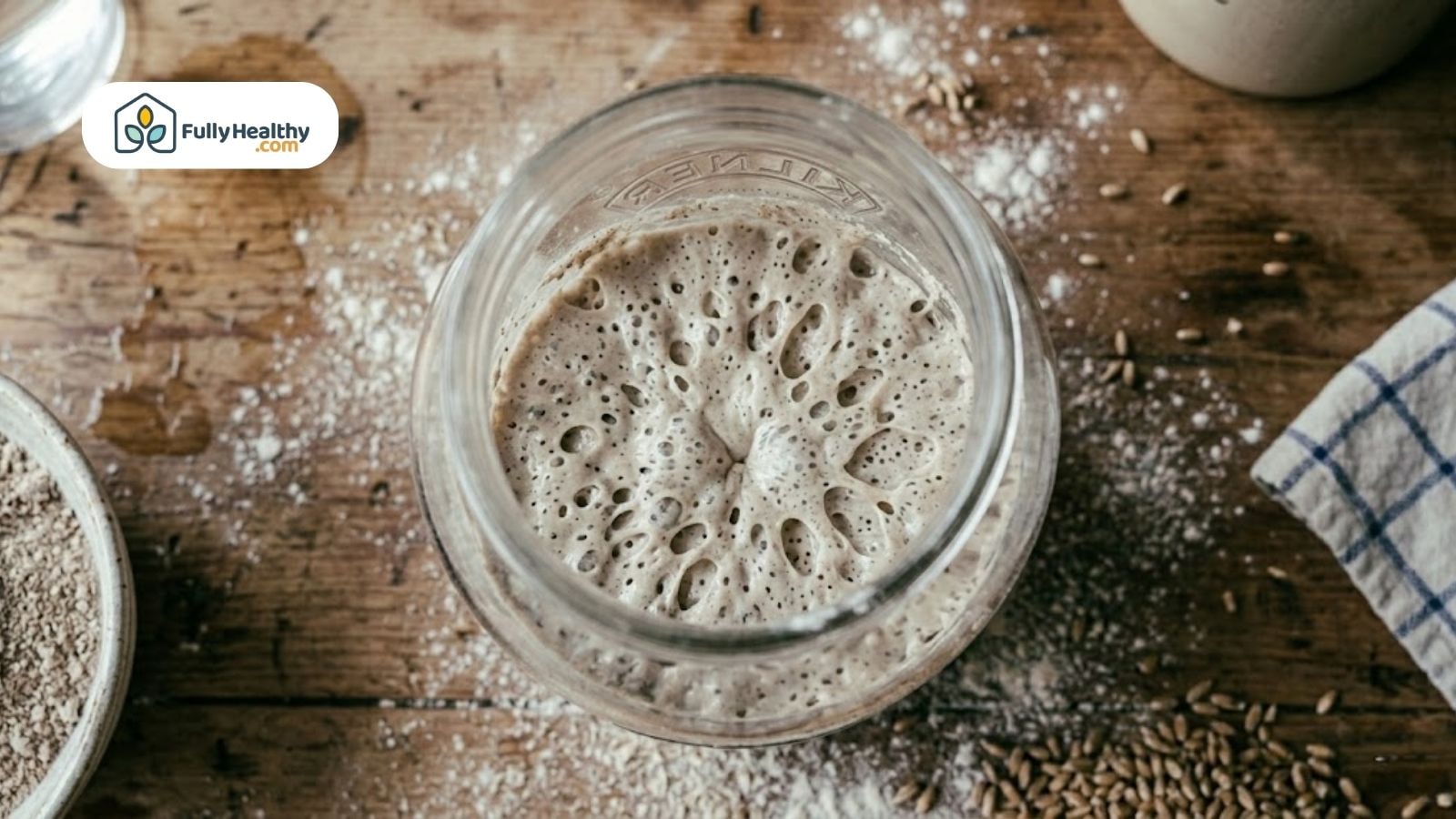
Building a sourdough starter requires patience and balance. Mistakes during making sourdough starter can weaken the culture and delay your first loaf.
Overfeeding And Incorrect Ratios
A common issue is overfeeding which weakens the yeast before it gets strong. If you know how much starter to keep and how to feed it right, you can make sure it stays healthy.
-
Discard Half: Always discard half of the remaining starter before adding fresh flour and water.
-
Correct Ratio: Use a 1:1:1 feeding ratio for fed starter, flour, and water.
-
Too Much Water: A thin mixture may not rise well.
-
Weak Rise: If the starter doubles slowly, reduce feeding frequency.
-
Healthy Balance: A healthy sourdough starter rises and falls predictably after feeding.
Temperature Swings, Chlorinated Water, And Impatience
Temperature and the quality of the water have a direct effect on the fermentation process. People often restart a new starter too soon in the beginning because they are impatient.
-
Cold Kitchens: Keep the starter sit in a warm spot to maintain steady activity.
-
Chlorine Risk: Tap water with chlorine can harm wild yeast growth.
-
Quiet Phase: Days three to five may show fewer bubbles before activity increases again.
-
Starter Smells: A clean sour aroma is normal, but a rotten smell means discard and begin again.
-
Trust The Process: Give your own starter time to mature naturally.
How Long Does Sourdough Starter Last?
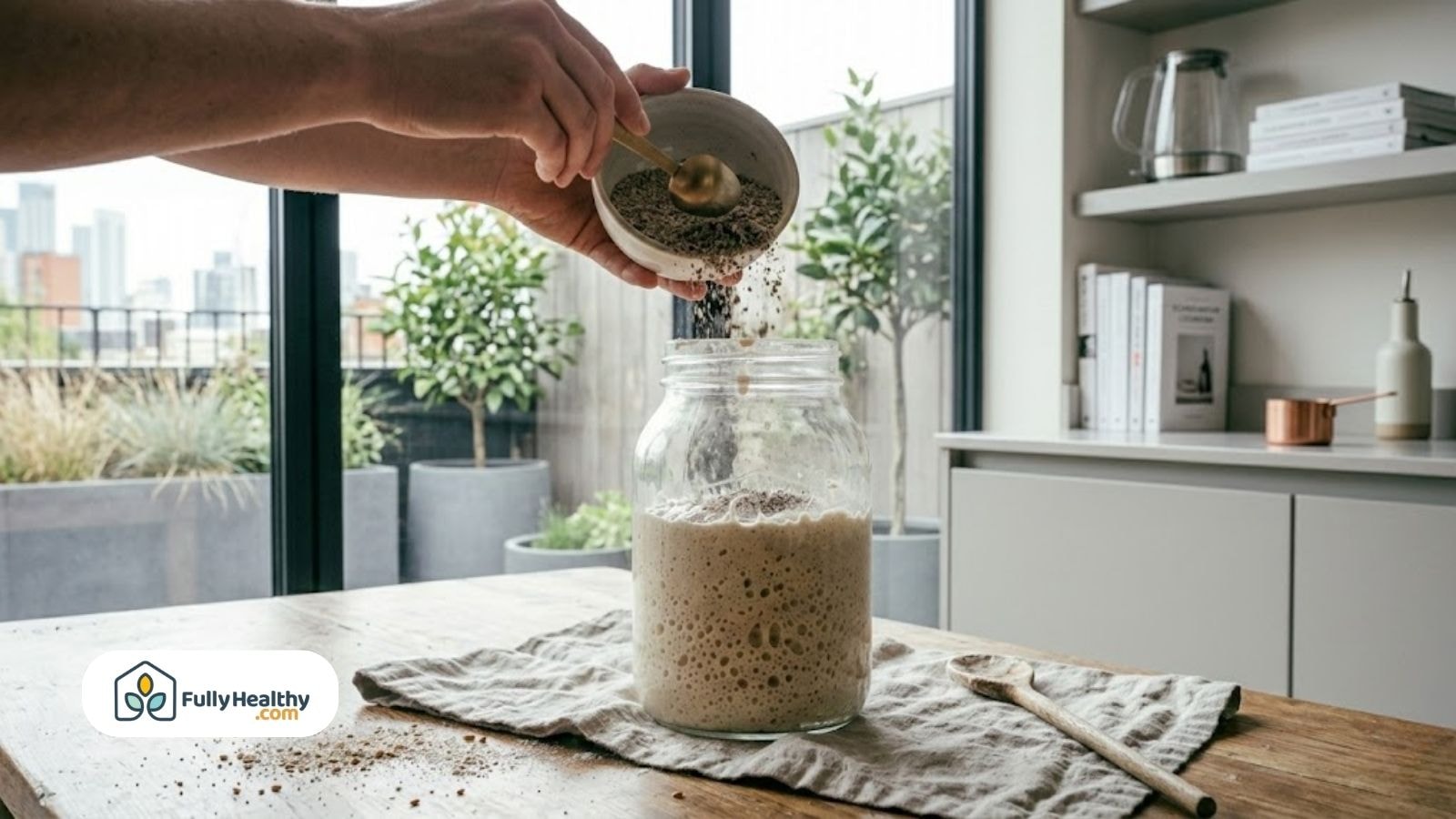
A well maintained sourdough starter can last for years. Proper storage and a consistent feeding schedule keep your starter healthy and ready to bake bread anytime.
Room Temperature Vs Refrigerator Maintenance
Where you store your starter changes how often you need to feed sourdough starter. Room temperature storage keeps it active, while refrigeration slows growth.
-
Daily Feeding: At room temperature, feed your starter every 24 hours.
-
Weekly Feeding: In the refrigerator, feed about once per week.
-
Peak Use: Use the starter when it reaches peak rise before starter falls.
-
Active Starter: A sourdough starter ready for baking shows strong bubbles and lift.
-
Leftover Starter: Use sourdough discard or leftover starter in other sourdough recipes.
Drying And Reviving Starter
You can keep a dried starter on hand as a backup for your sourdough journey. Flakes that have been dried can be kept safely for months or even years.
-
Drying Method: Spread a thin layer of active starter on parchment and let it air dry completely.
-
Storage: Store dried flakes in an airtight container away from moisture.
-
Reviving Process: Mix flakes with warm water, then add fresh flour and begin a feeding schedule.
-
Gradual Feeding: Feed daily until the starter doubles again.
-
Back To Baking: Once sourdough starter ready, use it in your next bread recipe.
FullyHealthy And Specialty Diet Living
FullyHealthy is an online marketplace focused on specialty diet foods and clean ingredients. It supports people who want convenient options without sacrificing quality.
About FullyHealthy Marketplace
FullyHealthy offers gluten free, paleo, and allergen friendly products that support modern bread making needs. The store features specialty items that complement sourdough baking and other healthy cooking goals.
-
Specialty Focus: Emphasis on gluten free and clean label foods.
-
Quality Brands: Curated products selected for ingredient transparency.
-
Convenience: Ideal for those balancing bread baking with busy schedules.
Featured Product: Base Culture Gluten Free Sourdough Bread
The Base Culture gluten free sourdough bread is a commercially produced product designed for convenience. It is not made from your own sourdough starter but offers a ready to eat alternative.
-
Product Size: Available in a 16 oz loaf.
-
Gluten Free: Suitable for those avoiding wheat flour.
-
Convenience Option: Useful when you are not ready to bake bread at home.
Final Thoughts
Following a basic sourdough starter recipe turns flour and water into a living, fermented mixture powered by wild yeast and bacteria instead of commercial yeast. After 5–7 days of regular feedings, it gets strong enough to make bread.
Monitor the bubbles, rise, and smell, and then carefully go through the recipe steps instead of looking for the necessary online recipe ratings. Keep your process consistent, trust the signs of fermentation, and enjoy the rhythm of real bread making, now it’s your turn, happy baking!
FAQs
How many days does it take to make sourdough starter from scratch?
It usually takes 5–7 days for a fermented mixture in a sourdough starter recipe to become active enough for baking without commercial yeast.
What is the 3 ingredient sourdough?
The 3 ingredient sourdough is flour, water, and salt, using a homemade sourdough starter instead of commercial yeast as the leavening agent.
Is sourdough actually gut healthy?
Sourdough can support gut health because the fermented mixture contains lactic acid bacteria that may improve digestibility compared to bread made with commercial yeast.
Can I use rye flour in a homemade sourdough starter?
Yes, rye flour boosts microbial activity in a homemade sourdough starter because it contains higher mineral content that supports faster fermentation.
Do I need commercial yeast for a sourdough starter recipe?
No, a sourdough starter recipe relies on wild yeast naturally present in flour and does not require commercial yeast, regardless of required recipe ratings you might review recipe sites for.
Leave a comment