

How to Pronounce Cumin: Coo Min or KYOO-min?
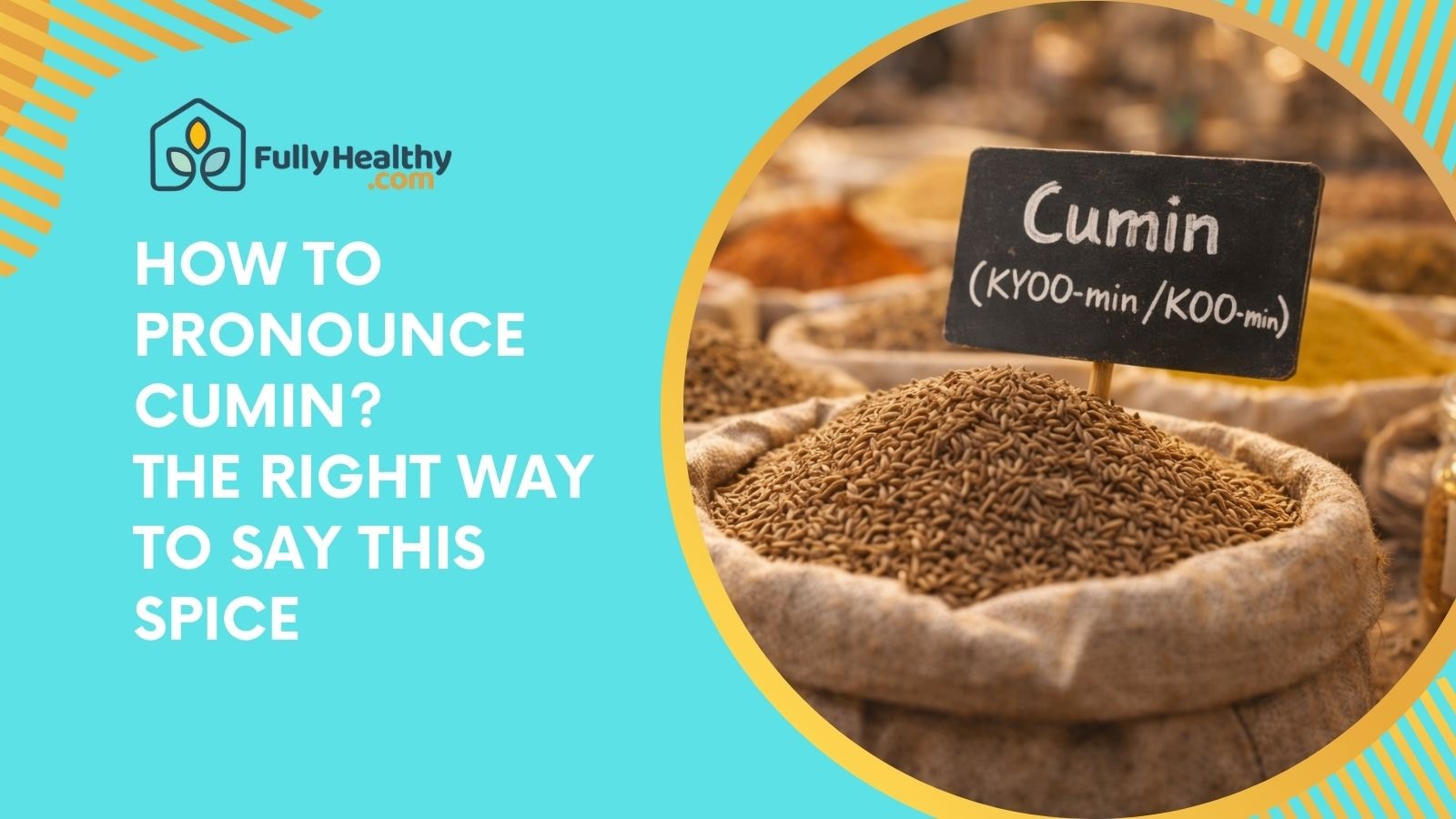
Wondering how to pronounce cumin correctly? You're not by yourself. This little spice makes things very confusing in classrooms and kitchens. This guide will teach you how to pronounce words in both American and British English, why they sound different, and which version chefs like best.
We will also talk about the health benefits of cumin, research on weight loss, and where to find good products for clean cooking. Everything is made clear, and the information comes from reliable sources. Not any filler.
Featured Spice Pick
Simply Organic // Ground Cumin - 2.57 oz
Loading...
How to pronounce cumin?
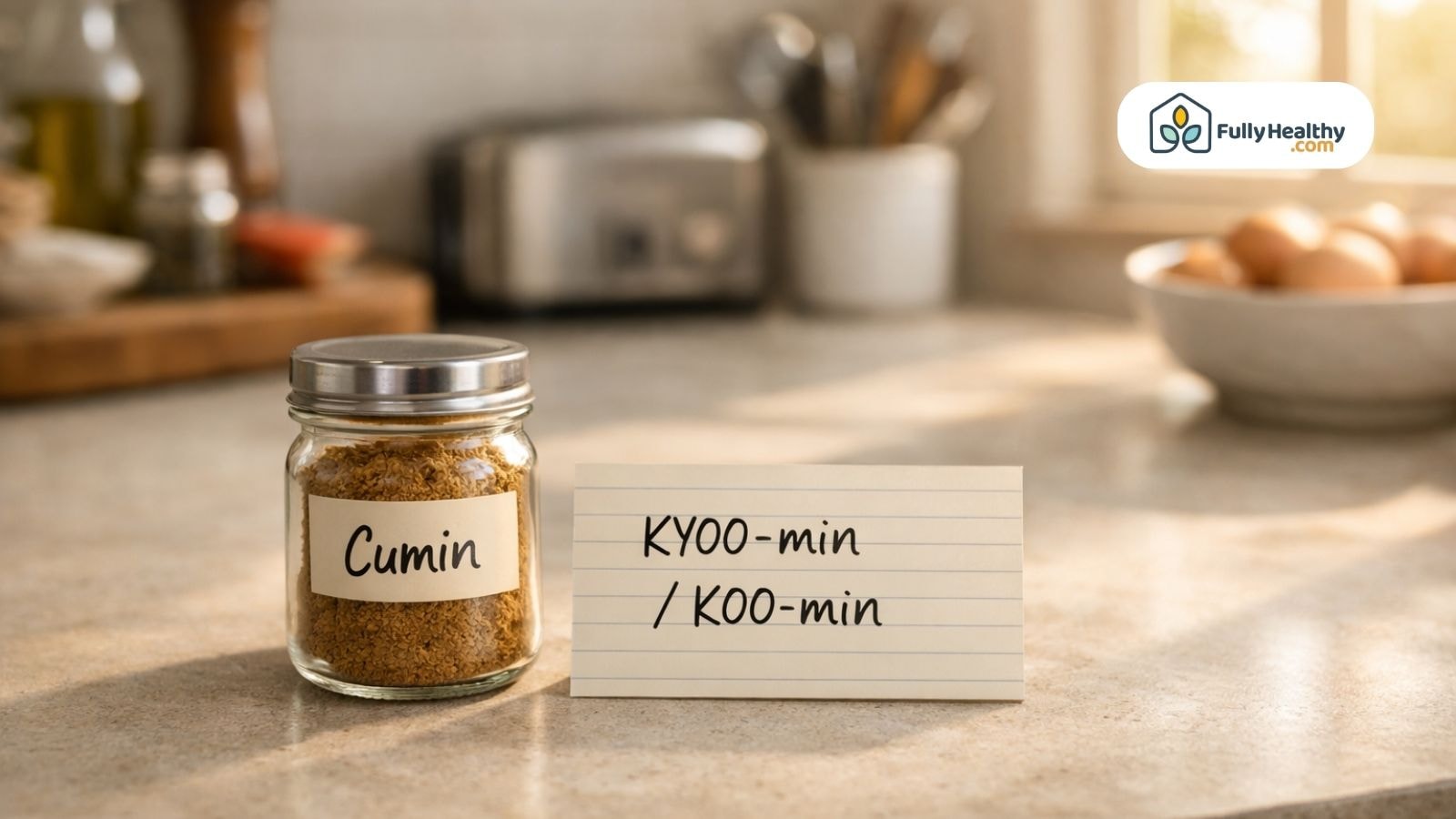
Many people don't know how to say cumin because the spelling doesn't make the sound clear. Different parts of the world have different ways of pronouncing words, but the meaning stays the same. Most people in the United States say cue min or kyoo min.
When speaking British English, many people say koo min or coo min. Because it has been around for a long time, this spice comes from the cumin plant, which is related to parsley.
The Correct American Pronunciation (Kyoo Min)
In American English, /ˈkjuː.mɪn/ (‘kyoo-min’) is commonly listed as the primary pronunciation, though /ˈkuː.mɪn/ is also accepted. It has the same sound as "coupon" without the "pon." Dictionary sources you can trust, like Merriam-Webster and Oxford, put this version at the top of the list.
If you say it clearly, you won't mix it up with words like "come in." For a natural sound in American food settings, this is the best option.
-
Phonetic Guide: The common American form is /ˈkjuː.mɪn/, which sounds like cue min.
-
Why It Matters: Clear speech prevents mix-ups with come in during conversation.
-
Dictionary Support: Merriam Webster and Oxford both refer to kyoo min as correct in American English.
-
Common Error: Q min is not a real pronunciation and does not appear in any edited dictionary.
British Variation And Why Forms Differ
In British English, /ˈkuː.mɪn/ (‘koo-min’) is typically listed as the standard pronunciation. In some places, you might also hear coo min or even kuh min. Etymology and language change led to these differences. The Latin root for the word is cuminum. Latin brought it into English, and then the sound changed in places like Spain and England.
-
Word Origin: The term comes from latin cuminum, later shortened in English.
-
Etymology Path: Latin → Old French → English, which explains sound shifts.
-
Regional Usage: Koo min is common in the UK, parts of India, and other regions.
-
Important Note: Both kyoo min and koo min are correct depending on country and accent.
Is cumin good for inflammation?

For a long time, people have used cumin for medicinal purposes. Common cumin (Cuminum cyminum) contains compounds such as cuminaldehyde and flavonoids. Thymoquinone is the principal bioactive compound of black cumin (Nigella sativa), a different species.
In simple terms, inflammation is how the body responds to being sick or stressed. Adding cumin seeds or oil to food may be good for your health in general. But it shouldn't be used instead of medical care.
What Science Says About Anti-Inflammatory Effects
A randomized double-blind placebo-controlled trial reported modest reductions in oxidative stress biomarkers following supplementation with Cuminum cyminum in overweight adults. When harmful molecules hurt cells, this is called oxidative stress.
Cumin may help your health in the long run by lowering this stress. It has been used in everyday dishes in India and other places around the world for this reason
-
Active Compound: In black cumin (Nigella sativa), thymoquinone has demonstrated antioxidant and anti-inflammatory properties in preclinical and some clinical studies.
-
Health Support: Some research links cumin to improved immune response.
-
Common Use: Often added to chili, soups, and warm dishes for both flavor and health value.
-
Available Forms: Found as ground powder, whole seeds, or infused oil.
Cumin Vs Black Cumin — Understand The Difference
You should know that not all cumin is the same. The common cumin plant is in the same family as parsley. Black cumin is not from the same plant family as other cumin. Some studies refer to black cumin, so readers should check carefully before forming an idea about health benefits.
-
Plant Family: Common cumin is part of the parsley family.
-
Different Species: Black cumin has separate medicinal uses and properties.
-
Why It Matters: Clinical findings from studies on Nigella sativa (black cumin) should not be generalized to Cuminum cyminum (common cumin), as they are botanically distinct species with different phytochemical profiles.
-
Smart Reading Tip: Always watch which term a study uses before drawing conclusions.
How does Gordon Ramsay say cumin?
It's interesting to see how chefs say this word on cooking shows. Gordon Ramsay, a British chef, says "koo min" a lot. This sounds like how British English is pronounced. Voice quality depends on accent. The word doesn't change what it means; it just sounds different.
British Chef Pronunciation Patterns
British chefs say "coo min" a lot because it sounds good with their accents. This pattern of sounds is heard all over the country. It isn't incorrect. It is just a regional difference caused by the history of the language.
-
Accent Influence: British vowel sounds differ from American English.
-
Media Example: Frequently heard on UK cooking programs and food channels.
-
Correct Usage: Koo min is fully correct in british english.
-
Speaking Tip: Say it clearly and with confidence, not too loud or rushed.
Media Influence On The Word Today
Media has a big effect on how people talk. Folks copy what they hear when they hear kyoo min on American shows and koo min on British shows. Both forms became well-known all over the world over the years. Both are accepted today thanks to global food culture.
-
Global Spread: Videos from India, China, and other countries share pronunciation styles.
-
Language Change: Words naturally shift in sound over time.
-
Simple Rule: Choose one correct form based on your region and use it consistently.
Is Cumin Good For Weight Loss?
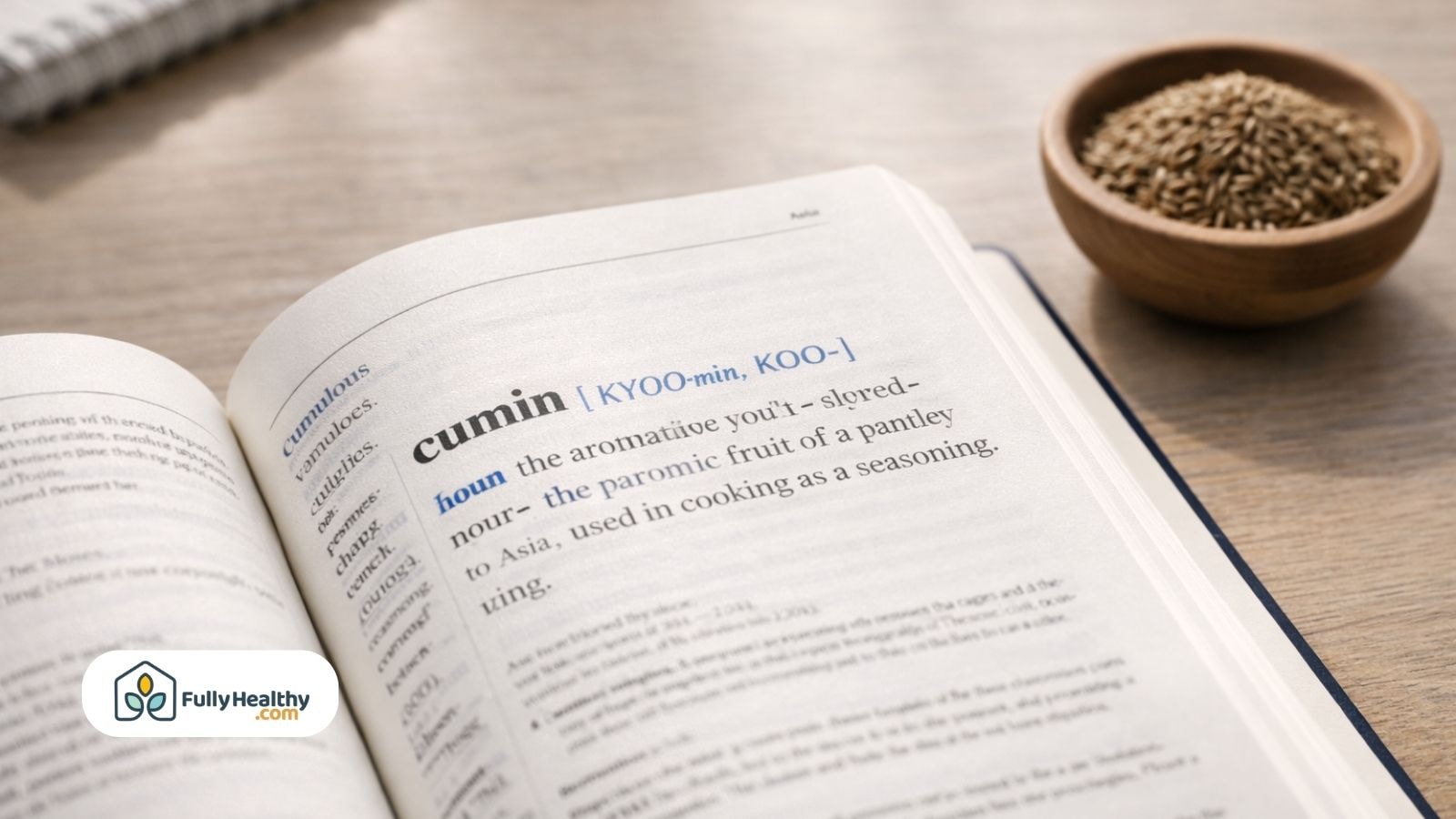
Many people aren't sure if cumin can really help them lose weight. It might help, but only if you do it as part of a healthy lifestyle, according to research. Simple seasonings like cumin can make food taste better without adding extra calories.
Slowly changing small things you do every day can have a big effect on your life over time. Keep an open mind and don't set too high of goals for yourself.
What Research Says About Cumin And Weight Loss
Some small clinical trials using standardized cumin supplementation—not routine culinary use—have reported modest improvements in body weight and metabolic markers.
Researchers think that some compounds found in plants may help the body's metabolism and fat-burning processes. However, experts say that people shouldn't jump to strong conclusions until there are larger studies. It looks like the benefits aren't very big or bad.
-
Study Results: Participants who included cumin in their diet showed small but positive changes.
-
Metabolic Support: Natural compounds may help the body burn energy more efficiently.
-
Balanced View: Cumin alone will not replace exercise or a healthy eating plan.
-
Practical Tip: Use cumin consistently as part of your daily food routine.
How To Use Cumin For Better Results
Adding cumin to food is easy and doesn't cost much. It tastes great sprinkled on top of soups, roasted vegetables, or grilled foods. After waking up, some people drink jeera water. For this method, you soak cumin seeds in warm water overnight. It's popular, but it shouldn't take the place of healthy habits.
-
Daily Use: Add cumin as a seasoning when making lunch or dinner.
-
Jeera Water: Soak seeds in warm water and drink in the morning.
-
Healthy Turn: Combine cumin with balanced meals and regular activity.
-
Long-Term Thought: Small changes each day can lead to steady progress.
What Does Fully Healthy Offer For Cumin And Clean Cooking?
Fully Healthy is a good option if you care about using clean ingredients. The website is mostly about special diets and lists of simple ingredients. That way, you don't have to spend hours reading labels to find good seasonings and pantry items. This kind of organized way of shopping saves time and helps you make better food choices every day.
AIP-Friendly Seasonings And Specialty Foods
FullyHealthy has items made for elimination diets and other special diets. Natural sweeteners, spice mixes, and baking mixes are all in this group. Customers can trust what they buy more when the labels are clear. Before you place an order, you don't have to wait or guess about the ingredients.
-
Diet Support: Products are grouped by plan, including AIP stages.
-
Spice Selection: Clean seasoning blends for different dishes and cooking styles.
-
Time Saving: Organized categories improve the shopping view and user experience.
-
Customer Benefit: Simple ingredient lists make meal planning easier.
Products That Complement Cumin-Based Recipes
When mixed with other natural ingredients, cumin tastes great. FullyHealthy has baking mixes, maple syrup, and coconut sugar that work well in both sweet and savory recipes that are influenced by Spanish.
These things help make your food taste, look, and feel better. Picking good ingredients makes your food taste better and helps you live a healthier life.
-
Natural Options: Coconut sugar and maple syrup add balanced sweetness.
-
Cooking Flexibility: Ingredients support soups, stews, and light vegetable bowls.
-
Flavor Boost: Clean products enhance seasoning without unwanted additives.
-
Smart Choice: Thoughtful shopping leads to better meals every day.
Final Thoughts
Understanding how to pronounce cumin gives you confidence in the kitchen and beyond. It doesn't matter if you say kyoo min or koo min; the correct pronunciation depends on region, not right or wrong.
This article also talked about how using just a bit of cumin every day can improve taste and health. Please leave a comment if you have a different experience or a different version of this story from your area. Thanks for reading today and learning more about food.
FAQs
What is the right pronunciation for chef?
The correct pronunciation of chef is “shef,” with a soft “sh” sound at the beginning.
How do you say kyoo?
Kyoo is pronounced like the letter “Q,” sounding like “cue.”
How do chefs pronounce cumin?
Most American chefs say “kyoo-min,” while many British chefs say “koo-min,” depending on regional accent.
How do Indian people pronounce cumin?
In India, many people pronounce cumin closer to “koo-min,” influenced by British English and local language patterns.
Is cumin the same as turmeric?
No, cumin and turmeric are different spices with unique flavors, colors, and uses in cooking.
Leave a comment