

How To Store Beef Tallow? The Right Way For Long Freshness
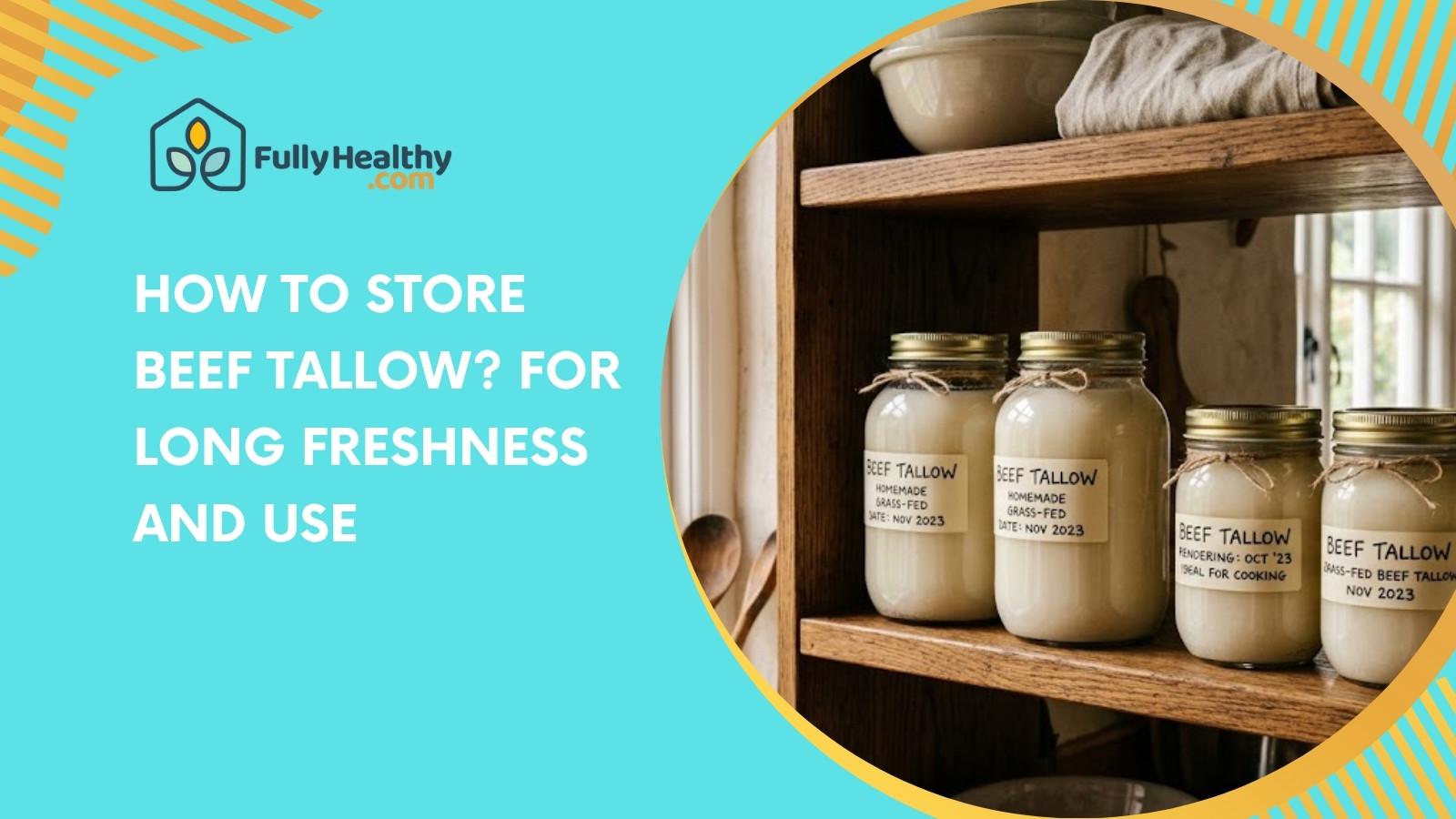
Beef tallow is a stable cooking fat, but proper storage matters if you want it to last. Knowing how to store beef tallow helps keep its flavor, texture, and safety intact.
Based on how long you need it, you can keep it at room temperature, in the fridge, or frozen. This guide shows you the best ways to store tallow, how long it will last, and how to tell if it's still good.
Featured Pantry Pick
EPIC // Grass Fed Beef Tallow - 11 oz
Loading...
How To Store Beef Tallow?
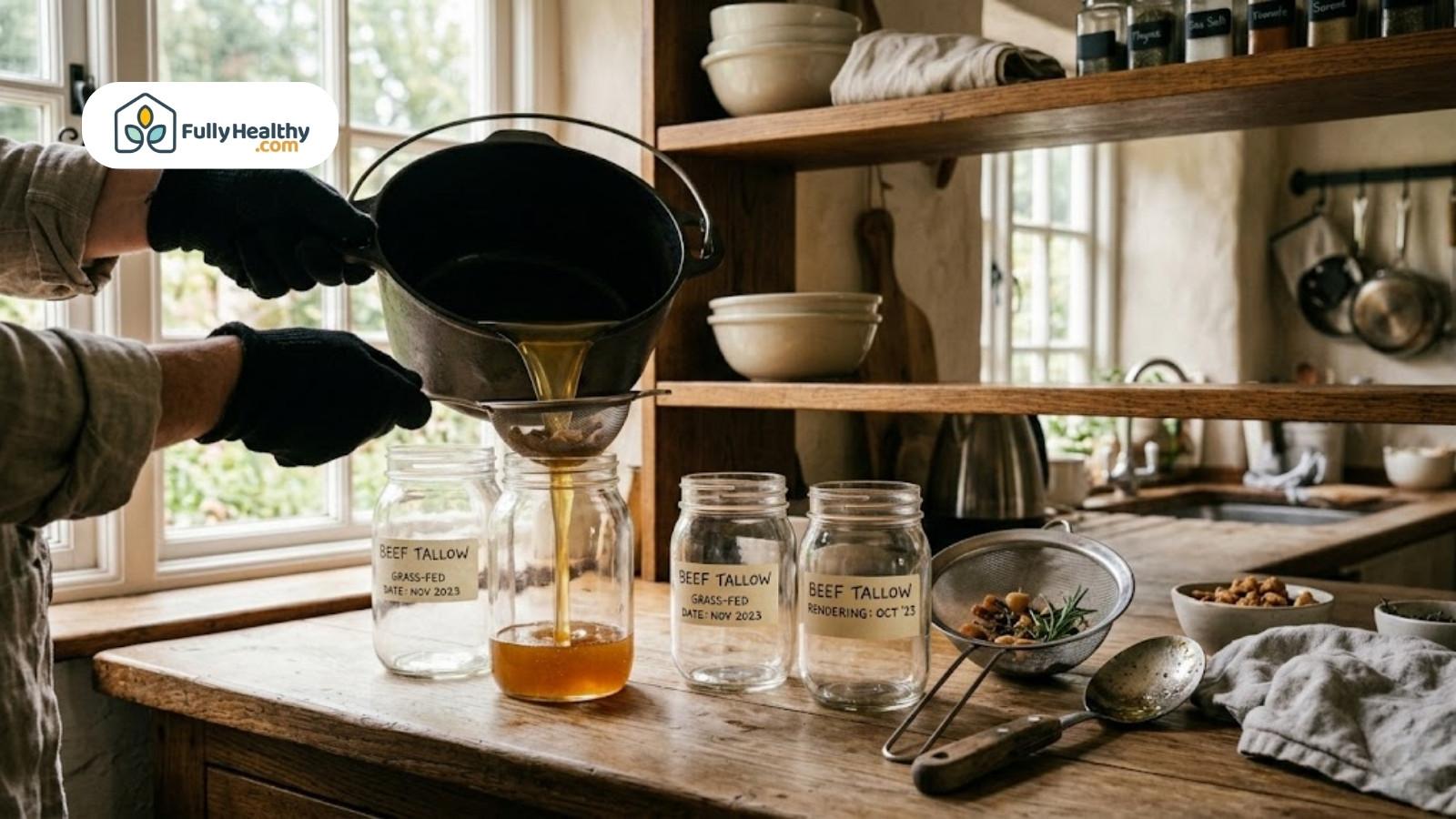
Beef tallow is a rendered fat that has a great taste and can be stored for a long time. The right way to store beef tallow is to keep air, heat, and moisture under control.
Because it is relatively high in saturated fats, beef tallow is more oxidatively stable than many unsaturated fats, but it can still degrade over time due to oxidation and environmental factors. Beef tallow stays fresh and safe when stored properly, whether you use it for deep-frying, making pie crusts, or making candles.
Store Beef Tallow Properly For Maximum Shelf Life
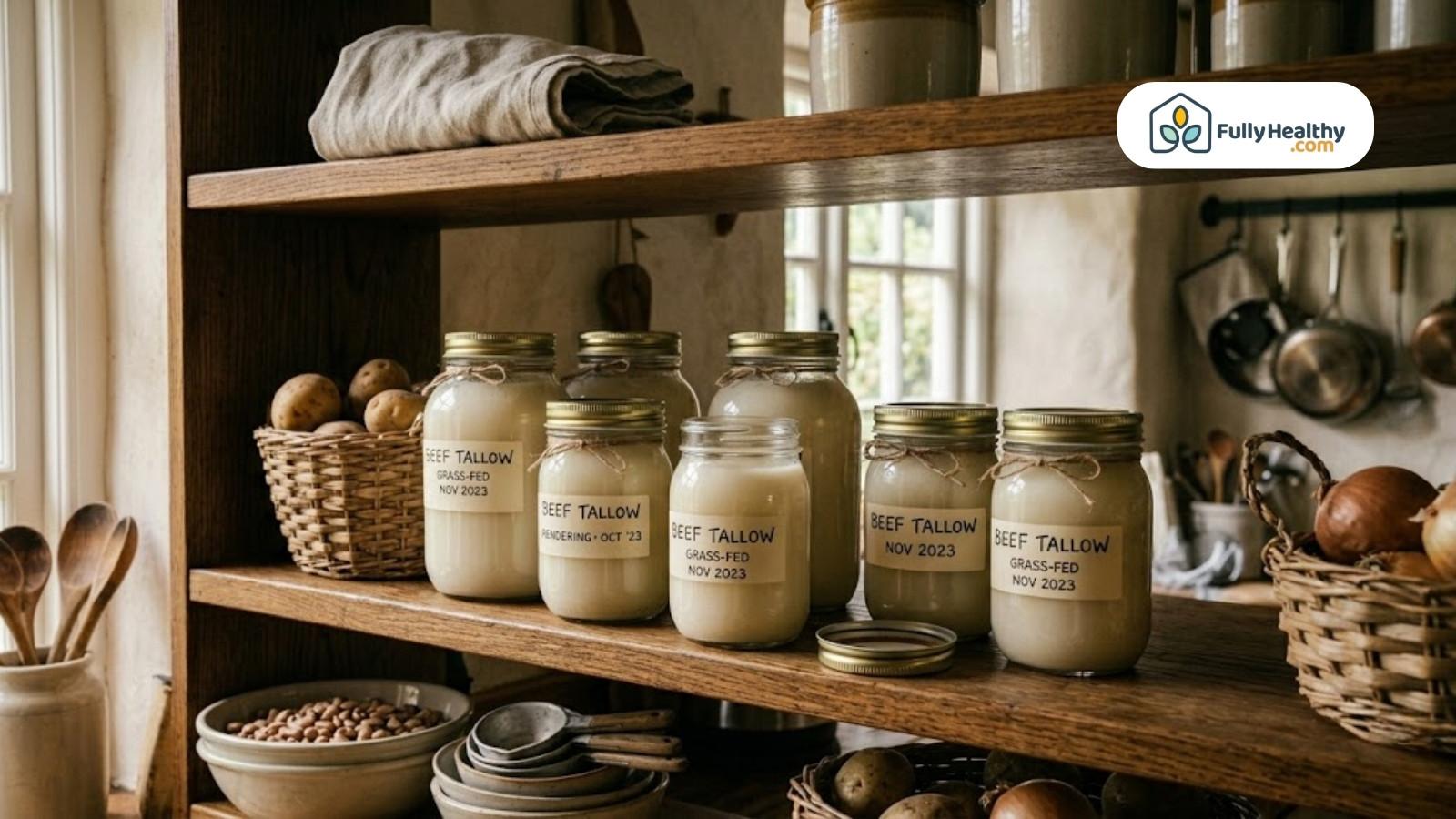
Storing tallow starts with choosing the right storage container and keeping conditions stable. Fresh tallow can last months when stored correctly in a cool, dark place.
-
Airtight container: Use glass jars or mason jars to block air and keep the tallow fresh longer.
-
Cool environment: Store away from direct sunlight and heat to protect healthy fats and flavor.
-
Clean handling: Always use dry utensils to avoid moisture contamination and spoilage.
-
Separate batches: Keep homemade beef tallow away from used cooking fat to avoid contamination.
Choose Between Pantry, Fridge, Or Freezer Storage
You don’t always need to refrigerate tallow, but your choice depends on how often you use it. Knowing when it needs to be refrigerated helps extend its life.
-
Pantry storage: Works well for short-term storing tallow if kept in a sealed container in a dark cupboard.
-
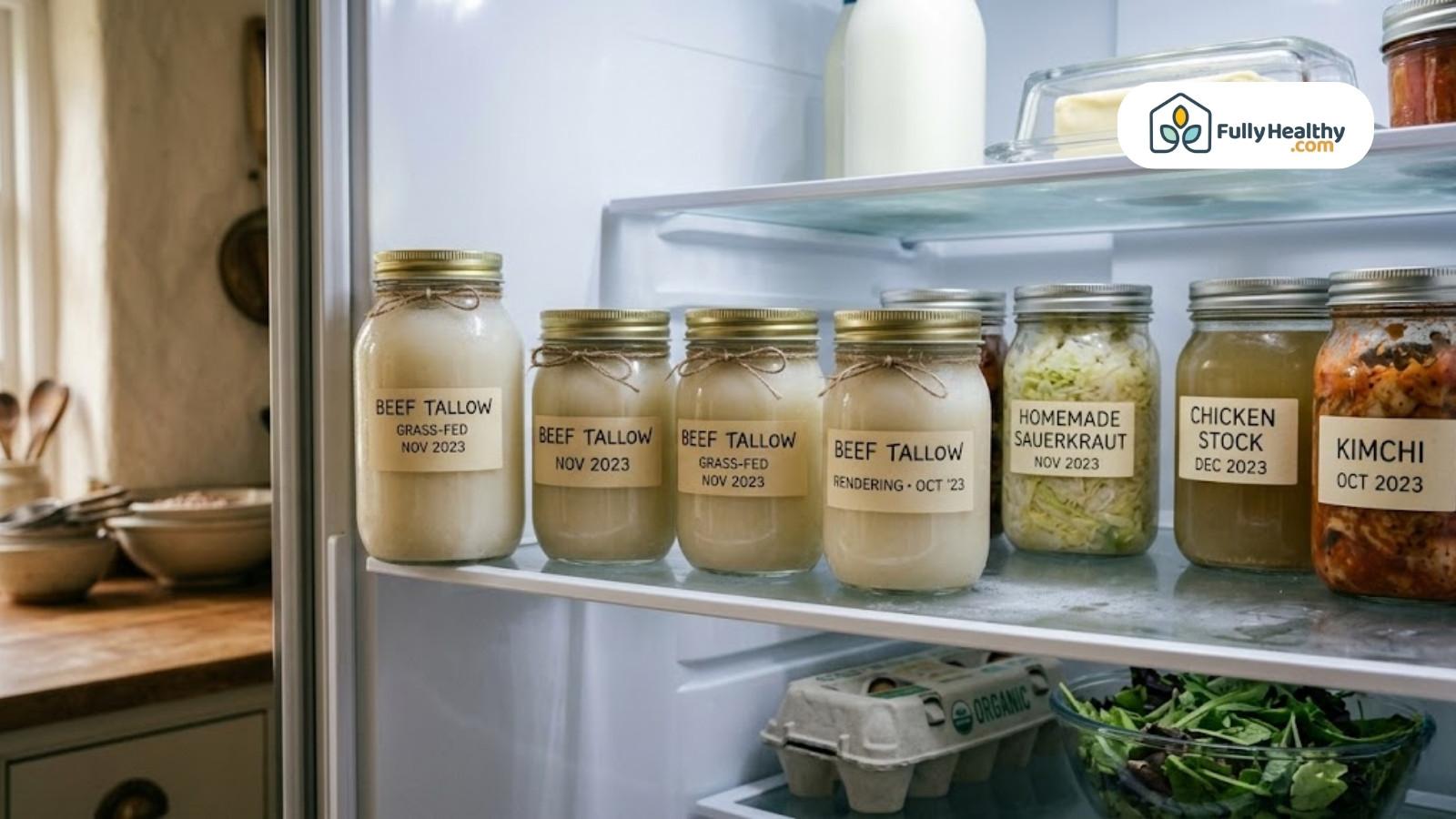
Refrigeration: Helps fresh tallow last longer and slows down spoilage.
-
Freeze beef tallow: Best option for long term storage, especially for bulk homemade tallow.
-
Freezer options: Use freezer safe containers, freezer safe bags, or vacuum sealing to prevent freezer burn.
Does Beef Tallow Go Bad If Refrigerated?
Beef tallow can still go bad over time, even in the fridge. Refrigeration slows oxidation but does not stop it completely. When stored correctly, it lasts much longer than other fats, but air and moisture can still affect quality.
How Refrigeration Extends Beef Tallow Shelf Life
Keeping tallow cold helps slow down the breakdown of fats. This is helpful for both grass fed and homemade beef tallow.
-
Slower oxidation: Cold temperatures protect saturated fats and keep the tallow stable.
-
Longer freshness: Refrigerated tallow storage can keep it usable for many months.
-
Better texture: Keeps the golden fat firm and easier to scoop when needed.
-
Safer storage: Refrigeration slows oxidative rancidity; microbial growth is generally low in pure fats unless moisture or food particles are introduced.
Why Refrigerated Tallow Can Still Spoil Over Time
Even when stored properly, tallow can spoil if exposed to poor conditions. Homemade tallow may spoil faster due to impurities.
-
Air exposure: Opening the container often lets in oxygen, which speeds up spoilage.
-
Moisture contamination: Moisture and food residues can introduce microorganisms, but spoilage in fats is primarily driven by oxidation rather than microbial growth.
-
Impurities: Homemade beef tallow may contain small particles that reduce shelf life.
-
Strong smelling foods: Tallow can absorb odors if not sealed well in its storage container.
What’s The Best Way To Store Beef Tallow?
The best way to handle tallow storage is to use proper containers and follow simple habits. This keeps your rendered fat safe for cooking, skincare, and other uses. It also helps you avoid harmful chemicals from poor storage choices.
Use Airtight Containers And Proper Materials
Choosing the right container helps protect flavor and prevents spoilage. Some materials work better than others for storing tallow.
-
Glass jars: Non-reactive and ideal for keeping beef tallow fresh and clean.
-
Mason jars: Great for portioning and sealing tightly for daily use.
-
Stainless steel containers: Strong and reliable for pantry storage.
-
Avoid plastic: Use food-grade, fat-safe containers (including certain plastics, glass, or stainless steel); avoid damaged or non-food-grade plastics.
Follow Best Practices To Prevent Rancidity
Simple habits can help your tallow last longer and stay safe to use. These steps improve overall tallow storage.
-
Avoid contamination: Always use clean utensils and close the lid tightly after use.
-
Limit exposure: Open the container only when needed to reduce air contact.
-
Store in dark places: Keep away from direct sunlight and heat to protect the rich flavor.
-
Portion wisely: Divide into smaller batches to make storing tallow easier and reduce waste.
How Do I Tell If My Beef Tallow Is Bad?
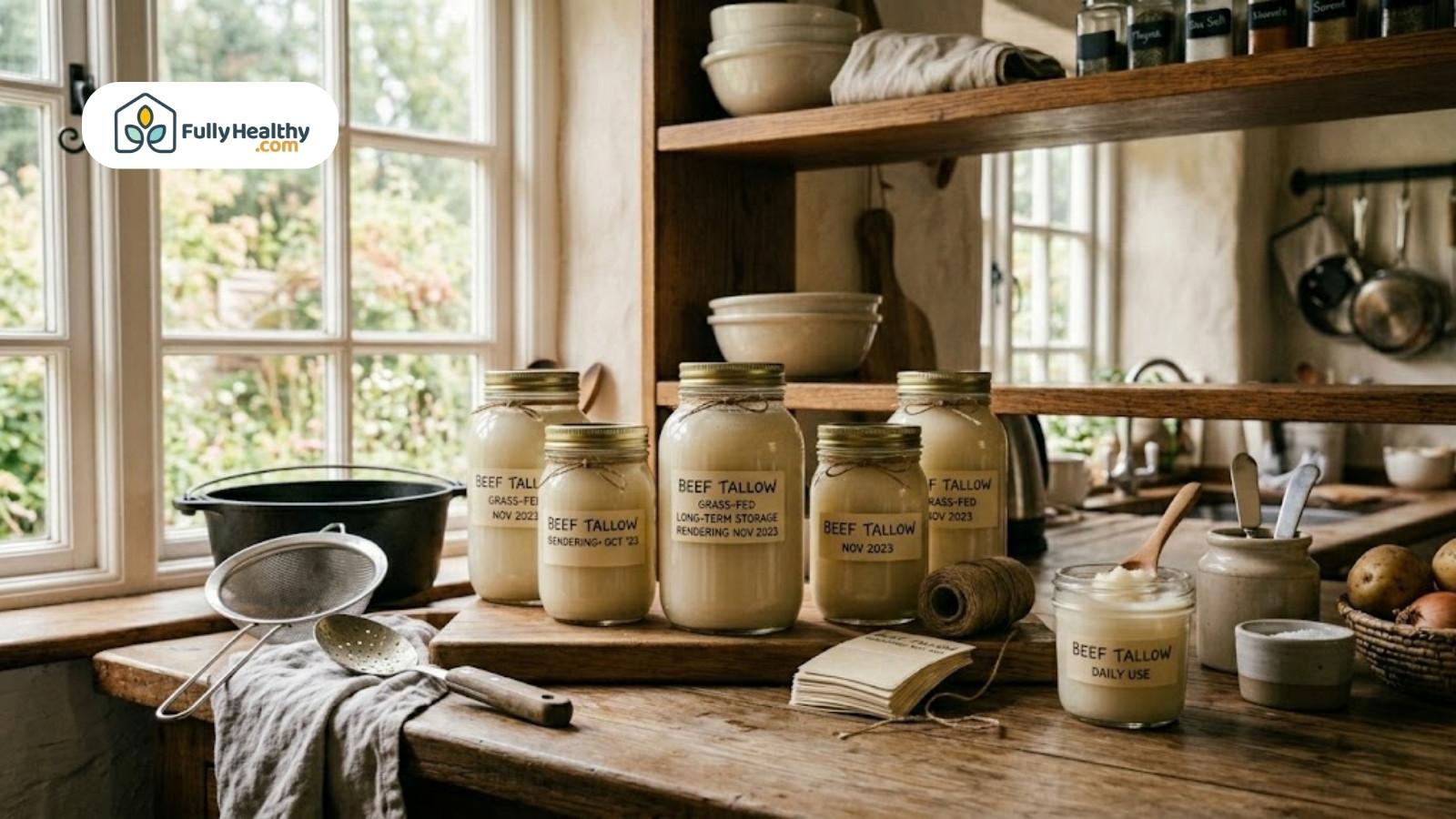
Beef tallow is a stable fat, but it can still spoil if not stored well. Knowing the signs helps you avoid health implications and keep your food safe. Even with proper storing tallow methods, changes in smell, taste, or texture can happen over time. Regular checks help with maintaining freshness and preventing waste.
Check Smell, Color, And Texture Changes
You can often tell if tallow has gone bad by using your senses. Fresh tallow should look clean, feel smooth, and have a mild scent.
-
Smell check: A sour or unpleasant odor is a strong sign of spoilage and possible bacterial growth.
-
Color change: Dark spots or uneven color may appear if exposed to direct light or poor storage.
-
Texture shift: A grainy, sticky, or waxy feel instead of smooth texture means it may be spoiled.
-
Visual signs: Any mold growth shows contamination, and the tallow should be thrown away.
Use A Simple Taste Test As A Final Check
If the tallow looks fine but you are still unsure, a small taste test can help confirm its condition. Always do this carefully.
-
Taste test: Fresh tallow has a mild, clean flavor, while spoiled tallow develops an off taste.
-
Off flavors: Bitter or metallic notes are signs the fat has broken down.
-
Safety note: If anything tastes strange, do not eat it to avoid health implications.
-
Best practice: Test only a small amount and discard the batch if unsure.
FullyHealthy Products To Support Your Tallow Lifestyle
FullyHealthy offers products that support both cooking and natural skincare needs using simple ingredients. These options are great for people who want nutrient rich foods and natural skincare products. Their products fit well into a lifestyle focused on quality fats and maintaining freshness.
Cooking And Nutrition With FullyHealthy Products
FullyHealthy provides easy options for cooking with tallow and adding nutrient-dense foods to your routine. These products work well for both daily meals and busy schedules.
-
EPIC Grass-Fed Beef Tallow 11 oz: Pure cooking fat ideal for deep frying thanks to its high smoke point and rich flavor.
-
EPIC Beef & Beef Liver 2.5 oz: Nutrient rich snack that supports nutritional value with convenient, on-the-go use.
-
Hearty Sauces Handcrafted Beef Tallow Balm 2 oz: Multi-use product that supports both cooking awareness and natural skincare routines.
-
Storage tips: Keep products in a dark location at room temp or refrigerate when needed for maintaining freshness.
Skincare And Wellness With Beef Tallow-Based Products
Tallow is widely used in natural skincare and soap making because of its simple and nourishing properties. FullyHealthy offers easy options for daily skin care.
-
Natural skincare: Tallow balm helps hydrate and protect the skin using clean ingredients.
-
Gentle use: Suitable for sensitive skin and simple natural skincare routines.
-
Avoid cross contamination: Use separate containers for cooking and skincare to keep products clean.
-
Long-lasting use: Proper storage helps in significantly extending product life and quality.
Final Thoughts
Knowing how to store beef tallow helps it remain safe, keep its quality, and last longer. This rendered fat is shelf stable, but it can spoil quickly if exposed to air, moisture, or uv rays. Always store it in a dark environment and avoid oxidation by sealing it well.
Compared to butter, tallow lasts longer when stored properly and can stay fresh for about a year or more. The key is simple: avoid common mistakes like leaving it open, exposing it to heat, or storing it near light. With the right method, you can prevent oxidation and keep your tallow ready for cooking or skincare use anytime.
FAQs
How to store beef tallow in a dark environment?
Store beef tallow in a sealed container in a dark environment to avoid oxidation, prevent UV rays exposure, and help it remain safe for about a year.
Does beef tallow spoil quickly like butter?
Beef tallow does not spoil quickly like butter if you avoid oxidation, but common mistakes like heat and air exposure can make it spoil quickly.
Can UV rays affect how to store beef tallow?
Yes, UV rays can damage tallow, so store it in a dark environment to prevent oxidation and keep it safe.
What are common mistakes when storing beef tallow?
Common mistakes include not sealing it, exposing it to uv rays, and not using a dark environment, which can cause it to spoil quickly.
How long does beef tallow remain safe when stored properly?
When you avoid oxidation and store it in a dark environment, beef tallow shelf life varies (commonly several months to over a year) depending on temperature, exposure to oxygen/light, and level of impurities.
Leave a comment