

How to Wash Mushrooms for Perfect Flavor and Texture
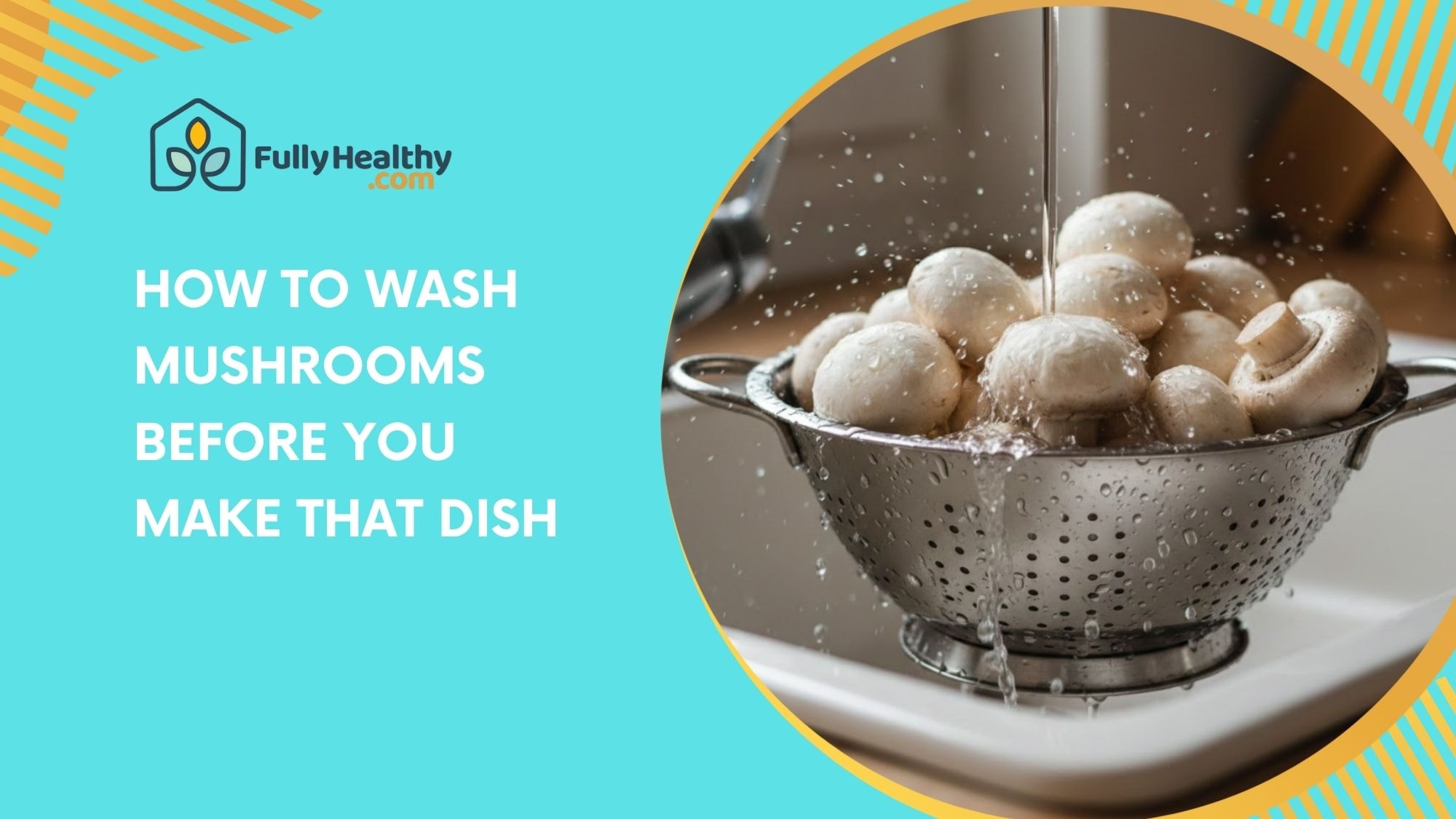
Knowing how to wash mushrooms matters more than people think. Mushrooms can hide bugs and soak up moisture quickly, since they grow in dirt. This guide shows you the best way to clean mushrooms without getting them wet using a quick rinse, a damp towel, or a mushroom brush.
Know when to wash mushrooms by type, what not to do, and how to keep the flavor and texture right every time you cook.
Featured Pantry Pick
Wild Zora // Instant Soup Mushroom Beef with Mushrooms Pumpkin Turmeric - 0.5 oz
Loading...
What Is the Best Way to Clean a Mushroom?
Which Method Works Best
If you don't clean mushrooms properly, they can get mushy. The main thing is to avoid too much water while getting rid of dirt that can be seen. Most mushrooms grown on farms don't need to be soaked or scrubbed very much.
-
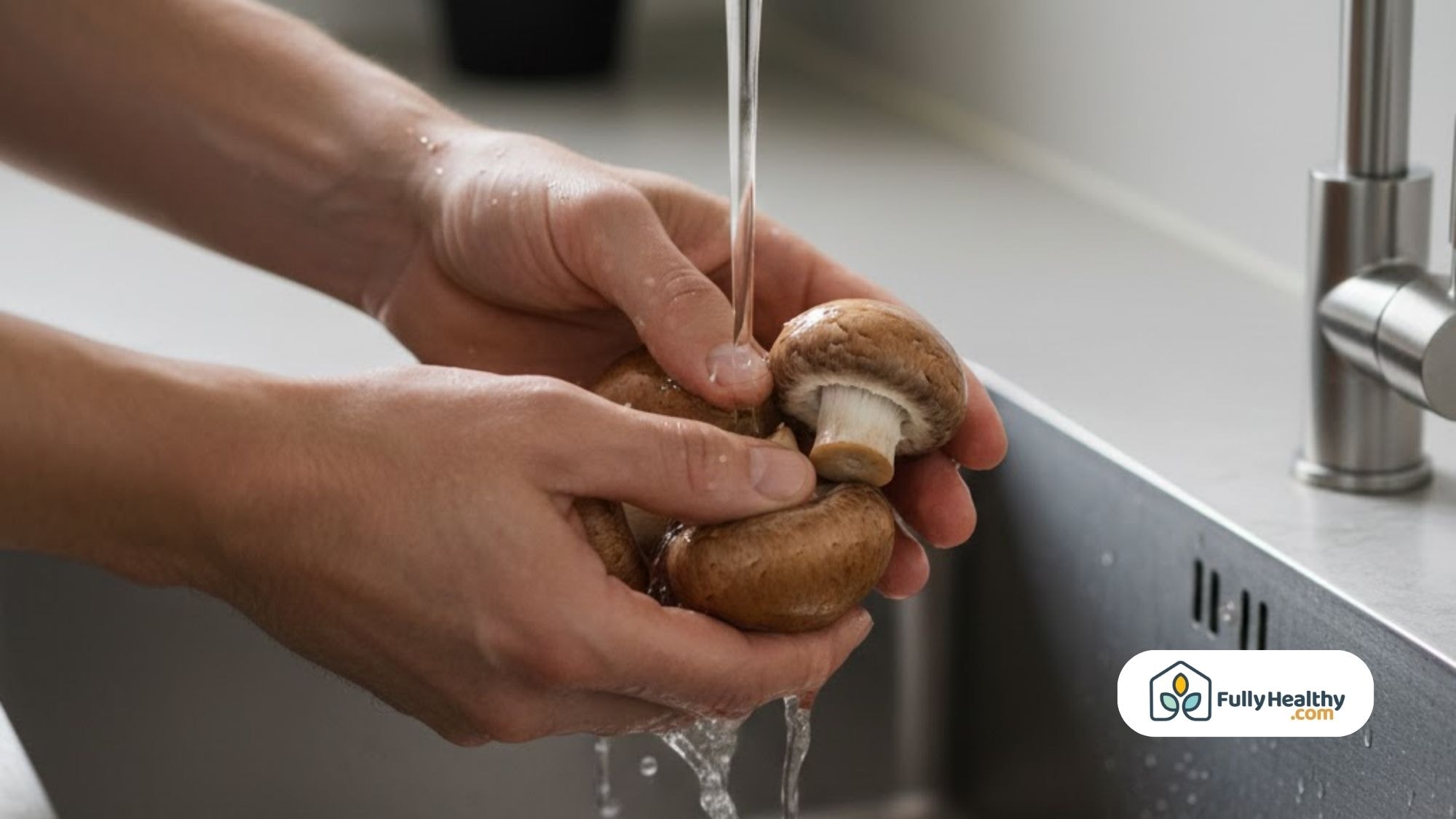
Quick rinse in cold water: Put the mushrooms in a colander and wash them with cold water for a few seconds. Shake to drain, then tap the paper towel on it to dry.
-
Swirl in a large bowl: For dirtier or foraged mushrooms, fill a large bowl with cold water, swirl gently, then lift out so that the dirt doesn't get put back on. Pat dry with a towel or spin in a salad spinner.
-
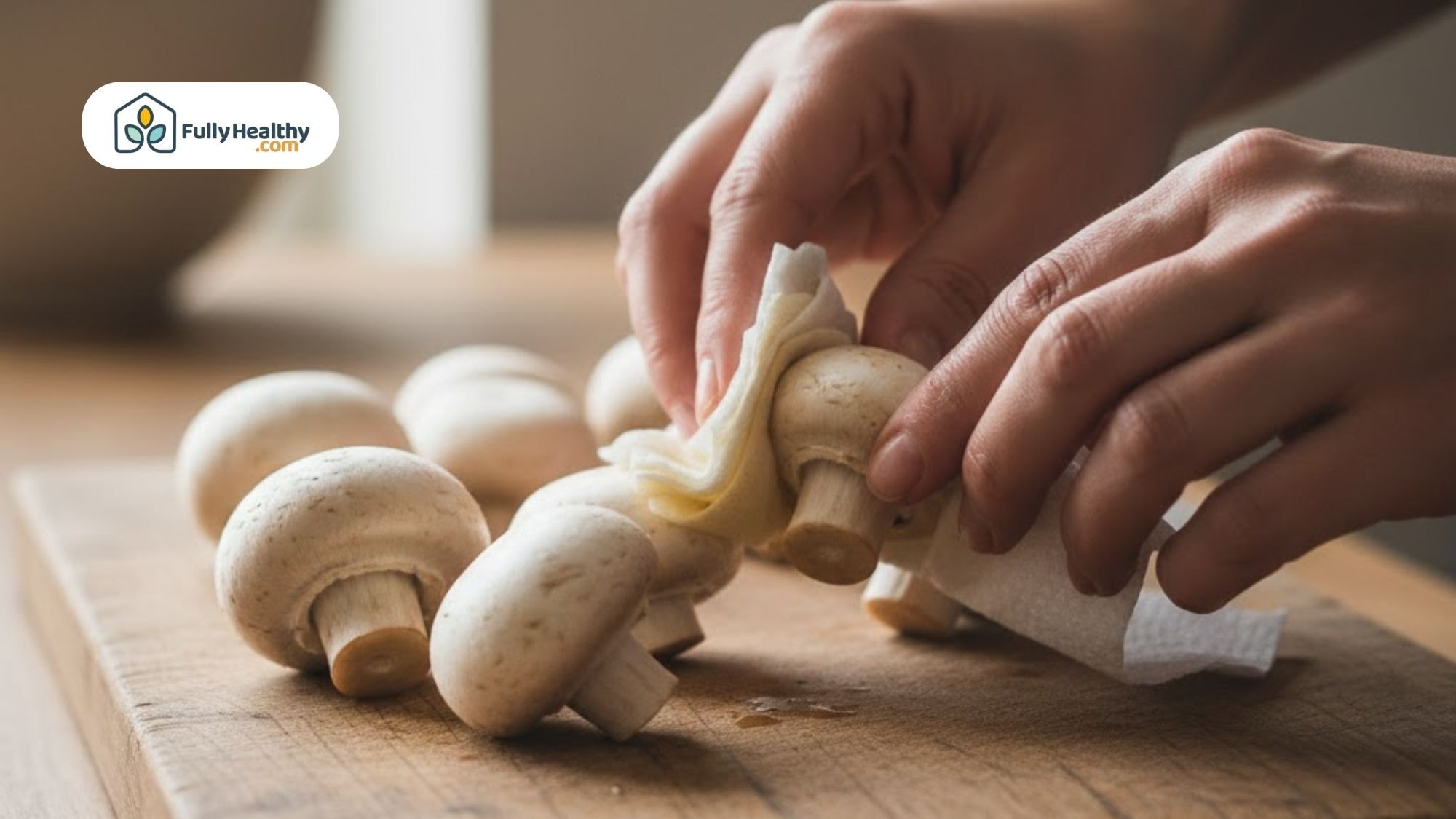
Use a mushroom brush or damp cloth: For delicate varieties of mushrooms like maitake or chanterelles, brush gently or wipe with a damp paper towel to remove dirt without adding moisture.
-
Avoid soaking: Mushrooms absorb water if left sitting, which affects cooking texture and browning.
Matching the Method to the Mushroom Type
Mushrooms of different types need to be cleaned in different ways. The shape, feel, and amount of dirt on them help decide which method to use.
-
Button mushrooms and cremini mushrooms: These cultivated mushrooms are firm and smooth. A quick rinse followed by drying with a paper towel removes excess dirt effectively.
-
Portobello mushrooms: Wipe the caps clean with a damp cloth. For recipes like stuffing, remove the exposed gills with a spoon to avoid sogginess.
-
Morels and other foraged mushrooms: Bugs and dirt get trapped inside the caps of these wild mushrooms. Cut in two, soak for a short time in cold salt water, then swirl and pat dry.
-
Oyster mushrooms and maitake: Their frilly shape holds dirt and dust. Use a soft mushroom brush to get rid of the particles. Don't rinse too hard, as this could hurt the caps.
-
Shiitakes: Rinse quickly or wipe with a damp paper towel. Trim the stems, which are usually too tough to eat.
Is It OK to Cook Mushrooms Unwashed?
When Skipping a Wash Might Be Acceptable
If mushrooms look clean, they might not need to be washed. This is especially true for cultivated mushrooms that come in a package and don't look dirty.
-
Clean-looking cultivated mushrooms: If there’s no visible dirt or compost residue, brushing or wiping may be enough.
-
Pre-washed and packaged mushrooms: These may be labeled as clean. Still, inspect for any signs of moisture or debris.
-
Dry brush for delicate types: Some varieties of mushrooms like maitake or chanterelles fall apart with water. A soft brush works best.
But What About Safety and Grit?
Cultivated mushrooms can still carry particles because they are grown in compost. If you cook with mushrooms that haven't been washed, they can leave dirt in your food, which changes the way it tastes and feels.
-
Compost residue: Most mushrooms are grown in sterilized compost, but it can still cling to the caps and stems.
-
Grit in crevices: Stems and gills may hold excess dirt, especially in mushrooms with exposed gills like portobello.
-
Food safety tip: Never soak mushrooms to clean them. Use a rinse and immediate dry to avoid excess moisture.
Should I Wash Mushrooms Before or After Cutting?
Why Whole Mushrooms Handle Water Better
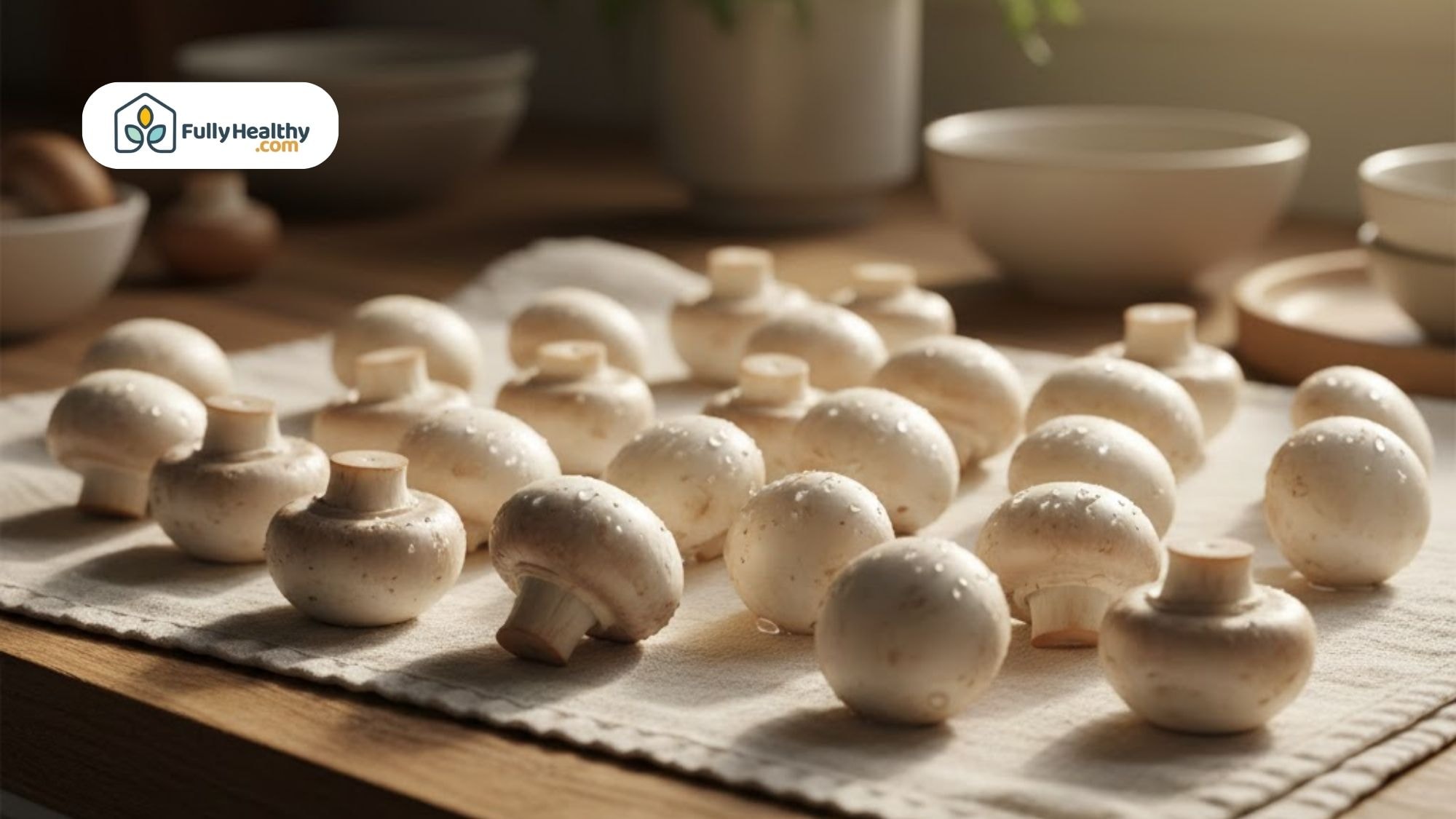
Whole mushrooms can be rinsed quickly, but sliced ones are more likely to soak up water. If you wash them after cutting them, they might not brown properly in the pan.
-
Whole mushrooms absorb less: Their outer surface acts as a barrier, protecting the inner flesh from moisture.
-
Sliced mushrooms soak faster: Once sliced, the flesh becomes exposed and absorbs water easily.
-
Better texture: Rinsing before slicing helps prevent soggy mushrooms and keeps the caps firm for recipes like sautéed dishes or raw mushroom salads.
Handling Pre-Sliced Store Mushrooms
Pre-sliced mushrooms may come with excess moisture from packaging. Even if labeled as washed, it’s best to check before cooking.
-
Inspect before use: If you see visible dirt or dampness, rinse gently and dry with a towel.
-
Quick rinse in colander: Use cold water and a brief rinse if needed. Avoid soaking or leaving in water.
-
Pat dry or use salad spinner: Remove excess moisture to prevent steaming during cooking.
-
Avoid water pooling: Always dry the surface fully to preserve flavor and texture during cooking.
Why Do Some People Avoid Washing Mushrooms?
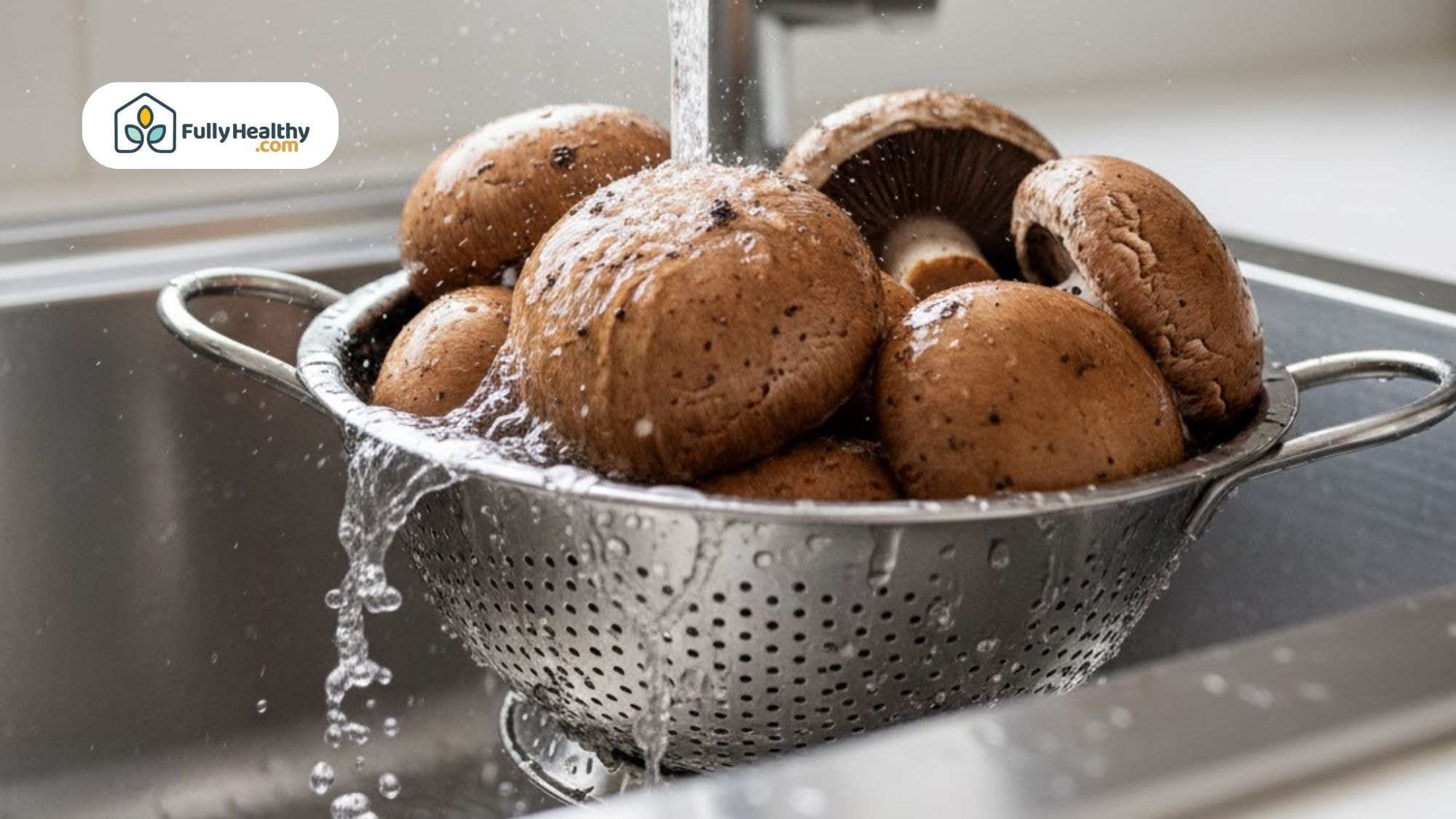
The Myth of Mushrooms Absorbing Too Much Water
For a long time, a lot of people thought that water was bad for mushrooms. Chefs who care about texture came up with this idea, but it is only true if you soak them.
-
Misconception: Water was thought to make mushrooms soggy and bland.
-
Actual absorption: Mushrooms absorb very little moisture with a rinse. Soaking is the real problem.
-
Main concern: Mushrooms must be dried well after rinsing to prevent soggy results.
Modern Consensus Debunks the Overwashing Fear
People no longer think washing mushrooms is a bad idea. Most kitchen experts today agree that rinsing is okay as long as you dry them correctly.
-
Rinsing is safe: A quick rinse helps remove visible dirt without harming flavor or texture.
-
Avoid soaking: Soaking still causes mushrooms to absorb water and become soggy.
-
Drying is essential: Always pat mushrooms dry with a towel or let them air-dry caps-up.
-
Moisture control matters: Wet mushrooms spoil faster and lose their firm texture.
-
Clean and dry: The real key to success is rinsing briefly, then removing all excess moisture before cooking.
About Fully Healthy
Who We Are and What We Stand For
FullyHealthy is an online shop that sells foods that have been carefully chosen for people who can't eat certain things. Our focus is on clean-label AIP and gluten-free products that are made with real ingredients.
-
Clean ingredients: No fillers, no preservatives, no hidden chemicals.
-
Shop by diet: AIP, gluten-free, paleo, allergen-friendly.
-
No subscription: Buy what you want, when you want—no auto-renewals.
-
Trusted sources: We work with small brands that prioritize health and transparency.
Mushroom-Inspired Favorites in Our Shop
You don’t always have time to forage in the woods or wash mushrooms from scratch. These products deliver the benefits and flavor of mushrooms—no prep needed.
-
Kettle & Fire Organic Mushroom Chicken Bone Broth: Made with real chicken, shiitakes, and oyster mushrooms. Great for sipping or adding to soups.
-
Wild Zora Quick Quinoa Meal with Mushrooms and Garlic: Includes beef, quinoa, and wild mushrooms like maitake for a nutrient-rich meal.
-
Convenient and clean: Heat and eat. No need to rinse, slice, or remove dirt.
-
Flavorful and functional: Great for gut health, energy, and easy meal prep.
-
Shelf-stable: Perfect pantry staples for busy households.
Final Thoughts
If you want to cook mushrooms properly, don't soak them in the sink, always wash them properly, and break the big pieces after slicing them. Wild hen mushrooms need more care than cremini mushrooms, but every little bit counts. Until you're ready to start making the recipe, keep the mushrooms covered and dry. Ready to cook without the mess?
FAQs
What should we not do before cooking mushrooms?
Do not soak mushrooms in the sink or break them before slicing or you lose texture and moisture.
Does washing mushrooms affect the taste?
It doesn’t affect the flavor of meat or mushrooms if you pat dry and keep them covered before you cook.
How do I clean mushrooms like wild mushrooms or cremini mushrooms?
Use a quick rinse or swirl wild mushrooms in cold water, then pat cremini mushrooms dry before slicing.
Are you supposed to clean mushrooms in the sink or just wipe them?
You’re supposed to rinse quickly, not soak in the sink, and wipe off any visible dirt with a damp towel.
Can I create meals with wild hen mushrooms that need a bit more cleaning?
Yes, wild hen mushrooms can be tricky, but create great texture if cleaned gently before you cook them.
Leave a comment