

Is A Cucumber A Vegetable? What Most People Get Wrong
Is a cucumber a vegetable? Cucumbers are fruits by scientific definition because they grow from flowers and contain seeds. They are often treated as vegetables in cooking due to their mild taste and use in savory meals. This article explains the difference and how cucumbers fit into both science and everyday use.
Featured Snack Pick
Bubbies // Kosher Dill Pickle Snacking Chips - 3.5 oz
Loading...
Does Cucumber Count As A Vegetable?
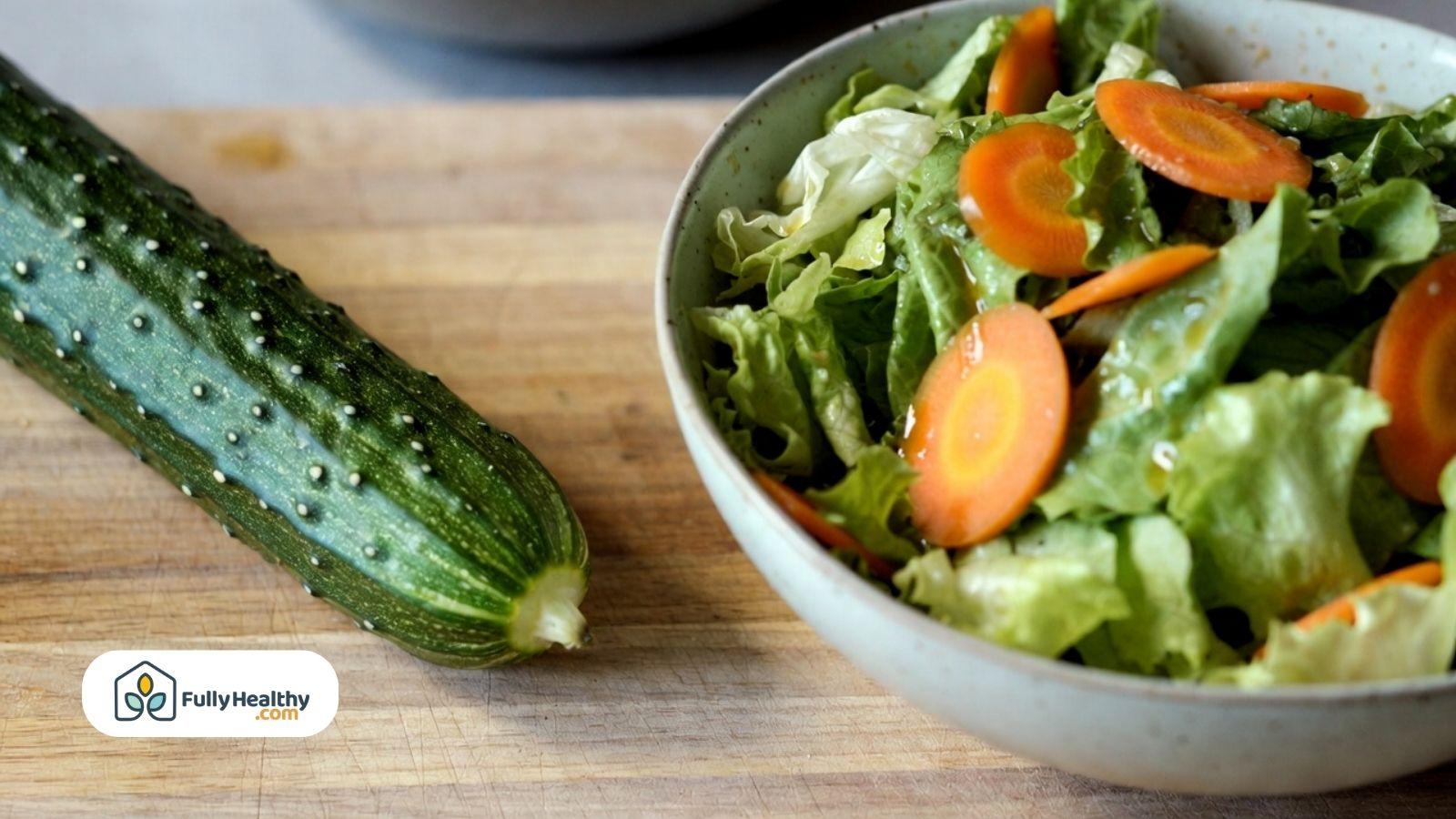
Because cucumbers are in the middle of science and everyday cooking, people are still not sure if they are a fruit or a vegetable. Understanding both points of view helps explain how cucumbers are grouped and how they are used.
Botanical Classification Shows It Is A Fruit
Botanically speaking, cucumbers come from a flowering plant and follow the scientific definition of fruits because it grow from flowers and possess seeds. The cucumber plant, known as cucumis sativus, produces a fruit with a long body, cylindrical shape, and bright green color.
-
Scientific Definition: Fruits grow from flowers and contain seeds, which cucumbers clearly possess.
-
Botanical Classification: Cucumbers are botanically classified alongside typically fruits like melons and squash.
-
Plant Structure: Unlike roots or stems such as carrots, cucumbers develop from reproductive edible structures.
-
Fruit Development: Fruits grow after pollination, and cucumbers grow directly from the flower.
-
Family Grouping: Cucumbers belong to the Cucurbitaceae family with other fruit-producing plants.
Culinary Use Explains Why It’s Mistaken As A Vegetable
Some people think of cucumbers as a vegetable because they have a mild flavor, are crisp, and are used in savory dishes. This food grouping is based on how cucumbers are usually eaten fresh, how they are cooked, and how they taste.
-
Culinary Definition: Vegetables are ingredients used in savory meals, not desserts.
-
Common Uses: Cucumbers are eaten raw in salads, lettuce wraps, and stir fries.
-
Flavor Profile: The fresh flavor and mild taste make cucumbers suitable for savory ways.
-
Food Cultures: Various food cultures, including regional indian cuisines, use cucumbers in savory dishes and soups.
-
Preparation Style: Cucumbers are commonly prepared with sesame oil, salt, or vinegar rather than sugar.
Is Cucumber A Type Of Berry?
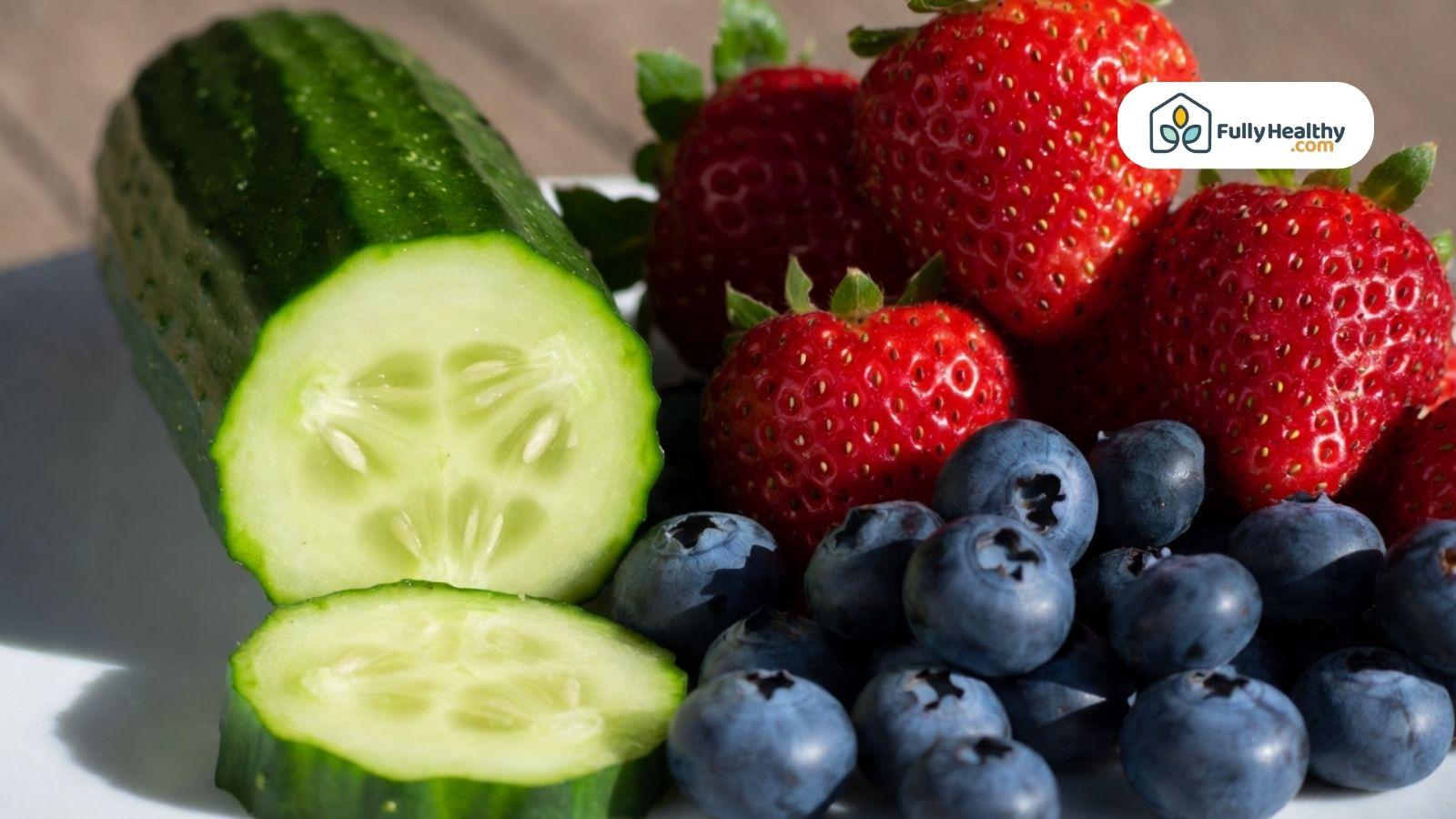
In the world of plants, a cucumber is a pepo, which is a type of berry that grows from a single flower with one ovary and seeds inside. People still treat it as a vegetable in the kitchen because it has a mild flavor and is used in savory dishes.
Cucumbers Are Classified As Pepo Berries
Cucumbers meet the botanical definition of a berry because fruits grow from a single ovary and possess seeds inside a fleshy interior. This places cucumbers among typically fruits even though they are commonly eaten fresh in savory meals.
-
Berry Definition: A berry forms from one ovary and contains multiple seeds within the fruit.
-
Pepo Structure: Cucumbers have a bumpy skin and fleshy inside typical of pepo berries.
-
Seed Content: The seeds inside confirm cucumbers meet berry classification standards.
-
Family Traits: Cucumbers share traits with squash and melons from the same plant group.
-
Botanical Accuracy: Botanically classified berries do not need to be sweet to qualify.
Why This Berry Classification Confuses Most People
Most people expect berries to be sweet and small, which makes cucumber a fruit classification feel unusual in everyday language. The confusion comes from differences between botanical classification and culinary uses.
-
Expectation Gap: People associate berries with desserts, not savory meals like salads.
-
Culinary Uses: Cucumbers are used in savory dishes such as stir fries and soups.
-
Appearance Factor: The cucumber's appearance with a long body and cylindrical shape differs from typical berries.
-
Food Culture Influence: Various food cultures shape how cucumbers are viewed and prepared.
-
Terminology Difference: Botanical classification focuses on structure, while culinary definition focuses on flavor.
Is 1 Cucumber A Day Too Much?
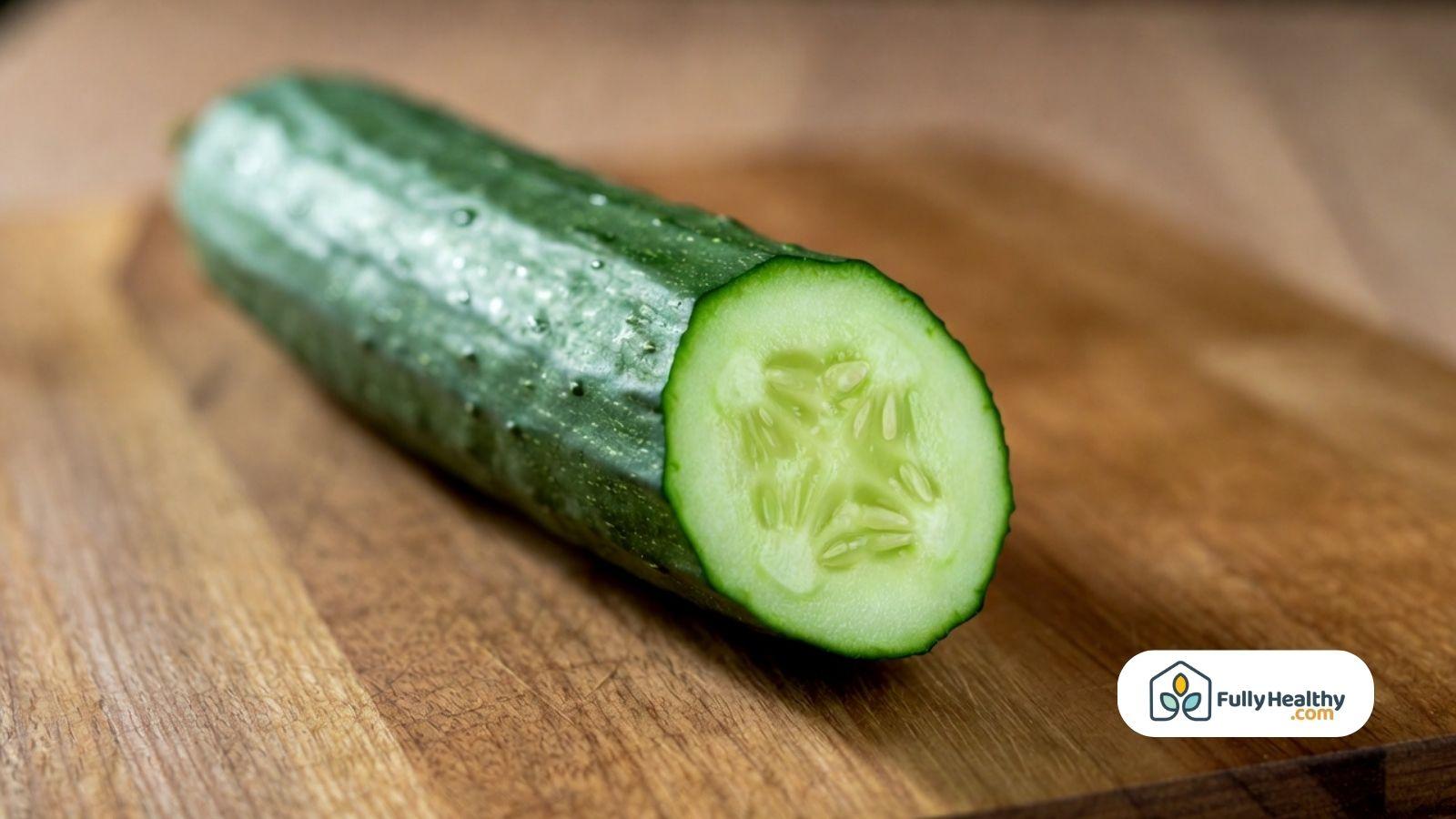
A lot of people eat cucumbers every day because they are easy to add to meals and keep you hydrated. One cucumber a day is usually fine, but eating a lot of them can make digestion worse because they are high in fiber and water.
Health Benefits Of Eating Cucumbers Daily
A raw cucumber is a hydrating and tasty ingredient that supports daily nutrition while staying light on calories. Because cucumbers are eaten fresh in salads and savory dishes, they remain one of the most popular produce items year round.
-
Hydration Support: Cucumbers are over 90 percent water, helping reduce swelling and maintain hydration.
-
Nutrient Content: They provide vitamin K, vitamins, and minerals that support daily health.
-
Low Calories: Cucumbers are low in calories, making them easy to add to savory meals.
-
Antioxidants: They offer antioxidants that help protect cells and support recovery.
-
Daily Use: Cucumbers are eaten raw, added to salads, soups, and commonly prepared dishes.
When Eating Too Much Cucumber Can Be A Problem
Eating too many cucumbers can cause digestive discomfort because of their high water and fiber content, especially for those not used to fiber-rich foods. While cucumbers are safe, excess intake can overwhelm the digestive system.
-
Digestive Effects: High fiber can stimulate bowel movement, leading to bloating, gas, or diarrhea.
-
Water Content Impact: Excess water intake from cucumbers may contribute to stomach discomfort.
-
Compound Presence: Cucumbers contain cucurbitacin, which may cause bitterness in large amounts.
-
Diet Balance: Overeating one vegetable limits intake of other nutrients from roots and stems.
-
Moderation Rule: One cucumber a day is safe, but balance across foods supports better nutrition.
Are Pickles Made From All Types Of Cucumbers?
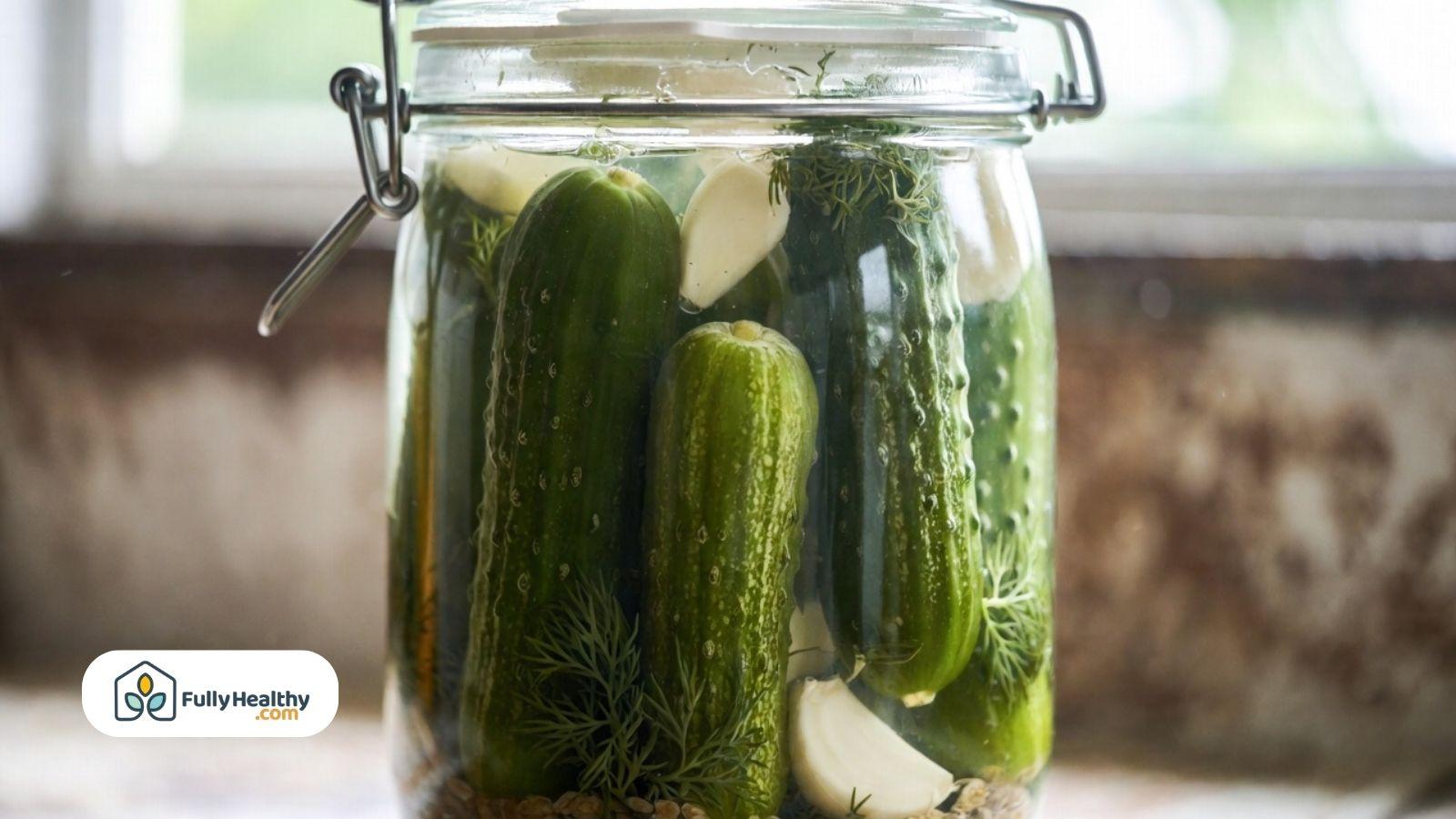
Not all cucumbers produce the same results when pickled, even though cucumbers are widely used across food cultures for preservation. While any cucumber can be turned into pickles, specific cucumber varieties give better texture and flavor.
Not All Cucumbers Are Ideal For Pickling
Pickled cucumbers are usually made from varieties that were bred to be firm. This helps them keep their shape while they are being pickled. Cucumber slices, which are often eaten fresh in salads, tend to get soft because they have more water in them.
-
Texture Difference: Pickling cucumbers have a tougher texture that stays firm in brine.
-
Size Factor: They are smaller with fewer seeds, which improves final texture.
-
Skin Quality: Pickling types often have bumpy skin that absorbs flavor better.
-
Water Content: Slicing cucumbers contain more water, making them less ideal for pickles.
-
Variety Range: Cucumber varieties vary widely due to genetic diversity and growing conditions.
How Pickling Changes Cucumbers Into A Different Food
The pickling process transforms cucumbers into a preserved food with a stronger taste and longer shelf life, commonly prepared in many regions including Southeast Asia. This shift changes both flavor and texture in noticeable ways.
-
Preservation Method: Pickles are made using vinegar or fermentation in saltwater brine.
-
Flavor Shift: The fresh flavor becomes tangy and more intense after pickling.
-
Texture Change: Crunchy cucumbers become firmer or slightly softer depending on preparation.
-
Culinary Uses: Pickles are added to sandwiches, salads, and savory meals across food cultures.
-
Global Practice: Pickled cucumbers appear in regional indian cuisines and other traditional dishes.
About FullyHealthy
What You Can Expect From FullyHealthy
FullyHealthy is an online platform focused on clean, simple foods that support specific dietary needs and ingredient transparency. It offers curated products designed for convenience while maintaining quality and simplicity.
-
Platform Focus: Specializes in allergen-friendly and clean-label foods.
-
Ingredient Transparency: Products highlight minimal and recognizable ingredients.
-
Diet Support: Suitable for various food cultures and dietary preferences.
-
Convenience Factor: Products are easy to store and use daily.
-
Trusted Source: Designed for consumers seeking healthier food options.
Popular Products You Can Try
FullyHealthy offers products that are easy to include in daily routines while supporting balanced nutrition. These items are simple, portable, and fit into modern eating habits.
-
That’s It Apple + Pear Fruit Bar: A simple fruit snack made from typically fruits with no extras, offering a naturally sweet flavor that pairs well with crisp texture foods like crunchy cucumbers.
-
That’s It Blueberry Probiotics Fruit Bar: Combines fruit and probiotics in a convenient bar, making it a tasty ingredient option for balanced snacks alongside savory meals.
-
St. Dalfour Four Fruits Fruit Spread: A fruit-based spread made from fruits grow naturally, offering a richer flavor for breads or light desserts.
-
Solely Banana With Cacao: A dried fruit snack with a deeper flavor profile, ideal for quick energy without processed ingredients.
-
Solely Pineapple: A bright, naturally sweet option that complements foods eaten fresh, including salads and other popular produce items.
Final Thoughts
Cucumbers show how food can fit into more than one category at once, which is why is a cucumber a vegetable keeps coming up. From a nutrition breakdown to how we prepare cucumbers in salads or steaming soups, they stay simple and useful.
They are not botanical vegetables like roots or stems but still work like other edible structures in meals. Cucumbers remain easy to use, fresh, and practical for everyday eating.
FAQs
Is Cucumber A Fruit Or A Vegetable?
Cucumbers are fruits by science but used in culinary classification as vegetables in savory meals and food cultures.
What Is Culinary Classification For Cucumbers?
Culinary classification places cucumbers with botanical vegetables because of flavor, preparation, and use in salads and steaming soups.
Is Jalapeno A Fruit?
Jalapeno is a fruit because it grows from a flowering plant and contains seeds like cucumbers and other edible structures.
What Is The #1 Healthiest Vegetable?
There is no single answer, but vegetables like broccoli, carrots, and leafy greens offer strong nutrition breakdown with vitamins and minerals.
Why Is Broccoli Not A Fruit?
Broccoli is not a fruit because it comes from plant parts like stems and flower buds, not from seeds like cucumbers.
Leave a comment