

Is An Avocado A Fruit? The Answer Is Not What Most People Think
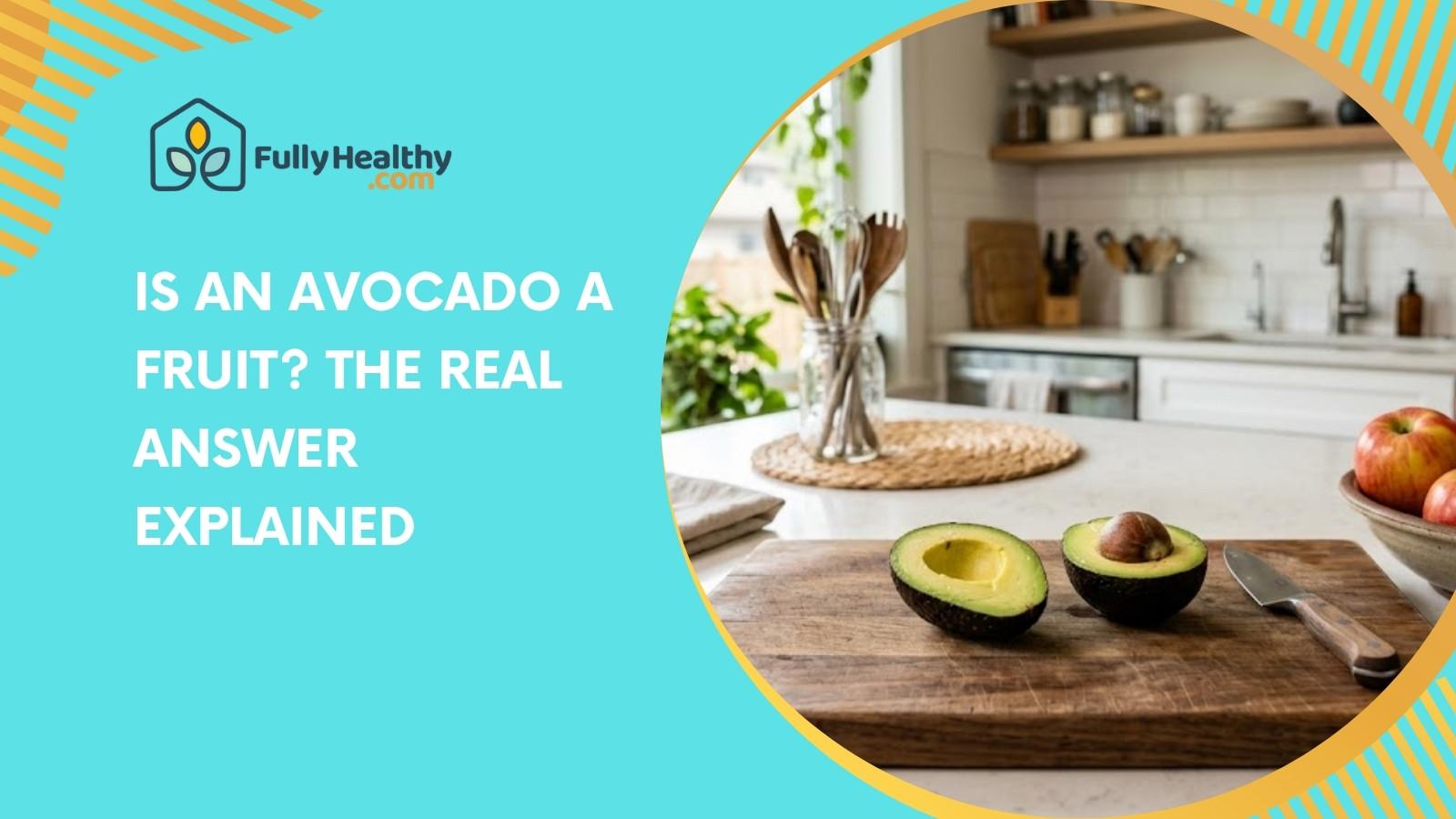
Is an avocado a fruit? Yes, it is. Avocado is botanically a fruit because it grows from a flower and has a seed. More specifically, it is often described as a single-seeded berry. Still, many people treat it like a vegetable because it tastes mild, creamy, and savory.
This guide explains why avocado is a fruit, how it fits into daily meals, who may need to limit it, and what to know about sugar, portions, and avocado-based products.
Featured Snack Pick
Jackson's // Avocado Oil Sweet Potato Chips - 5 oz
Loading...
Is an Avocado a Fruit?
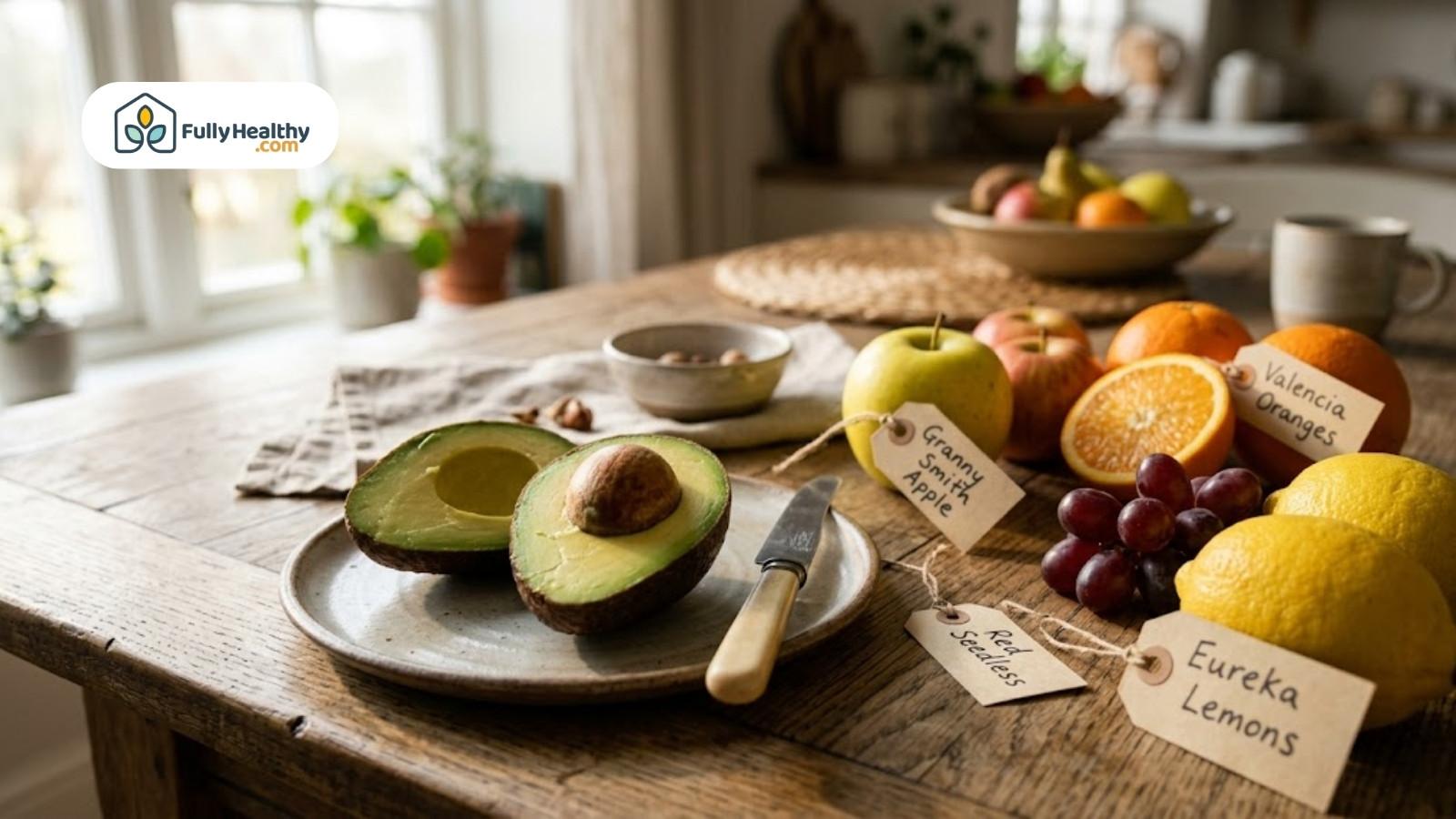
Yes, avocado is an avocado fruit, even though it is often used in savory dishes instead of fruit salad. It grows from a flowering plant, has an avocado pit, and belongs to the fruit category. So, if you are asking if avocado is a fruit or vegetable, the clear answer is fruit.
Why Avocado Is Botanically a Fruit?
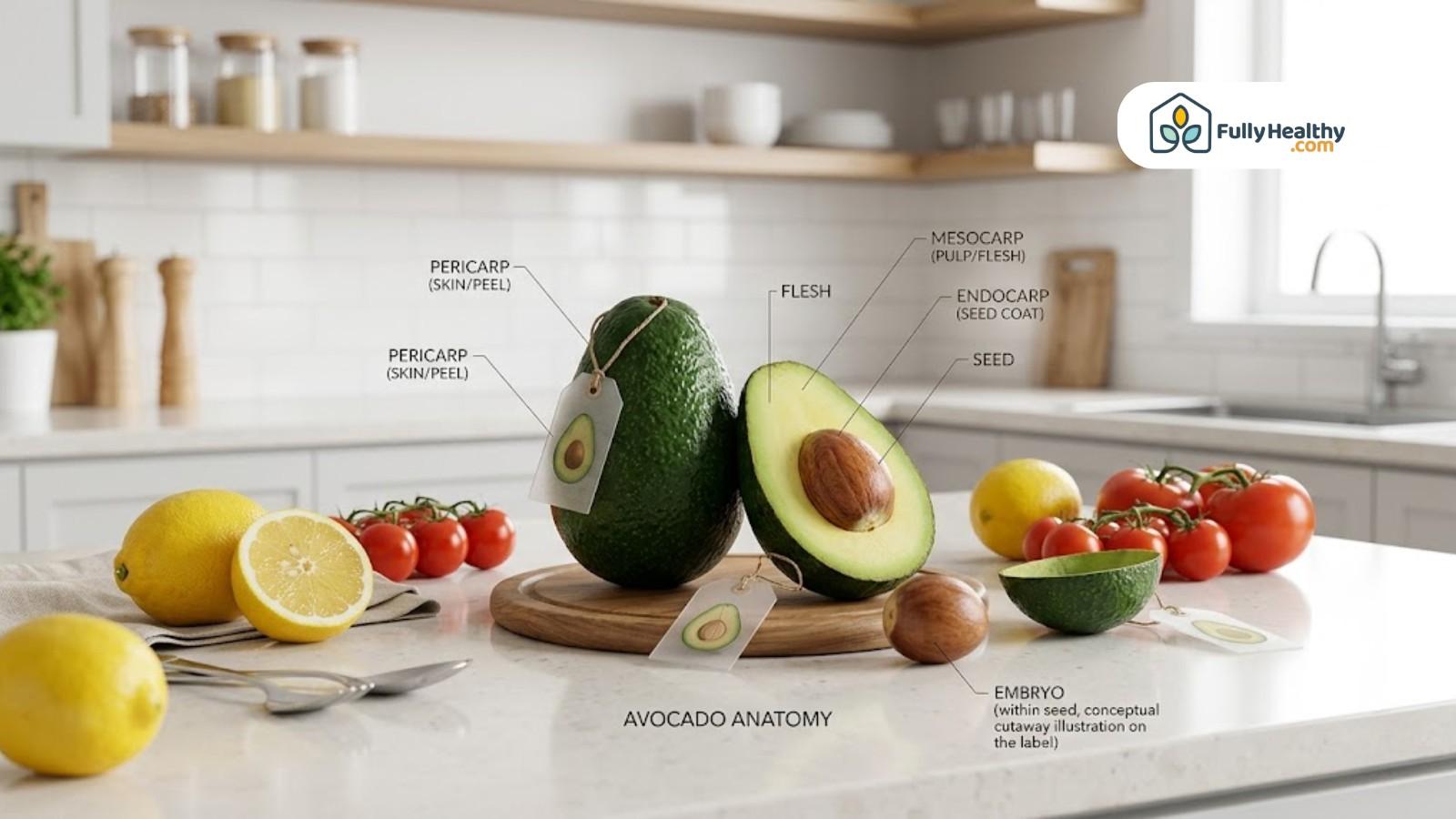
Avocado is one of the fleshy fruits because it develops from a flower and contains a seed. Its scientific name is Persea americana, and it is related to the cinnamon tree. Avocado trees produce a fruit also known as alligator pear or butter fruit.
-
Botanical reason: Avocados are botanically fruits because they grow from a flowering plant and contain a seed.
-
Common variety: Hass avocado is one of the most popular types in the avocado industry, with groups like the Hass Avocado Board and California Avocado Society sharing more about it.
-
Same fruit form: A medium avocado, one medium avocado, sliced avocado, pureed avocado, or avocado half is still considered a fruit.
Why People Think Avocado Is a Vegetable?
Many people place avocado in the vegetable group because it has a mild taste and creamy texture. It is not sweet like many fruits, so it feels more natural in toast, tacos, dips, salads, and bowls.
-
Kitchen use: Avocado is often used in savory dishes with eggs, beans, greens, olive oil, and lemon juice.
-
Common confusion: An edible plant can be treated like a vegetable in cooking, even when science says it is a fruit.
-
Taste factor: Its mild taste makes avocado easy to mix with salty, spicy, or creamy foods.
Can I Eat Eggs and Avocados Every Day?

Eggs and avocado can fit into a healthy diet when portions are balanced. Avocado adds healthy fats, fiber, vitamin E, and nutritional value, while eggs add protein. The health benefits depend on your full diet, not just one food.
What Eggs and Avocados Add to a Daily Meal? See the Health Benefits
Eggs with avocado may help you feel full because the meal has protein, fiber, and fat. Avocado also contains monounsaturated fat, which is the same type of healthy fat often praised in olive oil.
-
Heart support: Replacing saturated fats with unsaturated fats may help support healthy LDL cholesterol levels.
-
Better balance: Avocado consumption can fit breakfast meals, vegetarian diets, salads, and simple lunch bowls.
-
Smart swap: You can use avocado oil or mashed avocado instead of butter to lower saturated fats in some meals.
When Daily Eggs and Avocado May Need Moderation?
Daily eggs and avocado are not automatically bad, but the serving size matters. Avocado is nutrient dense, so eating too much can add more calories than expected.
-
Portion check: One avocado half may be enough for many meals, especially with eggs or toast.
-
Health context: People managing blood pressure, cardiovascular disease risk, cholesterol, or weight goals may need to watch portions.
-
Plate quality: Pair avocado with vegetables, whole grains, or lean protein instead of processed meats.
Why Do Some Doctors Say Not to Eat Avocados?
Some doctors do not warn everyone against avocado. They usually mean certain people may need to limit avocado consumption because of potassium, calories, allergies, digestion issues, or medication concerns. For most people, health avocados can fit into a balanced diet.
Who May Need to Limit Avocado? See Nutritional Value
Avocado is healthy for many readers, but not everyone needs the same amount. People with kidney disease, latex allergy, sensitive digestion, or calorie goals may need smaller servings.
-
Kidney concerns: Avocado can be high in potassium, which may matter for people who need potassium limits.
-
Allergy note: Some people with latex sensitivity may react to avocado and should be careful.
-
Calorie control: Avocado has strong nutritional value, but large portions can add extra calories fast.
Why Avocado Warnings Should Not Cause Fear?
The warning is about personal health needs, not fear. Avocado has healthy fats and useful nutrients, but even healthy foods should be eaten in the right amount.
-
Balanced view: Avocado can support a healthy diet when eaten with lean protein, vegetables, and whole foods.
-
Fat quality: Replacing saturated fats with avocado may be better than simply adding more fat to meals.
-
Practical tip: Keep servings modest, use lemon juice to reduce browning, and enjoy avocado in a balanced way.
Is Avocado High In Sugar?
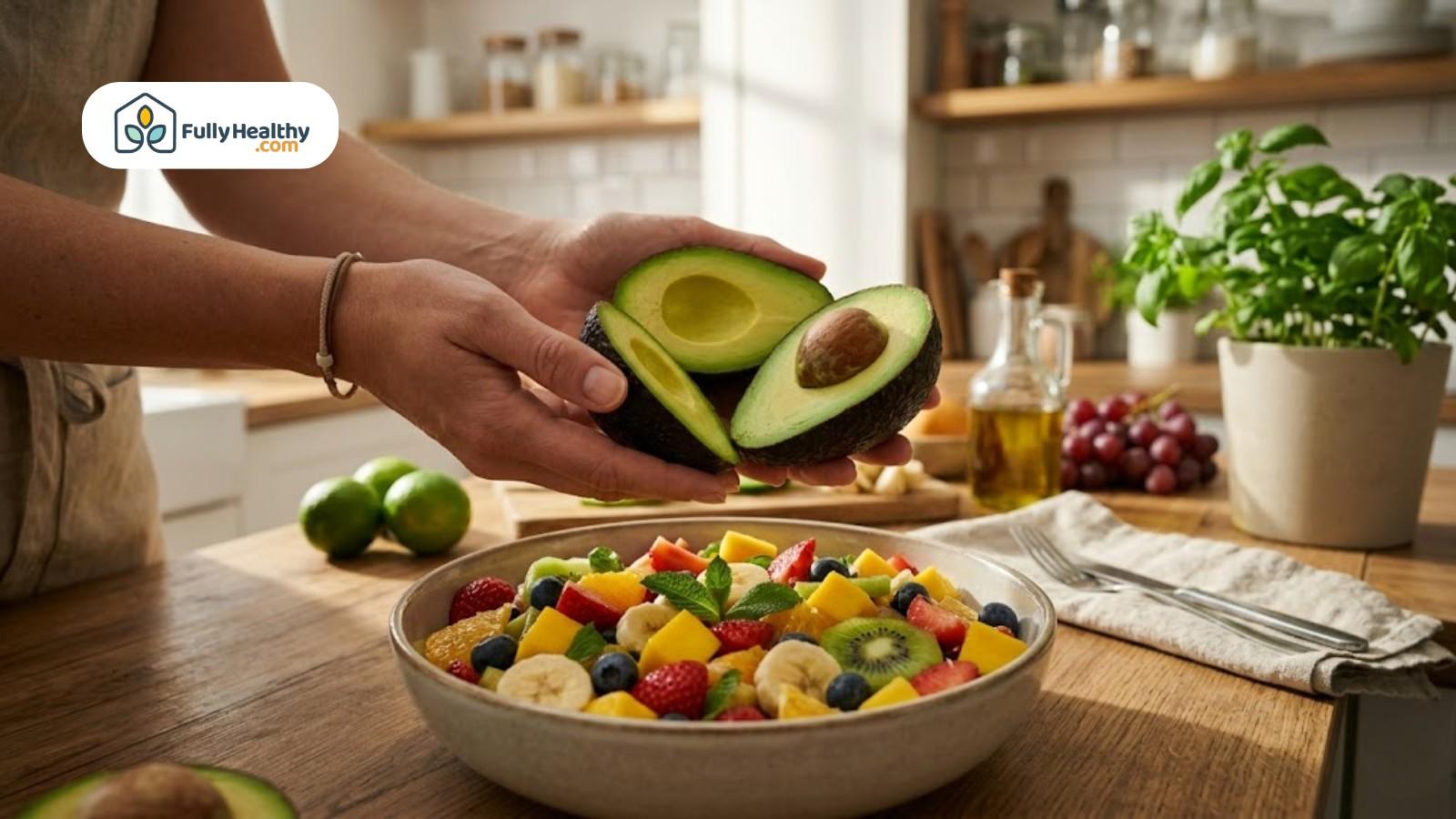
Avocado is not high in sugar. It can support a healthy lifestyle because it gives fiber, healthy fat, vitamin K, and bioactive compounds with very little natural sugar. A pear shaped avocado with leathery skin may look different from other fruits, but its nutritional value is strong.
How Much Sugar Is In Avocado?
Avocado has much less sugar than many sweet fruits. In food science, avocado is studied for its fat, fiber, and structure, including the inner layer and fleshy endocarp around the seed.
-
Low Sugar: Avocado is naturally low in sugar and cholesterol free.
-
Healthy Fat: It contains oleic acid, the same type of fat found in olive oil.
-
Botanical Note: Persea americana Mill usually has one large seed, not more than one seed.
-
Nutrition Value: A nutrition journal may discuss avocado for its fiber, vitamin K, and bioactive compounds.
Why Low Sugar Still Means Portion Size Matters?
Even if avocado is low in sugar, it still has calories from fat. This is why dietary guidelines focus on balance, serving size, and the full meal.
-
Serving Control: Eating more avocado can add extra calories because it is rich in fat.
-
Blood Sugar Support: Its fiber and healthy fat may help slow digestion and support steadier blood sugar.
-
Disease Prevention: A balanced diet with fruits, vegetables, and fiber may help reduce the risk of chronic diseases.
-
Cancer Context: No single food can prevent colon cancer, but fiber-rich foods can support gut health.
How Fullyhealthy Can Help You Shop For Avocado-Based Foods
Fullyhealthy can help readers find avocado-based products for everyday meals. This section should mention only products the site carries. Avocado works well in many culinary applications, from snacks and mayo to avocado oil with a high smoke point.
Avocado Products You Can Find On Fullyhealthy
Fullyhealthy carries avocado-based products that can make shopping easier. These options are helpful for people who want simple pantry items made with avocado oil.
-
Snack Option: Jackson’s Avocado Oil Sweet Potato Chips use avocado oil for a crunchy snack.
-
Mayo Option: Chosen Foods 100% Avocado Oil Based Traditional Mayo can be used for sandwiches, wraps, dips, and salads.
-
Cooking Oil: Primal Kitchen Avocado Oil works well for roasting, sautéing, and other high-heat cooking.
-
Easy Kitchen Use: These products let readers enjoy avocado beyond fresh slices or mashed avocado.
How Fullyhealthy Supports Specific Diet Needs?
Fullyhealthy organizes products by diet needs, which helps shoppers compare items more easily. This is useful for people building a pantry around clear food goals.
-
Diet Filters: Shoppers can browse categories like Paleo, AIP, keto, vegan, gluten free, and Low-FODMAP.
-
Better Choices: The site helps readers find products that match their diet, allergies, or food preferences.
-
Practical Support: Avocado-based products can make simple meals easier without checking every label from scratch.
-
Smart Reminder: Product details can change, so readers should always check the latest label before buying.
Final Thoughts
So, is an avocado a fruit? Yes, it is a fruit, even if most people use it in savory meals. Avocado gives important nutrients, fiber, vitamin K, and good fats that can fit into a balanced diet. For many US adults, eating avocado in the right amount may support heart health, especially when it replaces foods high in saturated fat. Still, people with kidney problems, allergies, or strict calorie goals may need to limit portions. A ripe avocado can be kept in a paper bag to soften faster. In the end, avocado is simple: it is a fruit with strong nutrition, creamy texture, and many smart uses for daily meals.
FAQs
Is Avocado Good For Heart Disease?
Avocado has good fats and important nutrients that may support heart health, but people with heart disease should still follow their doctor’s diet advice.
Can US Adults Eat Avocado Every Day?
Many US adults can eat avocado daily in moderate portions, especially as part of a balanced diet with vegetables, protein, and whole grains.
What Important Nutrients Are In Avocado?
Avocado contains important nutrients like fiber, potassium, vitamin K, vitamin E, folate, and good fats.
Are The Good Fats In Avocado Healthy?
Yes, avocado has good fats, mainly monounsaturated fat, which may be better for the heart than saturated fats.
Can A Paper Bag Ripen Avocado Faster?
Yes, placing avocado in a paper bag can help trap natural ethylene gas and speed up ripening.
Leave a comment