

Is Avocado a Fruit or Vegetable? A Must-Know Answer
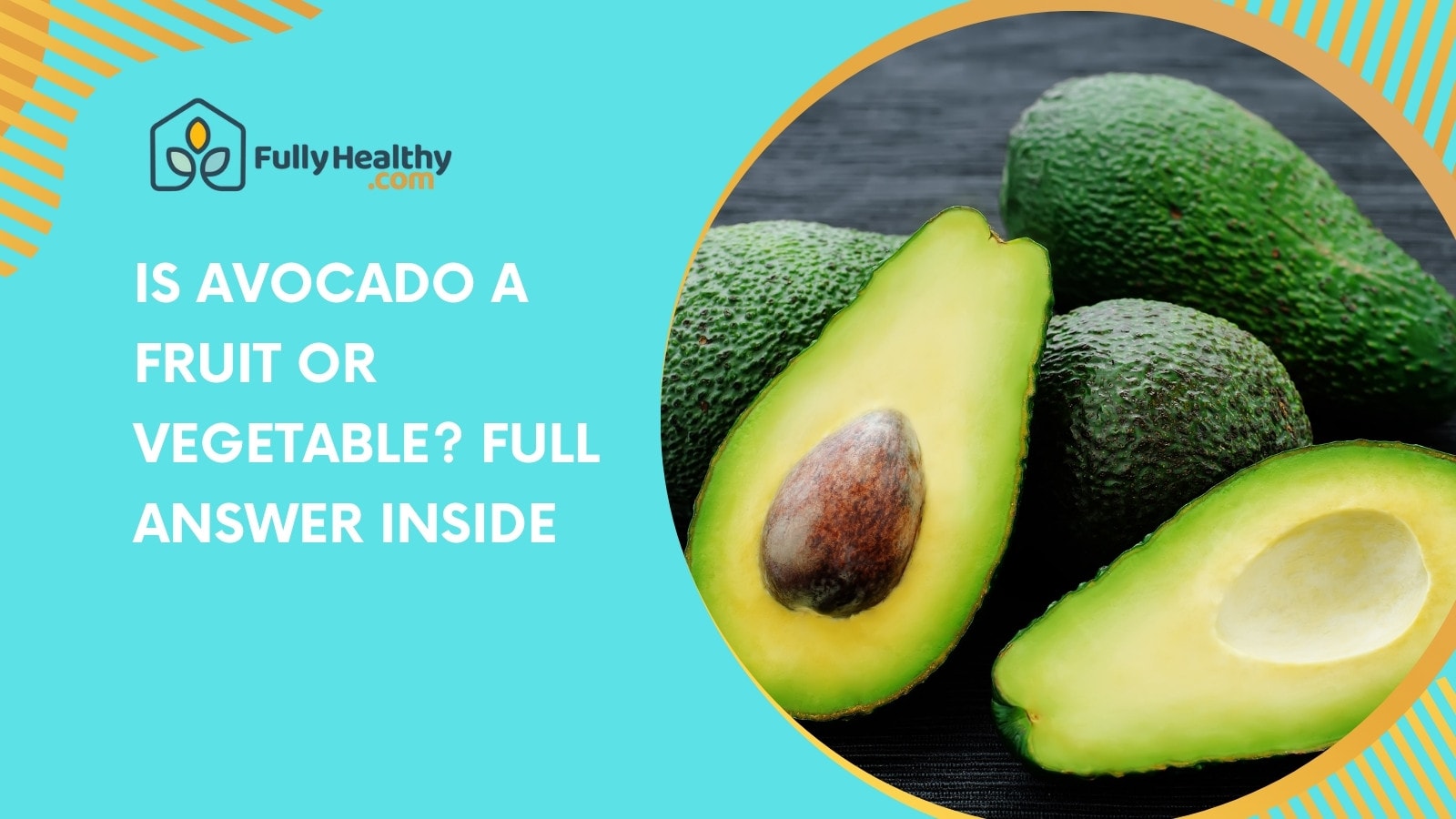 Photo Credit: Canva Pro
Is avocado a fruit or vegetable? People often ask this question, and the answer may surprise you. In a strict sense, avocados are fruits, more specifically, single-seeded berries. But we treat them like vegetables in the kitchen.
This green food that is creamy is full of good fats, fibre, and important nutrients. We'll talk about everything about avocados in this article, from how they are classified to their health effects and sugar content to what doctors say about eating them every day.
🥑 Pure & Nutrient-Rich – Cook Clean with Primal Avocado Oil!
Is Avocado a Fruit or Vegetable?
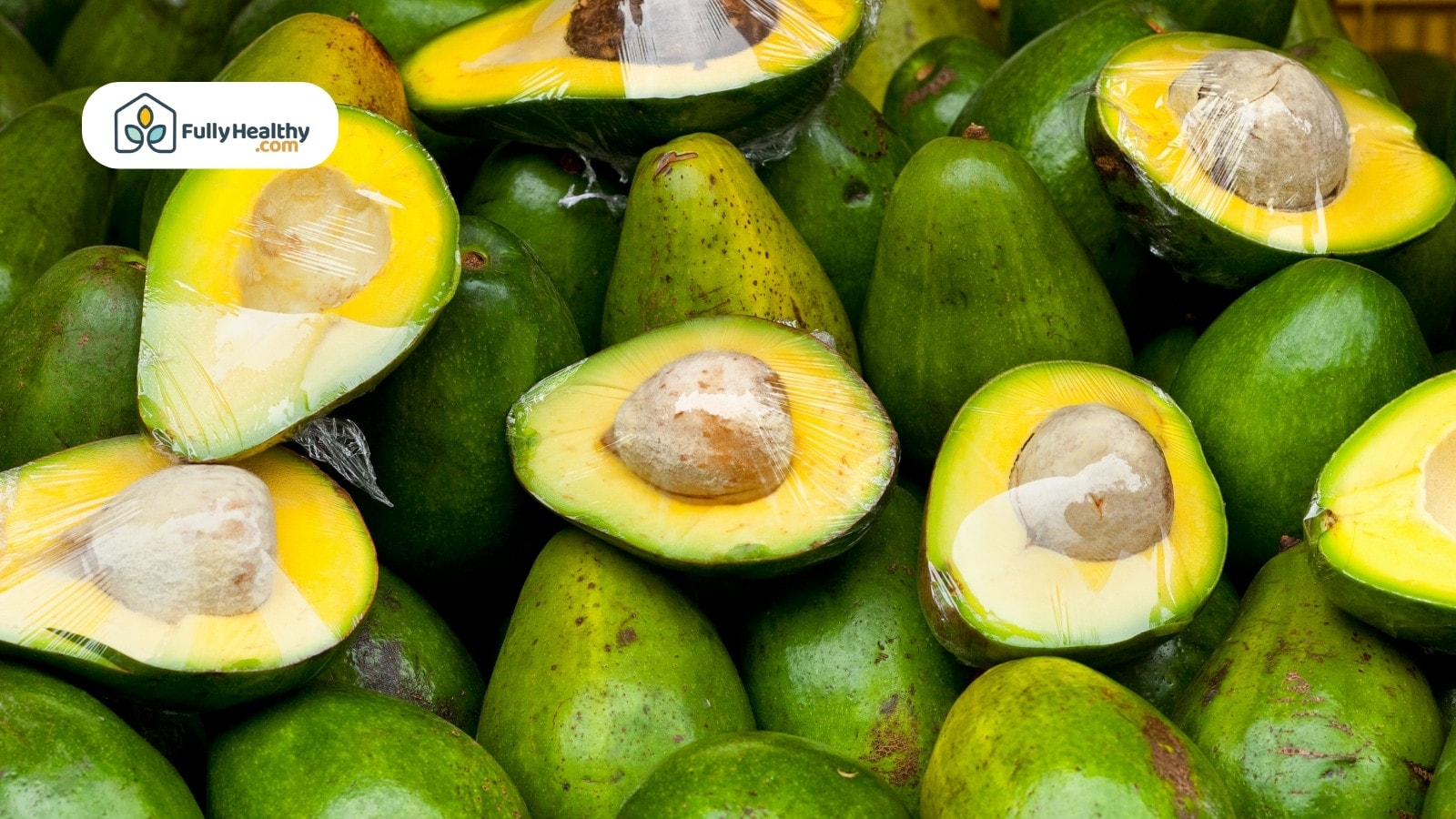 Photo Credit: Canva Pro
A lot of people aren't sure if avocado is a fruit or a vegetable. When you see how it grows, you know the answer. Avocados come from avocado trees, and botanically speaking, they are fruits. Even so, we eat them a lot like vegetables.
How Botanists Classify Avocados as Fruit
In botanical terms, fruits develop from a plant's flower and hold seeds. The avocado fruit is a fruit because it has a large seed and grows from flowers.
-
Grows from a flower: Avocados form after the plant flowers, like all flowering plants.
-
Single-seeded berry: Botanically, avocados are classified as single-seeded berries with a leathery exocarp and fleshy mesocarp, although they don't match all common berry traits.
-
From the cinnamon tree family: Avocados (Persea americana) belong to the Lauraceae family, which also includes the cinnamon tree (Cinnamomum verum), although they are not closely related in function or flavor.
-
Similar to tomatoes: Like tomatoes, they’re fruits but used in savory meals.
Why Avocados Feel Like Vegetables in Cooking
Even though they are fruits, we use avocados in ways more common for veggies. They are often used in savory dishes because they taste mild and have a creamy texture.
-
Used in many cuisines: You’ll find avocados in salads, tacos, and even sushi.
-
Popular in savory recipes: Think guacamole, toast, and grain bowls.
-
Flavor enhancer: Pairs well with herbs, spices, and lemon juice.
-
Healthy swap: Often replaces processed meats or butter in plant-based diets.
Why Do Some Doctors Say Not to Eat Avocados?
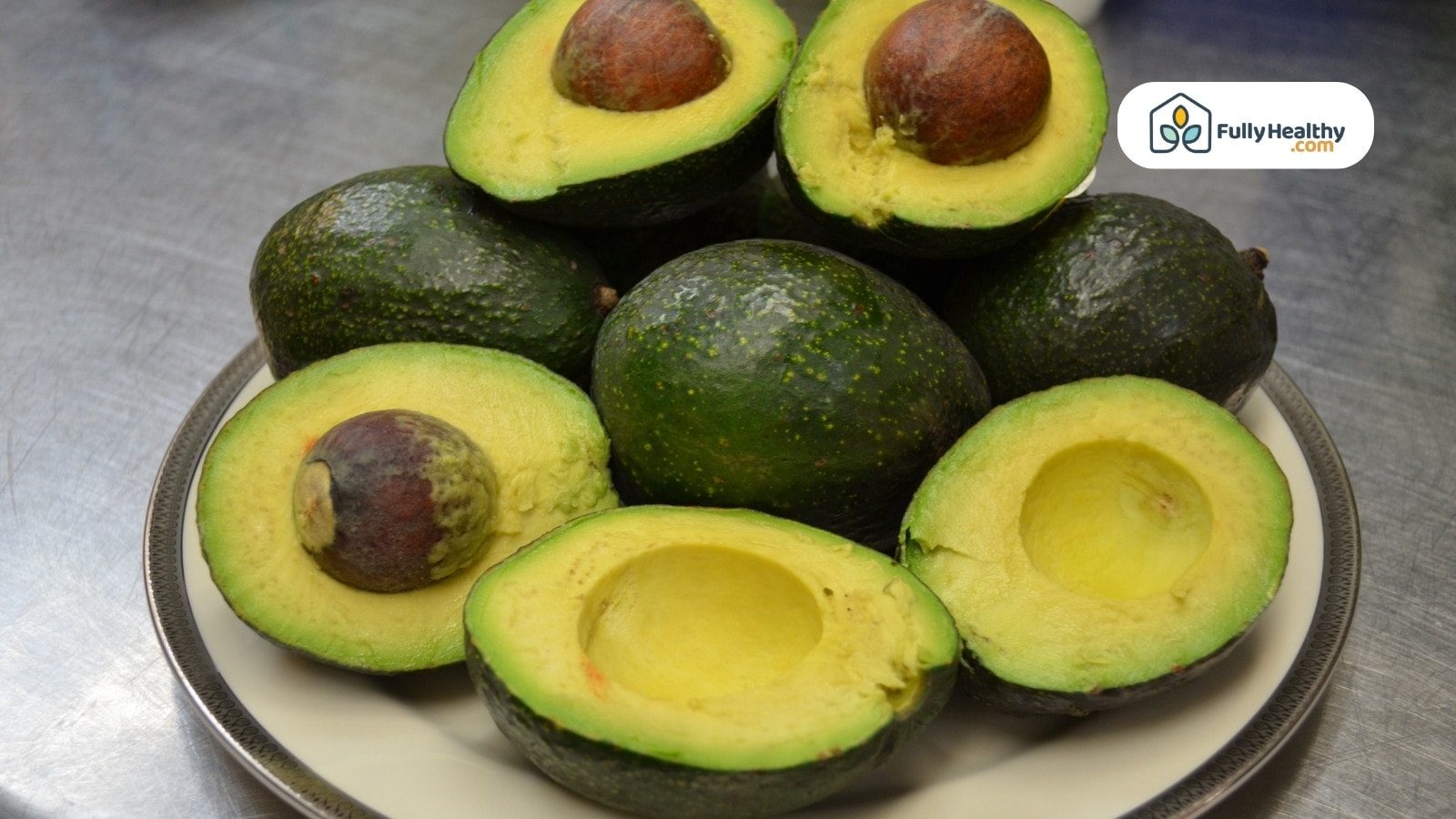 Photo Credit: Canva Pro
Avocados are good for you in many ways, but some doctors say to be careful in some situations. Avocados are full of good things for you, but a medium-sized one has a lot of calories and fat, so not everyone may like it.
Allergies, Migraines, and Cross-Reactions
People with allergies or sensitivity may not like avocados at all. Avocado could make you sick if you are allergic to latex.
-
Latex allergy risk: Avocados share proteins with latex, which can trigger a response.
-
Migraine potential: They contain compounds that may cause headaches in some people.
-
Digestive troubles: Their fiber can cause bloating or gas, especially when over-eaten.
-
Hass variety reactions: Some sensitive people react more to hass avocados.
Calories, Portion Size, and Overeating Risks
Avocados have a lot of monounsaturated fat, which is good for your heart. But watch how much you eat. Calorie overload can happen when you eat too much.
-
High in calories: There are about 240 calories in a medium avocado.
-
Ideal portion: To get your daily value fat amount, don't eat more than a third of an avocado.
-
Calories add up fast: Especially when mixed with oil or chips in food.
-
Balance is key: It's possible to lose weight faster if you over-consumed too many healthy fats.
Are Avocados the Healthiest Fruit?
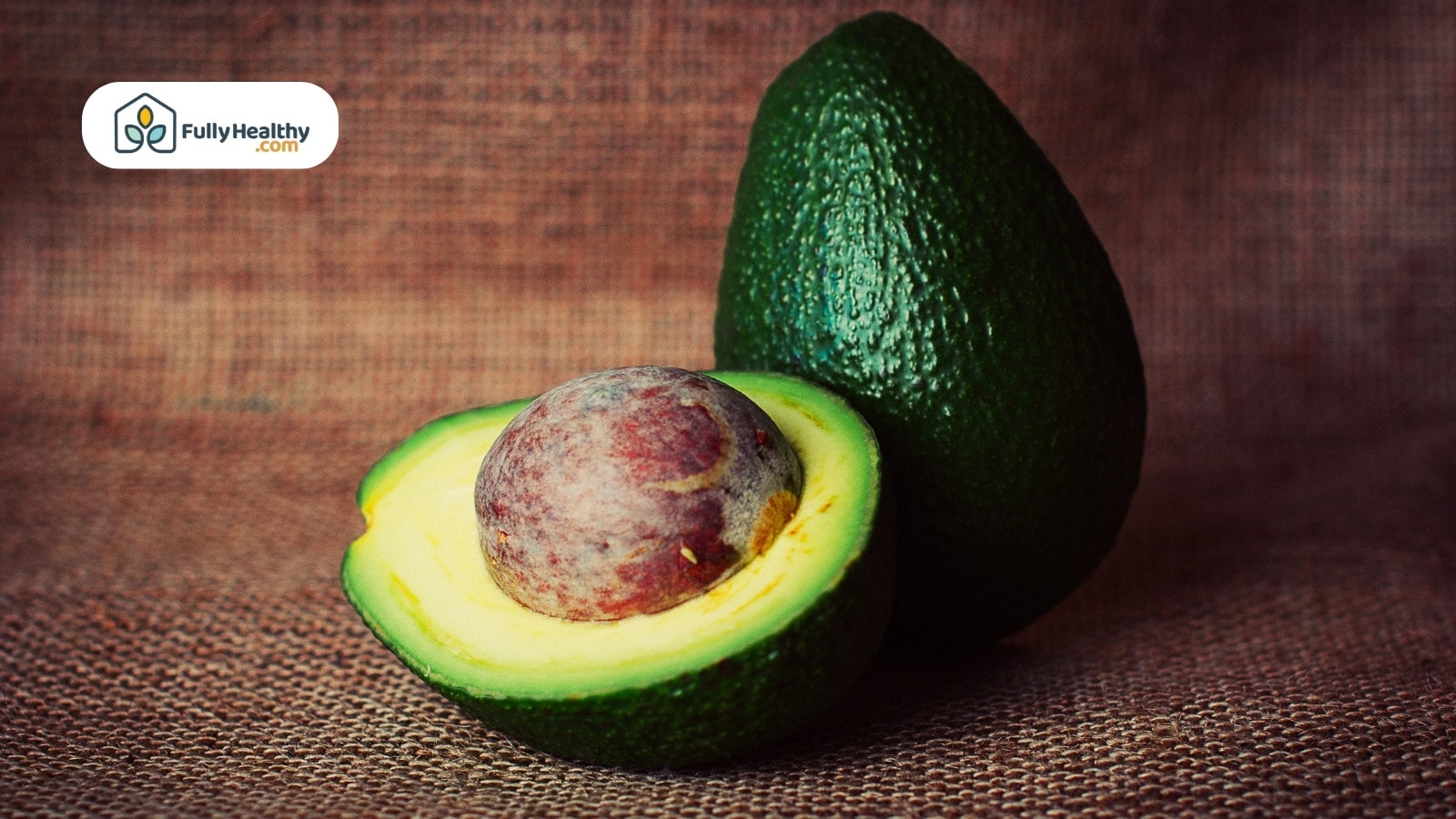 Photo Credit: Canva Pro
Avocados are a great choice for a healthy diet because they are full of nutritional value. They have more vitamins, fibre, and healthy fats than most fruits. The avocado industry has made a name for itself by advertising these health benefits.
Nutrient Density and Health Benefits
Sliced avocados are full of good things for your body. It has a low amount of sugar and a lot of vitamin E, vitamin K, and potassium.
-
Loaded with nutrients: Avocados have B vitamins, fiber, and healthy fats.
-
Heart-friendly: The monounsaturated fat helps lower bad cholesterol.
-
Supports glowing skin and sharp vision: Thanks to vitamin E and carotenoids.
-
Low in sugar: Perfect for people watching their blood sugar levels.
Research-Backed Benefits for Weight and Heart Health
Research has shown that eating avocados often can be good for your health. When eaten in the right amounts, they help your heart, gut, and weight goals.
-
Helps control weight: May be associated with lower body weight and waist circumference, though more research is needed to establish causation.
-
Boosts gut health: The fiber helps grow good bacteria in your belly.
-
Improves heart health: Raises HDL (good cholesterol) and lowers risk of heart disease.
-
Better nutrient absorption: Helps your body absorb vitamins from other foods.
Is Avocado High in Sugar?
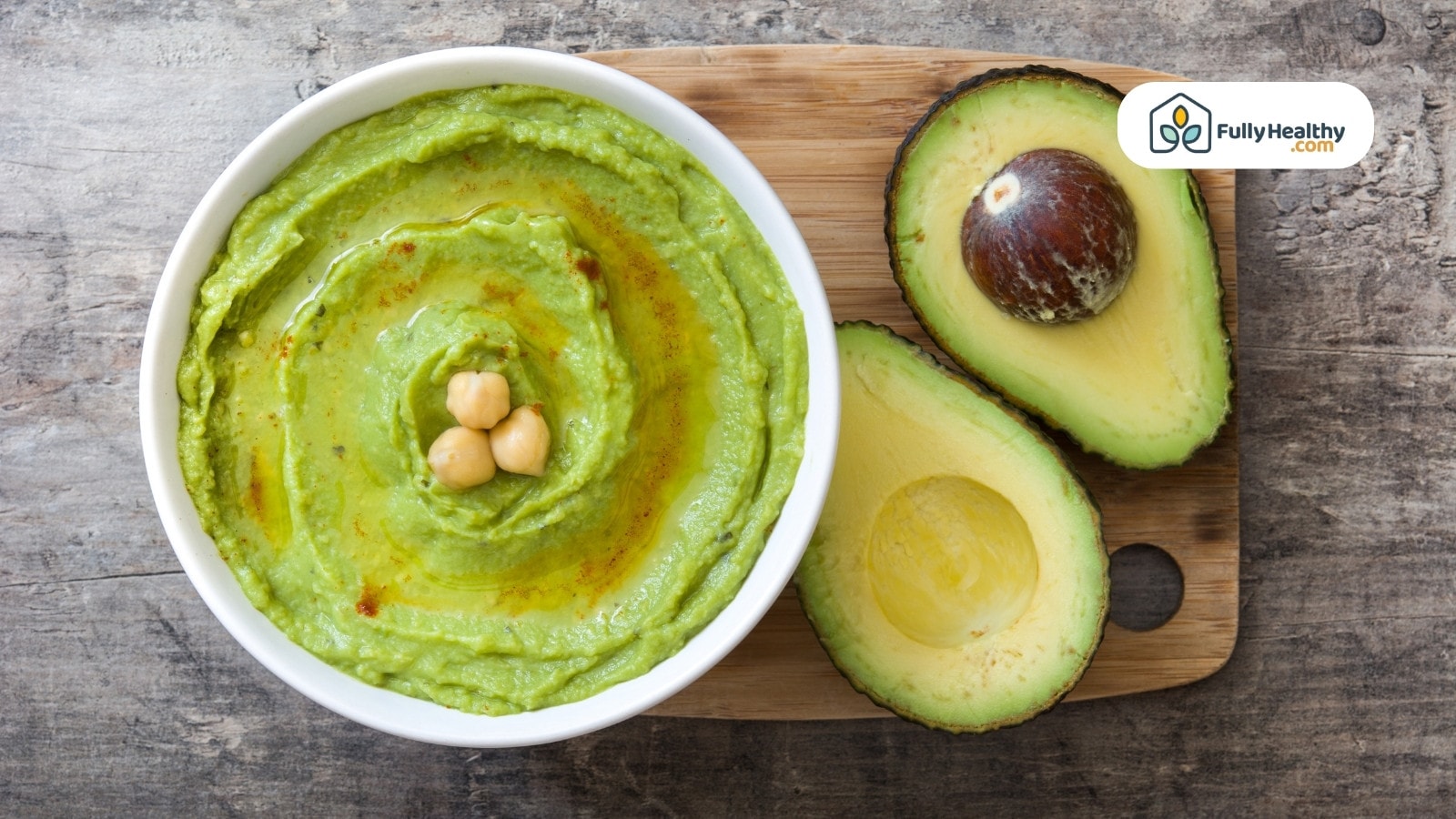 Photo Credit: Canva Pro
Avocados belong to the fruit category , but they don't have nearly as much sugar as most fruits. A lot of people are shocked to find out how little sugar they have. Because of this, avocados are often put in the same meal plan in the vegetable group, even though they don't really belong there.
How Avocados Compare to High-Sugar Fruits
A banana or a grape can have more than 15 grammes of sugar in it. A whole avocado typically contains about 0.2 to 0.5 grams of sugar, depending on variety and size. So it's a good choice if you want to limit the amount of sugar or carbs you eat.
-
Very low sugar: A whole avocado has about 0.2–1 gram of sugar.
-
Better for blood sugar: Doesn't cause sugar spikes like a banana or apple might.
-
Fits low-carb diets: Ideal for keto or diabetic-friendly meals.
-
Good swap: Use instead of sugary snacks or fruits in recipes.
Why Low Sugar Helps Your Health
Avos are full of minerals, fibre, and healthy fats. These nutrients make you feel full longer and give you better nutrition all around. Their low sugar content also helps you keep your weight and energy in check.
-
Stable energy levels: No sugar crash later in the day.
-
Heart health approved: The American Heart Association recommends foods with healthy fats.
-
Better digestion: Fiber slows down sugar absorption.
-
Supports long-term health: Helps maintain a healthy weight and cholesterol balance.
Is It Healthy to Eat an Avocado Every Day?
If you eat the right amount, avocados can be a healthy part of your daily diet. They help your health in many ways, from your heart to your gut, because they are full of nutrients. Still, watch how much you eat to make sure you don't get too many calories or fats.
What the Research Says About Daily Avocado Intake
Studies have shown that eating a small amount of avocado every day may help lower cholesterol, make digestion better, and help you keep your weight in check. About a third of a fruit serving is a good amount to eat.
-
Supports heart health: Linked to lower LDL (bad) cholesterol levels.
-
Good for digestion: High fiber keeps things moving.
-
Boosts nutrient absorption: Helps your body use fat-soluble vitamins better.
-
Great daily option: A small amount daily adds value to your meals.
How Much Is Too Much?
Avocados are high in healthy fats, but eating too many of them can make you gain weight. Especially if you eat a lot of foods that are high in fat, like cheese, yogurt, or mayonnaise.
-
Stick to one-third: That’s usually enough for most people.
-
Watch combined fats: Don’t overload with fatty toppings or sides like chicken with creamy sauces.
-
Use as a replacement: Instead of adding to a meal, use avocado in place of other fats.
-
Listen to your body: Too much can cause bloating or discomfort in some people.
What FullyHealthy Offers for Avocado Lovers
FullyHealthy has great options for people who love avocados and want clean, high-quality goods. Their avocado-based products are great for many culinary applications and follow strict dietary guidelines. These items can help you cook, dip, or make a better sandwich.
Primal Kitchen Avocado Oil – Great for Cooking
This pure avocado oil is great for cooking a lot of various cuisines. It's great for roasting, frying, or grilling because it can handle high heat.
-
High smoke point: Safe up to 500°F, ideal for hot cooking.
-
Simple ingredient: Made with just avocado oil, nothing else.
-
Boosts flavor: Adds a smooth, neutral taste to dishes.
-
Versatile use: Works in stir-fries, dressings, or marinades.
Chosen Foods Spray and Mayo: Quick and Healthy Options
FullyHealthy also sells mayonnaise and spray oil made from avocado, which are great for clean eating. In easy-to-use forms, these have the same healthy fats.
-
Spray oil: Easy to apply, great for baking or pan use.
-
Avocado mayo: Creamy and rich, excellent on a sandwich or as a dip.
-
Clean ingredients: No weird chemicals or fillers.
-
Better swaps: Use instead of regular mayo or oils for better nutrition.
Final Thoughts
To be exact, avocados are fruits called persea americana, even though we eat them like vegetables a lot of the time. They are good for you whether you eat them sliced on toast, mixed into guacamole, or used instead of egg or mayonnaise. Avos are creamy, full of good fats, and full of fibre, vitamins, and minerals when they're ripe. If you want to know if it's ready, gently press the skin. They should be part of a balanced diet, but like anything else, watch how much you eat.
Like other flowering plants, avocados have roots, stems, and flowers. They go well with salt, lime, and other fresh foods. If you want to know how healthy a equivalent amount of this fruit is compared to another food or just want a fresh topping, you should have it in your kitchen.
FAQs
Is avocado fruit or vegetable in scientific terms?
Avocado is a fruit from the persea americana species, even though it’s often used like a vegetable.
How do you know when avocados ripen?
Apply gentle pressure to the skin—if it gives slightly, it’s ripe and ready to eat.
Can avocado replace egg in recipes?
Yes, mashed avocado can be mixed into baking as an egg substitute in some recipes.
Do avocados have stems and roots?
Yes, like all fruit trees, avocado plants grow from roots and stems.
Is avocado better with salt or lime?
Both! A dash of salt and a squeeze of lime bring out its fresh flavor.
Leave a comment