

Is Beef Tallow the Same as Lard? Latest Insights on Nutrition, Skin, and Use
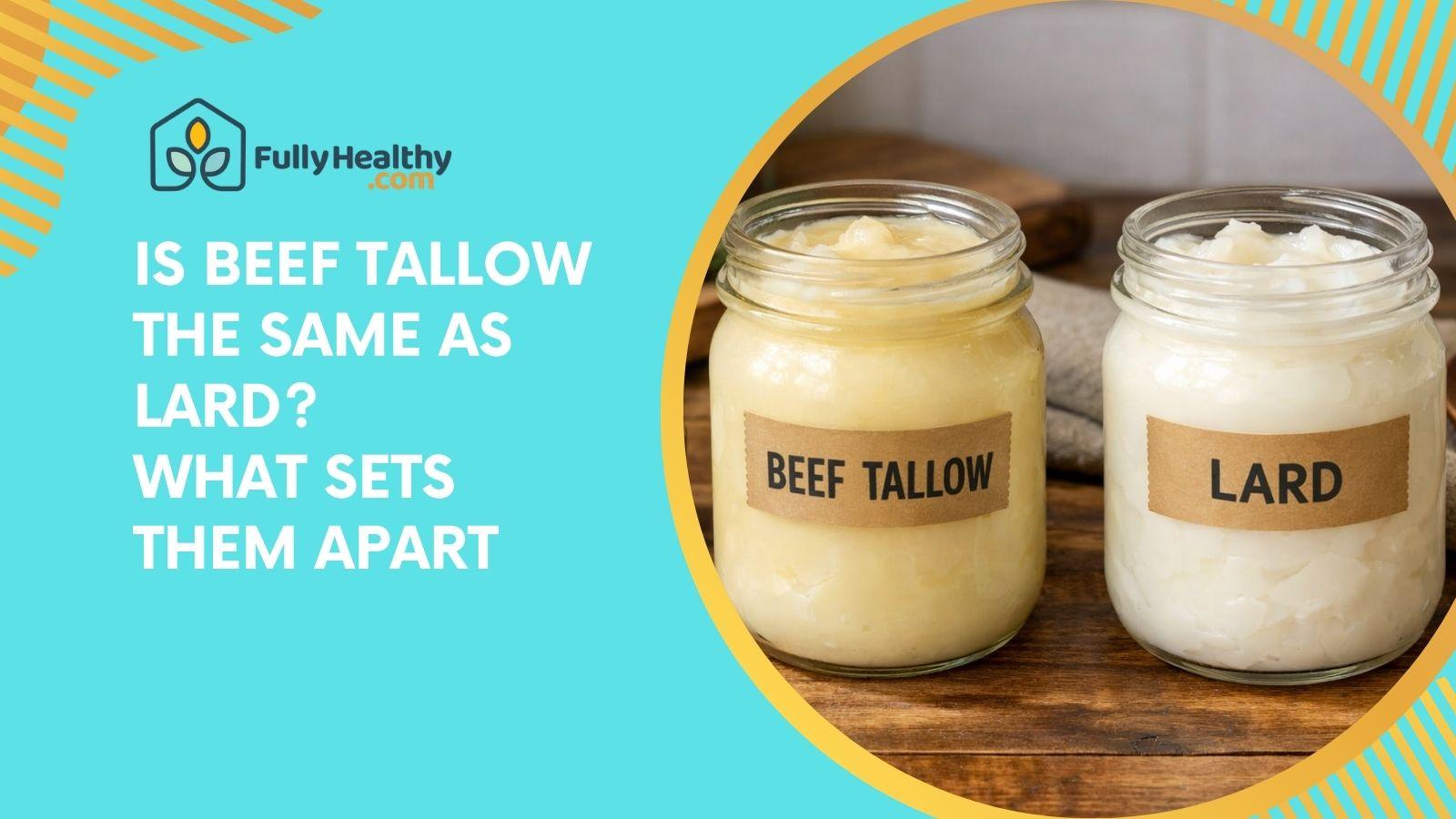
Is beef tallow the same as lard? Not really, and being aware of the difference can help you eat better and cook better. Both are made from animal fats, but they taste, work, and affect your health in different ways. This article tells you how they are different, why tallow lost popularity, what experts say now, and how to pick the best one for your kitchen and diet.
Featured Pantry Pick
EPIC // Grass Fed Beef Tallow - 11 oz
Loading...
Is Beef Tallow The Same As Lard?
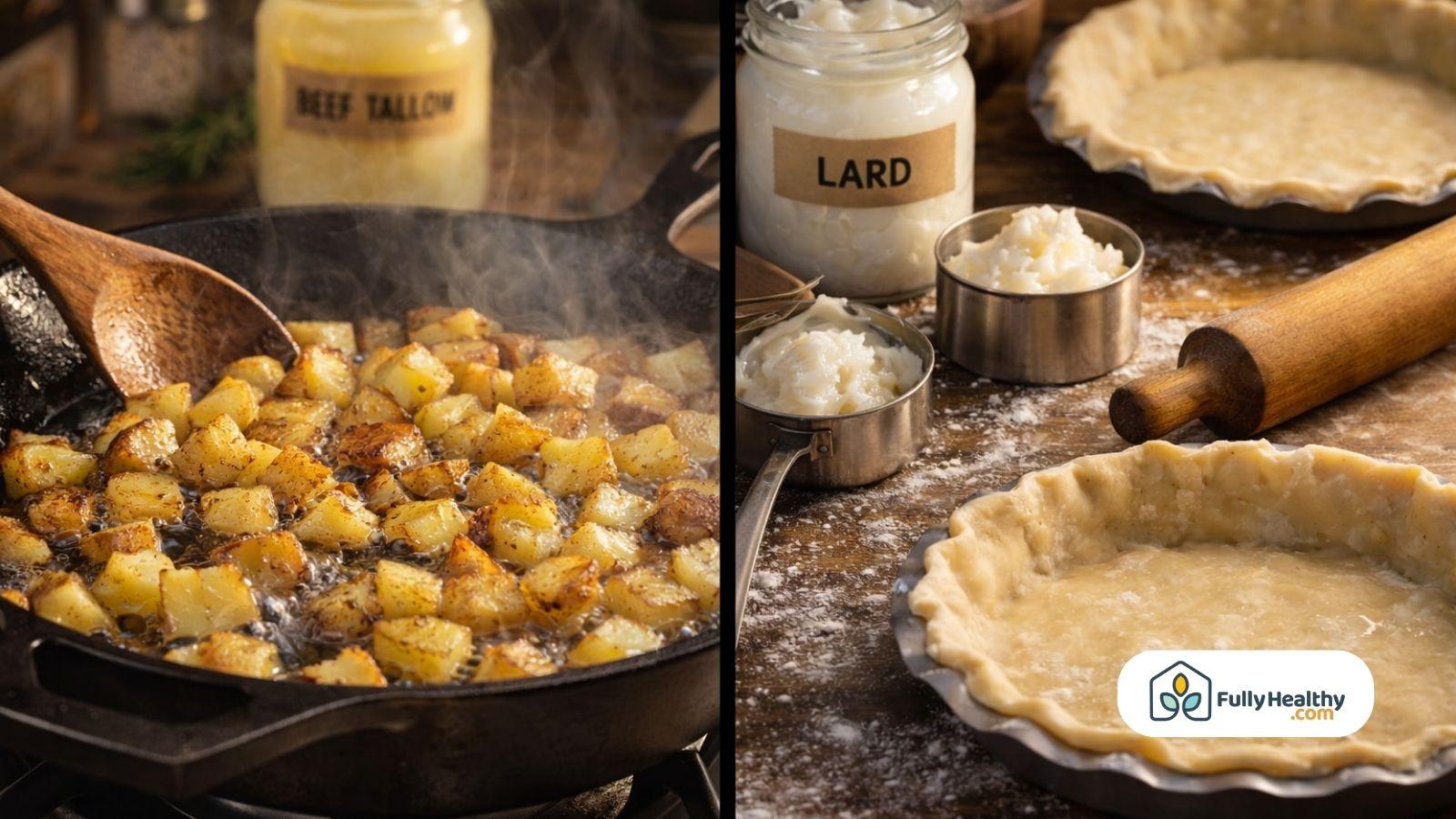
Is beef tallow the same as lard? No, but they are made in almost the same way and are very similar to each other. They are both made from animal fat and are used to fry, bake, and cook meat. But they taste and are used in different ways because they come from different animals. If you know the difference between tallow and lard, you can choose the right fat for better taste and results.
What Is Beef Tallow Vs. Lard
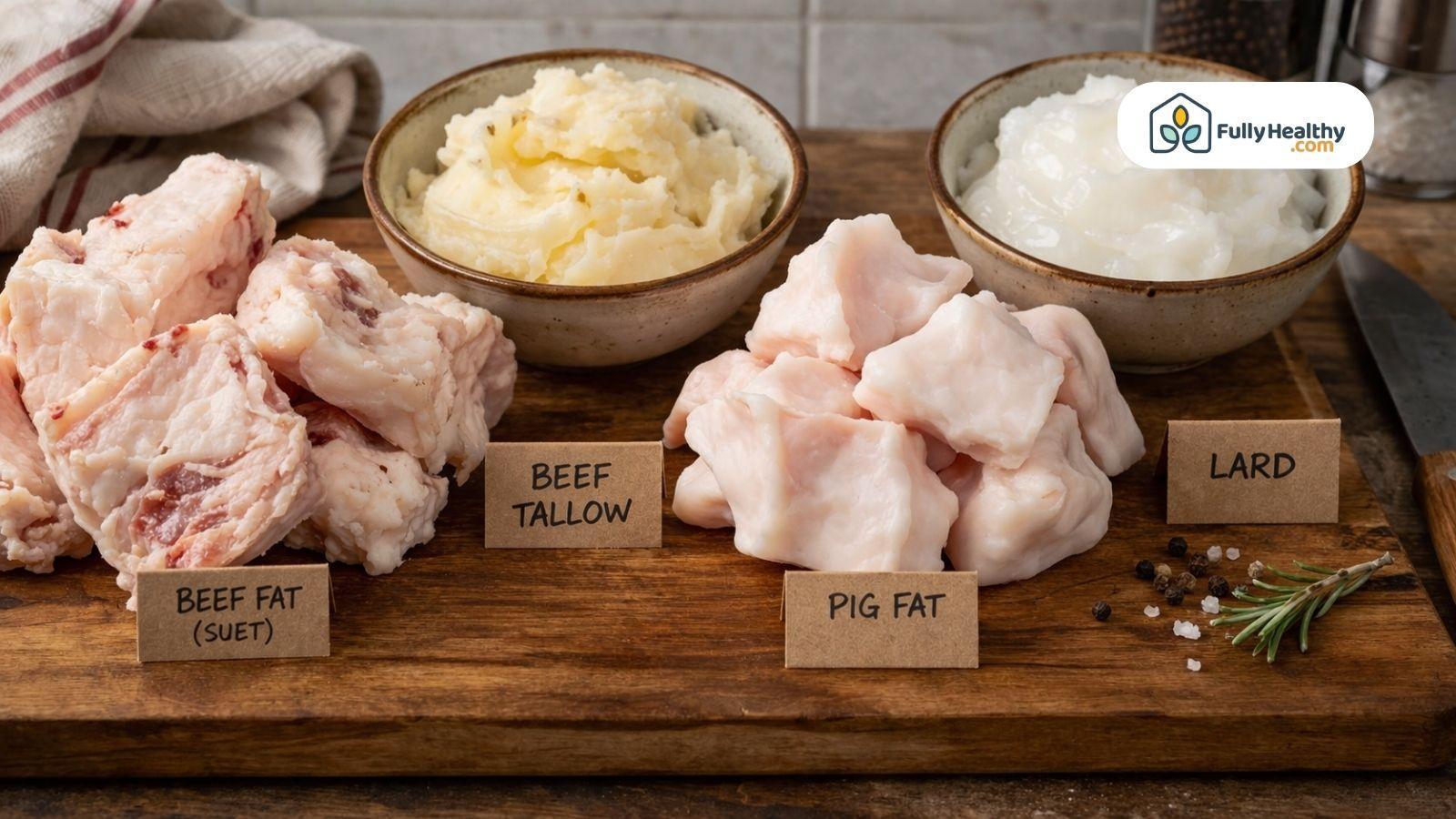
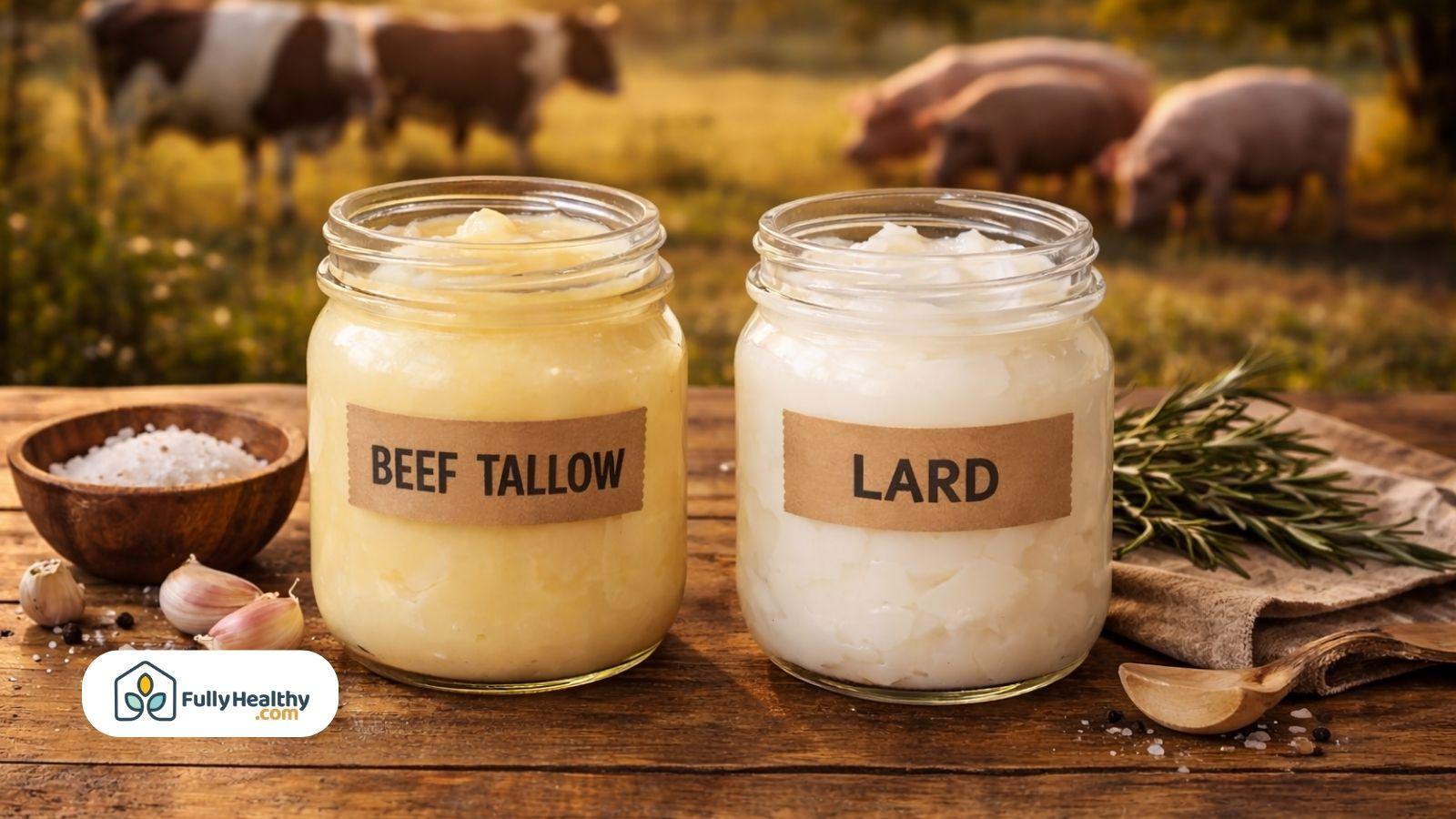
Raw beef fat, which is sometimes called "suet" and is found near internal organs and connective tissue, is turned into beef tallow. Lard is rendered pork fat from pig fat, includes back fat and leaf lard. Both are pure fat and can be shelf stable when stored well.
-
Source: Beef fat comes from cows, while pork fat comes from pork or pig fat, often from pasture raised pigs.
-
Raw Form: Tallow starts as raw fat called suet, while lard comes from raw pig fat or bacon fat.
-
Processing: Both go through a rendering process where fatty tissue melts into clean rendered fat.
Key Differences In Flavor, Texture, And Cooking Uses
It tastes strongly of beef and is more solid than rendered lard, which is softer and has a neutral taste. These qualities change how they work when used in cooking applications.
-
Flavor Profile: Tallow has a rich flavor that suits cooking meat, while lard has a neutral flavor perfect for baked goods.
-
Cooking Uses: Tallow works best for deep frying and high temperatures, while pork lard is ideal for pie crusts, savory pies, and flaky pastries.
-
Alternatives: Other cooking fats like duck fat, chicken fat, coconut oil, and olive oil offer different distinctive flavors.
Why Did People Stop Using Tallow?
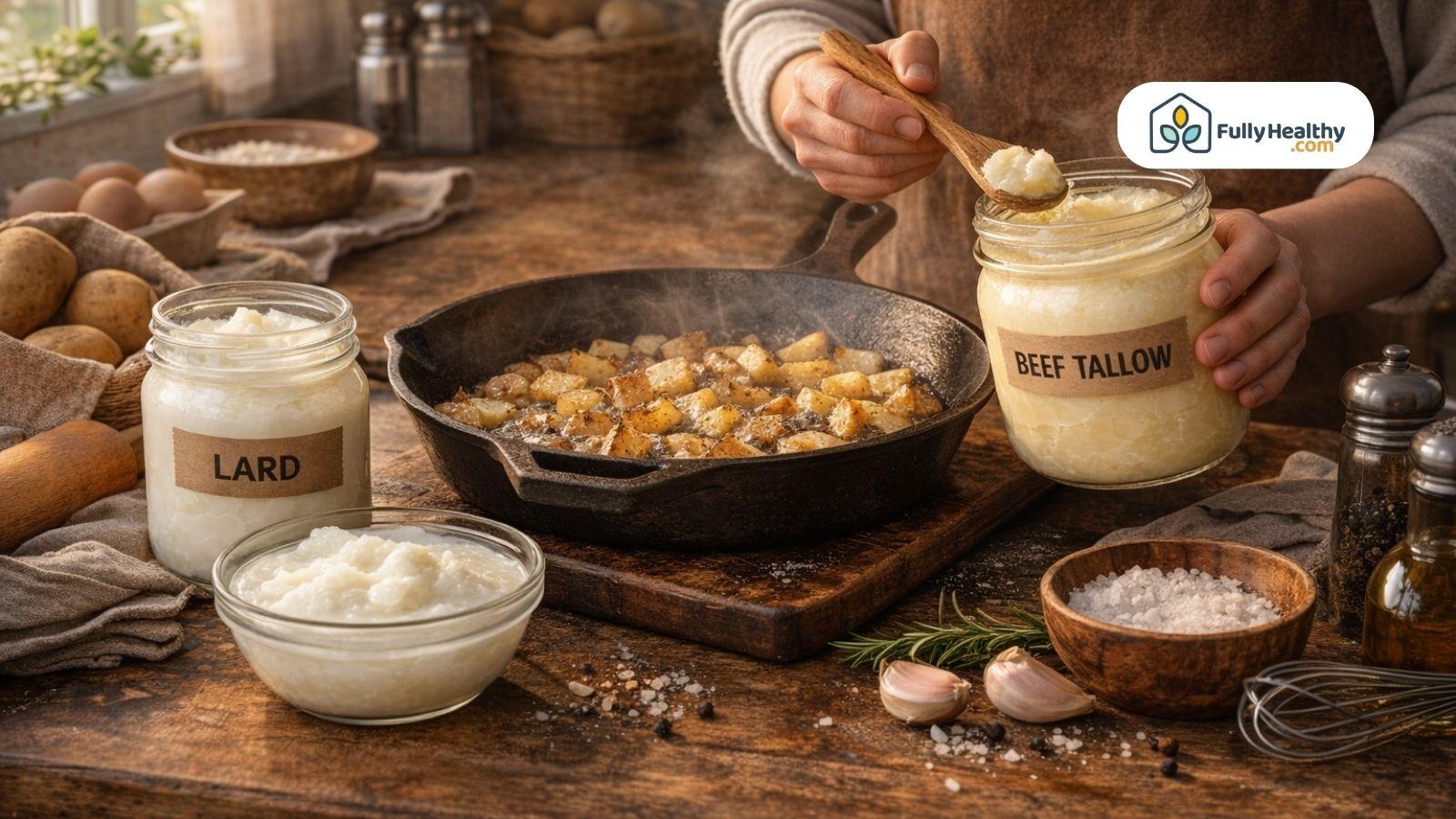
People used to keep tallow and lard in every kitchen and even call them "liquid gold." People began to use different cooking oils over time because of changes in health trends and new products on the market.
The Rise Of Vegetable Oils And Low-Fat Diet Trends
People liked seed oils and processed lard in the 1900s because they were cheap and simple to use. A lot of people thought they were better than regular fats.
-
Shift In Use: Other cooking oils replaced lard and tallow in everyday cooking.
-
Convenience: Processed lard and cooking oil products were easier to store than raw fat.
-
Diet Trends: Low-fat diets made people avoid traditional cooking fats like lard and tallow.
Heart Health Concerns And Saturated Fat Debate
People who work in health care have warned that saturated fats can cause heart disease. Because of this, a lot of people used less rendered beef fat and rendered lard.
-
Health Concerns: Saturated fats like stearic acid were linked to higher cholesterol levels.
-
Diet Advice: People were told to choose olive oil and other fats over animal fats.
-
Ongoing Debate: Some research now suggests not all saturated fats affect health the same way.
What Are The Disadvantages Of Tallow?
Beef tallow has some health benefits, but it's not perfect for all kitchens or diets. It may not be as good as other fats because of the way it tastes, feels, and how much fat it has.
Health And Nutritional Concerns To Know
Too much tallow may not be good for you because it has a lot of saturated fats. Still, it has good things for you in it, like conjugated linoleic acid and fat-soluble vitamins.
-
Moderation Matters: Tallow can be a healthy fat when used in small amounts, especially grass fed tallow.
-
Nutritional Content: High quality beef tallow provides some nutritional benefits, including vitamin D.
-
Comparison: Other fats like olive oil may offer more heart-friendly options.
Practical Downsides: Storage, Flavor, And Skin Reactions
Tallow has a strong flavor and a firm texture, so it might not work in all recipes or suit your tastes. Trends in skincare routines also use it, but the results aren't always the same.
-
Strong Taste: Its beefy flavor can overpower light dishes and baked goods.
-
Limited Use: It may not replace lard in recipes that need a neutral taste or neutral flavor.
-
Skin Use: Some people use it on skin, but it may clog pores depending on skin type.
What Do Cardiologists Think Of Beef Tallow?
People who work with hearts are wary of beef tallow. It's good for cooking because it has a high smoke point, but the fact that it contains fatty acids makes me nervous. Scientists are most interested in how it might affect heart health over time, even though it can handle high temperatures and is stable enough to fry. Tallow shouldn't be your main cooking fat because of this. Instead, you should use it in a balanced way.
Cardiologist Warnings About Saturated Fat Intake
Many heart experts say that LDL cholesterol can go up if you eat too much saturated fat. If you do this every day, it might make you more likely to get heart disease.
-
Heart Risk: Diets high in saturated fat may raise cholesterol and increase long-term heart risk.
-
Fatty Acid Content: Beef tallow contains stearic acid and other fats that are still being studied.
-
Expert Advice: Cardiologists often suggest limiting animal fats and using a mix of different fats.
Is There Any Room For Tallow In A Balanced Diet
Some experts agree that small amounts of tallow can still be used. Because it has a high smoke point, it can be used for some types of cooking, like roasting and frying.
-
Moderate Use: Small amounts of tallow can fit into a balanced diet.
-
Cooking Strength: Its high smoke point makes it great for cooking at high temperatures.
-
Better Texture: Tallow can add extra crispiness to fried foods and roasted dishes.
What Does Fully Healthy Offer For Those Comparing Beef Tallow And Lard?
FullyHealthy is an online store that sells simple and clean foods. It helps people choose products that are good for their diets by letting them compare options like tallow and lard. Anyone who wants to find healthier cooking fats and pantry items can use the platform.
What Kind Of Diet-Friendly Products Does FullyHealthy Provide
FullyHealthy has items that are made for specific diets like Paleo and AIP. These foods are made with simple ingredients and don't contain any common allergens.
-
Diet Support: Products are designed for AIP, Paleo, and gluten-free lifestyles.
-
Clean Labels: Items are made with simple ingredients and avoid additives.
-
Wide Selection: The site offers snacks, pantry items, and everyday cooking essentials.
Are There Tallow Or Alternative Fat Products Available
There may be options on the platform for cooking oils like beef tallow. These help people compare old-fashioned fats to newer ones.
-
Fat Options: Products may include tallow and other animal-based fats.
-
Alternatives: Options like coconut oil and olive oil are also available.
-
Cooking Uses: These fats can be used for frying, baking, and general cooking needs.
Final Thoughts
Is beef tallow the same as lard? The short answer is no, but both are good cooking fats that do different things well. Lard has a neutral taste that is great for baking, while tallow has a rich flavor and a high smoke point. Knowing the difference between tallow and lard can help you make the right choice for your cooking needs and personal preferences. To get the benefits of both while keeping your diet balanced, use them in small amounts.
FAQs
How unhealthy is beef tallow?
Beef tallow is high in saturated fats, so frequent use may raise cholesterol levels, and experts like those from Harvard advise choosing unsaturated fats such as olive oil more often.
What is the unhealthiest oil to cook with?
Highly processed oils, especially those exposed to high heat repeatedly, are often considered the least healthy due to oxidation and harmful compounds.
Is tallow really good for aging skin?
Tallow contains antioxidants and moisturizing properties, but dermatologists say it is not specifically designed to treat aging skin effectively.
Is beef tallow healthier than butter?
Beef tallow and butter have similar fat profiles, but tallow may contain slightly more monounsaturated fats, though neither should be overused.
Can I use beef tallow on my face every day?
You can use beef tallow daily if your skin tolerates it, but it is best to start slowly and monitor for clogged pores or irritation.
Leave a comment