

Is Butter Dairy Free? Simple Facts You Should Know Today
Is butter dairy free? No. Regular butter is a dairy product because it is made from milk or cream. However, it contains very little lactose, so some people with lactose intolerance may tolerate small amounts.
That does not make it safe for people with a milk allergy. If you avoid dairy, plant-based butters made from ingredients like coconut, cashews, or vegetable oils can be better options. This guide explains what counts as dairy-free and which choices may suit you best.
Is Butter Dairy Free?
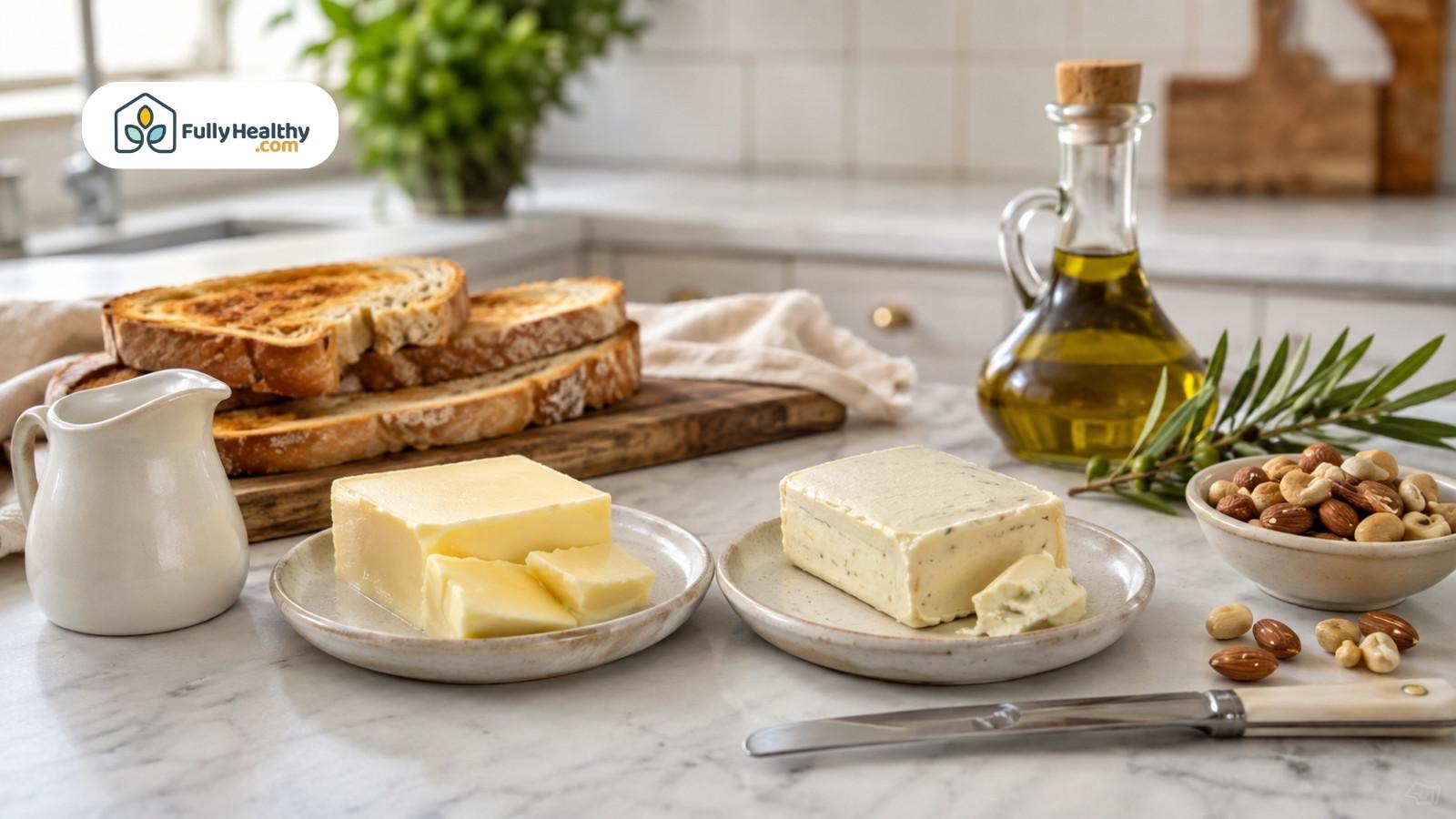
Many people ask, is butter dairy free? The simple answer is no. Butter is made from cow's milk, so it is considered dairy. It contains only low amounts of lactose, but it still has milk components. This matters for people following a dairy free diet or living with a dairy allergy. Understanding the difference between dairy and lactose can help you choose foods more safely.
Is Butter Dairy Free or Simply Low in Lactose?
Butter is made by churning cream until the fat separates from the buttermilk. During this process, much of the lactose is removed. However, butter still comes from milk, so it remains considered dairy.
Some people who are lactose intolerant can consume small amounts because butter contains very little lactose. Still, it is not the same as lactose free milk and should not be treated as part of a lactose free diet without checking personal tolerance.
-
Made From Milk: Butter comes from cow's milk, so it is a dairy product.
-
Low in Lactose: Butter contains low amounts of lactose, but it is not completely lactose-free.
-
Milk Proteins Remain: Small amounts of milk protein can still be present in regular butter.
-
Different From Ghee: Ghee has fewer milk solids, but it is still made from dairy.
Why Do People Confuse Dairy-Free With Lactose-Free?
People often think that foods with very little lactose are automatically dairy free, but that is not correct. Dairy refers to foods made from milk, while lactose is the natural sugar found in milk. Some people cannot digest lactose, while others need to avoid eating all dairy because of a dairy allergy.
-
Lactose Intolerant: A person may struggle to digest lactose but still tolerate small amounts of butter.
-
Dairy Allergy: Even tiny amounts of milk protein can cause a reaction in some people.
-
Common Dairy Foods: Cheese, yogurt, butter, and cream are all considered dairy.
-
Check Before Buying: Always read the ingredient list on store bought foods.
What Kind of Butter Is Not Dairy?
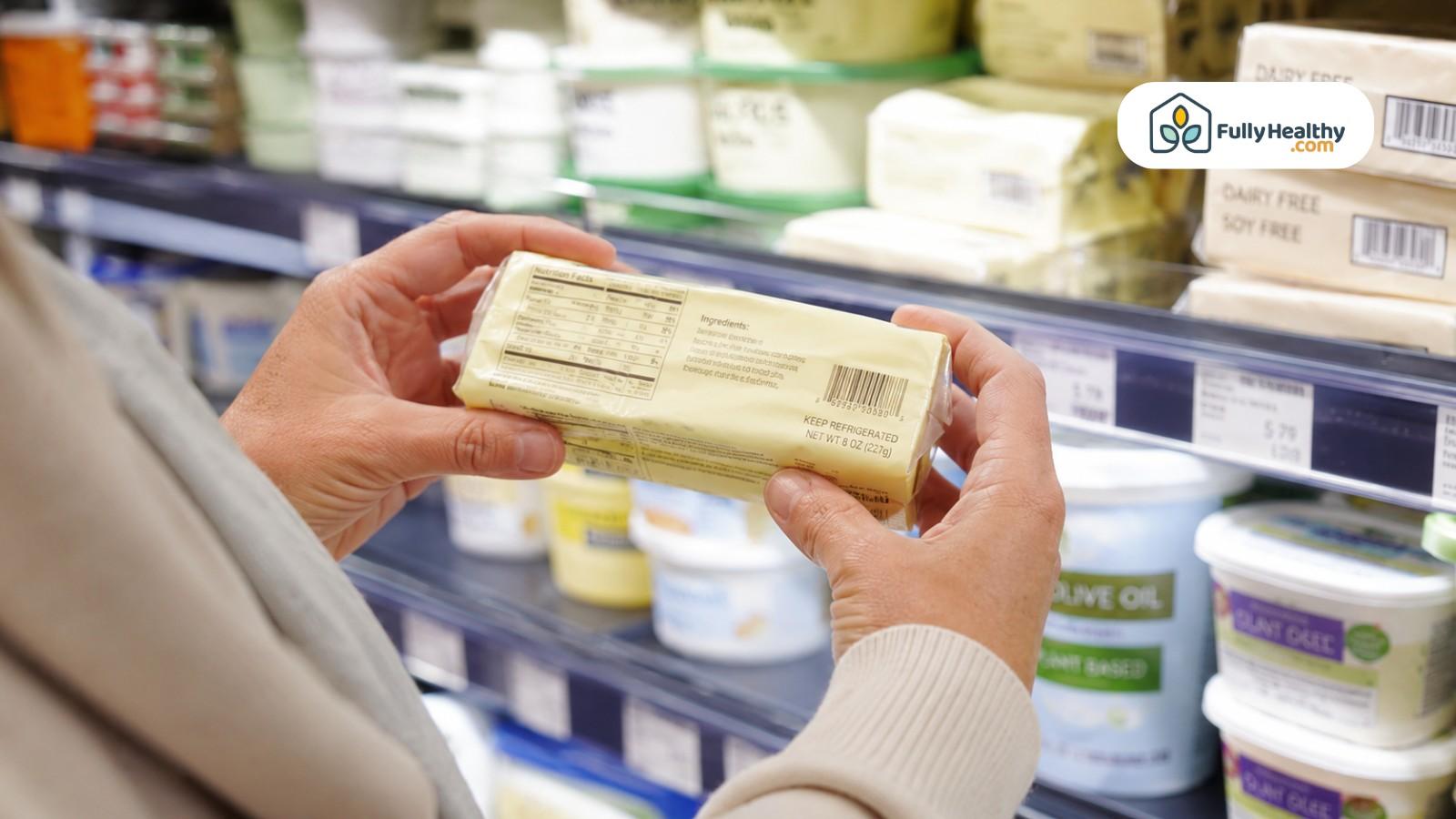
If you need dairy free butter, look for products made from plant ingredients instead of milk. These options are useful for people following a dairy free diet and can work well for spreading, baking, and cooking. However, ingredients can vary widely, so it is important to compare labels before you buy.
Which Plant-Based Butters Are Actually Dairy-Free?
Plant-based butter is made without cow's milk. Instead, brands may use sunflower oil, palm oil, coconut, nuts, or other plant-based fats. Many choices are delicious and practical, but not every margarine is dairy-free. Some products may still contain milk ingredients.
-
Common Ingredients: Sunflower oil, palm oil, coconut oil, and cashew-based blends are often used.
-
Popular Choice: Earth Balance is a well-known dairy free butter option.
-
Check Margarine Carefully: Some margarine may still contain dairy ingredients.
-
Read the Label: Review the ingredient list every time because formulas can change.
Which Dairy-Free Butter Works Best for Baking, Cooking, or Spreading?
The best choice depends on how you plan to use it. Some products are softer and work well as a spread, while others are better for baking because their fat content is closer to regular butter. A balanced blend of oils can also improve texture and flavor.
-
For Baking: Choose options with enough fat to support the texture of muffins and yeast breads.
-
For Cooking: Look for products that melt evenly and do not contain too much water.
-
For Spreading: Softer dairy-free products are easier to use straight from the fridge.
-
For Health: Compare calories, saturated fats, salt, sugar, and added vitamin content before choosing.
Can Dairy-Free People Eat Butter in Baked Goods?
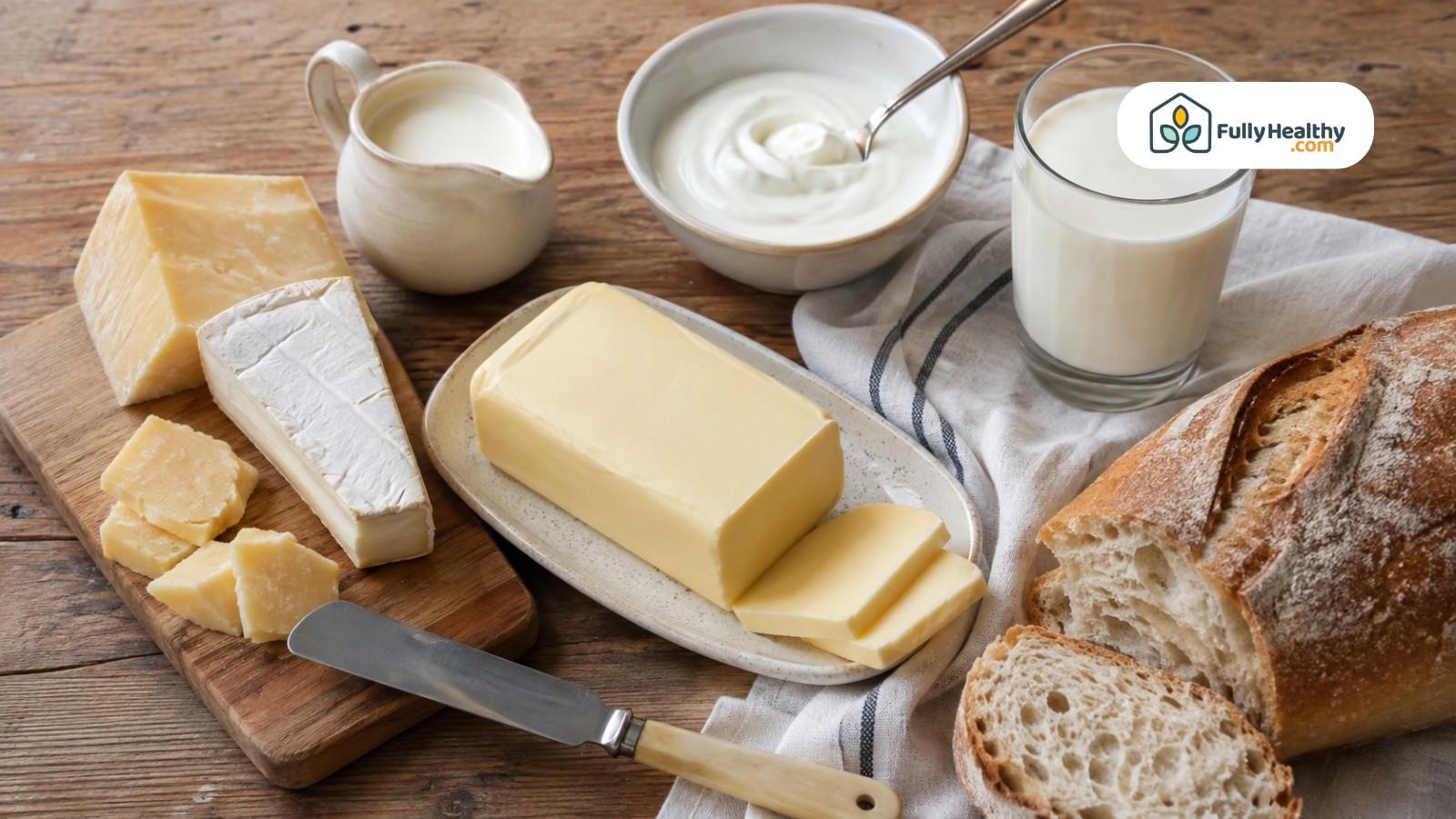
Some people believe that baking removes dairy from butter, but that is not true. Heat changes the texture of butter, but it does not remove the milk ingredients. Whether butter is considered safe depends on why you avoid dairy and how much you consume.
Does Baking Remove the Dairy From Butter?
Butter keeps its milk proteins even after it is baked. This means cookies, cakes, or muffins made with regular butter are not dairy-free. Most people with a dairy allergy should avoid eating these foods unless a safe substitute is used.
-
Heat Does Not Remove Dairy: Milk proteins stay in the food after baking.
-
Not Safe for Dairy Allergy: Baking does not remove the protein that can trigger an allergic reaction.
-
Check Packaged Foods: Store bought baked goods may contain butter, milk, eggs, or other dairy ingredients.
-
Know Your Needs: Choose foods that match your diet and personal tolerance.
Which Dairy-Free Butter Substitutes Work Best in Baking?
Many dairy free butter products can replace regular butter in baking, especially when the fat level is similar. The right substitute can help baked foods stay moist, tender, and delicious without adding dairy.
-
Use a 1:1 Swap When Suitable: Many dairy free butter products can replace regular butter in equal amounts.
-
Watch the Moisture Level: Products with more water may change the texture of baked foods.
-
Check the Ingredients: Each product has a different blend, so always read the ingredient list.
-
Match the Recipe: Choose a substitute that fits the type of baking or cooking you plan to do.
Can You Eat Butter If You Are Dairy Free?
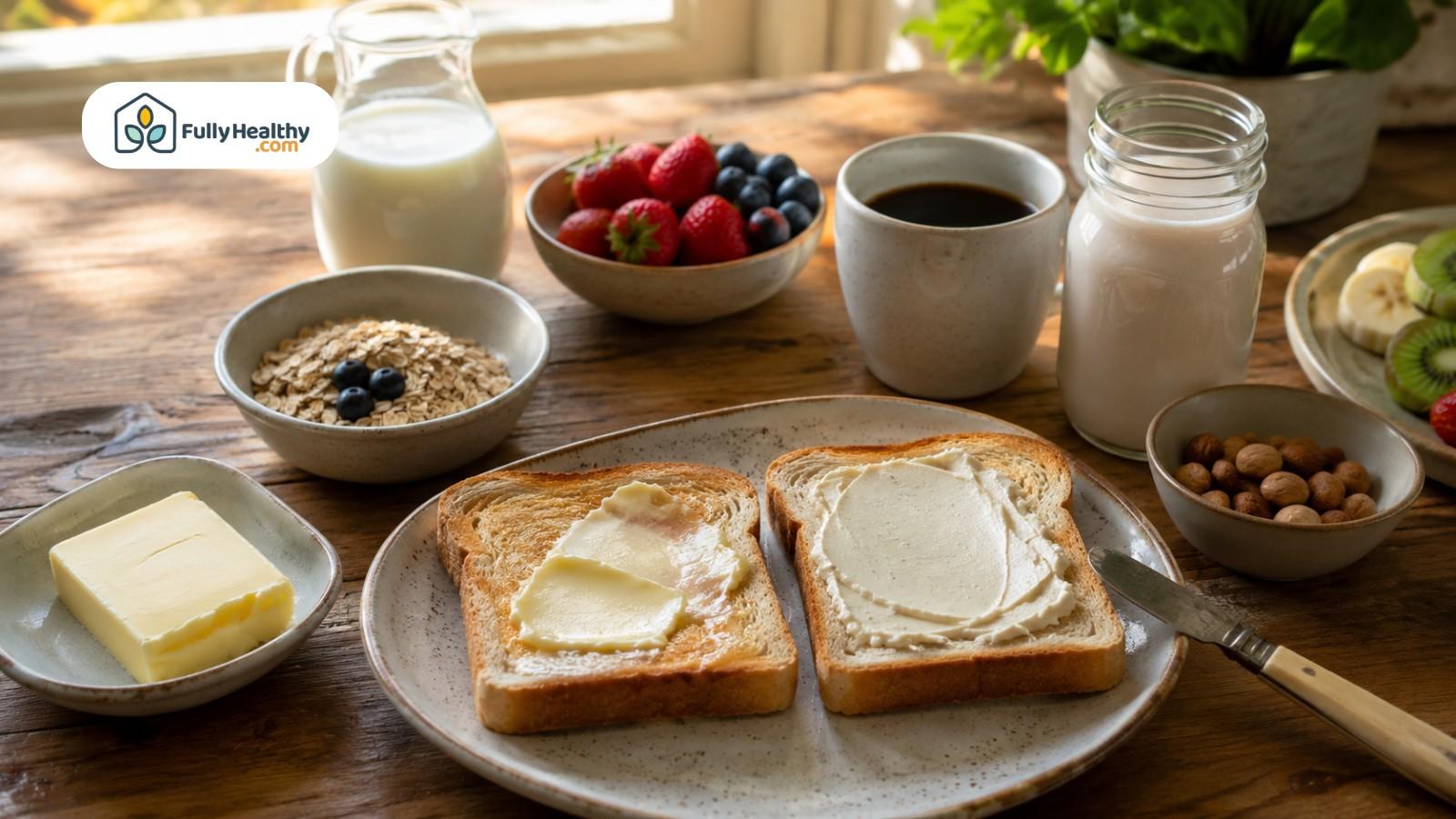
Whether you can eat butter depends on why you avoid dairy. Regular butter is made from milk, so it is not suitable for everyone. Some people may tolerate small servings, while others need to avoid it completely. Knowing your reason for avoiding dairy can help you make safer and healthier choices without unnecessary worry.
Can People With Lactose Intolerance Eat Butter?
People who are lactose intolerant do not make enough lactase, the enzyme that helps break down lactose into simpler sugars such as glucose. Because butter contains only a small amount of lactose, many people can eat it in moderation without strong symptoms. However, tolerance can vary from person to person.
-
Know Your Limits: Some people can eat small amounts of butter without problems, while others may notice symptoms after a small serving.
-
Understand Digestion: Lactase works in the intestines to help break down lactose so the body can absorb it more easily.
-
Watch Portion Size: Eating large amounts of butter may increase the chance of digestive discomfort.
-
Ask for Guidance: If you are unsure about your tolerance, speak with a healthcare professional before changing your diet.
Should People With a Milk Allergy Avoid Butter Completely?
A dairy allergy is different from lactose intolerance because it involves the immune system. Even tiny amounts of milk protein can cause a reaction. Regular butter may come from cow, buffalo, or other animal milk, so people with a dairy allergy should avoid it unless a healthcare professional says it is safe.
-
Avoid Regular Butter: People with a dairy allergy should not eat standard butter because it contains milk proteins.
-
Read Every Label: Packaged foods can contain hidden dairy ingredients, even when dairy is not obvious.
-
Choose Safer Alternatives: Plant-based spreads can be a better example for people who need to avoid milk proteins.
-
Do Not Guess: When eating away from home, ask about ingredients instead of assuming a food is safe.
How Can FullyHealthy Help You Find Dairy-Free Alternatives?
Finding specialty foods can take time, especially when you need dairy-free options. FullyHealthy brings together products for different dietary needs, which can make it easier to compare ingredients in one place. The site also offers plant-based products that may fit a dairy-free lifestyle when their labels are checked carefully.
Which Specialty-Diet Products Can You Find at FullyHealthy?
FullyHealthy carries products for special diets, including AIP-friendly and gluten-free choices. Its catalog includes plant-based spreads and pantry products that can make meals more enjoyable, whether you are preparing breakfast toast or looking for a rich ingredient for a recipe.
-
Artisana Raw Cashew Butter: Made with organic raw cashews and suitable as a spread, smoothie addition, or topping.
-
Artisana Coconut Butter: Made from whole coconut flesh and offers a rich texture that works well on fruit or toast.
-
Specialty Collections: Products are grouped by dietary needs, which can make browsing easier.
-
Simple Shopping: You can compare specialty products in one place instead of searching several stores.
Which FullyHealthy Products Are Most Relevant if You're Avoiding Dairy?
If you avoid dairy, focus on products with clear ingredient information. Artisana Raw Cashew Butter , Off the Farm Peanut Butter Banana, and Artisana Coconut Butter are useful examples because they are plant-based and made with simple ingredients. As a course of action, always review the product page before buying because formulas and labels can change.
-
Check Ingredients First: Read the full product details before making a purchase.
-
Try Plant-Based Options: Cashew butter and coconut butter can be delicious on a slice of bread or toast.
-
Avoid Assumptions: Not every specialty product is dairy-free, so always verify the ingredient and allergen information.
-
Learn From Others: Reviews, community feedback, or a helpful comment can offer useful insight, but product labels should still be your main source of information.
Final Thoughts
The answer to is butter dairy free is simple: regular butter is a dairy product because it is made from milk. Although it contains very little lactose, it is still not suitable for people with a dairy allergy and may not work for everyone with lactose intolerance.
If you want to avoid dairy, choose plant-based alternatives and always check the ingredient list before buying. Reading labels helps you make informed choices that match your health goals and dietary needs.
Different products have different tastes, so it is worth trying a few options to find your favorite. When enjoyed appropriately, the right alternative can offer benefits while helping you maintain a balanced diet that fits your lifestyle.
FAQs
Can people with lactose intolerance still eat butter?
Some people can tolerate small amounts of butter, but tolerance varies from person to person.
Is ghee better than regular butter for dairy-free diets?
No, ghee is still made from milk, so it is not considered dairy-free.
What are the benefits of dairy-free butter?
The benefits depend on the product, but many plant-based options are suitable for people avoiding dairy.
Why do dairy-free butter alternatives have different tastes?
Different ingredients, such as coconut or cashews, give each product its own tastes and texture.
Can human milk be used to make butter?
While butter can technically be made from the fat in human milk, it is not a practical or common food product.
Leave a comment