

Is Butternut Squash Healthy? Benefits And Carb Facts
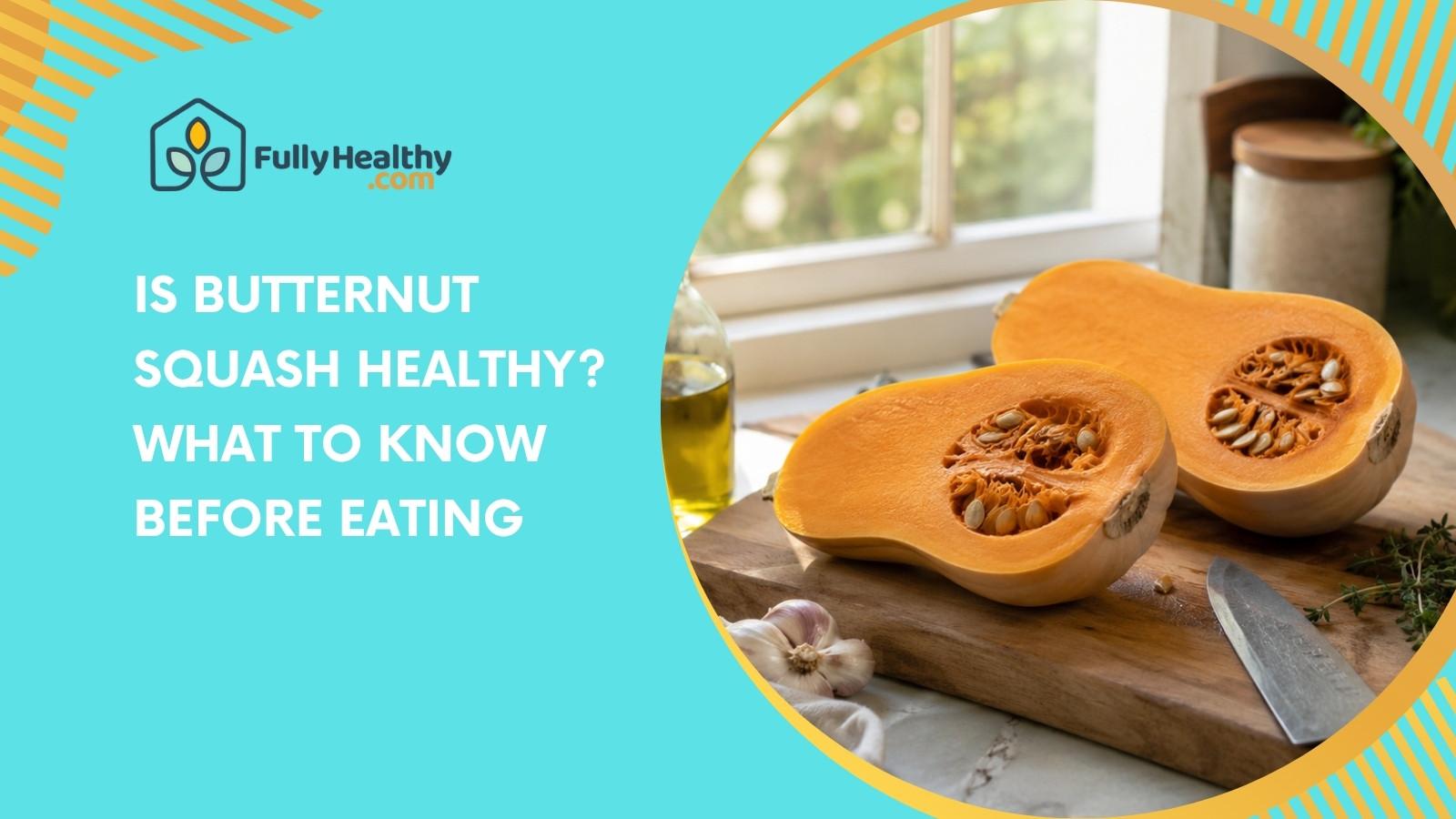
Is butternut squash healthy? Yes, it is a smart choice for most diets. This orange winter squash is low in calories and has fiber, vitamin A, vitamin C, potassium, and antioxidants.
It can support digestion, eye health, immunity, and balanced meals. It is also a good carb when eaten in the right portion. In this guide, you’ll learn how it compares with sweet potato, if it helps with weight loss, and how to eat it in healthier ways.
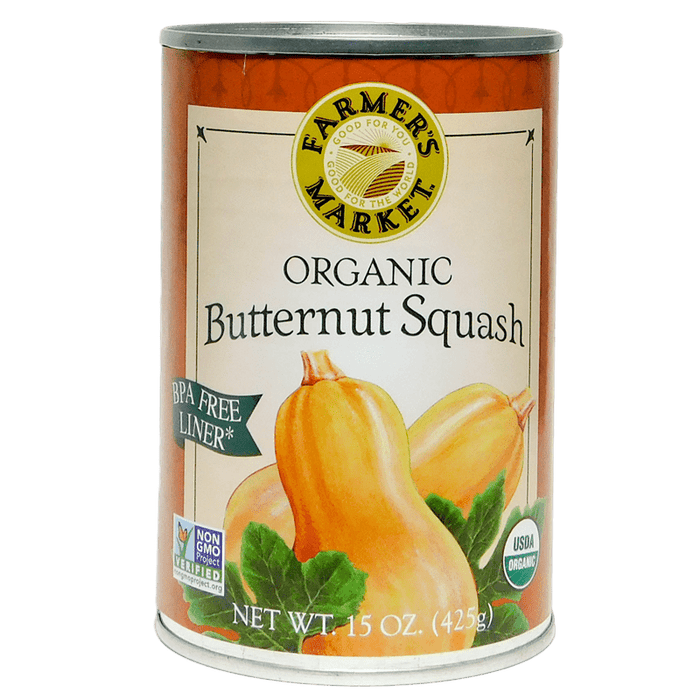
Featured Pantry Pick
Farmer's Market // Organic Butternut Squash 15 oz
$4.99
Is Butternut Squash Healthy?

Yes, butternut squash is healthy. This winter squash has bright orange flesh, a vibrant orange color, and a naturally sweet taste. Although people cook it like a vegetable, it is actually a fruit, not a tropical fruit. Its nutritional value comes from dietary fiber, essential vitamins, minerals, and antioxidants.
Why Butternut Squash Is A Healthy Choice
Butternut squash nutrition gives your body useful nutrients without adding too many calories. The benefits of butternut squash come from vitamin A, vitamin C, beta carotene, potassium, magnesium, and plant compounds that help fight disease.
-
Low-Calorie Food: Eating butternut squash can support weight management because it adds volume and comfort to meals without many calories.
-
Fiber Support: Dietary fiber helps the digestive system, supports gut health, and helps you feel full after eating.
-
Antioxidant Value: Beta carotene supports eye health, healthy vision, immune function, and may help protect the body from chronic diseases.
What Nutrients Make Butternut Squash Good For You?
The health benefits of butternut come from its mix of vitamins, minerals, and antioxidants. Vitamin a supports the immune system and eye health, while vitamin c supports immune function and skin repair. Potassium may also support blood pressure and heart health.
-
Heart Support: Potassium and fiber may help support heart health and lower heart disease risk when part of a balanced diet.
-
Bone Support: Magnesium, vitamin C, and each essential nutrient in butternut squash may help support bone health.
-
Cell Protection: Vitamin E, carotenoids, and antioxidants may support brain health and help protect cells linked to chronic diseases.
What Is Healthier, Sweet Potato Or Butternut Squash?
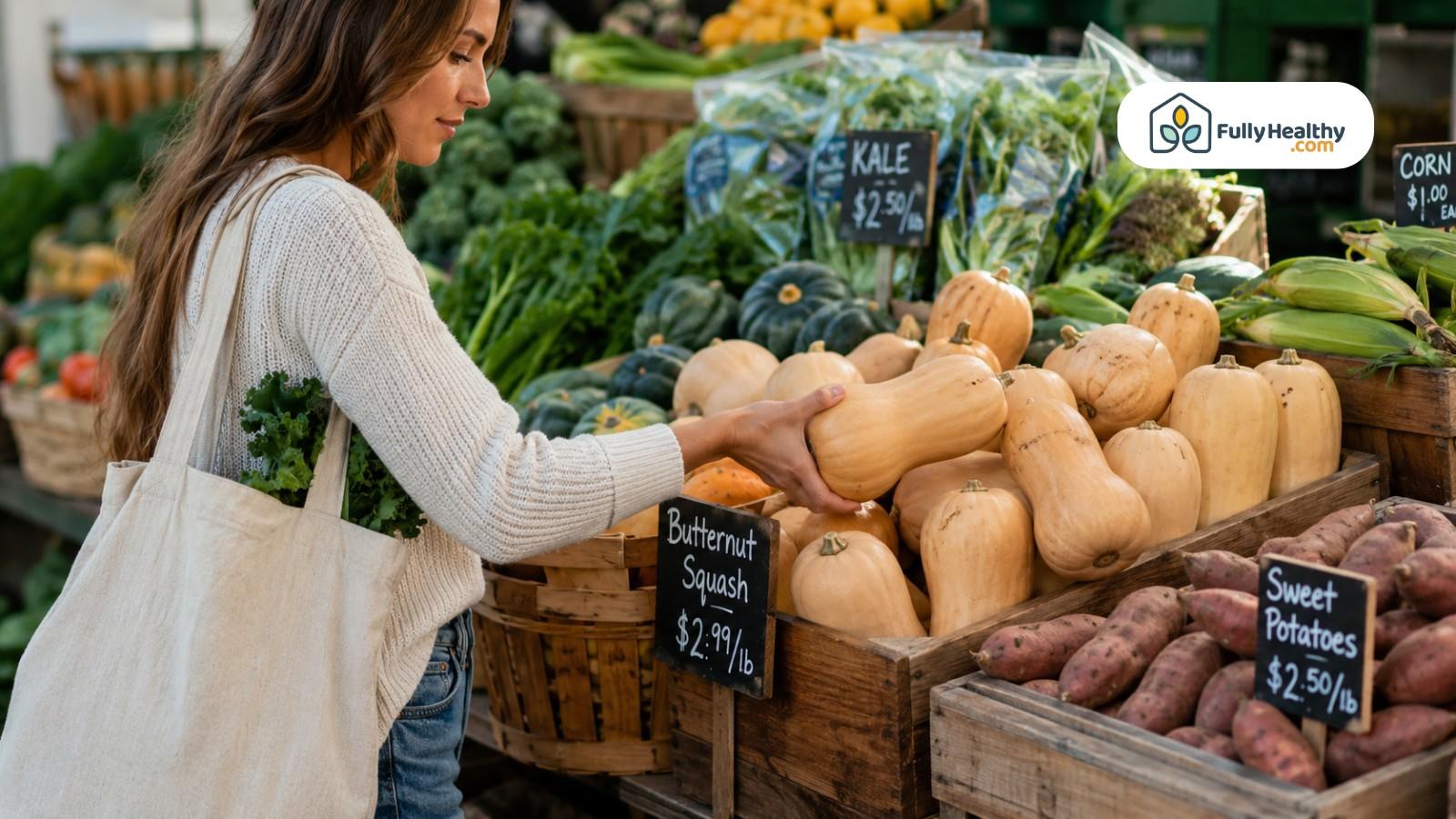
Sweet potato and butternut squash are both healthy carbs. Butternut squash is lower in calories and carbohydrates, while sweet potato is denser and has more natural sugar. The better choice depends on your health goal, portion size, and the rest of your meal.
Butternut Squash Vs Sweet Potato Nutrition Comparison
Butternut squash is lighter and easy to use in soups, bowls, and baked butternut squash dishes. Sweet potato is denser and more filling. Compared with spaghetti squash, acorn squash, summer squash, and raw squash, each type has its own texture, flavor, and nutrients.
-
Choose Butternut Squash: Pick it when you want fewer calories, mild sweetness, and a lighter side dish.
-
Choose Sweet Potato: Pick it when you want more energy from carbs and a more filling meal.
-
Compare Portions: You can usually eat more butternut squash for fewer calories compared with sweet potato.
Which One Is Better For Blood Sugar?
Butternut squash may be easier for blood sugar control because it has fewer carbs than sweet potato. Still, portion size matters. Pair it with protein, healthy fats, and vegetables to slow digestion and keep meals balanced.
-
Balanced Plate: Serve it with chicken, fish, beans, eggs, tofu, or leafy greens for a more complete meal.
-
Smart Fat: Add a small amount of olive oil to improve flavor and help your body absorb fat-soluble nutrients.
-
Better Prep: Cook butternut squash without adding sugar, syrup, or heavy cream to keep it healthier.
Is Butternut Squash Ok For Weight Loss?
Yes, butternut squash can fit into a weight loss plan. It is filling, naturally sweet, and lower in calories than many starchy sides. The key is how you prepare butternut squash and what you serve with it.
How Butternut Squash Supports Fullness
Fiber and water in butternut squash help meals feel bigger and more satisfying. This can reduce the need for extra snacks and support weight management without making your meals feel plain or boring.
-
Filling Meals: Add cubes to salads, soups, rice bowls, grain bowls, or protein plates for more volume.
-
Simple Swaps: Use squash instead of creamy sides, fried potatoes, or heavy casseroles.
-
Steady Energy: Fiber slows digestion and may help support better blood sugar control after meals.
Best Ways To Eat Butternut Squash For Weight Loss
To prepare butternut squash, wash it, cut butternut squash carefully, scoop out the seeds, then roast, steam, or blend it. You can eat raw butternut squash, but raw butternut and raw squash are tough, so most people prefer cooked versions.
-
Roast It: Toss cubes with olive oil, herbs, and pepper, then bake until tender and lightly browned.
-
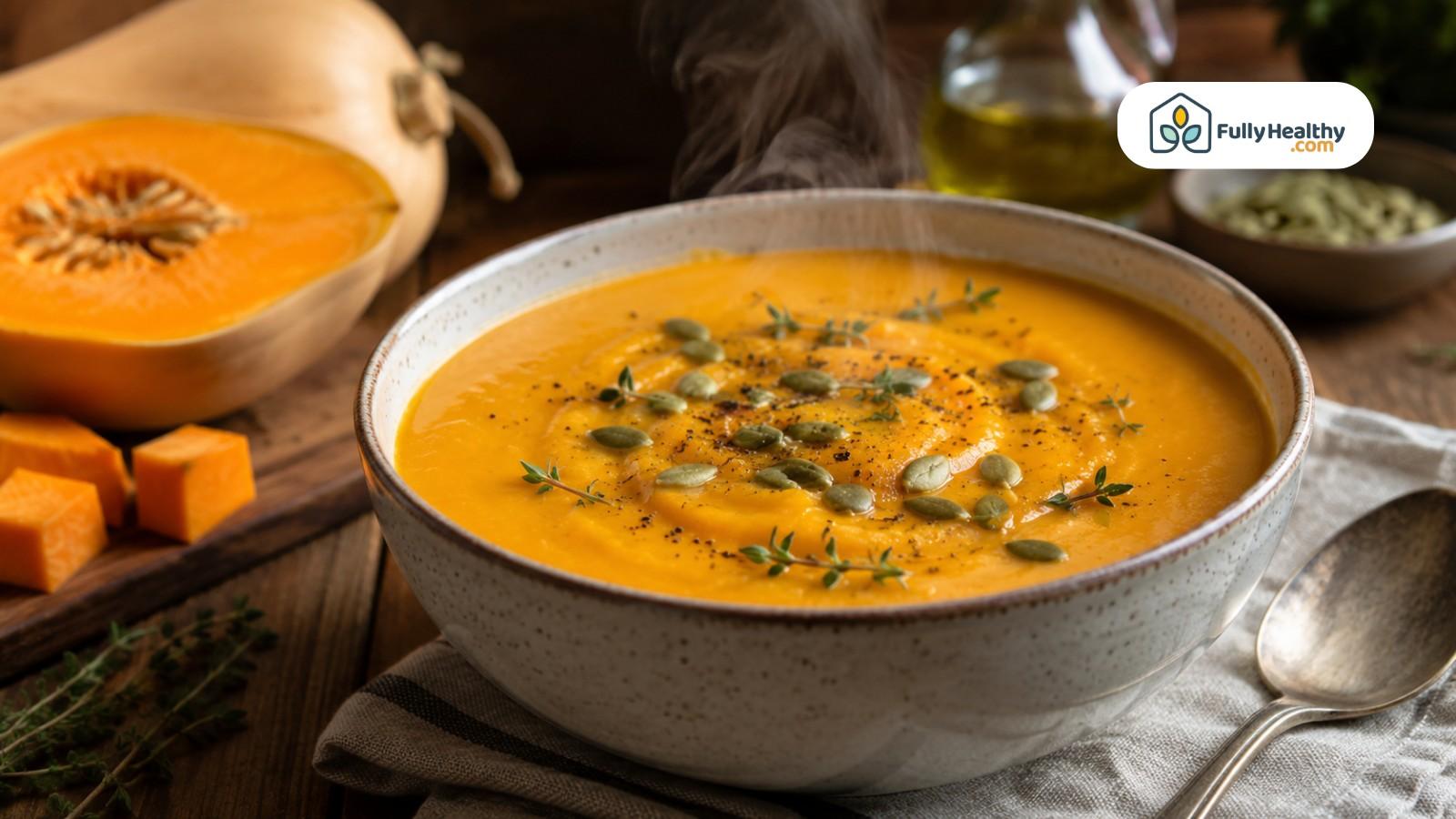
Blend It: Make soup with broth, garlic, onions, and vegetables for a warm and filling meal.
-
Keep It Light: Avoid too much butter, sugar, cheese, and cream if your goal is weight loss.
Is Butternut Squash A Good Or Bad Carb?
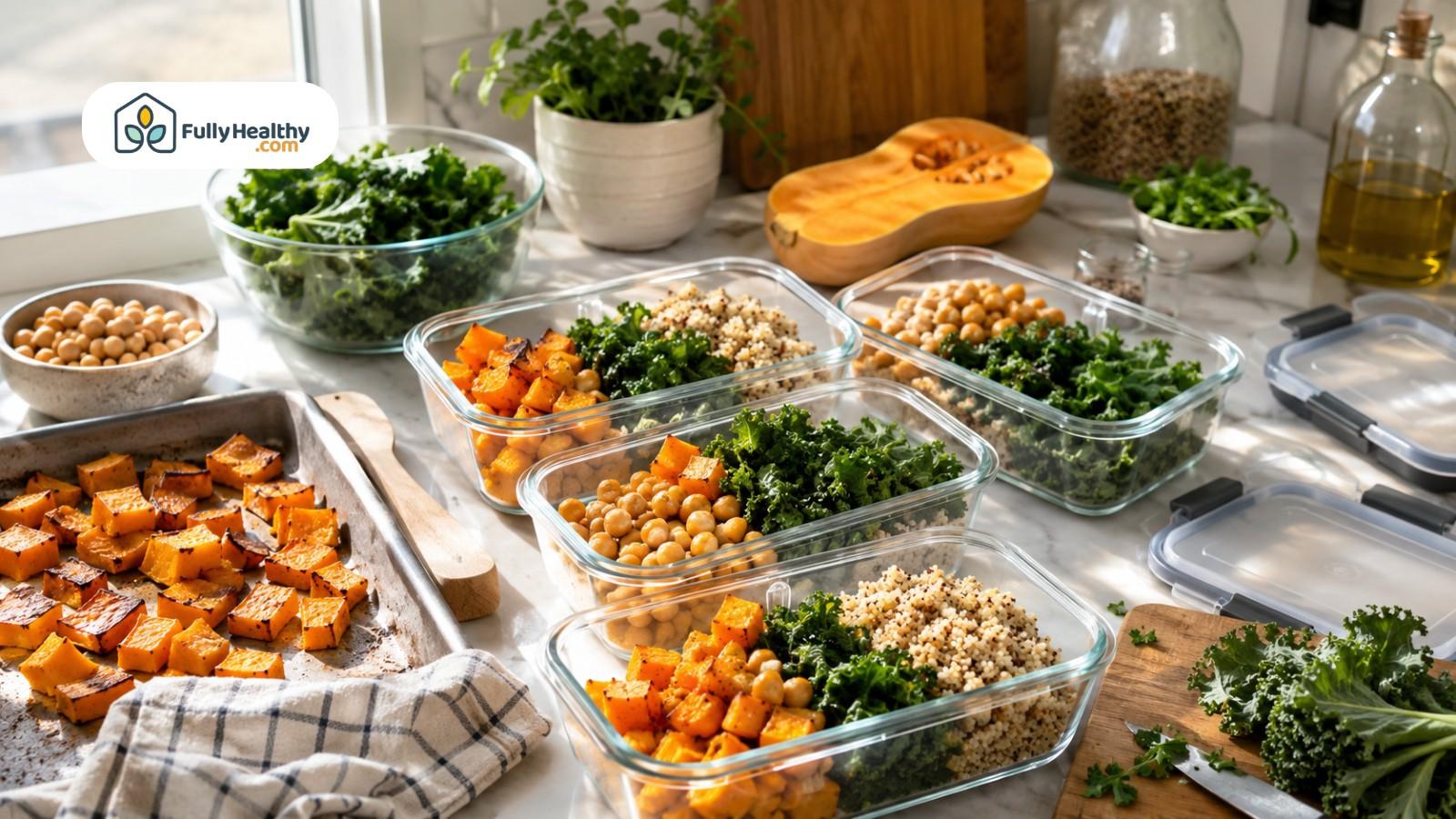
Butternut squash is a good carb because it gives your body more than starch. It has fiber, vitamins, minerals, and powerful antioxidants. One cup can fit well into meals when paired with protein and healthy fats.
Why Butternut Squash Is A Good Carb
Butternut squash contains carbohydrates plus fiber, making it generally more nutrient-dense than refined carbohydrates. Its high fiber content can support fullness, digestion, and steady energy. A registered dietitian may suggest it as a nutrient-rich carb for balanced meals.
-
Fiber Value: Fiber supports gut health and may help reduce blood sugar spikes after meals.
-
Nutrient Value: It provides b vitamins, vitamin C, potassium, and other nutrients that support good health.
-
Antioxidant Value: It has alpha carotene and beta-carotene, pigments the body converts into vitamin A for cell growth and eye support.
How To Eat Butternut Squash Without Spiking Blood Sugar
Portion size matters because butternut squash still has carbs. Keep it balanced by adding protein, vegetables, and healthy fat. This can slow digestion and make the meal more satisfying.
-
Smart Portion: Start with one cup, then adjust based on your health needs and meal goals.
-
Better Pairing: Serve it with chicken, fish, beans, eggs, tofu, or leafy greens.
-
Simple Cooking: Roast it with olive oil, blend it into soup, or mash it without added sugar.
-
Health Note: Diets high in fiber-rich vegetables may help support heart health and better digestion.
How FullyHealthy Makes Butternut Squash Easier To Use
FullyHealthy can help readers enjoy healthy pantry foods with less prep. Its products include Farmer’s Market Organic Butternut Squash, Farmer’s Market Organic Pumpkin, and Pickled Planet Veda Kraut. These give simple and delicious ways to build quick meals.
FullyHealthy Products That Fit A Healthy Pantry
The butternut squash puree is helpful when you do not want to peel, cut, or cook squash from scratch. Pumpkin is another smooth option for soups, baking, and savory recipes.
-
Butternut Squash Puree: Use it for soups, sauces, casseroles, pasta dishes, or easy side dishes.
-
Pumpkin Puree: Add pumpkin to muffins, oatmeal, soups, sauces, or smoothies for extra flavor and nutrients.
-
Veda Kraut: Use this raw sauerkraut as a tangy side, topping, or bowl add-on.
-
Daily Value: Check the label to see how each serving fits your daily value goals.
How These Products Help With Quick Healthy Meals
These products make healthy eating easier when you are busy. They add fiber, color, and flavor without long prep time. They also help you build simple meals at home.
-
Fast Meals: Stir squash puree into broth, herbs, and protein for a quick soup.
-
Balanced Plates: Pair squash or pumpkin with protein, greens, and healthy fat for a filling meal.
-
Inflammation Support: Diets rich in fruits and vegetables are associated with lower inflammatory and oxidative stress markers.
-
Research Context: Cancer research studies plant antioxidants and certain diseases, but no single food can prevent disease on its own.
Final Thoughts
Is butternut squash healthy? Yes, it is a smart food for good health because butternut squash contains fiber, b vitamins, vitamin C, potassium, alpha carotene, and powerful antioxidants. One cup can contribute fiber, vitamin A precursors, vitamin C, and potassium as part of an overall balanced diet.
Its bright color comes from plant pigments that the body converts into vitamin A, which helps eye health and cell growth. Its high fiber content may also support heart health and blood sugar balance. Like pumpkin, it works in soups, sides, sauces, and other delicious ways.
Diets high in colorful plant foods may help reduce inflammation, but cancer research shows no single food prevents certain diseases by itself. Ask a registered dietitian for personal daily value needs.
FAQs
What Are The Main Benefits Of Eating Butternut Squash?
Butternut squash may support digestion, eye health, immune function, blood pressure, bone health, heart health, brain health, weight management, and gut health because it has dietary fiber, vitamin a, vitamin c, vitamin e, beta carotene, essential vitamins, and other nutrients.
Can You Eat Raw Butternut Squash?
Yes, you can eat raw butternut squash, raw butternut, or raw squash, but it is tough, so most people prefer to cook butternut squash, cut butternut squash into cubes, prepare butternut squash for roasting, or make baked butternut squash with olive oil and healthy fats.
Is Butternut Squash Better Than Other Squash?
Butternut squash is different from spaghetti squash, acorn squash, summer squash, and other winter squash because it has bright orange flesh, a vibrant orange color, and a naturally sweet taste, while still giving strong butternut squash nutrition and nutritional value.
Is Butternut Squash Good For Blood Sugar And Heart Health?
Yes, eating butternut squash in the right portion may support blood sugar balance, blood pressure, heart health, and lower heart disease risk because fiber slows digestion and antioxidants may help fight disease and protect against unstable molecules linked to chronic diseases.
Is Butternut Squash A Fruit Or Vegetable?
Butternut squash is technically a fruit, but not a tropical fruit, and it is usually cooked like a vegetable because its essential nutrient profile, immune system support, immune function benefits, healthy vision support, and health benefits of butternut fit well in savory meals.
Leave a comment