

Is Cassava Flour Healthy? The Good and the Downsides
Is cassava flour healthy? It can be a useful gluten-free flour when properly processed and eaten as part of a balanced diet. It is high in carbohydrates and lower in some nutrients than other flours. This article explains its benefits, downsides, safety concerns, and how to choose suitable products.
Is Cassava Flour Healthy?
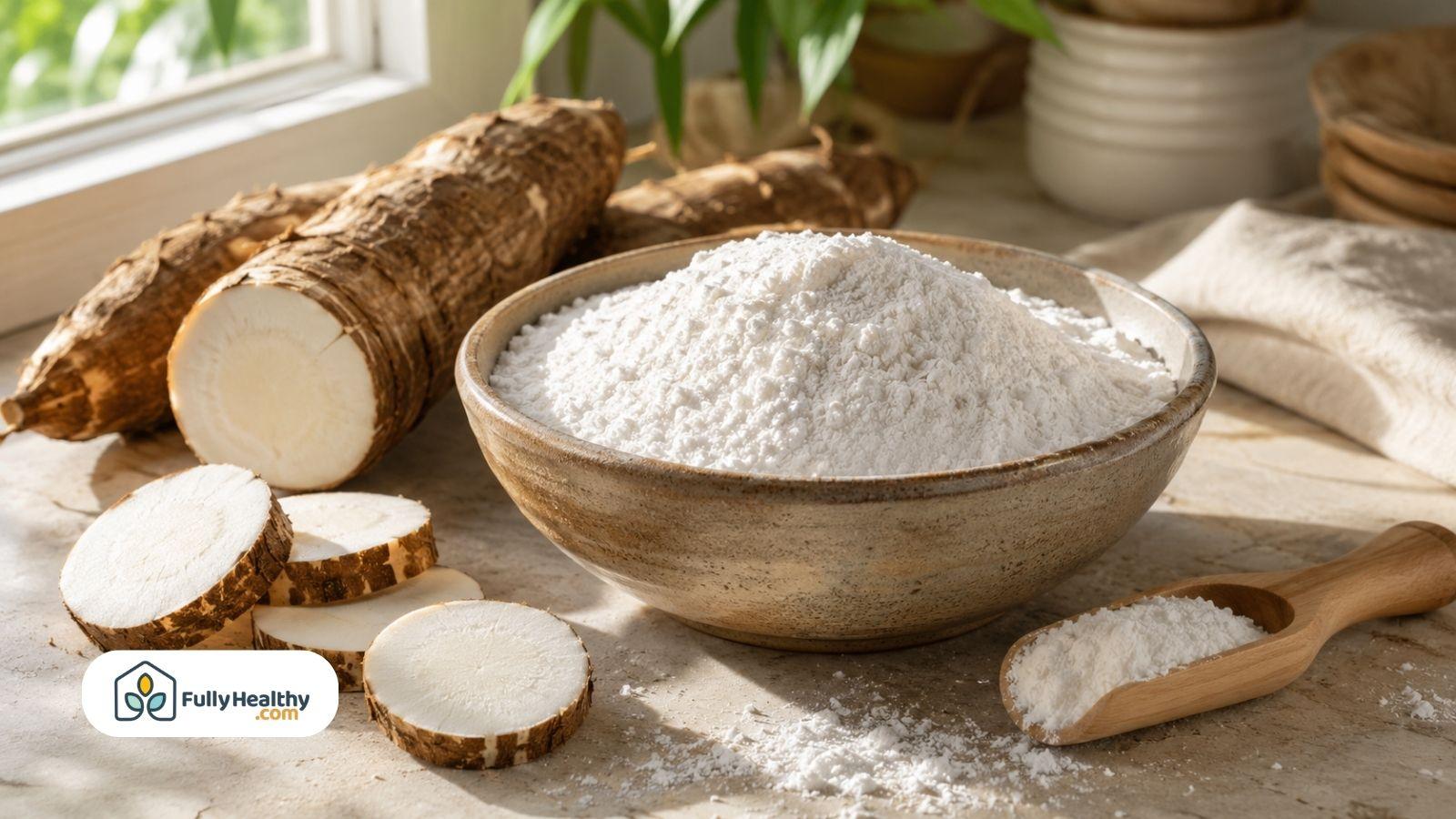
Cassava flour can be a practical choice for a balanced diet, especially for people who need gluten-free options. It is made from cassava root and is naturally gluten-free and grain-free. Its mild taste also makes it easy to use in many recipes.
Is Cassava Flour Healthy as Part of a Balanced Diet?
Cassava comes from the cassava plant, a starchy root vegetable native to South America. Today, it is a staple food in many countries. Cassava flour is produced from cassava root through steps that may include peeling, washing, grating or chipping, dewatering or fermentation, drying, and milling; appropriate processing is important for reducing cyanogenic compounds.
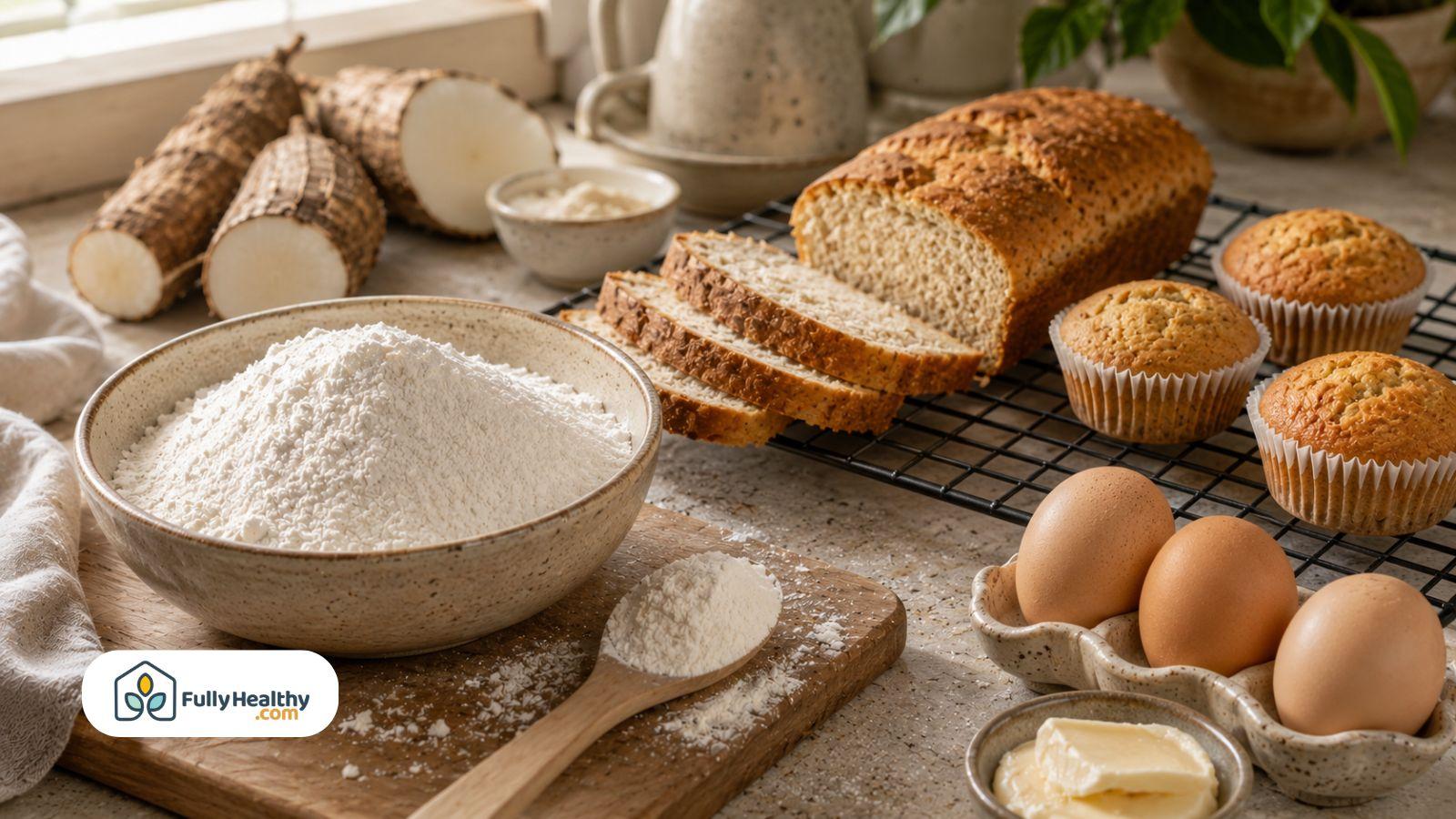
Cassava flour can replace wheat flour in some recipes, but substitution is not universally one-to-one because the absence of gluten and differences in starch and water-binding properties can alter texture and baking performance.
-
Nutrition profile: Nutrient composition varies substantially among cassava flours and processing methods. Report nutrition per 100 g or from the specific product label rather than describing 285 g as a standard ‘cup.’ Cassava flour is predominantly carbohydrate and generally low in protein and fat; vitamin C content can be substantially reduced during processing. Since cassava flour is carbohydrate-dense, it is best paired with foods that provide protein, healthy fat, fiber, and other essential nutrients.
-
Cassava versus tapioca: Cassava flour uses more of the whole root, while tapioca flour, also called tapioca starch, is made from only the starch. Tapioca is often used as a thickening agent and is also found in foods such as bubble tea.
What Health and Dietary Benefits Can Cassava Flour Offer?
The benefits of cassava flour mainly come from its flexibility in cooking and baking. It works well for gluten-free baking and paleo baking, and it can be an excellent substitute for people who avoid gluten or wheat. However, gluten-free does not always mean healthier, so the rest of the diet still matters.
-
Useful for special diets: Cassava flour can be used in baked goods and other recipes where wheat flour is normally used. Compared with other gluten-free flours, such as coconut flour or rice flour, it has its own mild flavor and texture.
-
Possible gut benefits: Cassava starch can contain resistant starch, but the amount in cassava flour depends strongly on processing, cooking, cooling, and other treatments. Evidence is insufficient to conclude that ordinary cassava flour reliably provides clinically meaningful gut-health benefits.
What Are the Downsides of Cassava Flour?
The main food safety concern with cassava involves cyanogenic compounds. These natural compounds can release cyanide if cassava is eaten in its raw form or prepared incorrectly. Proper processing greatly lowers this risk.
Why Does Proper Cassava Processing Matter for Cyanide Safety?
Cassava cyanogenic potential varies widely with cultivar, growing conditions, plant tissue, and processing; bitter cultivars generally contain more cyanogenic glycosides than sweet cultivars. Numerical ranges should not be presented as universal cutoffs.
Processing methods such as grating, soaking, fermentation, pressing, boiling, and drying can reduce cyanogenic compounds, but their effectiveness varies; combinations that disrupt plant tissue and permit leaching or volatilization are generally more effective than any single method.
-
Raw versus prepared cassava: Raw cassava should not be eaten without proper preparation. Processing and cooking are important for cassava flour, cassava chips, and other cassava products because they reduce the risk of cyanide poisoning.
-
Different root vegetables: Sweet potatoes and other root vegetables have different safety concerns, so cassava should not be treated the same way as every other root crop.
-
Heavy metal concerns: Questions about how much lead or other heavy metals a product contains should be answered through brand-specific testing. There is no reason to assume that all cassava products are contaminated.
Who Should Be More Cautious About Cassava and Cassava Flour?
Chronic exposure to inadequately processed cassava can increase thiocyanate exposure and interfere with iodine utilization, particularly where iodine intake is inadequate. Evidence does not support presenting properly processed commercial cassava flour as specifically hazardous during pregnancy, breastfeeding, or childhood solely because it is cassava.
Most of these warnings apply to cassava in general, not specifically to properly processed commercial cassava flour. People with thyroid conditions or other health problems should speak with a healthcare provider if they have concerns.
-
Balanced intake matters: Cassava flour is high in starch and carbohydrates, so it should not replace more nutrient-dense foods in the diet.
-
Check product labels: When buying from grocery stores or health food stores, review ingredients, allergen details, preparation instructions, and any available safety testing.
How Can Fully Healthy Help You Find Foods for a Specialized Diet?
Fully Healthy, formerly known as ShopAIP, offers foods for people following AIP, gluten-free, allergen-conscious, and other specialty diets. Its organized collections can make shopping easier for people who need to check ingredients carefully.
How Does Fully Healthy Make Specialty-Diet Shopping Easier?
Fully Healthy groups products into useful categories such as snacks, breakfast foods, seasonings, sweets, bundles, and personal care. It also organizes AIP foods by diet stage, which can make it easier to find suitable products.
-
AIP shopping by stage: Shoppers can browse AIP Elimination and AIP Reintro Stages 1 through 4, helping them narrow down products that fit their current diet plan.
-
Simple product discovery: The site brings specialty foods together in one place, which may save time for shoppers who normally have to compare many labels across different stores.
Which Verified Fully Healthy Products Can Specialty-Diet Shoppers Explore?
The Fully Healthy homepage shows several pantry items and baking products from different brands. The scanned page did not confirm a cassava flour product, so it would not be accurate to say that Fully Healthy currently sells one.
-
Sweetener options: Verified products included Big Tree Farms Organic Brown Coconut Sugar, Bob's Red Mill Organic Coconut Sugar, Coombs Family Farms Organic Maple Sugar, and Coombs Family Farms Organic Maple Syrup.
-
Baking options: Verified EAT G.A.N.G.S.T.E.R. products included “Cut-Out” Sugar Cookie Mix, Banana Bread Mix, and Chewy Choconot Brownie Mix.
-
Check current stock: Product availability can change, so shoppers should review the latest listings before buying ingredients for baking, cooking, or other recipes.
Final Thoughts
Cassava flour is a gluten-free option when properly processed and eaten in a balanced diet. Fresh cassava root contains vitamin C, but processing into flour can substantially reduce vitamin C; cassava flour should not be characterized as a dependable vitamin-C source unless product-specific analysis supports the claim.
FAQs
Is Cassava Flour Healthier Than Regular Flour?
It depends on your diet. Cassava flour is gluten-free, while wheat flour may provide more protein.
What Is the Healthiest Flour You Can Eat?
There is no single healthiest flour. The best choice depends on your dietary needs.
Which Is Healthier, Cassava or Almond Flour?
Almond flour has more protein and fat, while cassava flour is nut-free and higher in carbohydrates.
Is Cassava Safe for Kidneys?
There is insufficient cassava-flour-specific evidence to claim kidney-health benefits or risks. People with chronic kidney disease should follow individualized dietary guidance based on their overall nutrient and electrolyte requirements.
Is Cassava Flour Safe to Consume?
Properly processed cassava flour that complies with applicable limits for cyanogenic compounds is generally considered safe when consumed as intended; safety depends on adequate processing and product quality.
Leave a comment