

Is Chocolate A Fruit? From Cocoa Tree To Chocolate Bar
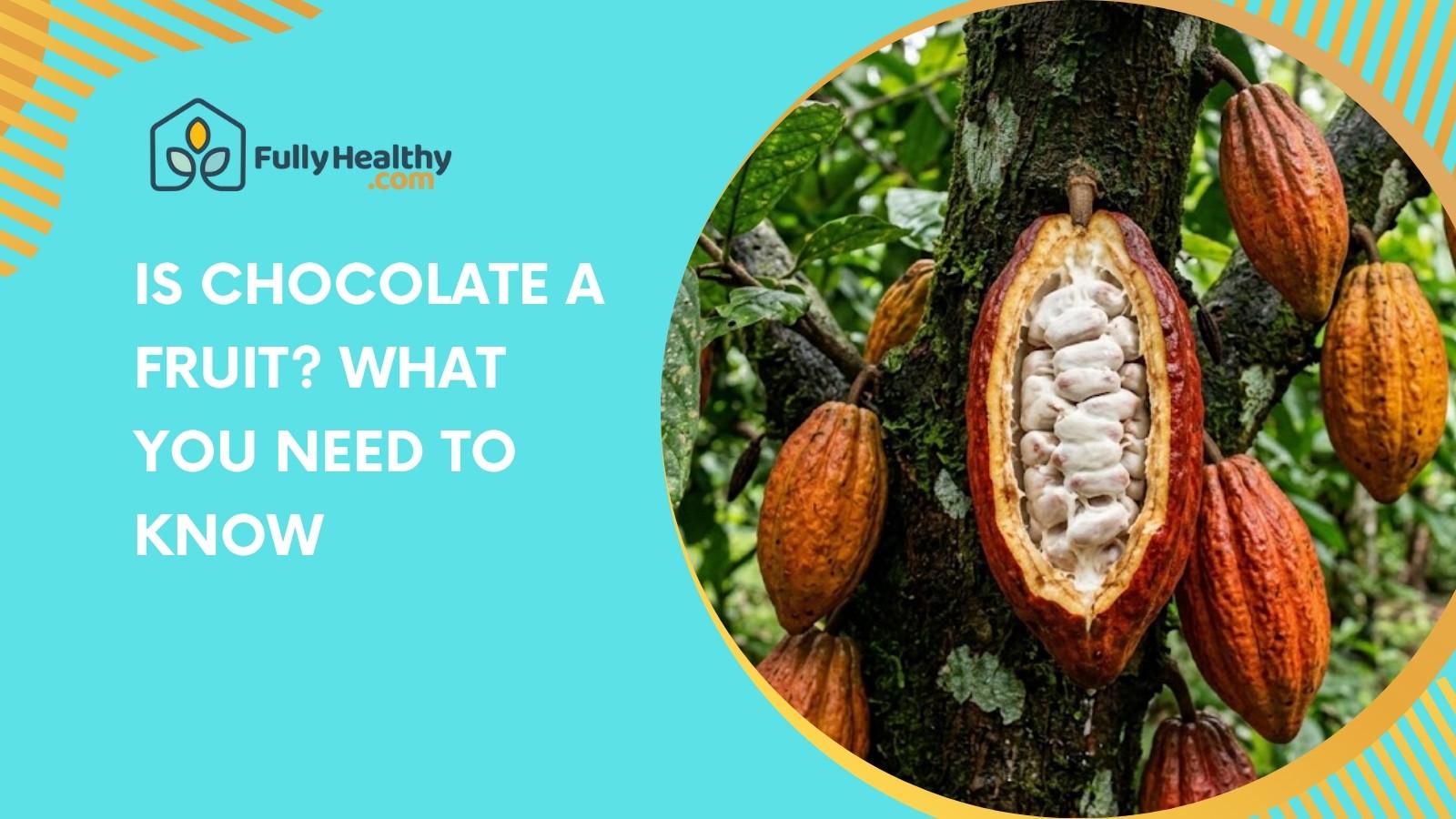
Is chocolate a fruit? The short answer is no, but it starts from one. Chocolate comes from cocoa beans, which grow inside the fruit of the cacao tree.
However, by the time those beans are roasted, ground, and mixed with other ingredients, chocolate becomes a processed food. Understanding this difference helps clear up common confusion about cocoa, fruit classification, and what you’re really eating.
Featured Baking Pick
Enjoy Life // Semi-Sweet Mini Chocolate Chips - 9 oz
Loading...
Is Chocolate A Fruit?
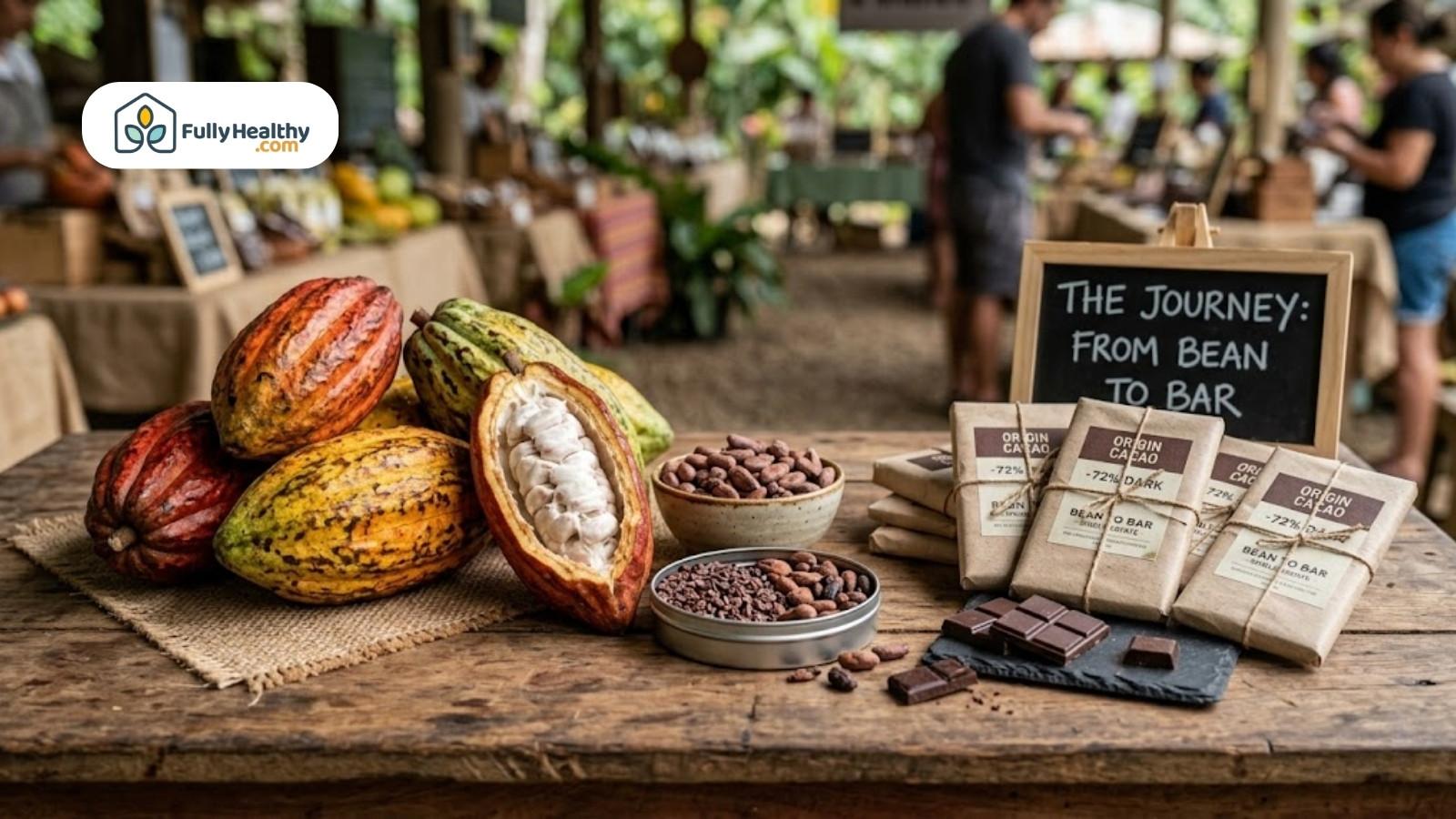
Chocolate often creates confusion, especially when people ask, is chocolate a fruit? The simple answer is no. It starts from a fruit but becomes something else after processing. It all begins with the cocoa tree, a tropical plant grown in South America and West Africa, where chocolate has its origin.
What Is Chocolate Made From? Inside of The Cacao Pods
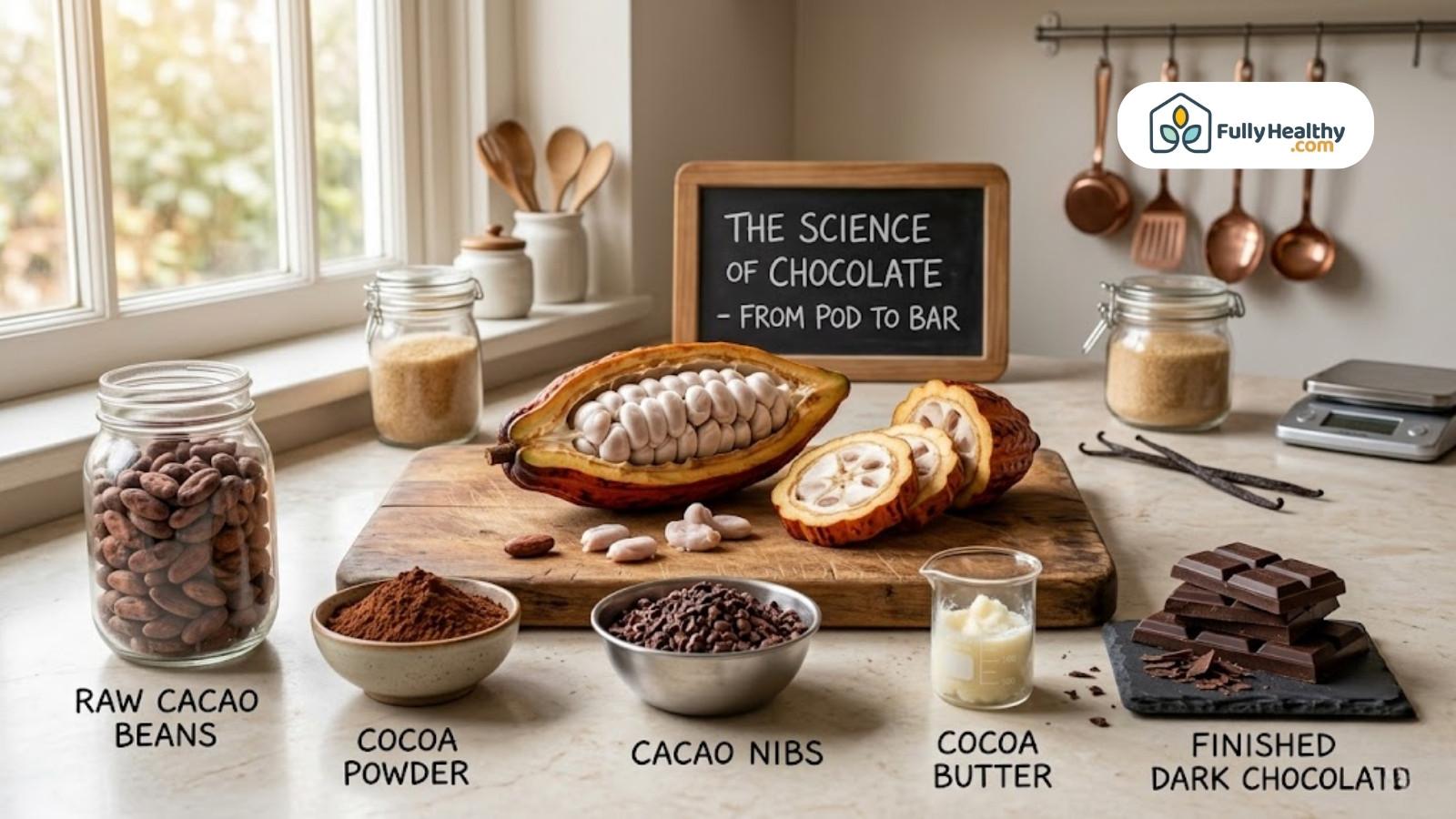
Chocolate comes from cocoa seeds found inside cacao pods. These pods grow on cocoa plants, known as theobroma cacao. After harvesting, the seeds go through several steps to become cocoa powder, cocoa butter, and chocolate products we enjoy today.
-
Cocoa origin: Grows on the cocoa tree, a fruit-bearing plant that produces large cacao pods.
-
Seeds inside fruit: Cocoa seeds are taken from each pod and used as the main ingredient.
-
Processing steps: Beans are fermented, roasted, and turned into nibs, liquor, cocoa butter, and cocoa powder.
-
Added ingredients: Sugar, milk, and vanilla are added to create different chocolate types.
Chocolate is A Fruit Or A Processed Food?
Even though chocolate comes from a fruit, it is not classified as one. The processing changes its structure, taste, and nutrition. Like grapes turning into wine, chocolate becomes a completely new product.
-
Not a whole food: Chocolate is derived from seeds but heavily processed.
-
Simple comparison: Grapes are fruit, but wine is not considered a fruit.
-
Ingredients matter: Sugar and milk move chocolate away from natural fruit classification.
-
Final form: What we consume is a processed food, not a raw plant or vegetable.
Is A Cocoa A Nut Or A Fruit?
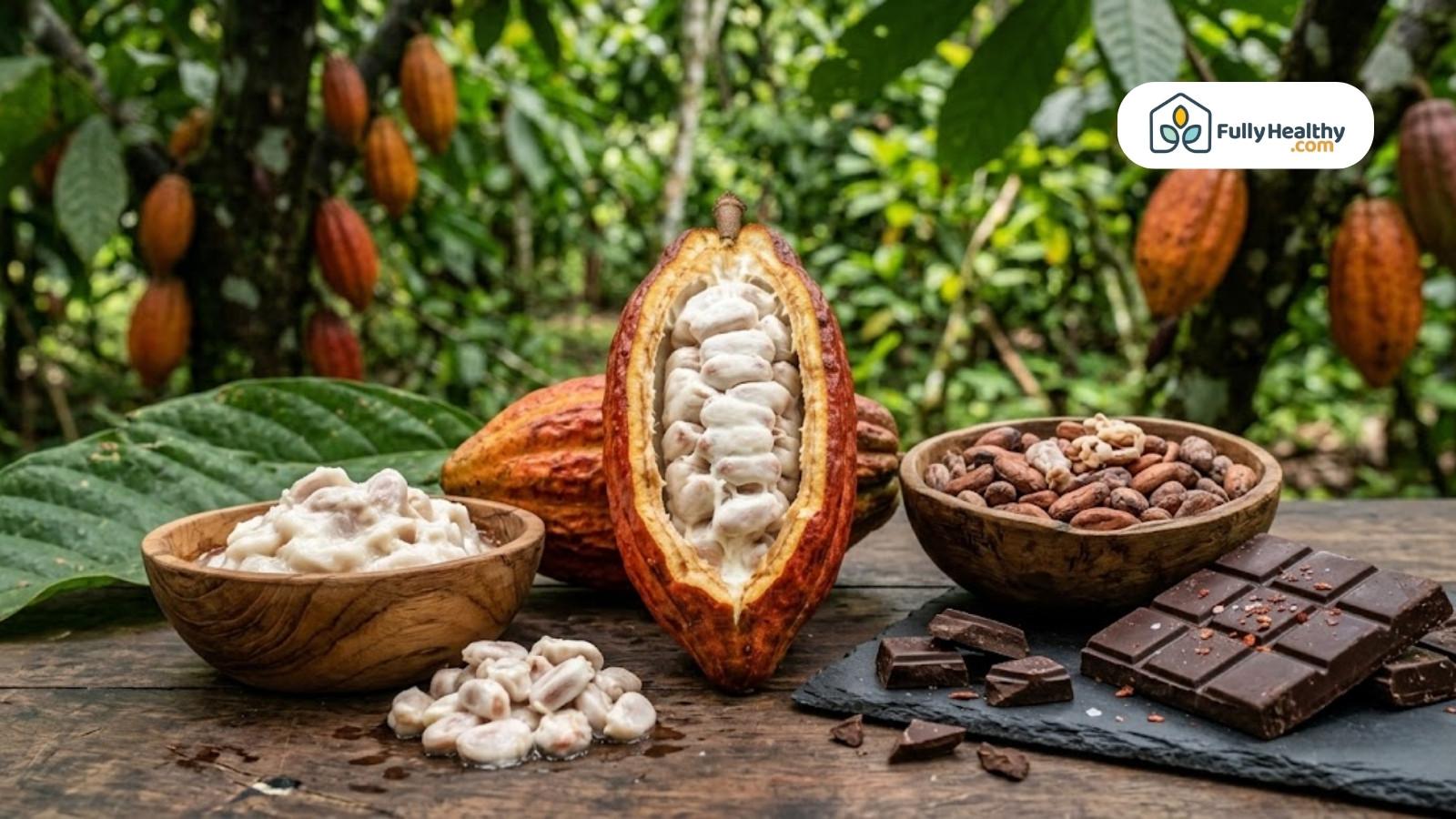
Cocoa is often mistaken for a nut, but it actually comes from a fruit. Cocoa pods grow directly on the trunk and branches of the cocoa tree. Inside each pod are seeds that are used to make chocolate.
Cocoa Beans Are Seeds Inside A Fruit
Cocoa beans are not nuts. They are seeds found inside a fruit called a pod. These pods grow on cocoa plants and contain a soft pulp around the seeds.
-
Botanical fact: Cocoa beans are seeds inside cacao pods, not nuts.
-
Plant classification: Theobroma cacao is a fruit-producing plant.
-
Pod structure: Each pod contains many seeds surrounded by pulp.
-
Edible form: Fresh seeds can be consumed, but they are typically bitter and astringent and rarely eaten without fermentation.
Why Cocoa or Cocoa Powder Is Sometimes Mistaken For A Nut
Cocoa is often confused with nuts because of how it looks and tastes after processing. Roasted cocoa nibs have a crunchy texture and rich flavor, which causes the mix-up.
-
Texture similarity: Roasted nibs feel crunchy like nuts.
-
Culinary use: Used in snacks and recipes similar to nuts.
-
Flavor profile: Deep, earthy taste adds to the confusion.
-
Common language: People describe cocoa seeds as nut-like, even though they are not.
Is Chocolate Bad For LDL Cholesterol?
Chocolate has both good and bad sides when it comes to health. Some types can support heart health, while others may not. It depends on the ingredients and how often it is consumed.
How Chocolate Affects LDL Cholesterol
Chocolate contains cocoa butter, which includes a type of fat called stearic acid. Stearic acid generally has a neutral or less LDL-raising effect compared to other saturated fats.
-
Fat composition: Cocoa butter contains stearic acid, a unique saturated fat.
-
Cholesterol impact: It does not increase LDL levels like butter does.
-
Better comparison: Butter raises LDL, while chocolate fat has a neutral effect.
-
Moderation matters: Eating too much can still affect overall health.
Do Antioxidants In Chocolate Protect Your Heart?
Dark chocolate is rich in flavonoids, which are natural compounds that support heart health. These antioxidants help protect the body from damage and improve overall nutrition.
-
Flavonoids: Found in dark chocolate and linked to heart benefits.
-
Antioxidant role: Helps reduce damage from free radicals.
-
Higher content: Hot dark chocolate contains more flavonoids than milk chocolate.
-
Nutrition value: Provides minerals and benefits when consumed in moderation.
What Chocolate Is 100% Nut Free?
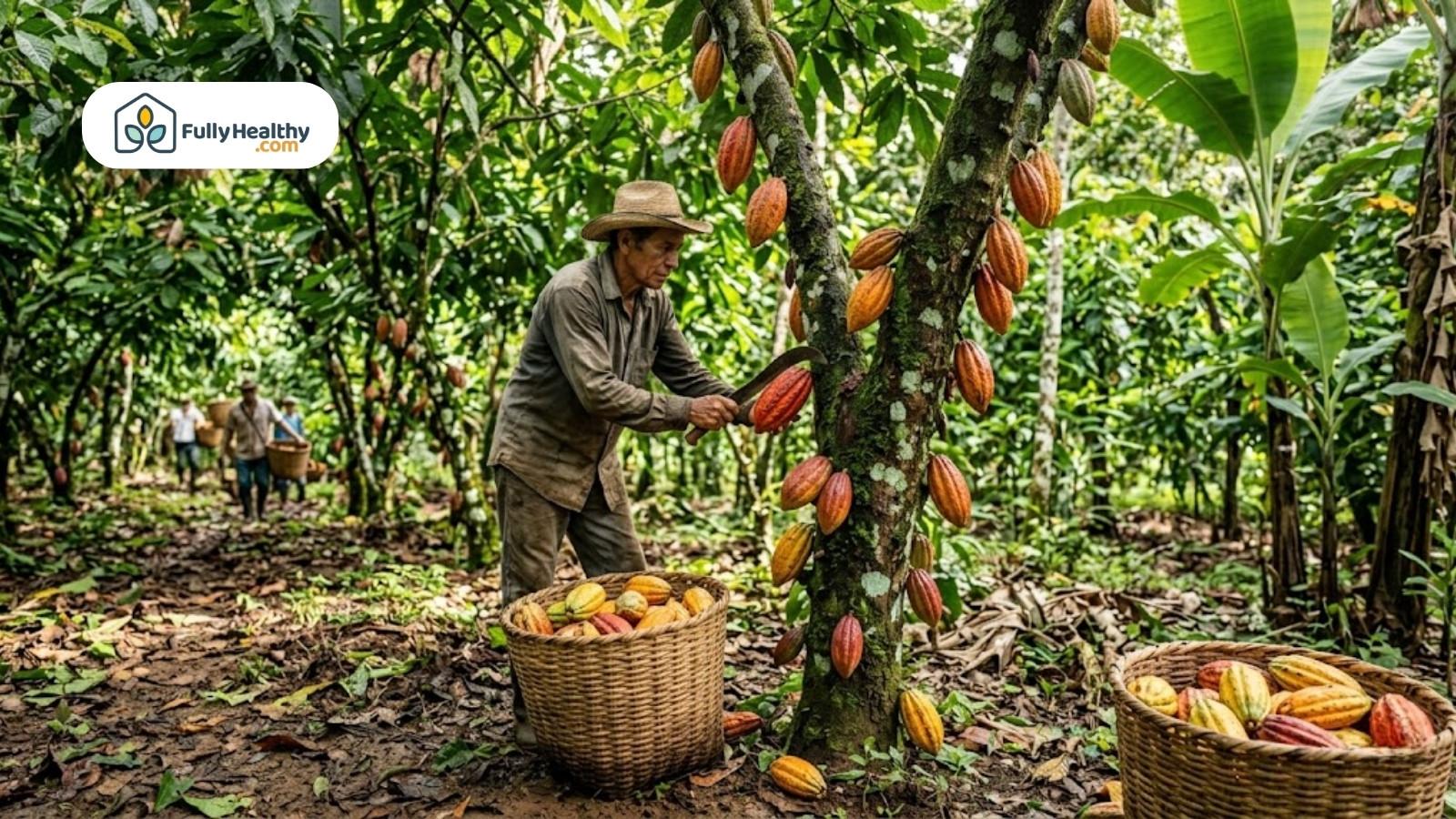
Finding chocolate that is truly nut free is important for people with allergies. Chocolate originates from the seeds of a fruit (cacao pod), not the fruit itself. Modern agriculture and careful management help reduce these risks and make chocolate safer to enjoy.
What “Nut-Free Chocolate” Really Means
Nut-free chocolate is more than just a recipe without nuts. It also means the product is made in a safe environment. This ensures there is no accidental mixing during production.
-
Ingredient safety: Chocolate must not include nuts or hidden nut-based ingredients.
-
Dedicated facilities: Made in spaces that do not handle nuts to avoid cross-contact.
-
Temperature control: Proper temperatures help prevent contamination during processing.
-
Clear labeling: Products are clearly marked so buyers know what is safe to consume.
Examples Of Certified Nut-Free Chocolate Products
Some brands focus only on nut-free chocolate. These products are carefully made and tested to ensure safety for people with allergies.
-
Product variety: Includes chocolate bark, fudge, and toffee made without nuts.
-
Safe production: Created in controlled environments with strict safety checks.
-
Allergy-friendly focus: Designed for people who need extra care with food choices.
-
Trusted quality: Brands build trust through consistent safety and testing standards.
FullyHealthy: Where To Find Clean Chocolate Options
FullyHealthy is a helpful online store for people with special diets. It offers clean and safe chocolate options in one place. While chocolate is a fruit in origin, modern products are made to fit different health needs.
Specialty Chocolate Products For Restricted Diets
FullyHealthy offers a range of chocolate-based products that fit strict diets. These options help people enjoy treats without worry.
-
Protein option: A double chocolate protein powder made with carob, offering a chocolate-like taste without cocoa.
-
Snack treat: A chocolate chip brookie that blends brownie and cookie textures using simple ingredients.
-
Baking chips: Semi-sweet chocolate chips that are dairy-free, nut-free, and easy to use in recipes.
-
Diet support: Products are suitable for paleo and other restricted diets.
Why FullyHealthy Is Ideal For Allergen-Free Chocolate
FullyHealthy makes shopping simple and stress-free. It helps users find safe products quickly without checking every label in a browser.
-
Easy navigation: A one-stop shop for allergen-free foods and chocolate options.
-
Clear categories: Helps users quickly find products that match their needs.
-
Trusted sourcing: Products come from brands focused on quality and safety.
-
Time-saving: Reduces the effort needed to check ingredients and labels.
Final Thoughts
Chocolate has a rich story that started near the equator, where cocoa trees grow with flowers and pods filled with seeds. It was traditionally used by the Aztecs in Mexico, where it was bitter and believed to be a drink of the gods. Over time, its introduction to Europe by Spaniards in the 16th century changed how it is consumed.
Today, chocolate is sold worldwide, from simple cocoa to brands like Hershey's. Research continues to explore its benefits and uses. Whether you read a page or website about it, chocolate’s journey from dried beans to modern treats shows how one ingredient has evolved across every century.
FAQs
Is chocolate connected to ancient cultures like the Aztecs?
Yes, chocolate originated in Mexico, where the Aztecs believed it was a gift from the gods and traditionally consumed it as a bitter drink.
How did chocolate spread to Europe?
Chocolate was introduced by Spaniards in the 16th century, and its popularity quickly grew across Europe over the next century.
Why was early chocolate different from today?
Early chocolate was bitter, made from dried cocoa beans, and not filled with sugar like modern products sold today.
What role does research play in chocolate today?
Modern research studies chocolate’s benefits, production, and how it is consumed globally across different cultures.
Where can I learn more about chocolate history?
You can explore any website or page about chocolate, but always check trusted sources—even a bot can guide you to helpful information.
Leave a comment