

Is Coconut a Nut? The Simple Answer You Need Today
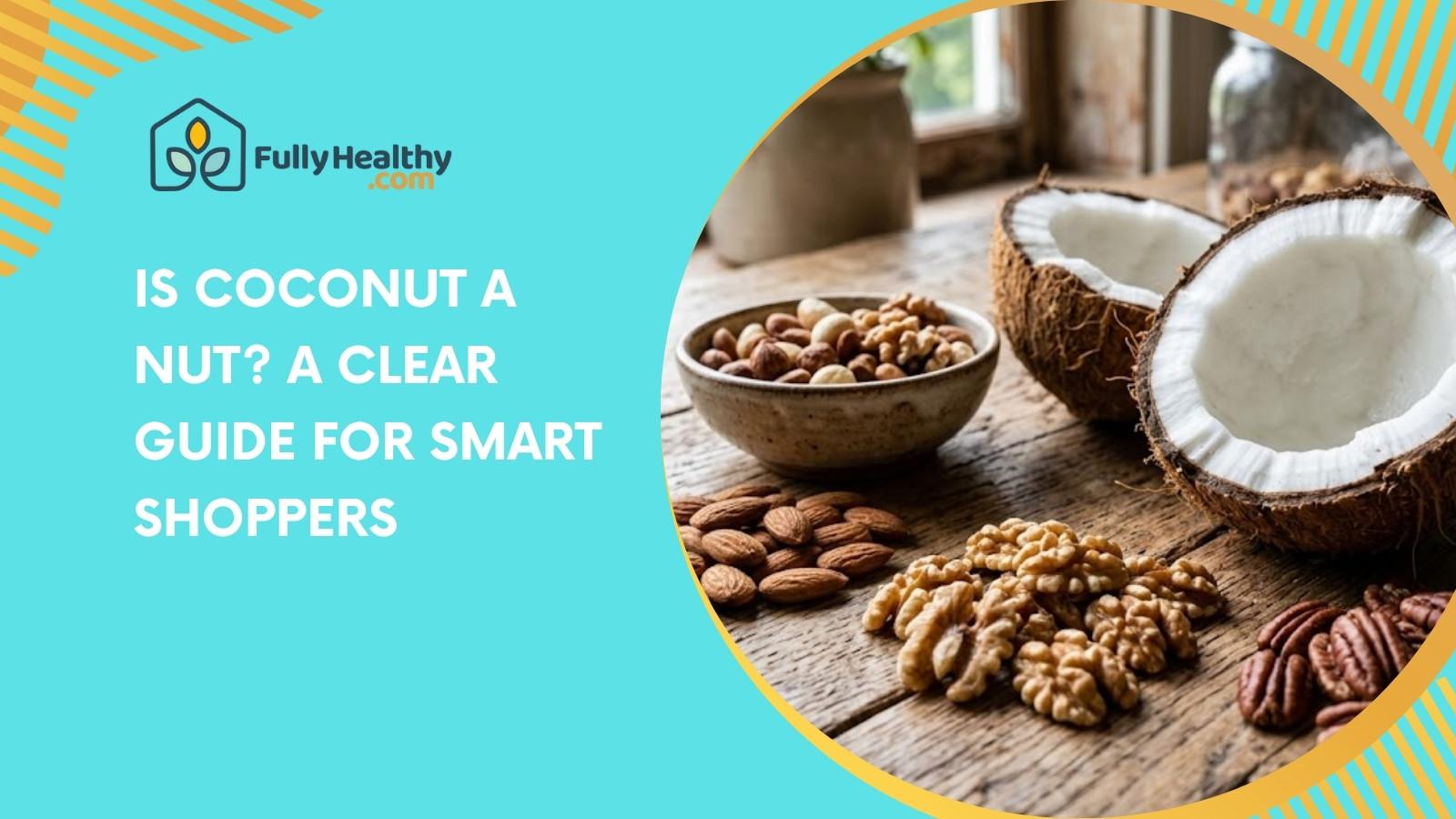
Is coconut a nut? Not exactly. Coconut is more accurately a fruit called a drupe, even though its name and hard shell make it seem like a nut.
That is why so many people get confused, especially when allergies come up. The good news is that coconut is usually treated differently from tree nuts. In this article, you will learn what coconut really is, how allergy guidance works, and what it means for you.
Featured Snack Pick
Mauna Loa // Hawaiian Sea Salt Macadamia Nuts - 4 oz
Loading...
Is Coconut a Nut?

Is coconut a nut? The short answer is no, not in the usual botanical sense. A coconut is more accurately a drupe, which is a fruit with a seed inside. This is why the topic confuses so many people, especially when food allergies and labeling rules are involved.
The Direct Answer to Is Coconut a Nut
Coconut is not a true botanical nut like almond, cashew, walnut, or pecan. It is a drupe, a type of fruit. The word drupa is linked to the idea of an overripe olive. A coconut has three layers: an outer layer, a fleshy middle layer, and a hard inner shell that protects the seed.
-
Key point: Coconut is a drupe, not a true nut.
-
Structure: Its three layers include the outer layer, fleshy middle layer, and hard inner shell around the seed.
-
Comparison: Peanuts are legumes, while almond, cashew, walnut, and pecan are classed as tree nuts.
-
Extra fact: Coconut trees are useful for food, coconut water, fiber, fuel, and even musical instruments.
Why the Name Still Confuses People
The name makes people think coconut belongs with other tree nuts. Its hard shell also adds to the confusion. On top of that, older food allergen labeling guidance made many shoppers think coconut should be treated the same way as major food allergens like tree nuts. That is why the question still comes up so often.
-
Name issue: The word “nut” in coconut can mislead readers.
-
Labeling history: Coconut listed in older discussions about food allergen labeling added to public confusion.
-
Shopping tip: Check food labels and the ingredient list on packaged foods and other food products.
-
Hidden sources: Coconut or nut flavoring may appear in snacks, sauces, desserts, and even alcoholic beverages.
Is Coconut a Nut Allergy NHS?

NHS Scotland gives helpful guidance on this topic. Its nut allergy page places coconut in a “Not Nuts” section. That means coconut is not usually grouped with peanuts or other tree nuts in the same allergy category, even though its name makes it sound related.
What NHS Guidance Says About Coconut
The NHS page explains that some foods have “nut” in the name but are not related to peanut and tree nuts. Coconut is one of them. This is useful for readers because the name alone does not decide whether a food allergen is connected to tree nut allergies or coconut allergy.
-
NHS view: Coconut is listed in the “Not Nuts” category.
-
Clear distinction: Peanuts are separate because they are legumes, not tree nuts.
-
Important note: A person can still be allergic to coconut, even if it is not grouped with tree nuts.
-
Reader value: Similar names, such as lichee nut, can also confuse people, so simple explanations matter.
What That Means for Readers With Nut Allergies
This may reduce botanical confusion, but it should not be used as reassurance that coconut is safe for everyone with nut allergy. Having tree nut allergies does not automatically mean you have a possible coconut allergy. Still, people who have had allergic reactions should speak with an allergist before trying coconut. That matters even more when there may be cross contact from shared equipment or mixed ingredients.
-
Main takeaway: Some people with tree nut allergies can safely eat coconut.
-
Important limit: Not everyone can safely eat coconut, so personal history still matters.
-
Cross-contact risk: Shared factories or kitchens may involve other tree nuts, tree nut oils, or nut oils.
-
Smart habit: Read food labels closely and ask questions before eating unfamiliar food.
Is Coconut OK for Nut Allergies?
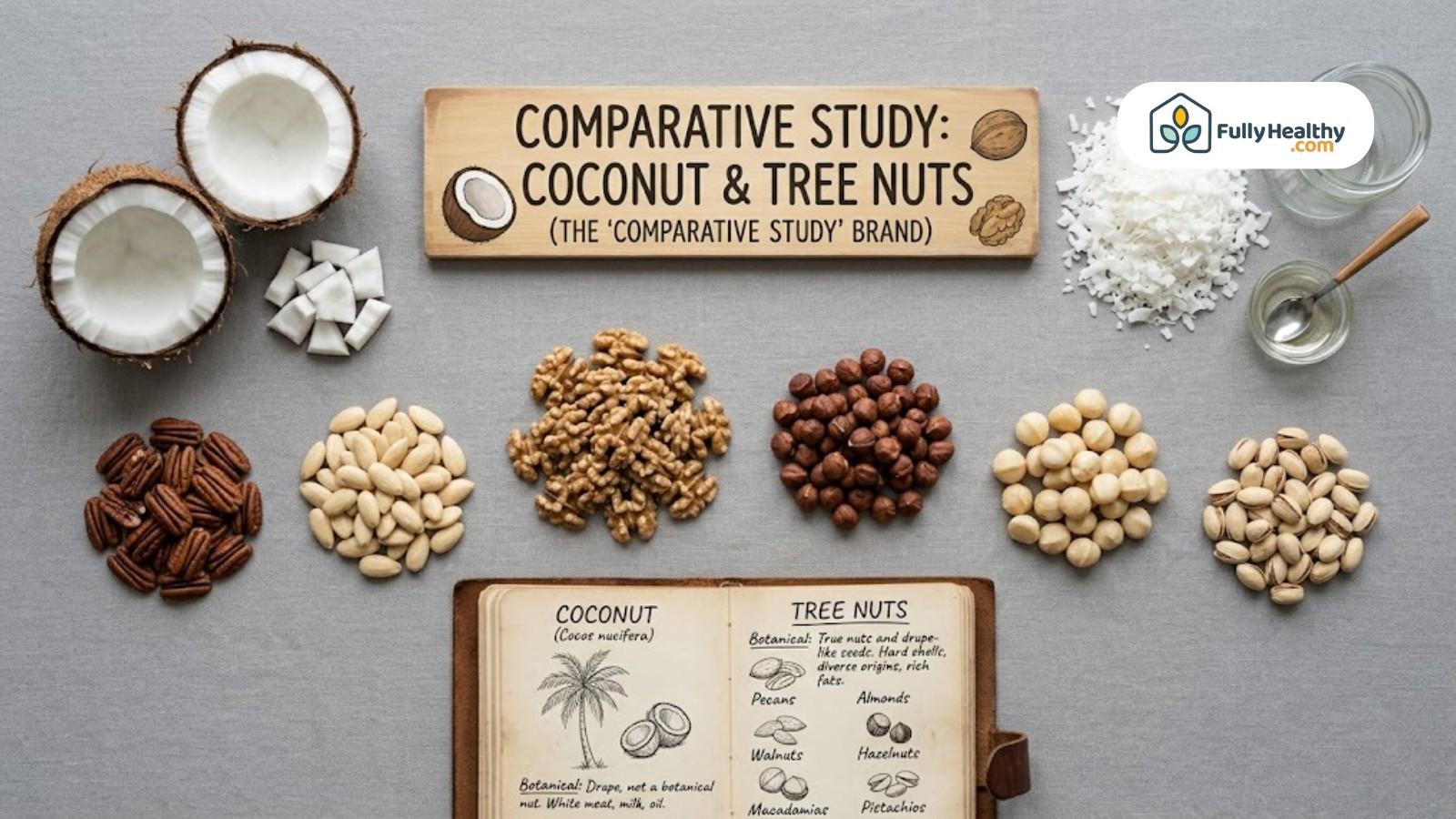
Some people with tree-nut allergy may tolerate coconut, but safety cannot be assumed without individual clinical assessment. Coconut is different from peanuts and many other tree nuts, so some people with food allergies may tolerate it well. Still, the safest approach is to look at your own reaction history and get medical advice when needed.
When Coconut May Be Safe for People With Tree Nut Allergies
Coconut allergy appears uncommon, but people with tree-nut allergy can still react to coconut, so individual evaluation matters. That is because coconut allergy is separate and appears to be less common. Even so, each person is different, and what is safe for one person may not be safe for another.
-
Good news: Many people with tree nut allergies can safely eat coconut.
-
Reason: Coconut is not usually treated the same as other tree nuts.
-
Examples: A person allergic to walnuts, almond, cashew, or pecan may still tolerate coconut.
-
Best step: Ask an allergist if you are unsure.
When You Should Be More Careful
Coconut may be safe for many people, but it is not risk-free for everyone. A person can still have a coconut allergy, even if coconut is different from other tree nuts. This is why readers should pay attention to symptoms, shared production lines, and any past allergic reactions before trying new coconut-based food.
-
Watch symptoms: Signs may include itching, swelling, stomach pain, or other allergic reactions after eating coconut.
-
Check for cross contact: Some packaged foods may be made near peanuts, other tree nuts, or ingredients like tree nut oils and nut oils.
-
Review labels: Always read the ingredient list and food labels carefully before buying food products.
-
Get expert help: If you suspect a possible coconut allergy, speak with an allergist before adding coconut to your diet.
Why Is Coconut Not an Allergen Anymore?

Many readers find this topic confusing. Coconut can still cause allergic reactions, but recent FDA guidance changed how it is treated in food allergen labeling. In simple terms, that means coconut is no longer grouped the same way as certain major allergens on packaged food. Still, readers should stay aware because a coconut allergy can be real, even if it is less common.
The Difference Between a Rare Allergy and a Major Allergen
A food does not need to affect most people to cause problems for some individuals. Coconut may still trigger symptoms in children or adults, including rare cases of anaphylaxis. The difference is that the FDA looks at how often reactions happen, how severe they are, and which proteins create a broader public health concern.
-
Main point: Coconut can still cause allergic reactions, even if it is not treated like other major allergens in labeling rules.
-
Why this matters: A rare allergy is still serious for the person who has it, especially when symptoms affect daily life.
-
What the FDA considers: The agency looks at frequency, severity, and the proteins linked to allergy risk.
-
Reader takeaway: If you avoid peanuts, sesame, hazelnut, or pistachio, do not assume coconut is unsafe or safe without checking your own history.
Why the Labeling Change Still Matters
This change matters because food labels influence how people shop and eat. In the past, many shoppers saw coconut linked to nut warnings and assumed it belonged in the same group. The newer approach helps reduce confusion, but it does not remove the need to read labels carefully and stay aware of ingredients in food and personal items.
-
Shopping impact: The change can help readers better understand that coconut is different from many tree nuts.
-
Hidden sources: Coconut may still appear in sauces, desserts, drinks, spice blends, and hair care products.
-
Family value: Parents of children with food concerns should check labels often because recipes can change.
-
Important reminder: Even with clearer rules, readers should still carry caution into everyday choices.
How FullyHealthy Helps You Shop Coconut Products With More Confidence
For readers with special diet needs, FullyHealthy can make shopping easier. The site brings together products for allergy-friendly and specialty eating in one place. That can save time, reduce stress, and help families stay organized, especially during a short supply of trusted products at local stores.
What FullyHealthy Can Do for Shoppers With Special Diet Needs
FullyHealthy is built for people who want simple shopping for specialty foods. Instead of searching many stores, readers can browse products that match AIP, gluten-free, and other diet goals in one place. For most people, that means less guesswork and more confidence when building meals at home.
-
Convenience: The site puts specialty foods into one marketplace for easier shopping.
-
Clarity: Product pages help readers compare ingredients and make faster decisions.
-
Daily help: This can make meal planning smoother and support a better quality of life.
-
Practical value: It is useful for families who want products they can trust and keep on hand.
Coconut Products You Can Actually Find on FullyHealthy
FullyHealthy also gives readers real coconut options for cooking, sauces, and snacks. The products you shared show that clearly: Native Forest Organic Coconut Milk Unsweetened Simple 13.5 oz, Coconut Secret Coconut Aminos 8 oz, and Dang Caramel Sea Salt Coconut Chips 3.17 oz. Together, they offer simple choices for different needs, from pantry basics to quick snacks.
-
Cooking staple: Native Forest Organic Coconut Milk Unsweetened works well in soups, curries, and creamy meals.
-
Pantry swap: Coconut Secret Coconut Aminos 8 oz adds savory flavor to marinades, dips, and everyday cooking.
-
Snack choice: Dang Caramel Sea Salt Coconut Chips 3.17 oz gives readers a ready-to-eat option with sweet and salty flavor.
-
Extra context: Coconut has a long place in human life, from the oldest reference by early travelers to coconut water used in times of short supply.
Final Thoughts
So, is coconut a nut? The clearest answer is no, though a loose definition has caused years of confusion. Coconut is usually classified as a drupe, not a true tree nut, and that difference matters for labeling, allergy advice, and everyday shopping. Coconut allergy can occur and may range from mild reactions to severe reactions, including anaphylaxis.
Coconut products can be derived from different parts of the plant and may appear in food, drinks, and skin care items, so reading labels still matters. From a botanical view, coconut belongs to a different species group than common tree nuts. For most readers, the essential takeaway is simple: coconut is different, but personal allergy history should always guide what feels safe to eat.
FAQs
Is coconut classified as a nut?
No, coconut is usually classified as a drupe, though a loose definition sometimes causes confusion.
Is coconut allergy always mild?
No, coconut allergy may be mild for some people, but reactions can still vary by person.
Are coconut ingredients derived from one source?
Most coconut ingredients are derived from the same plant, but they can come from different parts used in food or skin products.
Is coconut a different species from tree nuts?
Yes, coconut comes from a different species than common tree nuts, which is one reason experts separate them.
What is the essential thing to remember about coconut?
The essential point is that coconut is not a true tree nut, but anyone with symptoms should still be careful.
Leave a comment