

Is Coconut a Tree Nut? A Simple Guide for Families
Is coconut a tree nut? Not exactly. Coconut is usually classified as a fruit or seed, not a true tree nut. Many people with tree nut allergy may tolerate coconut, but tolerance is not universal and should not be assumed without individualized medical advice.
Still, some people may react to both, so personal allergy advice matters. In this article, you’ll learn what coconut is, whether coconut water is safe, what schools may allow, and what parents should know today too.
🥥 Spoon into Pure Coconut Goodness with Creamy Coconut Butter!
Is Coconut a Tree Nut?
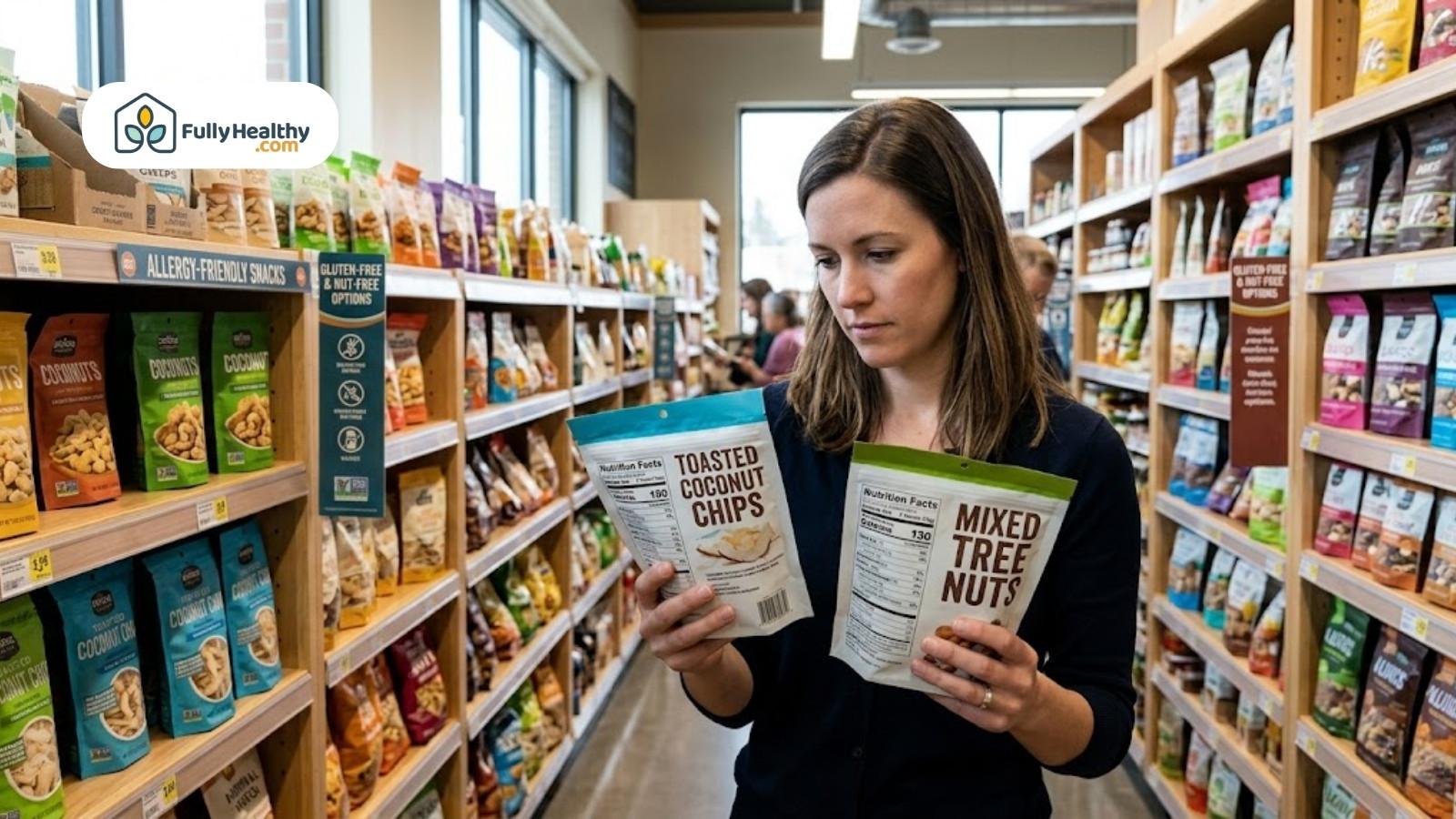
Coconut is not a true tree nut in botanical terms. It is usually described as a fruit or seed, which is why many people with a food allergy can safely eat coconut. Still, a coconut allergy can happen, so anyone with past allergic reactions or anaphylaxis should ask an allergist for personal guidance.
What Coconut Actually Is Botanically
Coconut is different from other tree nuts such as almond, walnut, pecan, and cashew. That matters when reading food labels, the ingredient list, and food allergen labeling on packaged foods. The FDA recognizes major food allergens, but a food allergen can still matter even when it is not the same allergen as other tree nuts.
-
Key fact: Peanuts are legumes, not tree nuts.
-
Name confusion: Terms like lichee nut and nut flavoring can mislead shoppers.
-
What to check: Coconut oil, milk, and other food products should still be reviewed carefully.
Why Coconut Still Causes Confusion for Allergy Shoppers
Many readers think coconut is no longer a concern once they hear it is longer considered separate from true nuts. In real life, the issue is more complex. Cross contact and mixed ingredients can still raise the risk, especially in food made with nut oils, tree nut oils, or added flavoring.
-
Watch for: Sesame, eggs, peanuts, and other allergens in mixed products.
-
Read carefully: Alcoholic beverages and packaged foods may hide risky ingredients.
-
Research note: Some documented cases appear in J Allergy Clin Immunol.
Can I Drink Coconut Water if I’m Allergic to Tree Nuts?
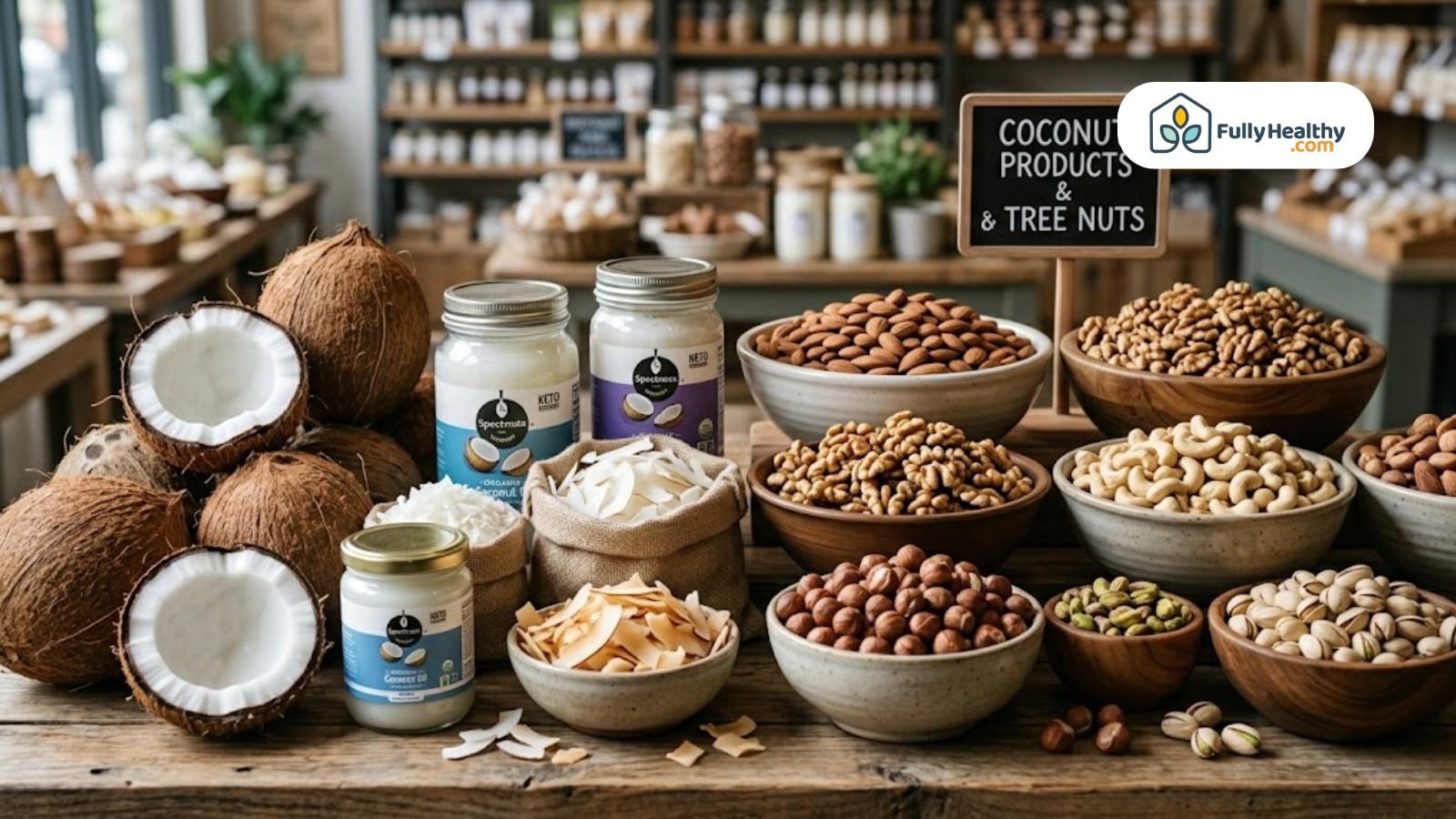
Some people with tree nut allergy tolerate plain coconut water, but safety depends on individual history, confirmed allergies, and the full ingredient profile of the product. The answer depends on your own food allergy history. If you are unsure, an allergist can tell you whether you may safely eat coconut products or need testing first.
What Most Readers Need to Know Before Trying Coconut Water
Coconut water is not the same as exposure to almond, walnut, pecan, or cashew. Even so, some drinks include milk, sesame, peanuts, or extra ingredients that increase the risk. That is why checking food labels before drinking coconut water is always a smart step.
-
First step: Read the ingredient list from start to finish.
-
Second step: Look for cross contact warnings on the package.
-
Best option: Choose plain products with simple ingredients and clear guidance.
When to Ask an Allergist Before Drinking It
Ask an allergist before trying coconut water if you have had anaphylaxis, strong allergic reactions, or past symptoms after coconut oil or milk. You should also ask for guidance if you react to other tree nuts or if your diagnosis is still unclear.
-
Bring up: Any testing, treatment plans, and emergency medicine needs.
-
Mention: Hair care products if they caused itching or skin symptoms.
-
Remember: Most people do well, but your own history matters most.
Is Coconut Allowed in Nut-Free Schools?

School rules are about safety, not just plant science. A school may still limit coconut to reduce confusion and protect students with allergens in shared spaces. Families should avoid peanuts when required and always review the school’s food policy.
Why School Rules May Differ Even if Coconut Is Not a Tree Nut
One school may allow coconut snacks, while another may not. Staff often make rules based on student age, food sharing, and the chance of cross contact. So even if coconut is not listed with major food allergens, some schools may still limit it.
-
Safety factor: Younger children are more likely to share food by mistake.
-
Common limits: Schools may restrict coconut milk, chips, desserts, or snacks.
-
Policy goal: Rules help lower confusion around allergens at school.
How Parents Should Check a School’s Coconut Policy
Parents should ask for guidance from the nurse, principal, or allergy coordinator. Clear rules help reduce allergic reactions and make daily school meals less stressful. Share your child’s medical forms, list known allergens, and explain whether they must avoid coconut or only other tree nuts.
-
Confirm: Classroom, lunchroom, field trip, and event rules.
-
Prepare: Bring action plans and safe snack options when needed.
-
Review: Check the policy again each school year.
Is Coconut Ok for Kids With Nut Allergies?
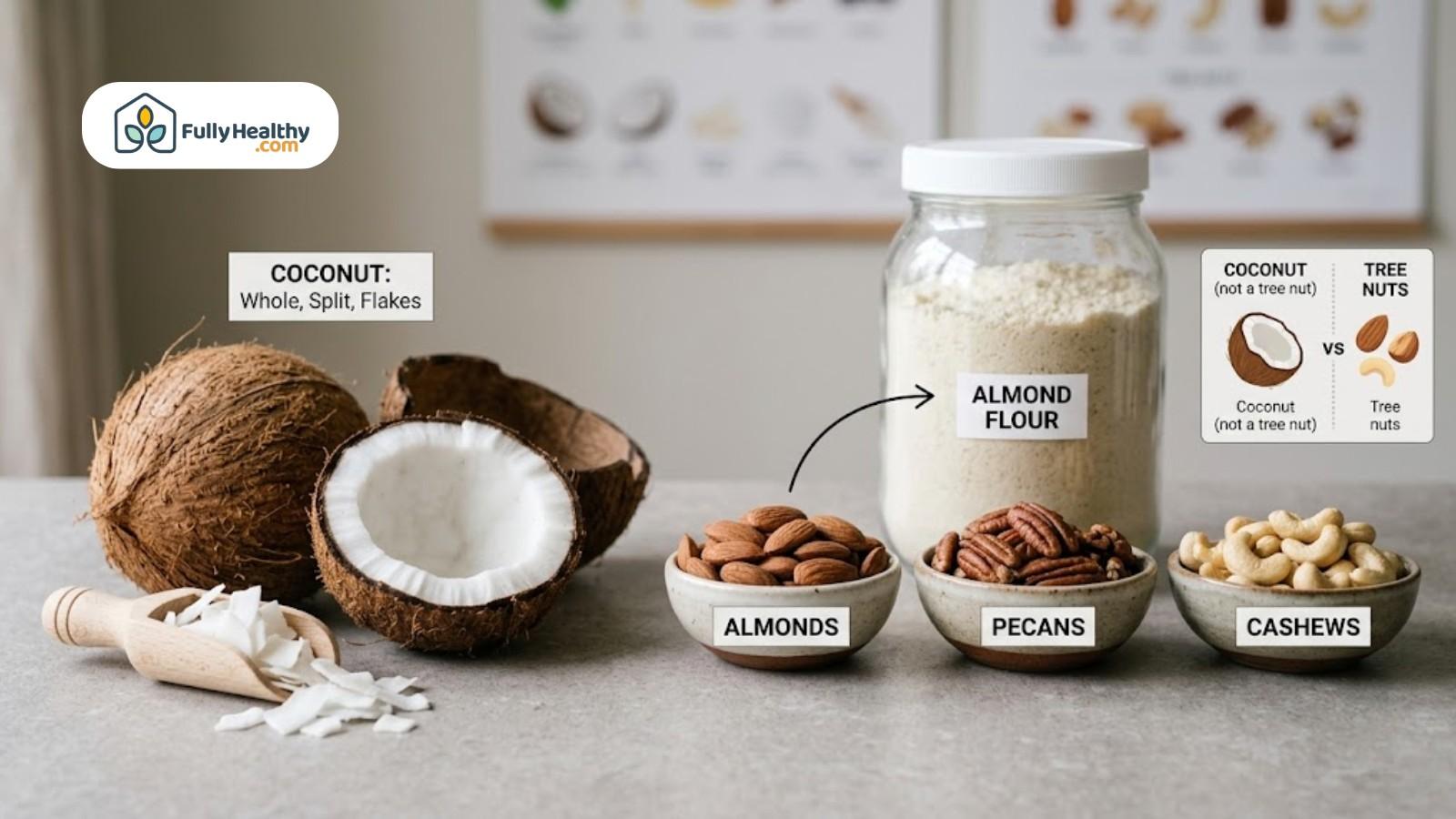
Many children with nut allergies can tolerate coconut, but it is not the right choice for every child. Coconut comes from the palm family, and it is usually discussed differently from almond, hazelnut, pistachio, chestnut, and butternut. Even so, some patients are more sensitive than others, so each child should be evaluated carefully.
What the Scanned Sources Say About Kids and Coconut
The sources reviewed suggest that many children with a tree nut allergy may still tolerate coconut. That is because coconut is generally treated differently from other nuts, even though it contains proteins that may trigger a reaction in rare cases. Parents should stay aware and keep food choices simple and clear.
-
Main point: Coconut is usually described as being derived from a fruit or seed, not a true tree nut.
-
Why it matters: A child allergic to hazelnut or pistachio may or may not tolerate coconut; tolerance should not be assumed without clinical history and, when appropriate, specialist evaluation.
-
Important reminder: Even a mild reaction should be discussed with a doctor.
Special Situations Parents Should Watch For Food Allergy
Some children need extra care, especially if they have eczema, past allergic symptoms, or an unclear diagnosis. In these situations, it is helpful to ask whether coconut has been formally evaluated. Parents should also notice whether symptoms happened after food, lotion, or hair products.
-
Watch for: Itching, swelling, stomach pain, or breathing changes after coconut.
-
Tell the doctor: Whether your child is sensitive to spice blends, snacks, or mixed foods.
-
Ask about: Whether coconut proteins should be evaluated through testing.
How FullyHealthy Can Help You Find Coconut-Friendly Pantry Picks
FullyHealthy can be helpful for shoppers who want special-diet foods in one place. The site is built for people who want to carry home products that fit allergy-aware or elimination-style eating plans. It is not a medical source, but it can make shopping easier for families who want a more organized way to buy food.
What FullyHealthy Offers for Special-Diet Shoppers
FullyHealthy sorts foods by diet type, which can save time for busy families. That setup is helpful for parents who want to stay aware of ingredients and find products that match a restricted plan. These categories can feel essential for shoppers who want a simpler way to browse.
-
Shopping benefit: Collections help patients and caregivers sort products more quickly.
-
Easy browsing: Families can shop by stage, snack type, or pantry need.
-
Good habit: Recheck product details, because listings can change after January or at any time.
Confirmed Coconut Products Available on FullyHealthy
The scanned product pages confirm three coconut items on the site. These are Native Forest Organic Coconut Milk Unsweetened Simple, Coconut Secret Coconut Aminos, and Dang Caramel Sea Salt Coconut Chips. Each product has a clear use, from cooking to quick snacking.
-
Coconut milk: Helpful for soups, sauces, and creamy recipes.
-
Coconut aminos: Useful for marinades, stir-fries, and simple meals.
-
Coconut chips: A mild snack or an easy topping for breakfast and desserts.
Final Thoughts
Is coconut a tree nut? In most cases, no. Coconut is usually treated as a fruit or seed from the palm family, not a true tree nut. That said, a coconut allergy is still possible, and some people may react because of true coconut allergy, sensitization, or cross-contact; shared-protein cross-reactivity should not be presented as the default explanation.
If you have a history of allergic reactions, anaphylaxis, or concerns about coconut oil, milk, or coconut water, talk to an allergist before trying something new. For most people, the answer is reassuring, but personal safety always comes first. Clear facts, careful label reading, and expert advice can help you make confident food choices.
FAQs
Is Coconut a Tree Nut?
No. Is coconut a tree nut is usually answered with no, because coconut is generally described as a fruit or seed, not a true tree nut.
Can People With a Tree Nut Allergy Safely Eat Coconut?
Many people with a tree nut allergy can safely eat coconut, but a coconut allergy can still happen, so an allergist should guide patients with past allergic reactions.
Does Coconut Need to Appear on Food Labels?
Food labels and the ingredient list are still important because coconut can appear in food products like coconut oil, milk, snacks, desserts, and packaged foods.
Is Coconut Allowed in Nut-Free Schools?
Not always. Even if coconut is not a true tree nut, schools may still restrict it because of allergens, cross contact, and simple food safety rules.
What Should I Do if I Am Not Sure About Coconut?
Get guidance from an allergist, especially if you have had anaphylaxis, reactions to other tree nuts, or symptoms after coconut, hair care products, or mixed food.
Leave a comment