

Is Coconut Allergy a Nut Allergy? What Doctors Actually Say
Is coconut allergy a nut allergy? The short answer is no, but a lot of people get this wrong. Coconut is a fruit, not a nut, so most people who are allergic to nuts can eat it without getting sick. Cross-sensitivities and rare reactions can still happen, though.
This article talks about the difference, safety tips, new FDA rules, and what having a coconut allergy really means for your diet and the foods you eat in general.
Featured Snack Pick
Mauna Loa // Hawaiian Sea Salt Macadamia Nuts - 4 oz
Loading...
Is Coconut Allergy A Nut Allergy?
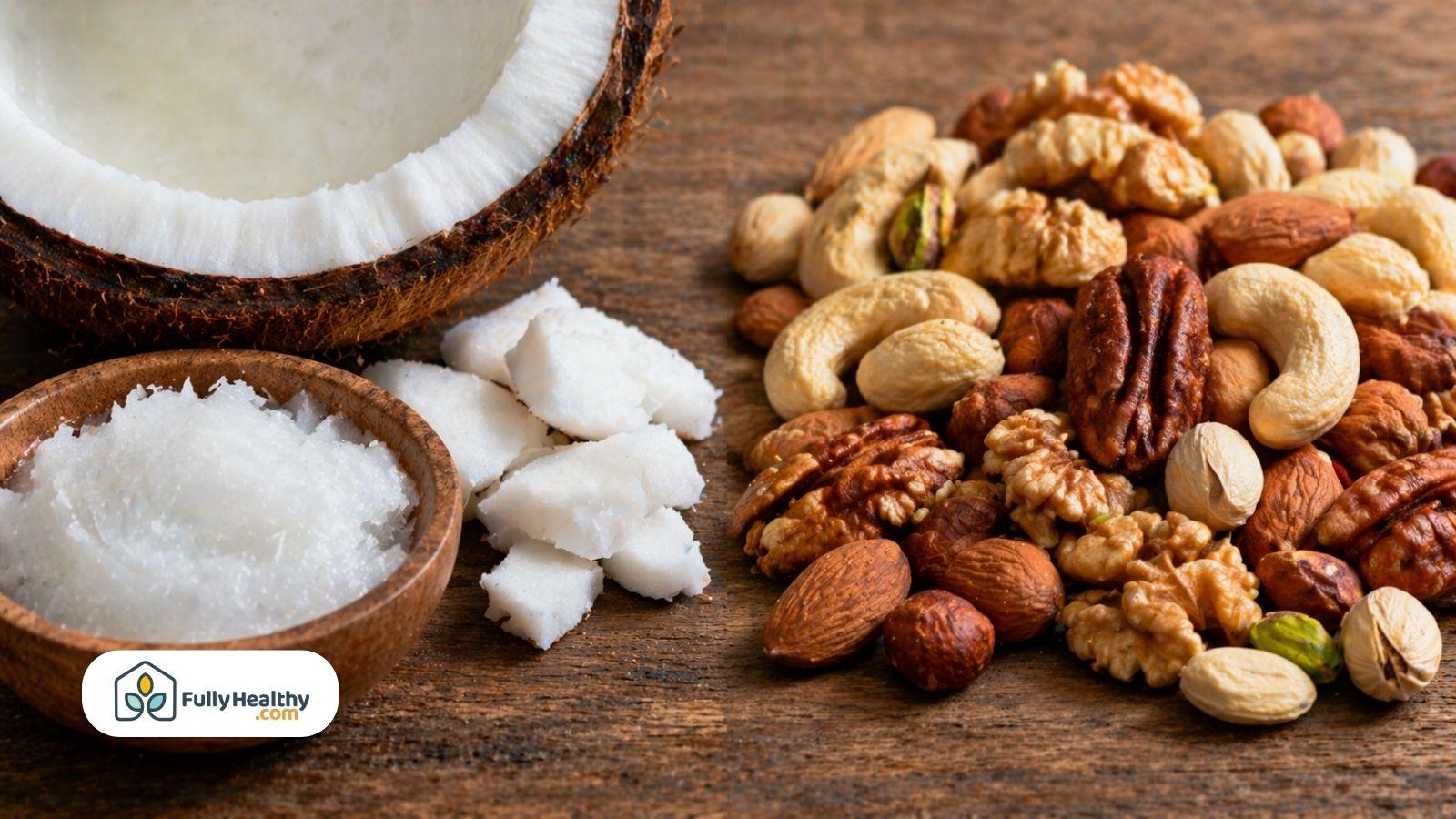
People who are allergic to coconuts often get confused because of the name, but the answer is easy. Coconut is not a tree nut; it is a fruit that comes from palm plants. For people who are allergic to tree nuts, this is important because most people can eat coconut without having a serious allergic reaction.
However, each food allergy is unique, and some people may react if they are sensitive to certain proteins.
What Science Says About Coconut Vs Tree Nuts
Walnuts, almonds, and cashews are true tree nuts, but coconut is both a seed and a fruit. Coconut is botanically distinct from tree nuts, and coconut allergy is uncommon, but immunologic cross-reactivity with tree nuts has been reported in some patients; avoidance decisions should be individualized.
-
Botanical Classification: Coconut is a drupe (fruit), not a tree nut.
-
Protein Difference: Coconut proteins are different from peanut and tree nut allergens.
-
Allergen Status: In U.S. food labeling, coconut has historically been treated within the tree-nut category, even though botanically it is a fruit/seed; consumers should still read labels carefully.
Why Coconut Allergy Is Often Confused With Nut Allergies
Most of the confusion comes from the word "nut" in coconut and the way things used to be labeled. Many people avoid coconut because labeling and terminology can be confusing, but safety depends on the individual’s allergy history and clinical evaluation.
-
Naming Confusion: The word “nut” leads people to think coconut is a tree nut.
-
Old Food Labels: Coconut was previously listed with tree nuts on packaging.
-
Public Assumption: Many believe coconut will react like hazelnut or almonds, which is not always true.
Can I Eat Coconut If I Have A Nut Allergy?
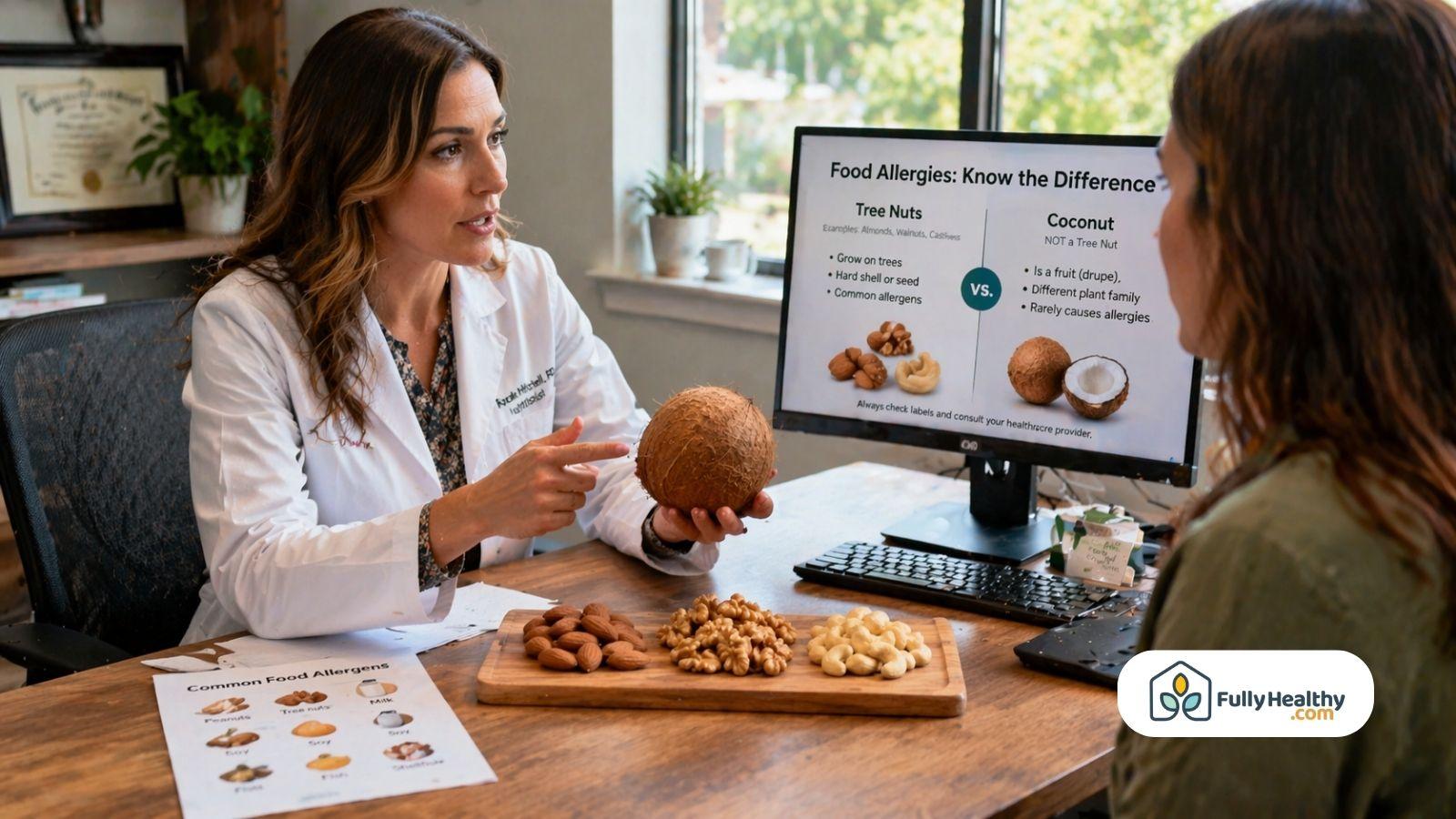
Many people with tree nut allergies tolerate coconut, but introduction should be discussed with an allergist, especially after prior severe reactions. Studies have shown that most people are not allergic to coconut.
It is still a good idea to talk to a doctor or allergist, especially if you have had bad reactions in the past. Coconut oil, coconut milk, and other coconut products are used in many foods and beauty products.
Is Coconut Safe For People With Tree Nut Allergies?
Many people with tree-nut allergy tolerate coconut, but coconut allergy and occasional cross-reactivity have been reported. People who are still sensitive can experience cross-reactivity, which can happen very rarely in sensitive people.
-
General Safety: Most people with tree nut allergies can eat coconut without issues.
-
Rare Reactions: A few documented cases show that some people allergic may still react.
-
Expert Advice: Always consult an allergist if you are unsure.
When Should You Still Be Cautious With Coconut?
If you have had strong allergic reactions in the past or have more than one allergy, you should be extra careful. Coconut-derived products in lotions, soaps, or shampoos can sometimes cause contact dermatitis.
-
Higher Risk: People allergic to many allergens may be more sensitive.
-
Skin Exposure: Coconut in cosmetic products like lotions and soaps may cause mild symptoms.
-
Helpful Tip: Get tested before regularly using or eating coconut products.
Is Coconut Part Of The Nut Allergy Group?

Botanically, coconut is not a true tree nut, but U.S. labeling has historically grouped coconut with tree nuts. With the new rules that are based on scientific facts, there is less confusion and better writing on food labels for both consumers and manufacturers.
FDA Classification Changes And What They Mean
We could not verify any FDA rule removing coconut from tree-nut allergen labeling in 2025; this claim should be removed unless a specific FDA document is cited. The new rules make it easier for people to read food labels and help them figure out what they can safely eat.
-
Updated Labels: Do not state this as a general rule; labeling may still identify coconut within allergen statements depending on product and regulatory interpretation.
-
Better Clarity: Helps people who are allergic avoid unnecessary food restrictions.
-
Industry Update: Remove unless supported by a cited regulatory update or documented industry-wide change
How Medical Organizations Classify Coconut Today
Medical professionals distinguish botanical classification from allergy risk: coconut is botanically a drupe/seed, but it can still rarely cause IgE-mediated allergy. It is handled like a fruit or seed, but some people may still be allergic to it.
-
Medical Classification: Coconut is considered a fruit, not a tree nut.
-
Low Risk: Coconut allergy is rare but still possible.
-
Practical Example: Always check food labels for coconut in candy, chocolates, or milk alternatives.
What Else Am I Allergic To If I'm Allergic To Coconut?

Even though not many people have a coconut allergy, it can make them think about other things that might cause it. Most of the time, common allergens and coconut come from different species, so reactions aren't always linked.
However, some people may still react because they share proteins or are sensitive. Knowing what else might be there helps everyone handle risks and stay away from harmful substances.
Possible Cross-Reactivity With Other Allergens
Some people who are allergic to coconut may also be allergic to other things, but this doesn't happen very often. These reactions depend on how the immune system handles proteins that are the same.
-
Tree Nut Connection: A few people may react to pecans or similar nuts, but this is rare.
-
Latex Link: Remove or qualify strongly; evidence for a clinically important coconut–latex cross-reactivity pattern is limited and not established as a common association.
-
Other Foods: Remove unless you cite a specific study; a routine coconut–sesame association is not well established.
Why Coconut Allergy Is Usually Isolated
A lot of the time, allergies to coconut don't really connect to other allergies. Since coconut is a different species of plant, there is less chance of overlap.
-
Low Risk: Coconut allergy is rare compared to other food allergies.
-
Independent Cases: Most people do not react to other allergens.
-
Serious Reactions: Even if rare, symptoms can include anaphylaxis, so care is essential.
What Does Fully Healthy Offer For Coconut Allergy-Friendly Living?
People who have food allergies or sensitivities can use Fully Healthy to help them. It sells clean, clearly labeled goods that help people not get confused about what's in them. This makes shopping safer and more sure of what you're getting, and easier for everyone.
How FullyHealthy Supports Specialized Diets
The platform is mostly about products made for people who can't eat certain foods. This helps people know what's in each item, which is useful if they aren't sure about some ingredients.
-
Clear Labels: Shows the presence of coconut or other allergens in products.
-
Diet Options: Supports different needs, including allergy-friendly choices.
-
Better Choices: Helps each person avoid being exposed to unwanted ingredients.
Which Coconut-Based Or Allergy-Friendly Products Are Available?
FullyHealthy sells many safe products with clear labels. People who must avoid coconut-derived ingredients or personal care products can also find ones that are safe.
-
Wide Selection: Includes snacks, pantry staples, and essential items.
-
Personal Care Options: Some products avoid coconut diethanolamide and cocamide DEA, often found in soaps.
-
Safety Tip: If you are sensitive or have had reactions, carry medication and check labels before use.
Final Thoughts
If you know the difference between a coconut allergy and a nut allergy, you can avoid confusion and unnecessary fear. Coconut is not botanically a tree nut, but for labeling and clinical counseling, it should not be assumed automatically safe for every person with a tree nut allergy, and most people can eat it without having a serious allergic reaction.
However, each food allergy is different, especially in children, so it's important to be careful. Check food labels all the time, keep an eye out for symptoms, and if you're not sure, talk to a doctor or allergist. This simple method helps you make safe choices and gives you confidence.
FAQs
Is coconut actually a nut?
No, botanically coconut is the seed of a drupe (fruit), not a true nut.
Is coconut ok in nut-free school?
In most cases yes, but policies vary by school, so it is important to check with the administration.
Is coconut still considered a tree nut allergen?
No, the FDA no longer classifies coconut as a tree nut allergen in labeling guidelines.
How rare is a coconut allergy?
Coconut allergy appears to be rare; one U.S. survey estimated convincing coconut allergy at about 0.39%.
Can coconut still cause allergic reactions?
Yes, even though it is rare, coconut can still trigger allergic reactions in sensitive individuals.
Leave a comment