

Is Cornstarch Gluten Free? What Labels Don’t Tell You
Cornstarch is naturally gluten free because it comes from corn, not wheat, barley, or rye. However, people with celiac disease must be careful due to possible cross-contamination during processing.
This article explains whether cornstarch is safe, how it affects celiacs, which organ is involved in celiac disease, and the best substitutes. It also covers where to find gluten-free products and how to shop safely for a strict gluten-free diet.
Is Cornstarch Gluten Free?
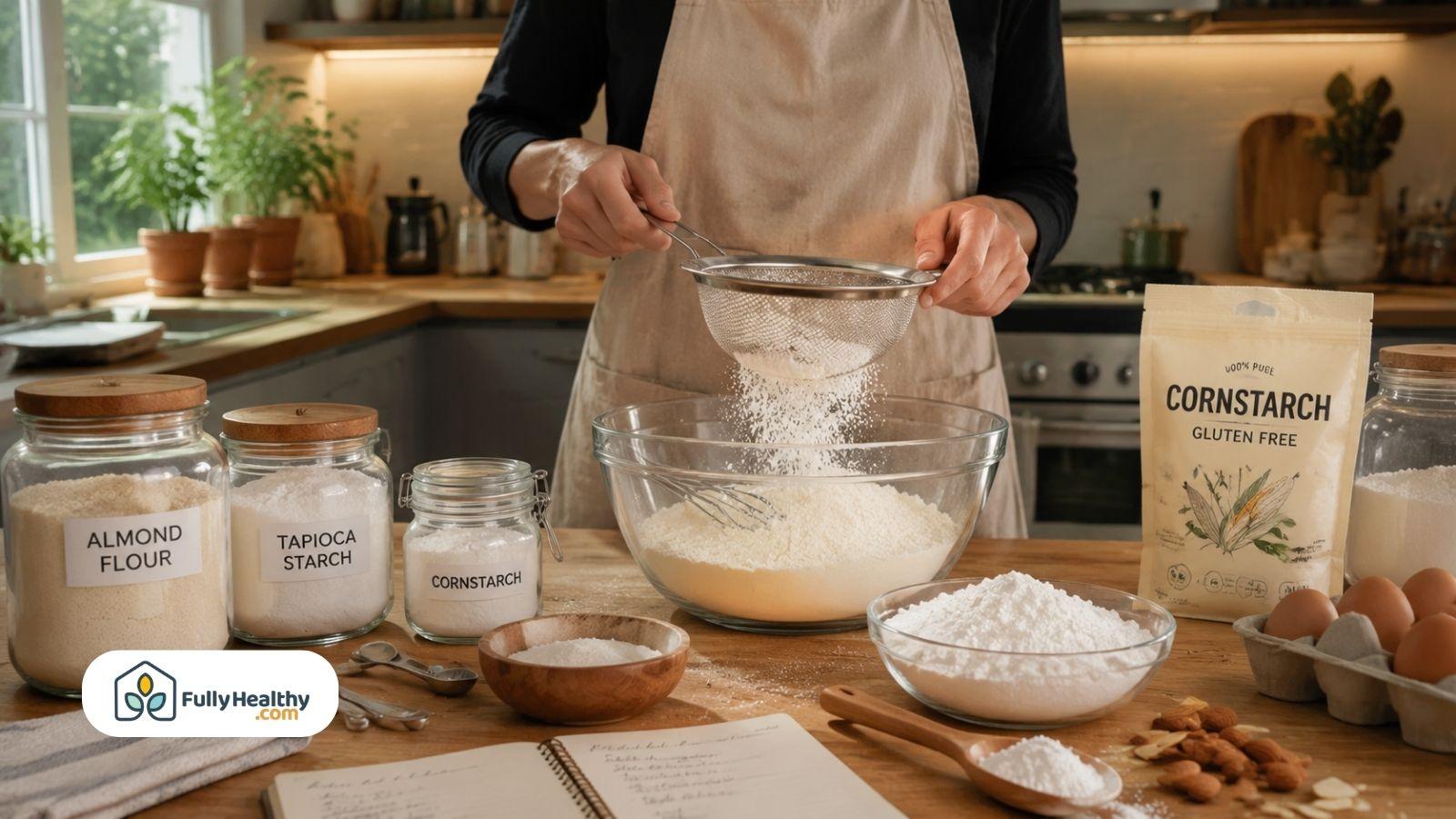
Cornstarch is a widely used kitchen ingredient made from corn. The question is cornstarch gluten free is important for people who follow a gluten-free diet or live with celiac disease. Cornstarch is naturally gluten-free because it comes from corn kernels, not wheat, barley, or rye. However, it can still be at risk of cross-contamination during processing, so label reading is important for safety.
What Cornstarch Is Made From?
Cornstarch comes from the starchy part of corn called the endosperm. It is a fine white powder used mainly as a thickening agent in cooking and baking.
-
Source: Corn, corn kernels, corn products, cornstarch.
-
Nature: Naturally gluten free, gluten free grain, gluten free cornstarch, pure cornstarch.
-
Use: Cooking and baking, sauces, soups, baking, recipe calls, thickening agent.
-
Texture: Fine white powder, starch, starchy endosperm.
Is It Safe For Gluten Free Diets?
Cornstarch is gluten free, but safety depends on how it is processed. People with gluten sensitivity or celiac disease should choose certified gluten free products to reduce risk.
-
Safety: Gluten free diet, certified gluten free, gluten free label, and cornstarch gluten free.
-
Risk: Cross contamination, cross-contamination, processed facilities, and ingredients list.
-
Brands: Bob's Red Mill, Hodgson Mill, cornstarch brands.
-
Concern: Wheat flour, gluten, other grains, oats, and flour contamination.
Is Cornstarch Okay For Celiacs?
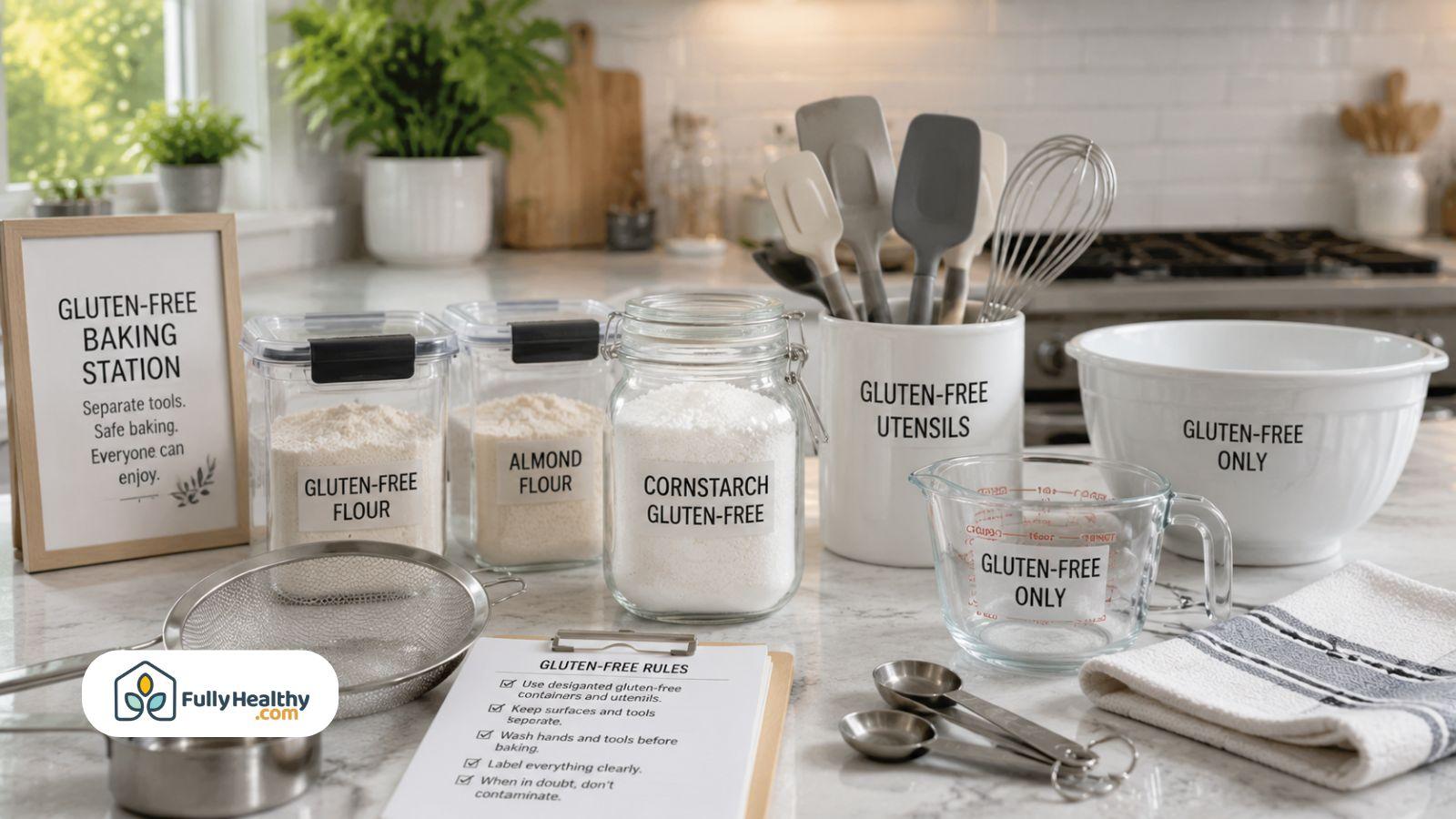
People with celiac disease must avoid even small traces of gluten. Cornstarch is naturally gluten-free; for celiac disease, choose products labeled or certified gluten-free when cross-contact risk is possible.
A gluten-free label means the product must meet the legal gluten threshold, such as <20 ppm under FDA rules. Many gluten-free baking ingredients rely on cornstarch for texture and stability.
What Are The Gluten Risks In Everyday Foods?
Celiac disease is an autoimmune condition where gluten damages the small intestine. Even a small amount of gluten can trigger symptoms and long-term harm.
-
Condition: Celiac disease, gluten sensitivity, and gluten-free diet.
-
Risk: Cross-contamination, processed foods, ingredient lists, small amount of exposure.
-
Effect: Immune reaction, gut irritation, nutrient absorption issues.
-
Sources: Corn, corn products, grains, wheat flour.
What Is Safe Eating For Celiac Needs?
Safe eating requires strict gluten avoidance; certified gluten-free products can reduce risk, but are not always required. Cornstarch gluten-free options are often used in gluten-free recipes and baking.
-
Safe labels: Certified gluten-free, gluten-free label, gluten-free baking, and gluten-free recipes.
-
Substitutes: Tapioca starch, potato starch, arrowroot powder, cassava flour, rice flour, finely ground rice.
-
Binders: Xanthan gum, guar gum, vegetable gum, baking powder, flaxseed gel, ground flax seeds.
-
Brands: Bob's Red Mill, trusted cornstarch brands.
What Organ Is Most Affected By Celiac Disease?
Celiac disease mainly affects the small intestine. When gluten is eaten, the immune system damages the intestinal lining, which affects nutrient absorption. Over time, this can lead to fatigue, weight loss, and vitamin deficiencies. A strict gluten-free diet is the only treatment to allow healing.
How The Small Intestine Is Affected?
The small intestine contains villi that absorb nutrients from food. Gluten damages these villi and reduces the body’s ability to absorb nutrients properly.
-
Organ: Small intestine, digestive system, gut health.
-
Damage: Gluten reaction, immune response, celiac disease.
-
Function: Nutrient absorption, food digestion, gut lining health.
-
Trigger: Gluten, gluten sensitivity.
What Nutrient Issues And Food Adjustments Should You Know?
When the intestine is damaged, the body may struggle to absorb nutrients. A gluten-free diet helps restore gut health over time.
-
Deficiencies: Common deficiencies may include iron, folate, vitamin B12, vitamin D, calcium, and other nutrients.
-
Diet: Gluten-free baking ingredients, gluten free recipes, and gluten free baking.
-
Alternatives: Arrowroot starch, cassava flour, tapioca starch, corn flour, starchy flour, water chestnut starch.
-
Support: Celiac support association, research shows improved health with gluten free diet.
What Is A Substitute For Cornstarch?
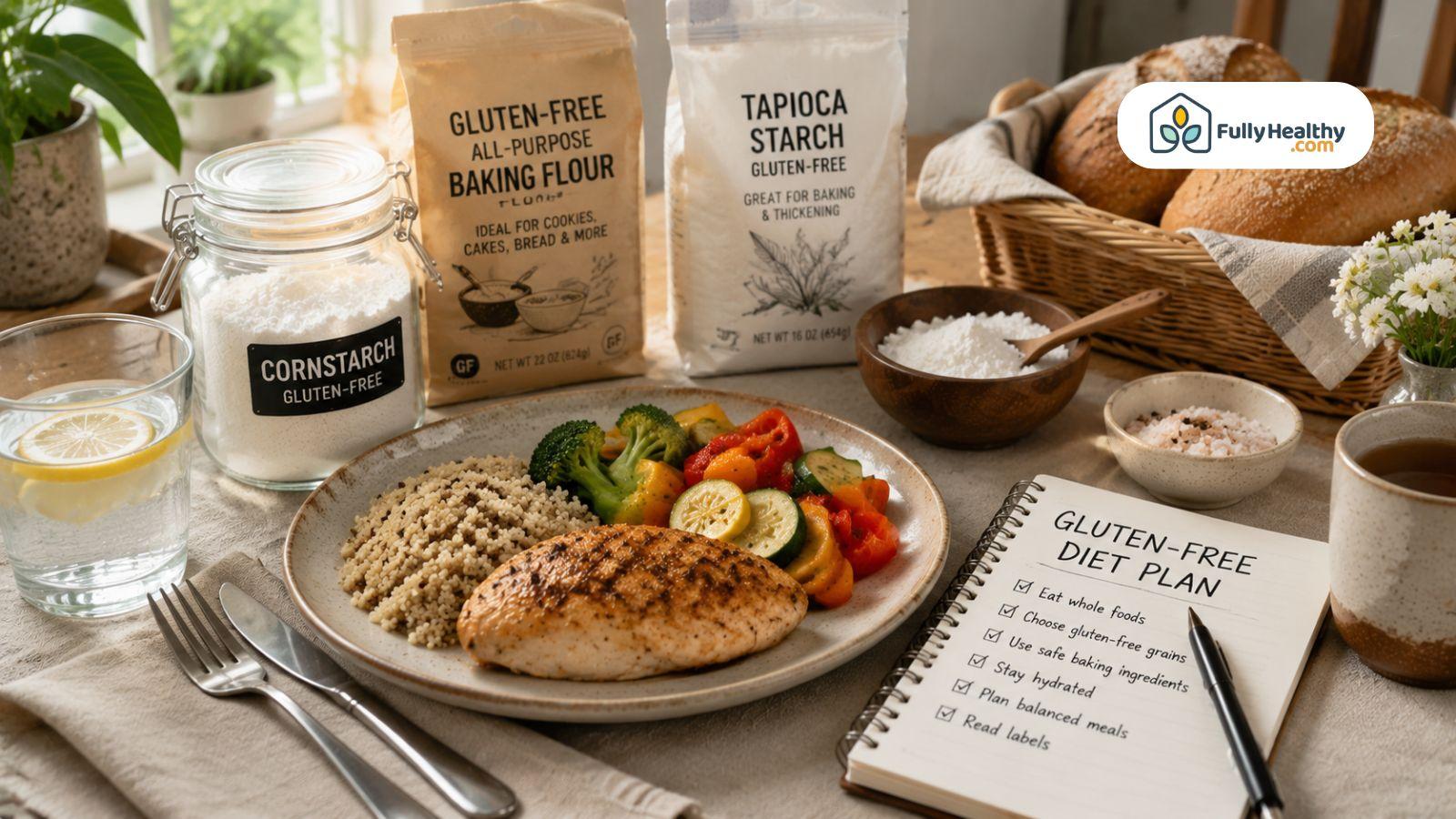
Cornstarch is a popular thickening agent used in cooking and baking. Many recipes depend on it to thicken sauces and create smooth textures. When it is not available, there are several cornstarch alternatives that can give a similar effect.
These substitutes come from plants, roots, and grains and are often used in gluten-free baking ingredients and everyday cooking. The right choice depends on the recipe and the texture you want.
What Are The Best Natural Cornstarch Alternatives?
Many natural substitutes can replace cornstarch in cooking. These ingredients often come from cassava root, tropical plants, and seeds. They are commonly used in gluten-free baking and help improve the texture of food.
-
Cassava Base: Cassava root, cassava flour, tropical plants, and starchy flour.
-
Seed Options: Ground flaxseeds, flaxseed gel, more fiber, and a natural binding effect.
-
Sweet Uses: Powdered sugar may contain cornstarch as an anti-caking ingredient, but it is not a general cornstarch substitute.
-
Flour Options: Corn flour, rice flour, finely ground rice, and wheat flour (not gluten-free).
How Does Cornstarch Affect Cooking Performance And Use?
Each substitute behaves differently in cooking. Some work better for sauces, while others are better for baking or frying. Most aim to give a similar effect to cornstarch in recipes.
-
Thickening: thicken sauces, soups, recipe adjustments, popular thickening agent.
-
Texture: same effect, smooth consistency, mild flavor changes.
-
Cooking Use: cooking and baking, calls, and recipe calls, and food preparation.
-
Liquid Reaction: oil components, water absorption, and starch behavior in heat.
What Is The FullyHealthy Gluten Free Marketplace?
Fully Healthy is an online store that focuses on gluten-free and specialty diet foods. It offers a wide range of gluten free baking ingredients, snacks, and pantry staples.
It is designed for people with celiac disease or gluten sensitivity who need safe and reliable food choices. The platform helps reduce the risk of cross-contamination by offering carefully selected certified products.
What Specialty Gluten-Free Products Are Available?
FullyHealthy provides a wide selection of gluten-free products for cooking, baking, and daily meals. These items help people maintain a strict gluten-free diet without stress.
-
Baking Items: Baking powder, gluten-free baking ingredients, cornstarch alternatives, and gluten-free recipes.
-
Grain Options: Gluten-free grain, corn flour, rice flour, cassava flour, and arrowroot starch.
-
Binders: Xanthan gum, guar gum, vegetable gum, flaxseed gel, and ground flaxseeds.
-
Pantry Staples: Cornstarch, starch, gluten-free cornstarch, and common ingredient alternatives.
Why It Helps Gluten-Free Living?
Fully Healthy makes it easier to follow a gluten-free diet by offering safe and clearly labeled products. It reduces the need for complicated label reading and helps users shop with confidence.
-
Safety Focus: Certified gluten-free, gluten-free label, reduced cross-contamination risk.
-
Diet Support: Gluten-free diet, celiac disease, gluten sensitivity.
-
Product Range: Snacks, seasonings, baking mixes, and powdered sugar products.
-
Convenience: Easy shopping, specialty diet support, trusted ingredient sourcing.
Final Thoughts
Cornstarch is naturally gluten-free because it comes from corn, but people with celiac disease or gluten sensitivity must still check labels for cross-contamination. Choosing certified gluten-free products helps ensure safety in cooking and baking.
Many gluten-free baking ingredients, like starches and binders, can replace it in recipes. If you want to create cornstarch at home, it still comes from corn processing, so purity and proper handling matter for a safe gluten-free diet.
FAQs
Can I kiss my boyfriend if I have celiac disease?
Kissing is generally safe, but avoid visible food residue, gluten-containing lip products, or recent gluten exposure without rinsing/brushing.
What are 6 foods celiacs should avoid?
Celiacs should avoid wheat flour, barley, rye, oats (if cross contaminated), and foods with gluten free label errors or contamination risks. Also, avoid wheat, barley, rye, and non-gluten-free oats; only use oats labeled gluten-free if tolerated.
What is the biggest trigger of celiac disease?
The biggest trigger is gluten, which damages the intestine in celiac disease and must be avoided in all gluten free baking and cooking.
How to heal your gut from celiac disease?
A strict gluten-free diet allows intestinal healing in many people, but recovery varies and should be monitored medically. Healing requires a strict gluten free diet, using gluten free baking ingredients, and avoiding cross contamination to allow the gut to recover.
What are 5 signs and symptoms of celiac disease?
Common signs include fatigue, bloating, diarrhea, anemia, and weight loss linked to gluten sensitivity and poor absorption of nutrients.
Leave a comment