

Is Ghee Healthier Than Butter? The Honest Truth
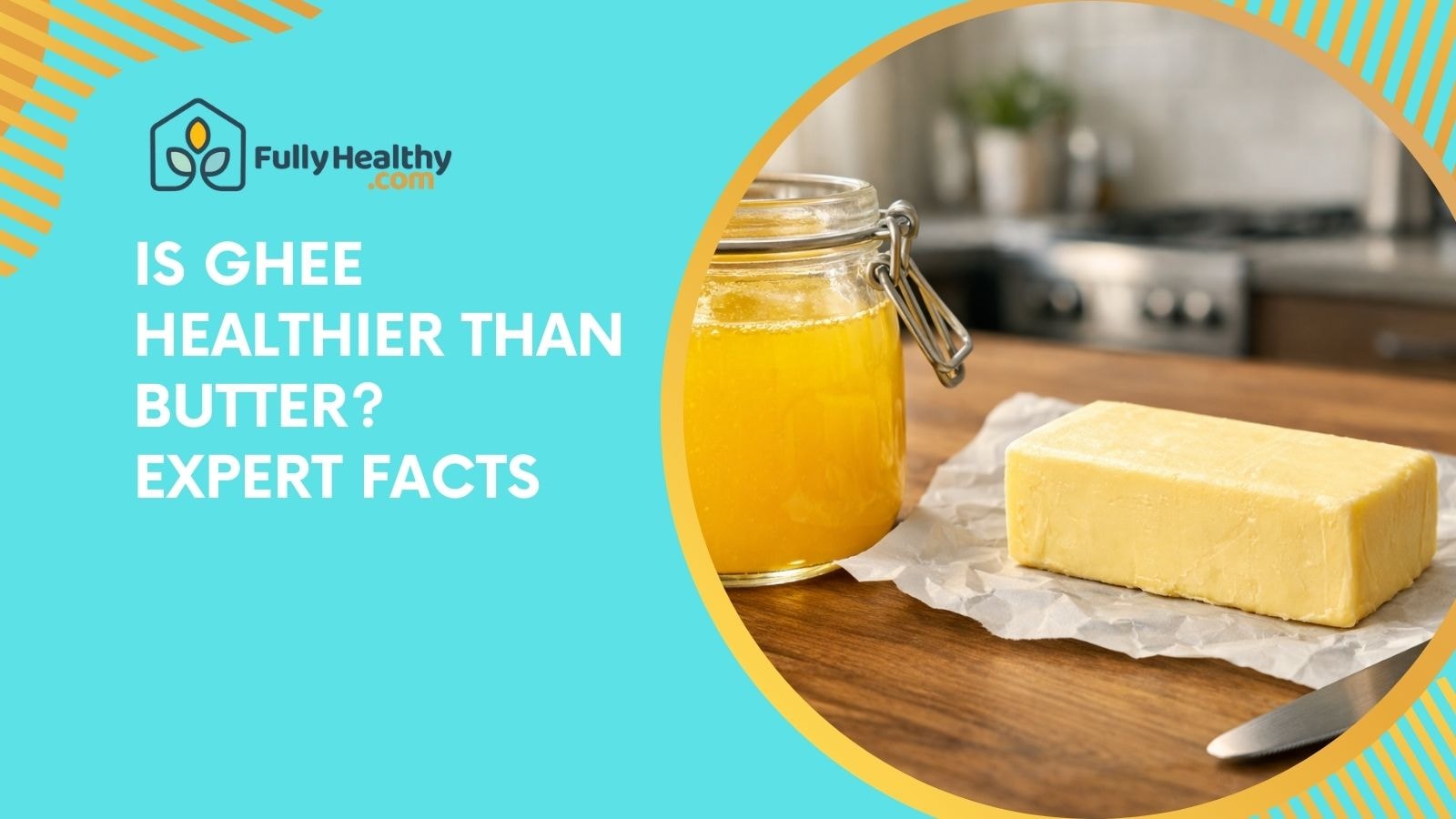
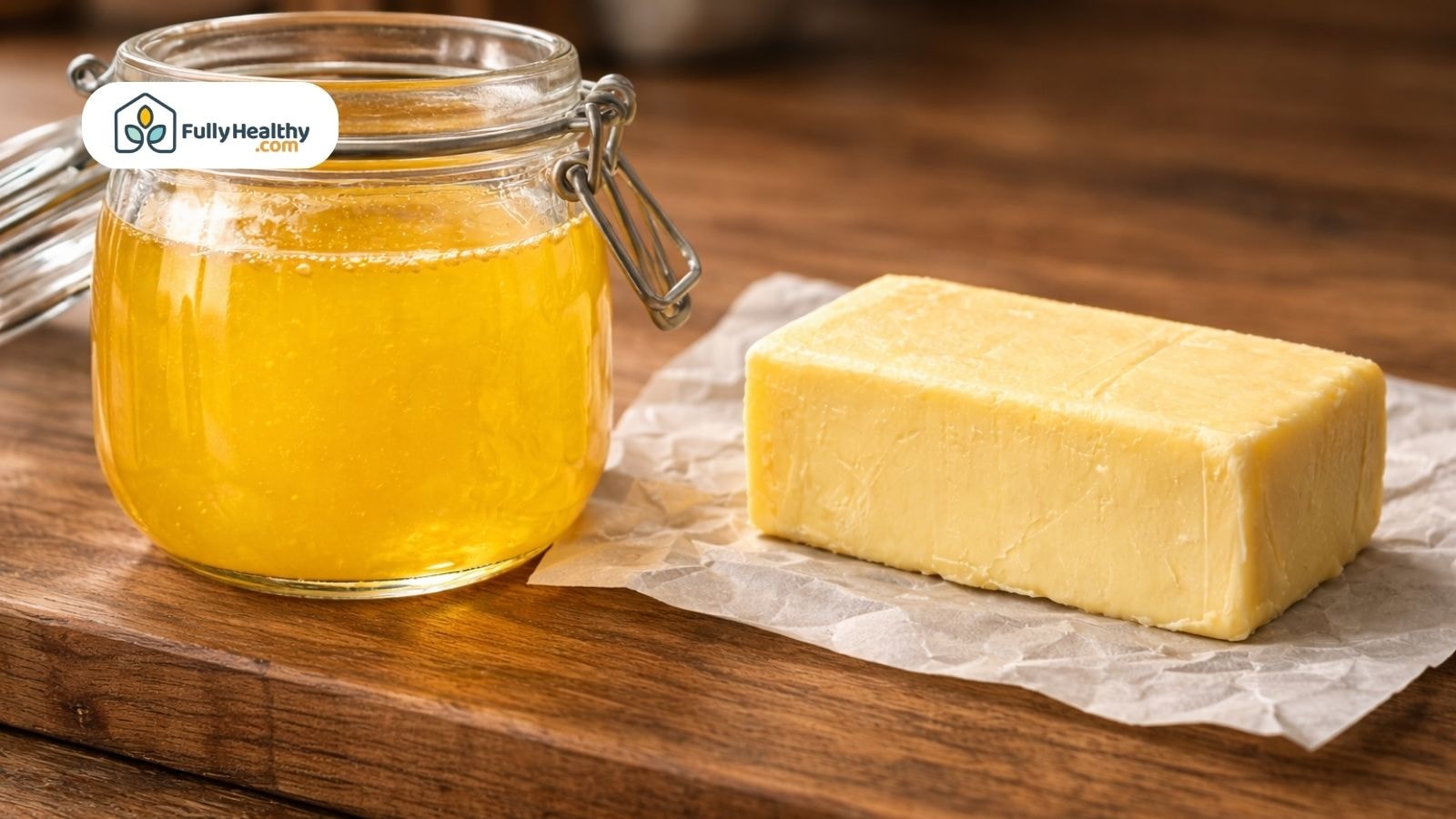
Is ghee healthier than butter? A lot of people ask this question when they are picking culinary fats. Their fat and calorie content are both high because they come from milk. Ghee has a higher smoke point and no lactose. Butter, on the other hand, has small amounts of milk solids.
How they change your cholesterol and inflammation depends on how much you eat and what you eat in general. It breaks down the facts so you can choose what's best for your health.
Featured Pantry Pick
Ahara Rasa // Traditional Ghee
Loading...
Is Ghee Healthier Than Butter?
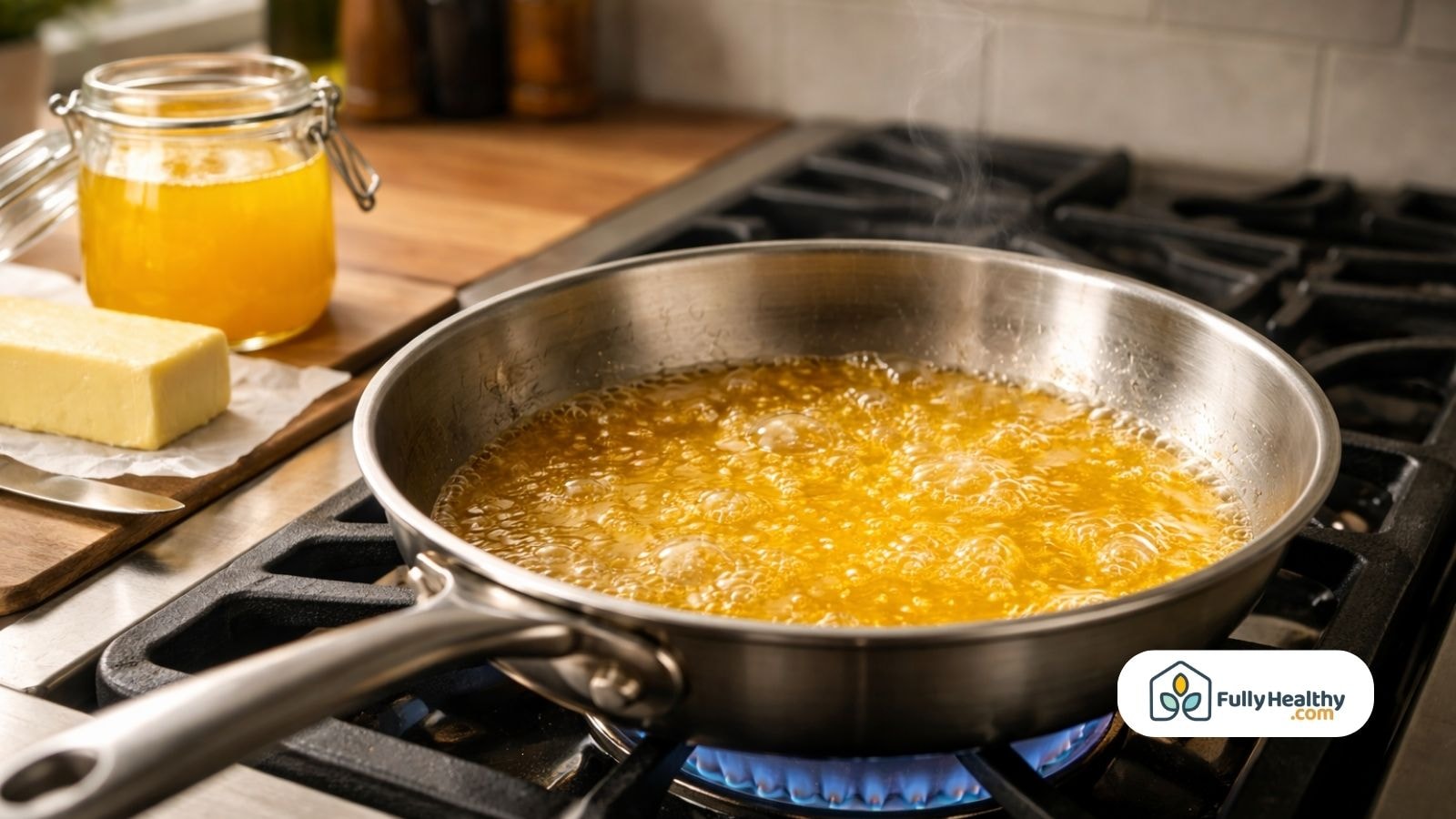
Ghee and butter are both types of dairy fat that are commonly used in kitchens. It is a type of clarified butter that is made by heating butter and removing the milk solids and water. This process leaves behind pure liquid fat with a golden brown color and a richer taste.
A lot of people want to know if ghee butter is better than butter for cooking, losing weight, and keeping their hearts healthy. The answer depends on how healthy you eat and live in general.
Nutritional Breakdown Of Ghee And Butter
When it comes to nutrition, ghee and regular butter are about the same in terms of calories and fat. Just one tablespoon of ghee has about 130 calories and is mostly made up of saturated fat. Since it still has water in it, butter fat has a little less total fat than other fats. Both have healthy fats and vitamins that dissolve in fat, like vitamin A.
-
Fat Content: Ghee contains about 99% dairy fat, while regular butter has around 80% butter fat due to water and milk solids.
-
Saturated Fat: Both are rich in saturated fatty acids, including long-chain fatty acids and some medium-chain fatty acids.
-
Vitamins: Ghee contains vitamin A and other essential vitamins that support bone health and immune function.
-
Milk Components: Ghee removes most milk protein, milk sugar lactose, and casein, which helps people with dairy intolerance or casein allergy.
Is Ghee Healthier Than Butter For Cooking And Lactose Sensitivity?
Heating ghee gives it strong cooking advantages. It can handle high heat better than regular butter because the milk fats have been taken out. When you heat butter, the milk solids that are left behind burn more quickly.
-
Smoke Point: Ghee has a higher smoke point than butter due to the removal of milk solids, but several refined vegetable oils have equal or higher smoke points.
-
Lactose Free: Ghee contains minimal lactose and casein due to clarification, but is not completely dairy-free.
-
Oxidation: Oxidative stability depends on the specific oil and heating conditions; evidence does not conclusively show that ghee produces less oxidized cholesterol than refined vegetable oils.
-
Flavor: Ghee adds a richer taste to Indian cooking and other dishes without the burnt flavor of overheated butter.
Is Ghee Better For You Than Regular Butter?
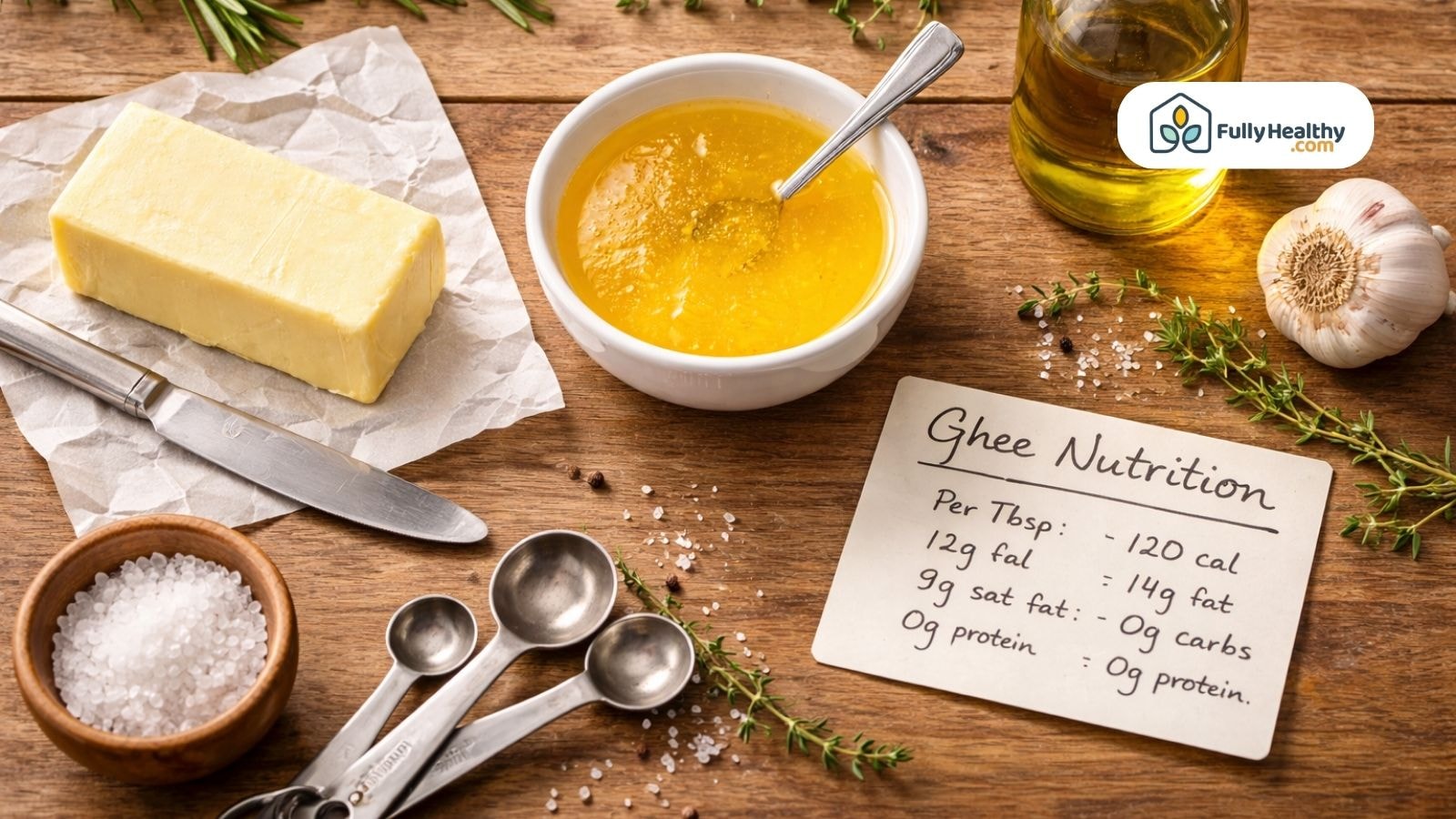
Butter and ghee are both animal fats that can be used as food fats. They have saturated fat in them, which has been linked to heart disease for a long time. However, evidence suggests the full picture is more complex. A healthy, well-balanced diet is more important than any one natural food.
Heart Health, Saturated Fat, And Cholesterol Impact
A lot of people are worried about bad cholesterol and a higher risk of heart disease. Like regular butter, ghee has cholesterol and saturated fatty acids.
-
LDL Cholesterol: Consuming ghee may slightly raise LDL cholesterol, but it can also increase HDL, which supports heart health.
-
Unhealthy Cholesterol Levels: Risk depends on total intake of fatty foods and refined carbohydrates, not just dairy fat alone.
-
Fatty Acid Types: Long-chain fatty acids may raise risk in excess, while some short chain fatty acids and medium-chain fatty acids may be neutral.
-
Diet Quality: Replacing saturated fats with unsaturated fats such as olive oil, nuts, and seeds is associated with improved heart health markers.
What Studies Say About Ghee And Blood Lipids
Different kinds of research have been done in Clinical Nutrition. Some small studies suggest moderate intake may not markedly worsen lipid profiles in certain populations; however, randomized trials show ghee can increase LDL cholesterol compared to unsaturated fats like olive oil.
-
Moderation: One tablespoon contributes significant calories and, like any fat, may contribute to weight gain if it increases total caloric intake beyond energy needs.
-
Natural Food Sources: Animal fats like ghee may act differently than processed vegetable oils.
-
Overall Pattern: A balanced diet rich in healthy foods lowers the risk more than avoiding one fatty acid.
Is Ghee Anti-Inflammatory?
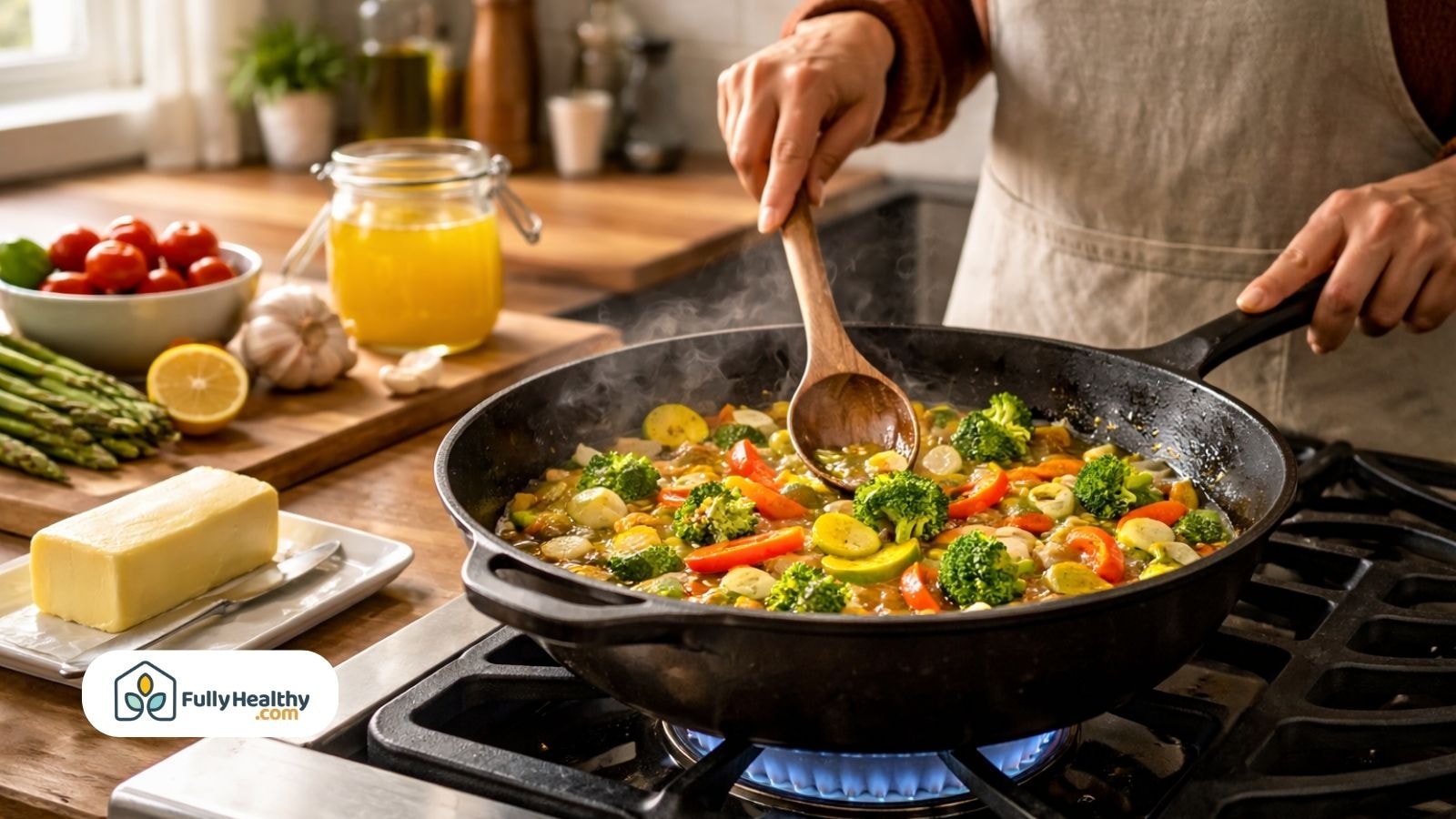
Many of the ghee benefits have to do with digestion and pain. Ghee has short chain fatty acids in it, like butyrate, that are good for your colon. Also, it has conjugated linoleic acid, a fatty acid that may help your metabolism and help you lose weight.
Butyrate, CLA, And Anti-Inflammatory Compounds
Short-chain fatty acids help keep the gut in balance. These good fats are found in small amounts in ghee.
-
Conjugated Linoleic Acid: Supplemental CLA has shown small and inconsistent effects on body fat in some studies, but the amounts naturally present in ghee are unlikely to produce significant weight-loss effects.
-
Short Chain Fatty: Ghee contains small amounts of butyrate; however, most beneficial short-chain fatty acids are produced in the colon from dietary fiber.
-
Fat-Soluble Vitamins: Vitamin A and other important nutrients act as antioxidants and support bone health.
Anti-Inflammatory Claims Vs Scientific Evidence
In some cultures, like Indian cooking, ghee is used with herbal medication. But there isn't a lot of strong scientific proof. Getting too much dietary fat in your food can still make you gain weight and get heart disease.
-
Weight Management: Ghee alone will not help you lose weight without a healthy diet and regular activity.
-
Cooking Safety: Acrylamide forms mainly in carbohydrate-rich foods during high-heat cooking; the type of fat used plays a limited direct role.
-
Balanced Approach: Ghee contains useful nutrients, but it should be part of a balanced diet to avoid increased risk of cardiovascular disease.
Is Ghee Bad For Cholesterol?
Many people think that ghee automatically makes cholesterol levels go up, which is bad for heart health. It's better to tell the truth. So, if you eat a lot of ghee, you might be more likely to get heart disease.
The effect, however, depends on the person's health history, the size of the serving, and how they usually eat. Ghee can be part of a healthy diet for most people as long as it is used in moderation.
Does Ghee Raise LDL Cholesterol
There is cholesterol and saturated fat in ghee, which can change the levels of lipids in the blood. On the other hand, studies have shown that a moderate intake does not always cause dangerously high levels of bad cholesterol. Each response is important.
-
LDL Cholesterol: Ghee may slightly raise LDL cholesterol in some people, especially when eaten in large amounts.
-
HDL Support: Some studies show it may also raise HDL, which helps protect heart health.
-
Portion Size: Limiting intake to small servings per day lowers the risk of negative effects.
-
Diet Context: A diet rich in fiber, vegetables, and whole foods can help balance cholesterol levels.
Ghee Vs Butter For Cholesterol Management
Ghee and grass-fed butter have about the same amount of fat and cholesterol. It's possible that grass-fed butter has a little more omega-3 fats than regular butter, but both are still sources of saturated fat. The most important thing is how they fit into your overall diet.
-
Similar Nutrition: Both ghee and grass-fed butter contain comparable amounts of dairy fat and cholesterol.
-
Moderation Rule: Small amounts can be included in a balanced diet without sharply increasing risk.
-
Healthier Swaps: Replacing part of your saturated fat intake with plant-based fats like olive oil may improve heart markers.
-
Medical Guidance: People with existing heart disease or high cholesterol should consult a healthcare provider before increasing intake.
What Does Fully Healthy Offer For Special Diets Related To Ghee And Butter?
It can be hard to find the right products for people who are sensitive to certain foods or have autoimmune diseases. Fully Healthy is an online store that sells foods that are free of allergens and gluten, and are good for people on the AIP.
It guides shoppers to pick out foods that will help them reach their nutrition goals and stay away from common triggers.
AIP, Allergen-Free, And Specialty Diet Support
Fully Healthy is made for people who are on the Autoimmune Protocol or another elimination diet. Most of the time, these plans cut back on or get rid of processed and dairy foods.
-
Clear Organization: Products are sorted by diet stage, making it easier to shop with confidence.
-
Allergen Awareness: Many items avoid common triggers such as gluten and dairy.
-
Trusted Brands: The platform partners with brands that focus on clean ingredients.
-
Diet Support: It simplifies building meals that support long-term health benefits.
Featured Products And Clean Ingredient Options
There are alternatives to traditional ingredients like butter on the website that can be used in baking and cooking. This helps people decide whether to use ghee or butter in recipes.
-
Natural Sweeteners: Options like Organic Coconut Sugar and Maple Syrup provide cleaner baking swaps.
-
Specialty Mixes: Grain-free baking mixes support those avoiding conventional flour.
-
Convenience: One platform allows access to multiple specialty products in one place.
-
Better Choices: These options make it easier to maintain a structured, healthy diet.
Which one you choose depends on your health goals, cholesterol levels, and food needs. Both can be part of a balanced life if they are used in the right way.
Final Thoughts
Is ghee healthier than butter? It depends on your goals, how much you eat, and how healthy your diet is in general. Clarified butter, like ghee butter, is made by heating butter and removing the water and milk solids. This type of butter may be good for people who can't handle lactose or who like cooking on high heat.
Butter and ghee both have saturated fats that can change LDL cholesterol levels, so it's important to use them in moderation. Instead of focusing on one ingredient, think about well-balanced meals, healthy fats, and your heart health in the long term.
FAQs
Is ghee healthier than olive oil?
Olive oil is generally considered healthier for heart health because it is rich in monounsaturated fats and antioxidants, while ghee contains more saturated fat, so olive oil may better support lower LDL cholesterol levels when used in a balanced diet.
Is ghee OK to eat every day?
Yes, ghee can be eaten daily in small amounts, but experts recommend moderation since excess intake of saturated fat may increase the risk of heart disease.
Should I replace butter with ghee?
You can replace butter with ghee for high-heat cooking or if you are lactose intolerant, but both have similar calorie and saturated fat content, so portion control still matters.
What are the disadvantages of ghee?
The main disadvantages of ghee include its high calorie density and saturated fat content, which may raise cholesterol levels and contribute to weight gain if consumed in excess.
What do Cardiologists say about ghee?
Many Cardiologists advise limiting ghee intake because overconsumption can raise LDL cholesterol, but small amounts may be acceptable within a heart-healthy diet.
Leave a comment