

Is Hibiscus Tea Safe During Pregnancy? Safety Facts Every Mom Should Know

Is hibiscus tea safe during pregnancy? Many experts say that pregnant women shouldn't drink hibiscus tea because there isn't enough clear research to show that it is safe for them. People like this herbal drink because it tastes sour and has antioxidants in it, but pregnant women should be extra careful when choosing drinks.
This article talks about what the latest research says, possible risks, and safer tea and drink choices that are better for a healthy pregnancy.
Featured Tea Pick
Traditional Medicinals // Organic Hibiscus Tea - 16 Bags
Loading...
Is Hibiscus Good For Pregnancy?
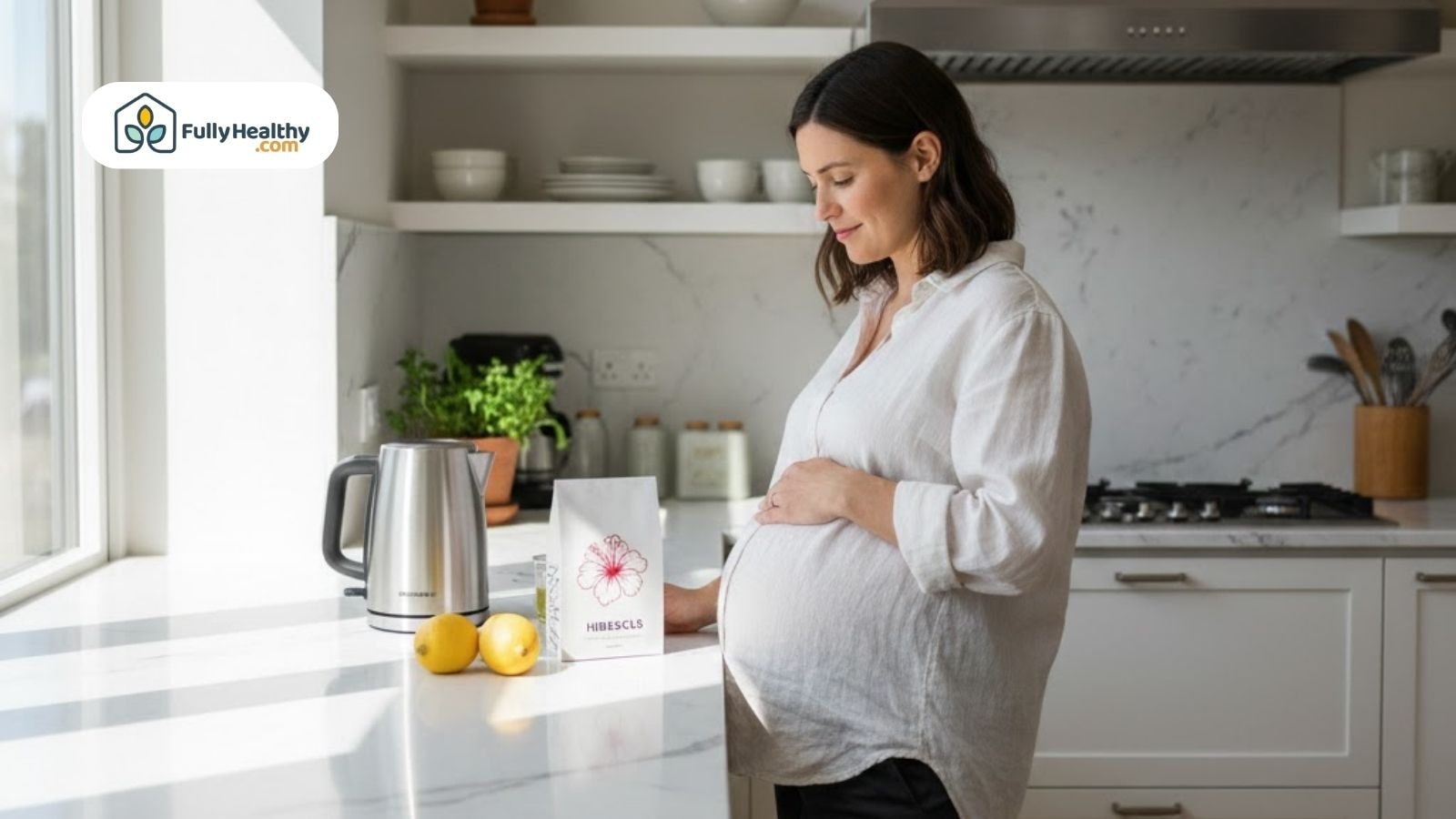
Even though hibiscus tea has several health benefits, it is generally not recommended during pregnancy or while lactating because there is still not enough clear evidence confirming it is safe.
Research And Safety Findings
Safety advice is mostly based on early research and a few animal and human studies that showed possible hormone and uterine effects when large amounts of hibiscus extract were used. Many experts recommend choosing safer herbal teas during pregnancy just to be careful.
-
Animal Studies: Some animal studies reported delayed puberty, maternal nutrition changes, and developmental differences after high intake of hibiscus extract.
-
Menstruation Effect: Hibiscus may encourage menstrual flow, which in theory could increase cramping, bleeding, or early labor risk.
-
Limited Human Evidence: There are not enough clinical trials involving pregnant women to confirm safety.
-
Blood Pressure Effects: Hibiscus tea may lower blood pressure, which can affect circulation during pregnancy.
-
Precautionary Guidance: Many health references recommend avoiding hibiscus tea during pregnancy until more research is available.
Moderation Versus Avoidance
Some sources say that drinking small amounts of brewed tea might not be as dangerous as using concentrated extracts in research. However, to be safe, most medical advice still says to stay away from it.
If you want to drink herbal tea while you are pregnant, doctors usually tell you to pick ones that have more safety information.
-
Moderation Claims: Brewed tea contains lower amounts of active plant compounds.
-
Medical Advice: Many guidelines still recommend avoiding hibiscus tea.
-
Pregnancy Sensitivity: Later pregnancy stages may require extra caution.
-
Medication Interactions: Hibiscus may interact with certain medications.
-
Simple Tip: Safer herbal teas are usually the better choice during pregnancy.
What Teas Should I Avoid While Pregnant?

For a healthy pregnancy, it's important to choose herbal teas carefully because some of them contain chemicals that can change hormones, uterine activity, or blood pressure. Knowing which types of tea need extra care helps pregnant women stay safe while still enjoying warm drinks.
Teas To Avoid
Some herbal teas, like hibiscus tea, licorice root tea, and ginseng tea, are often not recommended because they might stimulate hormones or the uterus. Due to a lack of safety data, strong medicinal herbal blends with concentrated extracts may also raise the risk of harm.
-
Hibiscus Tea: Linked to possible uterine contractions and hormonal effects.
-
Licorice Root Tea: May influence blood pressure and hormone balance.
-
Ginseng Tea: Associated with possible physiological effects in pregnancy.
-
Medicinal Herbal Blends: Concentrated botanical extracts may produce adverse effects.
-
Unknown Mixes: Some herbal blends contain other herbs with uncertain safety outcomes.
Safer Tea Options
When approved by a healthcare provider, some herbal teas like peppermint tea, ginger tea, and raspberry leaf tea can be drunk in small amounts. Even drinks with caffeine, like black tea or green tea, should be drunk slowly so that you don't get too much.
-
Peppermint Tea: May help digestion and mild nausea.
-
Ginger Tea: Commonly used for pregnancy related symptoms such as nausea.
-
Raspberry Leaf Tea: Sometimes used later in pregnancy under professional supervision.
-
Caffeine Awareness: Green tea and black tea should be limited.
-
Professional Advice: Expectant mothers should consult a healthcare provider before adding new herbal teas.
What Is The Best Drink During Pregnancy?
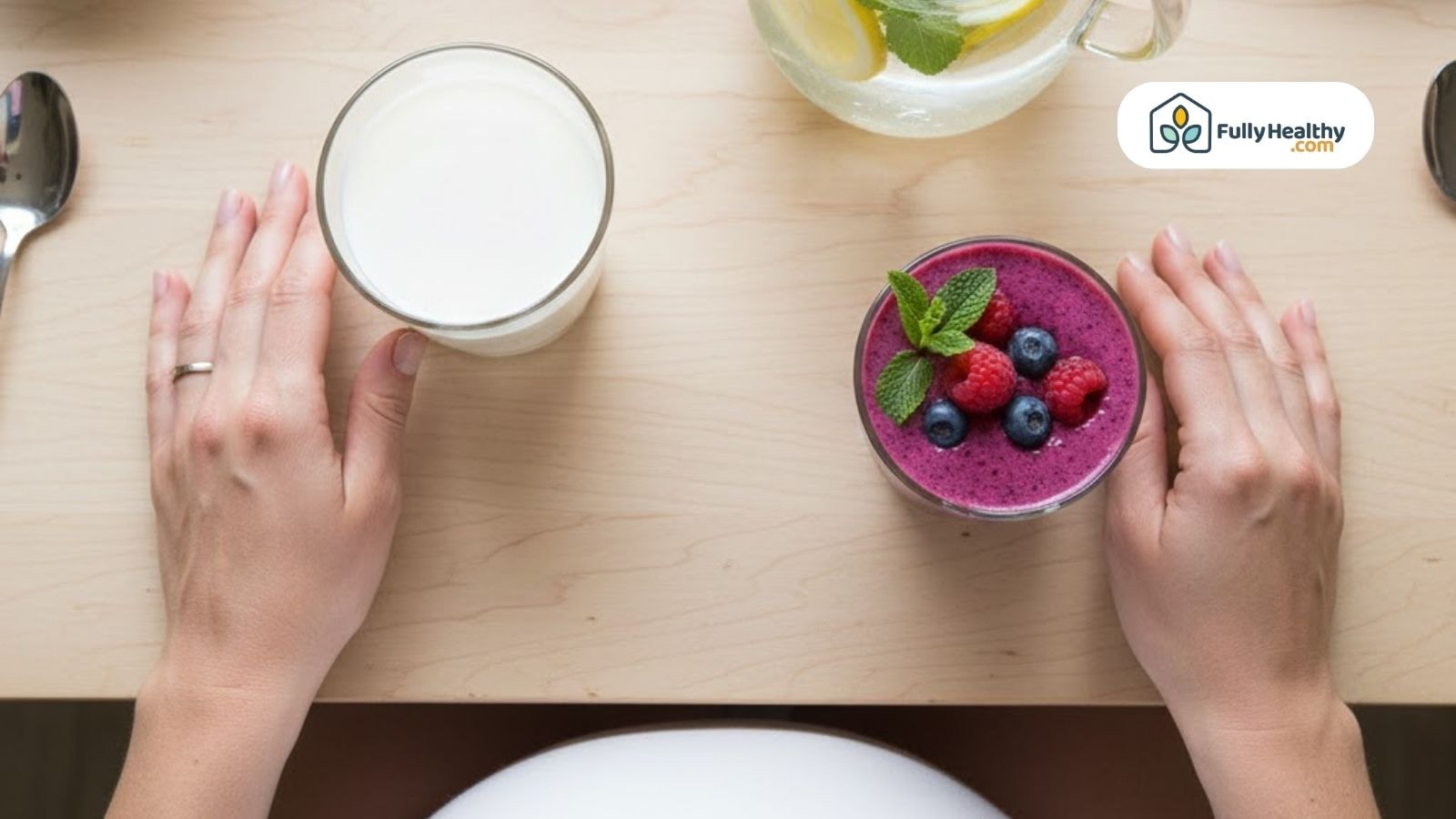
Drinking the right drinks during pregnancy is important for both the mother and the baby's health because they help with circulation, nutrient delivery, and blood flow. During pregnancy, choosing safe drinks can help keep blood pressure, temperature balance, and metabolic function in check.
Hydration Essentials
For pregnant women, water is still the best drink to drink because it helps cells grow, organs work, and blood flow stays steady. Milk or alternatives that have been fortified with calcium, vitamin C, and nutrients that are good for moms' health are also healthy choices.
-
Primary Hydration: Water supports circulation, blood flow, and overall physiological effects needed for fetal development.
-
Nutrient Support: Milk and fortified drinks provide calcium and vitamin D for bone health.
-
Electrolyte Balance: Proper hydration assists in maintaining stable metabolic function.
-
Caffeine Free Choices: Approved herbal teas can serve as safe hydration alternatives.
-
Healthy Pregnancy Focus: Balanced fluid intake helps manage pregnancy related symptoms and fatigue.
Drinks To Limit
Certain beverages should be limited because they may affect blood pressure, caffeine intake, or metabolic stability during pregnancy. Monitoring beverage consumption helps protect maternal health and reduce potential risks to the developing fetus.
-
Alcohol: Complete avoidance is recommended to reduce developmental complications.
-
High Caffeine Drinks: Excess caffeine from green tea, black tea, or energy drinks should be restricted.
-
Sugary Beverages: High sugar drinks may contribute to unnecessary weight loss imbalance or blood sugar changes.
-
Unverified Herbal Drinks: Certain herbal teas lacking strong safety evidence should be avoided.
-
Medication Interactions: Some beverages may create potential interactions with other medications prescribed during pregnancy.
What Does Hibiscus Tea Do To Your Stomach?
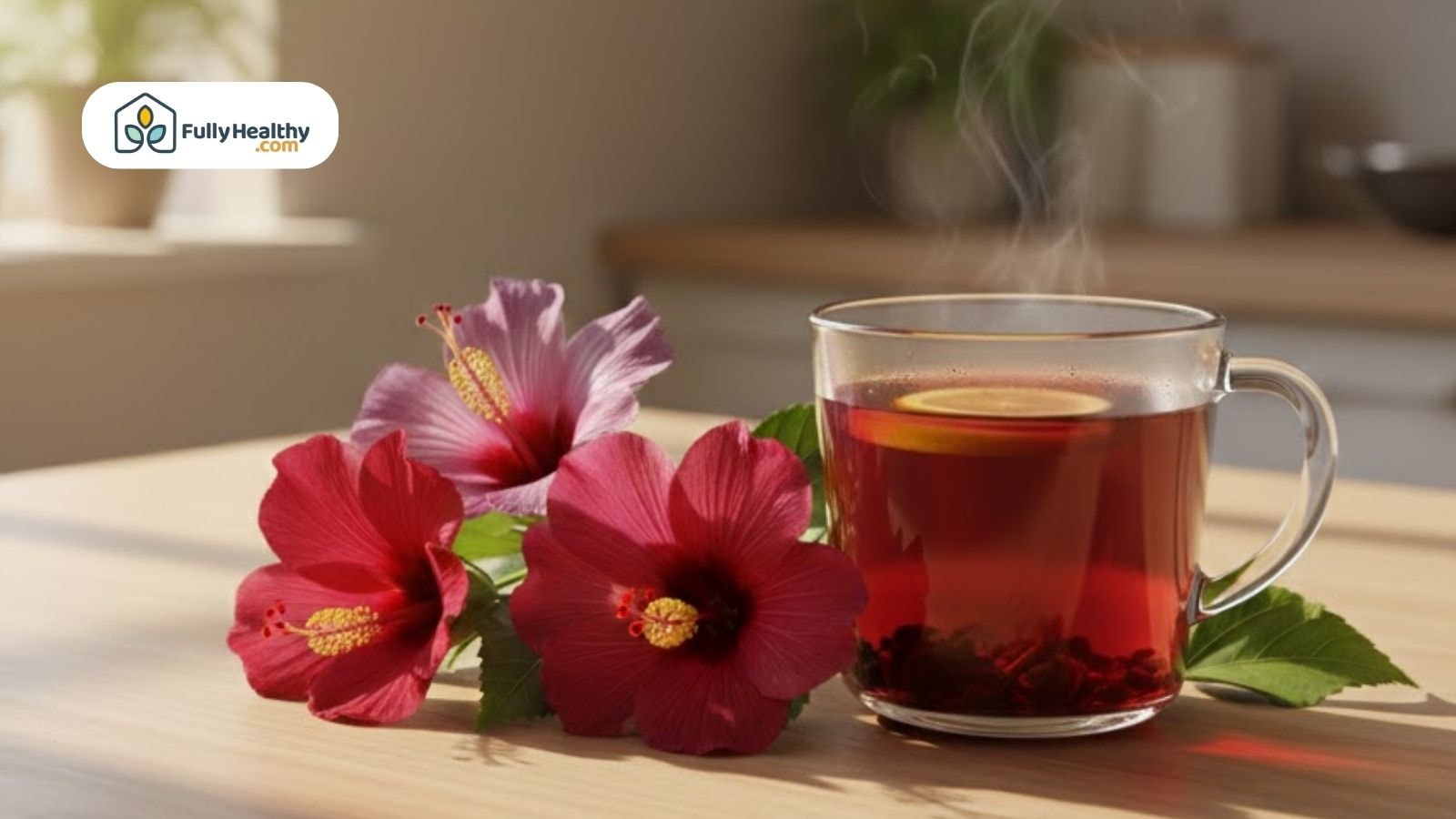
Hibiscus tea, made from the hibiscus sabdariffa flower, is widely consumed for its tart flavor, antioxidant properties, and traditional human health benefits related to digestion and circulation.
Digestive Benefits
Hibiscus plant and tea may help digestion because it contains organic acids and antioxidants that can help support gut health and encourage mild digestive activity. Some research also points to possible benefits in terms of lowering blood pressure, making blood flow better, and protecting liver health.
-
Digestive Support: Certain compounds may help stimulate digestive enzymes and reduce bloating.
-
Blood Pressure Effects: Hibiscus tea has been studied for lowering blood pressure, including diastolic blood pressure.
-
Antioxidant Properties: The hibiscus flower contains antioxidants that help protect cells from oxidative stress.
-
Cholesterol Levels: Some studies associate hibiscus consumption with improved cholesterol balance.
-
Vitamin C Content: The tea contains vitamin C, which supports immune function and overall health benefits.
Possible Side Effects
Higher intake may lead to mild digestive discomfort or potential interactions with other medications, especially those related to blood pressure control. Some reports also suggest excessive intake could influence liver health or cause temporary physiological effects in sensitive individuals.
-
Digestive Discomfort: Large servings may cause stomach irritation or mild nausea.
-
Medication Interactions: Potential interactions may occur with blood pressure medications.
-
Blood Pressure Drops: Excess intake may contribute to unusually low blood pressure.
-
Liver Effects: Rare cases of liver damage have been discussed in preliminary research.
-
Adverse Effects: Individuals with underlying conditions should consult a healthcare provider before frequent consumption.
Inside FullyHealthy: Wellness And Specialty Nutrition
FullyHealthy is a wellness marketplace focused on specialty-diet foods and beverages designed for ingredient transparency and lifestyle-specific nutrition needs.
About FullyHealthy
FullyHealthy offers wellness products that are chosen for their high quality, honesty, and ability to work with the diets that many health-conscious people follow. Customers can make smart choices about tea, supplements, and other health products with the help of educational content and product information.
-
Specialty Diet Focus: Products are designed for elimination-diet and allergen-sensitive lifestyles.
-
Ingredient Transparency: Detailed labeling helps customers review ingredient sources.
-
Wellness Education: Informational resources explain product uses and preparation methods.
-
Curated Selections: Items are chosen for compatibility with various dietary needs.
-
Customer Support: Guidance is provided for selecting suitable wellness products.
Featured Tea Products
The store provides hibiscus tea as well as other herbal teas that are good for you, like ginger turmeric tea, chamomile blends, and dandelion root tea. A lot of these teas don't have caffeine and are made with boiling water to keep the antioxidants and natural plant compounds.
-
Traditional Medicinals Organic Hibiscus Tea (16 Bags): A caffeine free hibiscus tea made from hibiscus sabdariffa flowers, known for its tart flavor and antioxidant properties.
-
Truly AIP Herbal Anti-Inflammatory Tea Blend (2 oz): A specialty herbal blend designed to support wellness and reduce inflammation using carefully selected plant ingredients.
-
Traditional Medicinals Organic Dandelion Leaf And Root Tea (16 Bags): A traditional herbal tea commonly used to support digestion and liver health.
-
Truly AIP Ginger Turmeric Herbal Tea: A warming herbal tea blend combining ginger and turmeric to support digestive comfort and immune balance.
-
Traditional Medicinals Organic Ginger Chamomile Tea (16 Bags): A soothing herbal tea pairing chamomile and ginger to promote relaxation and gentle digestive support.
Final Thoughts
Current guidance notes the hibiscus sabdariffa l and hibiscus sabdariffa plant, a flowering plant commonly found in many regions and used as sour tea, shows potential health benefits for blood flow and urinary tract infections in a comprehensive review of other plants.
However, there is still not enough solid evidence to say for sure that it is safe for pregnant women and women who are breastfeeding, especially in the third trimester. Readers who are pregnant should talk to their doctor about the drinks they drink and choose safer options.
FAQs
What Are Hibiscus Tea Benefits?
Hibiscus tea benefits include antioxidant support, possible cholesterol balance, and mild blood pressure regulation in non-pregnant adults.
Which Herbal Teas Are Best For A Pregnant Woman?
Peppermint tea, ginger tea, and approved pregnancy-safe herbal teas are often considered better options in moderation.
When Should You Stop Drinking Hibiscus Tea?
It is generally advised to stop drinking hibiscus tea as soon as pregnancy is confirmed and throughout breastfeeding unless approved by a healthcare provider.
Can Hibiscus Tea Induce Periods?
Some early research suggests compounds in hibiscus may affect hormones linked to menstrual cycles, which is why hibiscus tea is often avoided during pregnancy as a precaution.
Which Drink Is Not Good For Early Pregnancy?
Alcohol, high-caffeine drinks, and certain herbal teas lacking safety data are not recommended during early pregnancy.
Leave a comment