

Is Honey Vegan? A Look Into Bees, Ethics, and Alternatives
 Photo Credit: Canva Pro
Is honey vegan? Most vegans say no. A lot of vegans say no. Bees make honey, and bees are animals. Animal products are not eaten by vegans. Depending on the methods used, some large-scale ways of collecting honey may stress out or hurt bees and their hives.
So, a lot of vegans stay away from honey. Things like maple syrup or brown rice syrup are used instead of sugar. This article tells you what to eat instead of honey and why it's not vegan.
🍯 Spread the Goodness – Taste Madhava Organic Creamed Honey!
Is It Okay for Vegans to Eat Honey?
 Photo Credit: Canva Pro
Why Honey Isn't Considered Vegan
Most vegans don't eat honey because it's made by animals and and intended as food for their own species. For vegans, it is not for human use that honey bees collect nectar, add enzymes to it, and store it as food to get through colder months.
-
Bees produce honey: As a survival food, not a human sweetener.
-
Honey is an animal product: To get honey, you have to take what the bees need to thrive.
-
Veganism definition: Avoiding animal exploitation and all animal-derived foods.
-
Not all vegans consume honey: Some vegans do eat it, but most choose not to.
-
Honey veganism: Aligns with broader ethics against exploiting sentient beings like insects.
-
Vegan Society stance: Honey is a non vegan food, excluded from a vegan lifestyle.
Harmful Practices in the Honey Industry
A lot of vegans also don't eat honey because large scale beekeeping means changing their behavior in ways that are harmful and not natural. When bees are used for commercial purposes, their health is often put at risk.
-
Queen bees are wing clipped: Stopping natural swarming and colony growth.
-
Sugar syrup is fed to bees: After honey is taken, providing less healthy food as a replacement.
-
Entire hives are culled: In some commercial settings, hives may be destroyed if they aren't producing honey or to save money, though this is not a universal practice.
-
Some bee farming uses pesticides: Leading to colony collapse disorder and harming other pollinators.
-
Other pollinators suffer: Managed honeybees have to deal with competition from wild bees and smaller native species.
-
Commercial beekeeping = animal exploitation: Treats bees as machines, not living animals.
What Are the Best Vegan Alternatives to Honey?
 Photo Credit: Canva Pro
Popular Sweeteners Used by Vegans
Vegans often use sweeteners made from plants that don't come from bugs or animals. These sweeteners taste and feel like honey and can be used in everyday vegan foods.
-
Maple syrup from the maple tree: Commonly used as a sweetener and packed with minerals.
-
Agave nectar from the agave plant: Sweeter than sugar and dissolves easily in drinks.
-
Brown rice syrup: Fermented rice produces a sweetener that is not as sweet as honey but works well in baking.
-
Date syrup: Rich, caramel-like flavor made by boiling dates into a thick liquid.
-
Coconut nectar: It is tapped from coconut blossoms, somewhat sweet, and has a low glycemic index.
-
Plant based alternatives: All of these are free from animal exploitation and insect use.
Why Vegans Choose These Alternatives
Due to their plant-based origin, these sweeteners are compatible with a vegan diet. Additionally, they stay away from problems related to keeping bees for profit.
-
Do not come from insects: No bees, honeybees, or wild bees involved in production.
-
Support a cruelty-free diet: They don’t require vegans to consume animal products.
-
Avoid bee farming practices: No queen bees, sugar syrup feeding, or hive manipulation.
-
Used in vegan community: Often found in plant based recipes, cereals, and desserts.
-
Fit vegan ethics: No involvement in dairy, meat, eggs, or any form of animal exploitation.
-
Work as sugar substitute: All foods can easily be switched out for honey.
Is Honey Better Than Sugar?
 Photo Credit: Canva Pro
Nutritional Comparison: Honey vs. Sugar
There are pros and cons to both honey and sugar, despite what many people think. There are trace minerals and antioxidants in raw honey, but it still has a lot of sugar and calories.
-
Raw honey has antioxidants: While white sugar offers zero nutritional benefit.
-
Glycemic index is lower in honey: But not enough to prevent blood sugar spikes in some.
-
Calories are similar: There are a few more calories in a tablespoon of honey than in a tablespoon of refined sugar.
-
Contains essential nutrients: Trace amounts of potassium, calcium, and iron are present in raw honey.
-
Used as a sugar substitute: Still a high-calorie sweetener in the end.
Health Claims and Common Misconceptions
It is common for honey to be sold as a medicine, but most health claims are exaggerated. Although it can help with coughs, that doesn't mean it's necessary or better than vegan foods.
-
Raw honey is antimicrobial: Only effective topically or in high-quality, unprocessed forms.
-
Does not offer unique benefits: Compared to other natural sweeteners like maple syrup or coconut nectar.
-
Many vegans avoid eating it: Because health claims don't justify animal exploitation.
-
Other sweet options: Maple tree products and plant based alternatives offer similar flavor.
-
Honey vegan myths: Don't separate wellness and ethical sourcing.
Can Honey Expire?
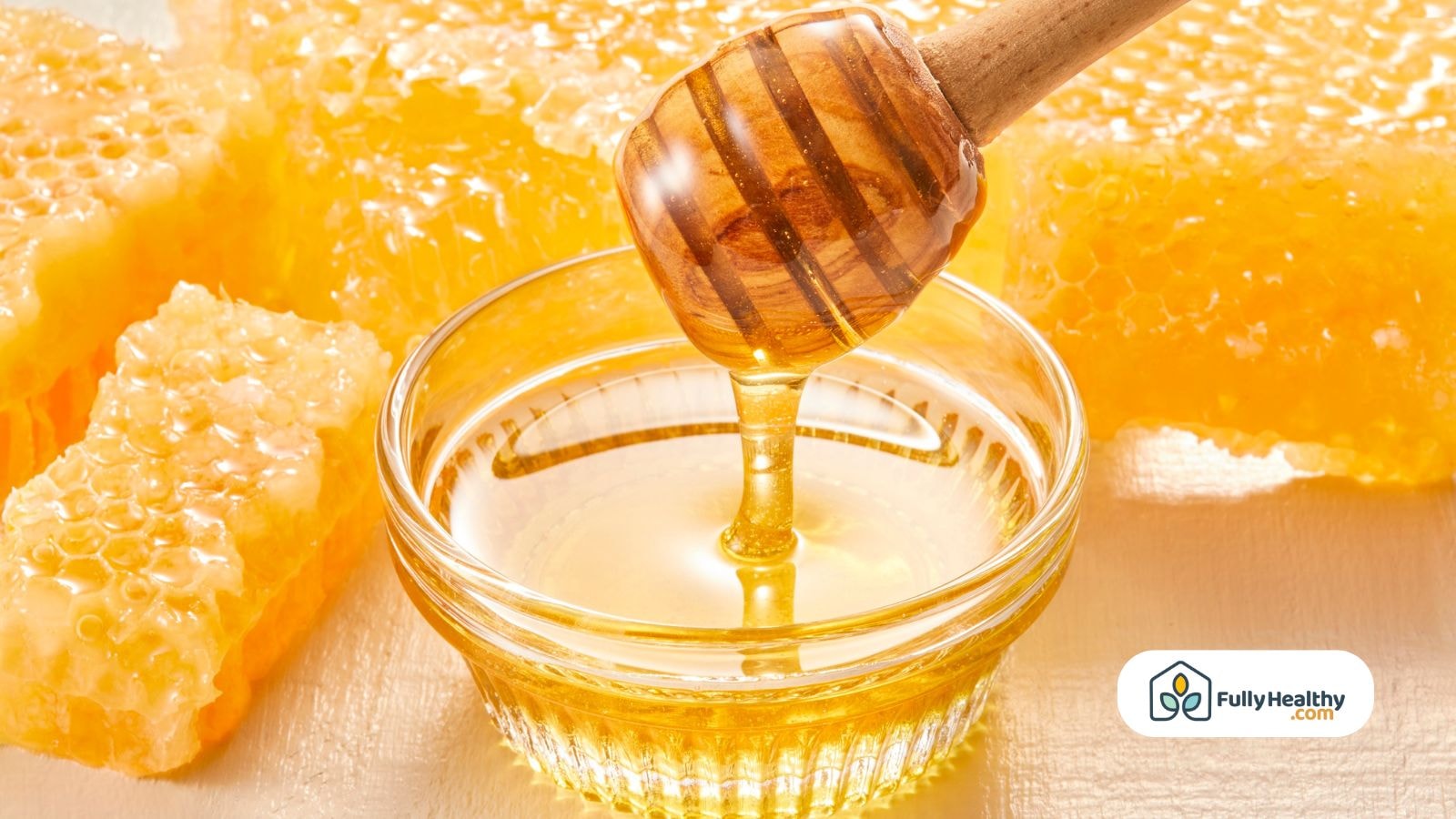 Photo Credit: Canva Pro
Why Honey Lasts (Almost) Forever
Because of how it's made, honey doesn't go bad under normal conditions. Bacteria can't grow in it because it has little water, high sugar, and an acidic pH.
-
Bees add enzymes: Creating hydrogen peroxide and increasing antimicrobial strength.
-
Long shelf life: Properly sealed honey can last for years without going bad.
-
No refrigeration needed: Making it one of the most shelf-stable sweeteners.
-
Bees evolved it for survival: Designed to feed the hive through long winters and cold months.
-
Honey production is efficient: Meant for bees, not for human stockpiling.
Signs of Spoilage and Safe Storage Tips
Honey doesn't usually go bad, but it can if it's not stored right. The jar can be warmed up to stop the crystallization process, which is a natural process and not a sign of spoilage.
-
Crystallization is normal: Does not mean the honey is spoiled or unsafe.
-
Signs of spoilage: Fermentation smell, bubbling, or mold may indicate moisture contamination.
-
Use airtight glass containers: To maintain quality and avoid moisture entry.
-
Avoid eating spoiled honey: Especially if it smells sour or looks frothy.
-
Store in cool, dry places: Away from direct sunlight and heat.
Get to Know FullyHealthy
Who We Are and What We Believe
When it comes to food, FullyHealthy supports choices that are good for people . For those who follow a vegan lifestyle, we believe in full transparency,
-
We curate food sources: That meet clean-label, ethical, and health-forward standards.
-
We support vegan friendly alternatives: And clearly label products not suitable for vegans.
-
Many vegans use our site: To source plant based alternatives like agave nectar and maple syrup.
-
Our mission includes education: Helping people understand the ethics of what they eat.
-
We do not promote bee products as vegan: Including raw honey or honey-based goods.
Honey-Based Products We Offer
While not suitable for most vegans, we carry products containing honey for other health-conscious shoppers. These include organic, unfiltered goods that help small apiaries.
-
Organic creamed honey: From brands like Madhava for non-vegan customers.
-
Cereal with honey: Like Lovebird Rise & Fly, clearly labeled and transparently sourced.
-
Not marketed as vegan foods: All honey items are tagged accurately.
-
Vegan alternatives are suggested: Such as brown rice syrup, date syrup, and coconut nectar.
-
We help consumers choose: Based on their ethics, diet, and wellness goals.
Final Thoughts
Honey might not seem harmful, but for many vegans, it is still a controversial food because it is made with animal labor. People often take bees' honey and feed them sugar syrup instead, even though bees fly long distances to find flowers and pollinate crops.
People who don't eat meat, dairy, eggs, or honey usually don't eat any of those things either. Many plant-based foods can be used instead of honey. Pick the option that fits your plate and your values the best.
FAQs
Is honey vegan if bees pollinate crops and eat flowers?
No, honey is not vegan because it comes from insects, and vegans do not consume animal products like meat, milk, dairy, or eggs.
Do bees over produce honey?
Yes, honey bees often overproduce honey but it's for their colony survival, not for harvesting honey by humans who take it over long distances.
Do vegans eat maple syrup or brown rice syrup as alternatives?
Yes, most vegans use maple syrup, brown rice syrup, and other alternatives to honey instead of bee products in a vegan lifestyle.
What is honeycomb made of?
Honeycomb is made of wax by honey bees, and many vegans consider it a controversial food because bees collect nectar and it's harvested through animal exploitation.
Is honey vegan or are dairy and meat better?
Most vegans avoid honey and do not consume animal products like dairy, meat, milk, or eggs because they choose plant-based alternatives.
Leave a comment