

Is Ketchup Healthy? What Nutrition Labels Don't Tell You
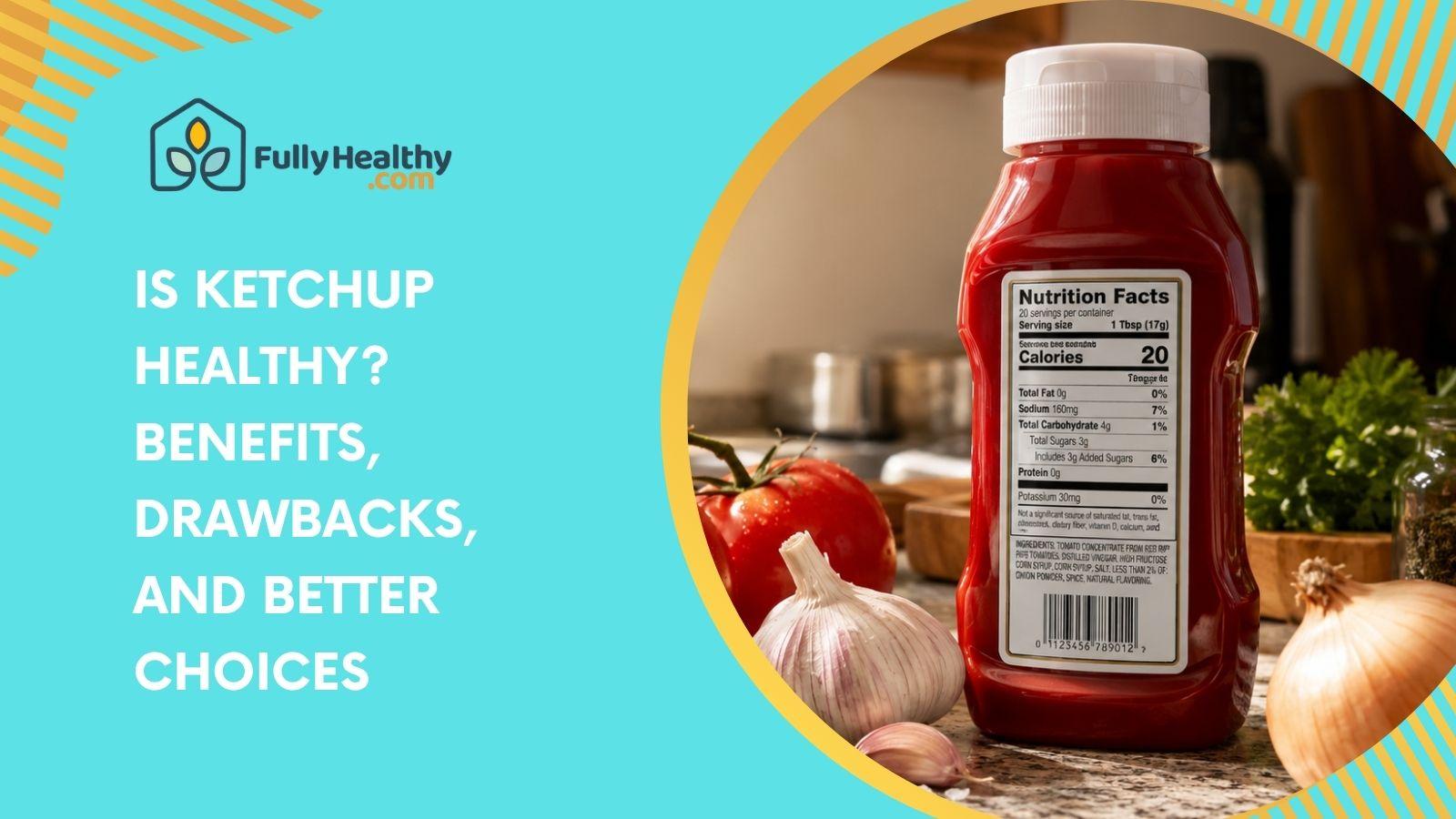
Is ketchup healthy? Ketchup can be part of a healthy diet when consumed in moderation, but many varieties contain added sugar and sodium. It also provides lycopene, an antioxidant found in tomatoes, though ketchup is usually eaten in small servings.
Understanding its nutritional value, sugar content, and ingredient list can help you decide if ketchup fits your health goals and how it compares to other popular condiments.
Featured Pantry Pick
KC Natural // Carrup Tomato-Free Ketchup 14 oz
Loading...
Is Ketchup Healthy?

Ketchup can be a healthy condiment choice in moderation, thanks to its tomato content and low calorie count. However, many varieties also contain added sugar and sodium.
The Nutritional Benefits Hidden In Ketchup
Yes, ketchup can be part of a healthy diet when consumed in moderate amounts because it contains lycopene from tomatoes and provides fewer calories than many creamy condiments. Its nutritional value comes mainly from concentrated tomatoes and the antioxidants they naturally contain.
-
Lycopene: Ketchup contains lycopene, an antioxidant studied for possible heart-health benefits.
-
Low Calories: A tablespoon of regular ketchup contains only about 15 to 17 calories.
-
Zero Grams Of Fat: Most varieties contain zero grams of fat per serving.
-
Tomato Concentration: Processed tomatoes make lycopene easier for the body to absorb.
-
Flavor Enhancement: Ketchup can add flavor to burgers, sandwiches, eggs, fries, and meatloaf.
The Drawbacks Most People Overlook
Ketchup also comes with nutritional drawbacks that deserve attention. Most concerns involve added sugar, sodium, and serving size rather than the tomatoes themselves.
-
Added Sugar: Many brands use cane sugar, corn syrup, or high fructose corn syrup.
-
Sodium Content: A small serving can still contribute a noticeable amount of salt.
-
Low Fiber: Traditional ketchup contains much less fiber than whole vegetables.
-
Portion Creep: Multiple servings from a ketchup bottle can quickly increase sugar intake.
-
Meal Pairings: Frequent use with french fries and sweet potato fries can make an already calorie-dense meal higher in sugar and sodium.
Does Ketchup Count as Sugar?
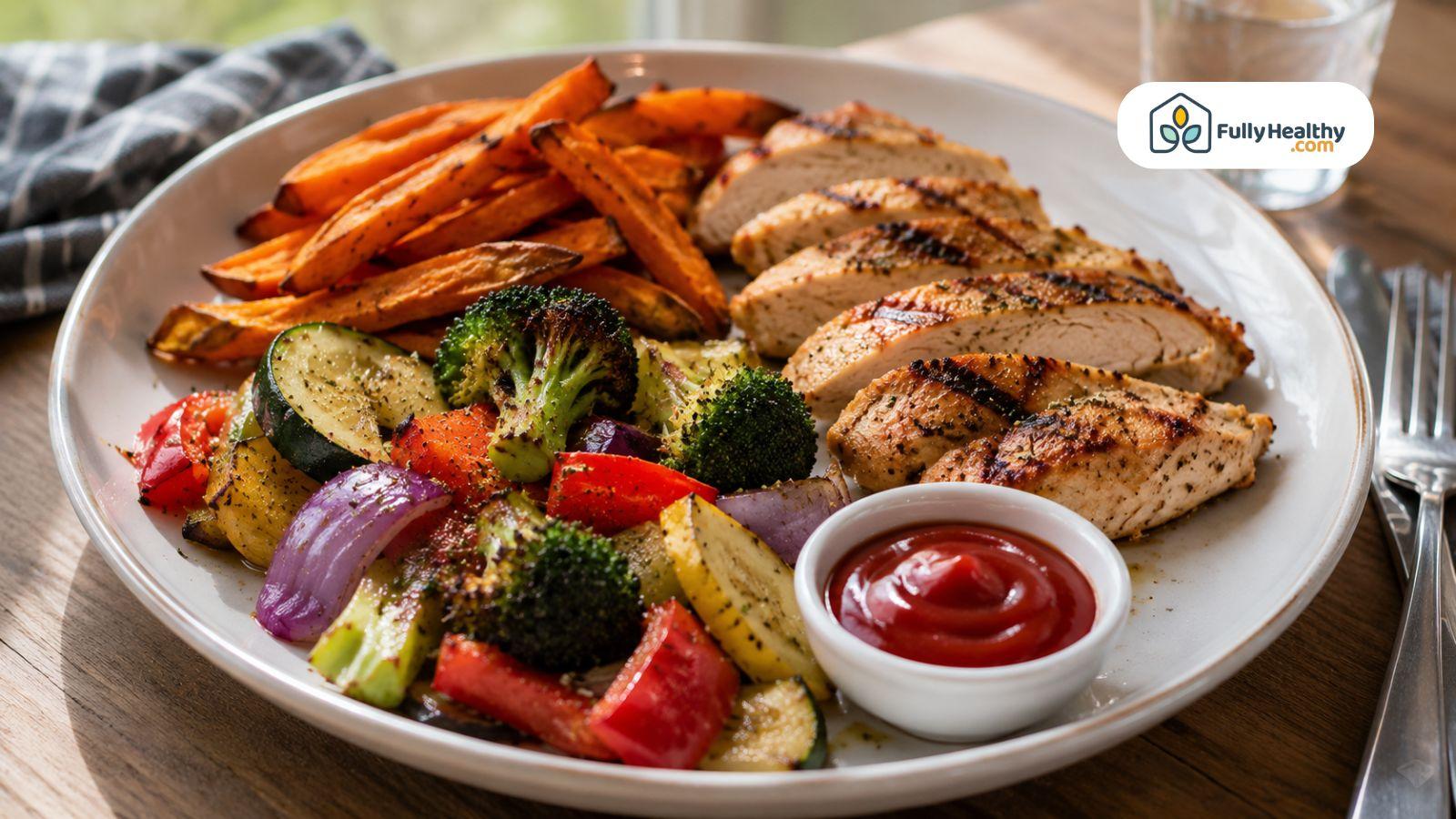
Ketchup contains both natural sugars from tomatoes and added sugar from sweeteners. The amount varies by brand, but sugar is a key ingredient in many recipes.
How Much Sugar Is Actually In Ketchup?
A typical tablespoon of regular ketchup contains about 4 grams of sugar, which is roughly one teaspoon. The exact amount varies by brand, but most traditional ketchup products contain added sugar to balance the acidity of tomatoes and vinegar.
-
Typical Amount: Most brands contain around 4 grams of sugar per tablespoon.
-
Added Sugar: Much of that sugar comes from ingredients added during manufacturing.
-
Balanced Taste: Sweetness helps create the familiar flavor profile people expect from ketchup.
-
Common Pairings: Ketchup is often served with fries, potatoes, burgers, and sandwiches.
-
Serving Impact: Multiple servings can significantly increase daily sugar intake.
Why Ingredient Labels Matter
The ingredient list can reveal major differences between products that look similar on the shelf. Reading labels helps identify healthier options with less added sugar.
-
High Fructose Corn Syrup: Commonly used in some traditional ketchup recipes.
-
Corn Syrup: Another sweetener found in many conventional products.
-
Cane Sugar: Often used as an alternative sweetener in ketchup.
-
Sugar Free Options: Some healthy ketchup products eliminate added sugar entirely.
-
Short Ingredient Lists: Simpler recipes may contain fewer additives, but the nutrition label still matters most.
What is Healthier, Mayo or Ketchup?
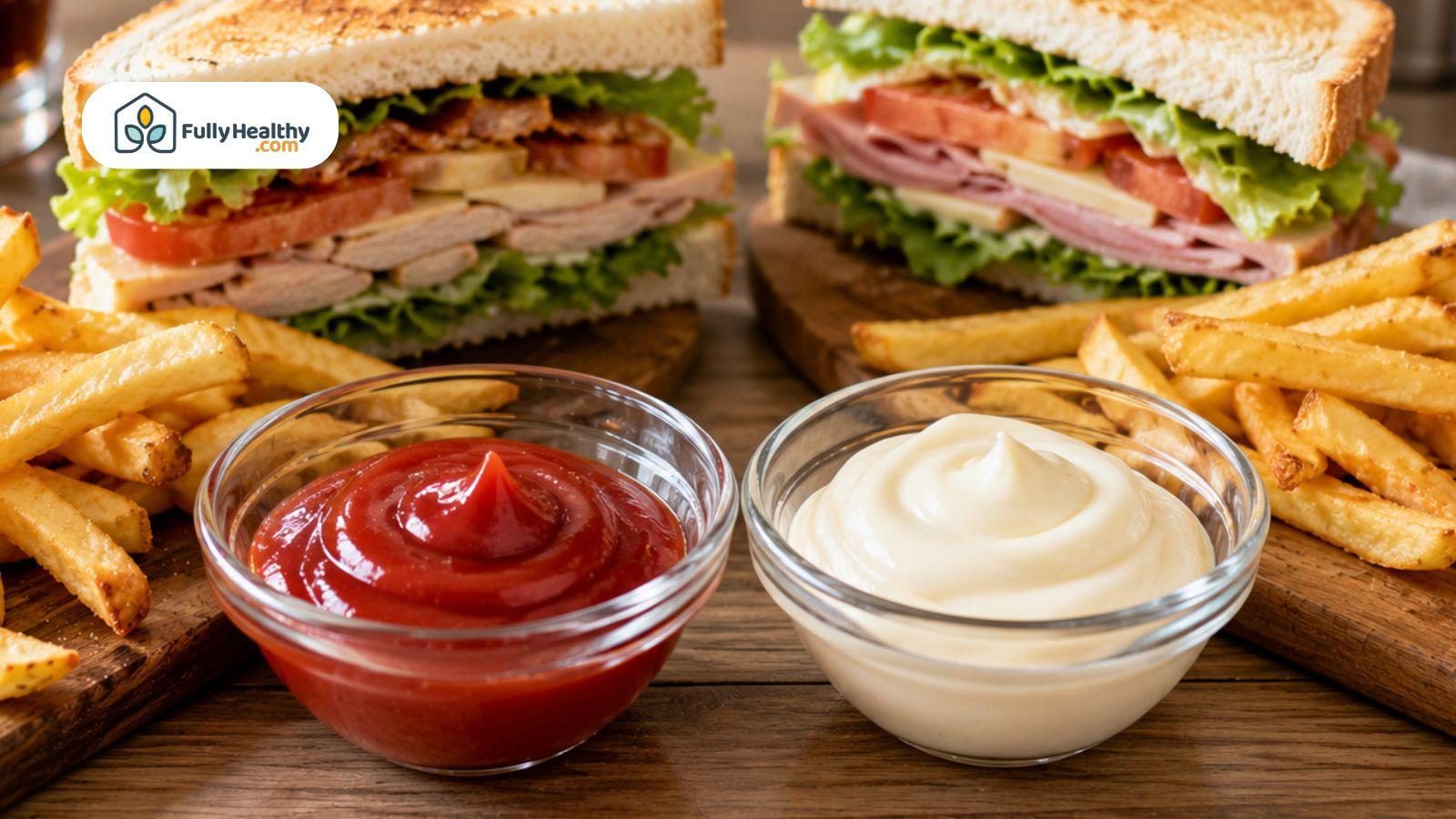
Ketchup is generally healthier if your goal is lower calories and fat. Mayonnaise provides beneficial fats and vitamins but contains significantly more calories per serving.
Comparing Calories, Fat, Sugar, and Sodium
Ketchup is generally healthier than mayonnaise for people focused on lower calories and lower fat intake because it contains fewer calories and virtually no fat. However, mayonnaise contains less sugar, while ketchup typically contains more sodium and sweetness.
-
Calories: Ketchup contains significantly fewer calories than mayonnaise per serving.
-
Fat Content: Mayonnaise is much higher in fat because it is made with oil.
-
Sugar Levels: Ketchup usually contains more sugar than mayonnaise.
-
Sodium Content: Both condiments can contribute meaningful amounts of sodium.
-
Serving Impact: Larger portions increase nutritional differences considerably.
Which Condiment Fits Different Health Goals?
Neither ketchup nor mayonnaise is automatically the better choice in every situation. The healthiest option depends on your diet, nutritional priorities, and serving habits.
-
Weight Management: Ketchup may be preferable because it contains fewer calories.
-
Lower Sugar Intake: Mayonnaise may contain less sugar than regular ketchup.
-
Flavor Preference: Ketchup delivers a tangy condiment taste with vinegar and spices.
-
Meal Uses: Both can add flavor to dishes, sandwiches, burgers, and dips.
-
Moderation: Small amounts of either condiment can fit into a healthy eating pattern.
What's the Healthiest Ketchup to Eat?
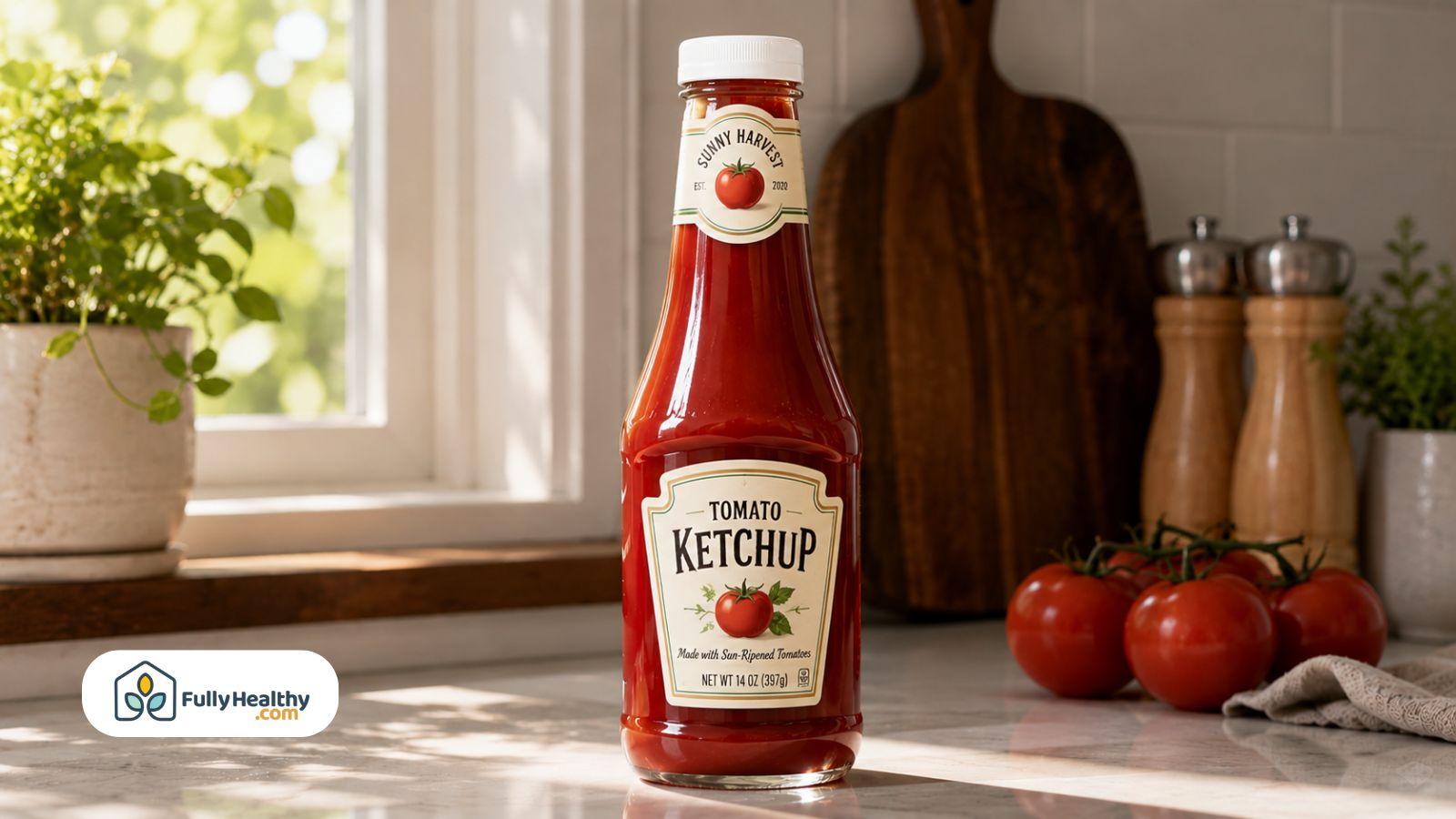
No-added-sugar tomato ketchup is generally considered the healthiest ketchup because it provides lycopene from tomatoes without relying on refined sweeteners. It also tends to have a simpler ingredient list than many conventional products.
Ingredients To Look For In a Better Ketchup
No-added-sugar tomato ketchup is generally considered the healthiest option because it provides lycopene from tomatoes without relying on refined sweeteners. Many products also use simpler recipes that focus on tomato flavor rather than excessive sweetness.
-
No Added Sugar: Helps reduce unnecessary sugar intake.
-
Simple Ingredients: Short ingredient lists are often easier to understand.
-
Lower Sodium: Some products contain less salt than regular ketchup.
-
Tomato Content: Tomato-based recipes provide beneficial lycopene.
-
Fewer Additives: Many premium products avoid unnecessary preservatives.
Tomato Ketchup vs Other Ketchup Varieties
Tomato ketchup is usually the healthiest choice because it provides the highest amount of lycopene, a powerful antioxidant naturally found in tomatoes. While banana ketchup contains some vitamins and has lower acidity, many commercial versions are heavily sweetened and may contain more added sugar than expected.
-
Tomato Ketchup: Rich source of lycopene and widely available.
-
Banana Ketchup: Often sweeter and may contain additional sugar.
-
Antioxidants: Tomato-based products generally provide more lycopene.
-
Ingredient Quality: Unsweetened varieties are usually preferable.
-
Health Focus: Choosing a premium tomato ketchup can help maximize nutritional benefits while limiting refined sugars.
Final Thoughts
Ketchup can be a reasonable part of a balanced diet when used in moderation. It provides nutrition from tomatoes and beneficial nutrients like lycopene, but some products also contain added sugar and sodium.
Choosing a healthy ketchup, making your own ketchup, or selecting a classic ketchup with a simple ingredient list can help you enjoy a tasty and flavorful sauce. Use this guide to make smarter choices the next time you reach for the real thing.
FAQs
Is Tomato Ketchup Junk Food?
No, tomato ketchup is not considered junk food on its own, but frequent use of high-sugar varieties may reduce its overall nutrition value.
What is the Healthiest Condiment in the World?
There is no single healthiest condiment, but mustard is often a lighter choice because it is usually low in calories, sugar, and fat.
What are the Downsides of Eating Ketchup?
The main downsides of eating ketchup are added sugar, sodium, and the potential to eat ketchup in large amounts with less nutritious meals.
Is Healthy Ketchup Better Than Traditional Options?
Yes, healthy ketchup products often contain fewer additives, less sugar, and a simpler ingredient mix while still providing a flavorful taste.
Is Regular Ketchup Still Okay to Eat?
Yes, regular ketchup can still fit into a balanced diet when enjoyed in moderation alongside nutritious foods and proper serving sizes.
Leave a comment