

Is Mackerel Good for You? What Doctors Want You to Know
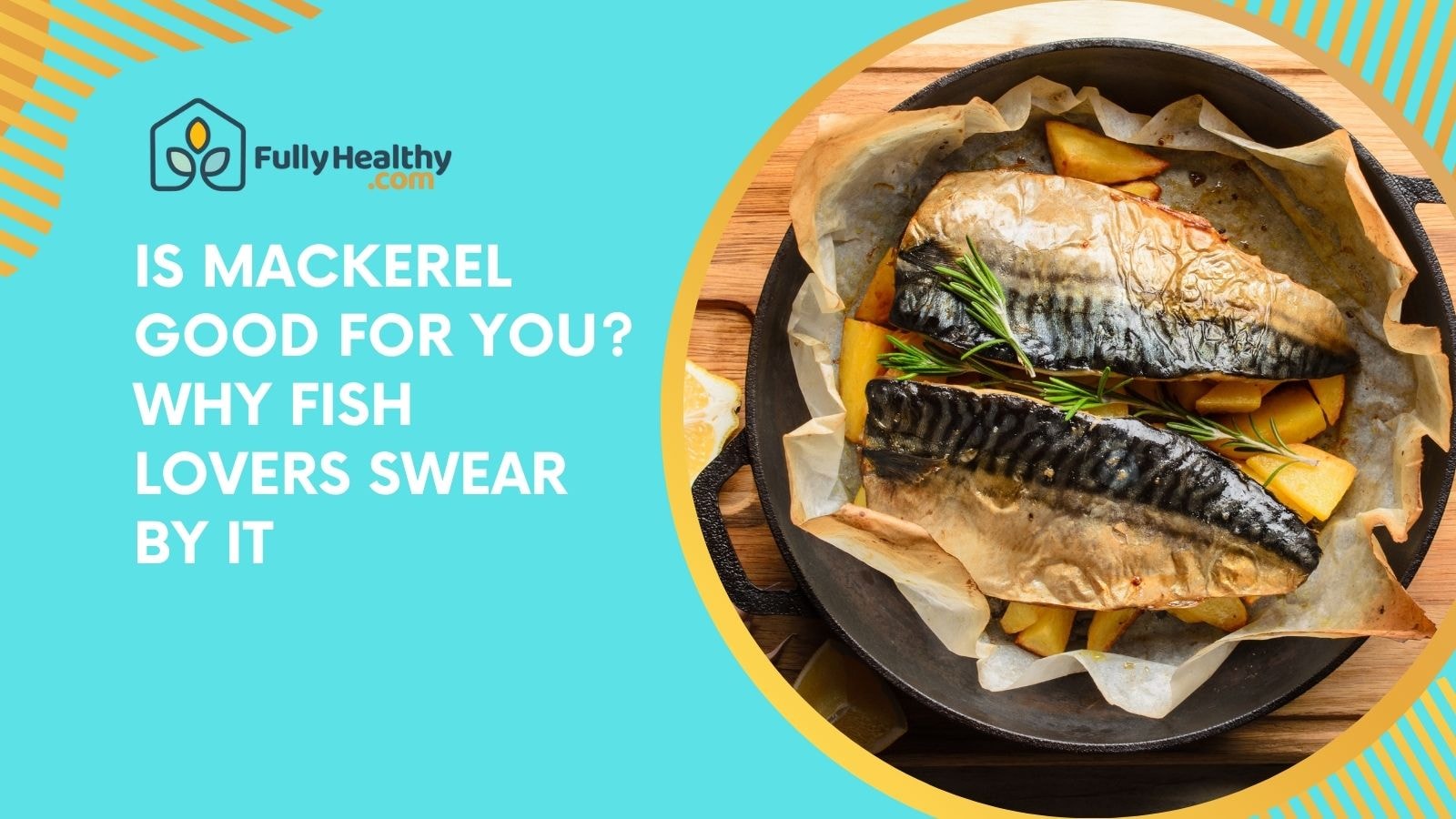 Photo Credit: Canva Pro
Mackerel is good for you because it has a lot of vitamins, protein, and omega-3 fats that are good for your heart, brain, and bones. Fish low in mercury and environmental contaminants can generally be consumed 2–3 times per week, depending on local advisories and species.
However, some kinds, like King mackerel, have a lot of mercury in them, so pick Atlantic or Pacific types. This blog talks about the pros, cons, and smart ways to enjoy mackerel without getting sick.
Featured Pantry Pick
Wild Planet // Mackerel Fillets in Extra Virgin Olive Oil - 4.4 oz
Loading...
Is Mackerel Good for You?
 Photo Credit: Canva Pro
One of the healthiest types of oily fish you can eat is mackerel. It is full of protein, omega-3 fatty acids, and important vitamins that help the brain, heart, and bones stay healthy. In small amounts, eating mackerel is good for your heart and lowers inflammation. However, it's important to know what kind of mackerel you're eating because different species have different amounts of mercury.
What Makes Mackerel a Nutrient Powerhouse
The mackerel is a fatty fish in the Scombridae family along with tuna and salmon. Atlantic mackerel and Pacific mackerel have less mercury than other fish and are safe to eat regularly.
-
Rich in Omega 3s: It gives you eicosapentaenoic acid and docosahexaenoic acid, which are good for your brain and heart.
-
High Quality Protein: Helps in muscle growth and joints.
-
Essential Vitamins and Minerals: It has B vitamins, vitamin D, selenium, iodine, and other nutrients that are good for your bones and metabolism.
-
Good Fats: It has polyunsaturated fats that can lower blood pressure and lower the risk of cardiovascular disease.
How Does Mackerel Improve Heart, Brain, and Bone Health
Eating mackerel regularly is very good for your health. This saltwater fish and its omega-3 fatty acids can help your cardiovascular health, lower your blood pressure, and protect your brain.
-
Heart Health: swaps out unhealthy fats for healthy ones, which raises cholesterol levels.
-
Brain Function: DHA helps brain development and may slow down mental decline.
-
Bone Health: Vitamin D stops you from getting weak and helps your body absorb calcium.
-
Weight Loss Support: Protein and healthy fats keep your energy up and help you control your hunger.
What Are the Disadvantages of Mackerel?
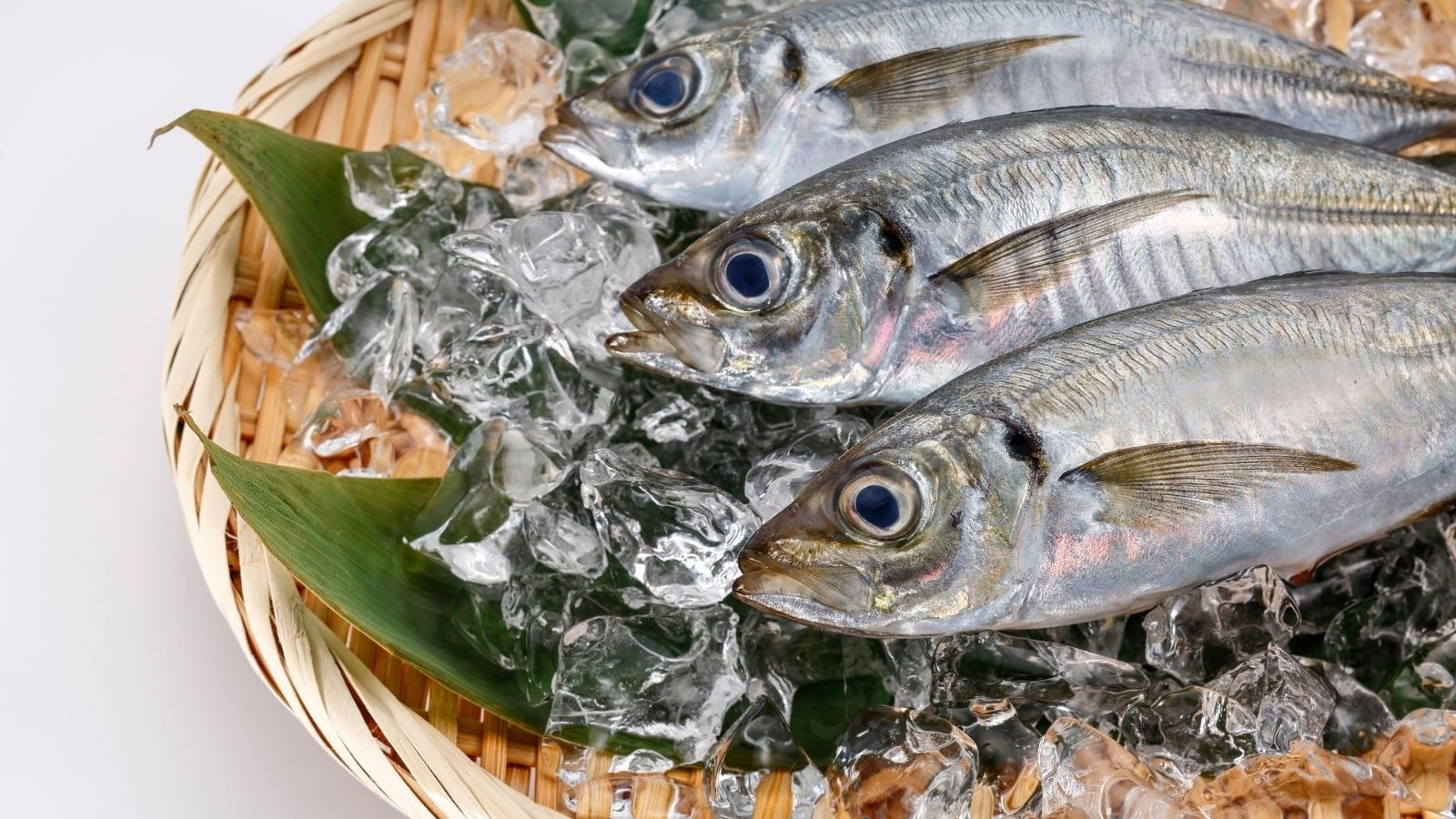 Photo Credit: Canva Pro
Even though mackerel is good for you, not all of it is safe. King mackerel and Spanish mackerel both have high levels of mercury in them, which is bad for you, especially if you are pregnant or have kids.
Does Mackerel Contain Mercury or Toxins
It depends on the type of fish and what it eats to determine how much mercury content it has. Mercury builds up more in bigger, older fish.
-
High Risk Species: There is more mercury in king mackerel and some Spanish mackerel.
-
Lower Mercury Options: If you want to eat fish more often, Atlantic and Pacific mackerel are safer.
-
Sensitive Groups: Women who are pregnant shouldn't eat too many of these fish to avoid health issues in the development of the babies' brain.
-
Environmental Note: The National Oceanic and Atmospheric Administration keeps an eye on safety and overfishing.
What Other Safety Issues Should You Watch For
If you don't handle mackerel properly, it can go bad and make you sick. Always check the storage and freshness.
-
Fresh Mackerel: It should have firm flesh, clear eyes, and a mild ocean smell.
-
Canned Mackerel: Easy to use, but often higher in sodium. Pick brands that are low in salt.
-
Smoked or Cooked Properly: Cooking or smoking fish extends shelf life, but you shouldn't eat fish that has gone bad.
-
Storage Tip: Mackerel should be kept cold and cooked within 24 hours for the best taste and safety.
What Is the Healthiest Fish to Eat?
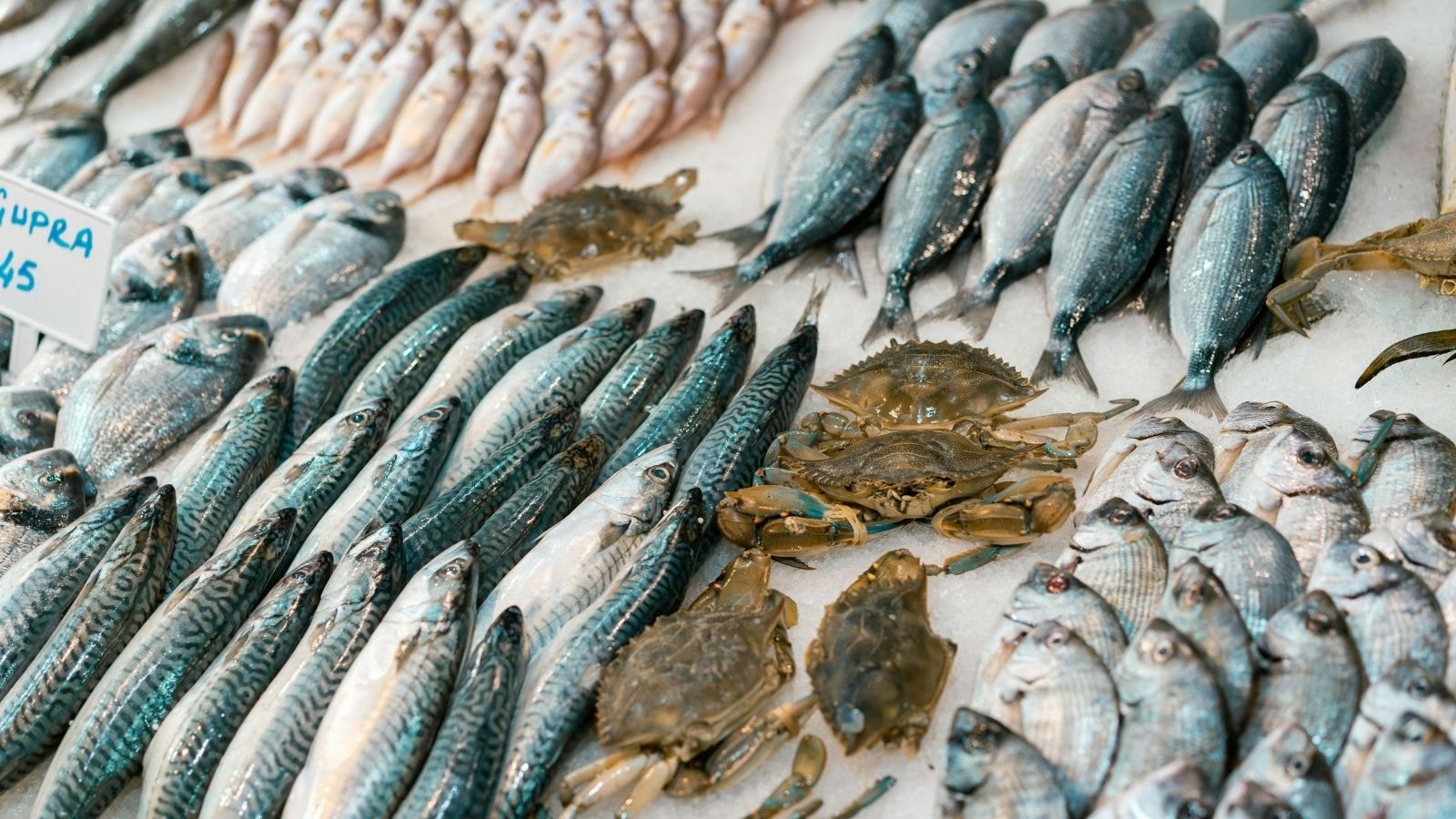 Photo Credit: Canva Pro
Choosing fish wisely ensures a balance of essential nutrients while minimizing mercury exposure. When you choose fish wisely, you can get a balance of important nutrients while limiting your exposure to mercury. Mackerel is one of the healthiest fish, but wild salmon, canned salmon, herring, and sardines are also great choices.
Which Fish Rank Highest for Health Benefits
For a healthy heart and less inflammation, fish that is high in omega-3 fatty acids is best.
-
Top Picks: There are wild Atlantic mackerel, salmon, herring, and sardines.
-
Other Fish: Anchovies and trout are both good for you in the same ways.
-
Healthy Fats: Switching from red meat to oily fish can lower your risk of heart disease.
-
Anti-Inflammatory Properties: When you mix omega-3s with olive oil, you can naturally lower inflammation.
Which Fish Should You Avoid or Limit
You should eat less of some fish because they contain more mercury.
-
Avoid High Mercury Fish: King mackerel, shark, tilefish, and some tuna.
-
Moderate Options: Occasionally, Albacore tuna, canned tuna, and farmed salmon.
-
Safer Choices: smaller fish like sardines and Atlantic mackerel that are caught in the wild..
-
Choosing Fish: Pick varieties that are safe and healthy and are caught in a way that doesn't harm the environment..
How Often Should I Eat Mackerel?
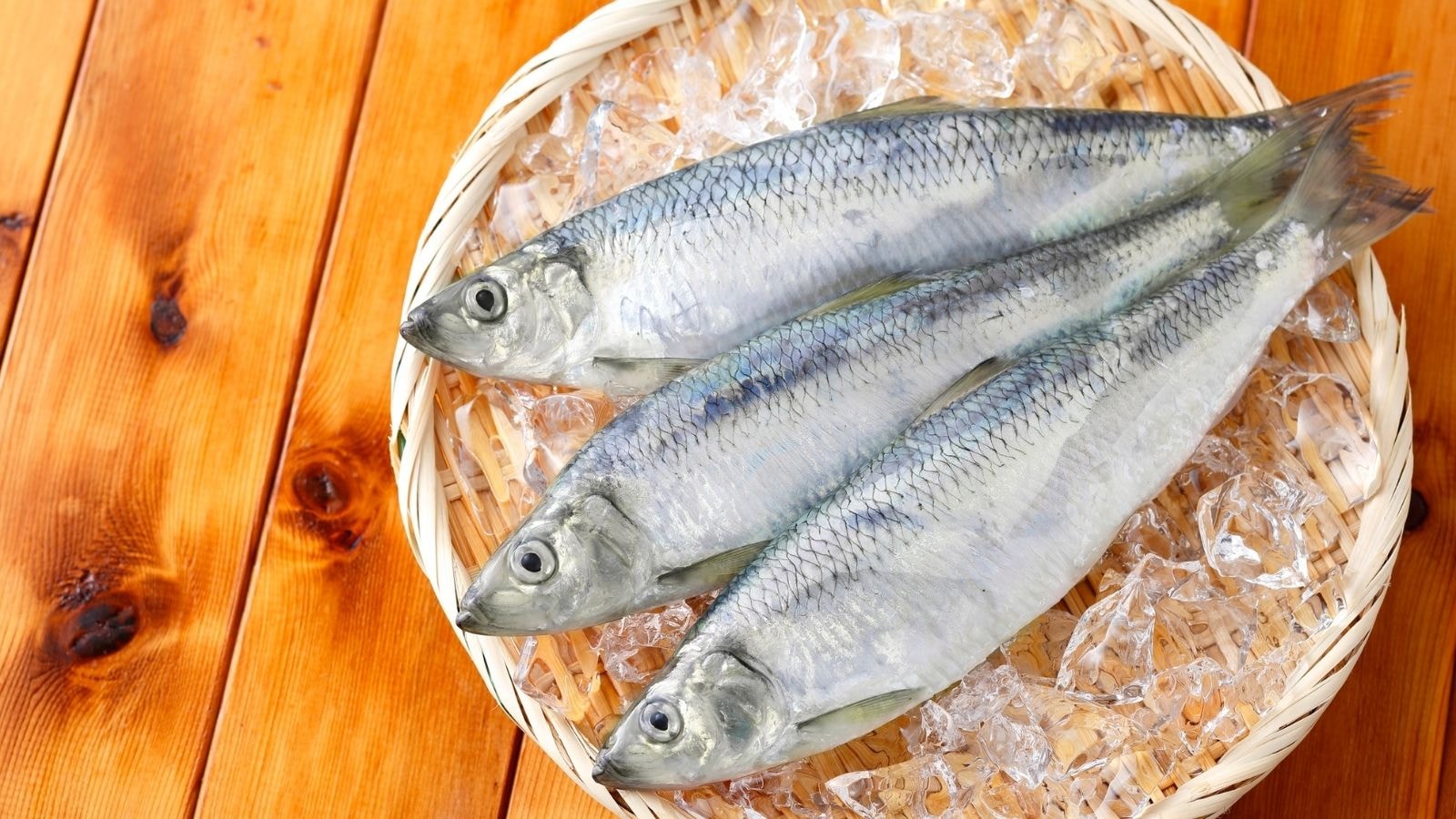 Photo Credit: Canva Pro
Mackerel is an oily fish that is good for you because it has a lot of protein, vitamins, and minerals that your body needs. Eating mackerel regularly can help your heart and bones stay healthy and keep your diet balanced. Still, it's important to eat in moderation because too much of even healthy foods can be bad for you.
What’s the Recommended Frequency for Safe Consumption
Atlantic or Pacific mackerel can be safely consumed 2–3 times a week, while King mackerel should be avoided due to high mercury levels. This amount of omega-3s gives you all of their health benefits while keeping mercury levels safe.
-
Safe Servings: Two to three servings a week of fish that is low in mercury, like Atlantic or Pacific mackerel.
-
Serving Size: About 3 to 4 ounces of cooked fish is in a serving.
-
Smaller Species: Since they don't have as much mercury as bigger ones, they are safer to eat every day.
-
Oily Fish Advantage: Eating oily fish instead of red meat is good for your brain and heart.
-
Diet Balance: For full nutrition, mix with vegetables, olive oil, and whole grains.
What’s the Nutritional Payoff of Regular Servings
Eating mackerel regularly gives your body good nutrients that help keep your heart and bones healthy. It's also a good choice for fish lovers who like to try new things.
-
Excellent Source of Omega-3s: It has EPA and DHA fatty acids in it, which help the blood flow and reduce inflammation.
-
High in Protein: It keeps you full longer and helps your muscles heal.
-
Vitamins and Minerals: Full of vitamin D, selenium, and B vitamins that are good for your bones and give you energy.
-
Healthy Fats: Replacing saturated fats with polyunsaturated fats, such as those in mackerel, may help lower blood pressure modestly over time.
-
Smoked or Canned: Smoked mackerel tastes great, while canned mackerel is easier to use and has a longer shelf life.
How Can Fully Healthy Support a Mackerel-Based Diet?
Fully Healthy has clean, allergen-free foods that go well with oily fish like mackerel and help your body with some nutritional benefits. Their products help people eat well, especially those who don't eat gluten or processed foods.
What Types of Products Support a Mackerel-Based Healthy Diet
This website has snacks and pantry items that go well with seafood dishes. The choices are great for people who care about what they eat but still want to enjoy the health benefits of fresh mackerel.
-
Allergen-Free Foods: It has options that are AIP-friendly, gluten-free, and paleo-friendly.
-
Seasonings and Sauces: Great for making mackerel taste better without adding anything bad.
-
Natural Sweeteners: Clean diets work well with things like maple syrup and coconut sugar.
-
Convenient Choices: Use low-sodium sauces that are AIP-friendly with canned mackerel.
-
Quality Control: Comes from small brands you can trust that support healthy living.
How Does Fully Healthy Help With Specialized Diets
FullyHealthy.com is a helpful website for people who like eating healthy seafood like mackerel and salmon because it focuses on foods that are good for your bones, heart, and digestive system.
-
Support for Dietary Needs: This diet is great for people with allergies or autoimmune diseases.
-
Promotes Healthy Eating: It tells people to choose fish and whole foods over processed snacks that are high in fat.
-
Complements Fish-Based Meals: Helps keep your vitamin and fatty acid levels in check.
-
Educational Blog: Gives advice on how to pick the right fish and make healthy meals.
-
Community Focus: Helps people who want to eat healthier and more nutritious food.
Final Thoughts
Mackerel is an oily fish that is high in protein and omega-3 fatty acids, which are good for your bones and overall health. Choose fish that doesn't have a lot of mercury in them, like mackerel or wild salmon, instead of fish that does. Fish like salmon and other oily fish can help your heart and brain stay healthy. Eating in moderation will help you get the right amount of fat and give you long-lasting health benefits.
FAQs
Is mackerel better for you than salmon?
Both mackerel and wild salmon are rich in omega-3 fatty acids, though wild salmon typically contains slightly higher levels per serving. Choosing fish like salmon or mackerel depends on your diet and mercury levels preference.
Who should avoid mackerel fish?
People sensitive to mercury or on restricted diets should avoid mackerel with high mercury levels. Pregnant women must eat lower-mercury oily fish like wild salmon.
What is the most unhealthy fish to eat?
Fish with high mercury, like King mackerel, should be limited. Choosing fish low in mercury supports better protein intake and overall diet health.
Is mackerel high in mercury?
Some mackerel have moderate mercury levels, but Atlantic mackerel is safer to eat. Always balance oily fish like salmon and mackerel in your diet.
What fish is best for frying?
When choosing fish for frying, opt for oily fish like mackerel or salmon with firm texture and good protein content that supports bone health.
Leave a comment