

Is Olive Oil a Seed Oil? The Clear Truth You Need to Know
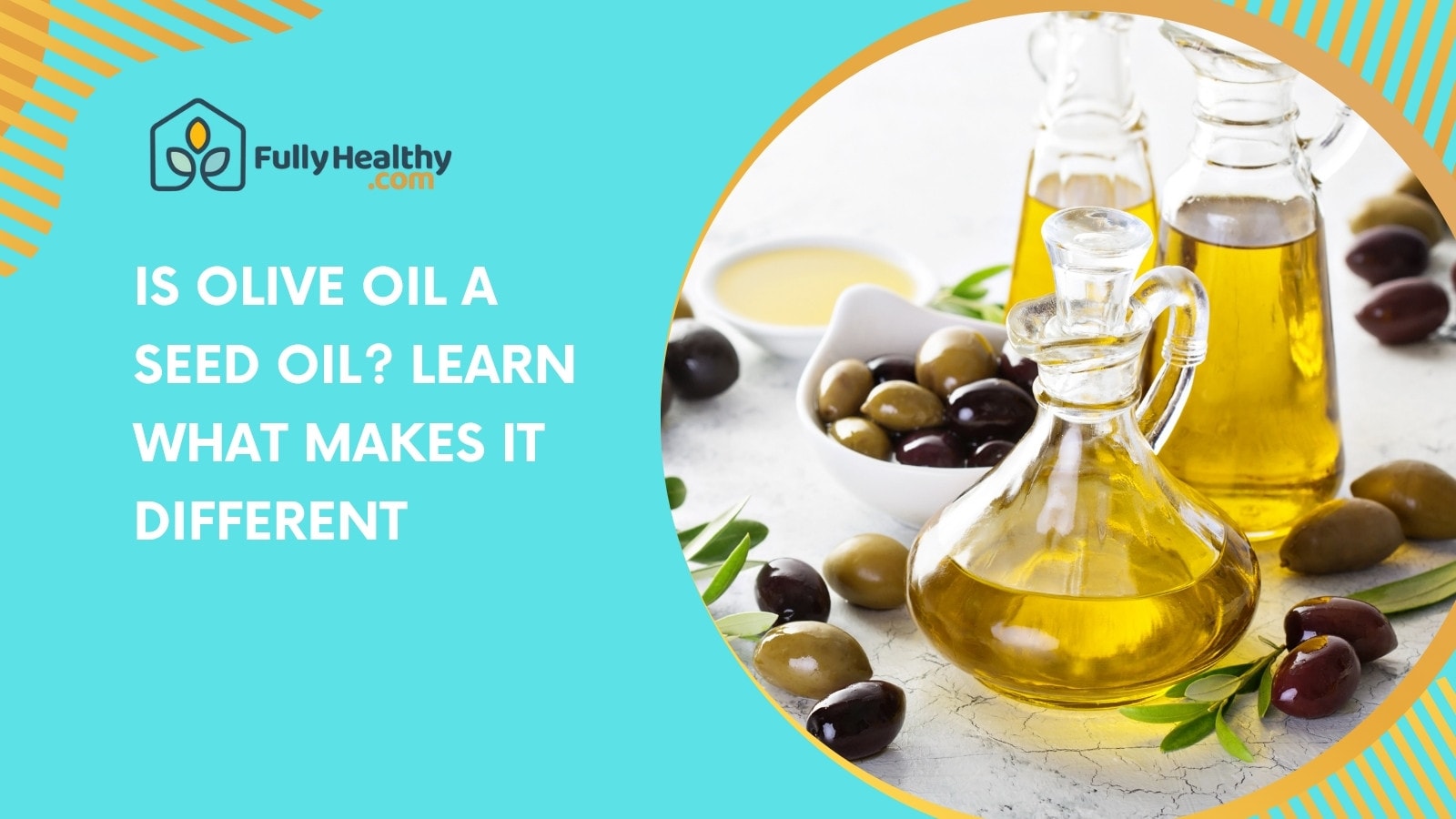 Photo Credit: Canva Pro
Is olive oil a seed oil? No, it’s not. Olive oil comes from the fruit of the olive tree, not the seed. This is a very important difference, especially if you want to eat less processed seed oils.
There is a catch, though: not all olive oils are pure. We'll talk about what makes olive oil special, how to spot fake blends, and which oils you should use.
Featured Pantry Pick
Graza // Sizzle Extra Virgin Olive Oil - 750ml
Loading...
Is Olive Oil a Seed Oil?
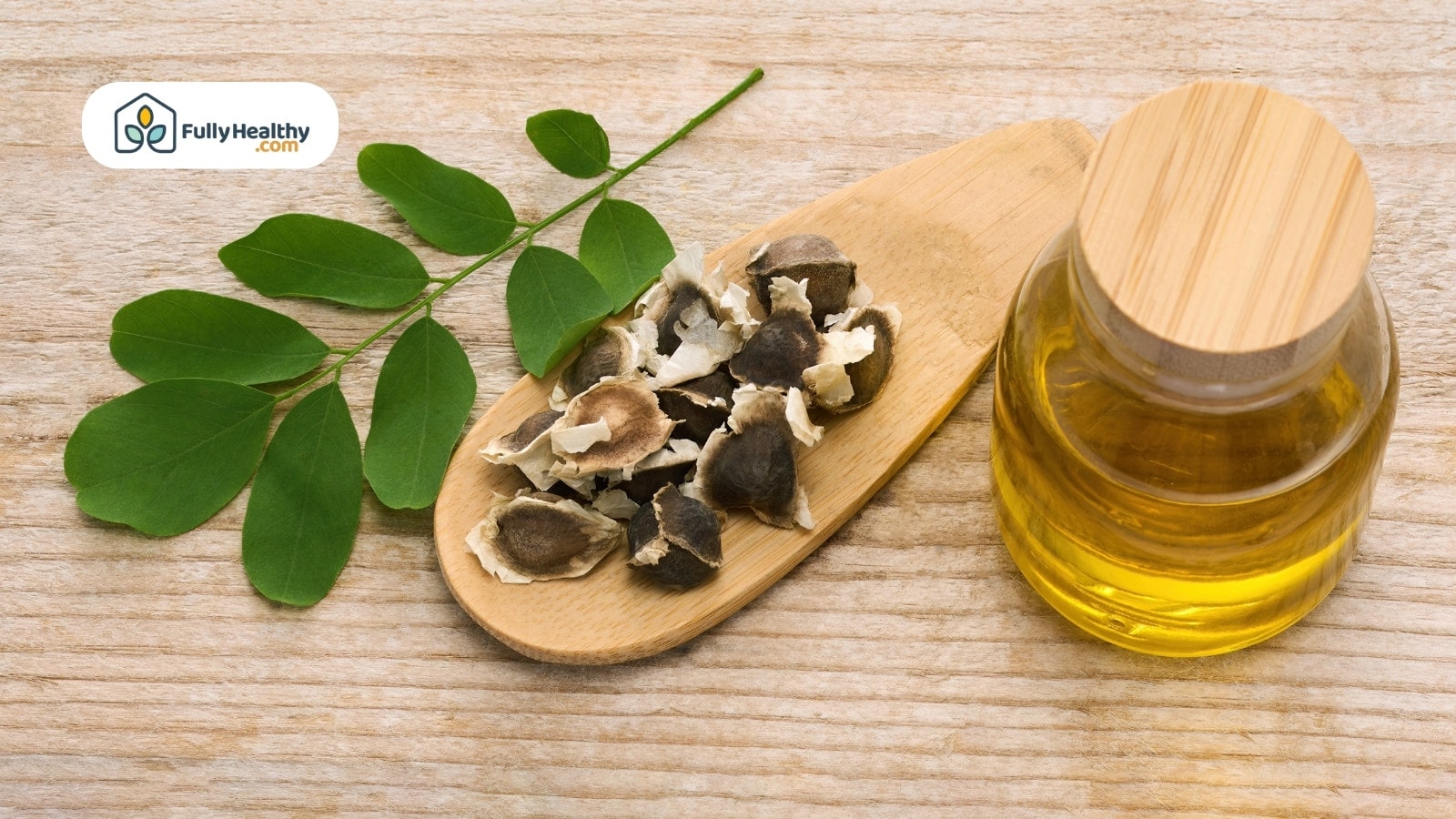 Photo Credit: Canva Pro
Olive oil isn't made from seeds. The flesh of the olive fruit, not the seed, is pressed to make the oil. Many commercial seed oils like canola and sunflower oil are processed using chemical solvents, although cold-pressed or expeller-pressed options are also available. In the Mediterranean diet, olive oil, especially extra virgin olive oil, is known for being pure and good for you.
Why Olive Oil Is a Fruit Oil, Not a Seed Oil
No, the pit or seed is not used to make olive oil. Instead, the soft part of the olive is used. This method, called "cold pressing," helps the oil's nutrients and flavor stay the same. It also doesn't go through the rough processing that most vegetable oils do.
-
Source: Olive oil comes from fruit pulp, unlike grapeseed oil, soybean oil, or sunflower oil, which come from seeds.
-
Extraction method: It uses cold pressing, not chemical solvents or high heat.
-
Nutrient profile: Rich in monounsaturated fats, antioxidants, anti-inflammatory benefits and anti-inflammatory properties.
Olive Oil Adulteration: When Seed Oils Sneak In
To save money, some oils that say "olive oil" are mixed with cheaper oils like vegetable oil or corn oil. It may be harder to get all the health benefits, and you may be exposed to fats that aren't as good for you.
-
Widespread issue: Many products, especially imported ones, are blended with many seed oils.
-
Common fake fillers: Includes canola oil, peanut oil, and refined olive oil (which is more processed).
-
How to choose olive oil: Look for single-origin labels, harvest dates, and words like “cold pressed” or “extra virgin.”
Which Oils Are Not Seed Oils?
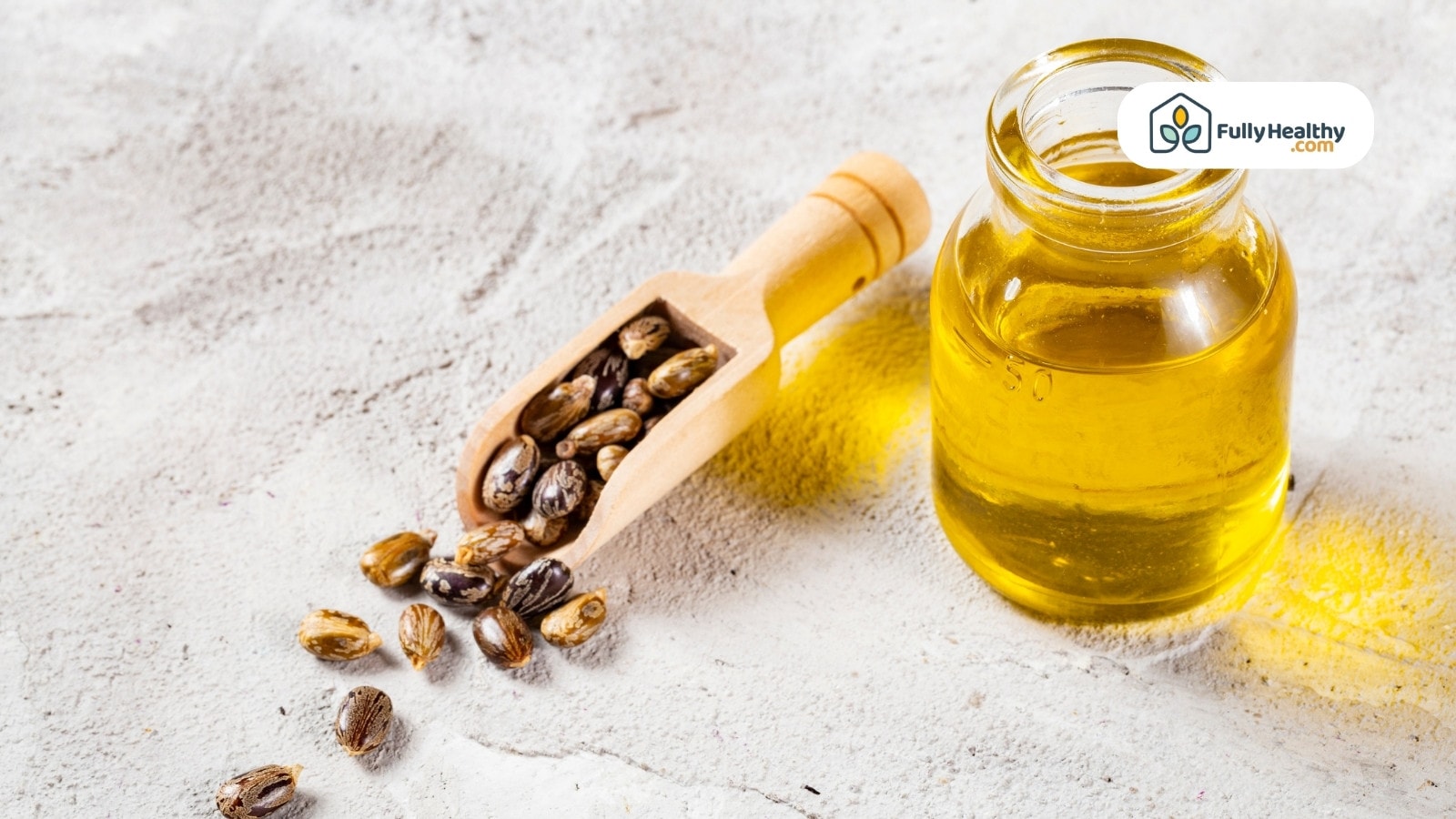 Photo Credit: Canva Pro
Picking the right cooking oil is very important if you want to stay away from ultra processed foods. A lot of seed oils are made with chemicals or high heat. Some non-seed oils, such as extra virgin olive oil, are minimally processed oils and may help reduce inflammation due to their antioxidant and monounsaturated fat content.
Common Non-Seed Oils and What Sets Them Apart
Fruit pulp or animal fats are often used to make oils that aren't made from seeds. Compared to other seed oils, they keep more of the nutrients in the food and are less likely to cause inflammation.
-
Olive oil: A true fruit oil, clean, stable, and ideal for everyday use.
-
Avocado oil: Also a fruit-based oil; great for high heat cooking.
-
Coconut oil: High in saturated fat, but stable for baking or frying.
-
Ghee (clarified butter): Adds rich flavor and contains fats that some diets consider beneficial, though it is high in saturated fat and should be consumed in moderation.
Why These Oils Are Gaining Popularity
People are picking oils that don't come from seeds because they are healthier, more natural, and work with popular healthy diets like Paleo, AIP, and Mediterranean.
-
Healthier composition: Low in omega-6s, high in monounsaturated fat.
-
Better for inflammation: Fewer additives and no harsh chemicals.
-
Versatile use: Works well for sautéing, baking, or in salad dressings.
What Is the Healthiest Oil to Cook With?
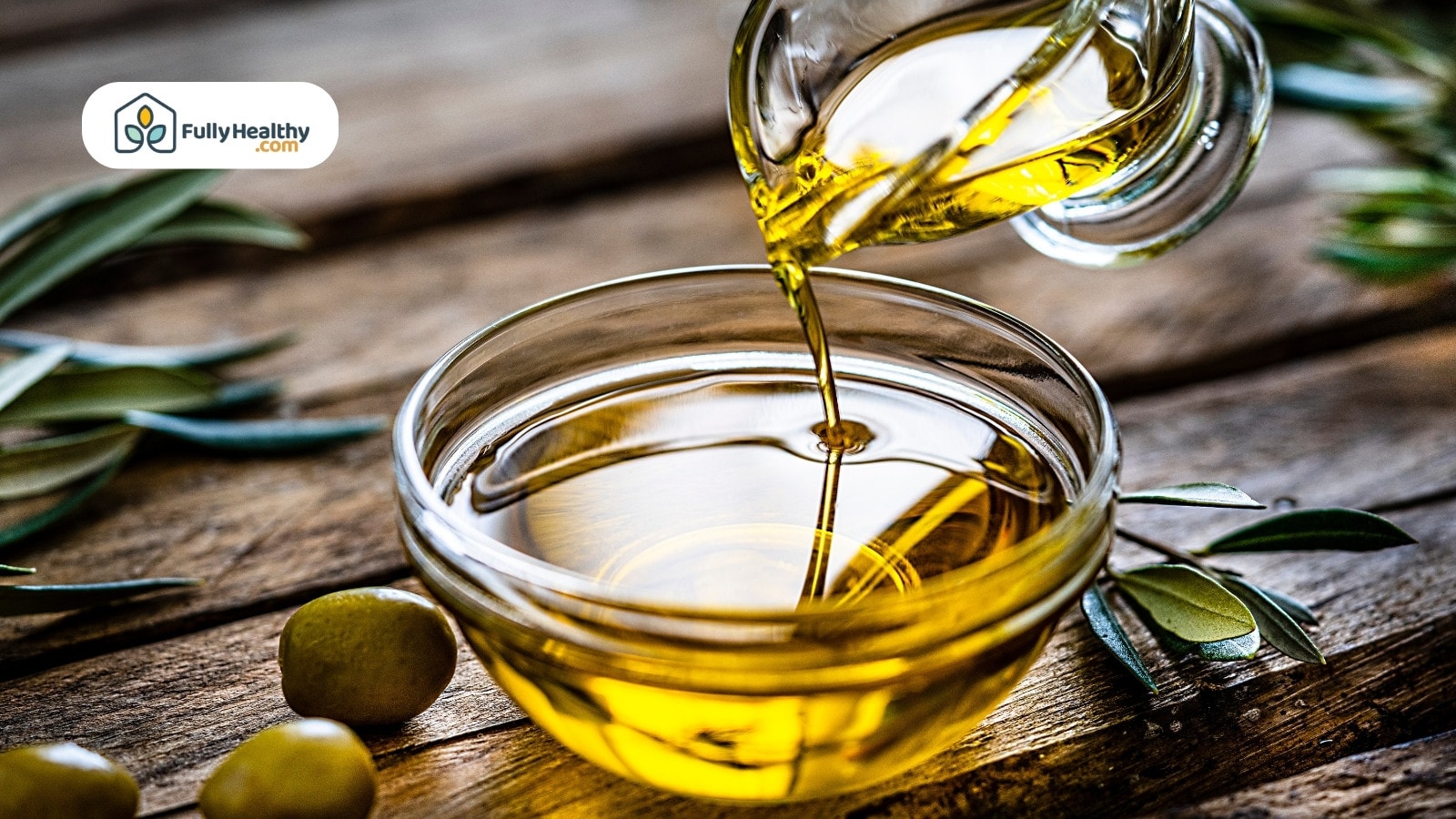 Photo Credit: Canva Pro
There are different kinds of cooking oils. The best ones are good for your heart health, lower inflammation, and don't break down easily in hot weather. Olive oil and avocado oil are great choices because they have monounsaturated fats and can be used in a lot of different ways.
Olive Oil and Avocado Oil: Top Heart-Healthy Picks
There are a lot of good fats and antioxidants in these oils. They are good for you and can be used instead of trans fat or saturated fats that are common in processed snacks and fried foods.
-
Extra virgin olive oil: Great for medium heat, dressings, and cold dishes. It keeps nutrients due to minimal processing.
-
Avocado oil: Best for high heat uses like roasting or grilling, has a very high smoke point.
-
Trusted by experts: Widely used in the Mediterranean diet for long-term wellness.
Match the Oil to the Heat: Smoke Points Matter
If you use the wrong oil at the wrong temperature, it can destroy nutrients and make compounds that you don't want. Picking the right oil for cooking makes it healthier and taste better.
-
Use extra virgin olive oil for: Low-to-medium heat cooking and salad dressings.
-
Use avocado oil for: Deep frying, sautéing, and roasting.
-
Avoid overusing refined oils: Like refined olive oil or vegetable oil, which lose nutrients during processing.
Which Oils Are Inflammatory?
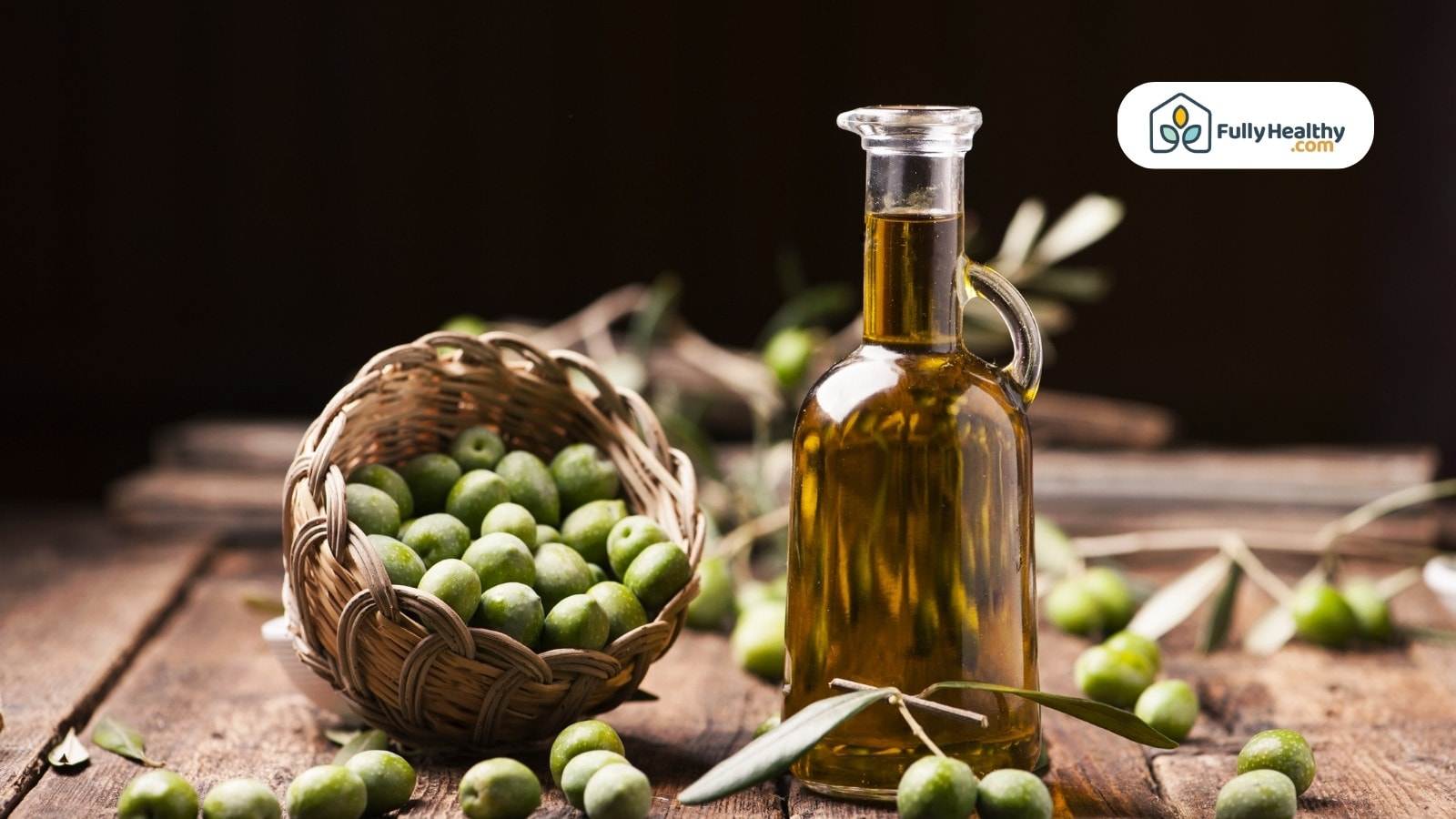 Photo Credit: Canva Pro
This type of fat is found in a lot of common seed oils. Omega-6 is important for our bodies, but excessive intake, which is common in modern diets, can cause inflammation. Chronic diseases like heart disease and joint pain have been linked to this imbalance between omega-6 and omega-3.
Omega-6 Overload and the Inflammation Link
Seed oils are extracted from the seeds of various plants, including sunflower seeds, sesame seeds, and soybeans. Because they don't have a strong flavor and long shelf life, these oils are often used in processed foods. But using them too often, especially at high temperatures, may add health risks.
-
Too much omega-6: Can trigger inflammation when not balanced with omega-3.
-
Heat-sensitive: May create harmful compounds during frying or roasting.
-
Not nutrient-rich: Lacks natural antioxidants found in olive or avocado oils.
-
Used in processed foods: Common in snacks, sauces, and fast food meals.
Oils to Watch Out For and Why
These oils have a neutral flavor and neutral taste, but they aren't as good for you as oils that haven't been refined. Many are used for ease of use rather than nutrition.
-
Sunflower oil: A common oil with a milder flavor, but high in omega-6.
-
Soybean oil: Inexpensive and widely used; some studies suggest a potential link to inflammation, though human evidence is mixed.
-
Grapeseed oil: Clean taste but low in nutrients and easily oxidized.
-
Vegetable oil blends: Usually made from different oils, heavily refined, and lack natural value.
What FullyHealthy Can Do for You
FullyHealthy is a reliable online store for people who want to buy healthy foods without having to guess what to buy. These foods make it easy to stay away from most seed oils and support a healthy lifestyle.
Seed Oil-Free Staples You Can Trust
This store carefully curates products that work well for sautéing vegetables, stir fries, or adding healthy fats to your meals.
-
Graza Extra Virgin Olive Oil: Made from premium olive varieties, offering flavor and nutrition without additives.
-
Wild Planet Yellowtail in Olive Oil: Clean protein packed in healthy fat, great for a quick, nourishing meal.
-
No hidden oils: Free from seed oils and refined fillers.
AIP, Allergen-Free, and Stress-Free Shopping
FullyHealthy makes it easy to shop when you're following AIP or trying to avoid allergens.
-
Easy filters: Search by diet, allergy, or ingredient.
-
Heart-friendly picks: Choose foods that help lower cholesterol and support overall wellness.
-
Honest labeling: No hidden ingredients or ultra-processed surprises.
Final Thoughts
Picking the right oil is important for your health in the long run. Extra virgin olive oil (EVOO), the highest grade of virgin olive oil, is considered a healthy choice. Most seed oils, on the other hand, are highly processed and are often found in junk food.
You should use oils that are good for you and lower cholesterol when you're sautéing vegetables, making stir fries, or dressing a salad. To keep the quality, nutrients, and vitamin E in your oil, store it somewhere dark. In short, a label that isn't clear should be a red flag. For better calorie content and balanced eating, always choose oils that nourish rather than just fill you up.
FAQs
Is virgin olive oil EVOO better than most seed oils?
Yes, virgin olive oil EVOO is less processed than most seed oils, making it a better healthy choice for long term health.
Can olive varieties affect calorie content in other oils?
Yes, different olive varieties produce oils with varying calorie content, and many other oils don’t provide the same well being support.
Is vitamin E found in oils for stir fries and sautéing vegetables?
Yes, vitamin E is present in oils like EVOO, and it's ideal for sautéing vegetables or stir fries with added and same health benefits.
What oils help lower cholesterol and bad cholesterol?
Oils like virgin olive oil EVOO may lower cholesterol and reduce bad cholesterol, unlike most seed oils, which may do the opposite.
Why store cooking oil in a dark place, is that a red flag?
Storing oil in a dark place isn’t a red flag, it protects nutrients like vitamin E, helping the oil stay fresh for your long term health.
Leave a comment