

Is Pork Kosher? A Simple Guide to Jewish Food Rules
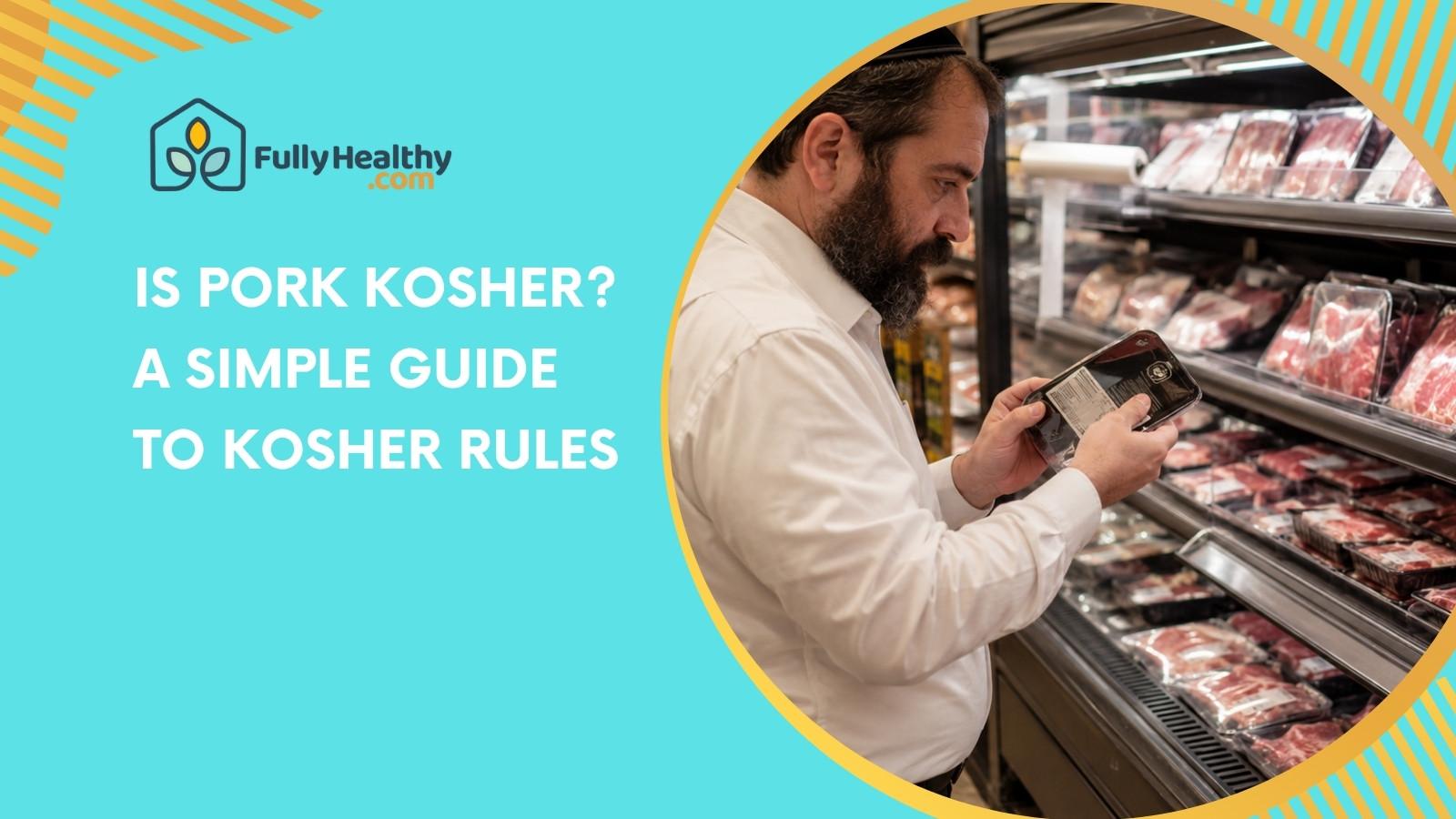
Is pork kosher? No. Pork is not allowed under traditional Jewish dietary law because pigs have split hooves but do not chew the cud. Kosher rules also cover how animals are prepared, how blood is removed, and why meat and dairy stay separate.
Seafood has its own rules, which is why lobster is not kosher either. This guide explains the main rules in simple terms, shows how personal practice can differ, and helps you shop for kosher-friendly foods with confidence.
Is Pork Kosher?

No. Jewish law says pork is not considered kosher because pigs fail kashrut laws. Pigs have cloven hooves, but they do not chew cud. Pig meat is non kosher food. The rule is religious, not based on health benefits or calling pigs filthy animals.
Why Is Pork Not Kosher Under Jewish Law?
A meat animal must meet two conditions. It must have divided hooves and chew cud. A pig meets only one condition, so it is a non kosher animal. That is why eating pig or choosing to consume pork is forbidden in a kosher diet.
-
Split Hooves Requirement: The animal must have divided hooves and chew cud.
-
Kosher Animals: Cattle, sheep, goats, and deer meet both conditions.
-
Non Kosher Animal: A pig has cloven hooves but does not chew cud.
-
Key Point: Jewish law bases the rule on animal traits.
Can Kosher Salt Make Pork Kosher?
Kosher salt cannot make pork kosher. Its name does not mean it can change forbidden food. It may aid kosher food preparation, but pig meat remains non kosher. The animal must be permitted under Jewish law.
-
Good Point: Ingredients and steps must follow kashrut laws.
-
One Example: Adding kosher salt to pork does not change its status.
-
Kosher Products: A label applies only to the certified item.
Can Any Jews Eat Pork?

Jewish law forbids pork, but personal practice differs. People in the Jewish community may follow the rules differently. Some keep kosher strictly; others follow selected customs. This does not change Judaism’s teaching.
Do All Jewish People Follow the Same Kosher Practices?
No. People practicing Judaism do not all follow the same diet. Some keep a kosher home; others avoid certain foods. Choices may reflect family, culture, and belief.
-
Keeping Kosher: Many homes keep meat and dairy separate.
-
Jewish Community: Customs vary between families and regions.
-
Diet: Personal habits do not change what is kosher or non kosher.
-
General Overview: Jewish identity does not show a person’s observance.
Can Medical Necessity Override the Prohibition on Pork?
In medical emergencies, protecting life may come before food rules. A person may consume pork when no safe option exists. The food remains non kosher, but the action may protect humans.
-
Health Reasons: Medical need differs from taste or convenience.
-
Health Field: Doctors and religious authorities can guide the decision.
-
Important Limit: An emergency exception does not remove the pork taboo.
What Are the Three Main Rules of Kosher?

A general overview groups the rules into three areas: permitted animals, proper preparation, and separation of meat and dairy. These rules explain why food is considered kosher or non kosher.
Which Animals and Seafood Are Considered Kosher?
Land animals need cloven hooves and must chew cud. Fish must have fins and scales. Shellfish are not allowed. These rules separate kosher animals from other animals.
-
Other Animals: Camels chew cud but fail the split hooves requirement.
-
Fish: Salmon and tuna have fins and scales.
-
Shellfish: Lobster, shrimp, and crab are not considered kosher.
-
Non Kosher Food: Food from a forbidden species remains prohibited.
How Do Slaughter, Blood Removal, and Meat-Dairy Separation Work?
Permitted animals must be prepared correctly. Jewish law requires proper slaughter and blood removal. Meat and dairy must stay separate. These customs guided Jewish life through the Middle Ages, the Spanish Inquisition, and after the first century CE.
-
Proper Slaughter: A trained specialist prepares eligible meat under Jewish law.
-
Blood Removal: Kosher meat is soaked and salted to remove blood.
-
Meat and Dairy: These foods are not cooked or eaten together.
-
Daily Practice: Separate dishes and utensils may be used when keeping kosher.
Can Jews Eat Lobster?

Jewish dietary law does not allow lobster because it is shellfish. The Torah says that seafood must have both fins and scales to be kosher. At first glance, this rule may seem unusual, but it follows a clear religious standard. The same rule applies to clams and other shellfish.
Why Is Lobster Not Kosher?
Lobster is not kosher because it does not meet the Bible’s requirements for permitted seafood. Unlike kosher fish, lobster has neither fins nor scales. Its status does not change based on how it is cooked, seasoned, or served with healthy foods or vegetables.
-
Seafood Rule: Fish must have both fins and scales to be considered kosher.
-
Shellfish: Lobster, clams, shrimp, and crab do not meet this rule.
-
Religious Basis: The restriction comes from the Torah and remains part of Jewish religious practice.
-
Cooking Method: Boiling, grilling, or seasoning lobster does not make it kosher.
Why Do Some Jews Eat Lobster but Avoid Pork?
Some Jewish people follow selected food traditions instead of every kosher rule. A person may avoid bacon but still eat lobster, while another person may avoid both. These choices reflect personal practice, family customs, and different levels of connection to religion.
-
Personal Choice: Individual eating habits may differ from traditional Jewish law.
-
Clear Distinction: Personal behavior does not change the official kosher status of a food.
-
Family Customs: Food traditions may develop over time and vary between households.
-
Main Rule: Pork and lobster are both non-kosher, but for different reasons.
How Can FullyHealthy Help With Kosher-Friendly Shopping?
FullyHealthy helps shoppers find products for special dietary needs in one place. This can make online shopping easier for people who want kosher-friendly items. Shoppers should still review each label and check for reliable certification before buying.
Which Kosher-Labeled Products Are Available From FullyHealthy?
FullyHealthy lists several products with kosher wording in their names or descriptions. These items may be useful for cooking, seasoning, or snacking. However, shoppers should confirm the current label and certification on each product page before purchase.
-
Real Salt Ancient Kosher Sea Salt Shaker, 10 oz: A convenient shaker for everyday seasoning.
-
Bubbies Kosher Dill Pickle Snacking Chips, 3.5 oz: A small snack-size pickle product listed by FullyHealthy.
-
Real Salt Kosher Sea Salt Pouch, 16 oz: A larger pouch option for cooking and food preparation.
-
Important Reminder: These products do not make bacon, shellfish, or other non-kosher foods acceptable.
What Should Shoppers Verify Before Buying Kosher Products Online?
Before buying food online, shoppers should review the product page carefully. A clear kosher symbol is more useful than relying only on the word “kosher” in a product name. Ingredient lists can also reveal added fat, flavorings, or processing details.
-
Certification: Look for a trusted kosher symbol and identify the certifying organization.
-
Ingredients: Check every ingredient, especially flavorings, oils, and animal-based additives.
-
Product Label: Confirm that the package information matches the online listing.
-
Dietary Fit: Make sure the product suits your needs, whether you are buying salt, beef, chicken, turkey, vegetables, or snacks.
Final Thoughts
Pork is not kosher under traditional Jewish dietary law because pigs do not meet the required characteristics for permitted land animals. Understanding the basic rules of kashrut makes it easier to see why certain foods are allowed while others are not.
It also helps explain why kosher rules cover more than just pork, including seafood, food preparation, and meat and dairy separation. Whether you are learning about Judaism, shopping for kosher products, or simply curious about religious food traditions, knowing the facts can prevent common misunderstandings.
If you buy packaged foods, always check for reliable kosher certification and read the ingredient label carefully to make informed choices that match your dietary needs.
FAQs
Why are cows considered kosher but pigs are not?
Cows meet the kosher requirements because they have split hooves and chew the cud, while pigs do not chew the cud.
Why do kosher food rules make sense to many Jewish people?
For many people, these dietary rules make sense because they are based on long-standing religious teachings and traditions.
Are all birds considered kosher?
No. Only certain birds are considered kosher, while birds of prey and scavenger birds are generally not permitted.
Can kosher certification change a non-kosher food?
No. Kosher certification cannot make a prohibited food, such as pork or shellfish, become kosher.
Is keeping kosher only about avoiding pork?
No. Keeping kosher also includes choosing permitted animals, preparing food correctly, and separating meat and dairy.
Leave a comment