

Is Sourdough Bread Good for Diabetics? What Actually Affects Blood Sugar
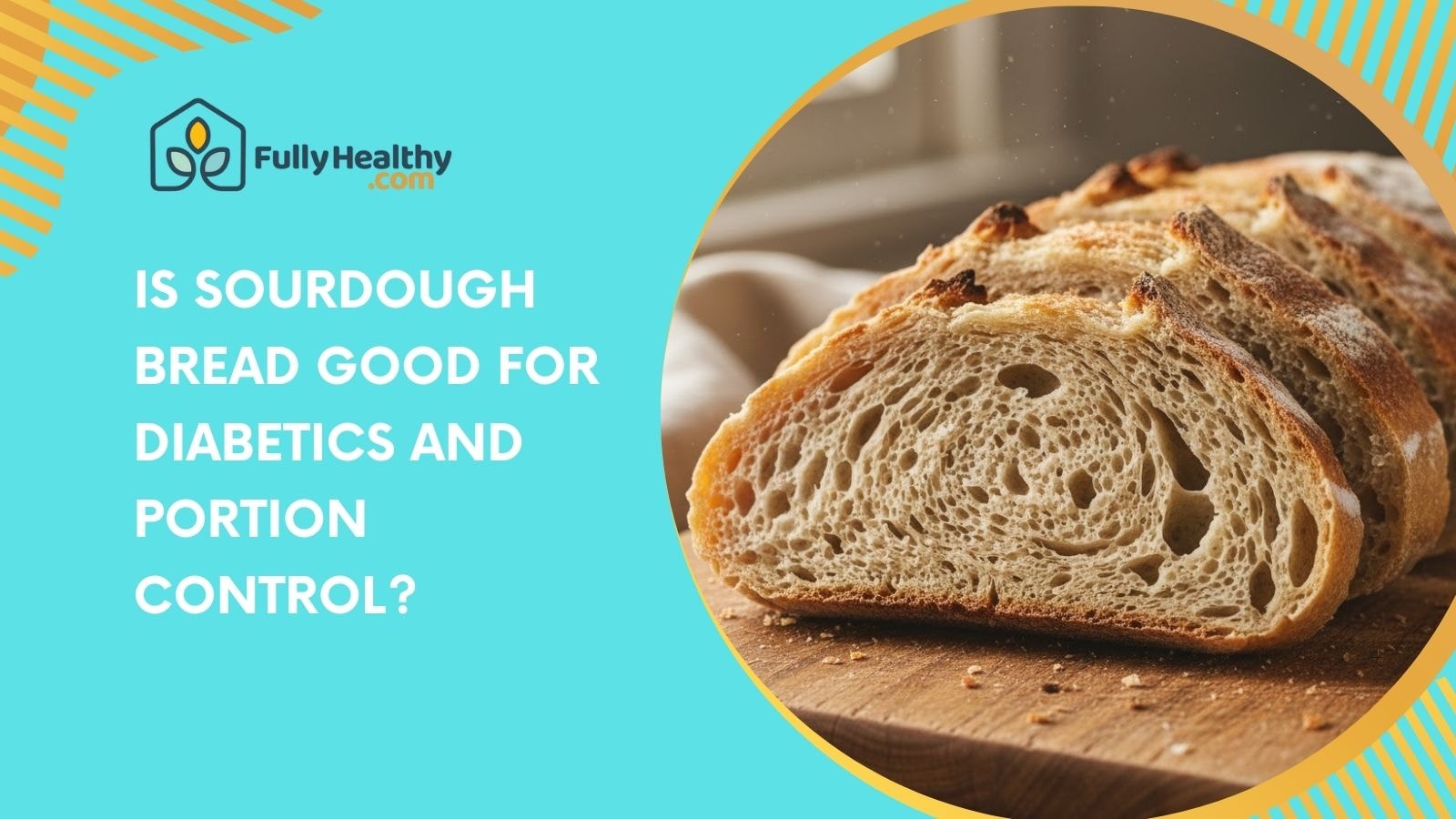
Sourdough bread is often chosen for blood sugar control, but is sourdough bread good for diabetics in practical, everyday eating? It can be, especially when it is made with whole grains and eaten in the right amounts.
This article talks about how sourdough bread affects blood sugar levels, how it compares to rye and other breads, and how people with diabetes can eat bread and still keep their blood sugar under control.
Featured Pantry Pick
Base Culture // Gluten Free Sourdough Bread - 16 oz
Loading...
Does Sourdough Bread Raise Blood Sugar?

How Sourdough Affects Blood Sugar Levels
Sourdough bread has a lower glycemic index, which measures how quickly foods raise blood glucose, so it affects blood sugar in a different way. Sourdough bread is better for diabetics because it raises blood sugar levels more slowly than white bread made with refined white flour.
-
Blood Sugar Response: Sourdough bread leads to a slower rise instead of rapid blood sugar spikes.
-
Blood Sugar Compared: Blood sugar compared across breads is often steadier with sourdough bread.
-
Refined Flour Impact: Refined flour and refined white flour digest quickly and raise blood sugar fast.
-
Whole Grain Advantage: Whole grain sourdough supports more stable blood sugar levels.
-
Added Sugars Risk: Added sugars in commercial breads worsen blood sugar regulation.
Why Fermentation Changes the Blood Sugar Response
Lactic acid bacteria and wild yeast are used instead of commercial yeast in the fermentation process, which changes the way carbohydrates are broken down. This natural fermentation process slows down digestion and helps control or lower blood sugar without directly lowering it.
-
Natural Fermentation Process: Making sourdough bread relies on a sourdough starter and beneficial bacteria.
-
Slower Rise Effect: Slow fermentation delays digestion and glucose release.
-
Blood Sugar Control: Slower digestion helps regulate blood sugar levels.
-
Gut Health Support: Fermented foods like sourdough bread support gut health.
-
Phytic Acid Reduction: Fermentation reduces phytic acid and improves nutrient absorption.
-
Whole Grains Benefit: Whole grains digest more slowly after fermentation.
-
Refined Grains Comparison: Refined grains cause rapid blood sugar spikes.
Which Bread Is Better For Diabetics, Sourdough Or Rye?

How Rye Bread Impacts Blood Sugar Differently
The dense structure and soluble fiber content of rye bread affect how blood sugar is controlled. This slows down digestion and keeps blood glucose levels more steady than wheat or multigrain bread made from highly processed flours.
-
Soluble Fiber Content: Soluble fiber in rye slows carbohydrate absorption.
-
Blood Sugar Regulation: Rye supports steadier blood sugar levels after meals.
-
Grain Bread Structure: Dense rye digests slower than fluffy traditional bread.
-
Blood Glucose Levels: Blood glucose levels rise more gradually.
-
Whole Grains Factor: Whole grains improve glycemic control.
-
Refined Flour Risk: Rye made with refined flour behaves like white bread.
-
Insulin Sensitivity: Slower digestion supports insulin sensitivity.
When Sourdough May Be the Better Choice
If sourdough is made with whole grain flour and slow fermentation, it might be the better choice. Sourdough made with whole grains usually does a better job of keeping blood sugar stable than rye or wheat bread made with white flour.
-
Ingredient Quality: Whole grain sourdough performs better than refined rye.
-
Fermentation Advantage: Slow fermentation improves blood sugar regulation.
-
Whole Wheat Comparison: Whole wheat sourdough outperforms regular whole wheat bread.
-
Grain Sourdough Option: Grain sourdough made with whole grains supports blood sugar management.
-
Commercial Breads Issue: Commercial breads often rely on refined grains.
-
Healthy Fats Pairing: Healthy fats reduce blood sugar spikes.
-
Eating Patterns: Eating sourdough bread fits a balanced diet.
How Many Slices Of Bread Can A Diabetic Eat Per Day?

Practical Portion Examples By Bread Type
The type of bread, the ingredients, and the meal itself all affect the size of the portion. Adding protein and healthy fats to bread can help keep your blood sugar in check.
-
Sourdough Portions: One to two slices of whole grain sourdough often work well.
-
Rye Portions: One slice of dense rye bread is usually sufficient due to higher fiber content.
-
Sprouted Grain Option: One slice of sprouted grain bread supports steadier blood sugar levels.
-
Gluten Free Bread Caution: One slice is recommended since many gluten free breads raise blood sugar quickly.
-
Gluten Free Grains: One slice made from gluten free grains like brown rice digests differently than wheat.
-
Healthy Fats Addition: Adding healthy fats allows some people to tolerate one additional slice.
-
Eat Bread Safely: Most people with diabetes manage blood sugar best with one to two slices per meal.
Carb Targets Matter More Than Slice Counts
When people with diabetes eat bread, the amount of carbohydrates is more important than the number of slices. Different kinds of bread and flour made from grains can affect blood sugar differently, as well as each person's metabolism.
-
Carbohydrate Intake: Blood sugar management depends on total carbohydrates.
-
Blood Sugar Response: Different breads affect blood sugar differently.
-
Glycemic Control Priority: Matching carbs to activity supports glycemic control.
-
Blood Glucose Monitoring: Monitoring blood glucose guides portions.
-
White Bread Warning: White bread raises blood glucose quickly.
-
Whole Grain Flour Benefit: Whole grain flour digests slower than refined flour.
-
Balanced Diet Role: Bread should support a balanced diet.
What Are The Downsides To Sourdough Bread?

Why Sourdough Is Not Automatically “Low Carb”
Sourdough bread is still a source of carbs, and eating it can raise your blood sugar if the pieces are big or the ingredients are refined. Even though sourdough bread healthy claims exist, it can still cause blood sugar spikes when made with refined flour or eaten without balance.
-
Carbohydrate Content: Sourdough bread still contributes to total carbohydrate intake.
-
Blood Sugar Spikes: Large portions can cause sudden blood sugar spikes.
-
Refined Flour Risk: Sourdough made with refined white flour behaves closer to white bread.
-
Glycemic Index Reality: Lower glycemic index does not mean no blood sugar response.
-
Commercial Breads: Many commercial breads labeled sourdough use shortcuts.
-
Blood Sugar Management: Portion size remains critical for managing blood sugar levels.
-
Balanced Diet Importance: Sourdough bread works best within a balanced diet.
Who Should Be Careful With Sourdough
If you have celiac disease or are very sensitive to gluten, you should not eat sourdough bread. Some sourdough foods have more sodium, which may matter for people managing high blood pressure.
-
Gluten Content: Sourdough bread contains gluten from wheat flour.
-
Gluten Free Limitation: Sourdough is not a substitute for gluten free bread.
-
Sodium Levels: Some sourdough breads contain more sodium than regular bread.
-
Label Confusion: Store-bought sourdough may not use a natural fermentation process.
-
Digestive Sensitivity: Fermented foods may not suit every digestive system.
-
Ingredient Transparency: Checking ingredient lists supports better blood sugar regulation.
-
Health Conditions: Individual health needs should guide bread choices.
Bread Options At FullyHealthy
What FullyHealthy Offers
FullyHealthy is all about foods that help people control their blood sugar, food sensitivities, and carb intake. The store shows gluten-free, keto, and low-impact options that help control blood sugar as part of a healthy diet.
-
Special Diet Focus: FullyHealthy emphasizes options that support blood sugar management.
-
Low-Impact Choices: Products are selected to reduce rapid blood sugar spikes.
-
Gluten Free Options: Many offerings use gluten free grains instead of wheat flour.
-
Ingredient Transparency: Clear labels help compare carbohydrate intake.
-
Balanced Diet Support: Foods are positioned as part of a balanced diet.
-
People With Diabetes: Product categories reflect the needs of people with diabetes.
Our Bread And Baking Mixes
FullyHealthy offers different kinds of bread, like gluten-free, and also almond flour mixes and keto-style foods. It is easier to keep blood sugar levels in check when you compare labels for refined grains, added sugars, and total carbohydrates.
-
Simple Mills Artisan Bread Almond Flour Mix: Almond flour–based mix that avoids refined white flour and supports steadier blood sugar levels.
-
Legit Bread Company Brownie Mix: Dessert-style baking mix that should be portioned carefully due to carbohydrate and added sugar content.
-
Base Culture Original Gluten-Free Keto Bread: Grain-free gluten free bread designed for lower carbohydrate intake.
-
Legit Bread Company Pizza Pretzel Mix: Savory baking mix offering an alternative to conventional bread products.
-
Eat G.A.N.G.S.T.E.R Banana Bread Mix: Gluten free banana bread mix that still requires attention to portion size.
-
Eat G.A.N.G.S.T.E.R Pumpkin Bread Mix: Seasonal gluten free baking mix that can fit controlled carbohydrate plans.
-
Simple Mills Pumpkin Muffin & Bread Almond Flour Mix: Almond flour–based option that avoids refined grains and supports blood sugar regulation.
Final Thoughts
So, is it okay for people with diabetes to eat sourdough bread in real life and every day? Yes, sourdough bread made with whole grain flour, wild yeast, and a slow fermentation process can help control blood sugar better than conventional bread. Controlling portions helps keep blood sugar levels in check, lowers spikes, and improves the body's response to blood sugar.
Eating sourdough bread is better for a balanced diet that focuses on managing blood sugar than white bread and refined grains. To stay in control, use labels, portions, and pairing.
FAQs
Does sourdough bread have a lot of sugar?
Sourdough bread usually has less added sugars than regular bread, but blood sugar levels still rise depending on wheat flour, grain flour, fermentation process, and carbohydrate intake.
What is the disadvantage of sourdough bread?
Sourdough bread is not gluten free, can raise blood sugar if made with refined white flour, and some commercial breads skip natural fermentation process and health benefits.
What is the only carb that doesn't spike insulin?
No carbohydrate fully avoids insulin response, but soluble fiber from whole grains, brown rice, gluten free grains, and fermented foods can slow blood glucose changes.
What is the most diabetic friendly bread?
The best bread for people with diabetes is whole grain sourdough, rye bread, sprouted grain bread, or grain sourdough made without added sugars or refined flour.
Is it okay to eat sourdough bread every day?
Yes, people with diabetes can eat sourdough bread daily if portions support blood sugar regulation, insulin sensitivity, gut health, and overall blood glucose control.
Leave a comment