

Is Spinach Low FODMAP? What You Need to Know Before Eating More
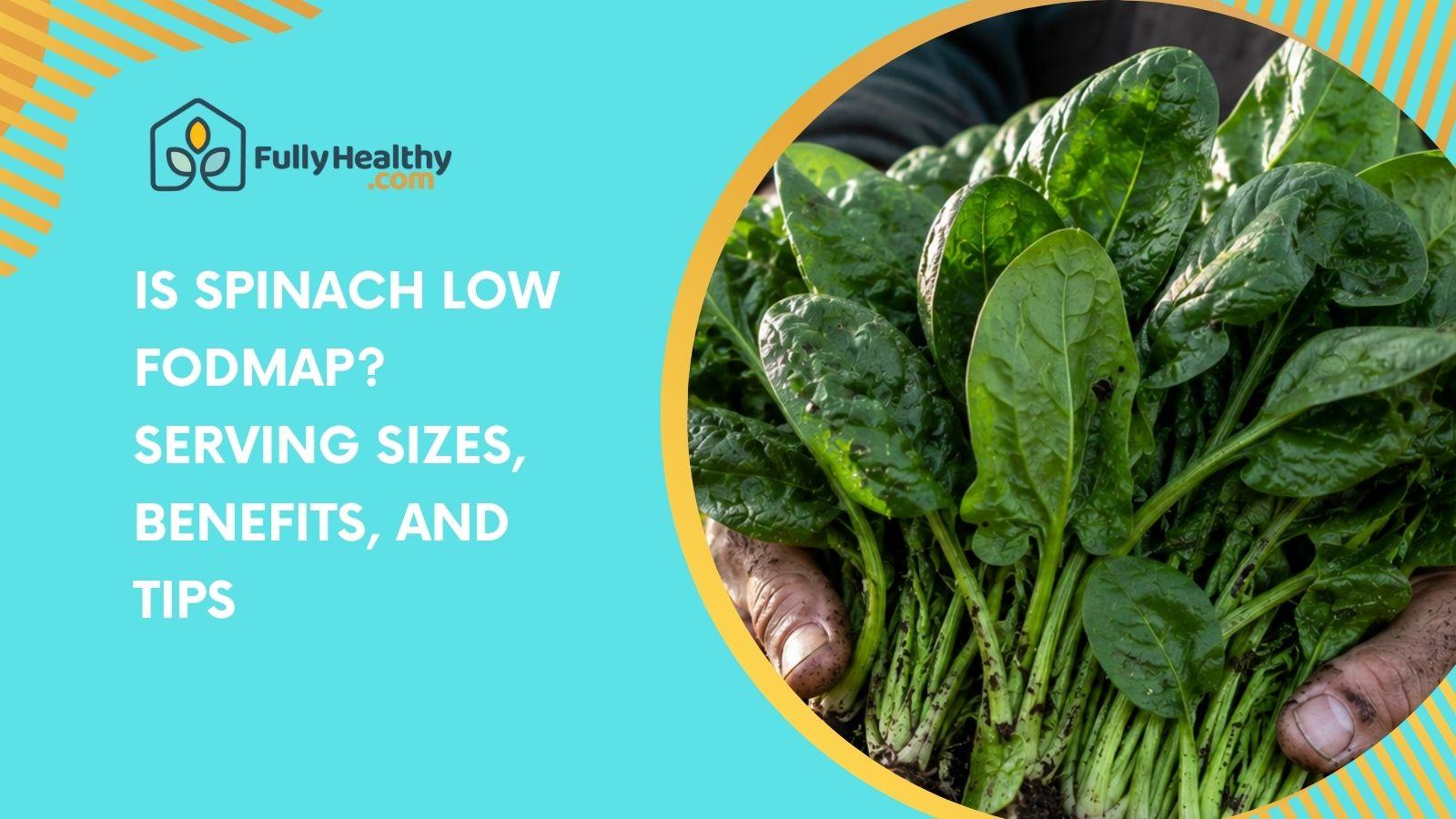
Is spinach low FODMAP? Spinach is considered a low FODMAP vegetable when eaten in recommended serving sizes, making it a popular choice for people following a diet. However, portion size still matters. Here's what you need to know about portions, preparation, and other low FODMAP leafy greens.
Is Spinach Low FODMAP?
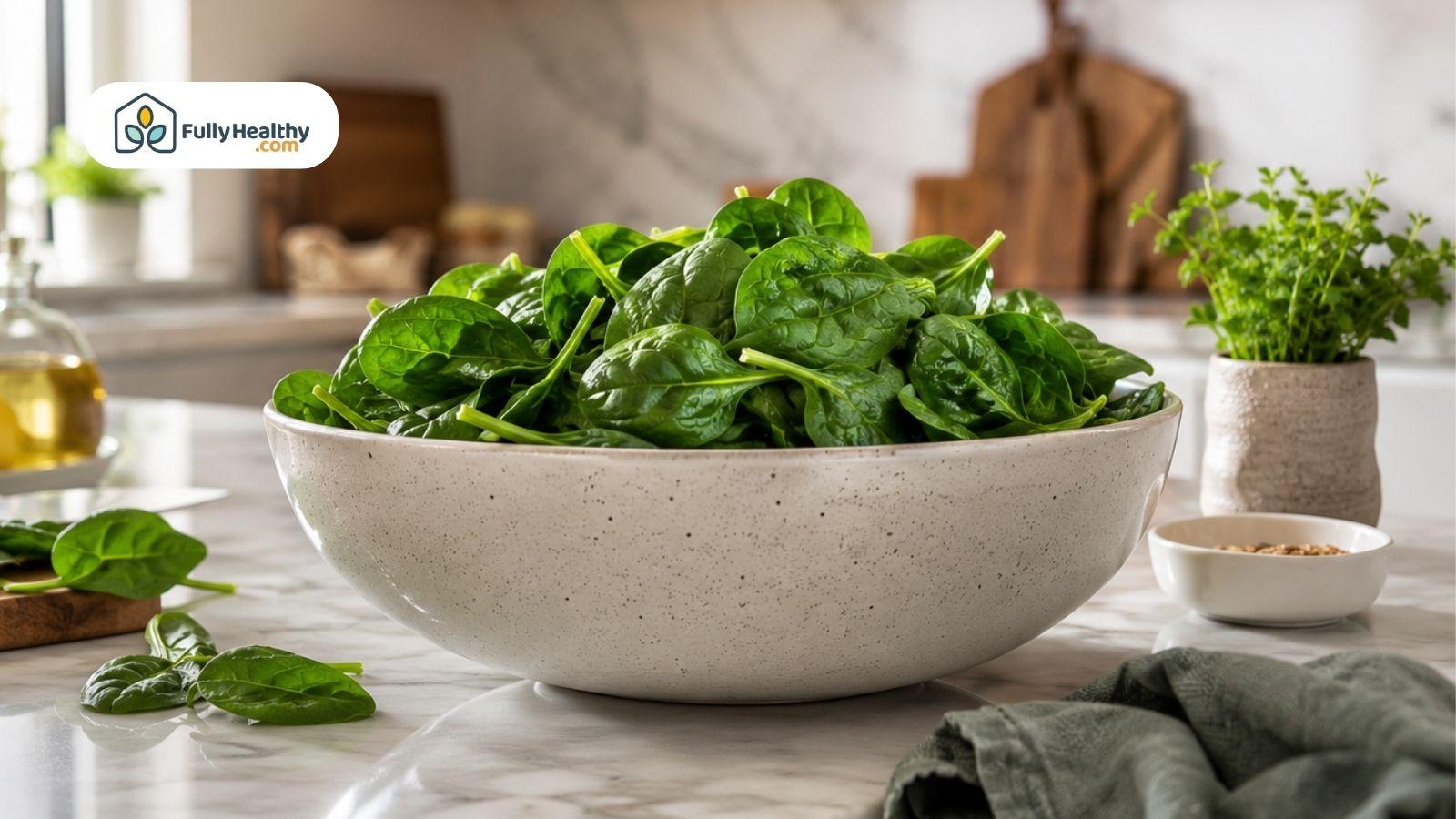
Spinach is one of the most popular vegetables included in a low FODMAP eating plan. It provides valuable nutrients while remaining suitable for many people managing digestive symptoms.
Recommended Low FODMAP Spinach Serving Sizes
Spinach is generally considered low FODMAP when eaten within recommended serving sizes. According to guidance from Monash University, both Baby Spinach and English Spinach can fit comfortably into a low FODMAP diet, making spinach a practical vegetable during the restriction phase.
-
Baby Spinach: Considered low FODMAP up to approximately 75 grams or 2.5 cups.
-
English Spinach: Typically tolerated at servings of around 2 cups.
-
Serving Size: Larger amounts may increase overall FODMAP content.
-
Monash App: Helps track tested serving recommendations for low FODMAP foods.
-
Fructans: These fermentable oligosaccharides are a type of short chain carbohydrates found in some foods.
Raw And Cooked Spinach Considerations
Both raw spinach and cooked spinach can fit into a low FODMAP diet. The main difference is volume, since cooked spinach shrinks considerably during cooking while retaining the same FODMAP content.
-
Raw Spinach: Commonly used in salads, eggs, and fresh meals.
-
Cooked Spinach: Easier for some people to eat in moderate portions.
-
Digestive Comfort: Raw vegetables may cause symptoms unrelated to FODMAPs.
-
Consumed Amount: The total quantity eaten matters most.
-
Portion Sizes: Monitoring intake helps avoid discomfort.
Can I Put Spinach in a Low FODMAP Salad?
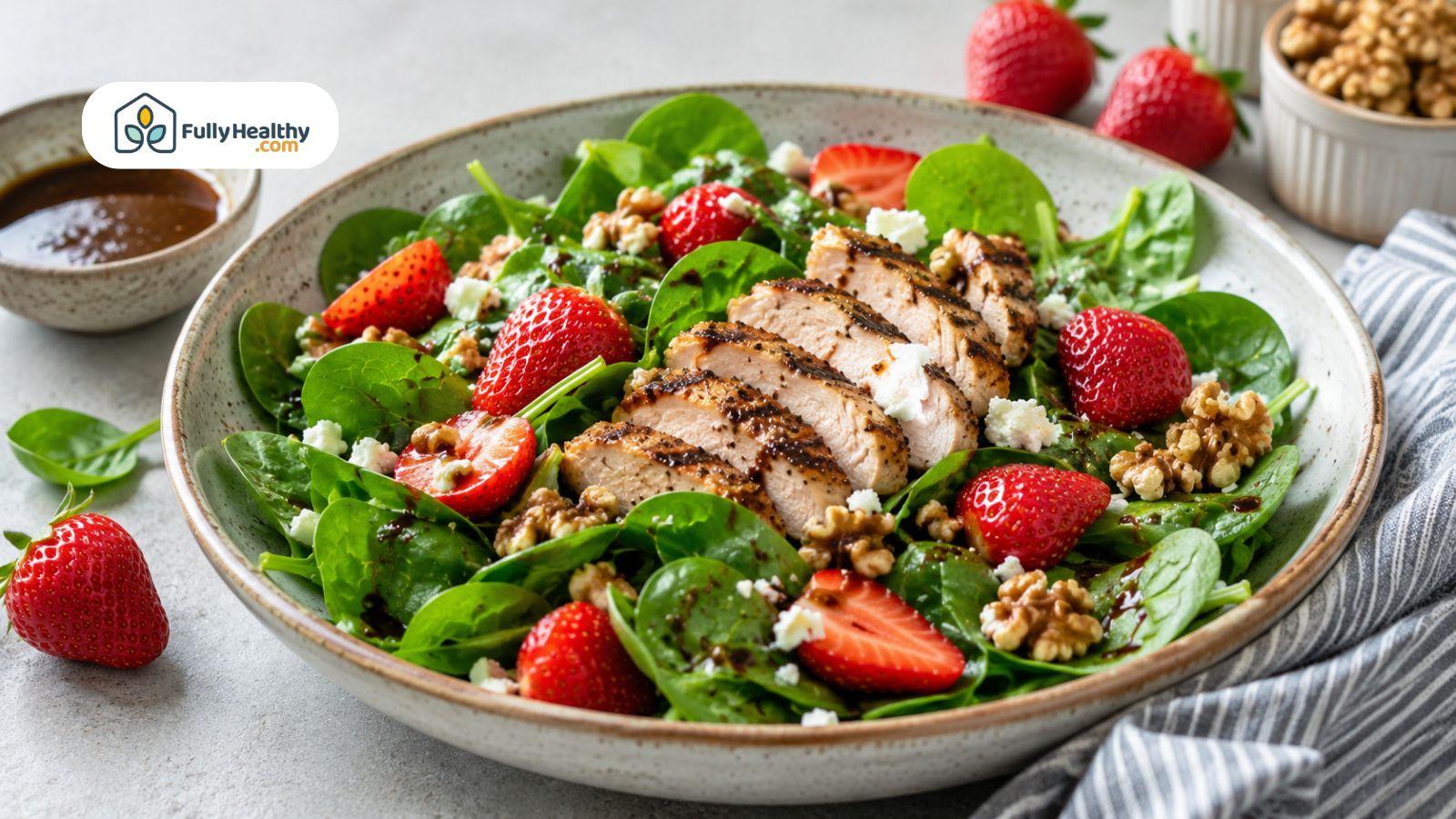
Spinach works well in many low FODMAP recipes because it pairs easily with fruits, nuts, and simple dressings. A balanced salad can be both satisfying and IBS friendly.
Low FODMAP Ingredients That Pair Well With Spinach
A low FODMAP spinach salad is easy to build when you start with a few simple ingredients. Combining fresh greens, fruit, healthy fats, and a source of protein can create a balanced meal that is both satisfying and easy to enjoy.
-
Start With Fresh Baby Spinach: Use fresh baby spinach as the base of your salad for a mild flavor and tender texture.
-
Add Low FODMAP Fruits: Top with blueberries or sliced strawberries for natural sweetness and extra nutrients.
-
Include Parmesan Cheese: Sprinkle a small amount of parmesan cheese to add savory flavor and depth.
-
Dress With Olive Oil: Use olive oil or a simple vinaigrette made with garlic infused olive oil for added flavor without excess FODMAPs.
-
Finish With Seeds Or Nuts: Add walnuts, pecans, pumpkin seeds, or sunflower seeds for crunch and healthy fats.
Ingredients That Can Increase Overall FODMAP Load
Even healthy salads can become problematic when multiple high FODMAP ingredients are combined. Paying attention to ingredients helps reduce the risk of triggering IBS symptoms.
-
Garlic: Common in many dressings and seasonings.
-
High FODMAP Fruits: Some fruits contain larger amounts of fermentable carbohydrates.
-
Cream Cheese: Regular versions may be unsuitable unless lactose-free.
-
Large Amounts: Combining many ingredients can increase total FODMAP exposure.
-
Heavy Dressings: Some contain hidden garlic and other high FODMAP ingredients.
Which Leafy Greens are Low in FODMAP?
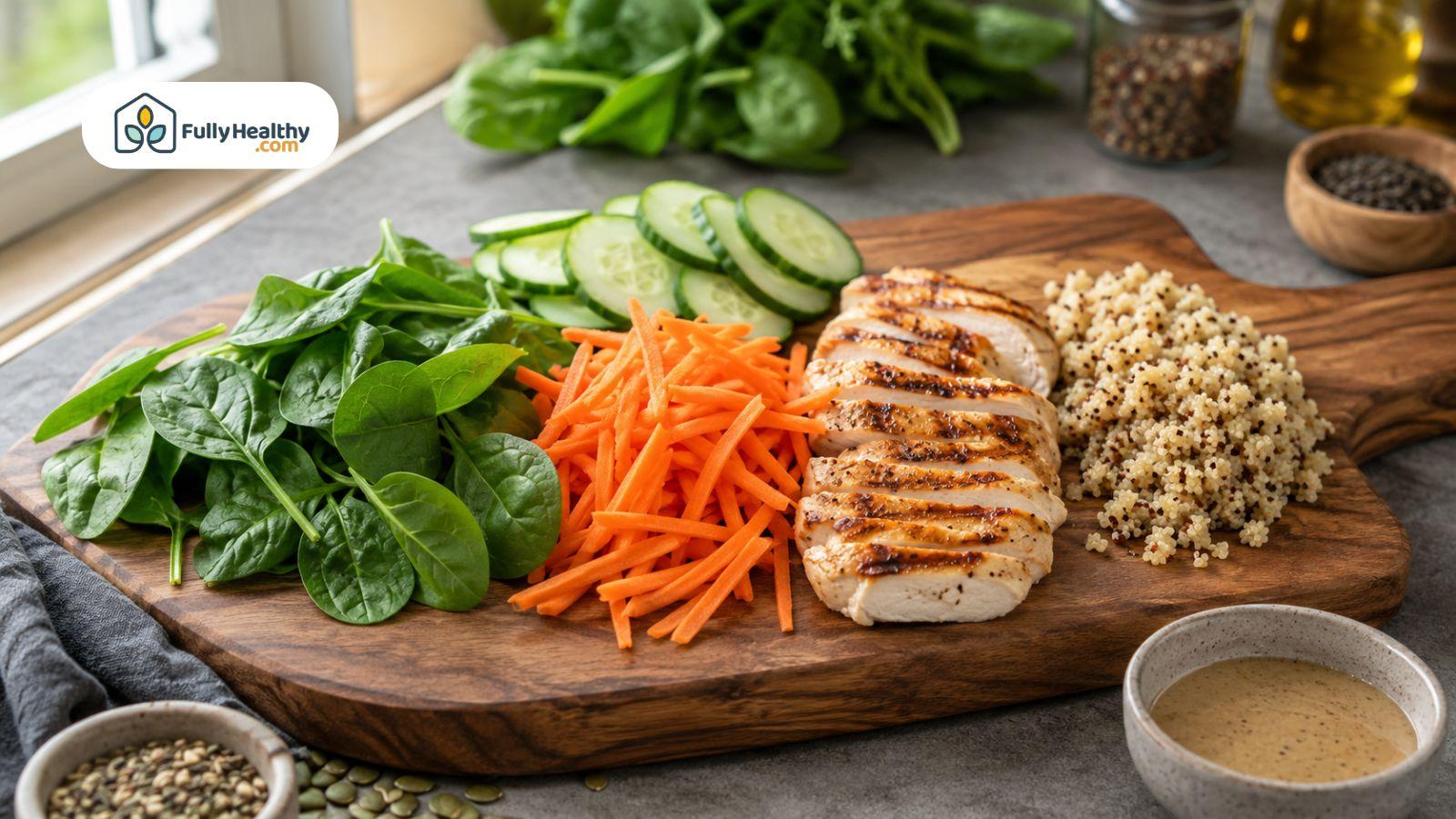
Many leafy greens are considered low FODMAP and can add variety to meals. Rotating vegetables may help create a more balanced diet while maintaining digestive comfort.
Low FODMAP Leafy Greens to Add Variety
Yes, several leafy greens besides spinach are considered low FODMAP and can be included in a low FODMAP diet. Options such as lettuce, kale, arugula, and bok choy provide variety while helping you enjoy more vegetables throughout the week.
-
Spinach: One of the most commonly recommended low FODMAP foods.
-
Lettuce: Generally well tolerated in salads.
-
Kale: Provides nutrients and fiber.
-
Arugula: Adds a peppery taste to meals.
-
Bok Choy: Frequently included in stir fry dishes.
Portion Awareness Across Different Leafy Greens
Even low FODMAP vegetables should be eaten in appropriate amounts. Portion awareness helps prevent excessive intake of fermentable oligosaccharides and other FODMAP compounds.
-
Serving: Tested amounts provide the best guidance.
-
FODMAP Stacking: Multiple low FODMAP foods can add up.
-
Diet Planning: Balance vegetables across meals.
-
Monash University: Recommends checking updated guidance regularly.
-
Tracking Symptoms: Personal tolerance can vary.
Is Spinach High in Fiber?
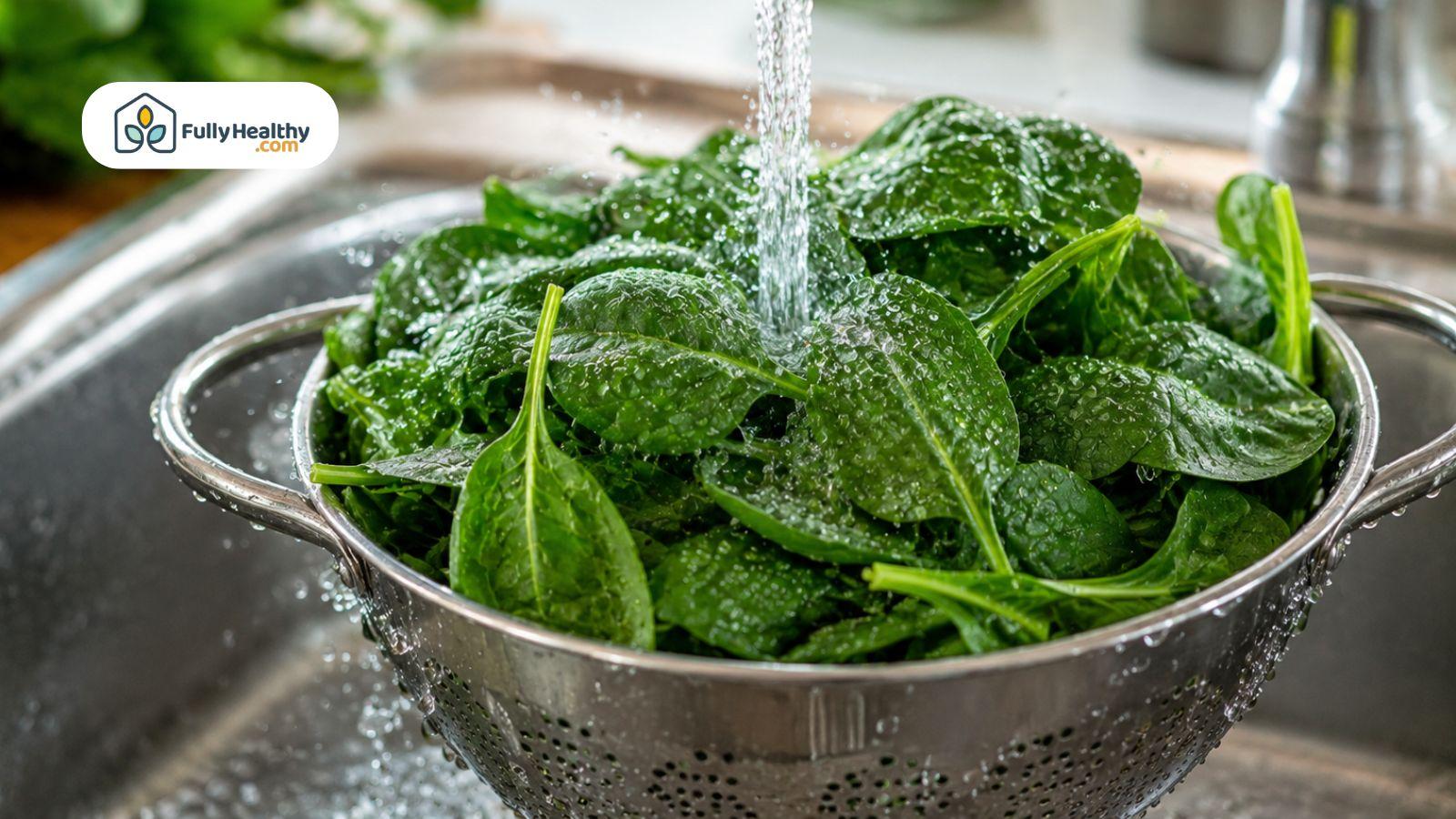
Yes, spinach contains fiber, but it is not considered one of the highest-fiber vegetables. It still provides a useful amount of fiber along with vitamins, minerals, and antioxidants that support overall health and digestion.
Fiber Content And Nutritional Profile Of Spinach
Yes, spinach contains fiber, but fiber and FODMAP are not the same thing. Fiber supports digestion, while FODMAPs are specific carbohydrates that may trigger symptoms in sensitive individuals.
-
Fiber: Supports digestive regularity.
-
Iron: Helps support oxygen transport in the body.
-
Vitamin K: Supports bone health.
-
Beta Carotene: Contributes to overall wellness.
-
Nutrients: Spinach contains several beneficial compounds.
Digestive Benefits Of Spinach And Other Leafy Greens
Spinach can support digestive health as part of a balanced diet. Many people appreciate its nutrient density and versatility in meals and recipes.
-
Health Benefits: Provides vitamins, minerals, and antioxidants.
-
Low FODMAP: Fits many digestive-friendly meal plans.
-
Vegetables: Encourage variety in the diet.
-
Salads: Offer a simple way to eat more greens.
-
Regular Intake: May support overall wellness when tolerated.
About FullyHealthy
Eating a low FODMAP diet can feel restrictive at first, especially when many sauces, seasonings, and packaged foods contain ingredients that may trigger symptoms. FullyHealthy helps simplify meal planning by offering products designed for people with specialized dietary needs.
Supporting Specialized Dietary Needs
FullyHealthy is an online marketplace focused on helping people access foods that support a variety of dietary preferences and restrictions. The platform serves shoppers looking for gluten-free, allergen-conscious, AIP, and other specialty diet products.
-
Specialty Foods: Offers products designed for unique dietary needs.
-
Diet Support: Helps shoppers maintain dietary goals with greater convenience.
-
Allergen Awareness: Features products made with ingredient-conscious formulations.
-
Product Selection: Includes pantry staples, sauces, snacks, and seasonings.
-
Customer Focus: Supports individuals looking for easier meal planning solutions.
Flavorful Spinach Dishes and Seasonings
Flavor can still be a priority while following a low FODMAP eating plan. FullyHealthy carries products that can help enhance spinach dishes and everyday meals without relying on complicated ingredients.
-
Wild Zora Quick Quinoa Meal Herb Roasted Chicken With Spinach, Carrots & Herbs: A convenient quinoa meal featuring spinach, chicken, carrots, and herbs for a quick and satisfying option.
-
Wild Zora Quick Quinoa Meal Greek Garden Lentil With Tomato, Spinach & Green Olives: Combines lentils, spinach, tomatoes, and green olives for a flavorful Mediterranean-inspired meal.
-
Paleo Powder Herbed Salt-Free Seasoning: Adds savory herb flavor to spinach dishes, vegetables, eggs, and proteins without added salt.
-
Simply Organic Cilantro: Brings a fresh, bright flavor to salads, low FODMAP meals, and homemade dressings.
-
Simply Organic Parsley Flakes: A versatile herb that enhances spinach recipes, soups, side dishes, and everyday meals.
Final Thoughts
Spinach is generally considered a low FODMAP vegetable when eaten in appropriate serving sizes, making it a practical choice for many people managing digestive symptoms. You can add spinach to salads, stir fry dishes, creamed spinach, and other delicious recipes using ingredients like garlic infused olive oil, butter, salt, and other veggies. Cook over medium heat, toss ingredients frequently, and start with half a serving if needed. Keep reading FullyHealthy for more diet-friendly tips, meals, and recipes.
FAQs
Is Spinach OK for IBS Sufferers?
Yes, spinach is generally considered low FODMAP and is often well tolerated by IBS sufferers when eaten within recommended serving sizes.
Does Spinach Cause Bloating?
Eating too much spinach can sometimes lead to bloating, especially for those with digestive sensitivities.
Is Spinach Ok For GERD And IBS?
Yes, spinach is often included in eating plans for both GERD and IBS because it is mild, nutrient-dense, and low FODMAP.
Is Spinach Difficult to Digest?
Raw spinach can be harder to digest because it contains insoluble fiber and cellulose, which may cause bloating or digestive discomfort in some people.
What Foods are Surprisingly Low in FODMAP?
Many foods are surprisingly low FODMAP, including spinach, zucchini, eggs, certain fruits, parmesan cheese, lactose free products, olive oil, and garlic infused olive oil.
Leave a comment