

Is Squash A Fruit? What Science Says About Your Plate?
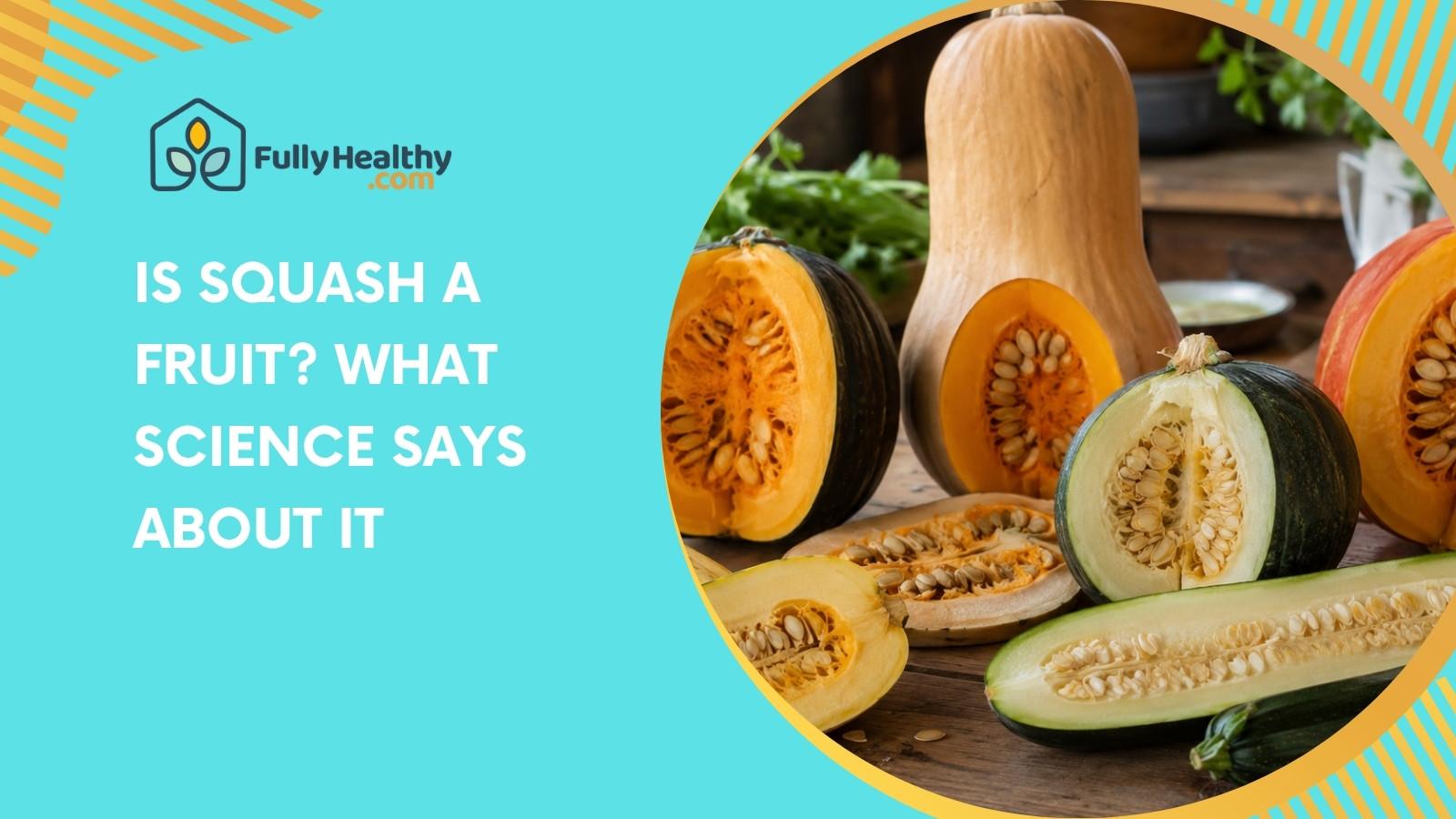
Is squash a fruit? Yes, squash is a fruit in botanical terms because it grows from a flower and contains seeds. But in the kitchen, most people treat it like a vegetable because it has a mild, savory taste.
This is why squash can feel confusing. In this guide, you’ll learn why squash is classified as a fruit, why we cook it like a vegetable, which other fruits get treated the same way, and how to add it to meals.
Featured Pantry Pick
Farmers Market Organic Butternut Squash - 15 oz
Loading...
Is Squash A Fruit?
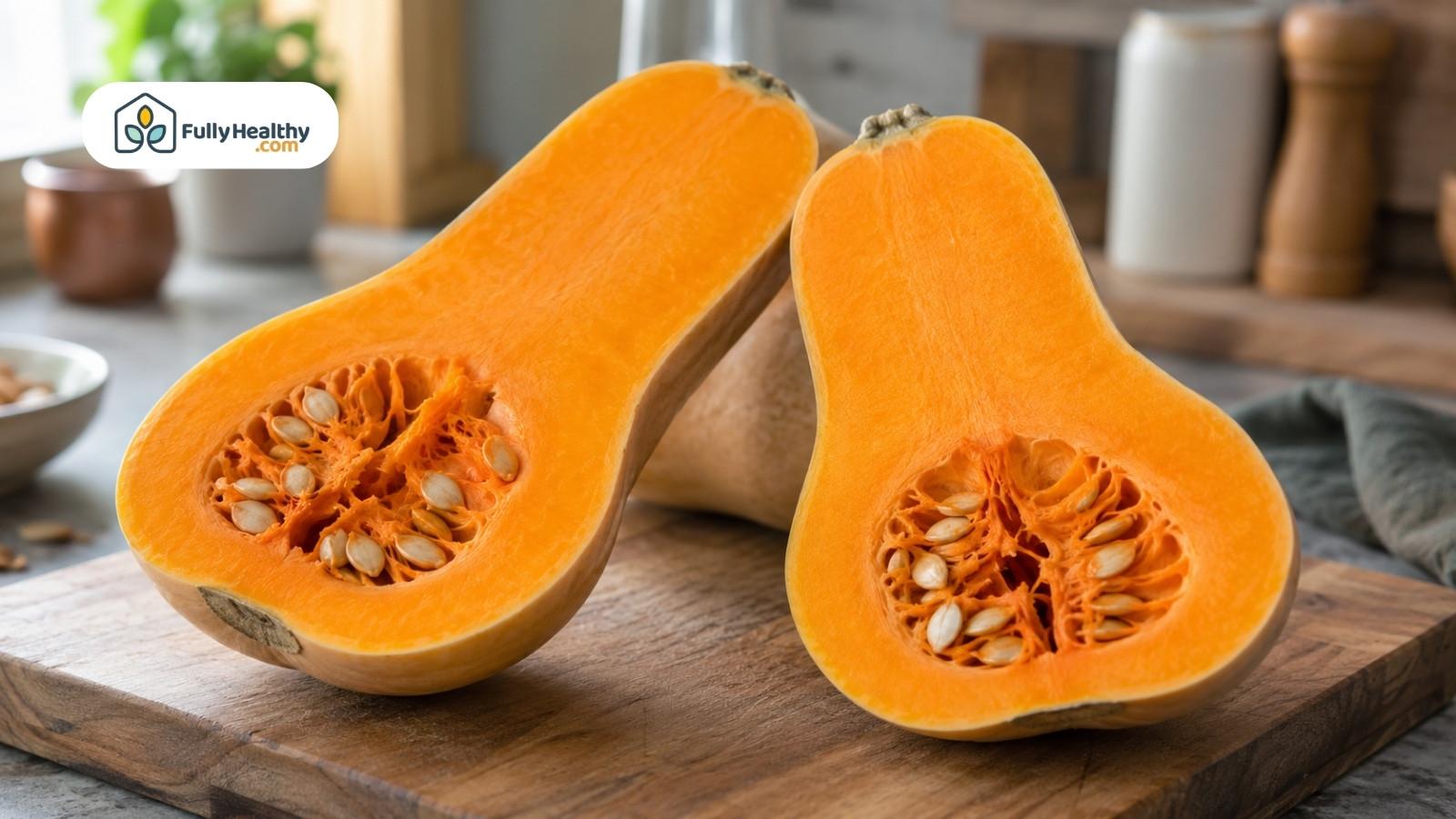
Is squash a fruit? Yes, botanically speaking, squash is a fruit because it grows from the flowering part of the plant and has seeds inside. In everyday cooking, people call it one of their favorite veggies because its taste is mild, earthy, and more savory than sweet.
Why Is Squash A Fruit Botanically?
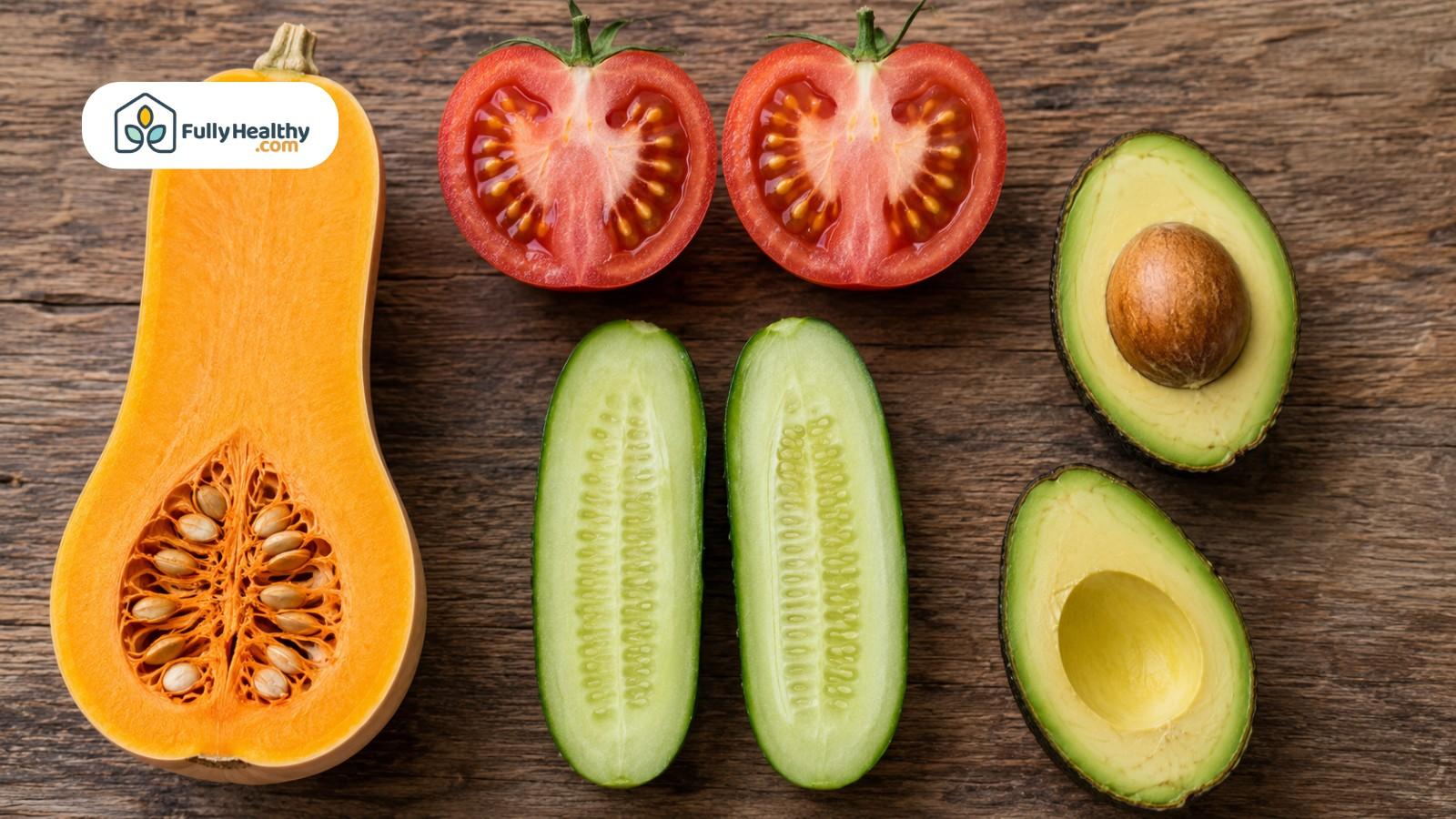
Botanically, a fruit forms after a flower is pollinated. Squash fits this rule because its fleshy part protects seeds, just like tomatoes, cucumbers, peppers, eggplant, pumpkin, and avocados; strawberries are accessory fruits, not simple ovary-derived fruits.
-
Simple Rule: If the edible structure develops from the flower’s ovary and contains seeds, it is technically a fruit.
-
Squash Example: The flesh surrounds the seeds, so winter squash and summer squash both count as fruits.
-
Fun Fact: Zucchini is a type of summer squash, and botanically, zucchini is also a fruit.
Why Do People Call Squash A Vegetable?
People call squash a vegetable because they use it in meals the same way they use carrots, beans, and root vegetables. It works well in soups, roasted sides, casseroles, salads, and recipes with olive oil.
-
Cooking Use: Squash is usually served with savory foods, not fruit salads or desserts.
-
Flavor Profile: It tastes less sweet than many fruits, so it feels more like a vegetable in the kitchen.
-
Meal Role: Squash often sits on the plate with roots, stems, greens, and other vegetables.
What Fruits Are Considered A Vegetable?
Many foods we call vegetables are fruits in science. This happens because botany and cooking use different rules. Botanically, foods are grouped by plant structure. In the kitchen, foods are grouped by taste, texture, and use.
Common Fruits People Mistake For Root Vegetables
Tomatoes, cucumbers, peppers, eggplant, avocados, squash, pumpkin, zucchini, and some beans are fruits botanically. They grow from the flowering part of the plant and contain seeds, even when they taste savory.
-
Tomatoes: These are fruits because they contain seeds, but cooks often use them in sauces, salads, and soups.
-
Cucumbers: These are fruits too, though most people eat them fresh in salads or savory dishes.
-
Eggplant: Eggplant is a fleshy fruit that is usually cooked like a vegetable.
Botanical Classification Vs Culinary Classification
Botanical classification looks at the plant itself. Culinary classification looks at how people cook and eat it. That is why strawberries are clearly called fruits, while squash and tomatoes are often treated like vegetables.
-
Botany Asks: What part of the plant does this food come from?
-
Cooking Asks: Is this food sweet, savory, firm, soft, raw, or cooked?
-
Reader Tip: Use the cooking label for meals and the botanical label when you want the science-based answer.
How To Add Squash To Your Diet?
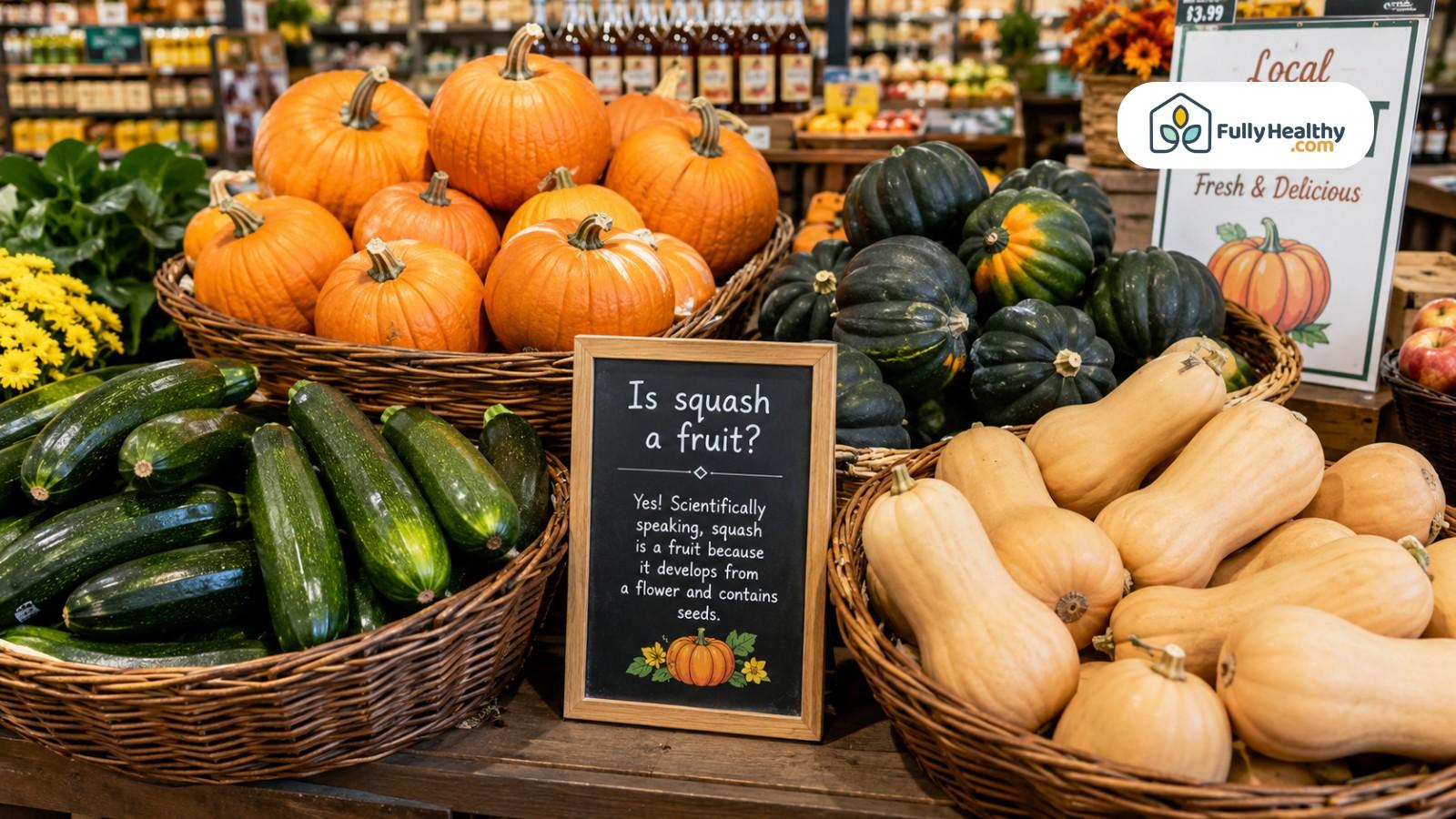
Squash is easy to add to everyday meals. It is filling, colorful, and useful across the season. You can roast it, mash it, blend it, grill it, or add it to simple recipes for more texture, flavor, and nutrients.
Easy Ways To Cook Winter Squash At Home
Start with simple methods before trying complicated dishes. Winter squash is great roasted or blended into soup. Summer squash cooks quickly in a pan, especially with olive oil, garlic, herbs, and a little salt.
-
Roast It: Cut squash into pieces, add olive oil, and bake until the flesh is soft.
-
Blend It: Use pumpkin or butternut squash to make a creamy soup without much effort.
-
Stuff It: Fill delicata or acorn squash with grains, herbs, beans, and vegetables.
Simple Meal Ideas With Winter And Summer Squash
Use winter squash for warm, hearty meals and summer squash for lighter plates. Both are edible, affordable, and easy to pair with common foods, from carrots and roots to protein, pasta, rice, and salads.
-
Breakfast Idea: Add cooked squash to eggs, toast, or a simple veggie hash.
-
Lunch Idea: Mix roasted squash into salads, grain bowls, wraps, or pasta.
-
Dinner Idea: Serve squash beside chicken, fish, beans, or tofu for a balanced meal.
Is It Okay To Eat Squash Every Day?
Eating squash every day can be okay for many people when it is part of a balanced diet. Squash has water, fiber, vitamins, and minerals that can support daily meals. It also belongs to the same plant family as pumpkin and zucchini, which makes it a useful food in kitchens around the world.
What Happens When You Eat Squash Regularly?
Squash can add lots of nutrients without making meals feel heavy. It can also help you feel full because it has fiber and water. This means it may support digestion, hydration, and better meal balance.
-
Digestive Support: The fiber in squash can help support regular bowel movements and make meals more filling.
-
Hydration Help: Squash contributes water, but it should not be presented as a meaningful hydration strategy compared with drinking fluids.
-
Nutrient Value: Many kinds of squash contain vitamin A, vitamin C, potassium, and antioxidants.
-
Easy Meal Fit: You can add squash to soups, salads, rice bowls, roasted dishes, and simple weeknight meals.
Who Should Be Careful With Daily Squash?
Most people can eat squash often, but some may need to watch their portions. This includes people on special medical diets or those who need to limit potassium. A health professional can give the best advice based on personal health needs.
-
Kidney Concerns: Some people with kidney issues may need to track potassium from squash and other foods.
-
Digestive Sensitivity: Eating too much fiber too quickly may cause gas, bloating, or stomach discomfort.
-
Balanced Plate: Squash is healthy, but it should not replace protein, grains, healthy fats, or other vegetables.
-
Cooking Tip: Use simple seasonings, and avoid adding too much salt, butter, or sugar.
How FullyHealthy Can Help You Add Squash-Friendly Foods
FullyHealthy can help readers find simple pantry foods that fit special diets. Their site focuses on cleaner ingredient options and easier meal planning. This can be helpful when you want squash-friendly meals without spending too much time searching for suitable products.
Shop Simple Squash And Pumpkin Pantry Options
FullyHealthy carries Farmer’s Market Organic Butternut Squash and Farmer’s Market Organic Pumpkin. These products can help you make soups, sauces, casseroles, and side dishes faster. They also work well when fresh squash is not in season.
-
Butternut Squash: Use it for soup, mash, pasta sauce, casseroles, or a warm side dish.
-
Organic Pumpkin: Add it to stews, oatmeal, baked foods, smoothies, or creamy recipes.
-
Pantry Convenience: Canned options save prep time because the squash or pumpkin is already cooked.
-
Simple Meals: Pair these foods with protein, grains, herbs, or leafy greens for a more balanced plate.
Pair Squash Meals With Gut-Friendly Flavor
FullyHealthy also carries Pickled Planet Veda Kraut Raw Sauerkraut. This product can add a tangy taste to mild squash meals. It is a helpful topping when you want more flavor without making the dish complicated.
-
Flavor Boost: Sauerkraut adds a sharp taste that balances sweet squash or pumpkin dishes.
-
Texture Contrast: It gives soft squash meals a crisp bite, which makes the dish more interesting.
-
Meal Idea: Add a small spoonful beside roasted squash, squash soup, grain bowls, or simple dinner plates.
-
Easy Upgrade: Use it as a quick topping when a meal tastes too plain or needs more brightness.
Final Thoughts
Squash may seem confusing, but the answer is simple. Botanically, it is a fruit because it grows from a flower and holds seeds, much like a berry in plant science. In the kitchen, though, people use squash like a vegetable because its flavor works well in soups, roasted meals, and savory dishes.
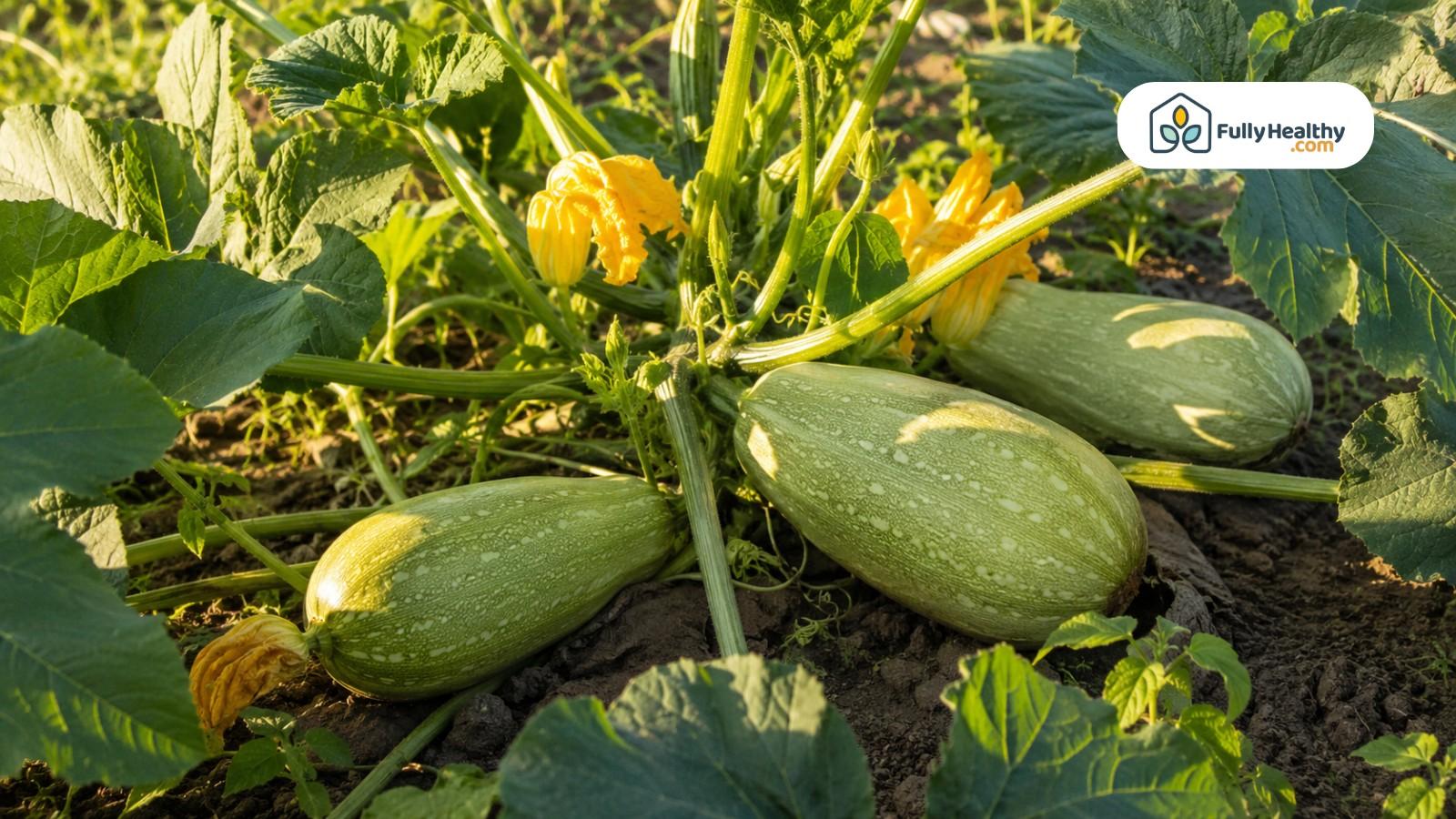
This post gives readers clear information without making the topic harder than it needs to be. Squash also comes from a plant with vines, flowers, and leaves, which helps explain where it fits in nature.
Once you understand the difference between science and cooking, it becomes easier to enjoy squash in meals without worrying about the label too much every day or in simple home recipes more often.
FAQs
Is squash really a fruit?
Yes, squash is a fruit because it grows from a flower and contains seeds inside.
Why do people call squash a vegetable?
People call it a vegetable because it tastes mild and is usually cooked in savory meals.
Is squash related to berry classification?
In plant science, some fleshy fruits are called berries, but squash is usually discussed as a pepo.
Can you eat squash leaves?
Some squash leaves are edible when cooked, but they should be cleaned well before eating.
Where can readers find more squash information?
Readers can use this page as a simple guide before trying squash in soups, sides, and roasted meals.
Leave a comment