

Is Squash A Vegetable? Facts Most People Get Wrong
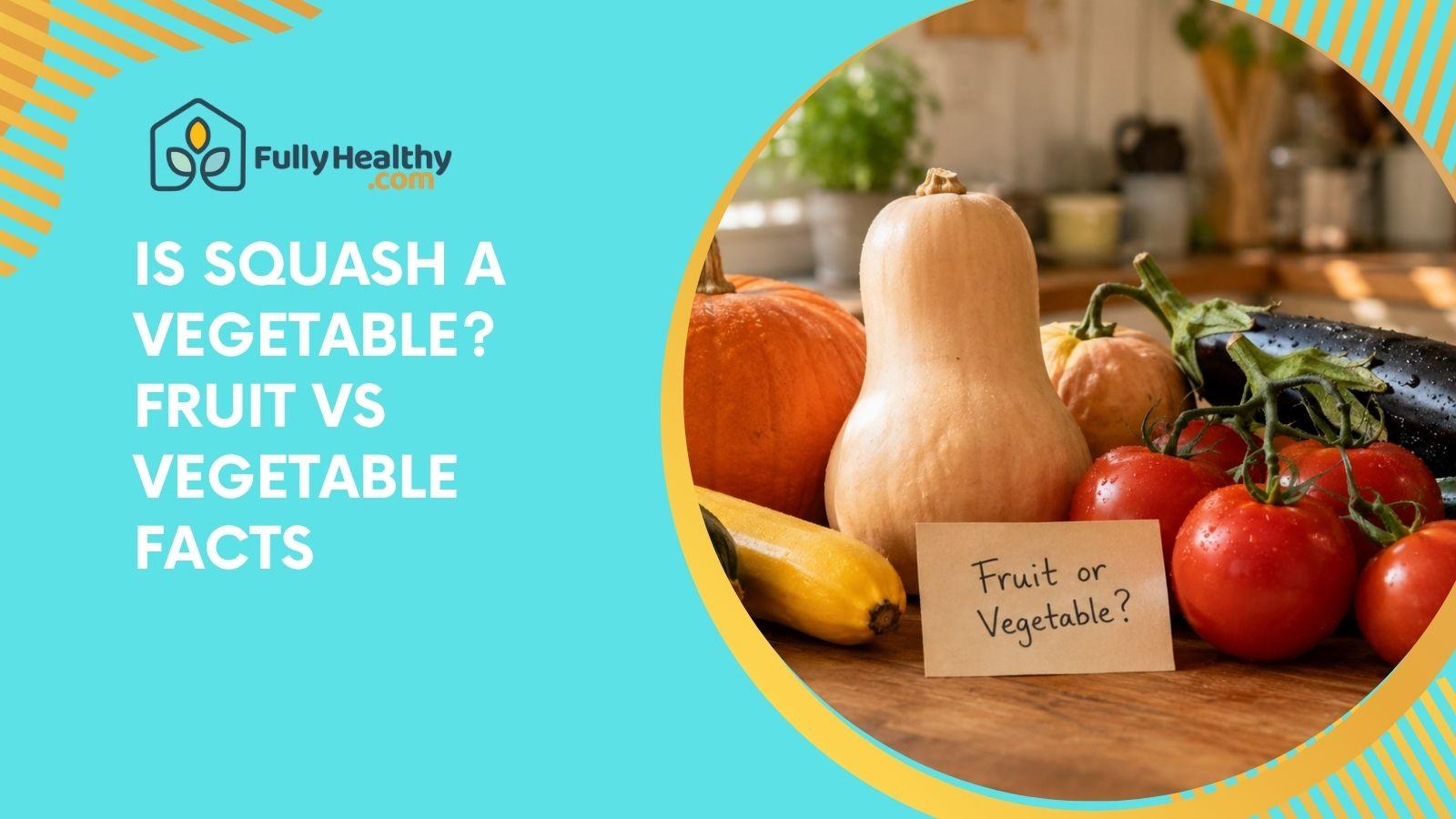
Is squash a vegetable? Botanically, squash is a fruit because it develops from the flower’s ovary and contains seeds. It is usually cooked and eaten like a vegetable, though. Many food guides count it as a vegetable serving because it has a savory taste and works well in soups and roasted dishes.
This article tells you the difference, how to store squash, what to know about diabetes, and how squash can be used in healthy meals.
Featured Pantry Pick
Farmers Market Organic Butternut Squash - 15 oz
Loading...
Is Squash A Vegetable?
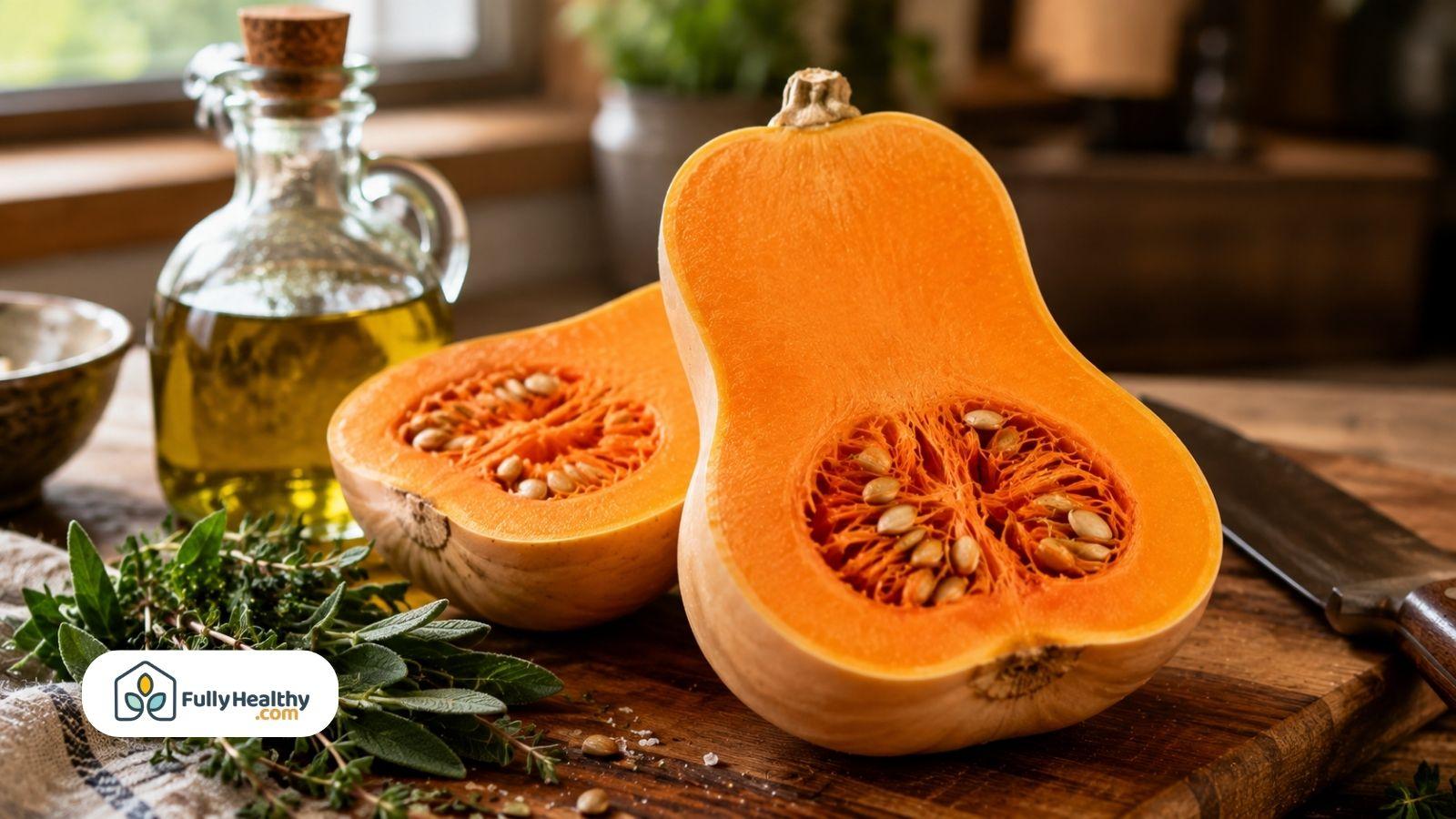
Is squash a vegetable? Botanically speaking, squash is a fruit because it comes from the flowering part of the plant and has seeds inside its flesh. Most cooks treat it like veggies, though, since it doesn't taste sweet.
Squash belongs to the gourd family, Cucurbitaceae. People all over the world bake, roast, boil, grill, and sauté squash because it tastes good, can be used in many ways, and is easy to eat.
Why Squash Is Botanically A Fruit?
From a scientific and agriculture point of view, squash grows from flowers and keeps its seeds safe inside the plant. Because of this, tomatoes, cucumbers, and eggplant are also fruits, even though they are usually cooked with other vegetables. Different types of squash have different parts that can be edible, such as the skin, peel, stems, leaves, and flesh.
-
Key Fact: Squash grows from the flowering part of the plant, which makes it a fruit.
-
Common Types: Popular other squashes include pumpkin, butternut, delicata, zucchini, and yellow squash.
-
Interesting History: Squash has been an important food across the Americas for centuries because it grows in many climates.
Why People Treat Squash Like A Vegetable?
Since most types of squash aren't very sweet, they are often added to savory foods instead of desserts. There are different kinds that can be eaten raw, roasted with olive oil, or added to soups and pasta. Squash goes well with many other vegetables, so many people boil, grill, sauté, or bake it.
-
Popular Cooking Methods: Squash can be roasted, grilled, baked, boiled, or sauteed for different recipes.
-
Easy Meal Ideas: Zucchini noodles and roasted butternut squash are simple and tasty meals.
-
Nutrition Benefits: Squash provides fiber, vitamin c, and other nutrients that support overall health.
Does Squash Count As A Vegetable?
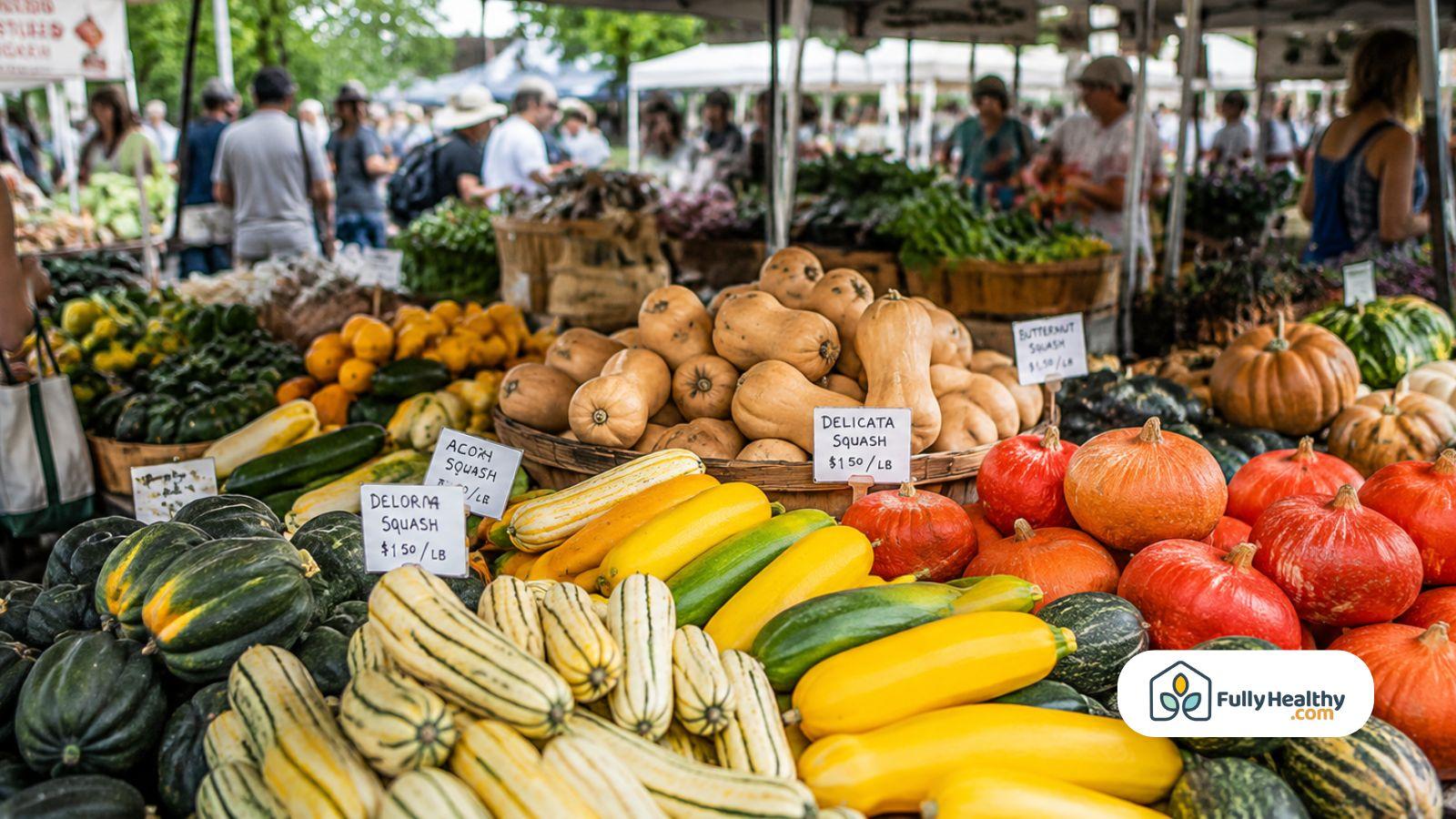
Nutritionists still list squash as a vegetable, even though it is technically a fruit. When people eat squash with their meals instead of as a dessert, the USDA and other health groups count it as a vegetable. This honest fact helps people understand how plant science is different from cooking.
How Nutrition Guides Classify Squash?
Nutrition is more important to health experts than plant labels. Squash is good for you because it has minerals, fiber, vitamin A, and vitamin C. Both summer and winter squash are low in fat and can be a part of family meal plans for both kids and adults.
-
Featured Nutrients: Squash contains fiber, potassium, and vitamin c.
-
Serving Guide: “In USDA guidance, 1 cup of raw or cooked squash generally counts as 1 cup from the vegetable group.
-
Healthy Variety: Adding different types of squash to meals can improve balance and flavor.
What Makes Squash Nutrient Dense?
Squash is a cool and healthy choice because it offers many nutrients without too many calories. Remove seeds when needed for recipes; store cooked leftover squash in the refrigerator and use within 3–4 days. In some recipes, the zucchini ribbons are raw, while others soften squash in boiling water before cooking.
-
Easy To Prepare: Squash works well in soups, casseroles, salads, and grilled dishes.
-
Simple Storage: Store summer squash in a cool refrigerator drawer to help it stay fresh longer.
-
Seasonal Favorite: Pumpkin and butternut squash are especially popular during the fall season.
What Not To Store Near Bananas?

Ethylene gas, which is given off by bananas, makes nearby fruits and vegetables ripen faster. That's why you shouldn't store bananas near cucumbers, tomatoes, or squash. Separating fruits and vegetables helps them stay fresh longer and cuts down on kitchen waste.
Why Bananas Affect Nearby Produce?
Fresh food tastes and feels different faster when it's exposed to ethylene gas. When stored next to bananas or other fruits that release this gas, squash may get soft faster.
-
Other Fruits: Apples and tomatoes also release ethylene gas during ripening.
-
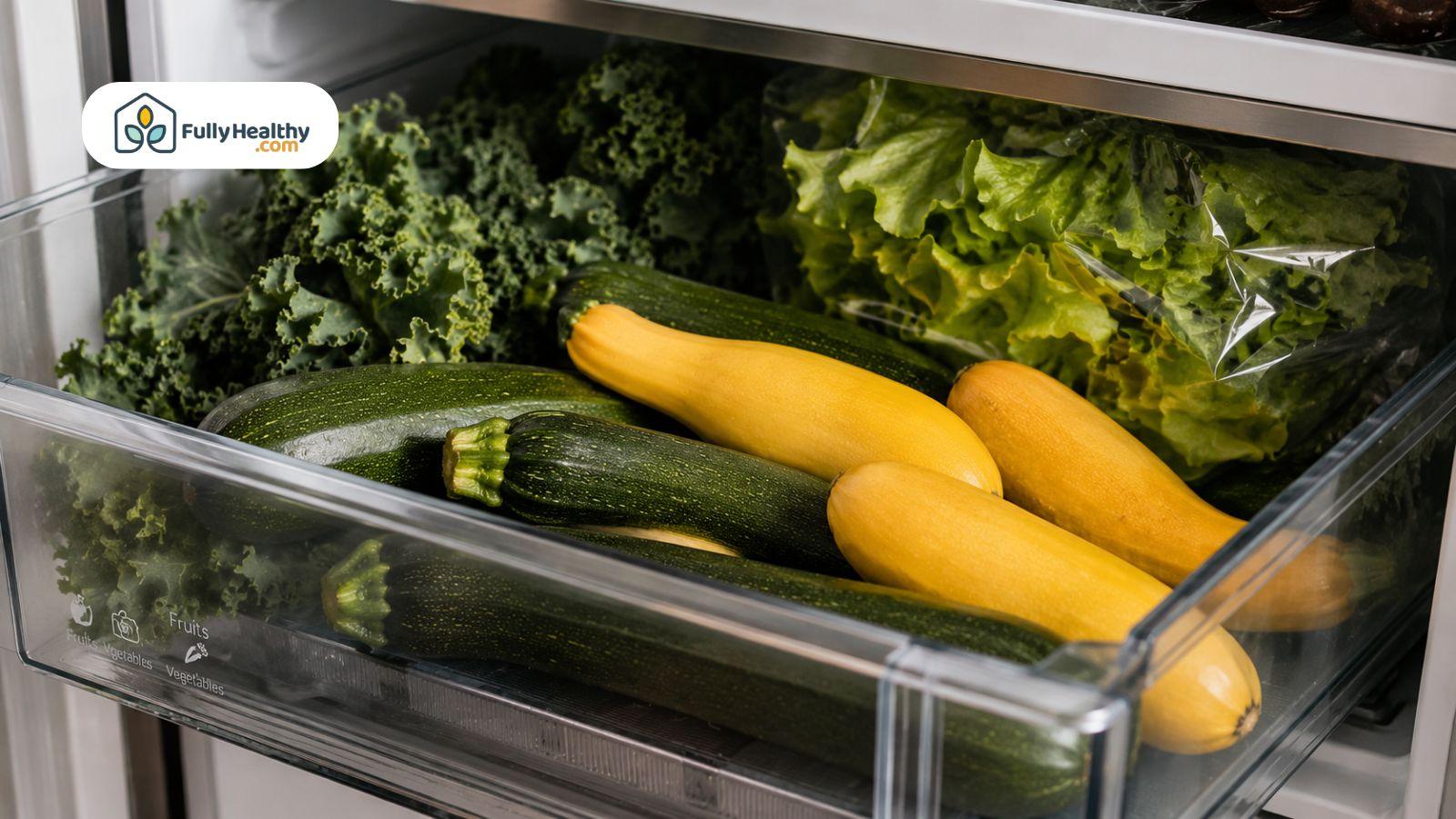
Fresh Produce Tip: Raw zucchini and yellow squash stay fresher unwashed in the refrigerator crisper drawer.
-
Helpful Fact: Proper storage helps protect flavor, flesh, and skin texture.
How To Store Summer Squash Properly?
Zesty squash and yellow squash should be kept in a loose paper or plastic bag without being washed. For the best taste and texture, store them in the crisper drawer of your fridge and eat them within a week.
-
Simple Method: Remove extra moisture before storing squash to help prevent spoilage.
-
Cooking Tip: Toss squash with olive oil before roasting for better flavor.
-
Freezer Tip: Freeze extra cut squash to use later in soups, sauces, or baked recipes.
Can Diabetics Eat Winter Squash?
Many diabetics are uncertain if it is okay to eat winter squash. If you watch your portions, it can usually be part of a healthy meal. Kabocha, butternut, delicata, and pumpkin all have fiber, vitamins, and minerals that are good for your health. Simply cooking squash and eating it with protein, healthy fats, and other vegetables is the key.
Why Winter Squash May Support Blood Sugar Balance?
Winter squash contains fiber, which may help slow digestion; people with diabetes should still consider portion size and total carbohydrates. Plus it has vitamin A and vitamin C. Even though these nutrients are good for you, they shouldn't be used instead of medical advice or a meal plan for people with diabetes.
-
Helpful Nutrients: Fiber, vitamin A, and vitamin C make winter squash a nutrient-rich food.
-
Smart Portion: A small serving can add flavor and nutrients without overloading the plate.
-
Better Balance: Pair squash with lean protein and non-starchy vegetables for a steadier meal.
Best Ways To Prepare Winter Squash
There is a right way to cook squash. It's better to roast, bake, steam, or boil than to add sugar, syrup, or heavy toppings. Salt and pepper add flavor without added sugar, but salt intake should still be moderated.
-
Simple Cooking: Roast or boil squash with light seasoning to keep it healthy.
-
Meal Prep Tip: Store cut squash in the refrigerator and use it within a few days.
-
Easy Recipes: Add squash to soups, salads, or grain bowls for more variety.
What Does Fully Healthy Offer For People Wondering Is Squash A Vegetable?
Fully Healthy is an online store for people who have to watch what they eat. It has specialty foods, gluten-free foods, allergen-free foods, and AIP foods. The site doesn't directly explain how to classify squash, but it can help people find things they need to make simple vegetable-based meals.
Specialty Foods For Healthy Eating
People in the community can use Fully Healthy to find foods that are good for certain diets. It sells sweeteners, snacks, baking mixes, seasonings, and pantry essentials under its product division. This could save shoppers time when they need to see what foods they can buy.
-
Featured Products: Coconut sugar, maple syrup, and banana bread mixes are listed on the site.
-
Shopping Benefit: The store helps reduce label-reading stress for people with food limits.
-
Location Note: Fully Healthy lists Portland as its location; customers in York, NY, can shop online.
How Fully Healthy Supports Home Cooking?
Fully Healthy can help people who cook at home make easy meals with foods that are good for you. The site also has product labels, recipes, and seasonal ideas that readers can use to learn.
-
Kitchen Support: Seasonings and pantry items can support baked or roasted vegetable dishes.
-
Learning Resource: Product details help shoppers learn what fits their diet.
-
Healthy Living: The site supports easier meal planning for different needs and dates.
Final Thoughts
Squash can play an important role in a healthy diet because it provides fiber, vitamin C, and other nutrients that support overall wellness. Some studies and health professionals say that eating fiber-rich foods like squash may help keep cholesterol levels in a healthy range when they are part of a well-balanced diet.
While squash is botanically written as a fruit, many people still use it like a vegetable in everyday cooking. Cooking squash in different ways, like roasting butternut or grilling zucchini, makes it easy to fit into a lot of healthy recipes and ways of life.
Faqs
Can squash lower cholesterol?
Squash contains fiber and nutrients that may help support healthy cholesterol levels as part of a balanced diet.
Which two fruits should not be eaten together?
Some sources claim watermelon and pineapple may cause stomach discomfort when mixed, but strong scientific proof is limited.
What is the most eaten fruit in the world?
Bananas are among the most widely consumed fruits globally.
What single food could you live off the longest?
No single food can provide complete long-term nutrition; potatoes provide energy and some key nutrients but lack several nutrients needed for a balanced diet.
What is the no. 1 healthiest vegetable?
Leafy greens such as spinach are nutrient-dense, but there is no single scientifically established ‘No. 1 healthiest vegetable.
Leave a comment