

Is Turmeric Spicy or Just Flavorful? Get the Truth
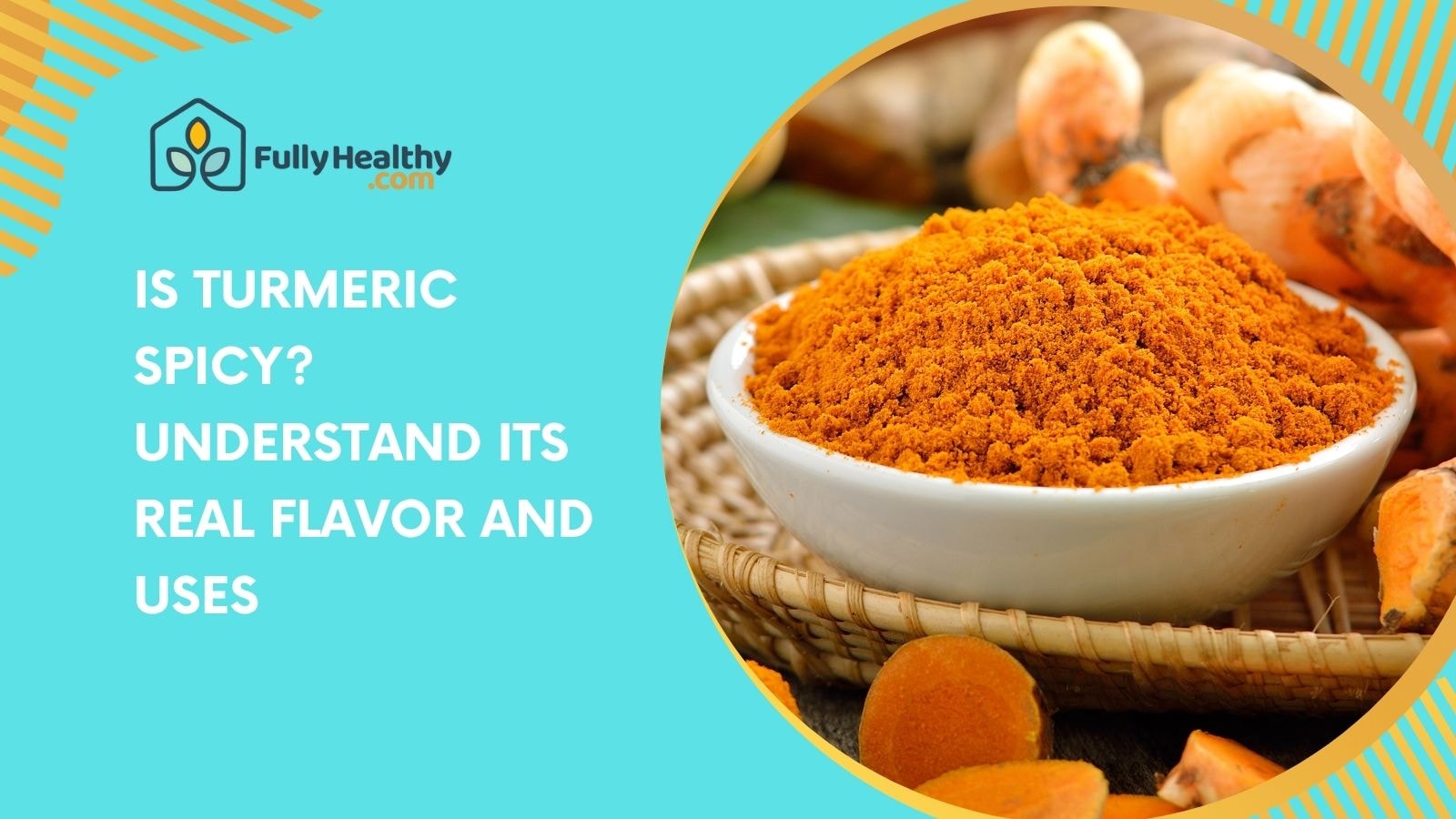 Photo Credit: Canva Pro
Is turmeric spicy? Not really. The taste of turmeric is warm and earthy, with a hint of bitterness. It's not spicy like chili. In Indian food and Southeast Asian food, it is often used as a spice. It is known for being yellow and good for you. Spice has a mild but noticeable taste that comes through in turmeric tea, curry powder, and golden milk.
This article talks about how turmeric tastes, what it can be used for, and how it stacks up against other spices like ginger.
Featured Pantry Pick
Simply Organic // Ground Turmeric Root - 2.38 oz
Loading...
Is Turmeric Hot or Spicy?
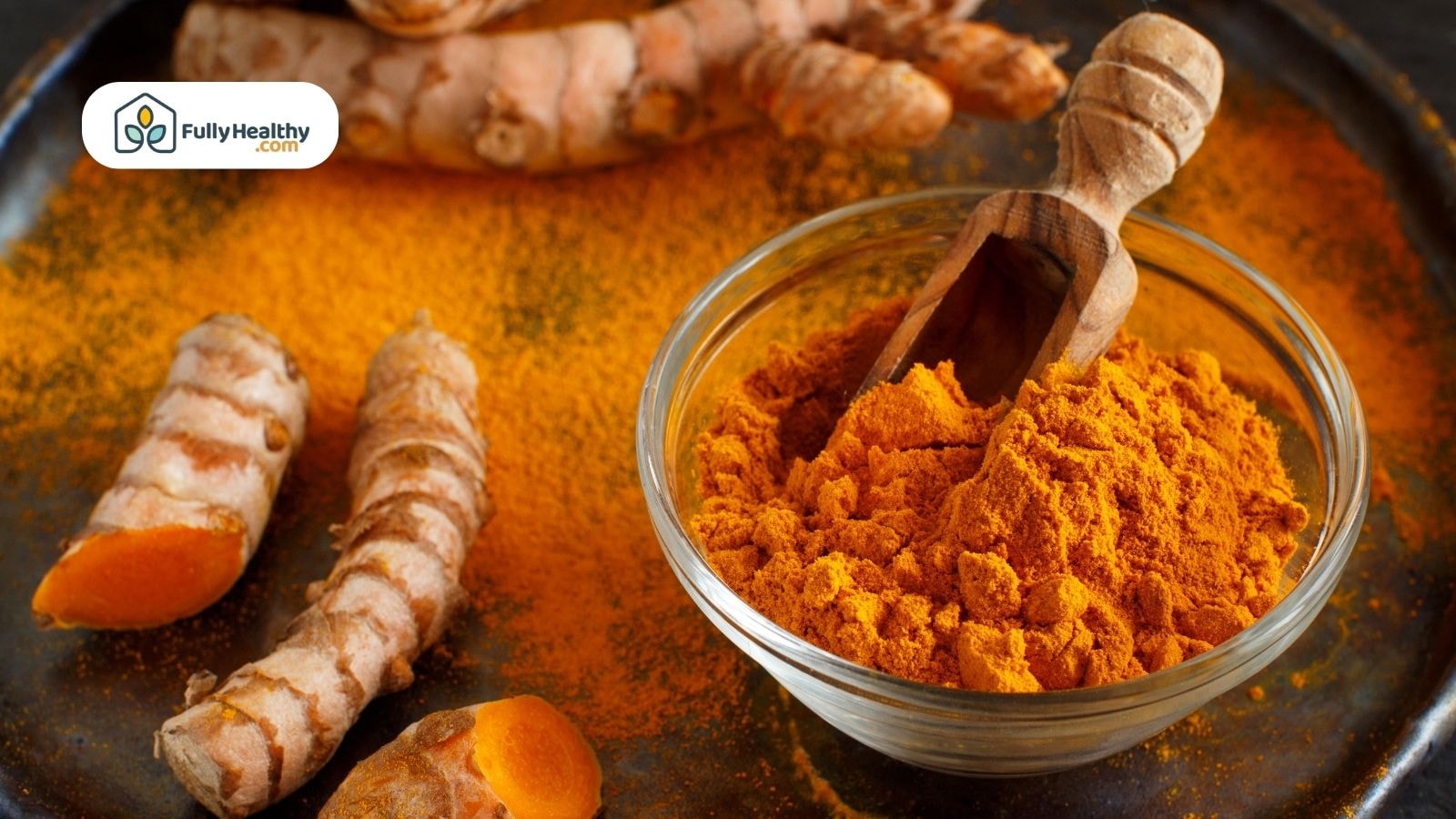 Photo Credit: Canva Pro
What Turmeric Really Tastes Like
Although turmeric is spicy, it's not hot or burning. Peppery, earthy, and slightly bitter, especially in turmeric powder, which tastes stronger than fresh turmeric.
-
Turmeric taste: Mildly bitter with a mustard-like warmth and citrusy notes.
-
Fresh turmeric: Less bitter and more aromatic than powdered form.
-
Turmeric powder: Common in curry powder and other spices for savory dishes.
-
Used in: There are a lot of dishes in Indian cooking, like rice dishes, dairy products, and yellow cakes.
-
Turmeric plant: From Curcuma longa, cultivated in South Asian and Southeast Asian regions.
-
Golden color: Comes from curcumin, the active ingredient in turmeric.
Why Turmeric Isn’t Considered “Hot”
Because it does not have capsaicin or piperine, turmeric is not hot like chili or black pepper. Instead, turmeric feels warm in the mouth and has a mild flavor that goes well with other spices in savory dishes.
-
No capsaicin: Turmeric does not trigger heat receptors like spicy peppers.
-
Mild warmth: Turmeric spicy notes come from its bitter and earthy flavor profile.
-
Culinary use: Found in golden milk, turmeric tea, and turmeric paste for better health.
-
Fat soluble: Absorbed best with fat like coconut milk or dairy products.
-
Used in: Traditional Chinese medicine and complementary and alternative medicine.
Is Turmeric Spicier Than Ginger?
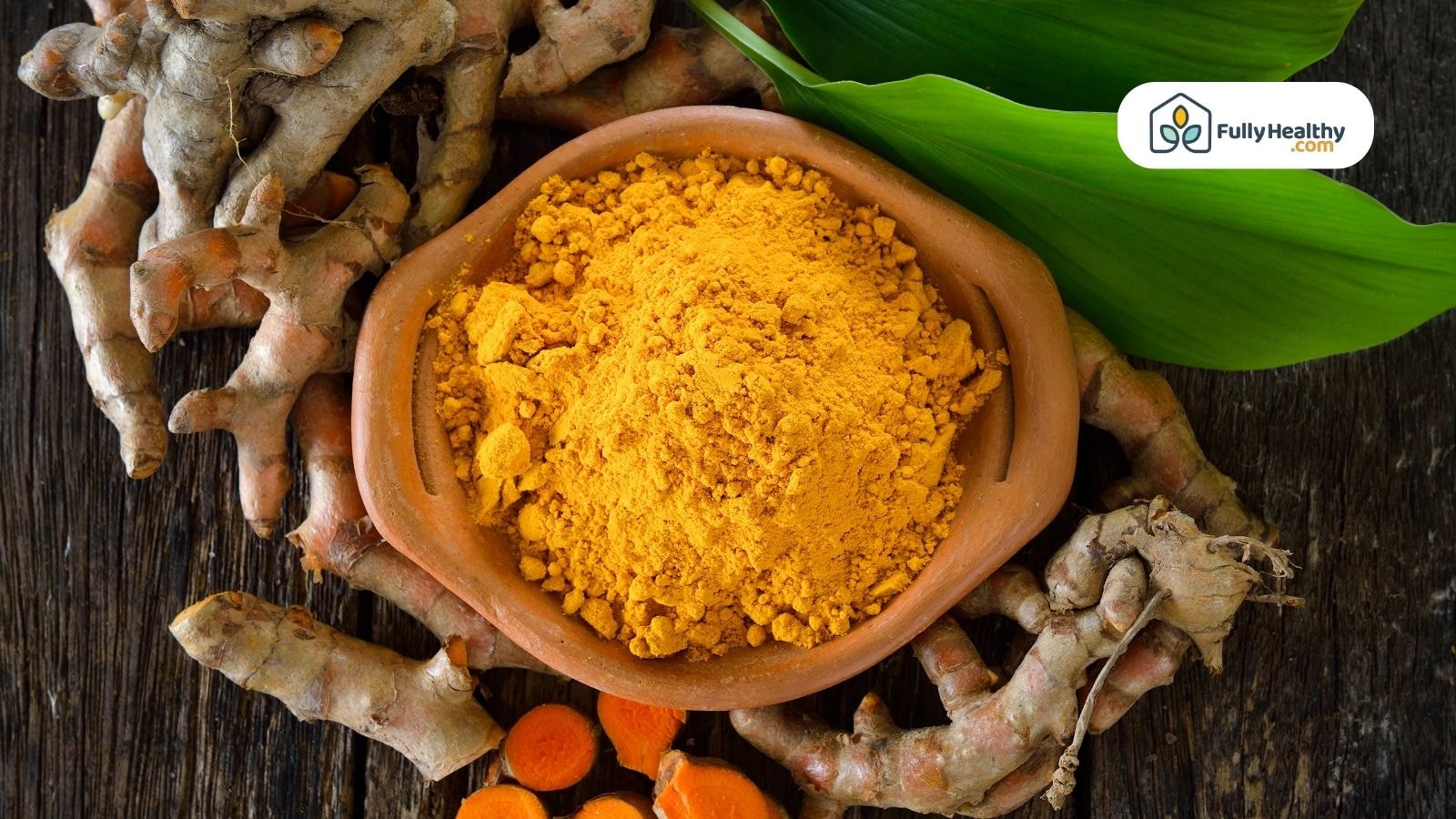 Photo Credit: Canva Pro
Comparing Turmeric’s Warmth to Ginger’s Heat
People often say that turmeric and ginger are alike, but ginger is much stronger and hotter. Ginger has a sour, almost sharp taste, while turmeric's subtle flavor is not as strong.
-
Gingerol vs. curcumin: Ginger’s heat comes from gingerol, while turmeric's warmth comes from curcumin.
-
Flavor strength: Ginger gives a sharp zing, while turmeric is earthy and mellow.
-
Forms used: Fresh turmeric root and powdered form are less spicy than fresh ginger.
-
Usage: Turmeric is often used in baked goods and rice dishes, while ginger is preferred in sweets and teas.
-
Turmeric extract: Often used in turmeric supplements for inflammation support.
Nutrient and Medicinal Contrast
While both turmeric and ginger are very good for you, they offer different nutrients. Ginger has more vitamin C and helps digestion, while turmeric has curcumin and small amounts of minerals like iron and manganese.
-
Turmeric nutrients: Iron, manganese, and anti inflammatory compounds.
-
Ginger nutrients: Vitamin C and calcium, beneficial for viral infections.
-
Medical use: Turmeric is used in clinical trials for heart disease and skin health.
-
Complementary use: Both are common in complementary and alternative medicine.
-
Turmeric has been used: In vedic culture and south Asian traditions for centuries.
What Happens to Your Body When You Start Taking Turmeric?
 Photo Credit: Canva Pro
Early Effects You Might Feel
Some small changes may happen right away when you start taking more turmeric. Some of these are better digestion, less bloating, and a slight rise in energy levels.
-
Digestive help: Curcumin supports liver function and improves gut health.
-
Reduced bloating: Found in turmeric tea and golden milk recipes.
-
Mild anti inflammatory action: Often felt within a few days of regular use.
-
Fresh turmeric: Ideal for smoothies, orange juice, or boiled white rice.
-
Turmeric extract: Works best when paired with black pepper for absorption.
Evidence-Backed Long-Term Health Benefits
Some clinical trials have linked long-term use of turmeric to a number of potential health benefits. It may lower the risk of heart disease, help the brain work better, and aid in diseases linked to inflammation.
-
Joint relief: Shown effective in managing arthritis in human health studies.
-
Cognitive support: Curcumin may promote memory and delay age-related decline.
-
Metabolic health: May improve blood sugar control and lipid levels.
-
Skin health: Traditional remedies use turmeric paste for clearer skin.
-
Ongoing research: More research is being done on turmeric’s effects on various diseases.
Should I Take My Turmeric in the Morning or at Night?
 Photo Credit: Canva Pro
Timing vs. Absorption: What Really Matters
How you take turmeric is more important than when you take it. Turmeric should be consumed with black pepper and fat for the best absorption. This is because fat helps curcumin get into the bloodstream.
-
Fat soluble: Curcumin absorbs better with healthy fats like coconut milk or olive oil.
-
With meals: Take turmeric supplements or turmeric tea alongside food.
-
With black pepper: Taking turmeric extract can be up to 2000% more effective when piperine is present.
-
Powdered form: Add ground turmeric to savory dishes like rice or baked products.
-
Canned beverages: May not deliver enough curcumin unless combined with pepper or oil.
When to Take Turmeric for Specific Results
Turmeric can be taken at different times of the day based on your needs. For energy and pain relief, use in the morning. For sleep and recovery, use in the evening.
-
Morning: Supports immune health and anti inflammatory responses during the day.
-
Evening: Helps calm the body and support overnight tissue repair.
-
Exercise: Post-workout turmeric tea may reduce soreness and inflammation.
-
Other foods: Blend fresh turmeric root into orange juice for a morning boost.
-
Sweet dishes: Combine with honey or dairy products for bedtime golden milk.
Shop Turmeric the Right Way with FullyHealthy
Why People Trust FullyHealthy
FullyHealthy is an online store that only sells foods that are good for people with certain dietary needs. It's mostly about autoimmune protocol (AIP), gluten-free, and allergen-free diets, and using clean ingredients to help people get healthier.
-
Focus: Complementary and alternative medicine-friendly pantry staples.
-
Partners: Works with small brands focused on human health and wellness.
-
Whole life support: Foods designed for lifelong wellness and healing.
Turmeric Products We Carry
Plenty of different kinds of turmeric-based products are available at FullyHealthy. You can use them to add flavor to many dishes or for medicinal properties.
-
Simply Organic Ground Turmeric Root: Perfect for cooking or turmeric tea.
-
Nuco Turmeric Coconut Wraps: A savory dishes staple with vibrant color.
-
Wild Zora Mushroom-Beef Turmeric Soup: Easy anti inflammatory meal option.
-
Elements Truffles with Turmeric: Sweet dishes that blend turmeric and sea salt chocolate.
-
Other spices: Pair well with turmeric in Indian saffron blends and curry powder.
Final Thoughts
Turmeric has a distinct flavor that has made it popular in Indian cuisine, Middle Eastern cooking, and health trends worldwide. This meritorious earth-colored root comes from Southeast Asia and is now the main ingredient in many yellow dishes.
Lead chromate has been illegally added to fresh turmeric and turmeric powder to make them look more reddish brown. Some people might not be able to handle high doses, but the possible benefits are worth looking into. Add turmeric to your whole life routine today!
FAQs
Does turmeric burn belly fat?
While you may find turmeric aid inflammation and metabolism, no strong evidence supports direct belly fat reduction.
What is better than turmeric for inflammation?
Fresh turmeric and turmeric supplements are helpful, but some say ginger is better than turmeric for inflammation due to faster results.
Is powdered turmeric good for you?
Yes, powdered turmeric is a primary ingredient in curry powder and golden milk and can support better health when not consumed in high doses.
What is the best way to eat turmeric?
The best way to eat turmeric is mixing ground turmeric or turmeric paste with coconut milk or adding it to rice dishes and savory dishes.
How can I use fresh turmeric every day?
You can add fresh turmeric to orange juice, dairy products, baked products, or even turmeric tea to boost human health and avoid lead chromate issues.
Leave a comment