

Is Vegan Dairy Free? Clear Answers About Labels and Foods
Foods that meet the definition of vegan contain no intentionally added dairy or other animal-derived ingredients; however, products labeled vegan may still have accidental milk cross-contact and may not be safe for people with milk allergies.
However, dairy-free food is not always vegan, and vegan food is not always gluten-free. Some packaged foods, including canned tuna, may also contain hidden milk proteins such as casein.
This article explains these labels, shows what to check on ingredient lists, and highlights how FullyHealthy can help you find products for special diets safely.
Is Vegan Dairy Free?
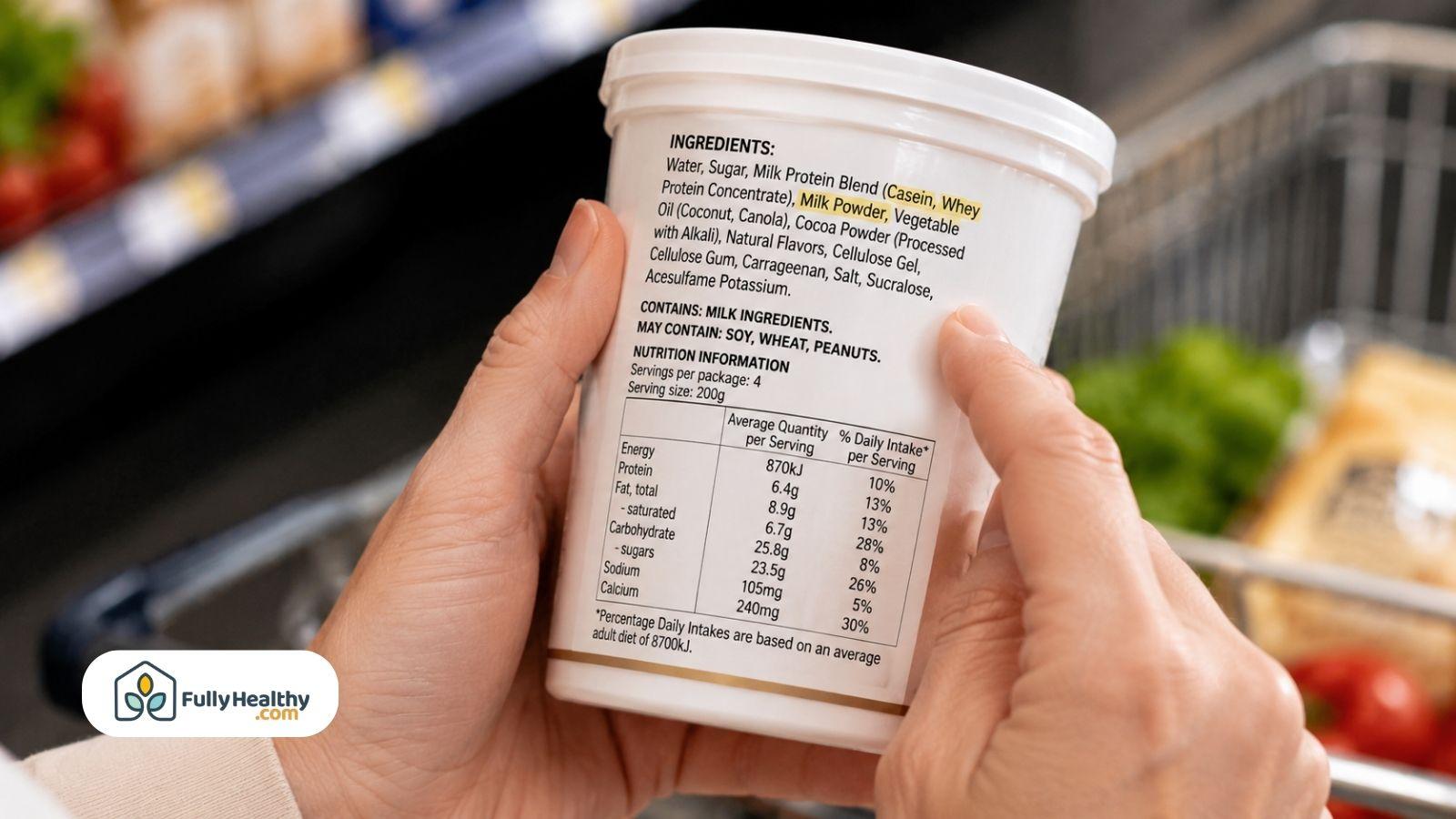
Yes, vegan food does not contain dairy. Foods that come from animals, like dairy products from cows, are not allowed on a vegan diet. Dairy, butter, cream, cheese, and yogurt are not vegan foods. Despite this, dairy-free products aren't always vegan because they might contain eggs, honey, or other animal ingredients.
Is Every Vegan Food Dairy-Free?
A product represented as vegan should contain no intentionally added animal-derived ingredients, but ‘vegan’ is not a standardized federal allergen-safety claim in the United States and does not guarantee the absence of trace milk.
Many vegan foods are plant-based and made with fruits, vegetables, grains, nuts, seeds, and legumes. A vegan logo can help, but always read the ingredient list.
-
Vegan Meaning: A vegan diet excludes meat, fish, eggs, milk products, cheese, butter, cream, yogurt, and honey.
-
Food Choices: Plant-based meals, snacks, and chocolate can be suitable without animal ingredients.
-
Nutrition Tip: A well-planned vegan diet should provide adequate protein, vitamin B12, vitamin D, calcium, iodine, iron, zinc, omega-3 fatty acids, and other essential nutrients; vitamin B12 usually requires fortified foods or supplementation.
Does Dairy-Free Always Mean Vegan?
Milk and dairy are not allowed on a dairy-free diet, but other animal products may still be available. Others might have honey or eggs in them. Always read the label.
-
Key Difference: Dairy-free means no dairy, while vegan means no animal-derived products.
-
Hidden Ingredients: Look for casein, whey, milk powder, lactose, and other animal-derived ingredients.
-
Safer Option: For vegan dietary preferences, certification can provide additional assurance about ingredients. For milk allergy, certified-vegan status alone is insufficient; check the milk allergen declaration, precautionary labeling, and manufacturer cross-contact information.
Is Vegan Completely Dairy Free?

A true vegan diet is completely dairy-free because it avoids foods made from animals. This includes milk, cheese, butter, cream, and yogurt. Still, check labels because recipes may change, especially when avoiding dairy for allergies or lactose intolerance.
Does a Properly Vegan Diet Exclude All Dairy?
The vegan diet excludes every type of dairy because dairy comes from animals. Vegan foods use plants instead of milk from a dairy cow. Consumers choose vegan products for ethics, health, or lifestyle.
-
Foods to Avoid: Skip milk, cheese, butter, cream, yogurt, and other dairy products.
-
Foods to Choose: Eat vegetables, fruits, grains, nuts, seeds, legumes, and other plant-based foods.
-
Useful Alternatives: Vegan dairy options can be flavorful and easy to use in meals.
Should You Still Check Labels on Vegan Foods?
Yes. Different vegan brands might use different ingredients or equipment. Allergen cross-contact can happen when dairy and vegan products are made in the same manufacturing facility. Allergy sufferers should read both warnings.
Precautionary statements such as ‘may contain milk’ are voluntary and are not required on every product with a possible cross-contact risk; people with milk allergy may need to contact the manufacturer.
-
Certification Check: Look for a vegan logo or certified vegan statement.
-
Allergen Check: Review the ingredient list and ‘Contains’ statement for milk and egg, and check any voluntary precautionary statements about possible allergen cross-contact.
-
Nutrition Check: Compare sugar, fat, protein, vitamin D, and other nutrients.
Does Canned Tuna Have Milk?
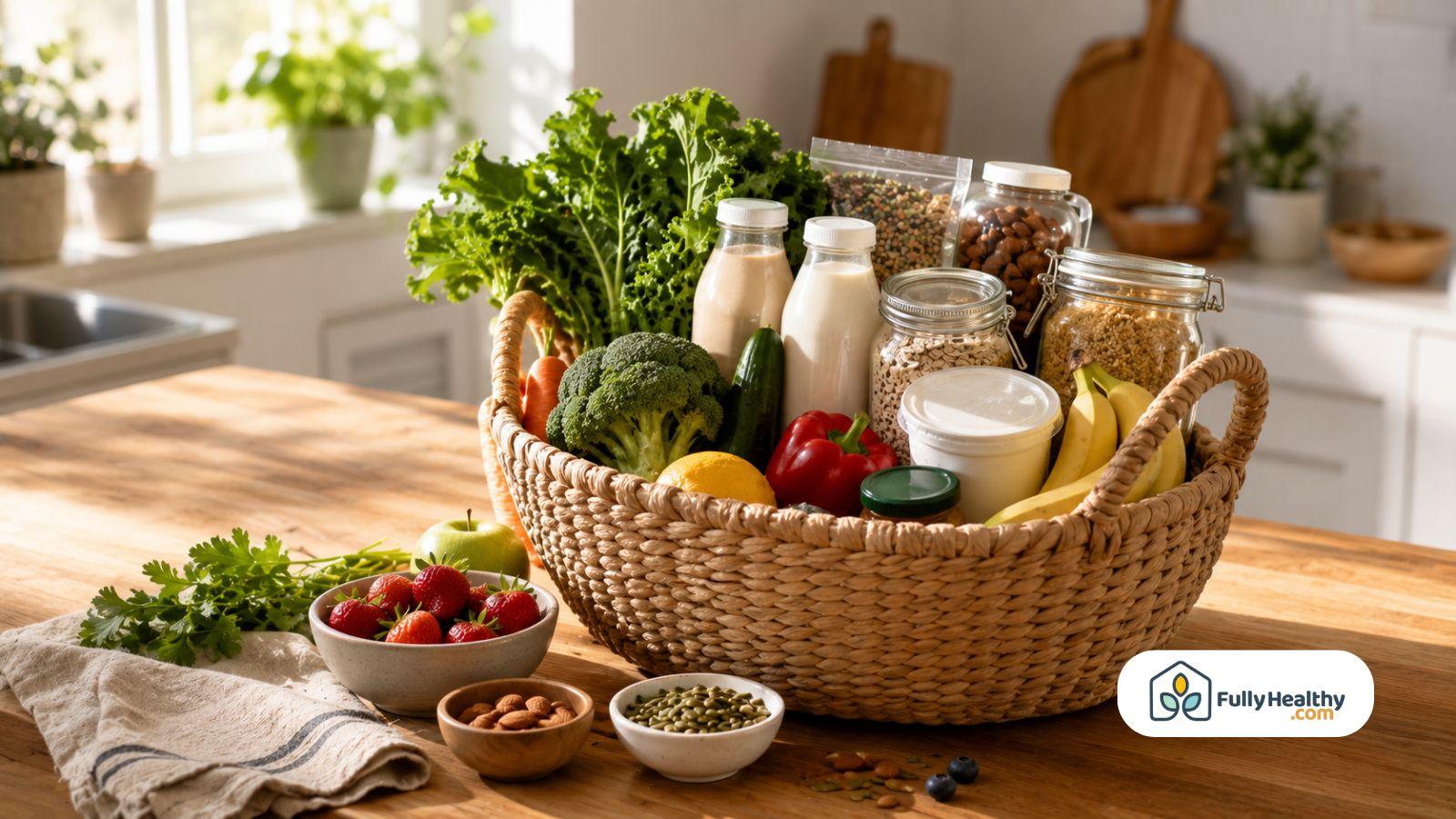
Fish do not naturally have milk in them. Some canned tuna products, on the other hand, have added casein, a milk protein. It's important to read the labels on canned tuna because some of it does not contain dairy.
Can Some Canned Tuna Contain Milk Ingredients?
Some processed or flavored tuna products may contain casein or caseinate as an added ingredient. Its technological purpose varies by formulation, so avoid attributing it specifically to texture or flavor unless supported by the manufacturer.
Recipes vary, so never assume canned tuna is dairy-free. Tuna is also not vegan because fish is an animal product.
-
Basic Fact: Plain tuna is not a dairy product.
-
Hidden Source: Casein is a protein that comes from milk.
-
Shopping Step: Check every can, even from a familiar brand.
How Can You Check Canned Tuna for Dairy?
Read the allergen statement and list of ingredients. Look for lactose, butter, cream, cheese, milk powder, or milk. Look at different brands. In some cases, lactose-free does not mean dairy-free, and dairy-free does not always mean vegan.
-
Read Carefully: Check the ingredients and allergy warning.
-
Compare Products: Review flavors, brands, and sizes.
-
Know the Limit: Tuna may be dairy-free, but it is never vegan because it comes from fish.
Is Vegan Gluten And Dairy Free?
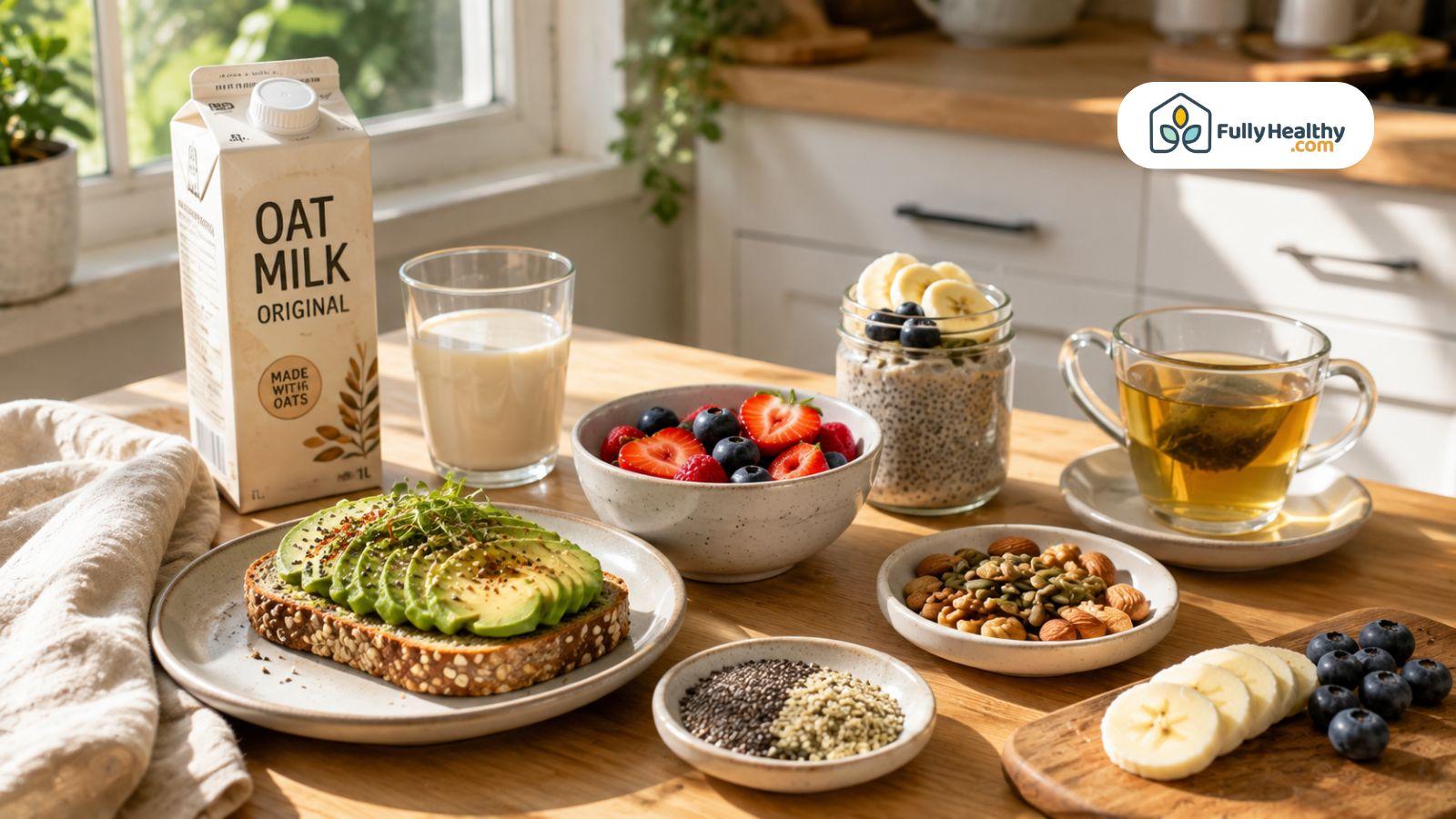
Vegan, gluten-free, and dairy-free are not all the same thing. While a vegan diet doesn't include any animal products, like dairy, it may include gluten.
Wheat, barley, rye, and their related varieties contain gluten, a mixture of storage proteins rather than a single protein. For ethical, health, and lifestyle choices, this difference is important.
Is Vegan Food Always Dairy-Free but Not Gluten-Free?
Yes, vegan food is dairy-free because it contains no animal-derived dairy ingredients. However, many vegan products still contain wheat or other grains with gluten. Bread, pasta, and baked goods may still contain gluten. Review the label before buying the end product.
-
Main Difference: Vegan food avoids animal products, while gluten-free food avoids gluten from wheat, barley, and rye.
-
Common Example: Vegan bread or cookies may be dairy-free but still contain wheat.
-
Label Tip: Food manufacturers use different recipes, so check every ingredient list.
How Can You Find Foods That Are Both Vegan and Gluten-Free?
Look for products that clearly state both vegan and gluten-free on the package. A growing number of food manufacturers now offer foods that meet both needs. Ingredients and allergen warnings may differ across other brands, so compare labels.
-
Check Both Claims: Make sure the package says vegan and gluten-free.
-
Review Ingredients: Do not rely only on the front label; read the ingredient list.
-
Watch for Cross-Contact: When gluten must be strictly avoided, choose foods labeled ‘gluten-free’ and verify ingredients. A wheat allergen statement does not identify all sources of gluten, including barley and rye, and precautionary cross-contact statements are voluntary.
How Can Fully Healthy Help You Find Specialty Foods?
Fully Healthy helps shoppers find specialty foods in one place. This saves time when comparing items for vegan lifestyles, health reasons, or lifestyle choices. It also highlights delicious pantry products and baking mixes. Always check each product page because stock, ingredients, and labels may change.
How Can Fully Healthy Make Specialty-Food Shopping Easier?
Fully Healthy groups products into collections that make shopping for specialty items easier. Shoppers can compare items, sizes, and ingredients in one store instead of going to several websites. This helps people who are on strict diets.
-
Faster Browsing: Use specialty collections to narrow down suitable products.
-
Clearer Comparisons: Review product details, sizes, and ingredients before choosing.
-
Smarter Shopping: Confirm that the end product matches your dietary needs before ordering.
Which Confirmed Products Can You Find on Fully Healthy?
FullyHealthy offers specialty pantry items and baking mixes for convenient meal preparation.
-
Pantry Sweeteners: Coconut sugar, maple sugar, maple syrup, and date sugar are listed.
-
Baking Options: EAT G.A.N.G.S.T.E.R. offers specialty baking mixes on the site.
-
Final Check: Review availability, ingredients, and allergen details before buying.
Final Thoughts
Vegan food is dairy-free because it avoids milk and all other animal-derived ingredients. However, dairy-free food is not always vegan, and vegan food is not always gluten-free.
People with milk allergy should use milk-allergen labeling and cross-contact information; people with lactose intolerance should assess lactose content; and people with celiac disease should rely on regulated gluten-free labeling. These conditions require different precautions. Understanding the difference makes it easier to choose safe, suitable foods with confidence.
FAQs
Does Vegan Milk Count as Dairy?
No, vegan milk does not count as dairy because it is made from plants such as oats, soy, almonds, or rice.
Why Do Vegans Not Do Dairy?
Vegans avoid dairy because milk, cheese, butter, and yogurt come from animals.
Are Eggs Considered Dairy?
No, eggs are not dairy, but they are still animal products and are not included in a vegan diet.
Can Mayonnaise Be Dairy Free?
Yes, traditional mayonnaise is often dairy free, but it usually contains eggs, so it is not vegan unless made without them.
Which Bread Has No Milk?
Many basic breads contain no milk, but always check the label because some recipes include milk, butter, whey, or casein.
Leave a comment