

Is Vinegar Bad for Cats? Essential Facts Every Cat Owner Should Know
Many pet owners ask, is vinegar bad for cats? The short answer is no, vinegar is not poisonous, but it also has some risks. Small amounts are usually safe, but cats may not like the strong taste or smell.
There is no clear evidence that household vinegar is specifically harmful to cats with kidney disease; however, any cat with chronic illness that develops vomiting, diarrhea, or reduced appetite after exposure should be assessed by a veterinarian. See what happens if cats lick or smell vinegar in this guide. Also, learn how to use vinegar safely at home.
🍶 Brighten Every Bite with Crisp Champagne Vinegar Flavor!
Is Vinegar Bad For Cats?
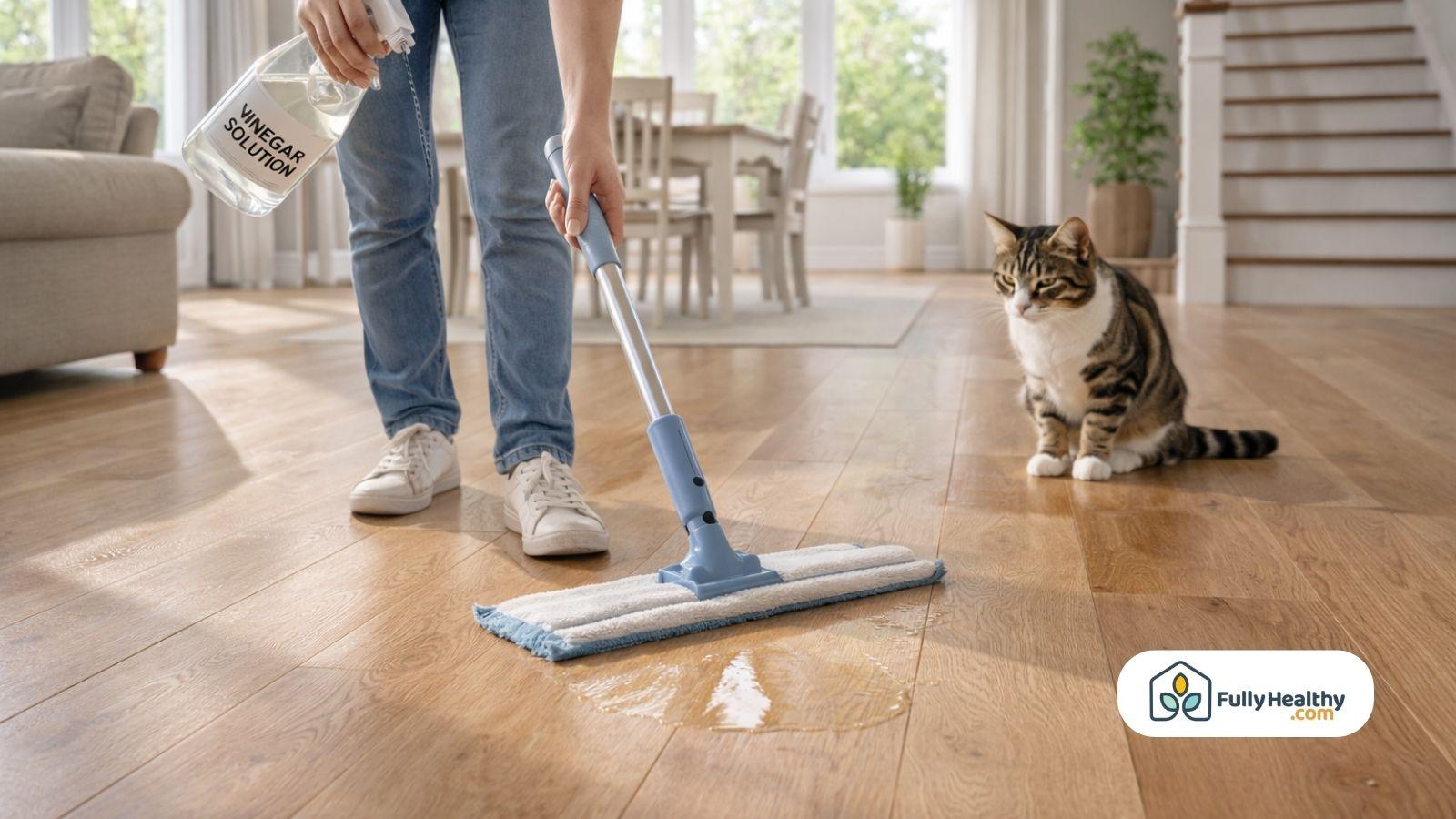
Many cat owners want to know if vinegar is bad for cats, especially when it's used around the house. Short answer: vinegar is safe in small amounts and isn't thought to be poisonous, but it's not completely safe.
How it is used, how much is given, and your cat's health all play a role. Being aware of this helps cat owners keep their pets safe and promotes better cat health every day.
What Experts Say About Vinegar And Cats
Acetic acid is what gives vinegar its strong smell and sour taste. Direct exposure doesn't happen very often because most cats naturally avoid it. Vinegar is safe to use for cleaning, but not as a dietary supplement. Vinegar should not be used as a dietary supplement or substitute for water in cats.
-
Non toxic meaning: Vinegar is not poisonous like bleach and is generally safe in small amounts.
-
Natural avoidance: Most cats stay away from vinegar because of its strong smell and taste.
-
No health benefit: It does not improve cat health or provide nutrition.
-
Common types: White vinegar and apple cider vinegar are often used by humans for cleaning and home remedies.
When Vinegar Can Be Harmful To Cats
When vinegar is used wrong, it can become harmful. Cats' noses and mouths may get irritated by vinegar that hasn't been diluted. Cats who already have health problems may react more strongly. If the signs don't go away, you should talk to a vet for advice.
-
Undiluted vinegar risk: Undiluted or concentrated acetic acid can irritate the eyes, skin, mouth, and gastrointestinal tract; household vinegar is less hazardous but can still cause irritation, especially with direct contact or ingestion.
-
Sensitive cats: Cats with health conditions may be more affected.
-
Watch for symptoms: Vomiting or discomfort may mean you should call a vet.
-
Safer option: Always use a diluted mixture instead of a strong solution.
What Happens If A Cat Licks Vinegar?
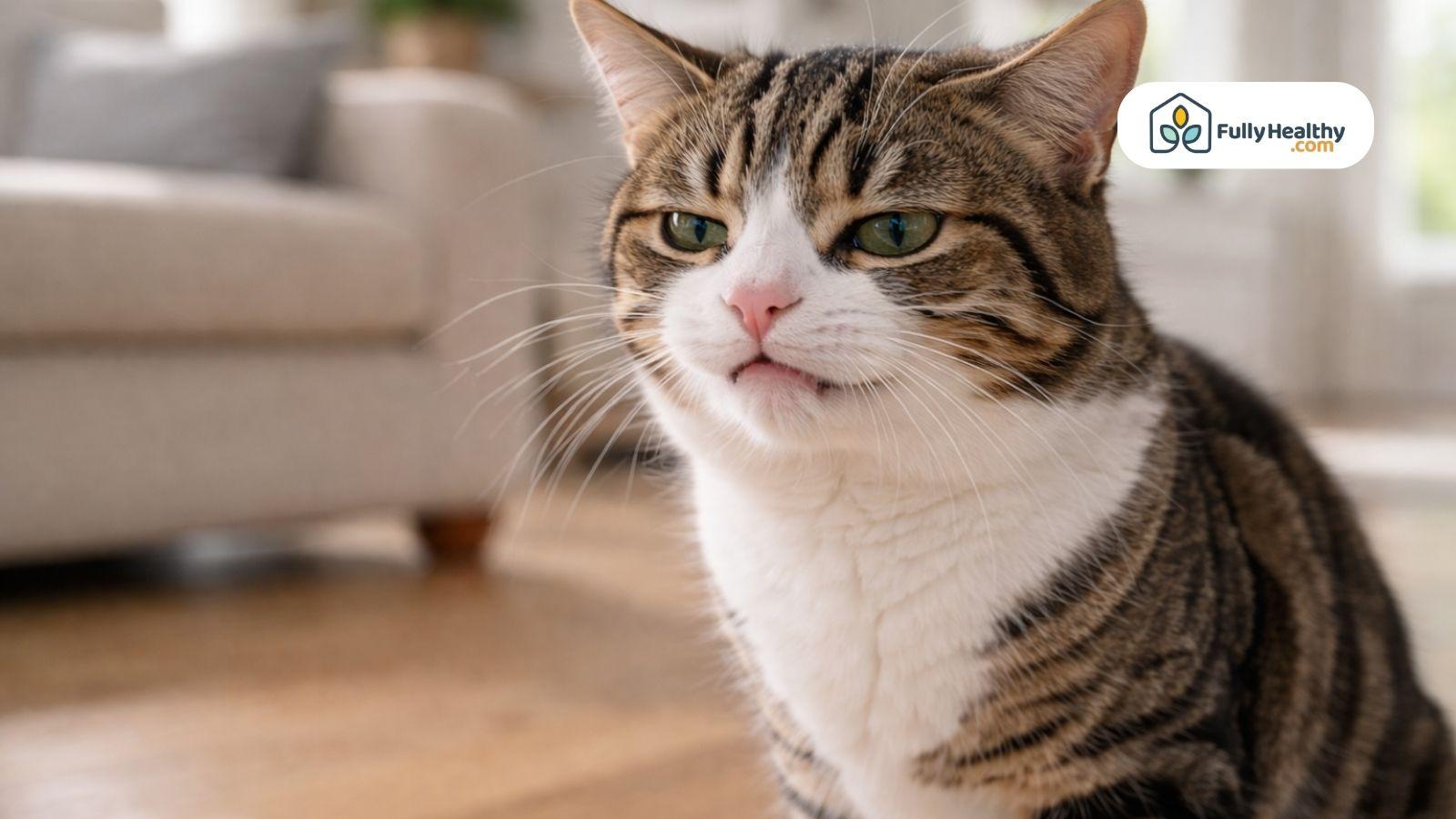
Most of the time, a cat's reaction to vinegar is mild and doesn't last long. The cats are often shocked by how sour it tastes, and most of them stop right away. Small amounts of vinegar rarely cause bad reactions, but cat owners should still keep a close eye on their cat to make sure it doesn't get hurt.
Common Immediate Reactions After Licking Vinegar
Strong tastes make cats act quickly. A small lick could make you drool or shake your head. This is a normal reaction that doesn't usually mean anything bad. A small lick may cause transient drooling, lip-smacking, or aversion; gastrointestinal upset is possible but not inevitable.
-
Typical reaction: Drooling, lip smacking, or shaking the head after tasting vinegar.
-
Taste response: The sour flavor causes instant rejection.
-
Mild effect: Small amounts rarely lead to serious problems.
-
Quick recovery: Most cats return to normal within a short time.
Warning Signs That Need Veterinary Attention
There are times when the symptoms can get worse, especially if more is taken in. Owners of pets should keep a close eye on them and act if necessary. If the symptoms don't get better, a vet can give the right care.
-
Serious symptoms: Vomiting, diarrhea, or unusual tiredness.
-
Higher risk: Cats with existing health problems may react more strongly.
-
When to act: If symptoms persist, contact a vet right away.
-
Support care: Provide fresh water in a clean bowl to help hydration.
Does The Smell Of Vinegar Bother Cats?
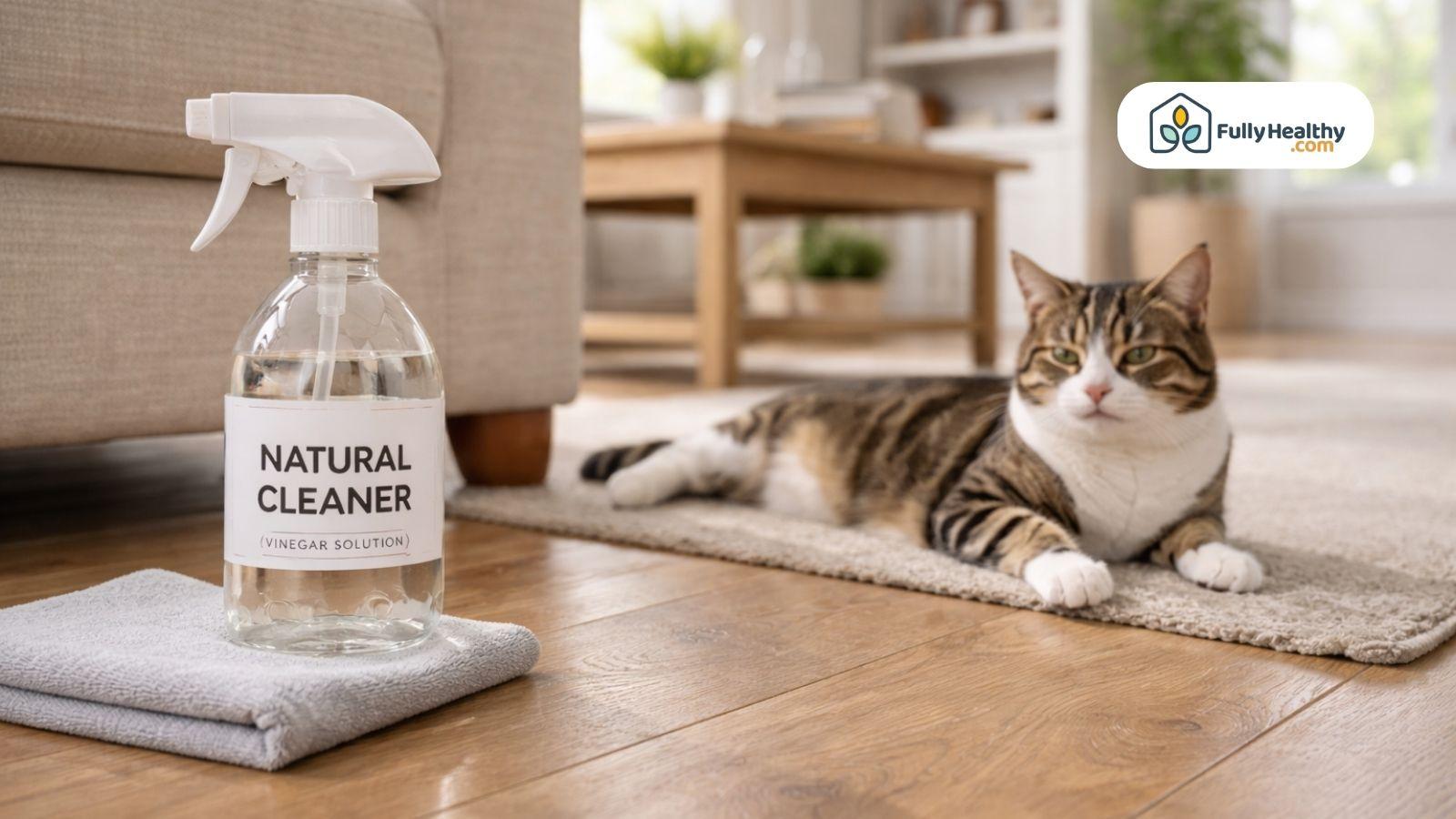
Cats can smell things very well, much better than people can. For them, the strong smell of vinegar can be too much and make them feel bad. Because of this, a lot of cat owners use it to keep cats away from certain areas. Too much exposure, on the other hand, can change how a cat acts and feel.
Why Cats Are Sensitive To Vinegar Smell
Strong smells can really bother a cat's nose. Cats have a highly developed sense of smell, and strong odors such as vinegar may be aversive; direct exposure to vapors can be irritating, but routine household exposure after dilution and drying is usually low risk.
They might stay away from the room or area after this. Repeated exposure to strong aversive odors may contribute to avoidance or stress in some cats, but the effect varies by individual and should not be presented as universal.
-
Strong odor effect: The smell can irritate the nose and cause discomfort.
-
Avoidance behavior: Cats may leave rooms or avoid specific areas.
-
High sensitivity: Cats detect smells much more strongly than humans.
-
Temporary impact: The smell fades once the area is clean and completely dry.
Can Vinegar Be Used As A Cat Deterrent
Some cats may avoid areas treated with vinegar because of the odor, but response is inconsistent and vinegar should not be promoted as a universally effective cat deterrent. A lot of pet owners use plain water in a spray bottle to make a solution. To keep from getting stressed, this method can be useful but should be used with care.
-
Simple solution: Mix vinegar with water to create a safe diluted mixture.
-
Targeted use: Spray on furniture, fabrics, or specific areas in the house or outdoors.
-
Safe practice: Avoid using undiluted vinegar directly around cats.
-
Use in moderation: Too much can affect your cat’s comfort and sense of security.
Is It Safe To Mop With Vinegar With Cats?
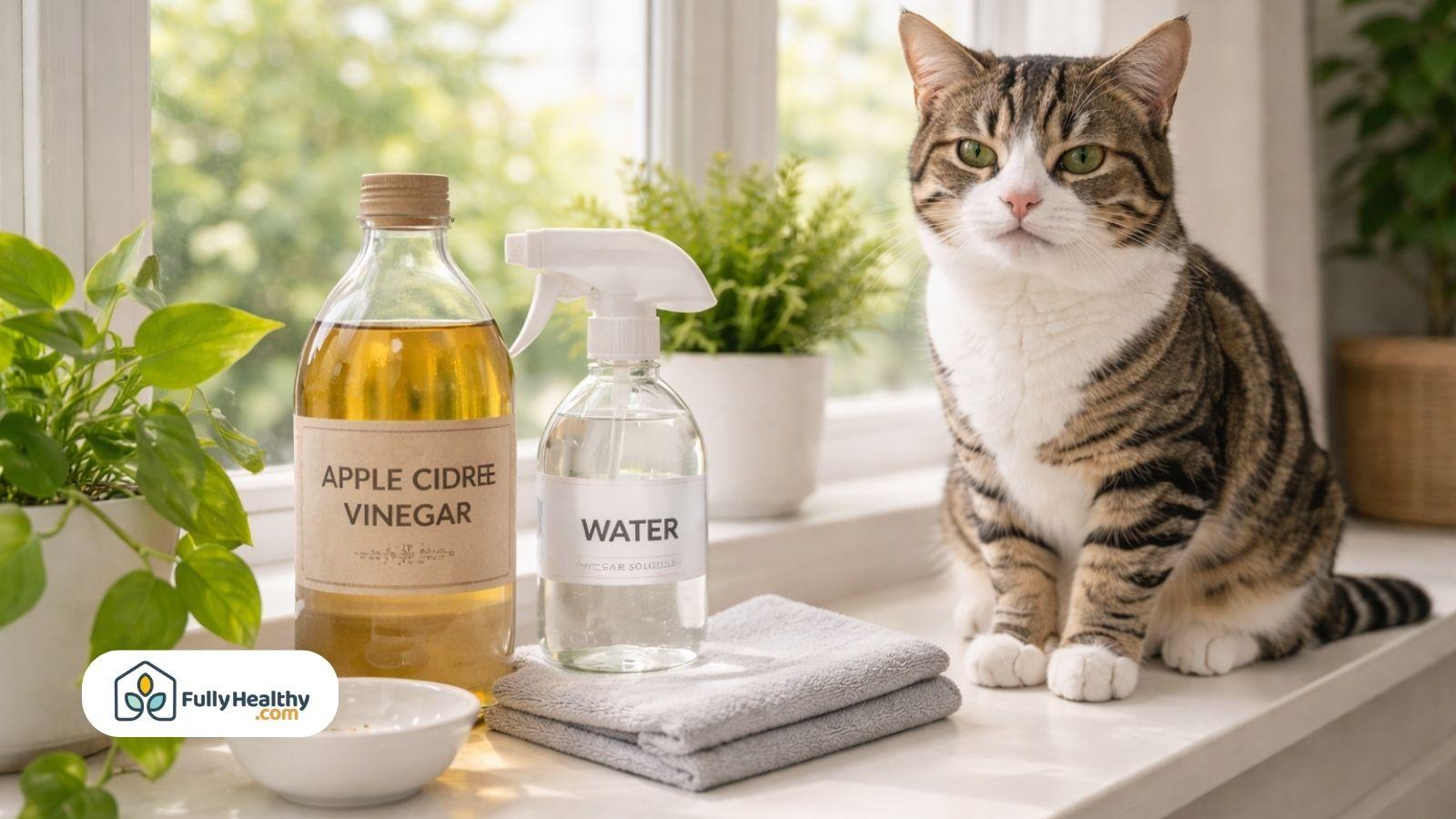
When people clean with vinegar, they often wonder if it is safe for homes with cats. Yes, but only if you use it the right way. It's safer for floors and other surfaces to use vinegar that has been diluted. Still, be careful while cleaning and afterward. This keeps your home clean and helps protect your cat's health without making it upset or stressed.
Is Vinegar A Pet-Safe Floor Cleaner
Sometimes vinegar is all you need to clean something quickly and well. Diluted vinegar can help remove dirt and some odors, but it should not be described as a reliable disinfectant unless the article clearly distinguishes cleaning from disinfection.
Instead of harsh chemicals, it is a safer choice. It shouldn't be used in strong form around pets, though, because it might bother them.
-
Diluted solution: Always use diluted vinegar mixed with water to make it safe for cleaning.
-
Gentle cleaning: Diluted vinegar can be used for routine cleaning on some surfaces, but it may not be suitable for all floor materials and should not be assumed to be superior for odor control or microbial disinfection.
-
Avoid strong mixtures: Avoid direct contact with undiluted vinegar, as it may irritate the paws, eyes, nose, or mouth.
-
Flexible use: Can be used on floors, tiles, and some surfaces around the house.
Safe Cleaning Practices For Cat Owners
When you clean with vinegar, it's important to follow safe habits. Cats can be sensitive to strong smells, even if they are stray cats. After you clean something, make sure it's completely dry before letting your cat walk on it. This keeps your pet comfortable and stops them from licking.
-
Dry floors: Always let floors become completely dry before cat walks across them.
-
Extra rinse: Use plain water to rinse if the smell feels too strong.
-
Fresh air: Open windows to reduce strong odors in the room.
-
Clean routine: Regular cleaning helps control allergies, loose fur, and grooming buildup.
What Does Fully Healthy Offer For Pet-Safe Living?
Fully Healthy sells items that help you live a clean and natural life. There are other things that can be used to make a home safer besides pets. In today's world, protecting people and animals from chemicals is a good idea.
What Is FullyHealthy And How Does It Support A Non-Toxic Home
Its main focus is on natural products that don't have any harsh ingredients. These things are meant to cut down on exposure to chemicals that can irritate or cause allergies. It's easier to take care of pets when the house is clean, especially cats with sensitive fur or skin.
-
Clean ingredients: Products avoid harmful additives and support safer living.
-
Allergy-friendly: Helpful for homes dealing with allergies or sensitivities.
-
Health focus: Supports a balanced lifestyle for both pets and humans.
-
Wide range: Includes food, pantry items, and home essentials.
Which FullyHealthy Products Are Relevant For Cat Owners
Some items can help with easy care tasks around the house. These items are supposed to reduce exposure to chemicals that may cause allergies or irritation. Even though they aren't made for pets, they can still be useful if you use them properly.
-
Natural options: Useful for creating simple and safe cleaning mixtures at home.
-
Flea support: Remove this claim unless you provide evidence for a specific product and indication; do not imply flea-control efficacy from general ‘natural’ items.
-
Odor control: Helps rid your home of unwanted smells in a gentle way.
-
Safe storage: Always rinse surfaces and store products safely so cats do not drink them.
Final Thoughts
Pet parents can make safer choices at home when they know is vinegar bad for cats. Vinegar is safe in small amounts but should always be used carefully to avoid harm. When diluted correctly, it may help with simple cleaning tasks and may discourage some cats from certain areas because of the smell, but it should not be presented as a dependable anti-scratching solution.
Keep an eye on your cat at all times and call the veterinarian if you need to. This way of doing things keeps your home clean and your cat safe.
FAQs
Is vinegar safe for pets to smell?
Vinegar is not toxic, but its strong smell can irritate pets and should be used in moderation.
What smell do cats absolutely hate?
Cats strongly dislike scents like citrus, vinegar, and other strong odors that overwhelm their sensitive nose.
Is a cat afraid of vinegar?
Cats are not truly afraid, but they avoid vinegar because they dislike its strong smell.
What scents are not toxic to cats?
Mild scents like diluted natural products and pet-safe options are generally non-toxic when used carefully.
Can strong smells affect a cat’s behavior?
Yes, strong odors can cause stress or avoidance behavior in cats, so they should be used carefully.
Leave a comment