

Is White Chocolate Really Chocolate? What It Actually Contains
Is white chocolate really chocolate? Yes, but it’s not the same as dark or milk chocolate. There are cocoa solids in chocolate, which give it its color and rich flavor. White chocolate only uses cocoa butter from the cacao bean.
It gets sweeter, creamier, and lighter this way. What does it mean for your health, allergies, and everyday choices? Read this article to find out how it's made and how it compares.
Featured Baking Pick
Enjoy Life // Semi-Sweet Mini Chocolate Chips - 9 oz
Loading...
Is White Chocolate Really Chocolate?
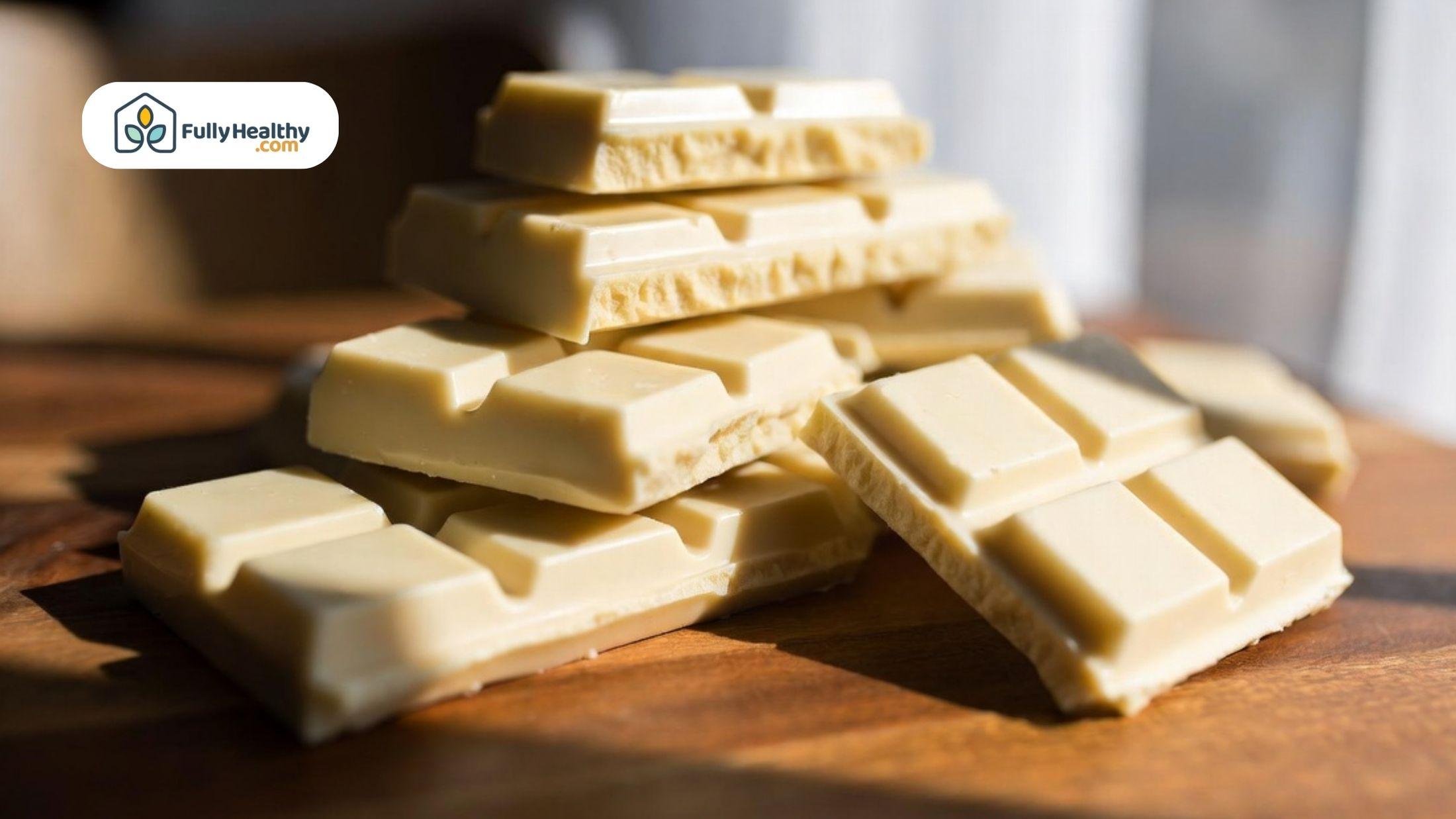
White chocolate sits in a debated space in the chocolate world because it lacks cocoa solids but still comes from the cacao bean.
Why White Chocolate Is Legally Considered Chocolate
White chocolate is considered chocolate because it uses cocoa butter extracted from cocoa beans, which is a direct product of the cacao bean. Regulatory rules define identity for white chocolate based on composition rather than color, taste, or appearance.
-
Cocoa Butter: Cocoa butter is the fat fraction separated from cacao/cocoa liquor and provides the fat structure in white chocolate.
-
Least 20% Cocoa Butter: At least 20% cocoa butter is required, along with at least 14% total milk solids and 3.5% milkfat under U.S. standards.
-
Milk Solids: Added through milk powder to create creamy texture and richness.
-
Sugar: Supports sweetness and balances the mixture in most white chocolate products.
-
Considered Chocolate: Classified as real chocolate because it contains cacao-derived fat.
What Makes White Chocolate Different From Dark Chocolate
White chocolate differs from milk chocolate and dark chocolate because it contains only the cocoa butter and excludes cocoa solids that give traditional chocolate its bold taste. This difference explains why white chocolate really feels separate from milk and dark chocolate.
-
Lacks Cocoa Solids: No cacao solids or cocoa powder found in white chocolate.
-
White Chocolate's Composition: A mixture of cocoa butter, sugar and milk, and milk solids.
-
Milk And Dark Chocolate: Include roasted cacao solids from cocoa beans.
-
Flavor: Sweeter, milder, with vanilla notes instead of bitter cocoa taste.
-
Texture: Smooth, velvety texture compared to dense chocolate bars.
What Is the Cleanest Chocolate To Eat?
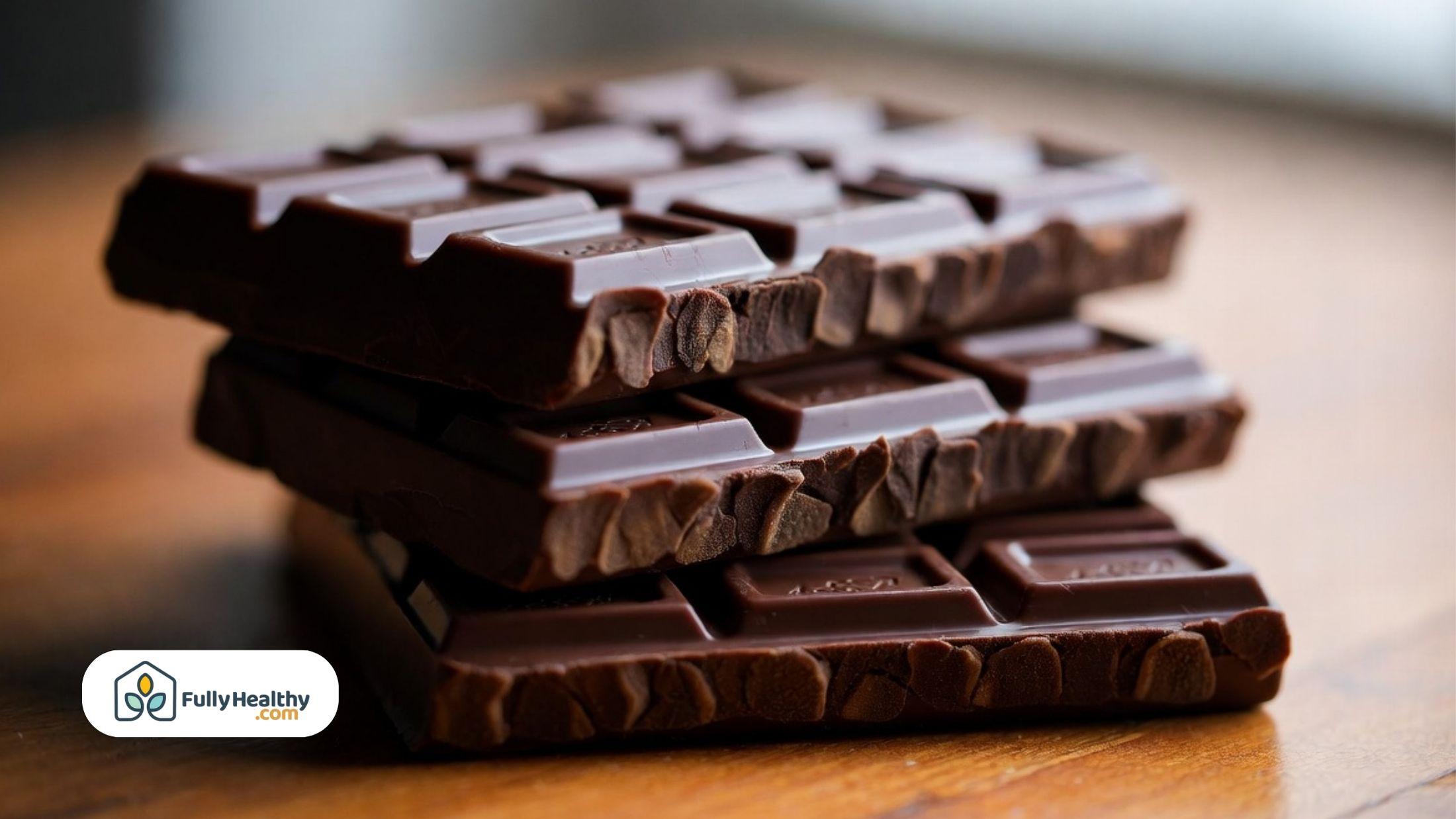
Clean chocolate focuses on simple ingredients and minimal processing, making it easier to understand what you are eating. Cleaner options often mean fewer additives and better ingredient quality.
Why Ingredient Simplicity Defines Clean Chocolate
Clean chocolate emphasizes fewer ingredients, helping people choose chocolate products that avoid unnecessary fillers and additives. A simple mixture improves taste, texture, and overall food quality.
-
Short Ingredient List: Cocoa, cocoa butter, and limited sugar improve clarity.
-
Avoid Vegetable Fats: Substitutes reduce quality white chocolate and traditional chocolate.
-
Main Ingredient: Real cacao bean components instead of fillers or additives.
-
Chocolate Products: Cleaner options avoid artificial flavor and excess processing.
-
Baking Use: Works better in recipes like truffles, matcha desserts, and bars.
Why Dark Chocolate Is Often Considered The Healthiest
Dark chocolate is often recommended because it contains higher cocoa content and fewer added ingredients compared to milk chocolate. Not all chocolate bars labeled as healthy deliver the same health benefits.
-
Dark Chocolate: Higher cocoa percentage means more cacao solids.
-
Health Benefits: Antioxidants linked to cocoa content support wellness.
-
Milk Chocolate: Contains more sugar and milk solids, reducing cocoa impact.
-
Cocoa Powder: Provides beneficial compounds found in dark chocolate.
-
Taste: Rich and less sweet compared to creamy white chocolate.
Can Someone With A Chocolate Allergy Eat White Chocolate?
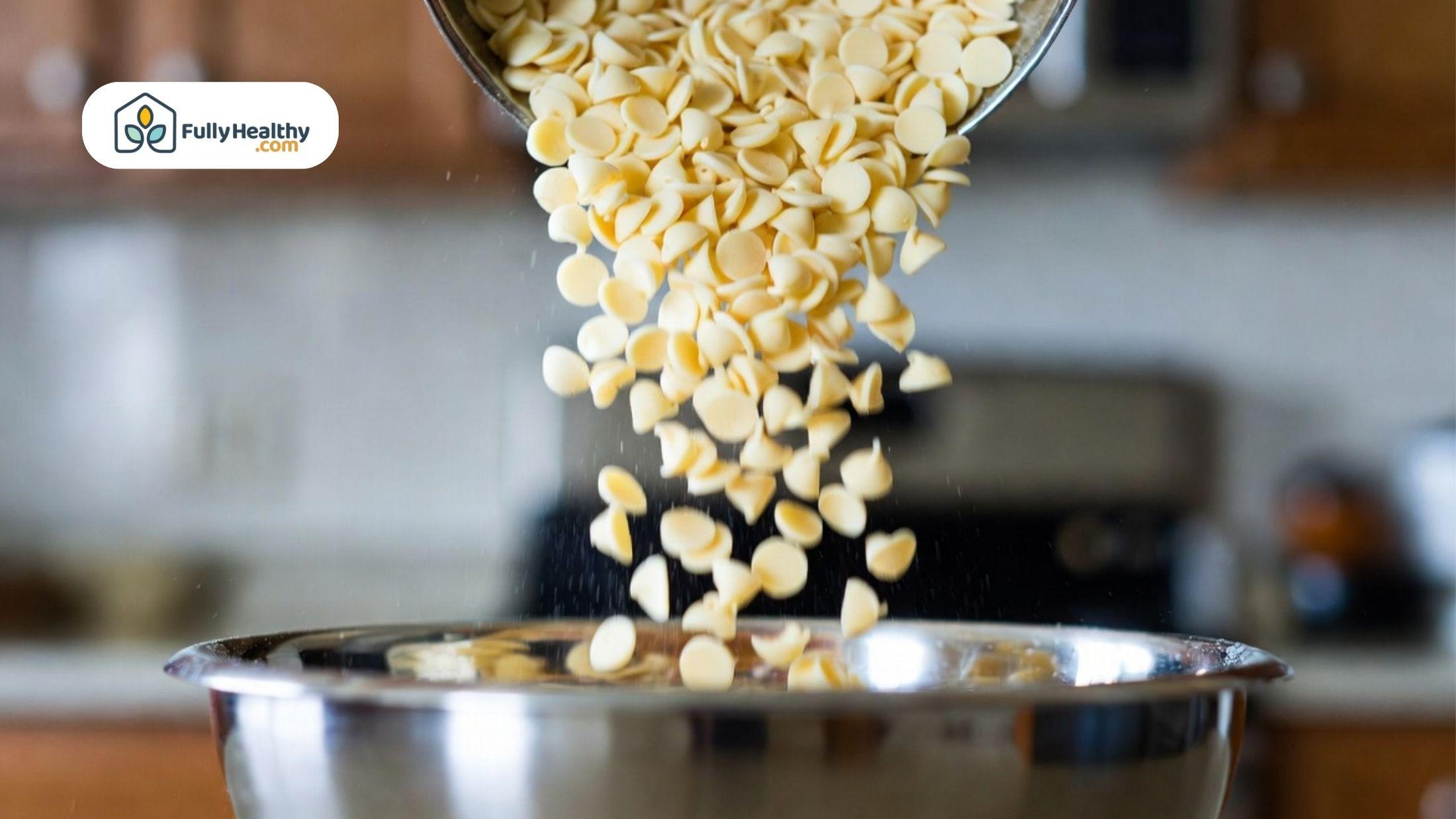
Chocolate allergies are often misunderstood, and reactions are not always caused by cocoa itself. Many people react to other ingredients found in chocolate products rather than the cacao bean.
Why Chocolate Allergies Often Come From Other Ingredients
True cocoa allergy is rare, and most reactions come from added ingredients found in milk and dark chocolate. Understanding what triggers symptoms helps people make safer food choices.
-
Milk: Common allergen present in milk chocolate and white chocolate.
-
Nuts: Often included or cross-contact risk in chocolate bars.
-
Soy Lecithin: Used in production process for smoother texture.
-
Other Ingredients: Additives and flavoring agents may trigger reactions.
-
Chocolate World: Many products share equipment, increasing exposure risk.
Why White Chocolate Can Still Cause Reactions
White chocolate contains milk solids and may be exposed to cross-contact during production, making it unsafe for some individuals. Reading labels carefully is essential when choosing chocolate products.
-
Milk Solids: Present in most white chocolate products.
-
Cross Contact: Shared equipment may introduce allergens from other foods.
-
Production Process: Mixing stages can expose products to nuts or soy.
-
White Chocolate Contains: Dairy-based ingredients that can trigger reactions.
-
Food Safety: Ingredient awareness helps prevent allergic responses.
Is White Chocolate Kidney Friendly?
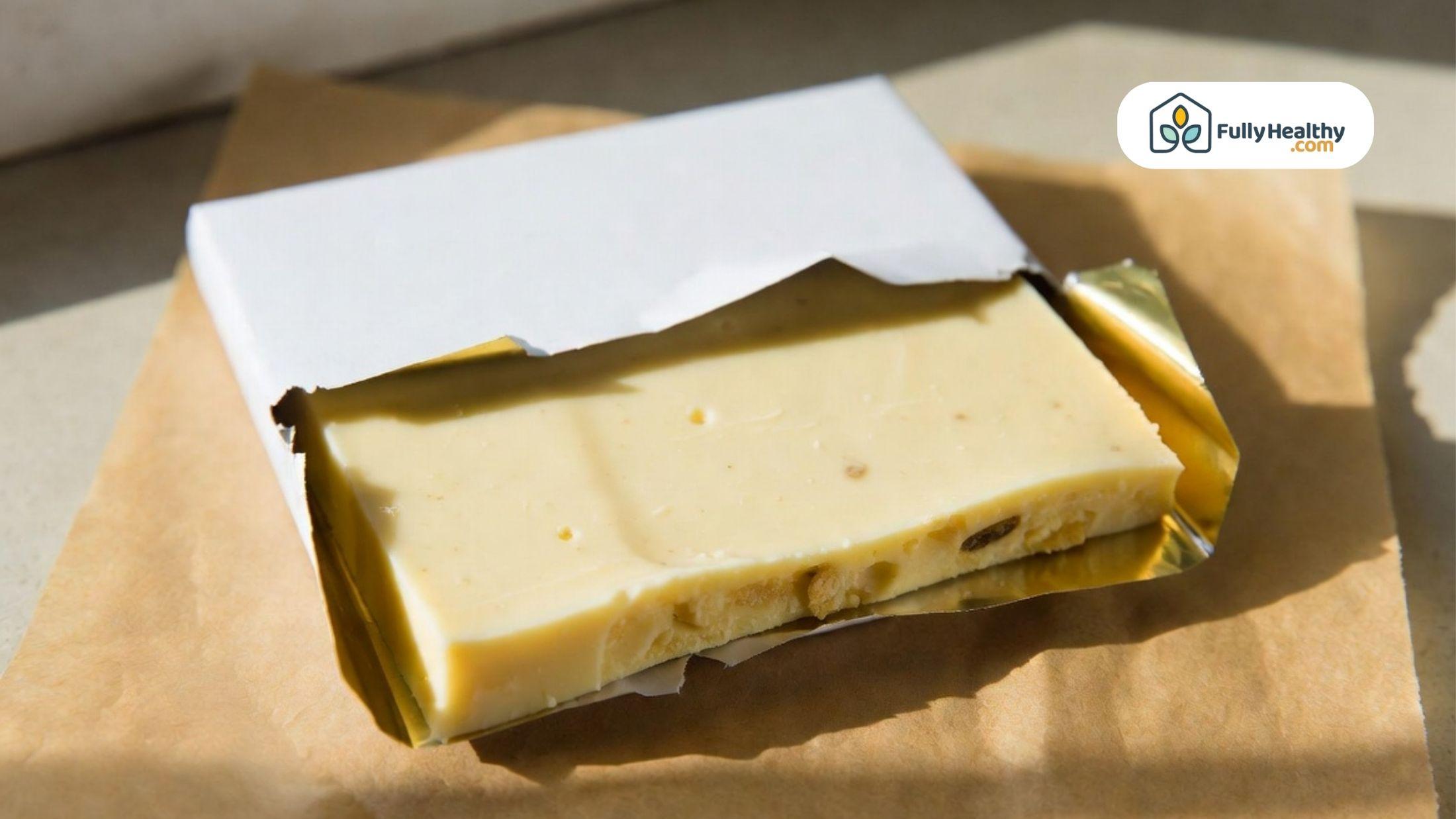
White chocolate may seem lighter than dark chocolate, but its nutritional profile still matters for kidney health. Its high sugar and fat content can affect dietary balance depending on individual needs.
Why White Chocolate Is Not Automatically Kidney Safe
Even though white chocolate doesn't have cocoa solids, it still has sugar and fat, which may not be good for people with kidney disease. When compared to dark and milk chocolate, it is often the least healthy choice.
-
Sugar: High levels can affect overall health and blood sugar balance.
-
Fat: Cocoa butter contributes saturated fat that should be moderated.
-
Lacks Cocoa Solids: Missing beneficial compounds found in dark chocolate.
-
Chocolate Products: Many white chocolate products include additional additives.
-
Health Benefits: Lower compared to dark chocolate due to fewer cocoa components.
How Portion Size Affects Kidney Health
Portion control plays a key role in managing chocolate intake for kidney conditions. Small servings may fit into a balanced plan depending on dietary restrictions.
-
Moderation: Small portions reduce impact on sugar and fat intake.
-
Kidney Diet: Depends on phosphorus, potassium, and sodium limits.
-
Milk Solids: Dairy content can influence mineral intake.
-
Sweetness: High sugar levels require careful monitoring.
-
Food Choices: Individual plans vary based on health needs.
FullyHealthy Chocolate Options For Restricted Diets
FullyHealthy focuses on providing food options that support specialized diets, making it easier for people with restrictions to choose chocolate products safely. The platform supports different needs across the chocolate world.
Why FullyHealthy Supports Specialized Diets
FullyHealthy has products for people with allergies and dietary restrictions, some of which are in line with modern ideas about nutrition. This gives you more confidence to enjoy white chocolate and other chocolate treats.
-
AIP Diet: Focuses on removing common allergens to support healing.
-
Gluten Free: Products avoid wheat-based ingredients.
-
Allergen Friendly: Options designed without common triggers like dairy or soy.
-
Food Variety: Includes snacks, baking ingredients, and chocolate bars.
-
Chocolate World: Expands access to safe and inclusive chocolate choices.
Notable Chocolate Products On FullyHealthy
FullyHealthy offers a range of chocolate products designed for clean ingredients and dietary needs. These options make it easier to enjoy white chocolate and dark chocolate without unnecessary additives.
-
Jack’s Paleo Kitchen Chocolate Chip Cookies: Paleo-friendly cookies made with simple ingredients, offering a tasty and convenient chocolate snack.
-
Autoimmune H&N Paleo Perfection Double Chocolate Protein Powder: AIP-compliant protein powder with chocolate flavor designed for elimination-stage diets and nutritional support.
-
Enjoy Life Semi-Sweet Mini Chocolate Chips: Allergen-friendly chocolate chips free from common triggers, ideal for baking recipes and snacks.
-
GoodPud Chocolate Fudge: A rich and creamy chocolate dessert option made with controlled ingredients for better dietary balance.
-
Enjoy Life Semi-Sweet Mini Chocolate Chips: Another allergen-conscious chocolate chip option suitable for baking, truffles, and matcha-based recipes.
Final Thoughts
White chocolate is still chocolate because it has cocoa butter from the cacao bean in it, but it doesn't have the cocoa solids that regular chocolate does. The sugar, milk solids, and non-fat ingredients give it a creamy confection style. They also give it a unique off-white color.
A white chocolate bar made in a conching machine can still taste good, but quality is important. Choose healthier foods and smaller amounts so you can enjoy white chocolate in a clear and controlled way.
FAQs
Is white chocolate ok for CKD patients?
White chocolate can be eaten in small portions for CKD patients since it lacks cocoa solids, but sugar, milk solids, and non fat components still need control.
Is white chocolate fake chocolate?
White chocolate is not fake chocolate because it contains cocoa butter, but its creamy confection form and off white color make it different from traditional chocolate.
What is the cleanest chocolate to eat?
The cleanest chocolate is dark chocolate with simple ingredients, though white chocolate bar options with fewer additives and no vegetable fats can still be a delicious choice.
Can I eat chocolate if I have high creatinine?
Chocolate intake should be limited with high creatinine since cocoa solids, sugar, and non fat components can affect kidney balance.
What is the most unhealthy type of chocolate?
The most unhealthy type of chocolate is highly processed chocolate with excess sugar, vegetable fats, and low cocoa content, even if it has a smooth texture from a conching machine.
Leave a comment