

Is Yeast Gluten Free? What Every Gluten-Free Baker Should Know
Is yeast gluten free? Usually, yes. Yeast is a fungus, so plain baker’s yeast, active dry yeast, and instant yeast are naturally gluten-free. But some yeast products can be risky, especially brewer’s yeast or yeast extract made from barley.
Cross-contact during processing can also matter. If you have celiac disease or follow a strict gluten-free diet, choose yeast labeled gluten-free and check the ingredient list before baking, cooking, or buying packaged foods.
Is Yeast Gluten Free?
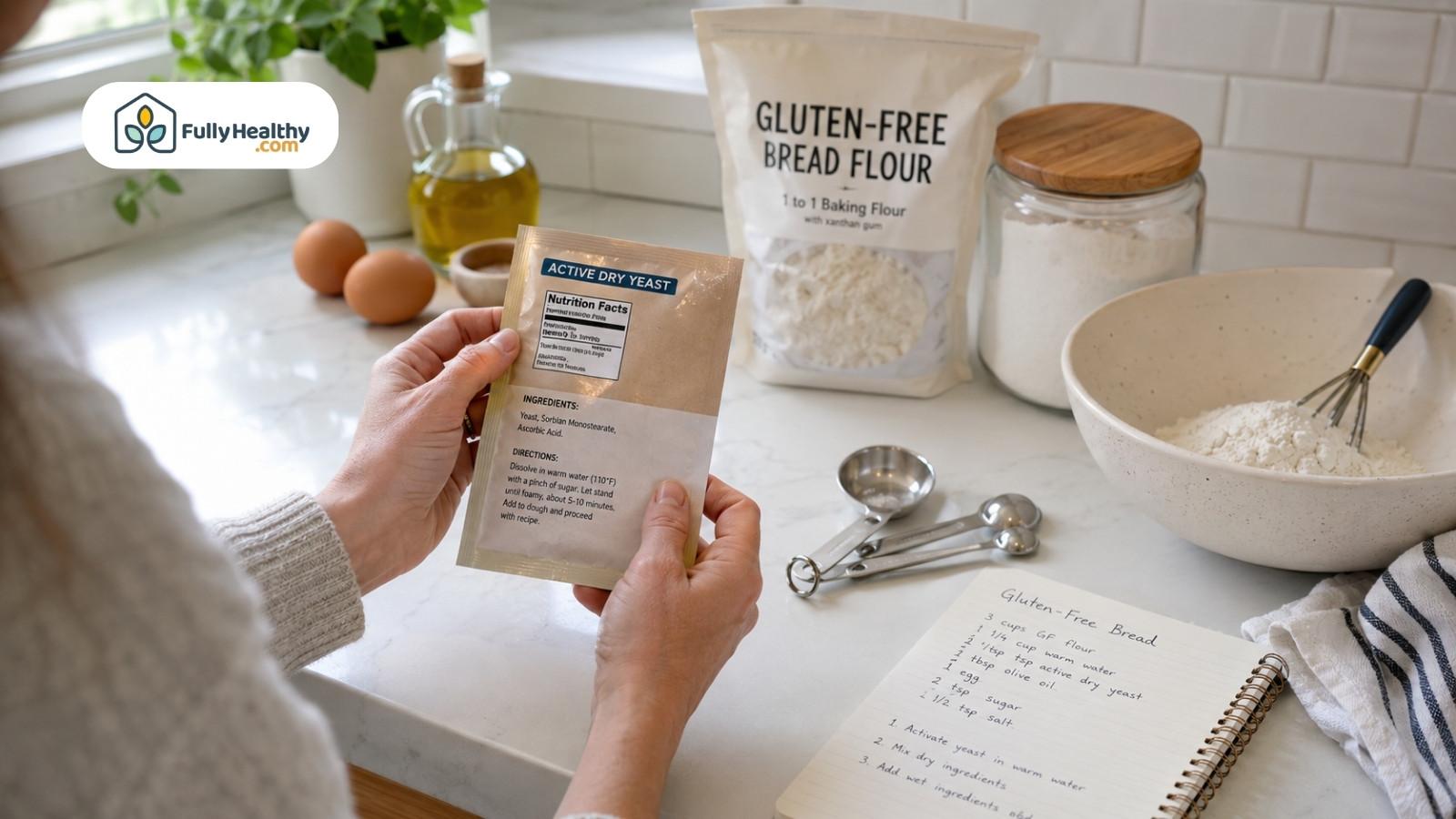
Yeast is gluten free by nature because it is a fungus, not a grain like wheat, barley, or rye. Still, some yeast products can contain gluten because of added ingredients or cross-contact. If you follow a gluten free diet, check the ingredients list and choose yeast that is labeled gluten free or certified gluten free.
Is Yeast Naturally Gluten Free or Can It Contain Gluten?
Plain yeast is usually safe, but not every yeast product is the same. The risk often comes from how the product is made, stored, or mixed with other foods.
-
Naturally gluten free: Baker's yeast, active dry yeast, and instant yeast do not naturally contain gluten.
-
Cross-contact risk: Yeast can become contaminated if it is processed near wheat, barley, rye, or malt.
-
Best label choice: Products labeled gluten free or certified gluten free give safer guidance.
-
Helpful source: Gluten Free Watchdog can help users understand testing, labels, and product concerns.
Which Types of Yeast Are Safe for a Gluten-Free Diet?
The safest options are usually plain baking yeasts. Higher-risk choices include brewer's yeast, yeast extract, and autolyzed yeast extract when the source is unclear.
-
Baker's yeast: This is commonly used for bread and gluten free bread, and it is usually safe.
-
Autolyzed yeast: This is usually gluten free, but autolyzed yeast extract may contain barley.
-
Yeast extract: This can contain gluten depending on processing, so always verify the source.
-
Brewer's yeast: This often contains gluten because it can be a byproduct of the beer brewing process.
Can Celiacs Have Yeast?
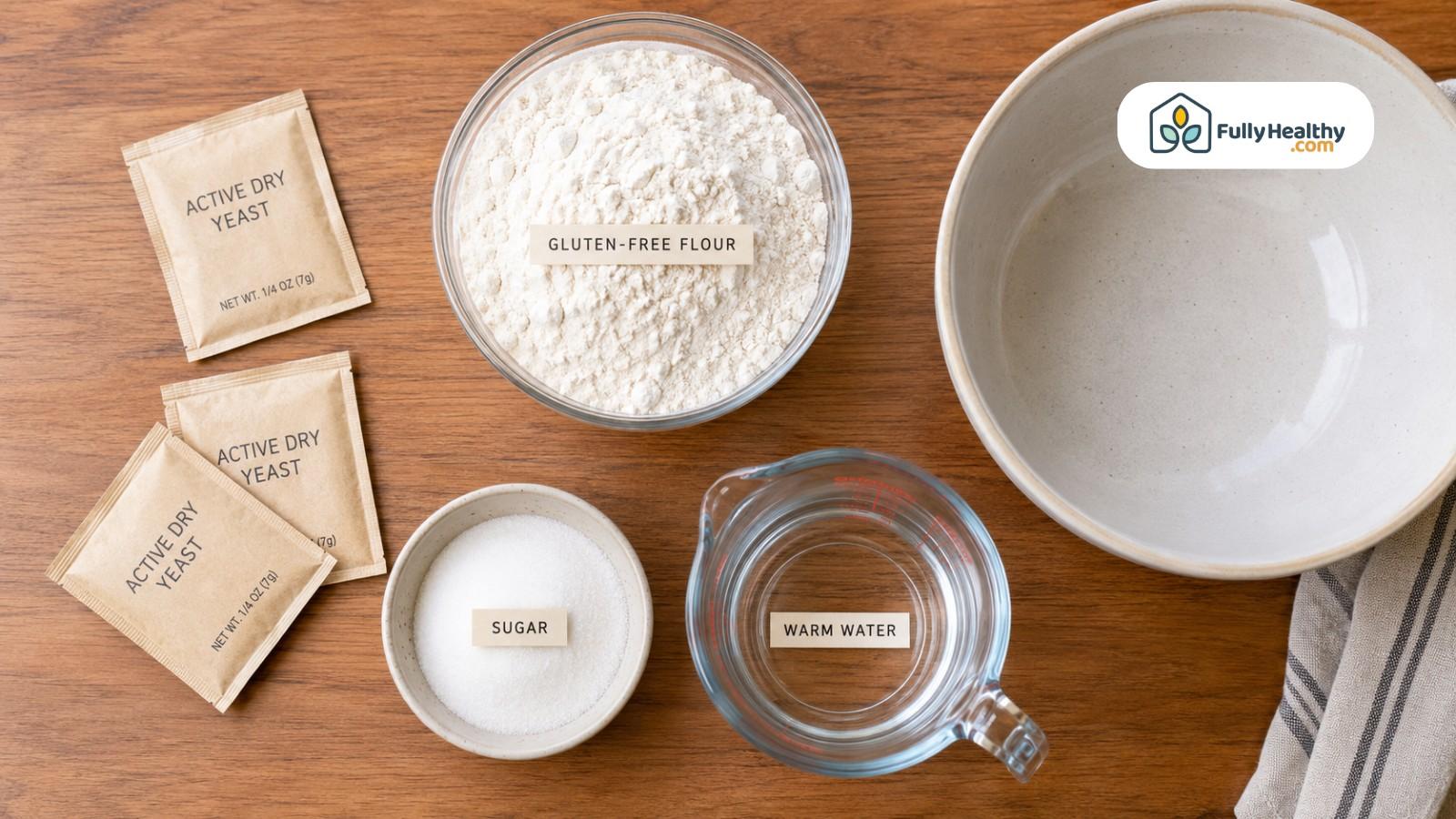
Most people with celiac disease can eat plain baking yeast safely. The bigger issue is the full product, not just the yeast itself. Bread, mixes, sauces, and packaged foods may contain wheat, barley, rye, malt, or small amounts of gluten.
Can People With Celiac Disease Safely Eat Most Baking Yeast?
Yes, many people with celiac disease can use baker's yeast and instant yeast when the product is gluten free. The full recipe must also be safe.
-
Safe baking yeasts: Baker's yeast, active dry yeast, and instant yeast are usually fine for gluten free bread.
-
Full recipe check: Make sure every flour, mix, topping, and seasoning is gluten free.
-
Label reading: Always review the ingredients list before you eat packaged foods.
-
Health note: If you are allergic to yeast or feel sick after eating it, ask a healthcare provider.
What Gluten Risks Should People With Celiac Watch For?
Some yeast-based ingredients can be risky because they may come from gluten-containing grains. This is why the source matters so much.
-
Brewer's yeast: This often contains gluten because barley is used in the beer brewing process.
-
Spent yeast: Spent yeast may be unsafe if it came from beer production, so ask how often spent yeast is tested and where it came from.
-
Marmite warning: Marmite contains slightly more than 20 ppm gluten, and one extraction tested at 28 ppm gluten.
-
Online advice: Do not rely on every post, site, or comments section; use trusted gluten-free sources.
Is Active Dry Yeast Gluten-Free?
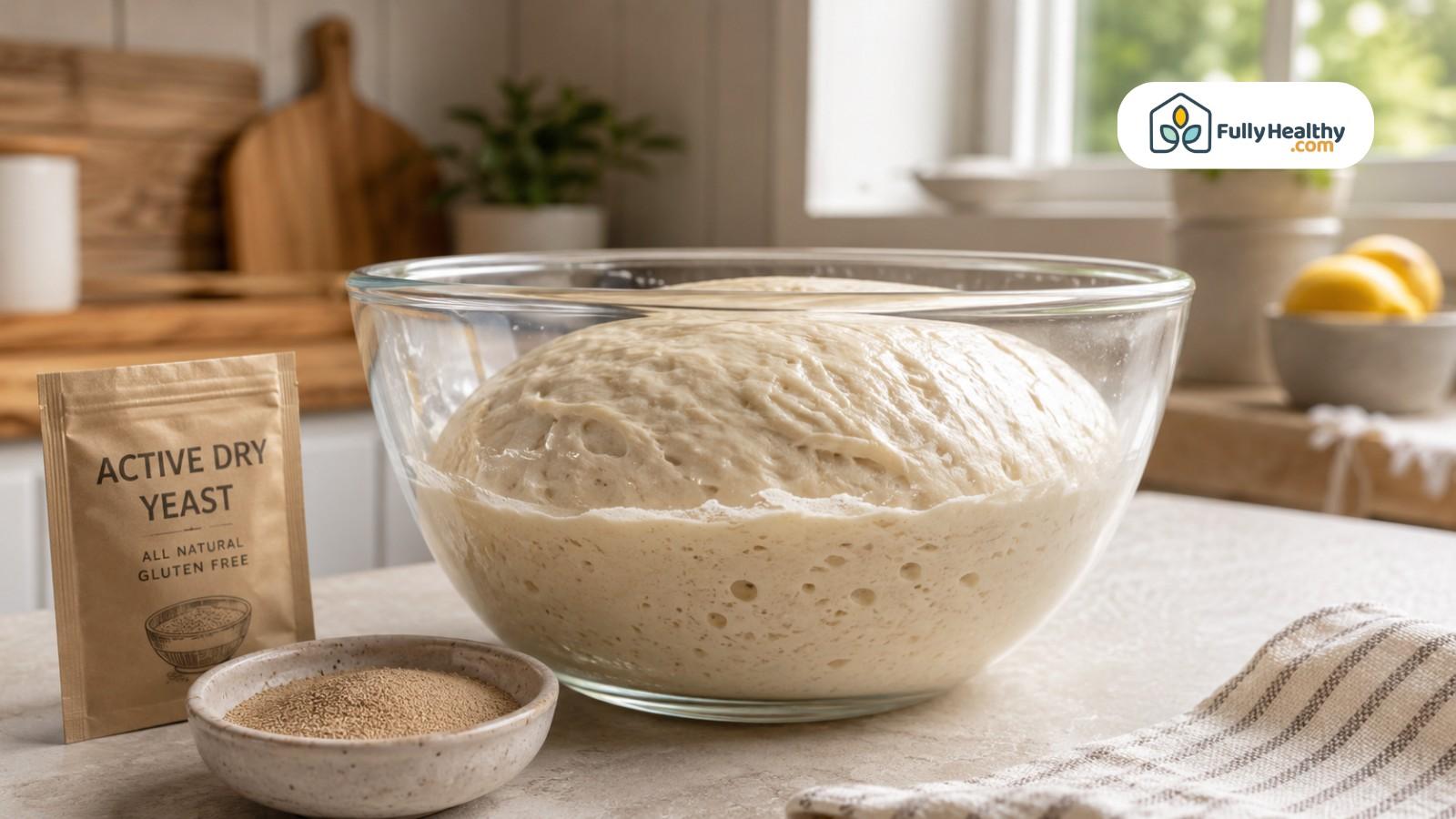
Active dry yeast is usually gluten free and is common in home baking. It helps dough rise and works well in many gluten free bread recipes. Still, every brand is different, so check the package before adding it to your mix.
Is Active Dry Yeast Gluten-Free for Home Baking?
Yes, most active dry yeast is gluten free. It is a good choice for breads, rolls, and pizza dough when the rest of the recipe is gluten free.
-
Common use: Active dry yeast works well in homemade bread, pizza crust, and rolls.
-
Added confidence: Look for products labeled gluten free or certified gluten free.
-
Simple ingredients: Many active dry yeast products contain yeast plus a stabilizer.
-
Package check: Labels and manufacturing practices can change, so check each purchase.
Which Active Dry Yeast Works Best for Gluten-Free Bread?
Active dry yeast and instant yeast can both work well. The best choice depends on the recipe, rise time, and how the dough is handled.
-
Active dry yeast: This is often mixed with warm liquid before use.
-
Instant yeast: This can usually be added straight to the dry mix.
-
Additive check: Some yeast products include dough enhancers, so read the ingredients list.
-
Source matters: Brewer's yeast by product may contain barley, while some yeast grown on sugar beets may be gluten free if verified.
Is Nutritional Yeast Extract Gluten Free?
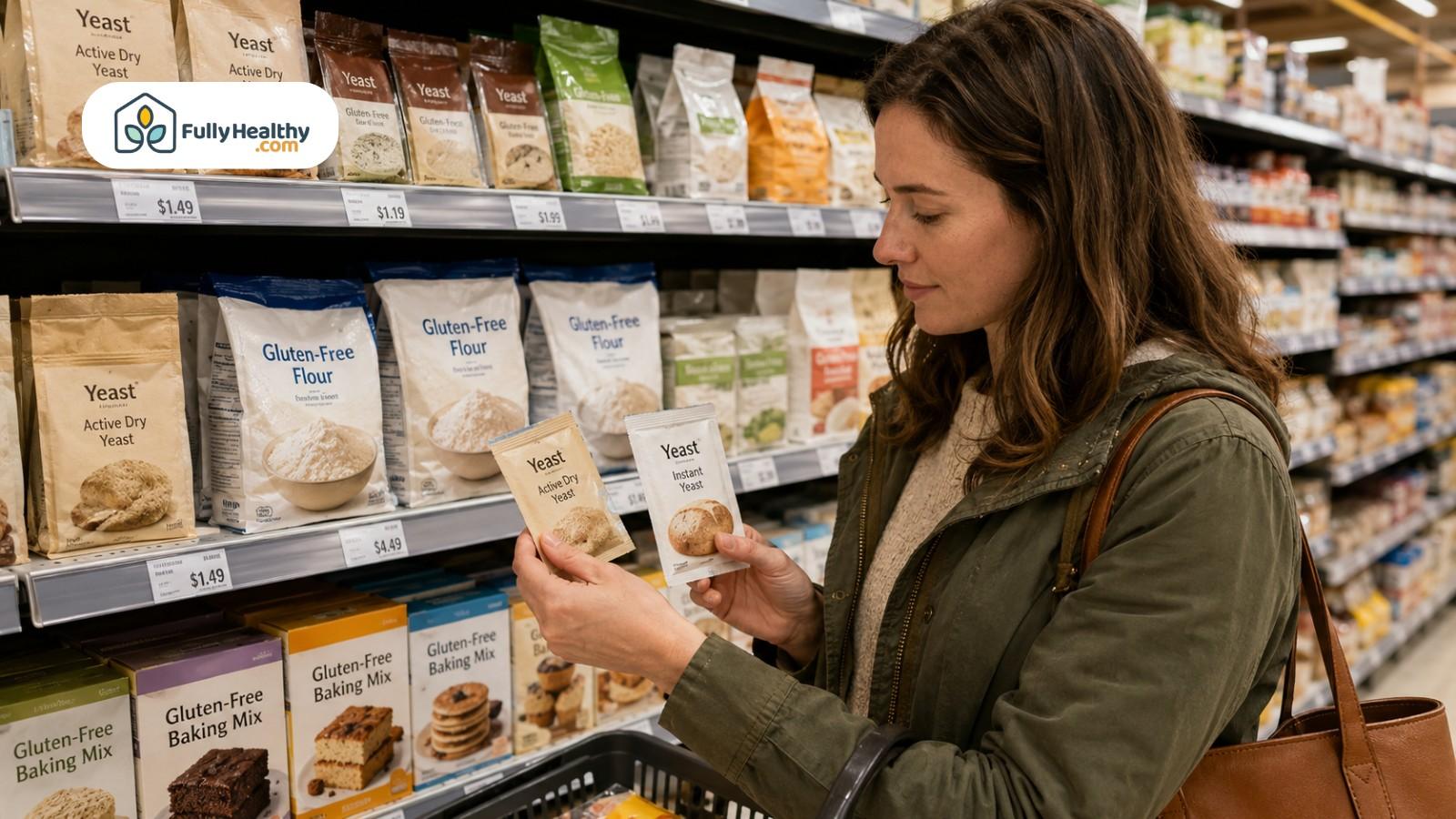
Nutritional yeast and yeast extract are easy to confuse, but they are not the same. Nutritional yeast is usually gluten-free, while yeast extract depends on its source and processing. This matters most for people who must avoid even small amounts of gluten.
Is Nutritional Yeast the Same as Yeast Extract?
Nutritional yeast is a deactivated yeast used for flavor. Yeast extract is a concentrated ingredient often used in packaged foods, soups, sauces, and snacks.
-
Nutritional yeast: This is naturally gluten-free and often used as a cheesy-tasting seasoning.
-
Torula yeast: This type of yeast is gluten-free and may appear in some savory foods.
-
Autolyzed yeast: This is usually gluten-free, but autolyzed yeast extract may be risky if it comes from barley.
-
Label check: Do not rely only on a post, comments, or Google search. Check the jar or package.
When Can Yeast Extract Contain Gluten?
Yeast extract can contain gluten if it is derived from barley. In the United States, yeast extract is not required to disclose gluten sources, so the safest step is to contact the manufacturer when the label is unclear.
-
Barley risk: Yeast extract may come from barley, especially in products linked to the beer brewing process.
-
Marmite example: Marmite tested at 31 ppm gluten in another extraction, which is above the usual gluten-free limit.
-
Manufacturer check: Ask the manufacturer about the source, testing method, and how often spent yeast is tested.
-
Reaction warning: If you get nausea, headache, or another reaction, stop eating the product and ask a healthcare professional.
Why Shop Gluten-Free Baking Essentials at FullyHealthy?
Finding trusted gluten-free baking products can make cooking easier and less stressful. FullyHealthy offers specialty foods for gluten-free and restricted diets. Its product pages also give helpful details about ingredients, labels, and dietary fit.
Which Gluten-Free Baking Products Does FullyHealthy Offer?
FullyHealthy carries useful baking staples for people who want simple gluten-free options. These products can help with bread, pizza, and everyday flour swaps.
-
Bob's Red Mill Active Dry Yeast 8 oz: A tested and confirmed gluten-free yeast for breads and baked goods.
-
AiPeazy Pizza Crust Mix With Tigernut Flour 10.3 oz: A quick gluten-free pizza crust mix for easy homemade meals.
-
Otto's Naturals Cassava Flour 2 lb: A gluten-free, grain-free flour made from cassava root.
-
Shopping access: The site places specialty baking products in one place, which can save time for careful shoppers.
How Can These Products Help Gluten-Free Bakers?
Good ingredients make gluten-free baking more dependable. They also help users avoid guessing about hidden gluten, unclear sources, or risky yeast byproduct ingredients.
-
Reliable baking: Active dry yeast helps gluten-free bread rise without using brewer’s yeast, which is often a by product of beer.
-
Easy meals: Pizza crust mix gives you a faster option when you want homemade pizza without building a mix from scratch.
-
Flexible flour: Cassava flour can work in many recipes and may replace wheat flour in some baked foods.
-
Smarter choices: If you were recently diagnosed, do not assume every yeast product is safe. Check labels, contact the manufacturer, and avoid relying on details that may be deleted or changed on a site, form, or device.
Final Thoughts
Knowing whether yeast is gluten free starts with understanding the type of yeast you are using. Plain baking yeast is generally safe, but ingredients like yeast extract or brewer's yeast may need a closer look. Always read the label, check trusted reports, and contact the manufacturer if something is confusing.
Remember that yeast intolerance symptoms can overlap with gluten intolerance symptoms, so proper evaluation is important if symptoms continue. Science continues to help determine safer food choices, but there are still exceptions between products and brands.
Whether you are shopping by category, reading an article in July, comparing Vegemite with other spreads, or looking at products made from sugar beets, stay informed, use good judgment, and make choices that fit your needs with confidence and consent from your healthcare provider when needed.
FAQs
Can yeast intolerance feel like gluten intolerance?
Yes. Yeast intolerance symptoms can overlap with gluten intolerance symptoms, so proper testing can help determine the real cause.
Is Vegemite gluten free?
Not always. Vegemite and similar spreads should be checked carefully because ingredients, reports, and analysed results may differ between products.
Why do some gluten-free products have exceptions?
Manufacturing methods, ingredient sources, and category differences can create exceptions, so always read the label and review trusted science-based information.
Can yeast made from sugar beets be gluten free?
Some yeast products made from sugar beets may be gluten free, but you should still verify the manufacturer's information before using them.
Where can I learn more about gluten-free yeast?
Read reliable article sources, review community guidance from trusted organizations, and make sure you consent to accurate, evidence-based information instead of relying on confusing online claims.
Leave a comment