

Is Yeast Vegan? Here's What Every Vegan Should Check
Yeast is generally vegan because it is a fungus, not an animal. Still, many people wonder whether foods made with yeast are always vegan. The answer depends on the other ingredients and how the product is made.
This blog explains is yeast vegan, the different types of yeast, foods that may contain hidden animal ingredients, what nutritional yeast offers, and how to choose products that match your vegan lifestyle with confidence.
Is Yeast Vegan?
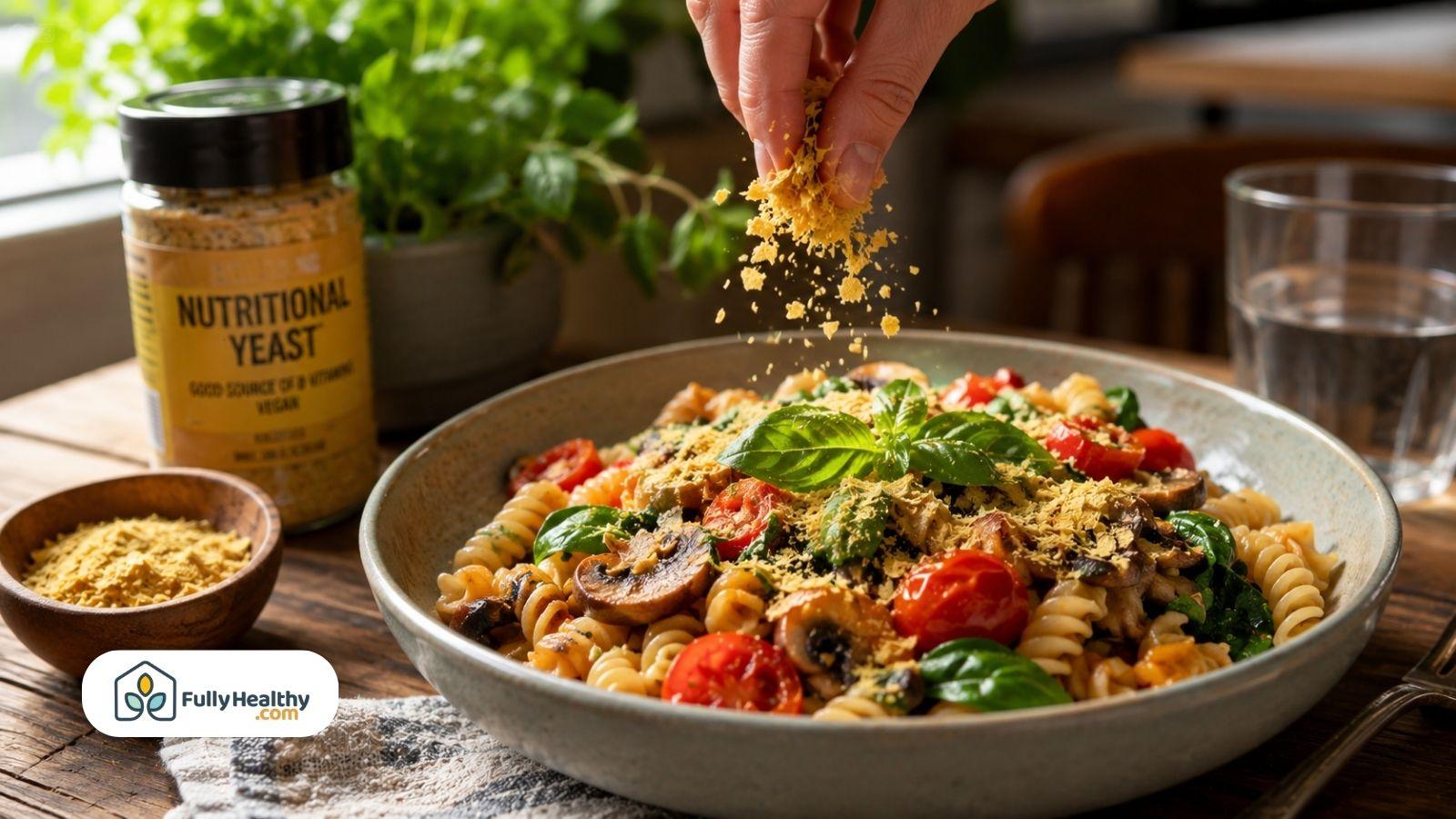
The answer to is yeast vegan is yes. People who are vegan usually eat yeast because it belongs to the fungi kingdom, not the animal kingdom. Yeast is a single-celled organism with no nervous system.
Yeast lacks a nervous system, brain, and known biological mechanisms associated with conscious pain; current evidence does not support attributing pain or suffering to yeast.
Most vegans accept it. Still, foods made with yeast may contain animal products such as milk, butter, eggs, or honey.
Why Is Yeast Vegan Even Though It Is Alive?
Yeast is a fungus. A commonly used yeast species is Saccharomyces cerevisiae. It supports the fermentation process in bread, beer, wine, and baked goods. Veganism avoids animal exploitation. Therefore, vegans eat yeast. Yeast cells help dough rise.
-
Key Fact: Yeast is a living fungus, not an animal.
-
Scientific Name: Saccharomyces cerevisiae is widely used in baking, ale brewing, and winemaking; lager brewing commonly uses hybrids classified as Saccharomyces pastorianus.
-
Why It Qualifies: Yeast is generally considered vegan because it belongs to the kingdom Fungi rather than Animalia; its lack of a nervous system also means there is no established evidence of conscious pain.
-
Common Uses: Yeast supports bread making, brewing, and various forms of fermentation.
Is Yeast Vegan In Bread, Beer, And Other Fermented Foods?
Baker’s yeast is usually S. cerevisiae, whereas brewing uses several species and hybrids, including S. cerevisiae and S. pastorianus, but the food that you make might not be. Bread might have milk, butter, eggs, or honey in it. Beer and wine may also use animal-derived ingredients during the brewing process. Check the whole product.
-
Check Labels: Check ingredient labels and, when necessary, manufacturer information because processing aids such as isinglass may not always appear on the ingredient list.
-
Know The Difference: Baker's yeast raises dough, while brewer's yeast helps brew beer.
-
Shop Carefully: Strict vegans should review how packaged foods and drinks are made.
What Is Surprisingly Not Vegan?
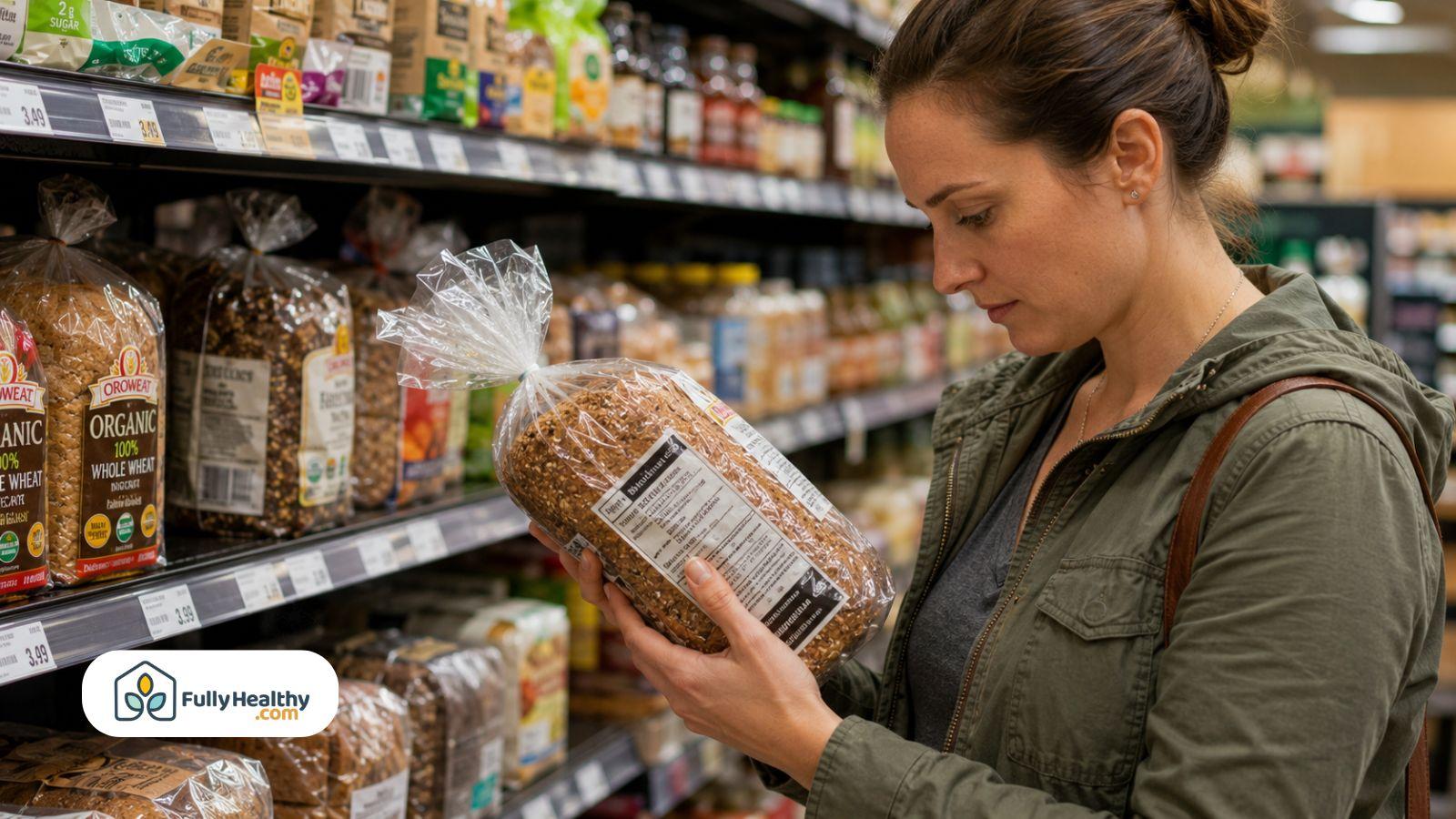
Many foods seem suitable for a plant-based diet but contain hidden animal products. Processing can make a product non-vegan. Reading labels helps shoppers avoid animal-derived ingredients.
Which Everyday Foods Can Contain Hidden Animal-Derived Ingredients?
Foods like candy, sauces, chocolate, and baked goods may have animal products in them. Some of them are fish, eggs, dairy, gelatin, and dairy.
-
Candy: Gummies and marshmallows may contain animal-based gelatin.
-
Chocolate: Some dark chocolate contains milk, whey, or dairy.
-
Sauces: Traditional Worcestershire sauce often contains anchovies.
-
Bread: Some recipes include butter, milk, eggs, or honey.
Why Can Sugar, Drinks, And Red-Colored Foods Be Difficult To Verify?
Processing can make people worry. People who make cane sugar may use bone char. Some beer and wine producers use animal-derived fining or clarification agents, such as isinglass, gelatin, casein, or egg albumin; these are processing aids rather than filters.
-
Sugar: Some cane sugar uses bone char, while beet sugar usually does not.
-
Drinks: Beer and wine may use isinglass, egg whites, or casein.
-
Coloring: Carmine and cochineal are made from insects.
-
Best Practice: Choose labeled vegan products or contact the manufacturer.
Why Isn't The World Vegan?
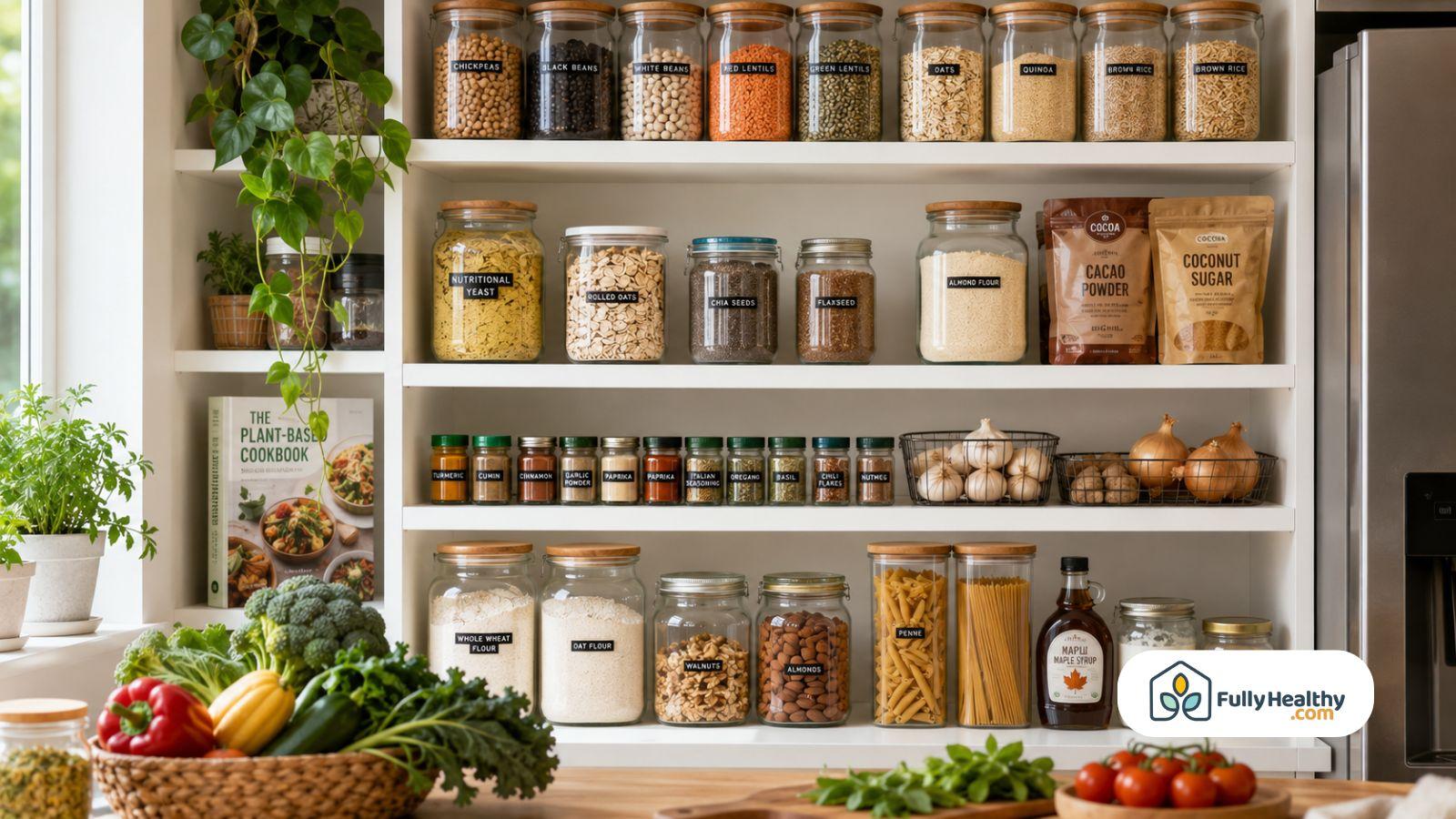
Veganism is growing, but only a small minority follows a fully vegan diet. Culture, cost, taste, and access affect choices. Some worry about protein, vitamins, and minerals.
Why Do Culture, Habit, And Food Traditions Influence Whether People Become Vegan?
People feel closer to their families and to themselves when they eat. Meals that follow tradition may include fish, meat, dairy, eggs, or both. Still, change can be hard.
-
Culture: Family recipes shape daily food choices.
-
Taste: Familiar flavor and texture can slowly change.
-
Routine: Learning new meals takes time and confidence.
Why Do Cost, Access, Knowledge, And Social Pressure Affect Vegan Choices?
Some people think vegan foods cost more or are hard to find. Others worry about nutrition. Grocery stores now carry more options, including nutritional yeast, torula yeast, and other vegan yeast products with a cheesy flavor or umami flavor.
-
Access: Choices depend on location, budget, and store selection.
-
Nutrition: A well-planned vegan diet can provide adequate protein and most nutrients, but vitamin B12 requires a reliable fortified food or supplement source; attention may also be needed for vitamin D, iodine, calcium, iron, zinc, and long-chain omega-3 fats.
-
Useful Foods: Nutritional yeast can provide protein and several B vitamins, but vitamin B12 is reliable only when the product is fortified, and the label confirms an adequate amount.
-
Support: Clear information helps more people eat vegan with confidence daily.
What Yeast Do Vegans Eat?
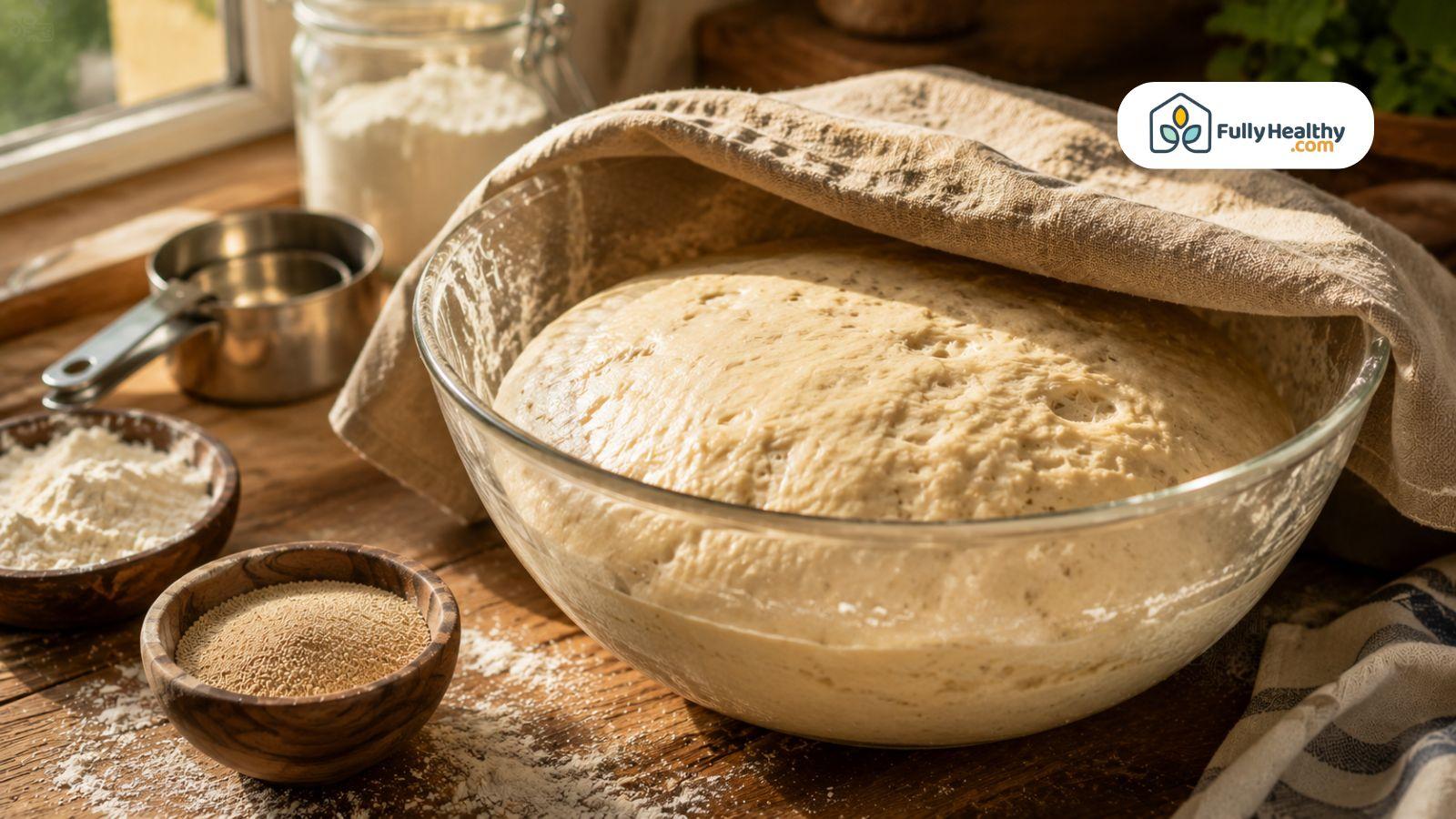
Many people know that vegans eat yeast, but they may not know there are different types. The most popular option is nutritional yeast because it adds a rich, savory taste to meals.
Baker's yeast and brewer's yeast also come from the same species, but they serve different purposes. Understanding how each type is used makes it easier to choose the right product for a vegan lifestyle.
What Is Nutritional Yeast, And Why Do Vegans Use It?
Nutritional yeast is an inactive form of yeast that is valued for its cheesy and savory taste. Unlike a live culture used for fermentation, it cannot make dough rise. Instead, it is sprinkled over foods to add flavor and nutrients.
Many people enjoy it with popcorn, pasta, vegetables, and salads. It is also a convenient ingredient for anyone who wants a dairy-free seasoning.
-
Main Benefit: Nutritional yeast generally provides protein and several B vitamins, but nutrient content varies substantially by brand and fortification.
-
Serving Idea: Serving sizes commonly range from one to two tablespoons, but nutrient amounts vary by product; use the package serving size and nutrition label.
-
Common Uses: Sprinkle it on roasted vegetables, pasta, soups, or even homemade sauces.
-
Important Note: Nutritional yeast is not one of the leavening agents used to bake bread.
How Do Fortified And Unfortified Nutritional Yeast Differ?
Fortified nutritional yeast contains added nutrients, which may include vitamin B12; consumers should confirm B12 content on the label because fortification formulas differ, while unfortified versions contain only naturally occurring nutrients.
Reading the label helps you understand exactly what you are buying. This is especially helpful for people following a vegan diet who want to support balanced nutrition.
-
Fortified Products: Fortified nutritional yeast contains added nutrients, which may include vitamin B12; consumers should confirm B12 content on the label because fortification formulas differ.
-
Unfortified Products: Unfortified nutritional yeast is not considered a reliable source of biologically active vitamin B12.
-
Shopping Tip: Compare labels because nutrient levels differ between brands.
-
Healthy Choice: Nutritional yeast works well as a seasoning, not as a replacement for a balanced diet.
How Can FullyHealthy Help With Specialty-Diet Shopping?
Full Healthy is an online store that brings together hard-to-find foods in one place. There are AIP, gluten-free, and allergy-friendly products on the website. However, these labels don't always mean that the food is vegan. People should still carefully read each ingredient list before they buy. By putting products into clear categories and stocking hard-to-find pantry items, FullyHealthy can save time.
How Can FullyHealthy Make Specialty-Diet Shopping Easier?
Fully Healthy groups products into useful collections, so shoppers can find suitable foods faster. Visitors can browse categories such as Snacks, Breakfast, Seasonings, Bundles, AIP Elimination, and AIP Reintroduction. This can reduce the time spent searching different grocery stores.
-
Easy Browsing: Organized collections help shoppers compare similar products quickly.
-
Diet Support: The website focuses on foods for AIP, gluten-free, and allergen-aware diets.
-
Label Check: Review every ingredient list for dairy, eggs, honey, or another animal-based food additive.
-
Shopping Tip: Check the product page before ordering because ingredients and availability may change.
-
Important Note: A product can be gluten-free or allergen-friendly without being vegan.
Which Verified FullyHealthy Products Can Readers Explore?
FullyHealthy lists several sweeteners and baking mixes that may suit different dietary needs. Shoppers should check each product page to confirm whether an item matches their vegan diet and personal food restrictions.
-
Coconut Sugar: Big Tree Farms Organic Brown Coconut Sugar and Bob’s Red Mill Organic Coconut Sugar are available as alternatives to regular cane sugar.
-
Maple Products: Coombs Family Farms Organic Maple Sugar and Organic Maple Syrup can add natural sweetness to drinks, sauces, and baked goods.
-
Date Sugar: Date Lady Date Sugar offers another sweetener option, although stock may change.
-
Baking Mixes: EAT G.A.N.G.S.T.E.R Cut-Out Sugar Cookie Mix, Banana Bread Mix, and Chewy Choconot Brownie Mix provide convenient options for home baking.
-
Final Check: Read the full label before using these products with flour, mushrooms, or other ingredients in a recipe.
Final Thoughts
The answer to is yeast vegan is simple. Yeast is generally vegan because it is a fungus, not an animal. Although it is a living organism, it has no nervous system, so most vegans do not see using it as cruelty.
Whether you eat bread, use nutritional yeast, or choose other products, always read the ingredient list for hidden animal ingredients. A varied, well-planned vegan diet should include a dependable source of vitamin B12 through fortified foods or supplementation.
FAQs
Can Muslims Eat Yeast?
Yeast itself is generally considered halal, but the permissibility of the finished product depends on its ingredients, processing aids, and alcohol content; being a living organism is not the relevant criterion.
Why Did Anne Hathaway Stop Being Vegan?
Anne Hathaway has shared that she stopped following a vegan diet after deciding it no longer met her personal nutritional needs. Her choice was personal and does not apply to everyone.
Is Billie Eilish Fully Vegan?
Billie Eilish has publicly said she follows a vegan lifestyle and avoids animal products because of concerns about animals and cruelty.
Is Ariana Grande Actually Vegan?
Ariana Grande has said she follows a mostly vegan diet, although personal eating habits can change over time.
How Much Nutritional Yeast Should You Use?
Serving sizes commonly range from one to two tablespoons, but nutrient amounts vary by product; use the package serving size and nutrition label. Nutritional yeast is not one of the leavening agents used to make bread rise, and products with a live culture serve a different purpose. Although vegans remain a very small minority worldwide, choosing plant-based foods can reduce demand for animal-derived foods, although the magnitude of environmental and animal-use effects depends on the foods replaced and the broader food system.
Leave a comment