

Should Cats Eat Raspberries? A Vet-Approved Fruit Guide
 Photo Credit: Canva Pro
Should cats eat raspberries? Absolutely, but not too much. Raspberries contain trace amounts of naturally occurring xylitol, which is not harmful in small quantities but still warrants moderation. A cat can get sick if they eat too much.
You'll learn the right way to feed your cat raspberries, as well as the risks and better options. Just to be sure, never give your cat new treats before talking to your vet.
Featured Pantry Pick
St Dalfour // Red Raspberry Conserves - 10 oz
Loading...
Should cats eat raspberries?
 Photo Credit: Canva Pro
Raspberries are vibrant berries that contain antioxidants like vitamin C, though these nutrients offer limited benefits for obligate carnivores like cats. Even though these fruits are good for people, a lot of cat owners wonder if their cats should eat raspberries. The short answer is yes, but only in a small quantities.
Raspberries are generally safe for cats, and can be a healthy treat when offered correctly, they can be a healthy treat. When a cat normally eats meat, they should never eat these instead.
Are raspberries safe or toxic to cats?
Cats can eat raspberries safely, but they should only eat a few at a time. These fruits have natural sugars and a chemical called xylitol but they are not poisonous. The amount of naturally occurring xylitol in raspberries is extremely low and unlikely to cause toxicity in cats when given in moderation. Cats don't usually want sweet things like people do, but they might be interested.
-
Safe in moderation: Cats can eat raspberries as an occasional treat.
-
Nutritional perks: Fresh raspberries contain vitamin C and dietary fiber, though these provide limited nutritional value to cats.
-
Avoid artificial products: Some flavored yogurts and raspberry ice cream may have artificial sweeteners that are bad for cats.
What are the health perks for cats?
There are nutritional benefits to raspberries that may help your feline companion or cat's overall health. They have a lot of water, fiber, and antioxidants like vitamin C that help keep cells healthy and boost the immune support. However, cats should only eat a small amount of these fruits as part of a balanced diet.
-
Support digestion: Fiber helps promote healthy digestion and helps keep healthy digestive system.
-
Hydration boost: The water in them can keep your cat hydrated.
-
Weight management: A healthy snack with few calories that can help cats that are overweight lose weight.
-
Skin and coat: Some vitamins might help in maintaining healthy skin and coat healthy and shiny.
Is raspberry toxic to cats?
 Photo Credit: Canva Pro
When given in small amounts, raspberries are generally thought to be safe and won't hurt you. You should still be careful when giving raspberries to your furry friend, though.
Raspberries are good for cats because they contain antioxidants that help protect cells, but they shouldn't be their main source of nutrition. Instead, they should eat meat-based foods that are high in essential amino acids. If you eat too much sugar or fiber, it could harm their health.
What’s the safest way to offer raspberries?
Start with small amounts and see if you have any adverse reactions. Most cats can handle a small piece, but you should slowly give them any new food. Before feeding raspberries, make sure to rinse them well to get rid of any chemicals.
-
Wash thoroughly: Get rid of the pesticides to keep your cat healthy.
-
Cut into bits: Prevents choking hazard for your pet.
-
Feed in moderation: Don't give more than two raspberries.
-
Watch closely: Watch out for signs of upset stomach or discomfort.
Can cats eat frozen or processed raspberry treats?
A lot of processed raspberry foods have dairy, sweeteners, or extra sugar in them. These can affect nutrient absorption and aren't good for their diet or nutrition.
-
Avoid raspberry ice cream: Could make your cat sick.
-
Say no to xylitol: Most cats should not eat this sweetener.
-
Stick to fresh fruit: Only give small amounts of raw raspberries.
Can raspberries cause digestive issues in cats?
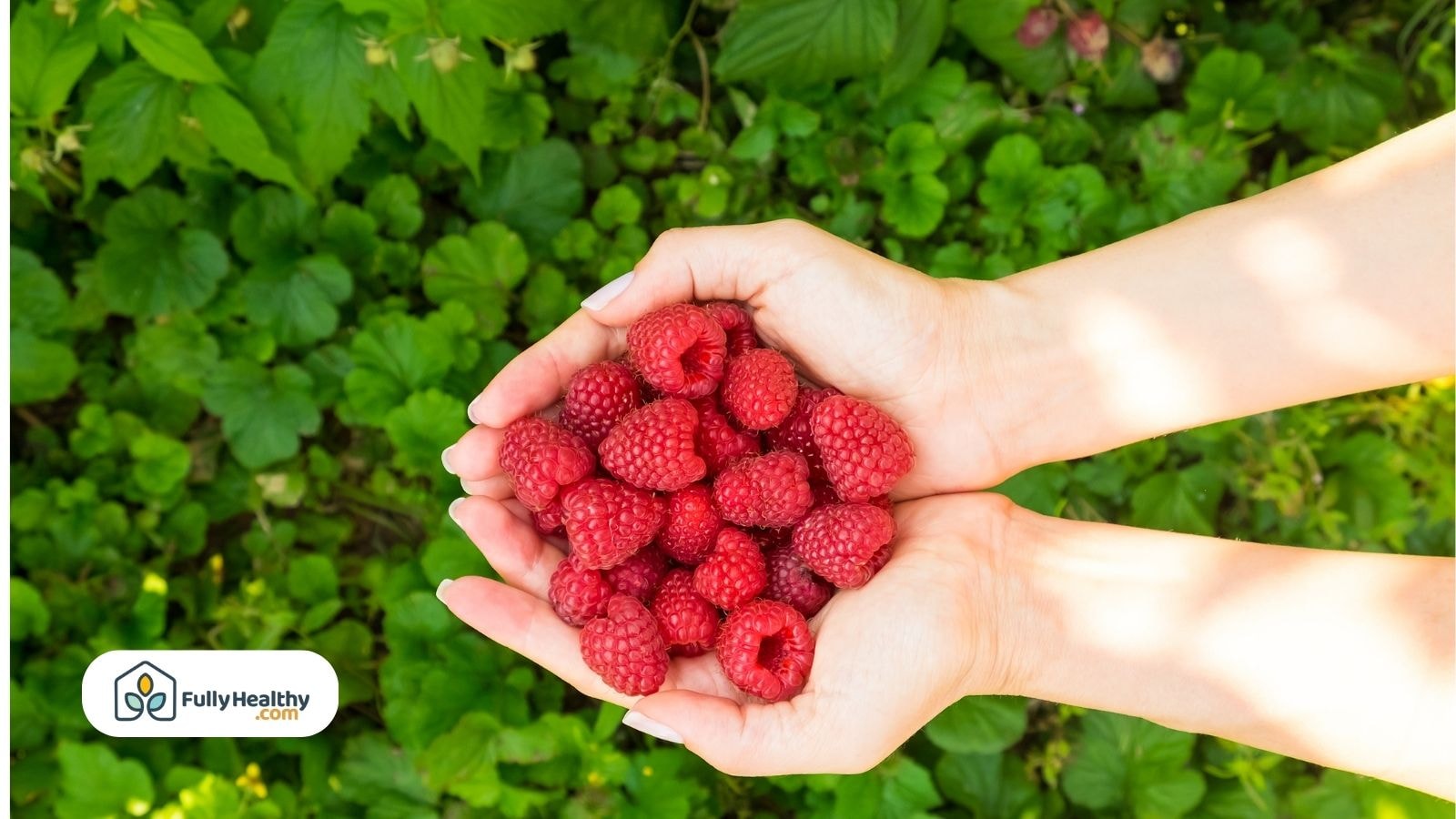 Photo Credit: Canva Pro
Raspberries are a nutritious treat for cats, but they might not like all of them. The digestive systems of cats are made to break down meat, not fruit. Cats with sensitive stomachs may cause digestive upset having too much fiber or sugar. Your cat should only eat high-quality cat food that contains essential amino acids.
What side effects should you watch for?
Too many raspberries can be bad for your health, even if they look like a tasty treat. Keep a close eye out for any sudden changes in how your cat acts or digests food.
-
Vomiting or diarrhea: Common signs that your body doesn't like new foods.
-
Gas or bloating: If you don't eat enough fiber, it can make your digestive system upset.
-
Lethargy or loss of appetite: Could mean digestive problems or stress related to food.
-
Dental concerns: Raspberries have natural sugar that can be bad for your cat's teeth.
How can you prevent stomach upset?
To safely feed your cat raspberries, you need to know what its limits are. If your cat shows no bad reactions, you may safely enjoy giving them a rare treat once a week.
-
Feed occasionally: Raspberries should only be eaten once in a while, not every day.
-
Don’t mix fruits: Don't put raspberries with other fruits that cats might not like as well.
-
Stick to basics: You should always feed your cat meat as the main source of nutrition.
-
Consult a vet: Before giving a particular food to your cat, you should always talk to a professional.
Why can't cats eat blueberries?
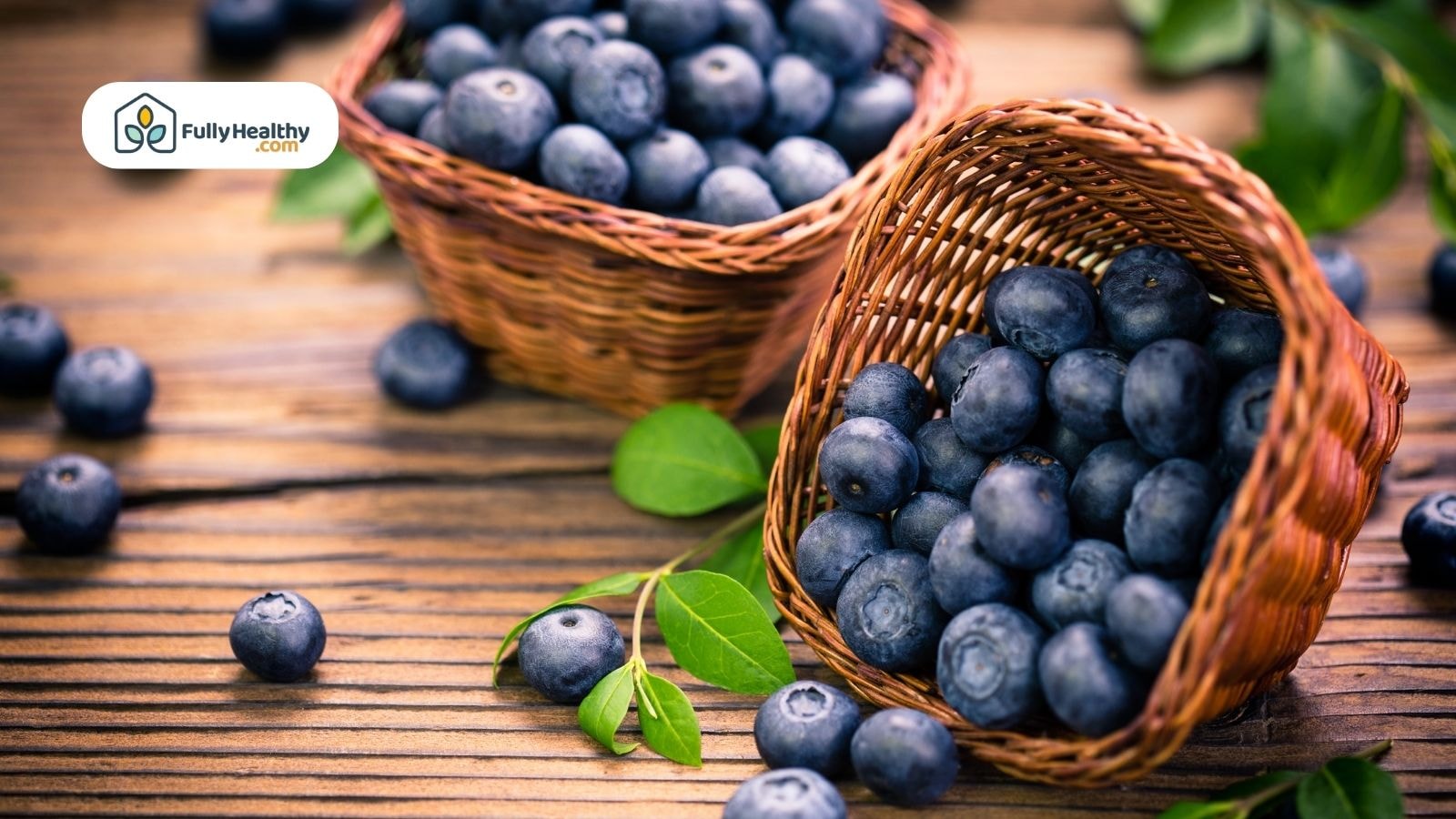 Photo Credit: Canva Pro
People often wonder if their cats can eat raspberries, but some also wonder if they can eat blueberries. People can eat both of these colorful and healthy fruits, but cats should not eat all fruits.
Cats are obligate carnivores, meaning their bodies are optimized for digesting meat, and they have limited ability to derive nutrients from fruits and vegetables. So, while raspberries safe for cats in small amounts, certain fruits like blueberries maybe more dangerous.
Are sweet-tasting fruits risky for cats?
Sweet fruits, like blueberries, might not seem dangerous, but they don't give cats the essential nutrients they need. Most cats don't have taste buds for sugar, so they don't get any pleasure from eating sweet fruits like people do. Both raspberries and blueberries can be safe for cats in small amounts, but neither should be relied on as regular food due to their sugar content.
-
No need for sugar: Cats can't taste sweetness, so they don't need to eat things that are high in sugar.
-
Limited nutritional value: Blueberries do not contain essential amino acids required by cats but do offer antioxidants, which may support cellular health when consumed in moderation.
-
Potential health problems: Excessive sugar intake can contribute to weight gain and may indirectly affect a cat’s health, though moderate amounts from fruit are unlikely to cause harm.
-
Unnecessary for obligate carnivores: Blueberries don't have any animal protein and aren't good for digestion.
What makes raspberries different from blueberries?
Even though they are both fruits, raspberries have a little more fiber and less sugar per serving. Raspberries also have vitamin C and compounds that reduce inflammation, which can help the immune function work better. If you want to know which one your cat likes better, raspberries might be a better bet, but they should still only be given as a treat once in a while.
-
Higher fiber: Raspberries have more fiber, which is good for your digestive health.
-
Lower sugar: They don't have as much sugar as some other fruits.
-
Antioxidant value: Raspberries are good for cats because they protect cells and boost the immune system.
-
Still only in moderation: Even though they are different, cats should only eat small amounts of raspberries.
What does FullyHealthy.com offer cat owners?
Fully Healthy is a store that only sells clean-label, allergen-free foods. It doesn't sell products just for pets, but many of its AIP-compliant items can help pet owners who are on strict diets for themselves or their furry friend. People who are thinking about giving their pets raspberries or other new foods should read the site's philosophy.
Can AIP-friendly treats benefit curious cat owners?
If you care about your pet's health, you may look for products that don't have any artificial ingredients, just like you would for your cat. A lot of the products on Fully Healthy don't have sugar, soy, or other common allergens that can make cat food less healthy if cats eat it with human food.
-
Clean ingredients: There are no extra sugars or artificial sweeteners.
-
Safe for sensitive households: Good for homes where cats often get health issues.
-
Promotes awareness: It makes owners more careful when they give out raspberries or other fruits.
-
Avoids harmful additives: There is no xylitol or any other harmful ingredient that is common in processed snacks.
Are their products suitable for pets with sensitivities?
FullyHealthy.com doesn't sell cat food, but its dedication to quality is in line with what's best for your cat's diet. It backs up the idea that eating meat is better for your health than eating sugary or artificial foods. If pet owners are careful about what they eat, they are more likely to be careful when giving their pets raspberries or other treats every once in a while.
-
Encourages natural diets: Mostly talks about nutrition and important nutrients.
-
Avoids risky ingredients: There are no chocolate, citrus fruits, or harmful preservatives.
-
Raises health awareness: Reminds cat owners that most cats should stick to a diet that is right for their species.
-
Supports digestive health: Good for homes with pets or people who have sensitive stomachs.
Final Thoughts
Cats are careful when they try new foods, so they only eat small amounts of raspberries. Raspberries may be good for your cat's health, but they shouldn't be used instead of cat food or a meat-based diet. Raspberries are safe for cats as a healthy treat, but not as a regular food source.
Make sure your cat gets enough essential amino acids every day to protect cells and keep them healthy. No matter how sweet it tastes, you should always feed your cat what's best for them in the long run.
FAQs
Are any fruits toxic to cats?
Yes, some fruits like grapes and raisins are toxic to cats, while raspberries are safe in small amounts
Are carrots good for cats?
Carrots are not meat meat-based diet, but can be new foods in your feline friend's diet, with essential amino acids.
Is egg good for cats?
Eggs are new foods that help protect cells, but not enough for cat's diet without feeding raspberries or a meat-based diet.
Is tuna good for cats?
Tuna may taste good, but has a sweet taste risk if not balanced in a feline friend's diet with essential amino acids and feeding raspberries.
What are superfoods for cats?
Some superfoods include eggs, tuna, and cats eat raspberries, which are new foods to protect cells and support cat's nutrition.
Leave a comment