

What Do Turkeys Eat? A Simple Guide for Raising Turkeys
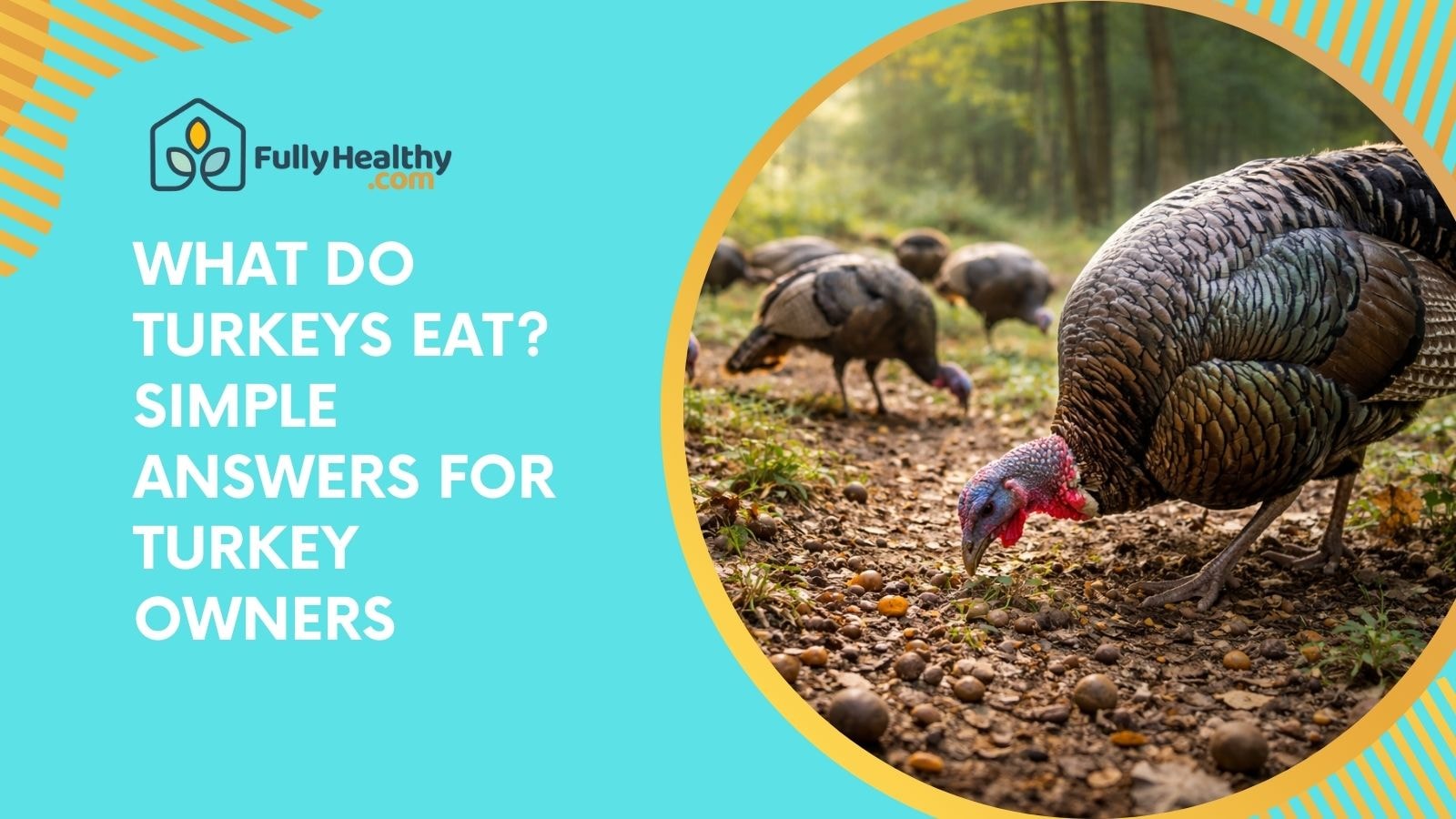
Turkeys eat a wide mix of foods. They look for grass, bugs, seeds, nuts, and berries in the wild. In addition, they eat worms and small animals. These animals' food choices change with the seasons and as they get older. Foods like moldy feed and plants that have been treated are not safe to eat.
One or two servings of plain, cooked rice are safe for turkeys. Chickens can also eat rice, but it should not be a major part of their diet. By knowing what turkeys eat, you can keep them healthy and avoid making common mistakes when feeding them for the first time.
Featured Kids Pick
Serenity Kids // Turkey Bolognese - 3.5 oz
Loading...
What Do Turkeys Eat?
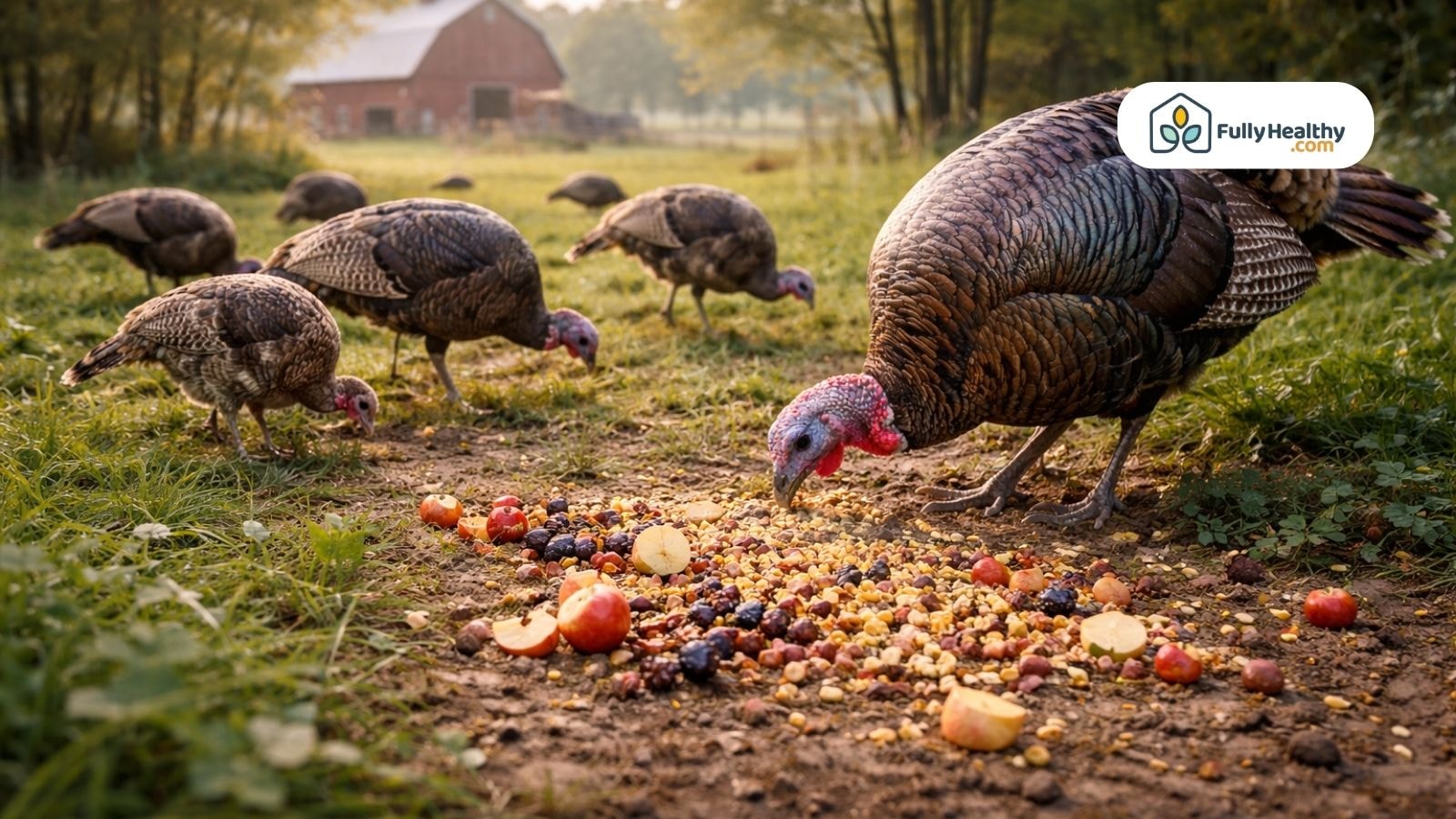
Most people want the short answer first: turkeys eat a wide range of foods based on age, season, and environment. Animals that live in the wild naturally find food in their wildlife habitat, but domesticated turkeys depend on people for food.
Knowing what do turkeys eat helps with raising turkeys, protecting wildlife, and supporting a healthy life from turkey eggs to adult turkeys. Feathers, the ability to breed, the risk of getting sick, and overall survival are all affected by what an animal eats.
Natural Foods Wild Turkeys Eat Year-Round
Wild turkeys living in forests, farms, and open land are very flexible birds. Foraging and staying with their flock in the outdoor space to avoid danger are things they do for most of the day. As early spring turns to summer, fall, and winter, their food sources change, and so does their diet.
-
Seeds and nuts: Near trees, fields, and harvest areas, you can find acorns, corn, and other grains.
-
Plants and greens: When they roam, they eat grass, leaves, and tender shoots.
-
Animal foods: Eat insects, small amphibians, and other small invertebrates for protein.
-
Seasonal variety: It's best to eat hardy foods in the winter when fruits and nuts are scarce.
Seasonal Diet Changes And Protein Needs
Around breeding season, during growth weeks, and in the early stages of development, livestock need more protein. Turkey poults (young turkeys) require more protein during early growth stages than adult turkeys. Strong immune systems, feathers, and muscle growth are all helped by this.
-
Early growth: Poults and young turkeys need high protein to grow properly.
-
Breeding demands: It takes more energy to breed and gobble.
-
Balanced intake: The daily activities and survival depend on protein-rich foods like grains, meat, and eggs.
What Can Turkeys Not Eat?

Some foods are not safe for turkeys, especially when people mess with their food or feed them on farms. Picking the wrong foods can spread disease, hurt hens, and hurt wildlife habitat. Both wild and domestic turkeys can get sick from eating food that isn't safe.
Foods And Plants That Are Toxic To Turkeys
Turkeys can get sick from eating some everyday foods, even in small amounts. Wildlife, farm flocks, and heritage turkeys are all at risk in these ways.
-
Processed human foods: Too much salt, sugar, or grease in foods makes them not healthy.
-
Spoiled items: Foods that are moldy, rotten, or wet can make you sick.
-
Chemical exposure: Hormones, pesticides, and plants that have been treated are all bad for you.
Environmental Feeding Dangers To Avoid
Longevity, egg production, and the ability to breed can all be affected by mistakes in feeding. Animals depend on the way food is naturally distributed, not on people feeding them whenever they want.
-
Contaminated water: Sources that don't move can quickly spread disease.
-
Overfeeding: Invites predators and messes up natural foraging.
-
Human impact: Feeding animals changes how they act and how you hunt them.
Can I Give Turkeys Chicken Food?

Lots of people who raise turkeys wonder if chicken feed is okay. Chicken feed is formulated for chickens and may not meet the higher protein requirements of young turkeys. When an animal is breeding or growing quickly, it often shows signs of poor feeding.
Why Chicken Feed Doesn’t Meet Turkey Nutrition
Turkeys do not get enough protein from chicken feed. Turkey chicks and other young birds need more protein to grow properly than chickens do.
-
Low protein levels: Turkey babies don't get enough protein from chicken feed.
-
Missing nutrients: Deficiencies in protein, calcium, or vitamins can impair leg development, feather quality, and growth.
-
Sensitive stages: It is safer and has more nutrients in starter feed and grower feed.
When Chicken Feed Might Be Used Short-Term
Animal feed or chicken feed can be used in a pinch, but not as a long-term solution on a farm or to care for wildlife.
-
Temporary use only: Good for short periods of time when there is no other food available.
-
Better options: Starting feed for young chicks and grower feed after a few weeks.
-
Long-term health: Intake of protein, nutrients, eggs, high-quality meat, and strong birds is all helped by the right feed.
Do Turkeys Eat Rice?
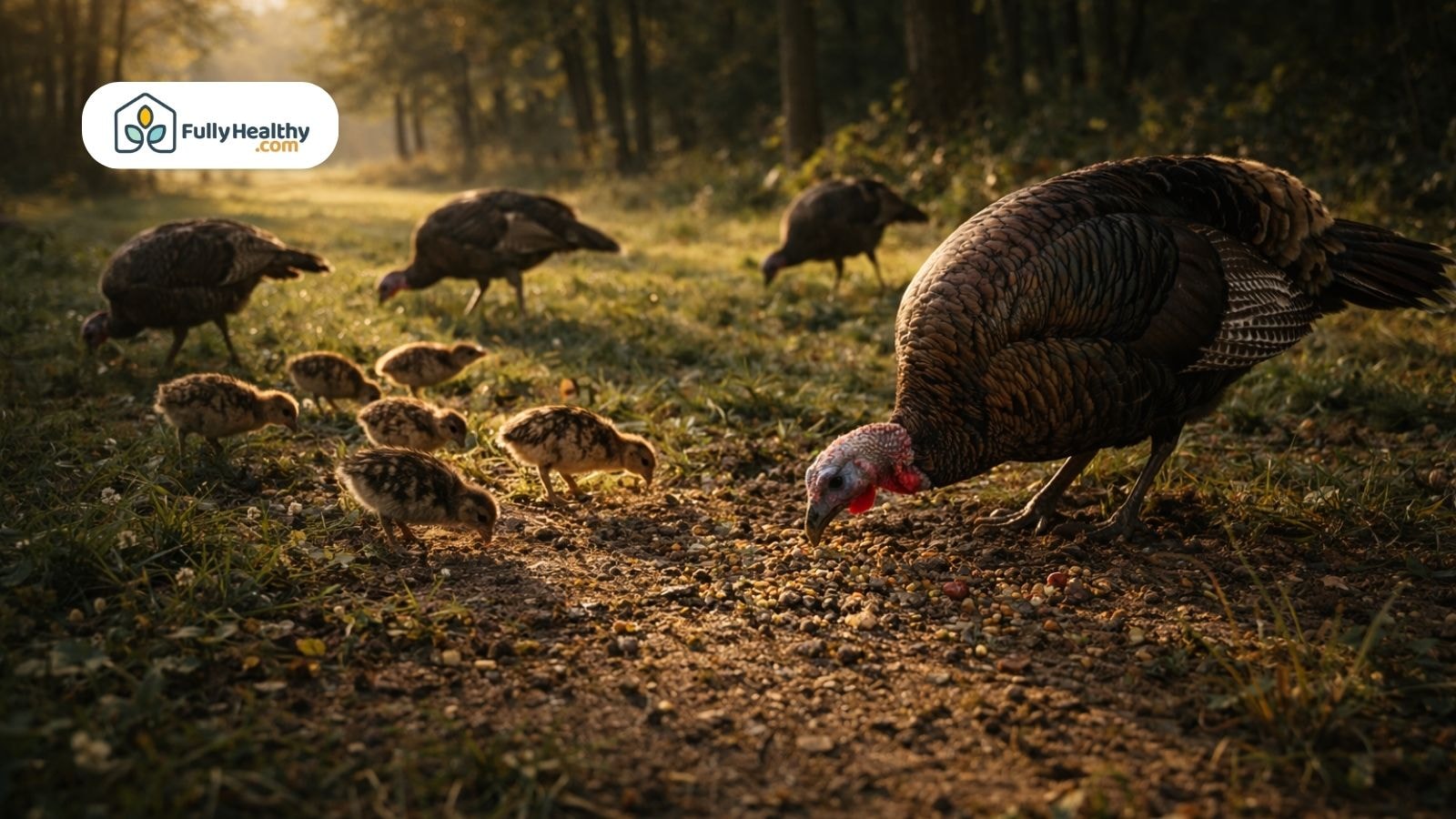
Many people are worried about letting birds eat rice. The short answer is that turkeys can eat rice without getting sick. This is important information for flocks in backyards, on farms, and in wildlife areas.
If you cook it right, rice can be a small part of a healthy diet. Turkeys love different foods, but rice should never be fed instead of natural food or proper feed.
Why Rice Is Safe For Turkeys
When rice is plain and not seasoned, it doesn't make turkeys bigger or hurt them. Their gizzards are strong and designed to grind food, which helps them digest grains well. Wild turkeys and domestic turkeys can both eat some rice without getting sick.
-
Digestion facts: The myth that uncooked rice swells dangerously inside birds is false; turkeys digest grains effectively using their gizzards.
-
Natural digestion: Grains are broken down by strong gizzards before they are digested.
-
Moderation matters: Instead of replacing important foods, rice should be a part of a healthy diet.
Best Way To Offer Rice Safely
When natural food sources are limited, rice should only be a treat once in a while. It should always be clean and dry, and nothing else should be added to it. Turkeys like simple foods, but healthy eating in the long term is important for everyone.
-
Plain preparation: Avoid salt, oil, butter, or spices.
-
Small portions: It's possible to get too many nutrients from rice.
-
Limited use: Give them rice once in a while to give them extra energy, but not every day.
What Does Fully Healthy Offer Related To What Do Turkeys Eat?
Even though Fully Healthy doesn't sell turkey feed, it can still help people learn about food quality and label reading. The website is mostly about offering healthy, allergen-free foods for people. Here's how learning about turkey diets and responsible feeding is related to Fully Healthy in a roundabout way.
Understanding Fully Healthy’s Purpose
Customers with special dietary needs, like gluten-free or allergen-free diets, can shop at Fully Healthy, an online market. People are supposed to eat their products, not animals. This information helps readers avoid common mistakes when feeding.
-
Human-focused products: The things are all made for people, not birds.
-
Ingredient transparency: Put an emphasis on clean labels and sourcing.
-
Educational benefit: Educates readers on how food ingredients impact health.
Why Fully Healthy Products Are Not For Turkeys
Although turkeys enjoy natural foods, human specialty foods are not healthy for them. Feeding these things to turkeys can make them sick or leave them lacking nutrients. Rural birds and wild animals are both safer when people know this.
-
Not bird-tested: Products aren't made or tested on turkeys.
-
Nutrient imbalance: Human foods are not good for turkeys' diets.
-
Better choices: For better results, use turkey-specific feed and natural forage.
Final Thoughts
Understanding what do turkeys eat is essential for keeping them healthy in both wild and farm settings. Turkeys in the wild eat natural foods that help them stay alive, but turkeys that are kept as pets need to be fed by people.
Eating healthy foods, staying away from things that are bad for you, and caring for wildlife habitats can support sustainable ecosystems and turkey well-being. Turkeys do better, breed well, and live longer, stronger lives when their food meets their natural needs.
FAQs
What Is the Main Food of Turkey?
The main food of turkeys includes grains, seeds, insects, and plants. Commercial diets may contain animal protein, but not typically fish.
What Snacks Are Good for Turkeys?
Good snacks for turkeys include grains, fruits, vegetables, insects, and small amounts of fish when offered safely.
What Smell Do Turkeys Hate?
Turkeys hate strong smells like chemicals and spoiled food, and they avoid areas where fish smells are mixed with human waste.
What Causes Sudden Death in Turkeys?
Sudden death in turkeys can be caused by disease, toxins, moldy feed, predators, stress, or contaminated water sources.
Which Food Is Good for Turkey?
Food that is good for turkey includes balanced feed, natural forage, insects, grains, clean water, and controlled protein sources like fish.
Leave a comment