

What Does Basil Taste Like and How to Use It in Cooking
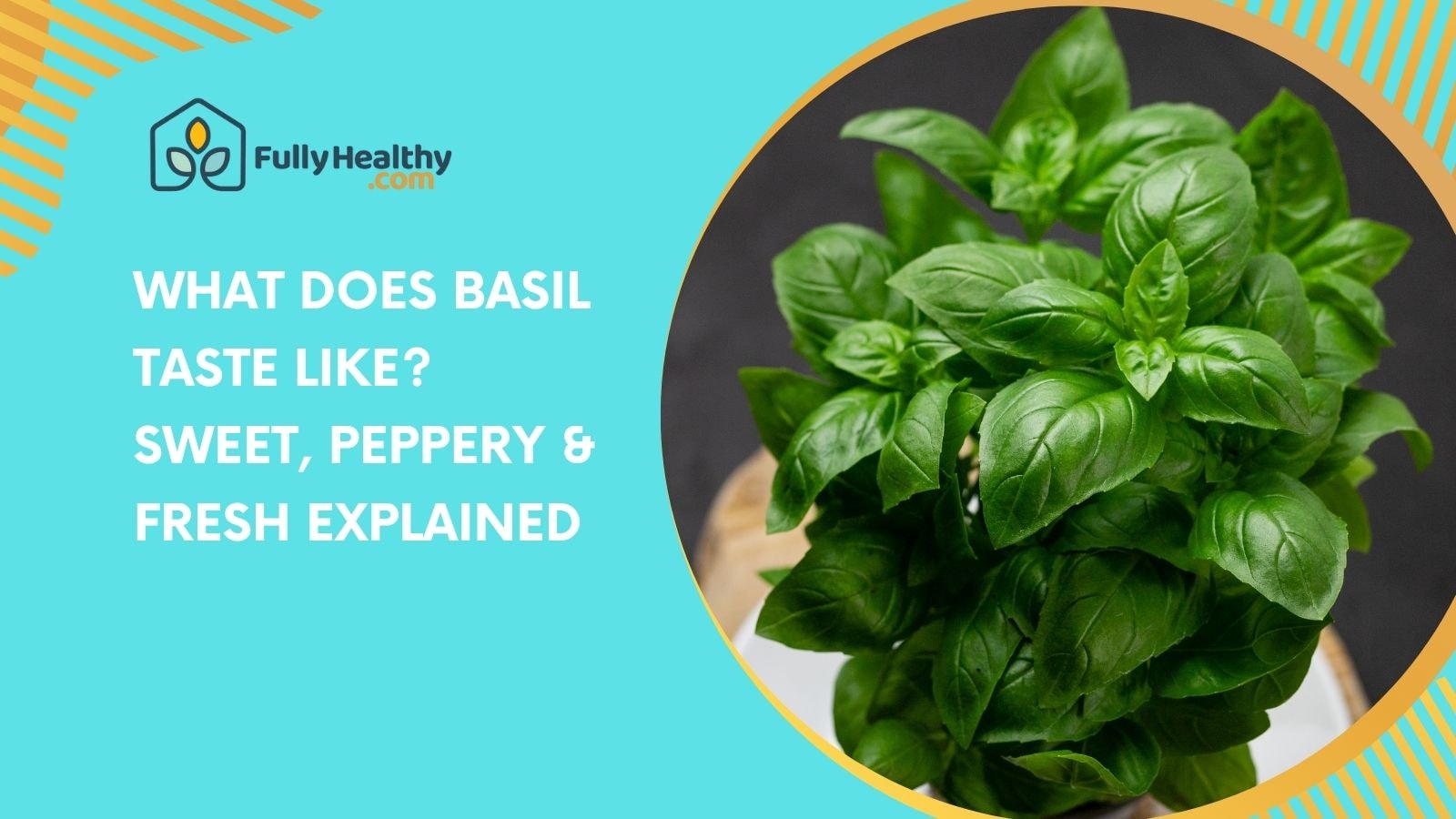 Photo Credit: Canva Pro
Basil is one of the most loved herbs in kitchens around the world, but what does basil taste like? This fresh, fragrant leaf gives many foods a flavor that is a mix of sweet, peppery, and slightly minty. Every meal is better when it has this flavor. It goes well with everything from Thai curries to Italian sauces.
🌿 Love Fresh Herbs? Elevate Every Dish with Simply Organic Basil!
How Do You Describe Basil Taste?
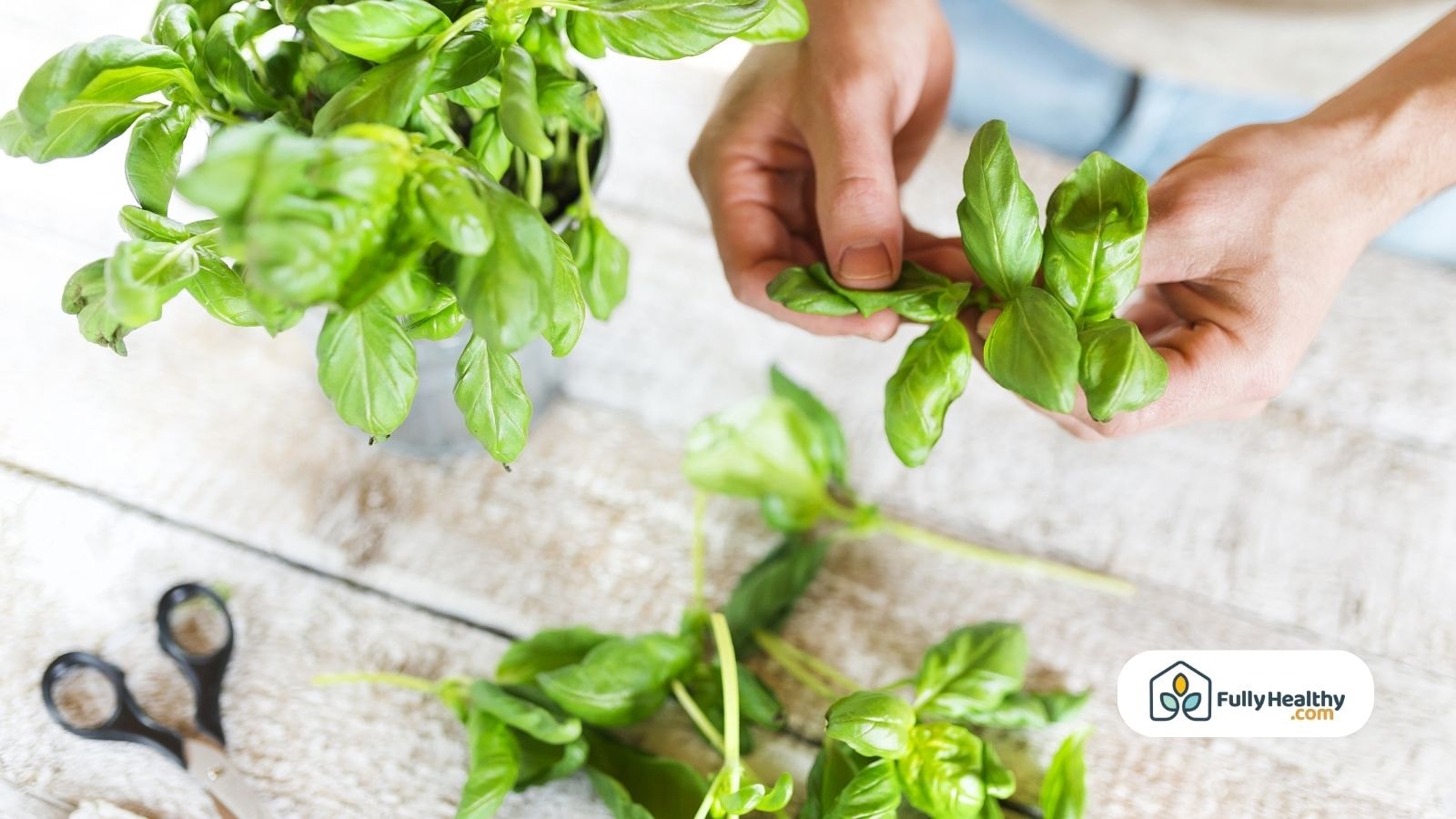 Photo Credit: Canva Pro
The Sweet-Savory Spectrum
Basil's flavor is easy to recognize because it has a balance of sweet, spicy, and minty flavor. One way to describe it is as a mix of the mild warmth of sweet basil and the stronger, anise-like flavor of Thai basil.
This fresh mint-family herb gives off fragrant oils that change as it cooks, giving food a strong flavor that is used in Mediterranean and Asian dishes.
-
Sweet profile: Sweet Basil and Genovese Basil give off a light, sweet aroma with a mild peppery taste.
-
Peppery edge: Fresh basil leaves contain eugenol oils that add depth to soups, pesto, and grilled dishes.
-
Anise accent: Thai Basil and Holy Basil bring an anise-like flavor suited to Thai cooking with coconut milk or soy sauce.
-
Citrus tone: Lemon Basil provides a hint of lemon that brightens seafood and salads.
-
Color appeal: Purple Basil adds visual contrast and may carry a clove-like or floral scent depending on the cultivar.
-
Cooking tip: Add basil at the end of the cooking process to keep its distinct flavor and avoid a bitter flavor.
How Fresh vs. Dried Basil Differ
Both fresh and dried basil make sauces and soups taste better, but fresh basil is stronger and smells better than dried basil. Fresh basil smells nice and tastes a little minty. Dried leaves, on the other hand, have a deeper, milder flavor that works well in Italian dishes that are cooked for a long time.
-
Fresh use: Fresh basil leaves are best eaten raw in salads, pizza topping, or caprese salad.
-
Dried use: Dried basil fits Mediterranean cooking, adding warmth to tomato-based sauce or soups.
-
Flavor shift: Fresh herbs stay bright and sweet. Dried herbs turn earthy with a softer spice.
-
Storage rule: Keep basil plants in water with a loose plastic bag and store dried leaves in an airtight container.
-
Oil pairing: Olive oil and lemon juice help preserve aroma when tossing fresh basil.
-
Timing tip: Add dried basil early for depth and fresh basil at the end for freshness.
What Does Basil Taste Similar To?
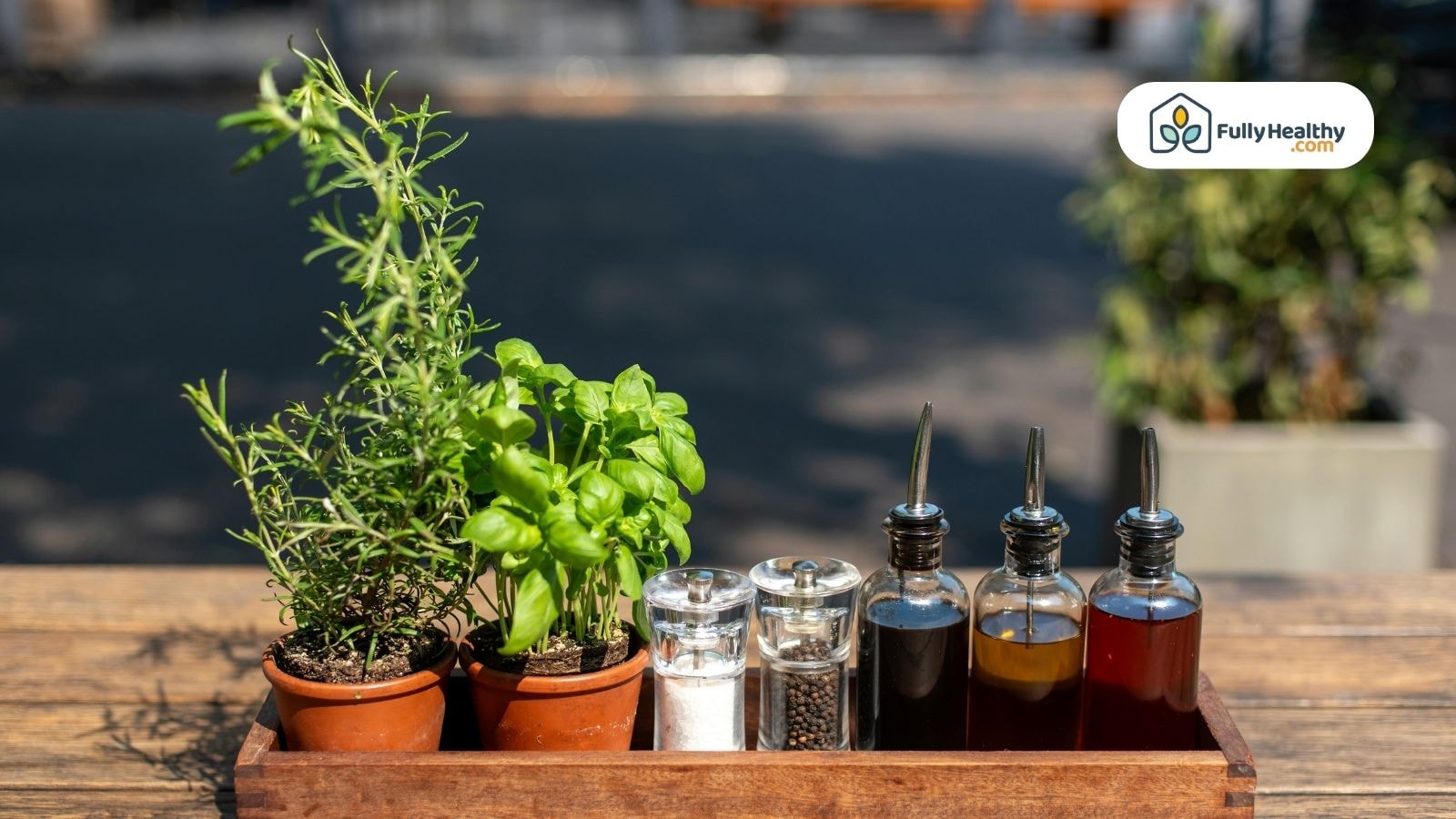 Photo Credit: Canva Pro
Closest Flavor Cousins
Basil comes from the mint family, so it naturally tastes like other herbs used in Mediterranean cooking. When home cooks talk about what basil tastes like, they often say that it has a peppery, minty flavor that makes them think of oregano or thyme. These herbs work well together in many recipes because they have similar essential oils.
-
Mint family link: Basil is a member of the mint family, giving it a fresh yet savory scent that pairs well with tomatoes.
-
Oregano and thyme: These herbs share a mild spice and work beautifully with olive oil, garlic, and lemon juice.
-
Tarragon: Adds an anise-like flavor close to Thai Basil, ideal for seafood and stir fries.
-
Savory and marjoram: Provide a milder flavor resembling dried basil, great for soups and grilled dishes.
-
Purple Basil: Offers a distinct flavor similar to mint and clove, often used as a garnish or pizza topping.
-
Holy Basil: Found in Thai cooking, it has a stronger spice and sweet tone that balances soy sauce and coconut milk.
Smart Swaps in Recipes
If you can't get fresh basil leaves, other herbs and greens can smell and taste like basil. To keep the strong flavor of the original basil plant in dishes, it's important to choose substitutes that have a similar fresh texture and herbal balance.
-
Spinach: May be used in pesto for texture and color.
-
Arugula: Adds a peppery taste like basil and suits pasta or Mediterranean cooking.
-
Parsley: Brings mild freshness to soups, sauce, and salads.
-
Kale: Works in pesto or sauces when blended with olive oil and lemon juice for smoother flavor.
-
Fresh to dried ratio: Use one teaspoon dried basil for every tablespoon of fresh basil.
-
Herb blend: Combine mint, cilantro, and oregano to create layered flavor close to fresh basil.
What Foods Does Basil Go With?
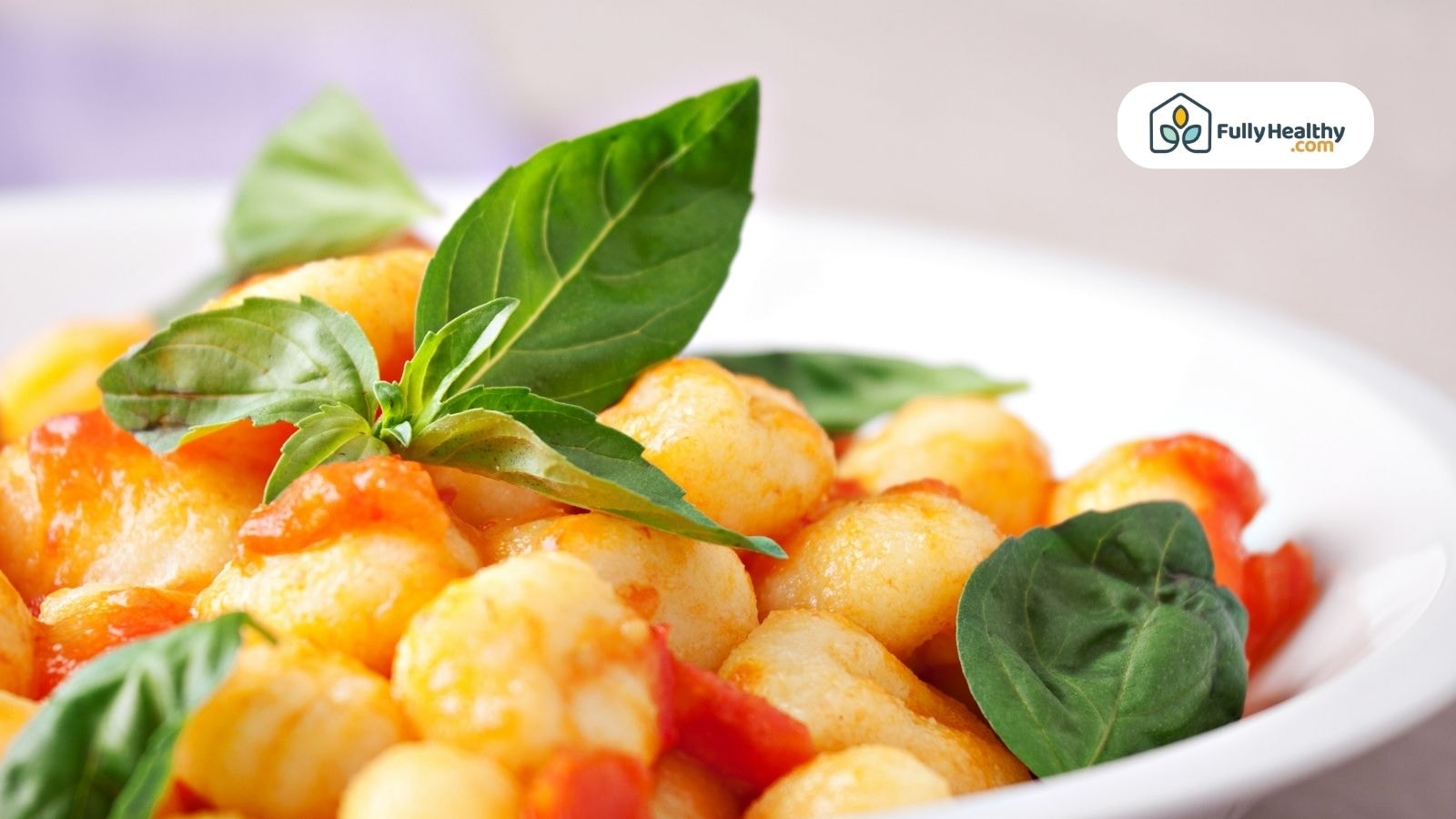 Photo Credit: Canva Pro
Classic Matches
Basil is a popular herb in Asian and Mediterranean cooking because it tastes sweet, minty, and peppery. Fresh basil leaves are an important part of many recipes because they make tomatoes, olive oil, and cheese taste better. When you cook with basil, the flavor helps balance out the acidity and fat, adding freshness and flavor.
-
Tomatoes: Basil and tomatoes share natural acidity, forming the base of caprese salad, soups, and pasta sauce.
-
Olive oil: Combining basil with olive oil preserves aroma and adds smooth texture to grilled dishes and sauces.
-
Cheese pairings: Sweet Basil pairs perfectly with mozzarella, parmesan, and ricotta in Italian cooking.
-
Pasta and soups: Both dried basil and fresh basil lift the flavor of pasta, sauce, and vegetable soups.
-
Pizza topping: Add fresh basil after baking to keep its fresh herb aroma without turning bitter.
-
Grilled dishes: Basil butter or oil infusions bring brightness to chicken, seafood, or vegetables.
Surprising Partners
Basil's unique flavor goes well with nuts, fruits, and even ingredients you might not expect. Basil plants, like Lemon Basil, Cinnamon Basil, and Holy Basil, can be used in different ways to give both sweet and savory foods a strong flavor.
-
Fruits: Mango, watermelon, and apricot complement the basil taste like sweetness and are perfect for salads or desserts.
-
Berries: Strawberries and blueberries pair beautifully with Lemon Basil or Purple Basil in drinks or sauces.
-
Nuts: Pine nuts and almonds work well in pesto, adding creamy texture and nutty depth.
-
Coconut milk: Thai Basil with coconut milk creates rich, aromatic sauces in Thai cooking and stir fries.
-
Citrus pairings: Lemon juice and Lemon Basil together bring brightness to seafood or rice dishes.
-
Other herbs: Mixing basil with mint, cilantro, or parsley layers flavors for Mediterranean cooking or Asian dishes.
What Is The Main Use Of Basil?
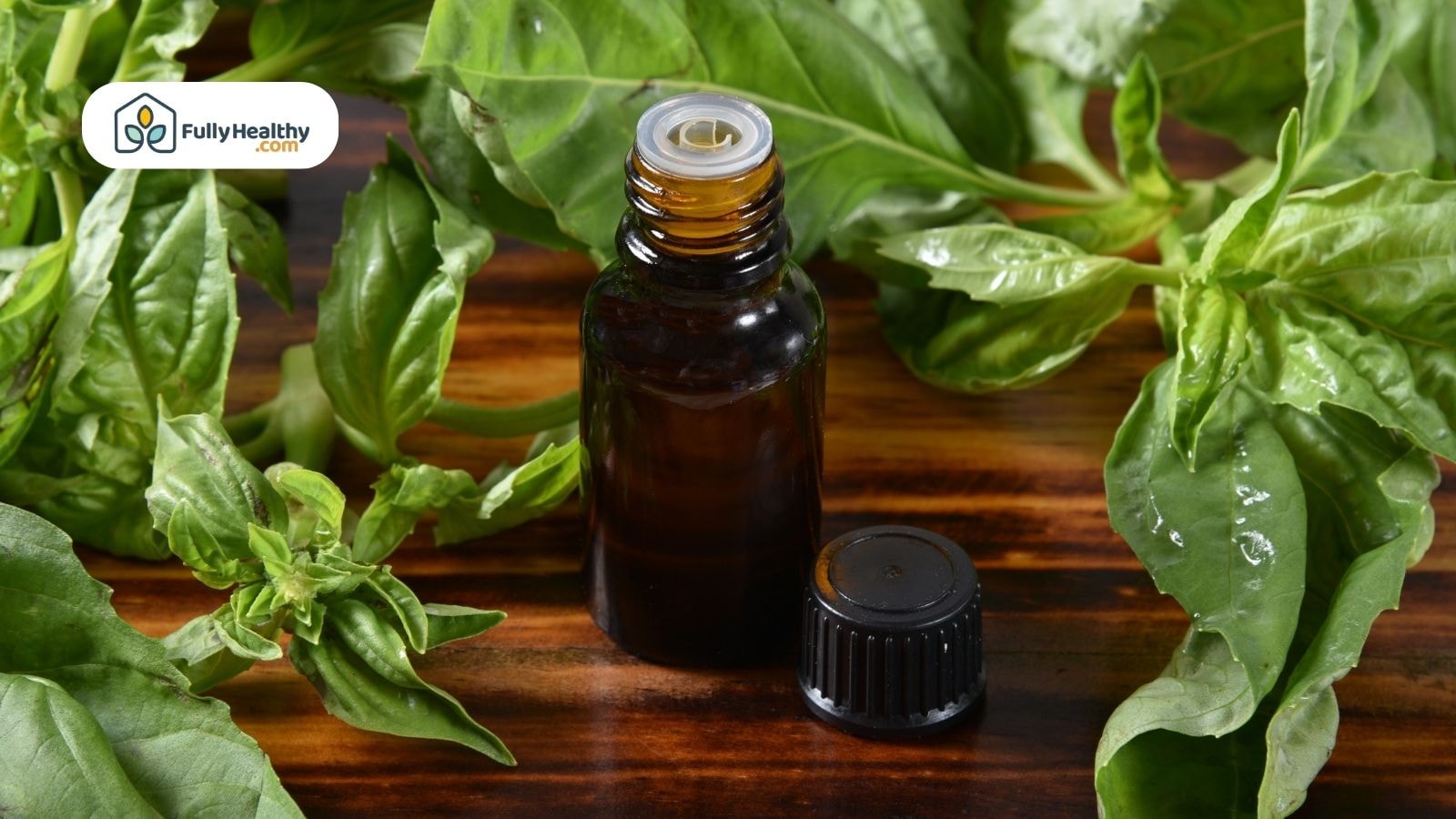 Photo Credit: Canva Pro
Everyday Culinary Roles
Basil is a herb that is used in many different ways in kitchens all over the world. It has a strong flavor and a fresh smell and is an important part of Italian, Mediterranean, and Asian cooking. Basil gives sauces, soups, and drinks more depth while still being light enough to use as a garnish.
-
Pesto: A classic sauce made from fresh basil leaves, pine nuts, olive oil, and parmesan, offering a creamy herbal taste.
-
Soups and sauces: Both fresh basil and dried basil bring warmth and balance to tomato or vegetable-based dishes.
-
Infusions: Basil leaves steeped in olive oil or lemon juice create flavored oils for salads and grilled dishes.
-
Cocktails: Lemon Basil or Thai Basil adds herbal complexity to lemonade or fruit drinks.
-
Marinades: Combining basil with soy sauce, garlic, and other herbs enhances chicken or fish.
Health Benefits And Bioactive Compounds
Basil is valued for its health benefits as well as its culinary uses. Basil has essential oils and antioxidants that help the immune system, digestion, and control inflammation.
-
Antioxidants: Compounds like eugenol and beta-caryophyllene protect cells from oxidative stress.
-
Digestive support: Basil’s mild spice promotes digestion and lessens bloating after heavy meals.
-
Anti-inflammatory: Holy Basil and Sweet Basil both help reduce inflammation caused by stress or diet.
-
Immune health: Regular use of fresh basil may boost resistance against infections and cold symptoms.
-
Stress relief: Holy Basil is known in Ayurveda for promoting relaxation and mental clarity.
-
Nutrient content: Fresh basil plants provide vitamins A, C, and K along with trace minerals like iron and calcium.
FullyHealthy: Organic Flavor for Everyday Meals
Who We Are
FullyHealthy's goal is to provide pure, organic, and ethically sourced ingredients that help people live healthier lives. The store focuses on clean nutrition and natural flavor, and it makes sure that all of the herbs and spices stay fresh and high-quality.
-
Clean ingredients: All products are free from additives, artificial flavors, and preservatives.
-
Sustainability: The company sources from farms that grow basil plants responsibly and preserve soil health.
-
Transparency: Labels include full sourcing details to maintain trust with consumers.
-
Accessibility: Ingredients are curated for home cooks who value flavor and nutrition equally.
-
Community: FullyHealthy promotes healthy recipes, cooking tips, and lifestyle advice.
-
Mission: To make wholesome food accessible without sacrificing taste or quality.
Featured Basil Products
A variety of basil-based products from FullyHealthy help add the fresh, peppery taste of basil to many recipes. In addition to promoting healthy eating and creative cooking, each product brings out the strong flavor of basil.
-
Simply Organic Basil: Dried basil with a strong yet smooth flavor, perfect for soups and sauces.
-
Basil Garlic Sauerkraut: Combines basil leaves and garlic for a probiotic-rich side dish.
-
Basil Garlic Shots: Organic and raw, offering a tangy and herbal flavor boost for salads or sandwiches.
-
Wild Zora Tomato Basil Soup: Made with chickpeas, garlic, and basil for a satisfying, quick meal.
Final Thoughts
Basil's mix of sweet, minty, and peppery tastes puts food in a new light. Basil goes well with tomatoes, olive oil, and green onions. Basil in lettuce gives food a light crunch and a pleasant smell. The sweet side goes well with the heat of the pepper and other herbs.
Add basil to any dish to make it simple, fragrant, and tasty for people who love real flavor.
FAQs
Is basil ok to eat raw?
Yes, basil is ok to eat raw, and lettuce basil with green onions adds a pepper bite and sweet side freshness to meals.
What is the best way to eat basil?
The best way to eat basil is fresh, pairing lettuce basil or sweet basil with olive oil and pepper for light flavor.
Does basil taste spicy?
Basil has a mild spice, mixing a pepper tone and sweet side flavor that works well with lettuce basil and green onions.
What flavor does basil add to food?
Basil adds a bold flavor combining sweet side notes, soft pepper warmth, and the freshness of lettuce basil and green onions.
Does basil taste like licorice?
Yes, basil can taste like licorice, especially Thai basil, which mixes a sweet side scent with pepper and blends with lettuce basil and green onions.
Leave a comment