

What Does Bone Broth Taste Like? Real Flavor vs Expectation

What does bone broth taste like? Bone broth tastes savory, mild, and slightly rich, with a smooth, gelatin-like texture from collagen released during simmering bones. It tastes deeper and more balanced than regular broth or chicken stock, and it's not too salty.
Some people like it right away, while others think you have to get used to it. This article talks about the taste and texture of bone broth and how to drink it every day.
Featured Pantry Pick
EPIC // Tuscan Style Chicken Bone Broth - 14 oz
Loading...
What Does Bone Broth Taste Like?
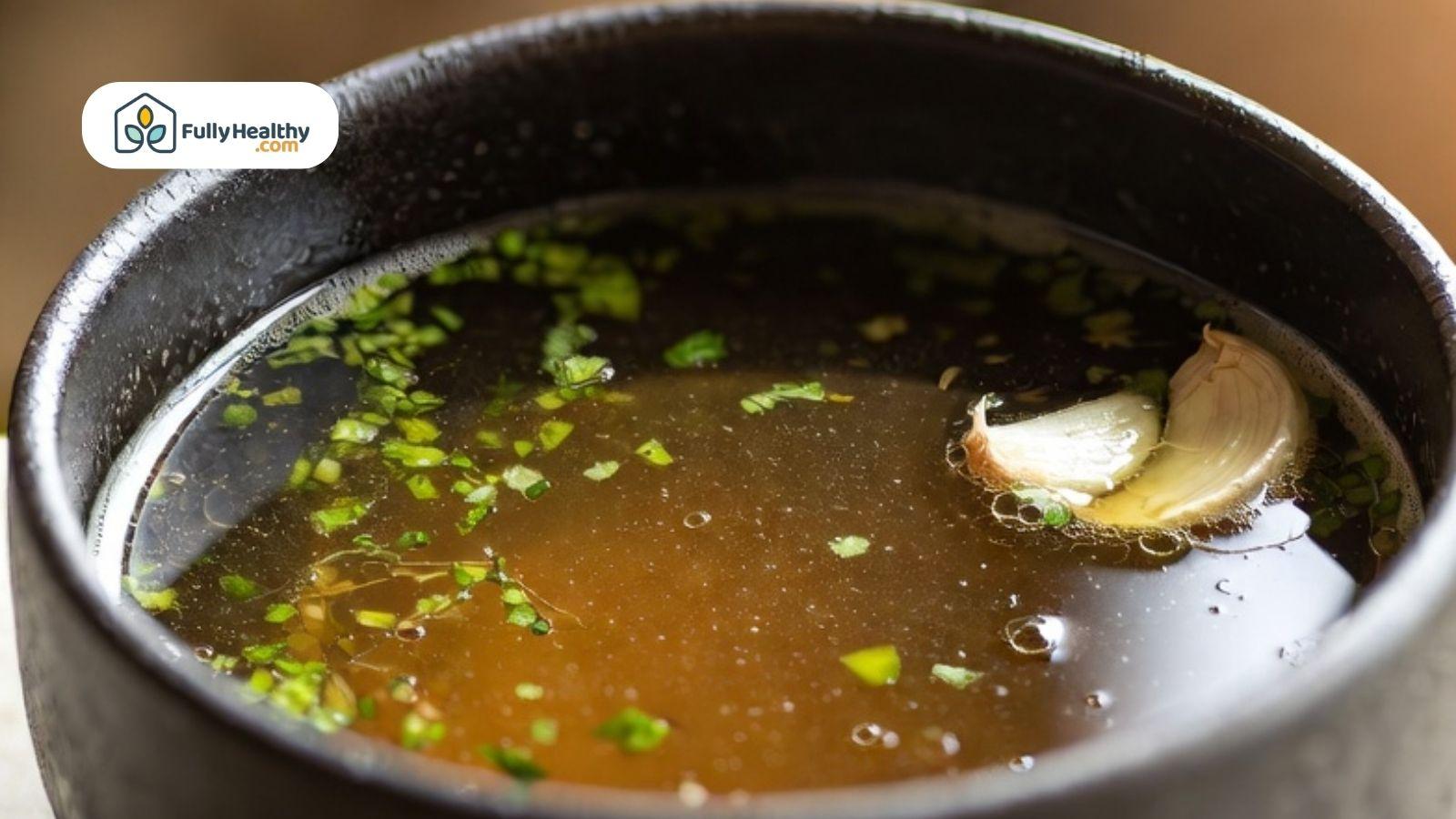
Bone broth stands out from regular broth because of its depth, texture, and slow cooking process that extracts more from bones and connective tissues. Though commercial versions may vary in composition and extraction depending on processing methods.
Flavor Profile, Texture, And Aroma
The taste of bone broth is savory and has a clear umami flavor, which means a deep, meaty richness that is satisfying without being too salty. The broth has a mild flavor and a velvety texture from the collagen protein that is released when the bones simmer for a long time.
-
Umami Flavor: The bone broth flavor delivers a savory, full-bodied taste that feels richer than chicken broth or soup stock.
-
Velvety Texture: Texture matters because collagen and connective tissues create a smooth, slightly thick consistency.
-
Mild Flavor: The taste starts light, then builds gradually, making it easier to enjoy bone broth daily.
-
Aroma: Garlic, celery, and organic vegetables add natural flavors during the cooking process.
-
Bone Type: Beef bone broth tastes deeper and richer, while chicken bone broth has a lighter, cleaner broth taste.
How It Differs From Regular Broth Or Stock
Bone broth taste like a thicker and more balanced version of regular broth because simmering animal bones for longer extracts collagen, amino acids, and essential minerals. Unlike chicken stock or soup stock, bone broth may contain more protein per serving than some broths, but overall nutritional value varies widely.
-
Cooking Time: Bone broth uses longer simmer time, often 12 to 24 hours, compared to quick chicken stock.
-
Thickness: The broth becomes richer and slightly gelatinous due to collagen and simmering bones.
-
Flavor Build: Broth taste develops slowly instead of hitting the taste buds instantly like regular broth.
-
Protein Content: Bone broth provides extra protein and amino acids compared to standard broth.
-
Add Flavors: Salt, apple cider vinegar, lime juice, garlic, curry powder, and red pepper flakes help bone broth taste good.
How Often Should You Drink Bone Broth?
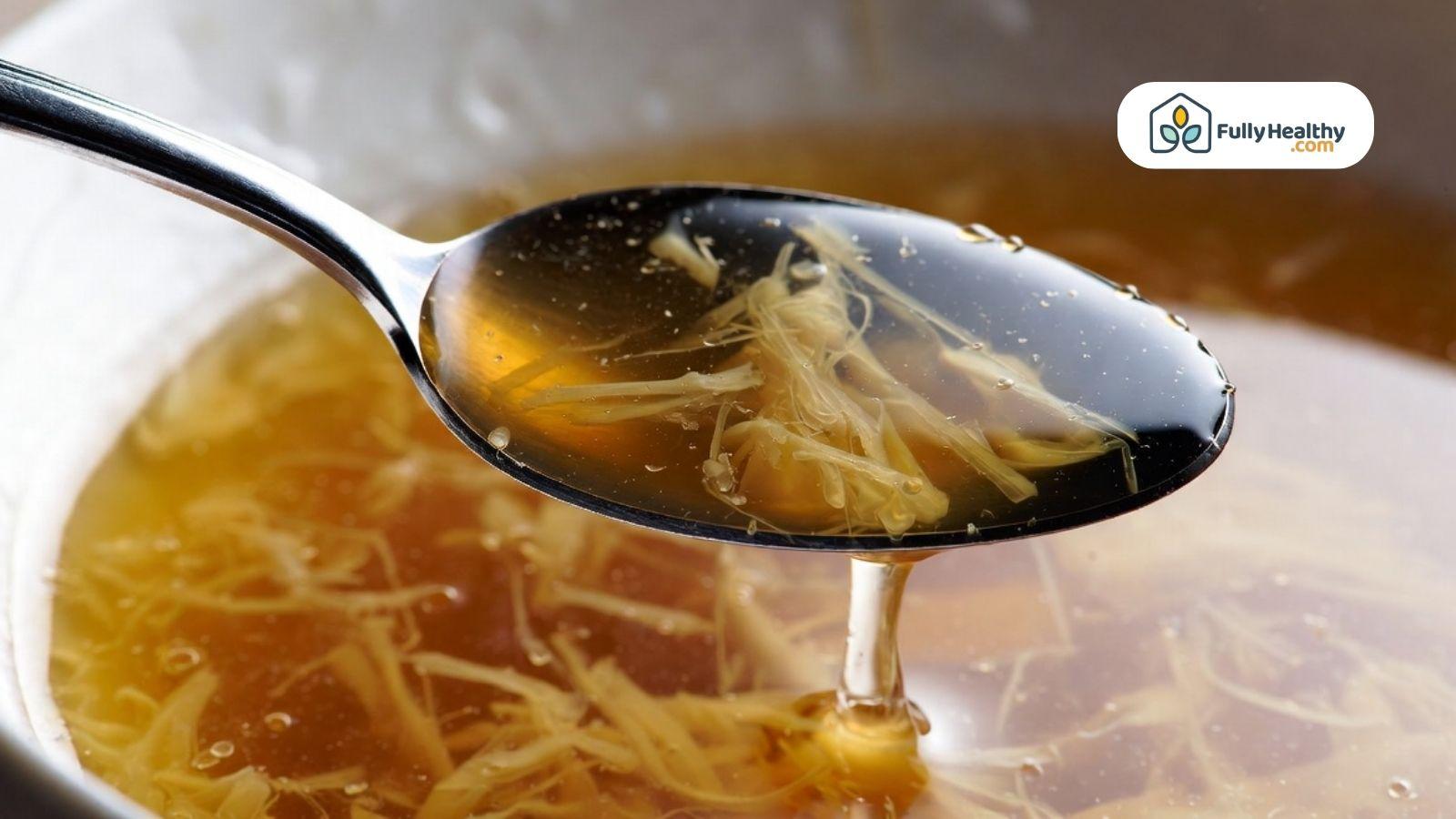
Bone broth can fit into a daily routine easily, but the amount depends on personal preference and how your body responds.
Daily Intake And Recommended Frequency
You can drink bone broth daily, with most guidance suggesting one cup to three cups for steady nutritional benefits and hydration. Consuming bone broth regularly supports protein content intake, but even a few times per week can still deliver health benefits.
-
One Cup: A simple starting point for people new to consuming bone broth.
-
Sip Daily: Drinking bone broth daily supports consistency and easier habit building.
-
Two Sips: Beginners can start small if the bone broth taste feels like an acquired taste.
-
Third Week: Gradually increase intake by the third week for better comfort and routine.
-
Health Benefits: Regular intake helps support hydration, amino acids, and essential minerals.
Best Times To Drink Bone Broth For Results
The best time to drink bone broth depends on your routine, but morning, between meals, and evening are common choices for ease and comfort. Many people enjoy bone broth as a warm alternative to black coffee or as a light addition to meals.
-
Morning: A warm cup feels gentle and easy compared to heavier drinks.
-
Between Meals: Helps manage hunger while adding extra protein without heavy calories.
-
Evening: A calming option that feels light and easy to digest.
-
Cooking Use: Use broth in mashed potatoes or soups for added flavor and nutritional value.
-
Powder Form: Convenient for busy schedules when cooking time is limited.
What To Eat With Bone Broth?
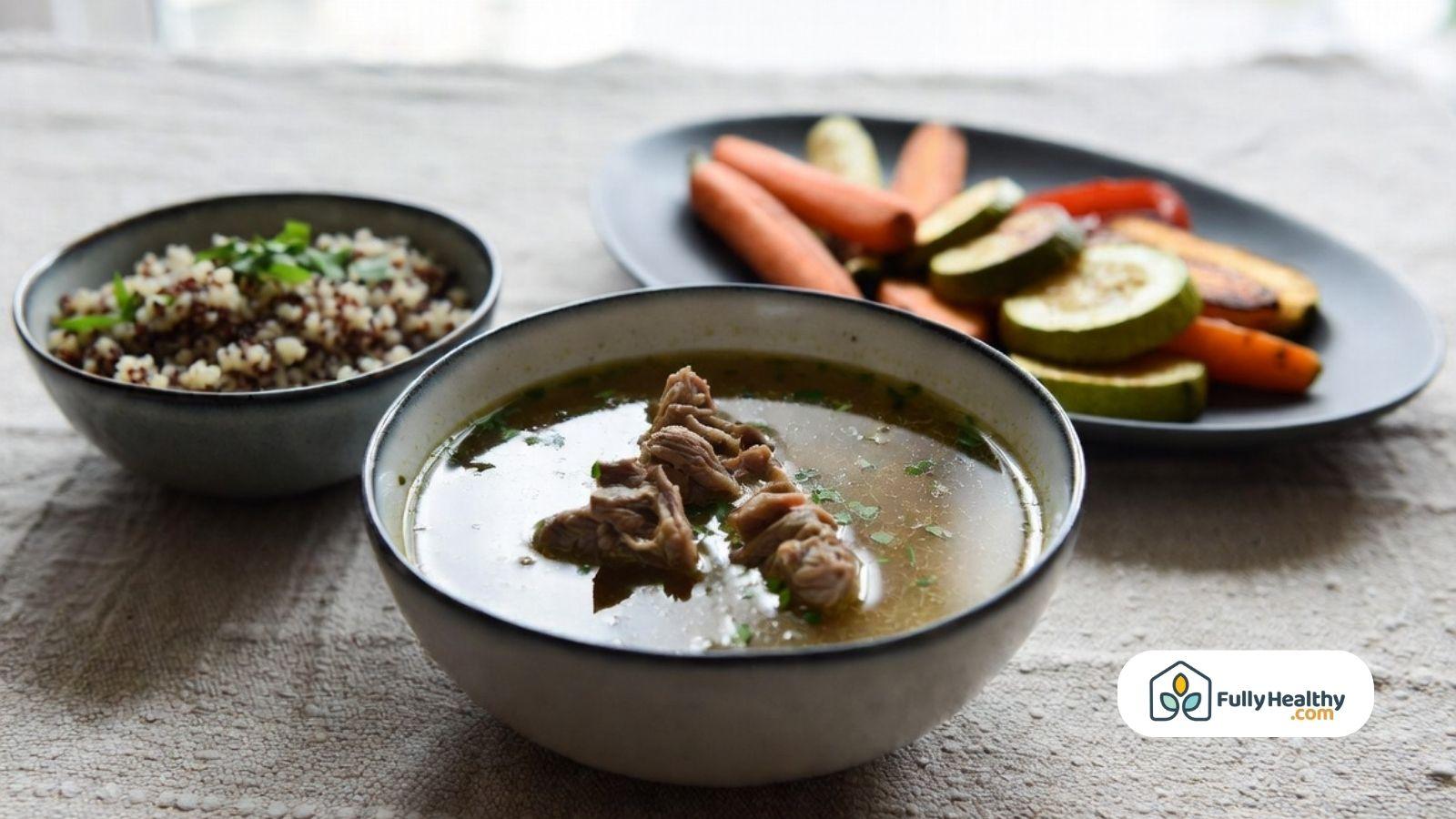
Bone broth works best when paired with whole, nutrient-dense foods that complement its mild flavor and enhance overall nutritional benefits.
Nutrient-Dense Foods That Pair Well
Bone broth pairs naturally with vegetables, proteins, and simple grains, making it a fantastic base for balanced meals. Adding organic ingredients improves both flavor and nutritional value while keeping meals simple and delicious.
-
Vegetables: Celery, carrots, kale, and other organic vegetables add texture and nutrients.
-
Chicken: Adding chicken turns broth into a more filling and satisfying meal.
-
Beef: Beef bone broth pairs well with heartier meals and deeper flavors.
-
Healthy Fats: Grass-fed butter or other healthy fats can add depth and richness.
-
Add Depth: Garlic, salt, apple cider vinegar, and lime juice enhance natural flavors.
Easy Ways To Turn Bone Broth Into A Meal
You can make bone broth more filling by combining it with protein, grains, and vegetables to create simple meals without long cooking time. Many favorite recipes use bone broth as a base for soups, grain bowls, and quick stovetop dishes.
-
Soups: Bone broth makes a fantastic base for soups with added vegetables and protein.
-
Chicken Broth Swap: Replace chicken broth with bone broth for extra protein and collagen.
-
Mashed Potatoes: Use broth instead of water or milk to boost flavor and nutritional value.
-
Curry Powder: Adds warmth and enhances the bone broth flavor quickly.
-
Red Pepper Flakes: Brings slight heat and balance to the broth taste.
What Happens When You Start Drinking Bone Broth?

Bone broth affects the body gradually, with early changes often related to hydration and digestion before longer-term nutritional benefits develop.
Short-Term Effects On Digestion And Hydration
When you drink bone broth, it gives your body amino acids, fluids, and minerals that it needs to digest food and stay hydrated. Bone broth makes it easier to consume nutrients without stressing the stomach, especially for people dealing with digestive issues.
-
Hydration: Bone broth provides fluids along with electrolytes, supporting daily hydration levels.
-
Amino Acids: Compounds like glutamine support gut lining and digestion.
-
Easy Digestion: The mild flavor and warm broth are easier on the stomach than heavier foods.
-
Taste Adjustment: Taste buds may need time to adapt if bone broth feels like an acquired taste.
-
Light Intake: Starting with small portions helps the body adjust to consuming bone broth regularly.
Long-Term Impact On Joints And Overall Health
When eaten with a balanced diet, bone broth may help your joints, skin, and overall health over time by increasing your collagen intake. While results vary, consistent use contributes to overall nutritional value and health benefits without replacing whole foods.
-
Collagen Support: Collagen protein supports joints, connective tissues, and overall structure.
-
Joint Health: Long-term use may support flexibility and comfort when combined with proper nutrition.
-
Nutritional Value: Bone broth delivers essential minerals and extra protein in a simple form.
-
Health Benefits: Regular intake supports overall wellness without acting as a complete solution.
-
All The Benefits: Best results come from pairing bone broth with balanced meals and lifestyle habits.
About FullyHealthy
FullyHealthy focuses on clean, simple products that support dietary needs while offering variety across different bone broth types.
What FullyHealthy Offers For Clean Nutrition
FullyHealthy provides bone broth products made with organic ingredients, grass fed sources, and clean labels designed for people focused on nutritional benefits. The selection supports different preferences, including liquid broth and powder form options for convenience.
-
Organic Ingredients: Products use clean, simple ingredients without unnecessary additives.
-
Grass Fed: Options include grass fed beef bone broth for higher-quality sourcing.
-
Diet Friendly: Many products fit gluten-free and allergen-conscious needs.
-
Convenience: Powder form and ready-to-drink broth options support busy routines.
-
Clean Focus: Emphasis on natural flavors and straightforward nutritional value.
Featured Bone Broth Products Available
FullyHealthy carries a range of bone broth products that cover different flavors, formats, and use cases for daily routines. These include chicken bone broth, beef bone broth, and specialty blends designed for both sipping and cooking.
-
Epic Homestyle Savory Chicken Bone Broth: Light, savory chicken bone broth with a mild flavor and clean ingredients, ideal for daily sipping or adding to soups.
-
Bare Bones Instant Chicken Bone Broth: Convenient powder form made for quick preparation, offering a smooth broth taste with balanced protein content.
-
Bare Bones Instant Beef Bone Broth: Rich beef bone broth in instant format, delivering deeper flavor with added convenience for busy routines.
-
Kettle & Fire Gluten-Free Beef Bone Broth: Ready-to-drink beef bone broth made from grass fed beef, known for its robust flavor and smooth texture.
-
Epic Tuscan Style Chicken Bone Broth: A flavorful chicken bone broth with herbs and organic ingredients, adding more depth and variety to the broth flavor.
-
Kettle & Fire Organic Mushroom Chicken Bone Broth: A blend combining chicken bone broth with mushroom for a more complex umami flavor and added richness.
-
FOND Light Chicken Bone Broth: A lighter, clean-tasting broth option with a mild flavor, designed for easy daily use and simple recipes.
Final Thoughts
Bone broth delivers steady bone broth benefits through collagen, amino acids, and simple nutrition that fits daily routines. Many people start with bare bones broth or liquid options, then improve flavor by adding herbs for better taste and variety.
It can feel like an acquired taste at first, but consistency helps. Keep it simple, sip often, and adjust flavors to match your preference so you can enjoy bone broth in a way that works for you.
FAQs
Is bone broth an acquired taste?
Yes, bone broth can feel like an acquired taste at first, but the mild flavor and adding herbs can help your taste buds adjust over time.
How to eat bone broth if you hate it?
You can mix bare bones broth into soups, mashed potatoes, or add flavors like garlic and spices to improve bone broth benefits and taste.
Is it OK to drink bone broth every day?
Yes, many people drink bone broth daily to support bone broth benefits, hydration, and simple nutrition without making it their only food.
Does bone broth reduce belly fat?
Bone broth does not directly reduce belly fat, but it can support overall diet habits that contribute to bone broth benefits and balanced eating.
Can bone broth make you gassy?
Some people may feel mild digestive changes when starting bone broth, especially if consuming bone broth quickly, but it usually improves with time.
Leave a comment