

What Does GMO Stand For? The Facts Behind Your Food
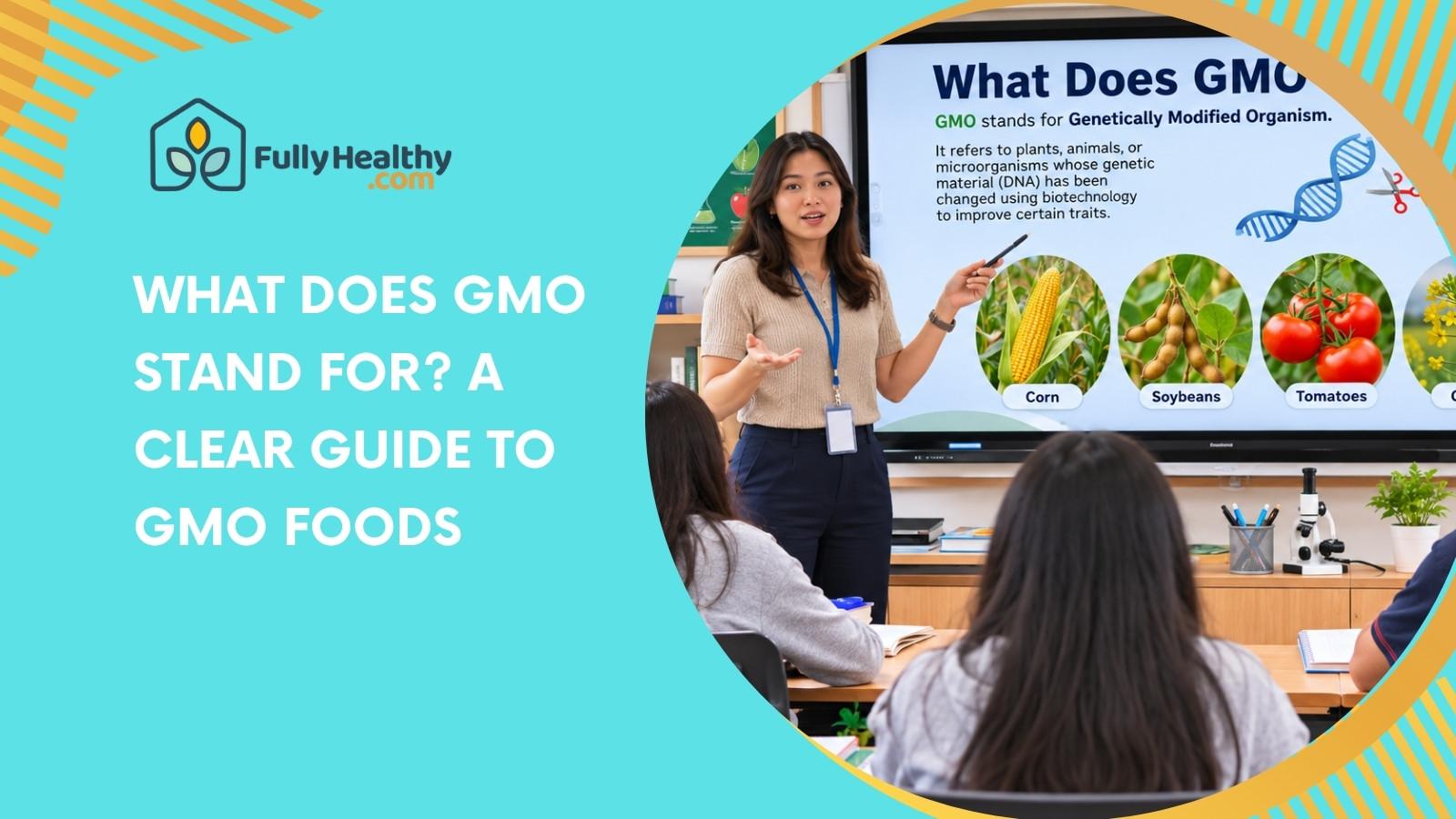
What does GMO stand for? It means genetically modified organism. A GMO is a plant, animal, or microbe whose DNA has been changed with genetic engineering. These changes can help crops resist pests, grow in tough conditions, or improve certain traits.
Still, people often ask about safety, health risks, labels, and how brands use GMO ingredients. This guide explains the facts, the benefits, the concerns, and what to look for when choosing food, both at stores and popular restaurants today.
What Does GMO Stand For?
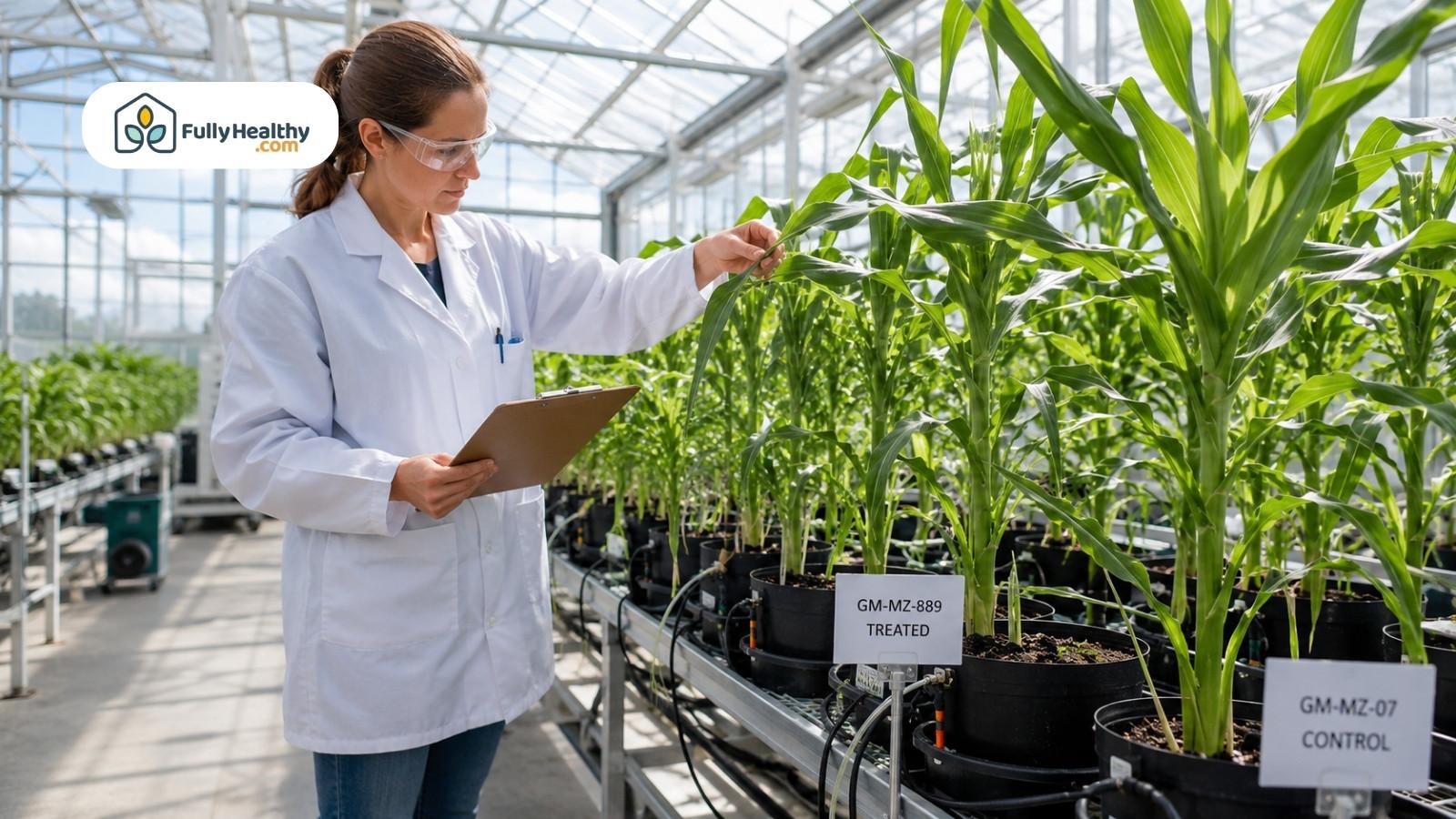
A GMO stands for genetically modified organism. It is a plant, animal, or microorganism whose genetic material has been changed through genetic modification. Scientists adjust genes in a laboratory. These changes can help crops resist disease, survive drought, or grow efficiently in modern food production.
How Is a Genetically Modified Organism Created?
Scientists change an organism’s genome by adding, removing, or adjusting genes. This process targets a specific trait.
-
Definition: GMO means genetically modified organism.
-
Process: Scientists change genetic material in a controlled laboratory.
-
Purpose: The goal may be disease resistance, drought tolerance, or better crop quality.
-
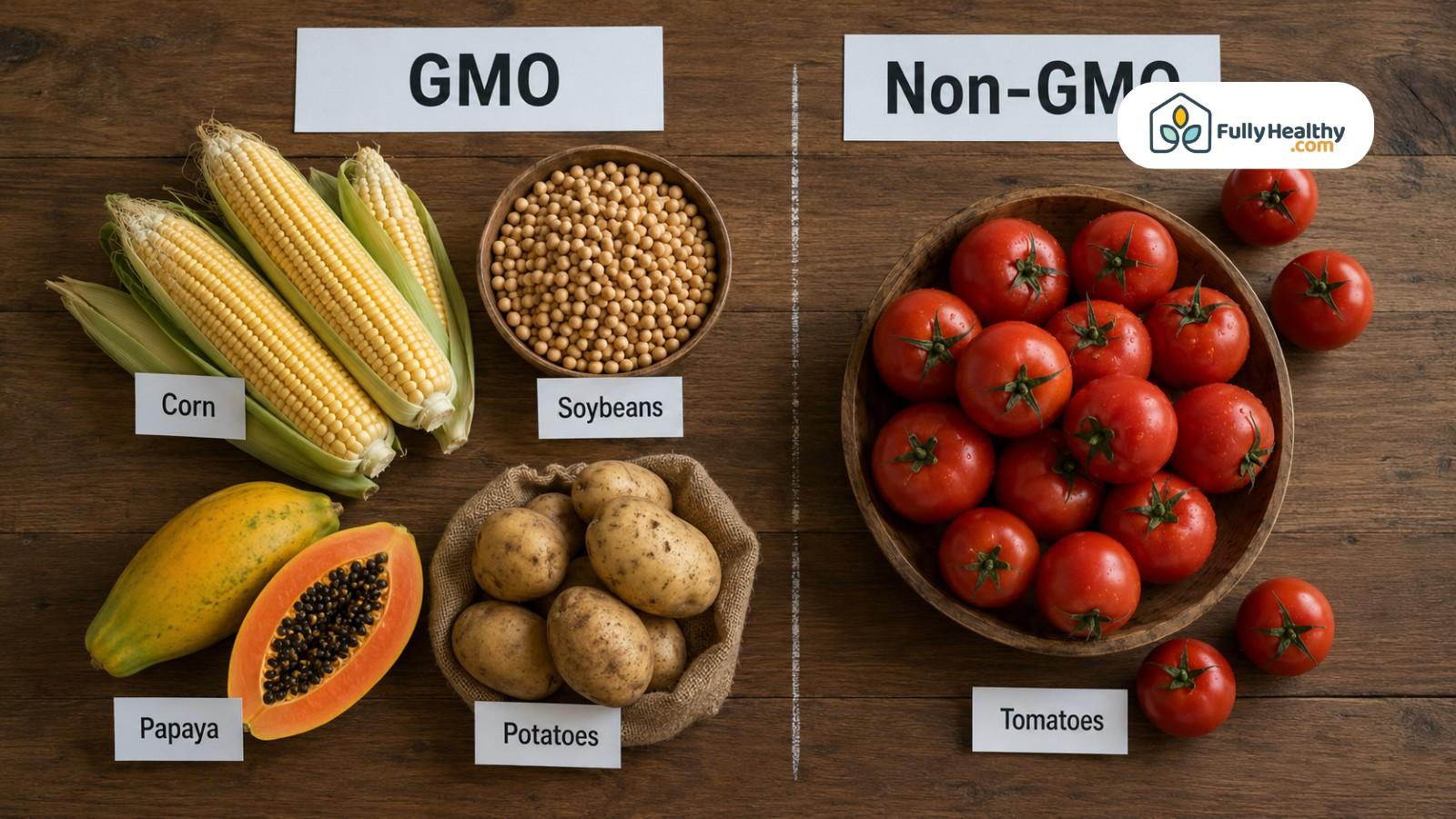
Examples: Common gmo crops include corn, soybeans, canola, sugar beets, alfalfa, papaya, potatoes, apples, and some summer squash.
How Is Genetic Engineering Different From Traditional Plant Breeding?
Traditional breeding combines plants with useful characteristics over many generations. Genetic engineering changes genes more directly. Some call this unnatural; others see it as practical science.
-
Traditional breeding: Farmers cross compatible plants and select the best results.
-
Genetic engineering: Scientists make targeted changes to the genome.
-
Main difference: One method relies on reproduction, while the other directly changes genetic material.
-
Labeling: Organic standards usually exclude GMO ingredients, while non-GMO labels help shoppers identify verified products.
Are GMOs Good or Bad?
GMOs are not simply good or bad. Approved GMO foods are generally considered safe, but concerns remain about pesticides and environmental effects. The answer depends on the crop, its trait, and how it is grown.
What Benefits Have Scientists Found in GMO Crops?
Many gmo crops were created to solve farming problems. Some are resistant to insects or disease, while others handle drought. Scientists have also developed plant based foods with improved traits.
-
Crop protection: Some plants resist insects, which may reduce certain pesticide use.
-
Better harvests: Drought-tolerant crops may help farmers protect yields.
-
Improved traits: Some crops are designed for better nutrition, quality, or storage.
-
Food supply: Higher yields may produce more food from the same land.
What Concerns Continue to Be Debated About GMOs?
Experts still study environmental and farming concerns. Most debate focuses on how GMO crops are used. Herbicide use, biodiversity, and long-term effects remain important topics.
-
Pesticides: Some GMO systems may reduce insecticides but increase reliance on certain herbicides.
-
Environment: Gene flow may affect nearby crops or wild plants.
-
Health: Current evidence does not show that approved GMO foods are harmful to consume.
-
Choice: Some shoppers prefer organic or non GMO products for personal reasons.
Is McDonald’s GMO?
McDonald’s ingredients vary by country. Its suppliers, sourcing rules, and food laws vary by region. One country’s policy should not be treated as a global rule.
Does McDonald’s Use GMO Ingredients or Applied Genetic Modification in Every Country?
The answer can vary by market. Corn, canola, soybeans, meat, seafood, fruit, and plant based items may come from different suppliers. Local laws also affect labeling and ingredient approval.
-
Regional sourcing: Suppliers and ingredients differ by country.
-
Food rules: Each market follows its own regulations.
-
Menu differences: The same product may use a different form or recipe elsewhere.
-
Best source: Check the official McDonald’s website for your country.
Why Do Restaurant GMO Policies Vary Around the World?
Large restaurant chains depend on local farms, processors, and distributors. Consumer demand, crop supply, and government rules shape ingredient choices. This makes it hard to say that one GMO policy applies virtually everywhere.
-
Supply chains: Local producers may use different crops and farming methods.
-
Regulations: National laws affect labeling and sourcing.
-
Consumer demand: Interest in organic and non-GMO foods varies by region.
-
Accuracy: Use current local company statements before drawing conclusions.
What Are 5 Risks of GMOs?
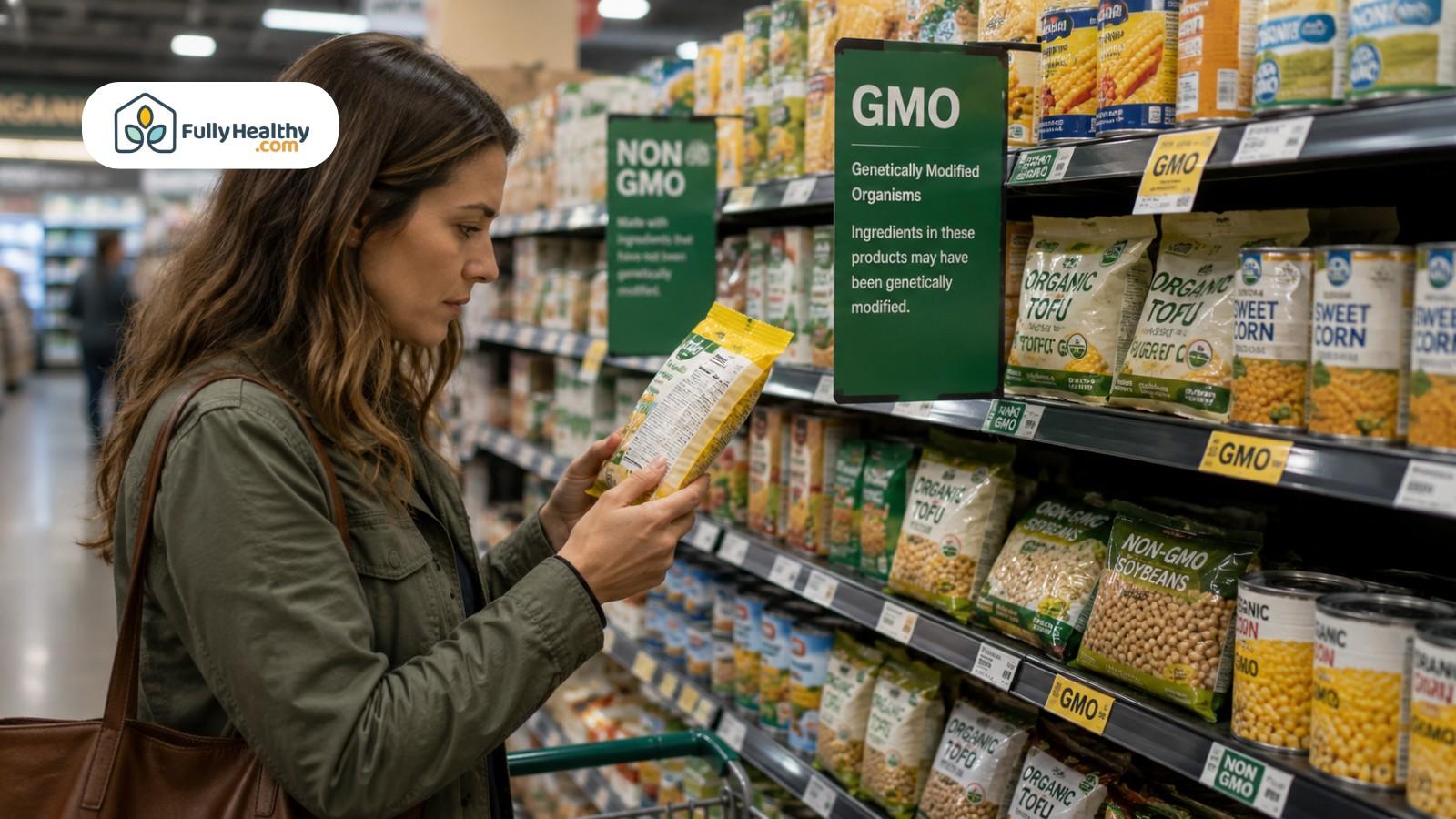
Approved GMO foods are generally considered safe for eating, but researchers still study their long-term impacts. Many concerns involve farming practices, not the food itself. Evidence helps readers separate facts from claims.
Which Potential GMO Risks Are Supported by Current Research?
Current evidence does not show that approved GMO foods harm human health, but several possible risks deserve attention.
-
Allergic reactions: An altered gene could introduce an allergen, so new products must meet safety checks.
-
Gene flow: Modified genes may spread to nearby crops or natural plant populations.
-
Farming impacts: Crops such as cotton may be changed to achieve specific goals, but the results depend on how farmers use them.
-
Biodiversity concerns: Heavy reliance on one kind of crop may reduce variety and affect nearby species.
Which GMO Concerns Remain Theoretical Rather Than Proven?
Some GMO claims sound alarming, but strong evidence does not support them. Older ideas may be revised or deleted when better research appears. The best way to judge risk is to compare each claim with current science.
-
Cancer claims: Research does not show that approved GMO foods cause cancer.
-
DNA concerns: Eating GMO foods does not change a person’s DNA.
-
Antibiotic resistance: This remains a theoretical concern linked to older methods, not a proven result of eating GMO food.
-
Ongoing study: Scientists continue to learn as technology changes over the years.
How Can FullyHealthy Help You Find Specialty Foods?
FullyHealthy offers a practical solution for people who need specialty foods. The site supports AIP, gluten-free, and allergen-conscious shoppers by grouping products in one place. This can reduce the time spent checking labels.
How Does FullyHealthy Make Shopping Easier for Specialty Diets?
The website organizes products by diet, category, and AIP stage. This gives shoppers a clear way to find items that may meet their needs without searching through thousands of unrelated products.
-
Focused collections: Shoppers can browse AIP, gluten-free, snacks, breakfast, seasonings, and other sections.
-
Simple navigation: Clear categories help users find the right kind of product faster.
-
Label support: Product pages share ingredient and diet details when available.
-
Better decisions: Readers can learn about an item before adding it to their cart.
Which FullyHealthy Products From the References Can You Explore?
The references highlight three products sold through FullyHealthy. Jackson’s chips have verified product details, while the two Coyotas pages should be checked for current ingredients, claims, price, and stock.
-
Jackson’s Avocado Oil Sweet Potato Chips, 5 oz: Made with sweet potatoes, avocado oil, and sea salt and listed as Non-GMO Project Verified.
-
Coyotas Organic Cassava Tortillas, Large 9-Inch, 6 Count: A larger tortilla option included in the provided FullyHealthy references.
-
Coyotas Organic Cassava Tortillas, X-Large 12-Inch, 6 Count : An extra-large tortilla option included in the provided FullyHealthy references.
-
Shopping note: Check each product page before buying because ingredients, claims, prices, and availability may change.
Final Thoughts
Understanding what does gmo stand for helps you make better food choices based on facts instead of myths. A GMO is a genetically modified organism created using modern biotechnology to improve specific traits.
While research continues, approved GMO foods are considered safe by major health authorities. Whether you prefer GMO, non-GMO, or organic foods, reading labels and using reliable sources can help you decide what fits your needs.
Regulations may also differ by region, including the eu, so food labels and policies are not always the same everywhere. The most important thing is to stay informed, compare trustworthy information, and choose foods that match your health goals and personal preferences.
FAQs
Are GMO foods approved before they are sold?
Yes, in most case, GMO foods must meet safety requirements before they can be sold or consumed.
Why have I heard different opinions about GMOs?
You may have heard different views because research, regulations, and personal preferences are often discussed in different ways.
Are GMO rules the same in every country?
No, regulations vary by country, and the eu has its own rules for GMO approval and labeling.
Is there one thing I should check before buying food?
The best thing is to read the label, compare ingredients, and choose the option that matches your needs.
What is a great way to learn more about GMOs?
A great way is to read trusted scientific sources, keep an open thought, and order information from reliable health and government organizations.
Leave a comment