

What Does Hibiscus Taste Like? What Tea Drinkers Should Expect
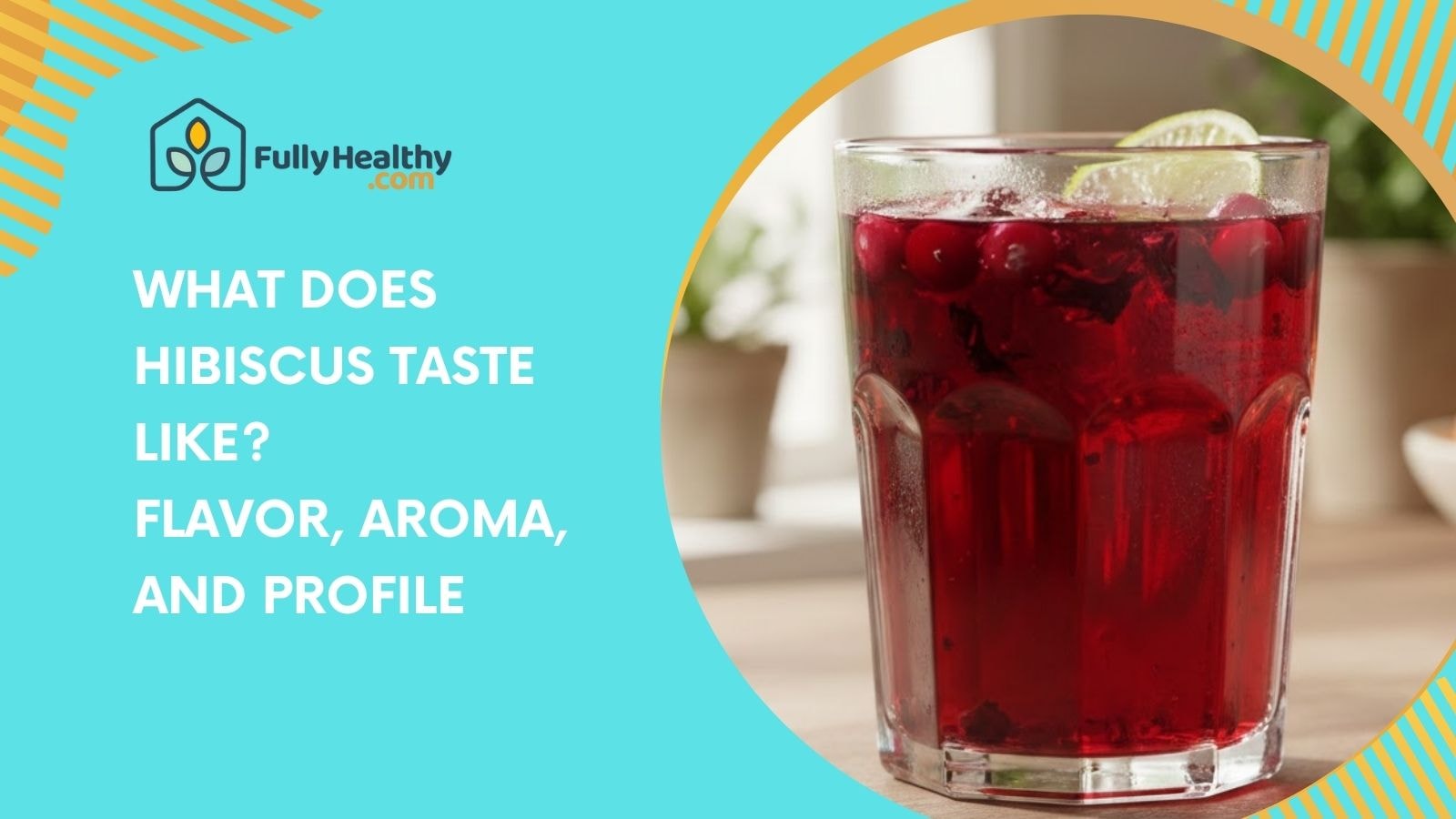
What does Hibiscus taste like? Hibiscus has a bold, tart flavor that many people compare to cranberry juice, balanced by light floral notes.
This article talks about what hibiscus tea tastes like, why it's called "sour tea," how brewing it changes the taste, what foods go well with it, and when you should not drink it. You will also learn how to use hibiscus in herbal teas and in your daily health and wellness routines.
🌺 Sip the Power of Hibiscus — Antioxidant-Rich & Naturally Refreshing!
How Do You Describe the Taste of Hibiscus?
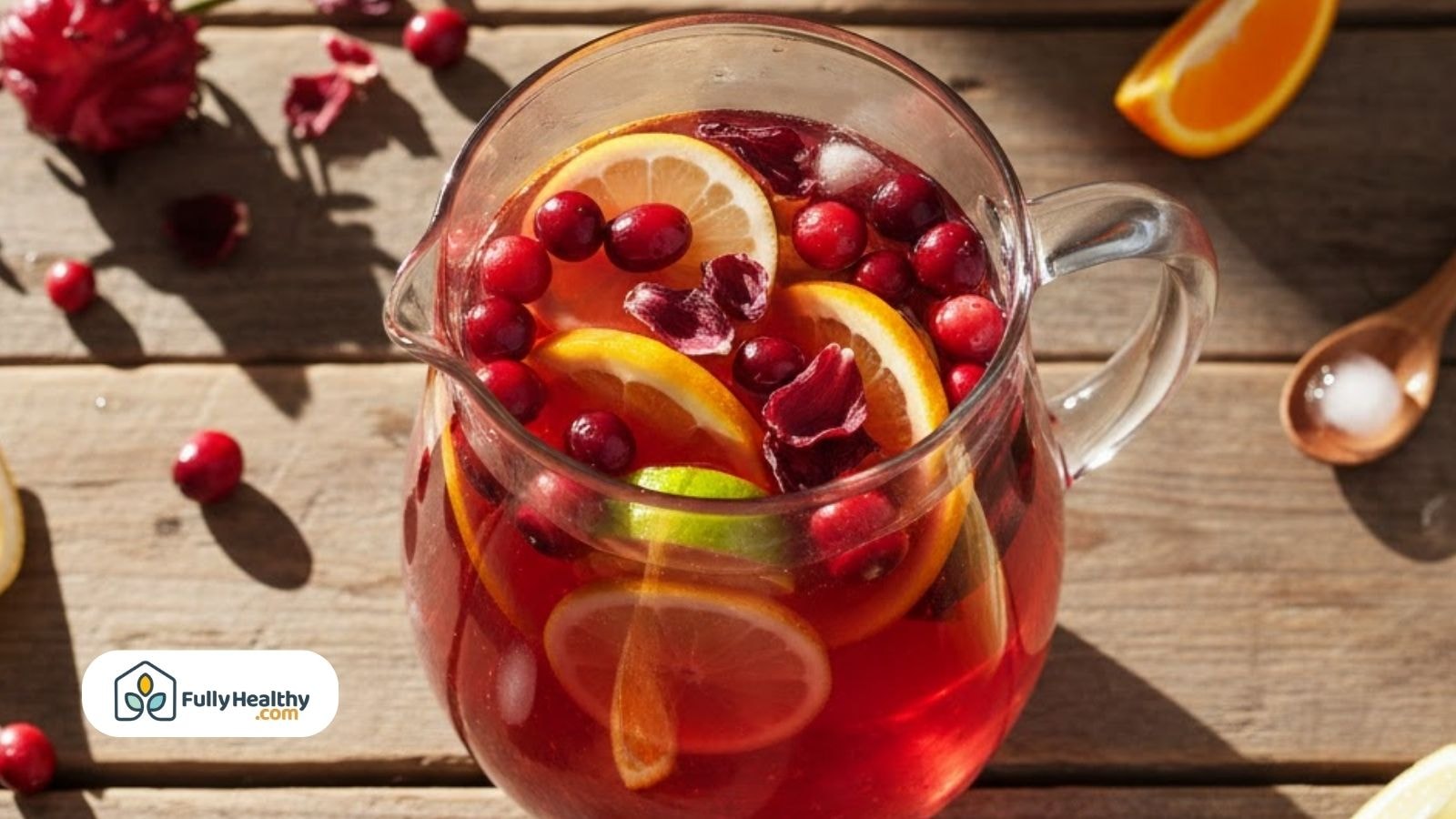
Hibiscus is known for a bold sensory profile that stands apart from most herbal teas. Its flavor comes from compounds found in hibiscus sabdariffa and how dried hibiscus flowers release acids and aromatics during a herbal infusion.
Tartness And Acidity
Hibiscus tastes tart and sour, with a sharp acidity that is easy to recognize. When people ask what hibiscus tastes like, the simplest answer is that it has a strong, sour taste that comes from the plant acids that are released when you boil the flowers.
-
Tart profile: The sour taste comes from organic acids naturally present in hibiscus plants, giving the drink its crisp and lively character.
-
Sour tea reputation: Hibiscus tea is often called sour tea in many cultures because its acidity is stronger than most herbal teas.
-
Cranberry juice comparison: The hibiscus taste closely resembles cranberry juice due to its clean, puckering acidity without bitterness.
-
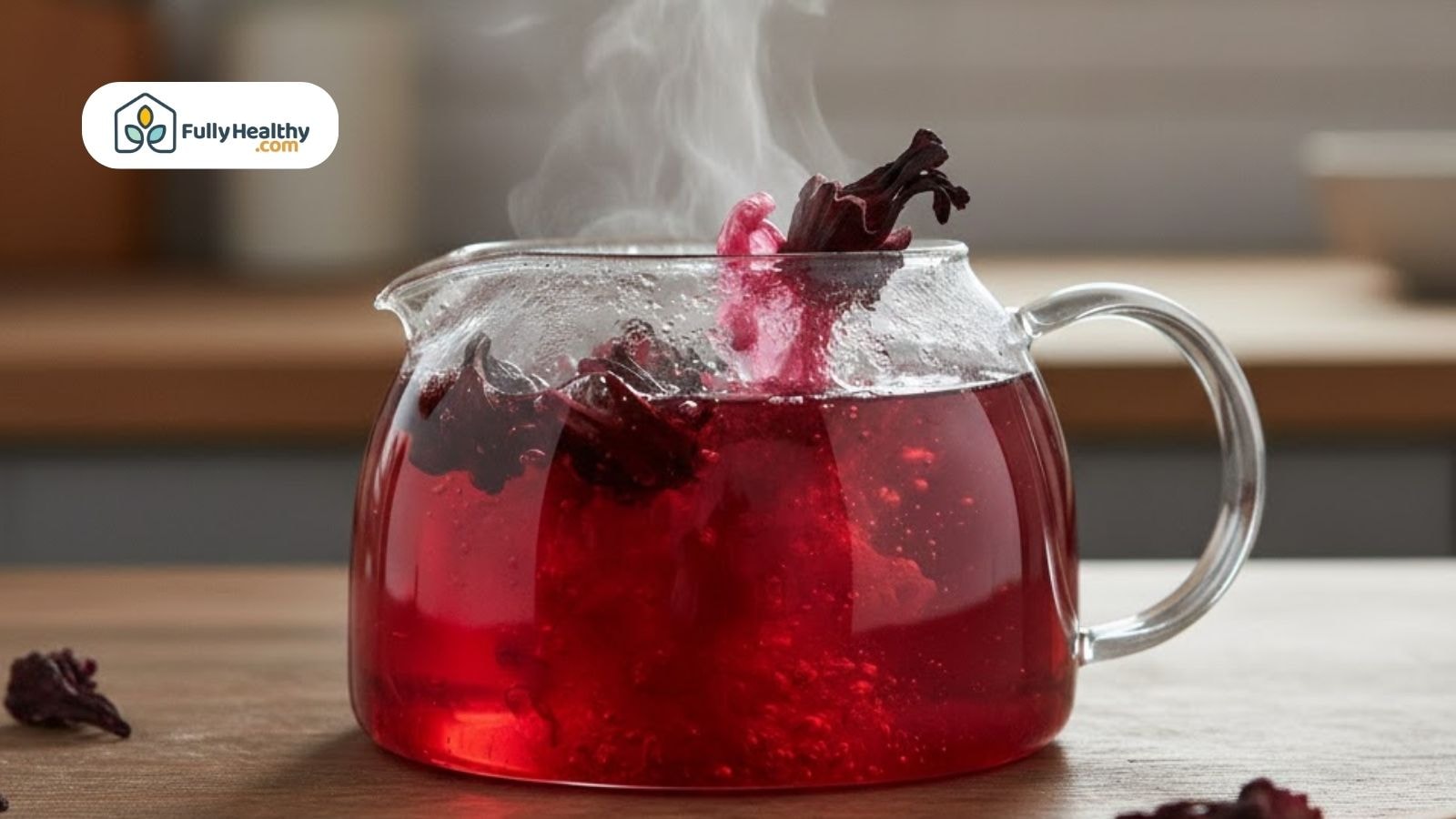
Deep red color: A darker infusion usually indicates a stronger, more acidic hibiscus tea taste.
-
Refreshing taste: The acidity creates a cooling sensation that feels refreshing hot or cold.
Floral And Fruity Balance
There are light floral and fruity notes in hibiscus that balance out its sourness without making it sweet. The floral notes help balance out the sour edge, making the hibiscus drink taste clean and refreshing instead of strong.
-
Floral notes: Natural aromatic compounds from hibiscus flowers add a gentle floral character that lifts the overall taste.
-
Floral undertones: These soft notes prevent the hibiscus tea taste from feeling harsh or flat.
-
Unique flavor: The mix of tart acidity and floral elements gives hibiscus a profile distinct from other herbal teas.
-
Refreshing finish: The balanced taste leaves the palate clean instead of heavy or cloying.
What Flavor Is Closest To Hibiscus?
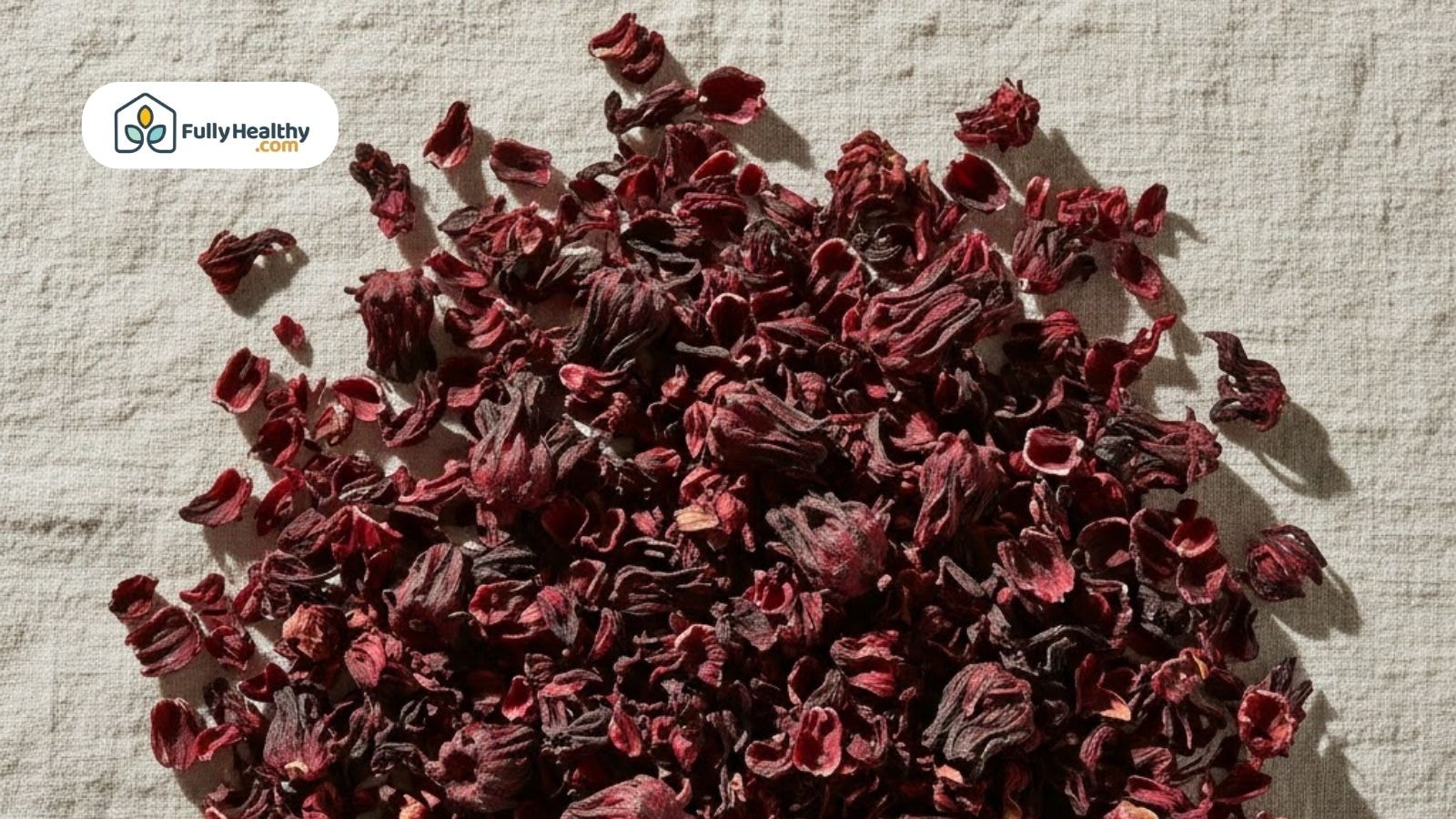
Many people understand hibiscus best by comparing it to familiar fruits. These comparisons help describe the hibiscus taste without technical language.
Cranberry And Sour Cherry Comparisons
Hibiscus is most often compared to cranberry juice because both share a sharp, tangy quality that feels clean and refreshing. The cranberry like flavor becomes especially noticeable when hibiscus tea is brewed strong using dried hibiscus flowers.
-
Cranberry similarity: Hibiscus mirrors cranberry in its tartness, offering a bright and puckering sensation on the taste buds.
-
Sour cherry notes: Some people notice a deeper, slightly fruity sourness similar to sour cherries.
-
Tart finish: The acidity lingers briefly, contributing to a refreshing aftertaste rather than heaviness.
-
Bitterness: Hibiscus is primarily tart, though certain phenolic compounds can introduce slight bitterness depending on concentration and steeping time.
Citrus And Pomegranate Similarities
Hibiscus can have a citrusy brightness or a pomegranate-like depth, depending on how strong it is brewed. Stronger infusions bring out the darker fruit tones, while lighter brews bring out the freshness of lemon.
-
Lemon brightness: Mild citrus notes appear when hibiscus tea is lightly steeped or diluted.
-
Pomegranate depth: Richer infusions bring out a fuller, darker fruit impression.
-
Hot or cold preparation: Temperature changes how acidity and fruit notes are perceived.
-
Vibrant color influence: The deep red hue often enhances expectations of bold flavor.
What Foods Pair Well With Hibiscus?
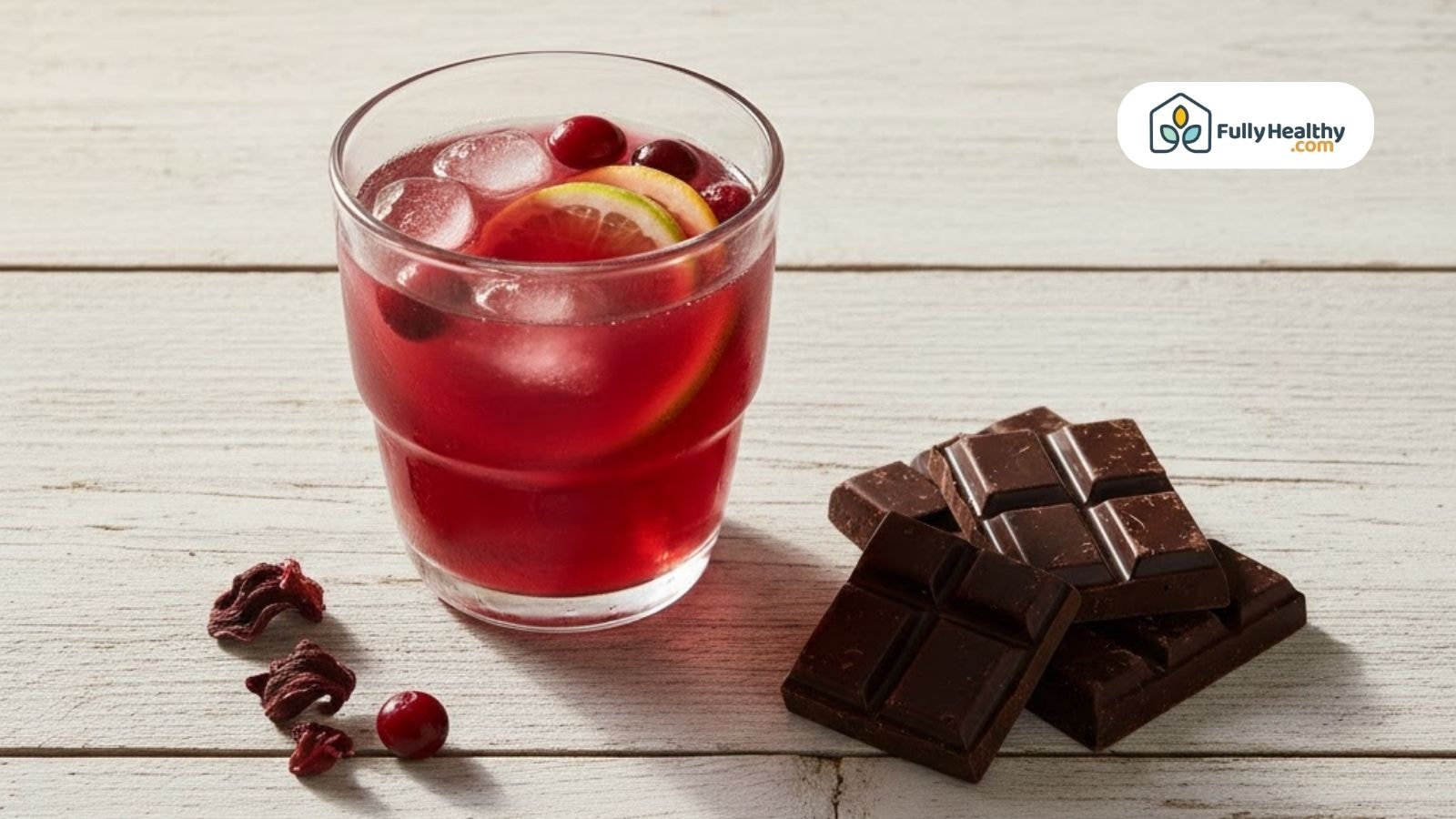
Hibiscus pairs easily with food because its acidity balances sweetness and richness. This versatility explains its presence in many cultures across central america, south america, and west africa.
Sweet And Fruit-Based Pairings
Foods that are sweet can help balance out the sour taste of hibiscus tea and bring out its refreshing qualities. Fruit-based desserts and simple sweets go well with the hibiscus flavor because they don't overpower the natural acidity.
-
Berries: Their natural sweetness complements the cranberry notes found in hibiscus drink.
-
Citrus desserts: Lemon and orange flavors echo the acidity while adding brightness.
-
Ice creams: Creamy textures contrast with sourness and soften the overall taste.
-
Adding sugar or honey: Sweeteners reduce sharpness and make hibiscus more approachable.
Savory And Spicy Pairings
Also, hibiscus goes well with savory and spicy foods because it makes your taste buds feel better between bites. Ginger and other ingredients make it warmer while still letting the hibiscus taste come through.
-
Ginger dishes: Ginger complements the tangy flavor and adds depth without overpowering the drink.
-
Spicy foods: Hibiscus helps cool the palate and reset taste buds after heat.
-
Mixed meals: The acidity cuts through rich or fatty dishes effectively.
-
Herbal teas pairing: Hibiscus works alongside other herbal infusion flavors without clashing.
What Not To Mix Hibiscus Tea With?
Hibiscus tea has potential health benefits, but it is not suitable in every situation. Because hibiscus extract can influence how the body processes fluids and blood pressure, certain combinations should be approached with care.
Medication Interactions
Some medicines, especially those for blood sugar and blood pressure, may not work as well after drinking hibiscus tea. If a person regularly drinks hibiscus tea, they should be careful if they are also taking medicines or treatments that lower blood pressure.
-
Blood pressure medications: Hibiscus may lower blood pressure further, which can increase the risk of dizziness or fatigue.
-
High blood pressure management: Combining hibiscus with prescribed treatment may intensify effects beyond the intended range.
-
Diuretics: Hibiscus has mild diuretic properties that may amplify fluid loss when mixed with similar medications.
-
Healthcare provider guidance: A healthcare provider should be consulted before regular use if medication is involved.
Sensitive Health Conditions
Certain groups should avoid hibiscus or use it only occasionally due to its physiological effects. This includes individuals managing low blood pressure, pregnancy, or specific heart-related concerns.
-
Pregnant women: Hibiscus has a long history in folk medicine, but it is not recommended during pregnancy due to limited safety data.
-
Low blood pressure: Hibiscus may lower blood pressure further, leading to lightheadedness.
-
Heart health considerations: People managing heart disease should monitor intake carefully.
-
Avoid hibiscus: Individuals advised to restrict acidic drinks may need alternatives.
FullyHealthy And Its Commitment To Specialized Diets
FullyHealthy focuses on providing food and beverage options that align with specialized dietary needs. The online store emphasizes ingredient transparency, careful sourcing, and accessibility for people managing chronic conditions or prioritizing well being.
About FullyHealthy
FullyHealthy helps people who are looking for clean-label products that are common in special diets. The platform shows products that can be used in wellness-focused routines and don't have any extra ingredients that aren't needed.
-
Ingredient transparency: Products clearly list components for informed choices.
-
Specialized diets: Supports needs related to autoimmune protocols and sensitivities.
-
Well being focus: Encourages mindful consumption across many cultures.
-
Commonly found ingredients: Offers recognizable, straightforward options.
Featured Hibiscus And Herbal Teas
FullyHealthy offers hibiscus tea and other herbal teas that align with its dietary standards. With these options, people can drink hibiscus tea along with ginger, chamomile, and dandelion blends, among others.
-
Traditional Medicinals Organic Hibiscus Tea: Made from dried hibiscus flowers, this tea delivers a deep red infusion with a tangy flavor and refreshing taste that works well hot or cold.
-
Truly AIP Herbal Anti-Inflammatory Tea Blend: A carefully selected blend designed to support well being with herbs commonly used for anti inflammatory properties.
-
Traditional Medicinals Organic Dandelion Leaf And Root Tea: A caffeine-free option traditionally used to aid digestion and support balanced routines.
-
Truly AIP Ginger Turmeric Herbal Tea: Combines ginger and turmeric for a warming herbal tea that fits well into daily wellness habits.
-
Traditional Medicinals Organic Ginger Chamomile Tea: A soothing blend that balances gentle ginger with calming chamomile for relaxed enjoyment.
Final Thoughts
Hibiscus is unique because it tastes sour and floral, and people from Southeast Asia to the Americas use it in many ways. Some people like their hibiscus tea hot, while others like it cold because the flavor is just right, sour and refreshing.
Many people add hibiscus flowers or use dried flowers to get vitamin C and the health benefits of hibiscus that may help with weight loss and cholesterol levels. You can try it hot or cold and see what works best for you.
FAQs
What Does Hibiscus Do To The Body?
Hibiscus may support health benefits of hibiscus such as vitamin C intake, potential benefits for cholesterol levels, weight management, weight loss, and overall balance when consumed as hot hibiscus tea or served chilled.
Does Hibiscus Taste Like Cranberry?
Yes, hibiscus has a tart flavor similar to cranberry, and many describe the taste as a perfect balance between sour fruit and floral notes when enjoyed hot or cold.
Does Hibiscus Taste Bitter?
No, hibiscus is tart rather than bitter, especially when you add hibiscus flowers or use dried flowers correctly in tea.
Can Hibiscus Tea Make You Dizzy?
Hibiscus tea can make some people dizzy because of its effects on blood pressure, especially if consumed as hot hibiscus tea in large amounts.
Can You Eat Hibiscus Raw?
Some hibiscus varieties are edible raw, but hibiscus is more commonly prepared as tea using dried flowers, a practice shared across many regions including Southeast Asia.
Leave a comment