

What Does Turmeric Taste Like? A Simple Guide for Food Lovers
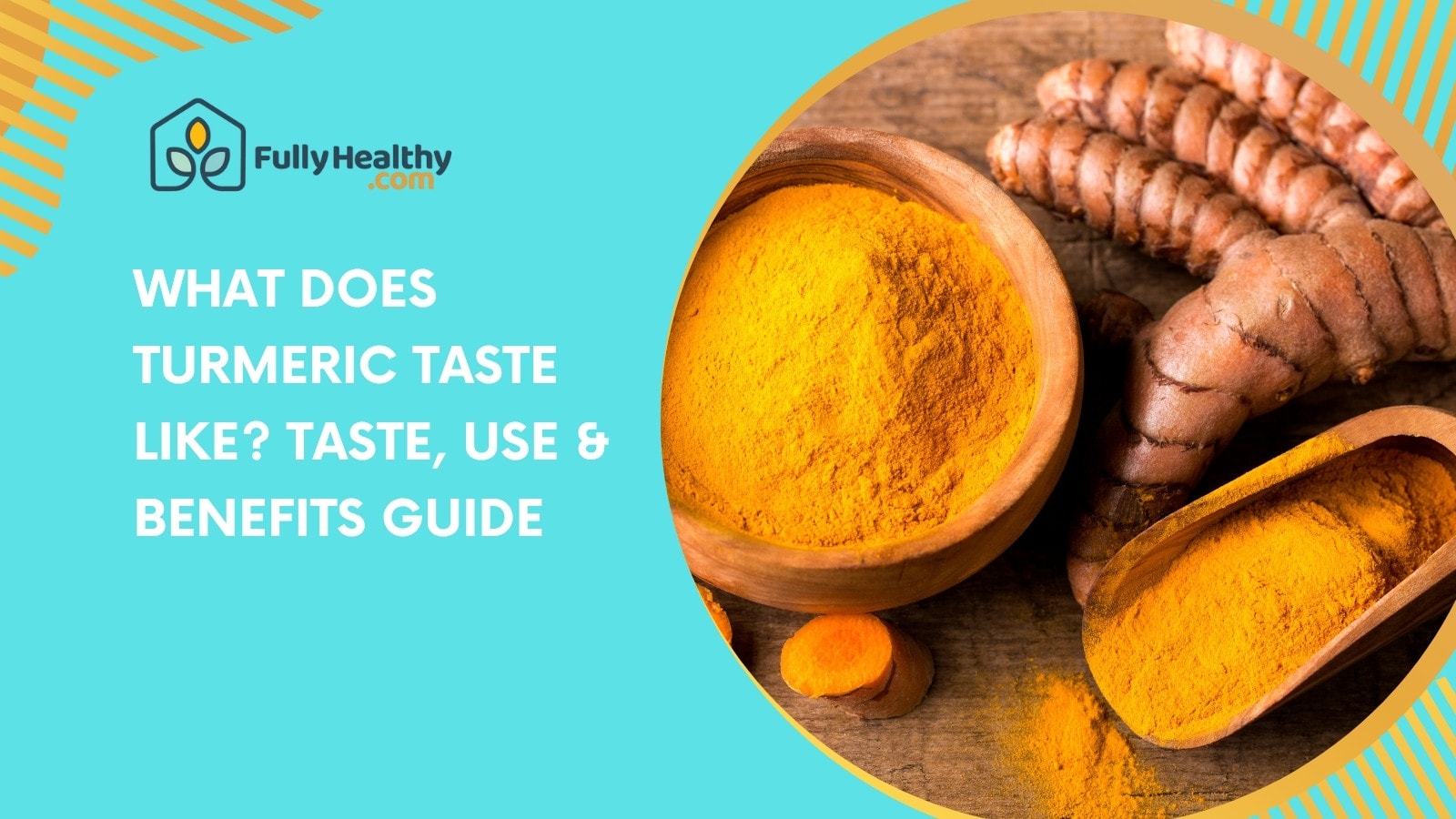 Photo Credit: Canva Pro
The taste of turmeric is earthy, slightly bitter, warm, and has hints of ginger and pepper. Some people compare it to mustard. Spices like this give food more flavor and color, especially in soups, curries, and teas.
However, it's not just about taste. This page tells you everything you need to know about turmeric, including what it tastes like and how to use it.
Featured Pantry Pick
Simply Organic // Ground Turmeric Root - 2.38 oz
Loading...
What Does Turmeric Taste Like?
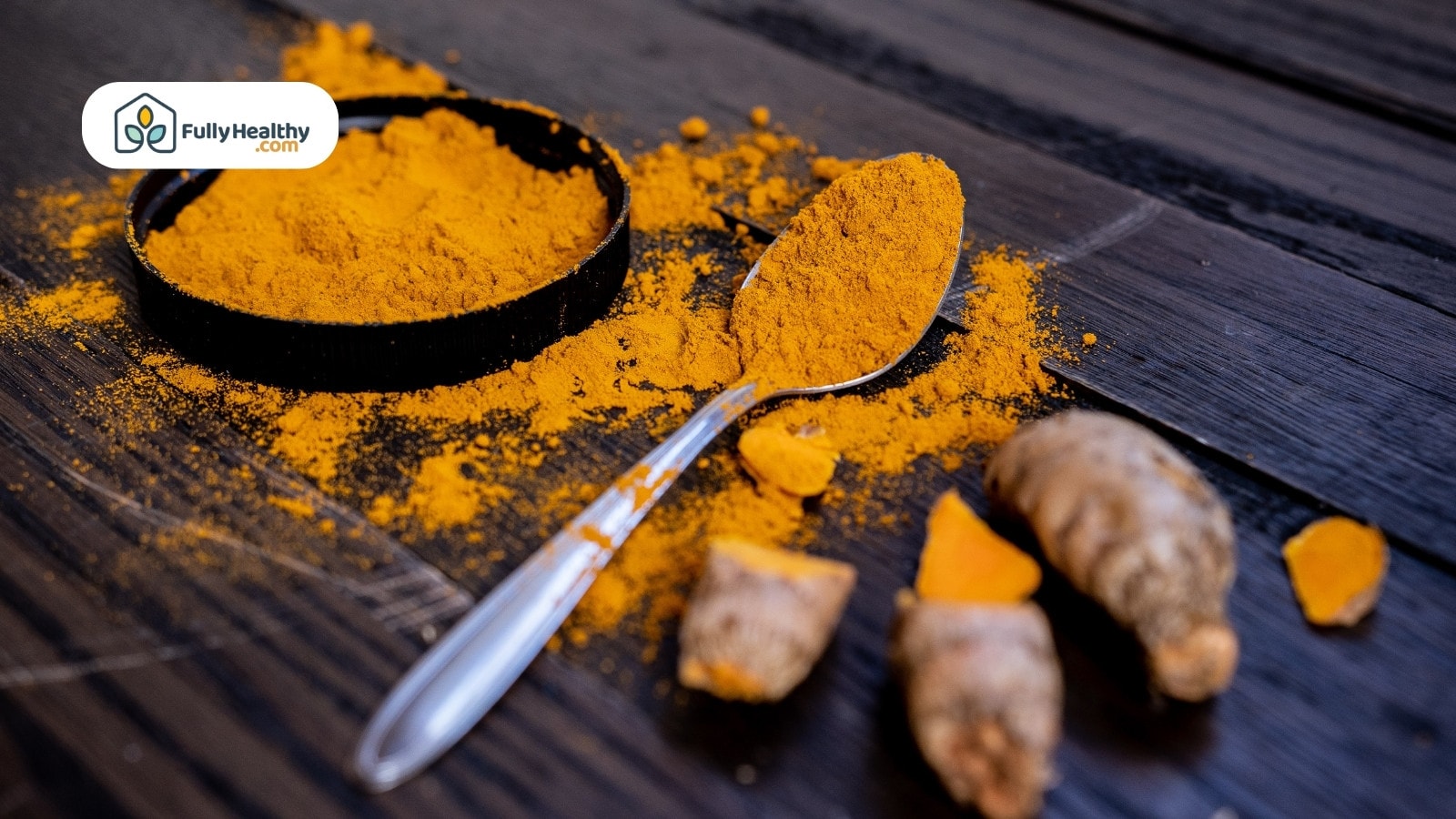 Photo Credit: Canva Pro
Turmeric has a unique taste that makes it stand out in many dishes. It tastes warm, earthy, and a little bitter, with hints of ginger and pepper. If you use fresh turmeric root or turmeric powder, it gives savory dishes more depth and gives your cooking a bold touch.
Turmeric’s Flavor Profile in Cooking
It is included in the ginger family and has been used since ancient times, especially in Southeast Asia and the Middle East. It's often used in meals and spice mixes because of its vibrant color and strong flavor.
-
Flavor notes: Earthy, slightly bitter, warm, with mild citrusy notes.
-
Tastes similar to: Ginger, cumin, mustard, and other spices like cinnamon.
-
Commonly used in: Rice dishes, curries, stews, and baked goods.
-
Found in: Many spice blends across Indian and Middle Eastern cuisines.
Comparing Fresh Turmeric and Powdered Turmeric
You can use turmeric either fresh or ground into a fine powder. You can taste the difference between the two, but they cook in different ways.
-
Fresh turmeric: Stronger, more pungent, with a sharper bite.
-
Powdered turmeric: Made from sun dried turmeric root, milder and easier to mix in many dishes.
-
Ground turmeric: Works best in soups, stews, and recipes needing even color.
-
Best paired with: Coconut milk and black pepper to enhance flavor and benefits.
What Is the Best Way to Eat Turmeric?
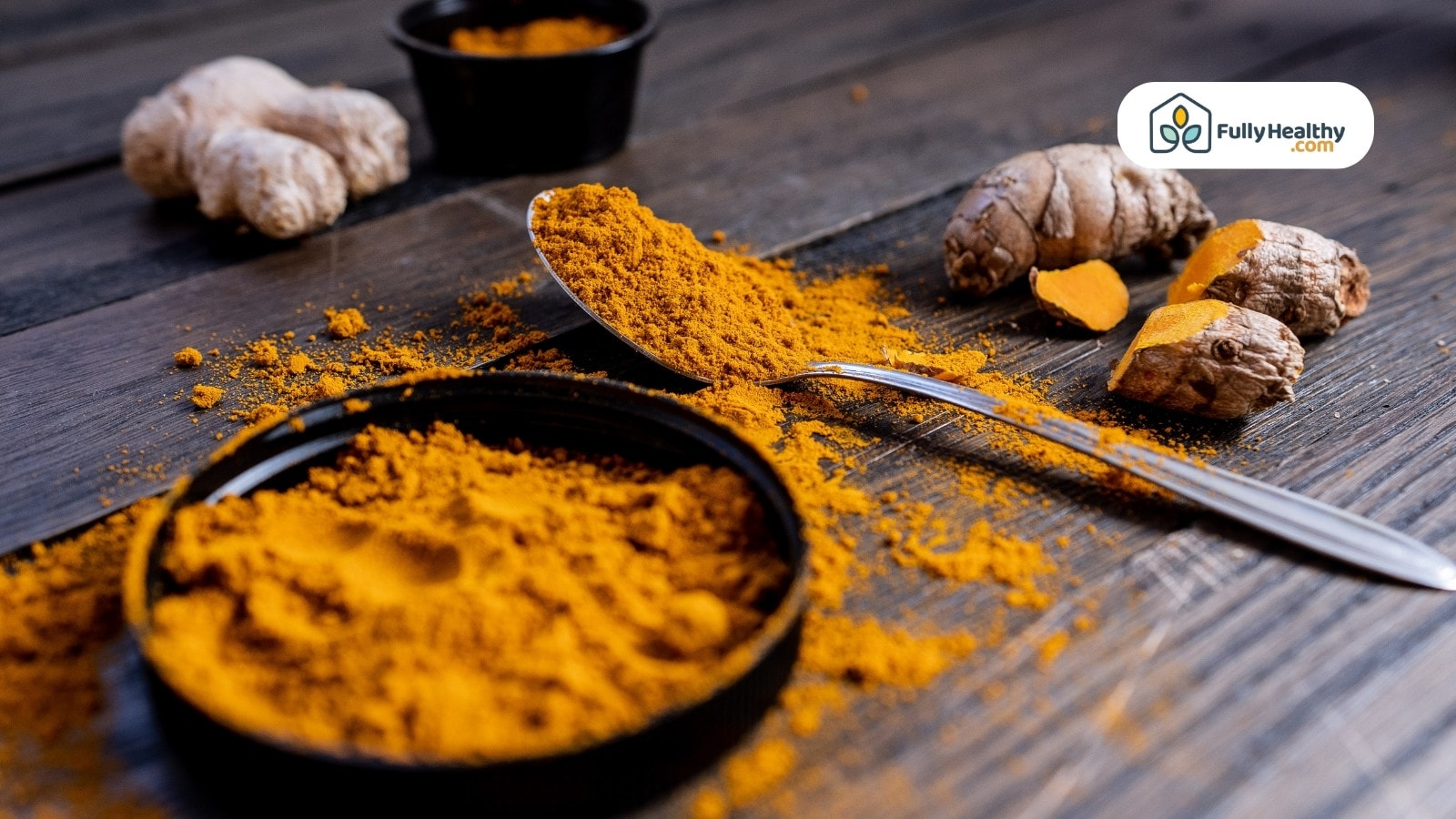 Photo Credit: Canva Pro
You can eat fresh turmeric, drink tea with turmeric, or use turmeric in powdered form. It goes well with both sweet and savory foods and drinks. It can help your health and make your food taste better if you use it the right way.
Using Turmeric in Cooking and Meals
It does more than just color food. Its strong flavor goes well with a lot of foods, especially ones that are spicy or creamy.
-
Great in: Rice dishes, roasted vegetables, smoothies, and golden milk.
-
Used with: Coconut milk in soups or sauces for a creamy texture.
-
Cooking tip: Add it early so the warm flavor blends well with other spices.
-
In baking: Pairs well with cinnamon in muffins or cookies for a bold twist.
How to Boost Turmeric’s Absorption
Curcumin, turmeric’s active compound, has low bioavailability. Combining it with black pepper (piperine) and fats helps improve absorption. Turmeric in food offers benefits, but some standardized curcumin supplements show higher absorption in clinical trials.
-
Black pepper: Contains piperine, which increases absorption by up to 2000%.
-
Healthy fats: Like coconut milk or olive oil help your body absorb curcumin.
-
Heat helps: Cooking turmeric activates its compounds for better benefits.
-
Whole foods first: Skip pills when possible and use turmeric root or powder in food.
What Does Turmeric Do to the Body?
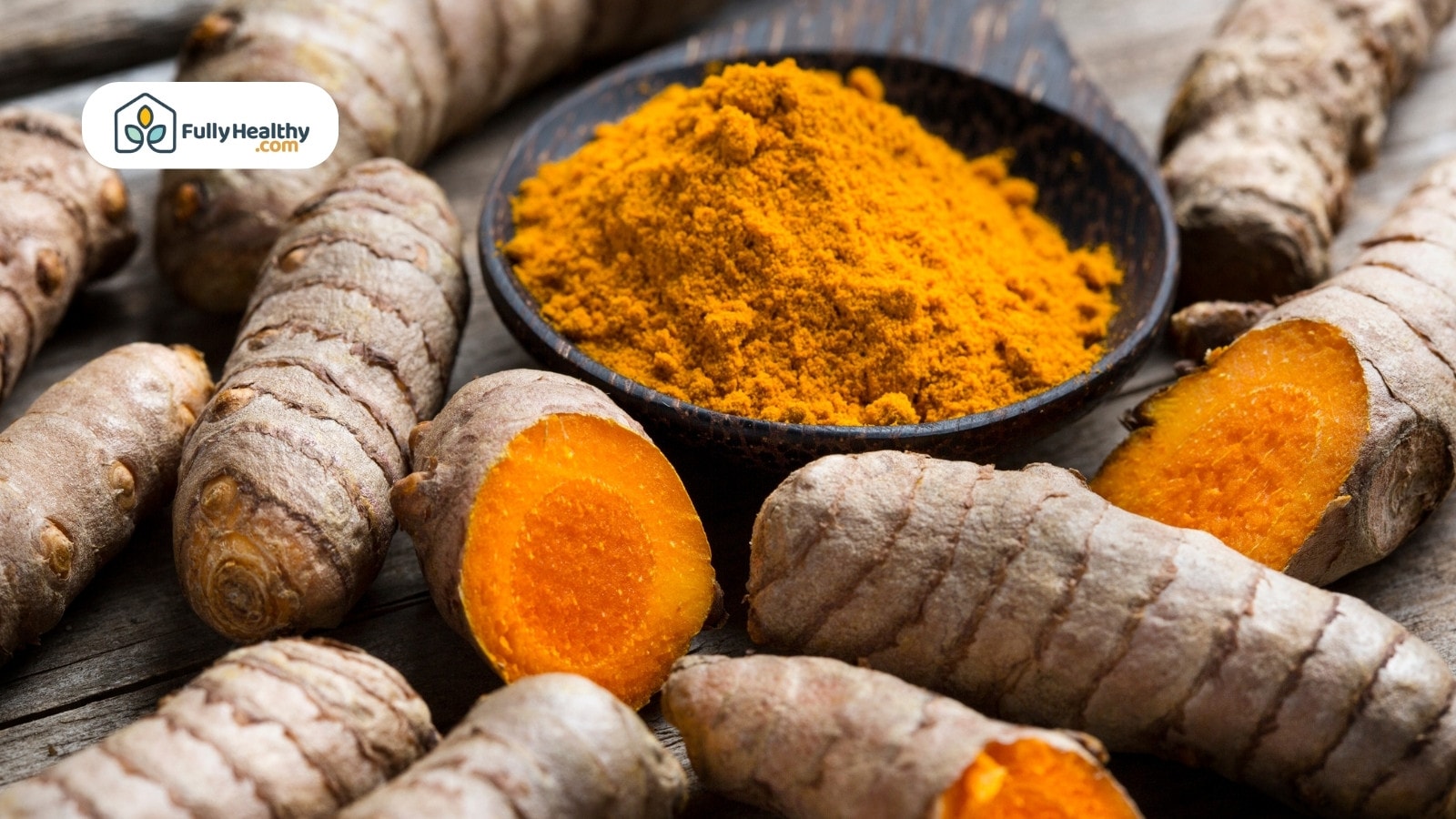 Photo Credit: Canva Pro
Turmeric is used in a lot of recipes, and people have known for hundreds of years that it includes potential health benefits. Curcumin is a well-researched antioxidant and anti-inflammatory, but more studies are needed to confirm its effectiveness in whole-food contexts.
Benefits Backed by Tradition and Science
In the Vedic culture and other traditions, turmeric was used to help people get better. Today, some of these claims are backed up by research, but more research is still needed.
-
Supports: Joint health, reduced inflammation, and digestion.
-
Rich in: Natural antioxidants that protect your body from damage.
-
May reduce: Early research suggests turmeric may support cardiovascular health and prevent heart disease, but larger clinical trials are needed.
-
Long used in: Herbal teas, salves, and food as a natural remedy.
What Research Says About Turmeric’s Effects
Turmeric is helpful, but it's not a miracle cure. It works best when eaten in moderation and along with other healthy habits.
-
Promising results: In areas like arthritis, brain health, and mood.
-
More research needed: Especially on long-term benefits and dosage.
-
Use whole food forms: Like turmeric root or ground turmeric in recipes.
-
Avoid high-dose pills: They may interact with medications or cause side effects.
Does Turmeric Change the Taste of Food?
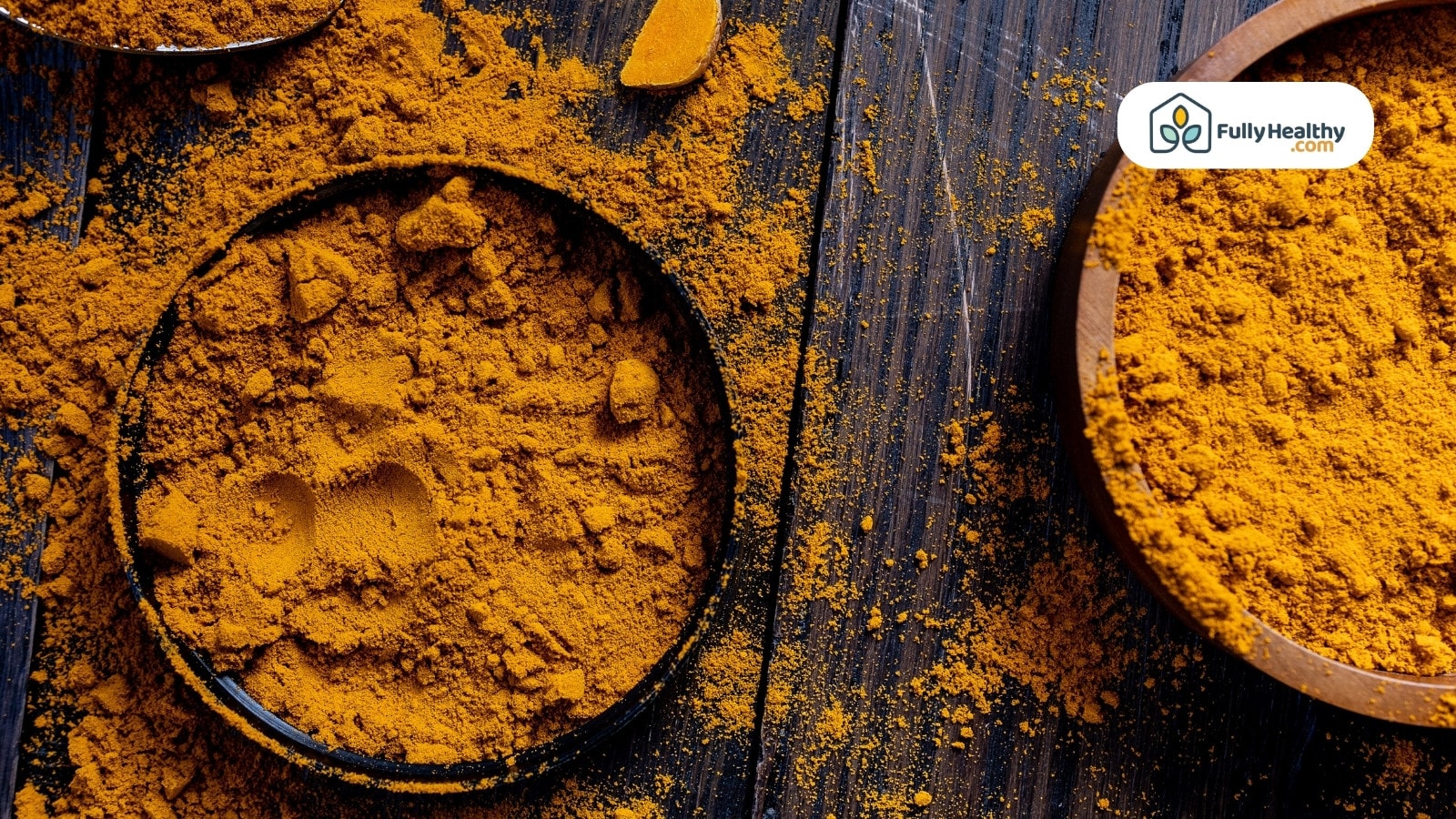 Photo Credit: Canva Pro
Turmeric doesn't just make food look different; it also changes the way it tastes. It only takes a little to change the taste, especially when combined with other things. It tastes earthy and slightly bitter, which makes both sweet and savory foods taste better together.
How Turmeric Alters Flavor in Recipes
Turmeric goes well with warm spices in Indian food to make a rich base. It goes well with saffron, paprika, and other spices, making everything taste better.
-
Pairs well with: Tomatoes, ghee, butter, and lemon for a smooth finish.
-
Boosts flavor in: Marinades, soups, rice, and lentil dishes.
-
Balances sweetness: Helps mellow out honey or naturally sweet vegetables.
-
Tames richness: Cuts through heavy fats like ghee and butter.
Best Dishes to Showcase Turmeric’s Flavor
When cooked, turmeric is strong but not overpowering. Indian and Middle Eastern dishes taste great with it, and it's simple to use in home cooking.
-
Ideal for: Rice with coriander and a squeeze of lemon for brightness.
-
Great in: Ghee-roasted vegetables, butter chicken, or hearty stews.
-
Try in: Golden milk with turmeric, milk, and a touch of honey.
-
Best with: Mild herbs like thyme or bay leaf for added aroma.
What Can FullyHealthy Offer Turmeric Lovers?
You can trust FullyHealthy to give you clean, real food products. They focus on foods that are good for certain diets, like gluten-free, AIP, and Paleo. This store has things you need to add turmeric to your food in effortless and tasty ways.
Top Turmeric Products on FullyHealthy
These turmeric-based items are high-quality and free from unnecessary additives. They're made to support clean eating and boost everyday meals.
-
Simply Organic Ground Turmeric: A fine powder made from turmeric root, perfect for spice blends, teas, and cooking.
-
Nuco Turmeric Coconut Wraps: Flexible wraps made with coconut and turmeric—ideal for wraps, tacos, or savory dishes.
-
Truly AIP Ginger Turmeric Herbal Tea: A calming tea made with turmeric, ginger, and herbs like rooibos and calendula.
How These Products Fit Into Your Diet
FullyHealthy products can be used in a lot of different ways and are simple to add to meals and drinks. They make it easy to eat more turmeric without adding sugar or artificial flavors.
-
Naturally sourced: No artificial ingredients or additives.
-
Diet-friendly: AIP, Paleo, and clean-eating approved.
-
Simple to use: Just add a teaspoon of turmeric to recipes or teas.
-
Great for variety: Use in teas, wraps, or spice mixes.
Final Thoughts
Turmeric has a distinct flavor that gives many foods color, warmth, and depth. This old spice still works great in both traditional and modern cooking, whether you use fresh turmeric, turmeric powder, or turmeric root.
To go with rice and herbal teas, cumin, cinnamon, and coriander are some of the spices that go well with turmeric. Turmeric is widely used in South Asian and Middle Eastern cuisines, and a popular ingredient which is growing globally. It has a long history in Indian and Southeast Asian cooking and may be good for you.
If you want to find out more about its medicinal properties or health benefits, try it in marinades, baked goods, or with black pepper and coconut milk to help the body absorb it better. Just one teaspoon can change the taste of your food and help you reach your clean-eating goals.
FAQs
What does fresh turmeric taste like in baked goods with ghee and squeeze of lemon?
Fresh turmeric has warm flavour with slight bitterness that pairs well with ghee, lemon, and coriander in baked goods.
Can powdered turmeric be used in marinades with saffron and paprika?
Yes powdered turmeric works with saffron, paprika, tomatoes, and other ingredients like butter and honey in marinades.
Is turmeric root from india used in indian cuisine with herbs and teas?
Turmeric root is common ingredient in india, used in teas, herbs, and indian cuisine dishes with cumin.
Does ground turmeric taste sweet when mixed with squeeze of honey and lemon?
Ground turmeric is not sweet but adding honey and lemon brings out citrusy notes and balances bitterness.
How much teaspoon turmeric powder to use with ghee, coriander, and other ingredients?
Use 1 teaspoon of turmeric with ghee, coriander, cumin, and other ingredients for balanced flavour in many dishes.
Leave a comment