

What Fruit Has the Most Fiber? Best Picks for Your Diet
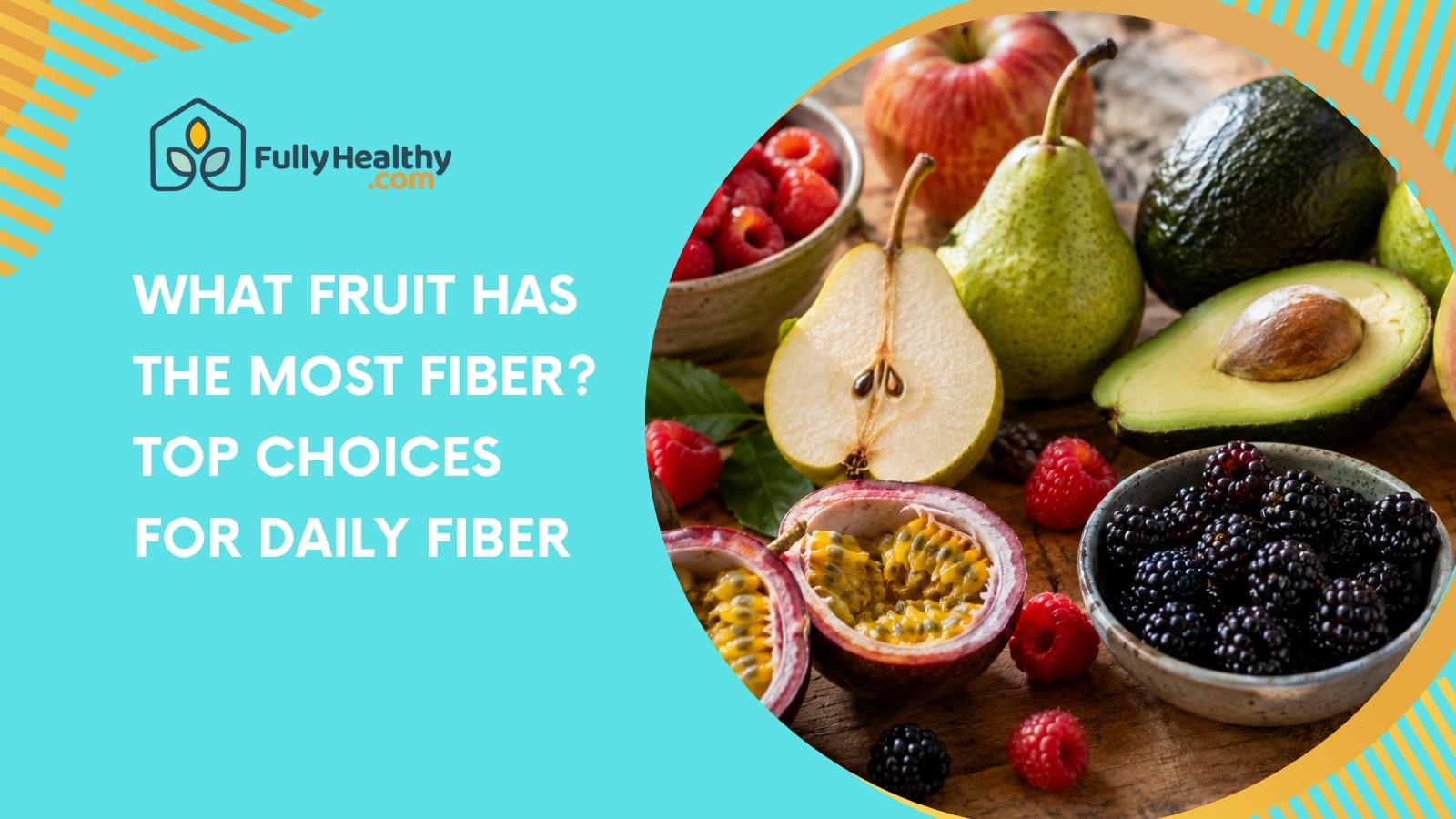
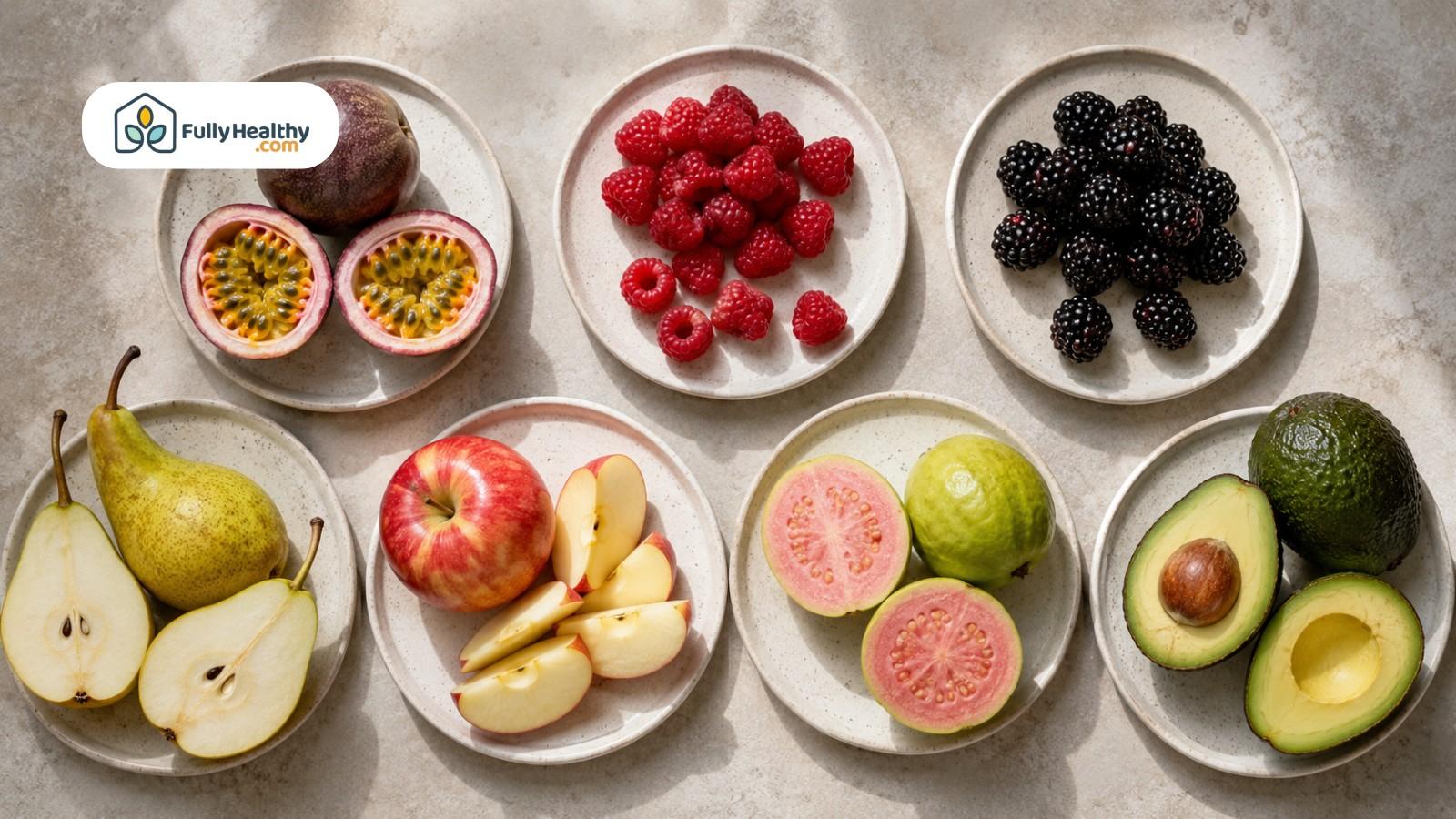
What fruit has the most fiber? Passion fruit is one of the richest choices, while raspberries, pears, apples, and avocados are also strong options. Most adults need about 30 grams of fiber a day, so one apple is helpful but not enough by itself.
A mix of fruit, vegetables, beans, and whole grains works best. Fiber supports regular digestion and feeds helpful gut bacteria. This guide clearly explains the best fruits, easy daily targets, gut-friendly picks, and practical snack ideas.
What Fruit Has the Most Fiber?
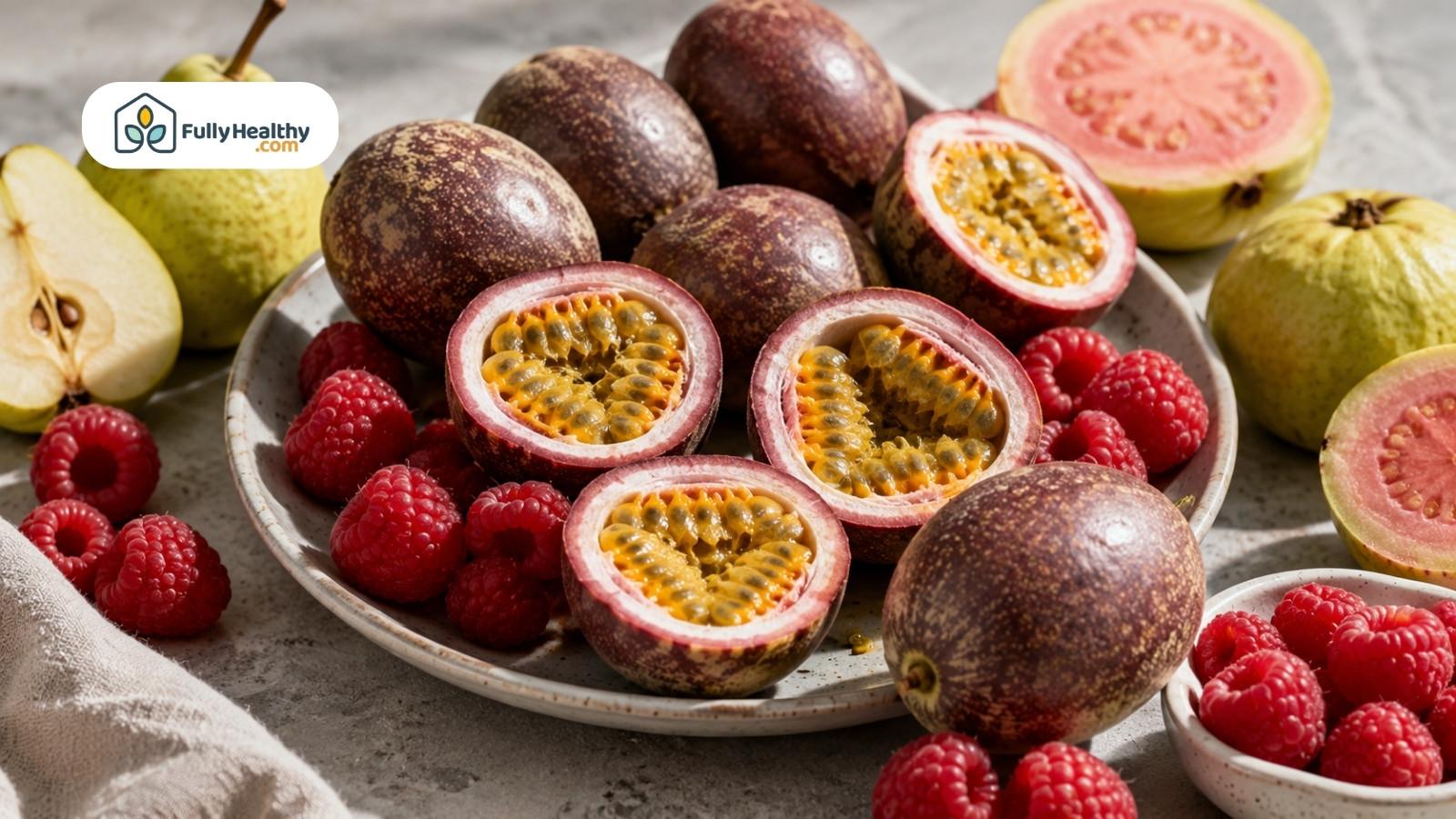
Knowing what fruit has the most fiber helps improve fiber intake without changing your whole diet. Passion fruit is among the high fiber fruits, while raspberries, pears, and avocados add vitamins C, plant compounds, and other nutrients.
Which Fruits Naturally Contain the Most Fiber Per Serving?
The fiber content of fruit depends on its type and serving size. Passion fruit offers plenty of fiber per serving, while one medium pear often provides more than one medium apple. Avocados are technically fruits and supply soluble fiber and healthy fats.
-
Passion fruit: It is one of the best tropical fruits for people seeking high fiber foods.
-
Raspberries: One cup provides dietary fiber.
-
Medium pear: A medium pear is a simple snack with fiber and water.
-
Avocado: It supports heart health and gut health.
Does Fresh, Frozen, or Dried Fruit Change Fiber Intake?
Fresh fruit, frozen fruit, and dried fruit can support daily fiber goals. Portions matter for blood sugar and weight management.
-
Fresh fruit: It provides fiber, water, and nutrients that support skin health.
-
Frozen fruit: It keeps most of its fiber content.
-
Dried fruit: It is high in fiber, but portions matter.
-
Half a cup: Half a cup can prevent overeating.
How Can I Get 30g of Fiber a Day?
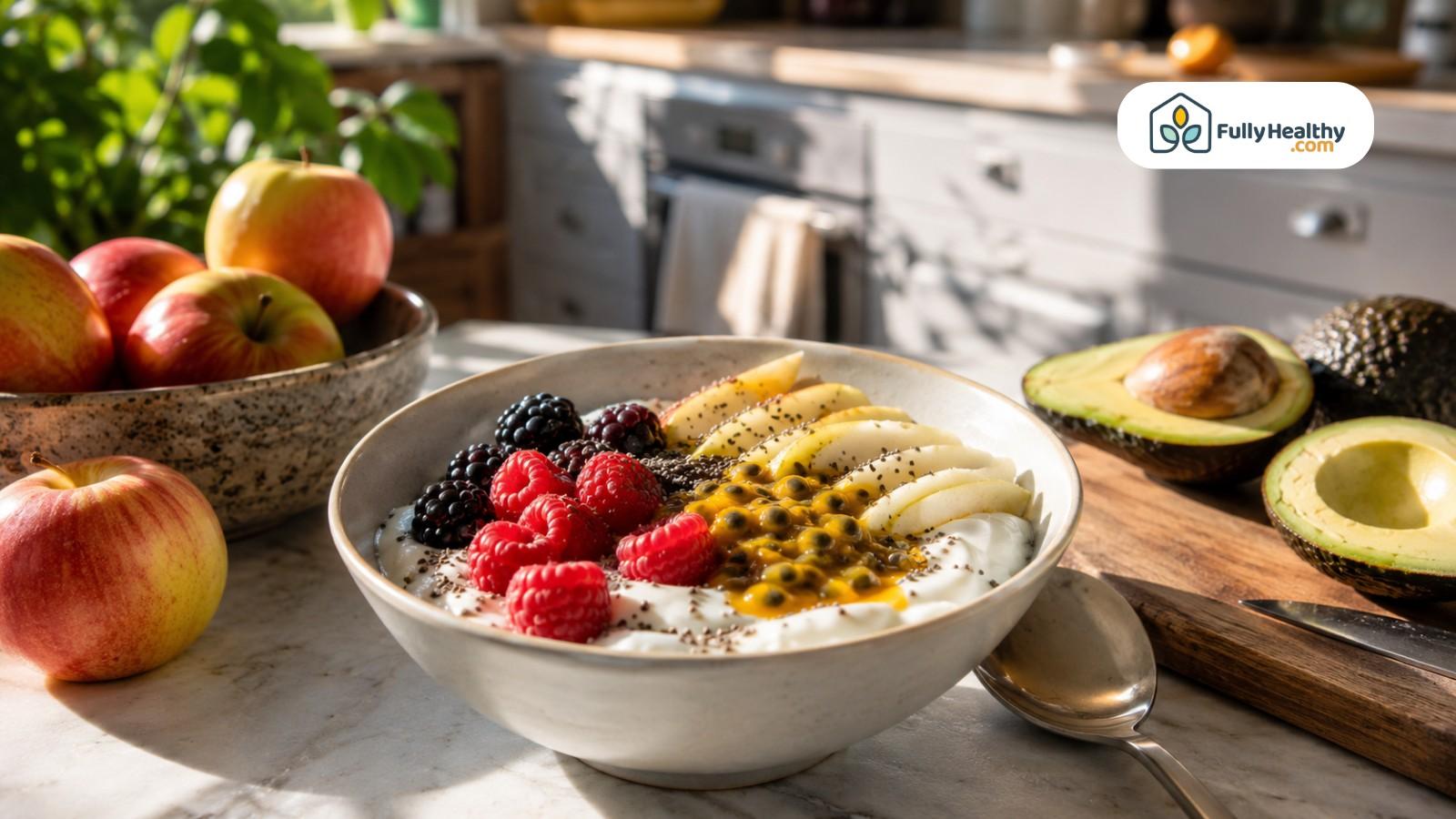
Reaching your daily fiber goal is easier when you spread fiber rich foods across meals. Increase fiber intake gradually because too much fiber may cause bloating.
What Does a 30g Fiber Day Actually Look Like?
A high fiber diet can be simple. Eat fruit and whole grains at breakfast, cooked lentils at lunch, and vegetables at dinner.
-
Breakfast: Pair one medium apple with oatmeal and nut butter.
-
Lunch: Add cooked lentils, vegetables, and one medium pear to a salad.
-
Dinner: Choose brown rice, beans, and vegetables for insoluble fiber.
-
Snack: Eat berries or tropical fruits to satisfy a sweet tooth.
Which Daily Habits Make It Easier to Reach Your Fiber Goal?
Small habits can raise fiber intake over time. Choose high fiber foods often, drink enough water, and include soluble and insoluble fiber.
-
Choose whole foods: Plant foods often beat processed foods.
-
Add fiber slowly: Increase fiber intake gradually to protect digestive health.
-
Drink water: Fluids help fiber move through the digestive system.
-
Mix sources: Mix fruits, grains, beans, nuts, and vegetables.
Is One Apple a Day Enough Fiber?
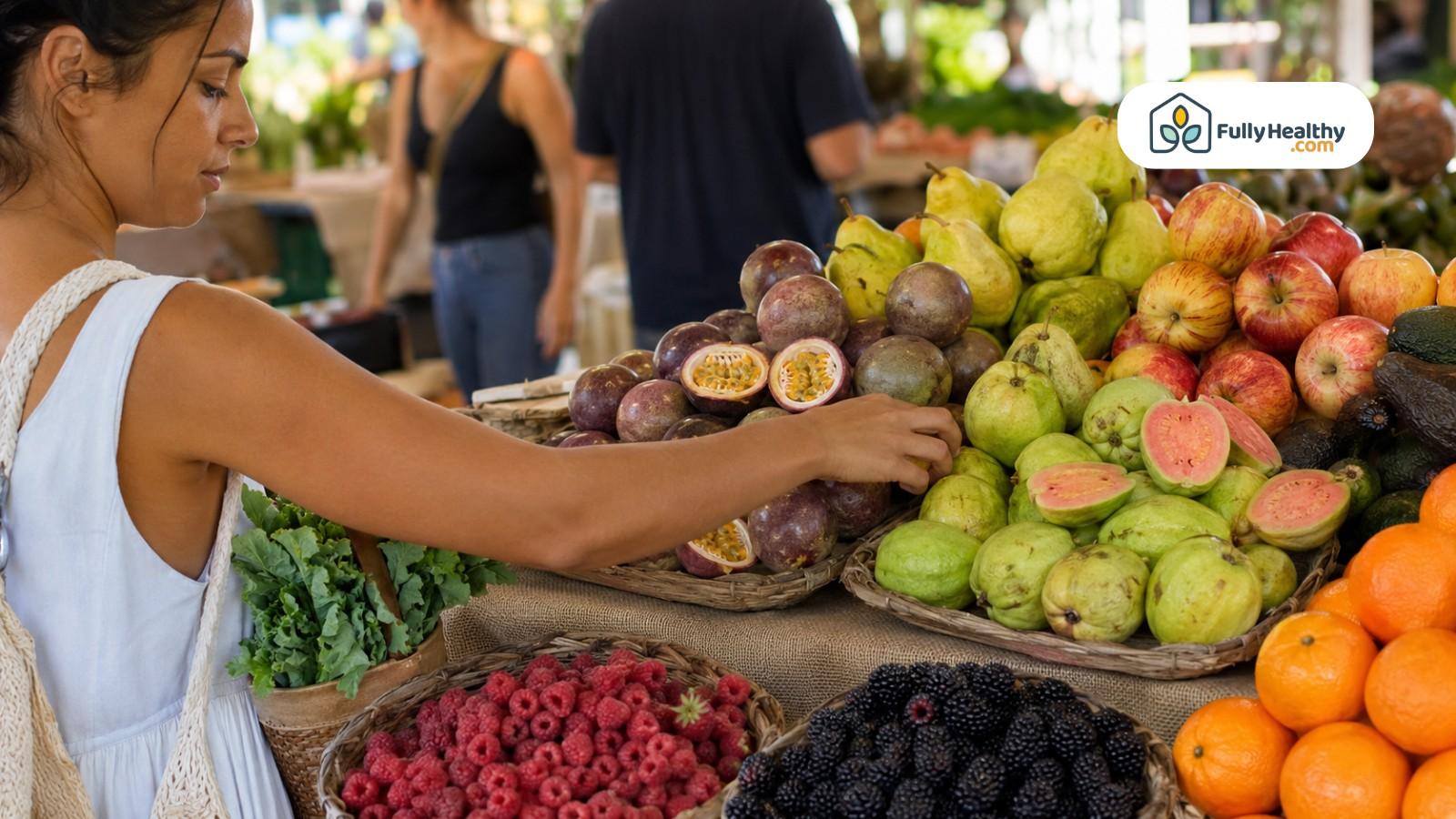
A medium apple is healthy, but it does not provide all the daily fiber most adults need. One medium apple offers useful dietary fiber but is not enough alone.
How Much of Your Daily Fiber Goal Does One Apple Cover?
One medium fruit, such as an apple, shows how much fiber one fruit adds. Pair it with other high fiber foods.
-
Add nut butter: Nut butter adds protein, healthy fats, and staying power.
-
Choose whole grains: Oats or whole-grain toast increase total fiber intake.
-
Add berries: Berries can provide as much fiber as larger fruits per serving.
Why Is Apple Fiber Helpful for Everyday Digestive Health?
Apple pectin supports beneficial bacteria in the gut. Apples also contain insoluble fiber, which helps stool move through the digestive tract. A balanced diet may also support brain health, mental health, and lower cardiovascular disease risk.
-
Gut support: Pectin feeds beneficial bacteria.
-
Regularity: Insoluble fiber supports normal bowel movements.
-
Blood sugar: Whole apples digest more slowly than juice.
-
Overall health: A high fiber diet offers broad health benefits.
What Fruit Is Good for Your Gut?
A healthy gut depends on eating fiber-rich plant foods each day. The following fruits provide fiber, prebiotics, and helpful plant compounds.
Which Fruits Naturally Support a Healthy Gut Microbiome?
Whole fruit provides dietary fiber that feeds beneficial bacteria in the large intestine. Research in lifestyle med, including J Lifestyle Med, offers context, not clinical guidance.
-
Berries: They provide fiber and plant compounds that help nourish beneficial bacteria.
-
Apples: They contain pectin, which forms a gel like substance during digestion.
-
Bananas: They offer prebiotic compounds that help feed healthy gut microbes.
-
Pomegranates: They add fiber and antioxidants to a balanced diet.
Why Do Fiber and Prebiotics Work Together for Better Digestion?
Fiber and prebiotics have different roles, but they work together in the digestive system. Soluble fiber forms a gel like substance that may help manage cholesterol levels. Insoluble fiber helps food move through the gut.
-
Digestive support: Regular fiber intake helps the large intestine work normally.
-
Heart protection: High-fiber eating patterns are linked with a lower risk of heart disease.
-
Long-term health: Research suggests that fiber-rich diets may help lower colon cancer risk.
-
Better balance: Whole fruit provides fiber, vitamins, and other nutrients together.
How Can FullyHealthy Help You Find Fruit-Based Specialty Foods?
Shopping for specialty foods can be difficult, especially for people following AIP, gluten-free, or allergen-friendly diets. FullyHealthy brings many options together in one place.
Which Specialty Diet Shoppers Benefit Most From FullyHealthy?
FullyHealthy is designed for shoppers who need clear dietary choices. The site offers curated products for AIP and other specialty diets, making comparison easier.
-
Curated choices: Shoppers can browse products grouped by dietary need.
-
Simple navigation: Categories make snacks, breakfast foods, and pantry items easier to find.
-
Convenient access: Customers can compare specialty products in one online store.
-
Better awareness: Clear labels help shoppers review ingredients before buying.
Which Fruit-Based Products Can You Find at FullyHealthy?
FullyHealthy lists fruit-based products for convenient snacking or pantry use. Whole fruit should remain the main choice for fiber because it has no added sugar. Americans fall short of the daily value for fiber, so packaged choices work best within a varied diet.
-
Mavuno Harvest Fruit Bites: They contain organic mango and coconut, with no added sugar or preservatives.
-
Bare Fruit Apple Chips: They are made from apples only and are baked, not fried.
-
St. Dalfour Fruit Spread: It is listed on FullyHealthy, but detailed nutrition information was not verified.
-
Balanced use: Pair packaged fruit products with fresh produce rather than treating them as the same amount of whole fruit.
Final Thoughts
Knowing what fruit has the most fiber makes it easier to build healthier eating habits. Instead of relying on one food, choose more fruits throughout the week to increase dietary fiber and support your daily fiber needs.
Fruits high in fiber, such as passion fruit, raspberries, pears, and apples, can help support digestion, good bacteria in the gut, and overall health when combined with vegetables, whole grains, and legumes.
The average person can benefit from eating a wider variety of fiber-rich foods instead of focusing on a single option. Use reliable wellness content to guide your choices, and remember that small changes can make a lasting difference to your long-term health.
FAQs
Which fruits high in fiber are best to eat every day?
Fruits high in fiber such as passion fruit, raspberries, pears, and apples are excellent choices to help meet daily fiber needs.
Can eating more fruits improve gut health?
Yes, eating more fruits provides dietary fiber that feeds good bacteria and supports healthy digestion.
Is one fruit enough for the average person to meet daily fiber needs?
No, the average person usually needs a variety of high-fiber foods because one fruit alone is not enough to meet daily fiber needs.
Why is fiber important for overall health?
Fiber supports digestion, helps nourish good bacteria, and is often included in trusted wellness content because of its many health benefits.
What is the easiest way to increase fiber every day?
The simplest approach is to eat more fruits, include fruits high in fiber with meals and snacks, and gradually work toward your daily fiber needs.
Leave a comment